Search
Search
3 Search Results:
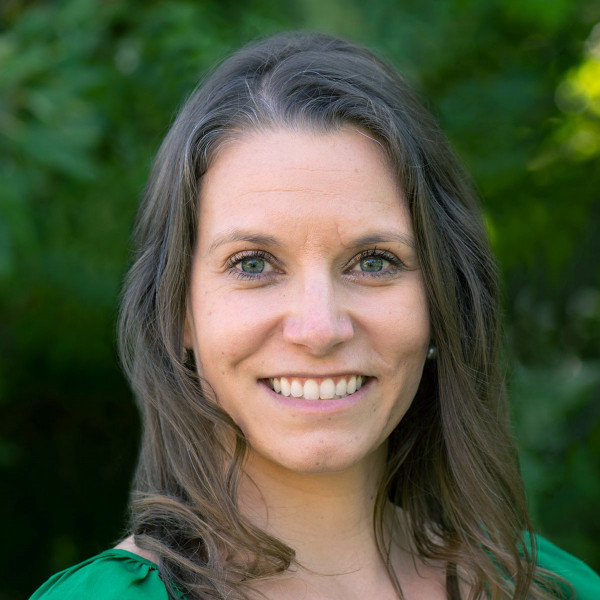
Ali Bateman
Ali Bateman, MD
Assistant Professor, Schulich School of Medicine and Dentistry
Key Areas of Focus:
Acquired and Traumatic Brain Injury; Spinal Cord Injury
Phone:
519-685-4080
Accepting Grad Students:
No
About:
Dr. Ali Bateman is a physiatrist at Parkwood Institute and an Assistant Professor in the Department of Physical Medicine and Rehabilitation Schulich School of Medicine & Dentistry at Western University. She is also an Associate Scientist at Lawson Health Research Institute, and the Quality Improvement Lead in the Department of Physical Medicine & Rehabilitation.
Dr. Bateman completed her medical degree and residency training at Western University, and is currently completing a master’s degree in Quality Improvement and Patient Safety through the Institute of Health Policy, Management, and Evaluation at the University of Toronto. She is also certified by the Canadian Society of Clinical Neurophysiologists and holds the designation of CSCN Diplomate (EMG). As a consultant physiatrist, Dr. Bateman provides care in acquired brain injury and spinal cord injury rehabilitation programs and the electrodiagnostic laboratory at Parkwood Institute.
Her research interests centre on quality improvement, patient safety, and knowledge translation with the aim of achieving best practices so that all persons with spinal cord and/or brain injury receive the best quality care.
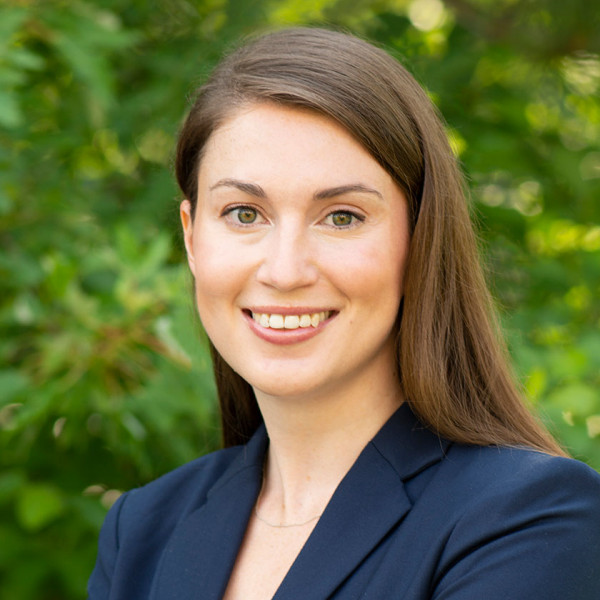
Heather MacKenzie
Heather MacKenzie, MD; MSc
Assistant Professor, Schulich School of Medicine and Dentistry
Key Areas of Focus:
Acquired and Traumatic Brain Injury
Phone:
519-685-4292, ext. 44080
Email:
Accepting Grad Students:
No
About:
Dr. Heather MacKenzie is a physiatrist at Parkwood Institute and an Assistant Professor in the Department of Physical Medicine and Rehabilitation in the Schulich School of Medicine and Dentistry at Western University. She completed her residency training in Physical Medicine and Rehabilitation at Western University and subsequently earned a Master’s of Science degree in Epidemiology at the Harvard T. H. Chan School of Public Health.
Her research program focuses on predicting outcomes after concussion/mild traumatic brain injury (mTBI). Although concussions/mTBIs are common and the majority of symptoms resolve within three months, a significant proportion of individuals remain symptomatic beyond one year. These persistent symptoms result in mobility challenges and reduced participation in instrumental activities of daily living as well as vocational and leisure activities. Dr. MacKenzie’s current research focuses on identifying patients that are at high-risk for developing persistent symptoms from concussion/mTBI so that interventions can be prioritized and rehabilitation services can be quickly mobilized. Early intervention for those expected to have a prolonged recovery has the potential to alter their trajectory and optimize their potential for a positive outcome and may also reduce the occurrence of persistent symptoms and decrease secondary disability related to their injury.
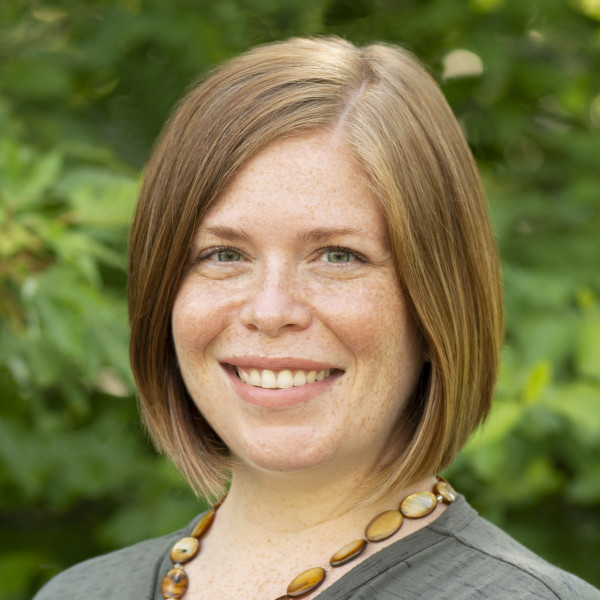
Jamie Fleet
Jamie Fleet, MD
Assistant Professor, Schulich School of Medicine and Dentistry
Key Areas of Focus:
Stroke
Phone:
519-685-4559
Social:
Accepting Grad Students:
No
About:
Dr. Jamie Fleet is a physiatrist at Parkwood Institute and an Assistant Professor in the Department of Physical Medicine and Rehabilitation at the Schulich School of Medicine and Dentistry at Western University. Dr. Fleet completed medical school as well as residency training in Physical Medicine and Rehabilitation at McMaster University. She is currently enrolled in a Master’s program in Clinical Epidemiology through the Health Research Methodology program at McMaster University with a focus on fracture treatment and prevention in older patients after stroke. Her primary clinical area of focus is in stroke rehabilitation.
Though still early in her career, Dr. Fleet has developed a strong research background, primarily focusing on drug safety studies in older adults using large data through ICES. Her other research interests include exercise and health promotion/prevention strategies in patients after stroke, as well as fall prevention strategies and pain management. "