


Search
Search
73 Search Results:
‘Brain training’ may be an effective treatment for post-traumatic stress disorder, clinical trial finds
LONDON, ON - Neurofeedback, also called ‘brain training,’ consists of exercises where individuals regulate their own brain activity. In a new study from Lawson Health Research Institute and Western University, researchers have found that neurofeedback may be an effective treatment for individuals with post-traumatic stress disorder (PTSD). Published in NeuroImage: Clinical, the clinical trial found that neurofeedback was effective in reducing symptoms of PTSD.
“Brain connectivity involves different parts of the brain communicating with each other and helps to regulate states of consciousness, thought, mood and emotion,” explains Dr. Ruth Lanius, scientist at Lawson, professor at Western’s Schulich School of Medicine & Dentistry and psychiatrist at London Health Sciences Centre. “Individuals with PTSD tend to have disrupted patterns of brain connectivity, but our research suggests they can exercise their brains to restore patterns to a healthy balance.”
Neurofeedback uses a system called a neurofeedback loop in which a person’s brain activity is measured through sensors placed on the scalp and displayed back to them using a computer interface. This allows the individual to complete exercises and visually see the results.
The trial tested neurofeedback with a total of 72 participants, including 36 participants with PTSD and 36 healthy control participants. Of those with PTSD, 18 were randomized to participate in neurofeedback treatment while the other 18 acted as a comparison group.
The study found that the severity of PTSD symptoms decreased in participants randomized to receive neurofeedback treatment. After treatment, 61.1 per cent of participants no longer met the definition for PTSD. This remission rate is comparable to gold standard therapies like trauma-focused psychotherapy.
The research team also used functional magnetic resonance imaging (fMRI) at St. Joseph’s Health Care London to capture brain scans of participants both before and after participation in the trial. They found that individuals with PTSD experienced positive changes in brain connectivity in the salience network and the default mode network following neurofeedback treatment.
“The salience network is involved in detecting threat as part of the ‘fight or flight’ response. It is normally hyperactive in individuals with PTSD. Meanwhile, the default mode network is activated during rest and is involved in autobiographical memory. We often see that this network is less active during rest and functionally disrupted among individuals with PTSD,” says Dr. Andrew Nicholson, affiliated scientist at Lawson. “Neurofeedback helped restore the functional connectivity of both networks to healthier levels.” Dr. Nicholson is an assistant professor at McMaster University and was formerly a post-doctoral fellow at Schulich Medicine & Dentistry.
The study involved weekly sessions of neurofeedback over 20 weeks. Participants were asked to reduce the intensity of the brain’s dominant brain wave – the alpha rhythm. Brain activity was visualized as either a still cartoon or a distorted picture. If the alpha rhythm was successfully reduced, the cartoon started playing or the picture started becoming clearer.
“Participants were not instructed on how to reduce the alpha rhythm. Rather, each individual figured out their own way to do so,” notes Dr. Lanius. “For example, individuals reported letting their mind wander, thinking about positive things or concentrating their attention.”
The team notes the treatment could have a number of clinical implications following further validation.
“Neurofeedback could offer an accessible and effective treatment option for individuals with PTSD,” says Dr. Lanius. “The treatment is easily scalable for implementation in rural areas and even at home.”
-30-
Downloadable Media
Image

Dr. Ruth Lanius, scientist at Lawson, professor at Western’s Schulich School of Medicine & Dentistry and psychiatrist at London Health Sciences Centre
Click for larger image.
Image

Dr. Andrew Nicholson, affiliated scientist at Lawson and assistant professor at McMaster University.
Click for larger image.

Image

The study tested use of a neurofeedback loop in which a person's brain activity is measured through sensors placed on the scalp and displayed back to them using a computer interface. Brain activity was visualized as either a still cartoon or a distorted picture that would move or become clearer when the alpha rhythm was successfully reduced.
About Lawson Health Research Institute
Lawson Health Research Institute is one of Canada’s top hospital-based research institutes, tackling the most pressing challenges in health care. As the research institute of London Health Sciences Centre and St. Joseph’s Health Care London, our innovation happens where care is delivered. Lawson research teams are at the leading-edge of science with the goal of improving health and the delivery of care for patients. Working in partnership with Western University, our researchers are encouraged to pursue their curiosity, collaborate often and share their discoveries widely. Research conducted through Lawson makes a difference in the lives of patients, families and communities around the world. To learn more, visit www.lawsonresearch.ca.
About Western
Western delivers an academic experience second to none. Since 1878, The Western Experience has combined academic excellence with life-long opportunities for intellectual, social and cultural growth in order to better serve our communities. Our research excellence expands knowledge and drives discovery with real-world application. Western attracts individuals with a broad worldview, seeking to study, influence and lead in the international community.
About The Schulich School of Medicine & Dentistry
The Schulich School of Medicine & Dentistry at Western University is one of Canada’s preeminent medical and dental schools. Established in 1881, it was one of the founding schools of Western University and is known for being the birthplace of family medicine in Canada. For more than 130 years, the School has demonstrated a commitment to academic excellence and a passion for scientific discovery.
Media Contacts
Celine Zadorsky
Senior Media Relations Consultant
Communications & Public Engagement
T: 519-685-8500 ext. 73502
Celine.zadorsky@lhsc.on.ca
$1.2 million in federal funding to study women Veterans experiencing homelessness
LONDON, ON – A first-of-its-kind study led by Lawson Health Research Institute is receiving $1.2 million in funding from the federal government, delivered through the Veteran Homelessness Program, to better understand homelessness amongst women in Canada who are military Veterans.
“This is an important and yet often invisible problem,” says Dr. Cheryl Forchuk, Lawson Assistant Scientific Director based at St. Joseph’s Health Care London’s Parkwood Institute and the study lead. “This is the first Canadian study to focus exclusively on women Veterans’ experience of homelessness. Gender matters, especially when we’re talking about female Veterans who are homeless. If they’ve experienced sexual trauma or abuse or have children, and the only Veteran housing available is a group setting for men, that will be an issue.”
Dr. Forchuk and her team have begun travelling to cities and towns across Canada to conduct interviews with female Veterans experiencing homelessness or who have previously experienced homelessness. They will gather data such as demographics, history of housing and homelessness, and services accessed. The team will also host focus groups with homeless- and Veteran-serving agency staff. The locations have been selected in partnership with The Royal Canadian Legion and other Veteran-serving groups, focusing on areas with pockets of female Veterans experiencing homelessness.
“We will also explore the pathways and experiences of homelessness, what barriers are faced, what has been helpful and what future services should focus on,” adds Dr. Forchuk.
“This study is a vital step towards addressing the unique challenges faced by female Veterans experiencing homelessness,” says Peter Fragiskatos, Parliamentary Secretary to the Minister of Housing, Infrastructure and Communities and Member of Parliament for London North Centre on behalf of the Honourable Sean Fraser, Minister of Housing, Infrastructure and Communities. “By investing in research like this, we are making significant progress in understanding and improving the support systems for this population, contributing to the federal government's efforts to end homelessness among Veterans.”
“This significant investment reflects our dedication to addressing the issue of homelessness among female Veterans,” says Arielle Kayabaga, Member of Parliament for London West. “By supporting this pioneering study, we aim to uncover the specific barriers they face and develop targeted solutions that honour their service and ensure they receive the support they deserve.”
The goal of the four-year study is to ensure there is accurate data to inform gender-specific interventions and guidelines for policy, practice and care of female Veterans. Canadian Armed Forces Veterans make up a disproportionate percentage of those experiencing homelessness according to a 2018 report.
“It is clear that the circumstances surrounding this particular subset of our Veteran population are not well enough understood,” says Carolyn Hughes, Director of Veterans Services with The Royal Canadian Legion. “It is our hope that this project will help fill in some of those blanks and at the same time, further enlighten all of us who serve Veterans, so that we may provide even more timely and focused assistance when and where it’s needed most.”
St. Joseph’s Parkwood Institute has an embedded legacy of Veterans’ care, having originally been a Veterans’ hospital and now hosting a Veterans’ inpatient centre, the Operational Stress Injury (OSI) Clinic, as well as the MacDonald Franklin OSI Research and Innovation Centre. The research centre is recognized as Canada’s leader in mental health research dedicated to enhancing the lives and wellbeing of military personnel, Veterans and their families. The directors of the centre are co-investigators on the study.
For more information, please contact:
Debora (Flaherty) Van Brenk
Communication Consultant
St. Joseph’s Health Care London
C: 226-577-1429 or 519-318-0657
T: 519-646-6100 ext. 42534
@email
About Lawson Health Research Institute
Lawson Health Research Institute is one of Canada’s top hospital-based research institutes, tackling the most pressing challenges in health care. As the research institute of London Health Sciences Centre and St. Joseph’s Health Care London, our innovation happens where care is delivered. Lawson research teams are at the leading-edge of science with the goal of improving health and the delivery of care for patients. Working in partnership with Western University, our researchers are encouraged to pursue their curiosity, collaborate often and share their discoveries widely. Research conducted through Lawson makes a difference in the lives of patients, families and communities around the world. To learn more, visit www.lawsonresearch.ca.
$65.75M grant positions Lawson as Canadian leader in workplace-injury research

Massive research investment by the Workplace Safety and Insurance Board (WSIB) to St. Joseph’s Health Care London will transform occupational illness and injury
LONDON, Ont. – A “game-changer” investment of $65.75 million to Lawson Research Institute (Lawson) of St. Joseph’s Health Care London, (St. Joseph’s) will transform the prevention, diagnosis and treatment of workplace injuries and illness for Ontarians.
The visionary 10-year commitment is the WSIB's largest-ever research injection; the largest non-government research investment in London history; and the biggest single grant stewarded through St. Joseph’s Health Care Foundation.
The landmark investment will bring people, technology and science-backed innovation together to launch the first-in-Canada Occupational Injury Prevention and Treatment Network. Its focus on novel solutions in workplace health will serve Ontario’s workforce, and its innovations will have worldwide impact.
Landmark work, global leadership
“This is a game-changer, something that will transform how we work together to get ahead of work-related injury, pain and mental illness,” says Lisa Porter, PhD, Vice-President Research at St. Joseph’s and Scientific Director at Lawson, the research arm of St. Joseph's. “This investment will propel us to global leadership in finding solutions to some of the most pervasive issues affecting workplaces today.”
Occupational injuries and illnesses – including chronic pain, physical disability and mental health conditions – have a significant impact on many people, families and businesses in Ontario. Every year, they account for almost 250,000 claims registered through the WSIB, with benefit payments of approximately $2.5 billion.
“Too many Ontario families experience the human cost of workplace injury,” says Jeffery Lang, President and CEO of the WSIB. “We want fewer injuries to happen, and if they do, to be able to help people with a safe and faster recovery. This research is going to help us get there – and with their established expertise, St. Joseph’s Health Care London’s Lawson team is a natural partner for this important work.”
Investment and innovation
The network will innovate long-term solutions to prevent mental and physical injuries, accelerate recovery and ensure sustainable health for the workforce.
It will feature state-of-the-art infrastructure and expertise including:
- A first-in-Canada positron emission tomography/magnetic resonance imagery (PET/MRI) scanner enabling research into rapid and accurate diagnosis of mental health conditions including post-traumatic stress and depression
- A cutting-edge Computer-Assisted Rehabilitation Environment (CAREN), a unique, virtual-reality environment that will test and solve workplace injury, rehabilitation and chronic pain in new ways
- Three new endowed research Chairs and teams of scientists solving the most critical research questions plaguing people injured at work, an investment that will ensure long-term consistency and sustainability of the work
- Deploying technology in data science, artificial intelligence (AI) and virtual reality, making the network accessible by centres and workplaces across Canada
- Rapid-access research area to design and test assistive devices such as splints and mobility technology
- Leading research initiatives specific to health-care practitioners in employee wellness, resilience and mental health solutions for occupational trauma
St. Joseph’s President and CEO Roy Butler says, “We know that discovery-driven, patient-focused research improves lives – that is the focus of our hospital-based research at Lawson, and we’re humbled that the WSIB has entrusted us to expand this vital work to minimize the effects of workplace injury, disease and disability. This significant investment will drive innovation opportunities that will translate into novel new treatments and tools that can be used to battle workplace injury and illness.”
He adds, “This investment will enable us to leverage the deep expertise St. Joseph’s already has in mental health, chronic pain and rehabilitation, and creates the opportunity to expand our knowledge to support workplace wellness, including for frontline health-care workers.”
Foundation President and CEO Michelle Campbell says, “Donors to the foundation invest in research because they know that innovation leads to healthier people and healthier communities. It’s a partnership of promise, a confident stride towards better outcomes for patients. The WSIB’s research grant is a whole new level of leadership, and we’re proud to be integral to this transformation in workplace health.”
As the network hub, St. Joseph's will use its vast community and research partnerships throughout London and across Canada, in multiple collaborations across a wide range of health disciplines.
- 30 –
Media package is available, with downloadable B-roll, headshots, photos and fact sheet
For interviews or more information, contact:
Debora (Flaherty) Van Brenk
Communication Consultant, St. Joseph’s Health Care London
C: 226-577-1429 or 519-318-0657
@email
OR
Christine Arnott,
Public Affairs Manager, WSIB
@email
About Lawson Research Institute: Lawson Research Institute, the health innovation arm of St. Joseph's Health Care London, is committed to making and sharing discoveries that improve lives locally and internationally. Every day, Lawson researchers work to transform imagination to innovation to patient impact. Lawson leads health-care research. Find us online at sjhc.london.on.ca/research and on social media @stjosephslondon.
A “safety net of relationships” to bridge the gap between hospital and community at discharge
LONDON, ON – A beneficial and cost-effective approach to mental health care that supports people as they go from hospital and back into the community is outlined in a new resource and has been recognized internationally by the World Health Organization (WHO).
“The immediate period after discharge from hospital, usually the first month, can be one of the most vulnerable times in the life of someone experiencing a mental illness. It can be when they are most at risk of committing suicide,” explains Dr. Cheryl Forchuk, Assistant Scientific Director at Lawson Health Research Institute. “However, what we’ve seen is that there’s often a gap between when someone says ‘goodbye’ to the hospital inpatient unit and ‘hello’ to the community care provider.”
Today during a virtual book launch, a research team from Lawson and several community organizations discussed details of a new publication from Routledge, From Therapeutic Relationships to Transitional Care: A Theoretical and Practical Roadmap, edited by Dr. Forchuk. The book combines theory, research and best practices into a “roadmap” for organizations and others worldwide coordinating services or studying mental health care systems. It includes a practical toolkit for implementing the Transitional Discharge Model (TDM), developed and tested in communities across Ontario.
TDM was born from a participatory action project with consumers of mental health services. They identified two factors that were most important to them when they were going from hospital to the community: consistency in therapeutic relationships and a supportive peer friendship. They described it as a “safety net of relationships” that would bridge the gap between hospital and community services.
“As a person-centred, evidence-based model, transitional discharge supports a smooth adjustment from hospital to community,” says Dr. Forchuk. “The inpatient staff continue to care for discharged clients until therapeutic relationships are established with community care providers. At the same time, we have a friendship model of peer support. These are trained people with lived experience of mental illness who have made the same journey.”
Lance Dingman was a TDM client during the early phases of the project. “It makes a big difference when you’re able to get back to living in the community and in your own dwelling. You get to make more of your own decisions and learn about what you want to do. You grow with your experience and the guidance of others who are there to support you.”
Later becoming a peer support coach, Dingman feels implementing TDM for mental health care is important because people can learn from each other and get healthier in the process. “As a peer support worker, I sit with people and they tell me their story. It takes me back and I know what they are going through – I was where they are. I can share my own story and tell them what I did to get better.”
Dr. Forchuk’s team analyzed the cost of TDM after being tested in nine hospitals across Ontario, including London Health Sciences Centre and St. Joseph’s Health Care London. On average, the length of stay in hospital was reduced by almost 10 (9.8) days per admission and each site saved approximately $3.3 million per year. “People can return home sooner because a higher level of care and support is in place when they leave hospital. If all hospitals in Ontario with mental health services were able to implement our transitional discharge model, we would save $60 million per year in hospital stay costs alone while providing enhanced mental health care.”
The TDM approach is now considered a “good practice” by WHO and was recently the only Canadian example included in its Guidance on community mental health services: Promoting person-centered and rights-based approaches. This set of publications provides information and support to all stakeholders who wish to develop or transform their mental health system and services to align with international human rights standards including the UN Convention on the Rights of Persons with Disabilities.
-30-
About Lawson Health Research Institute
Lawson Health Research Institute is one of Canada’s top hospital-based research institutes, tackling the most pressing challenges in health care. As the research institute of London Health Sciences Centre and St. Joseph’s Health Care London, our innovation happens where care is delivered. Lawson research teams are at the leading-edge of science with the goal of improving health and the delivery of care for patients. Working in partnership with Western University, our researchers are encouraged to pursue their curiosity, collaborate often and share their discoveries widely. Research conducted through Lawson makes a difference in the lives of patients, families and communities around the world. To learn more, visit www.lawsonresearch.ca.
Media Contacts
Celine Zadorsky
Senior Media Relations Consultant
Communications & Public Engagement
T: 519-685-8500 ext. 73502
Celine.zadorsky@lhsc.on.ca
A new study is examining if probiotics can improve outcomes in knee replacement surgeries
LONDON, ON - Researchers at Lawson Health Research Institute are examining whether the use of a daily probiotic can improve outcomes in patients who undergo a total knee replacement surgery.
There are more than 70,000 knee replacement surgeries in Canada each year, and up to 10 per cent of patients experience complications following the procedure.
“One in five patients are dissatisfied after surgery due to pain and discomfort, and some patients need a repeat surgery because there is complication, infection or loosening of the joint,” says Dr. Matthew Teeter, Lawson Scientist at London Health Sciences Centre (LHSC).
Dr. Teeter and the research team are focused on improving patient outcomes. Recognizing that knee replacement patients who are considered healthy tend to have better outcomes, they are interested in how they can better support patients’ overall health as one way to optimize their outcomes.
“The knee replacement patients I see in clinic are very diverse - from young healthy active patients to medically complex to socioeconomically disadvantaged,” says Dr. Brent Lanting, Lawson Scientist and Orthopaedic Surgeon at LHSC. “We know those with poor health do not do as well as those with good health, good diet, and good supports. This study is profound in that it investigates a core aspect of our health – the gut microbiome.”
The research team will recruit 30 participants who are scheduled for a knee replacement surgery. Half of the participants will receive a daily probiotic for six-weeks ahead of the surgery, and the other half will act as a control group.
“Our microbiome is a large part of why we are healthy. A healthy person has a microbiome that produces vitamins and other things which cross over to our system and helps promote healing,” says Dr. Jeremy Burton, Lawson Scientist and Research Chair of Human Microbiome and Probiotics at St. Joseph’s Health Care London. “We are hoping it will improve more deep healing and prevention of the rejection of the joint by improving the microbiota by giving probiotics.”
The team will assess outcomes using CT imaging, looking at the bone and implant and how it is fixing into place. They will also use PET/MRI to look at the cellular activity around the joint and inflammation.
“This should give us a sharp focus of what is going on with the joint and help us determine if there was a positive effect by using probiotics,” explains Dr. Teeter.
If the pilot study proves to be promising, the team will then work towards a larger clinical trial, combining probiotics into pre-surgical care.
“Ultimately, we want better patient outcomes with a simple treatment,” adds Dr. Burton. “If we can help improve outcomes with the use of a daily probiotic, that is a great win.”
The research team received a New Frontiers in Research Fund (NFRF) of $250,000 over three years to conduct this study.
About Lawson Health Research Institute
Lawson Health Research Institute is one of Canada’s top hospital-based research institutes, tackling the most pressing challenges in health care. As the research institute of London Health Sciences Centre and St. Joseph’s Health Care London, our innovation happens where care is delivered. Lawson research teams are at the leading-edge of science with the goal of improving health and the delivery of care for patients. Working in partnership with Western University, our researchers are encouraged to pursue their curiosity, collaborate often and share their discoveries widely. Research conducted through Lawson makes a difference in the lives of patients, families and communities around the world. To learn more, visit www.lawsonresearch.ca.
Media Contacts
Celine Zadorsky
Senior Media Relations Consultant
Communications & Public Engagement
T: 519-685-8500 ext. 73502
Celine.zadorsky@lhsc.on.ca
Biotech Support Group & Lawson Health Research Institute Enter Collaborative Research Agreement to Monitor Protease Inhibitor Function During COVID-19 Infections
MONMOUTH JUNCTION, NJ USA and LONDON, ON, CANADA – Biotech Support Group and Lawson Health Research Institute announce a collaborative research agreement. The agreement supports further research to monitor protease inhibitor function acquired from blood collected from hospitalized patients with the SARS-CoV-2 (COVID-19) virus. The initial study will be reported as a poster at the upcoming American Society for Mass Spectrometry (ASMS) Conference, Oct. 31 – Nov. 4, 2021, in Philadelphia PA USA. The poster is entitled: “A Preliminary Investigation Using Targeted LC-MS Proteomic Methods Demonstrates Unique Serum Profiles of Hospitalized SARS-CoV-2 Patients. ”

We describe how serine proteases are enzymes that irreversibly split and sever proteins, and thus play critical roles in many key biological processes including digestion, blood coagulation, and immunity. During stress or inflammation, many proteases are produced and discharged into the general circulation, while others are cell membrane-bound; the largest group being the Type II Transmembrane Serine Proteases (TTSPs). TTSPs play a critical cooperative role in the viral infectivity of coronaviruses, especially so now in the SARS-CoV-2 (COVID-19) pandemic.
With such viral infections, there comes an increased level of serine protease activity, due in part to both, an exuberant innate immune response to counter the infectious insult, and the added TTSP activity that derives from the virus load and propagation. As a result, current clinical practice cannot predict and monitor the protease overload triggered by SARS-CoV-2 (COVID-19) and similar infections, and with that, any possible severity, from thrombosis and other complications.
The purpose of this research agreement is to bring together complementary technologies, methods, and intellectual property towards the goals of:
-
utilizing one or more proteomic patterns from Serpin subforms as biomarkers for precision or personalized medicine to clinically manage viral infections; and,
-
developing new therapeutic strategies which can modulate serine proteases, for better clinical outcomes of hospitalized Covid-19 patients.
“This is a very exciting collaboration for us as it supports our efforts in sample prep on the product side, along with bolstering our biomarker intellectual property. This is because, for serum/plasma samples, small biological variances remain hard to measure robustly, mainly due to the presence of highly abundant proteins. For validating small differences established from discovery proteomics, it becomes critical to pair target peptides to sample prep methods to best quantify and establish differentiated profiles between disease and normal states. For this purpose, we will report on the beneficial use of AlbuSorb™ PLUS, to deplete Albumin & IgG in our upcoming ASMS poster, ” states Swapan Roy, Ph.D., President and Founder of Biotech Support Group.
“Based on our preliminary Serpin data profiles, we established differences between the three patient cohorts. This suggests the importance of considering Serpin functions as major players in both risk factors for infection, as well as progressiveness to severe disease. Now through this collaboration, we will investigate larger cohorts using the methods to measure functional Serpin features by LC-MS. Our joint goal is to have biomarkers to help personalize clinical decisions, and develop new anti-COVID-19 therapeutic strategies.” states Douglas Fraser, MD, Ph.D., Lawson Clinician Scientist.
“This very timely collaboration will help to further develop critically needed COVID-19 therapeutic approaches that are included as part of an extensive intellectual property portfolio related to Dr. Fraser’s work on COVID-19 diagnostics, outcome prediction and therapeutic approaches that we have filed over the past year,” states Kirk Brown, Lawson Manager, Business Development at WORLDiscoveries.
Click here to learn more about how BSG’s Sample Prep Products have been used and cited for Discovery, Targeted and Clinical Proteomic applications.
-30-
See all Lawson Media Releases
About Biotech Support Group LLC
Converging with cultural and technological disruptions forthcoming in healthcare, Biotech Support Group develops methods for cost effective and efficient sample prep essential for these expanding markets. Following a tiered business strategy, the company continues its growth in the consumable research products area supporting the rapidly expanding installation of LC-MS instrument and computational infrastructure. For this market, key products include: AlbuVoid™ and AlbuSorb ™ for albumin depletion, Cleanascite ™ for lipid adsorption, HemogloBind™ and HemoVoid™ for hemoglobin removal, and NuGel™ for functional proteomics. From these innovations, the company has acquired knowledgebase and biomarker intellectual property assets that support discoveries of protein markers from blood, with special emphasis on personalized medical decisions for cancer and Covid-19 patients. For more information, go to https://www.biotechsupportgroup.com.
About Lawson Health Research Institute
Lawson Health Research Institute is one of Canada’s top hospital-based research institutes, tackling the most pressing challenges in health care. As the research institute of London Health Sciences Centre and St. Joseph’s Health Care London, our innovation happens where care is delivered. Lawson research teams are at the leading-edge of science with the goal of improving health and the delivery of care for patients. Working in partnership with Western University, our researchers are encouraged to pursue their curiosity, collaborate often and share their discoveries widely. Research conducted through Lawson makes a difference in the lives of patients, families and communities around the world. To learn more, visit www.lawsonresearch.ca.
About WORLDiscoveries®
WORLDiscoveries is the business development arm of London’s extensive research network and the bridge between local invention and global industry. Born out of a partnership between Western University, Robarts Research Institute and Lawson Health Research Institute (collectively known as the Partners), WORLDiscoveries draws upon a mix of industry connections, sector-specific market knowledge and business development expertise, to help researchers and local inventors commercialize their discoveries through licensing and new company spin-offs.
Media Contacts
Celine Zadorsky
Senior Media Relations Consultant
Communications & Public Engagement
T: 519-685-8500 ext. 73502
Celine.zadorsky@lhsc.on.ca
Clinical trial will evaluate new therapy for patients with treatment-resistant depression as a result of bipolar disorder
LONDON, ON – Researchers at Lawson Health Research Institute are offering new hope to patients with treatment-resistant depression through participation in a national clinical trial. The study is the first randomized controlled trial to examine the efficacy of a new treatment called magnetic seizure therapy (MST) for patients with treatment-resistant depression as a result of bipolar disorder.
Treatment-resistant depression is a severe form of depression that does not respond to traditional therapies like medication. It is particularly common in patients with depression from bipolar disorder who are left with limited treatment options.
For years electroconvulsive therapy (ECT) has been the gold standard for patients with treatment-resistant depression. ECT uses an electric field to induce a seizure that provides a therapeutic benefit. But while ECT is effective, many patients opt out of treatment due to stigma surrounding the therapy and the potential for cognitive side effects like disorientation and amnesia.
MST has emerged as a promising alternative. MST works in a similar way to ECT but uses a focused magnetic field as opposed to electricity. As a result, MST induces a more focused seizure to reduce the risk of cognitive side effects.
“Magnetic seizure therapy has already been shown as a promising treatment for major depressive disorder or unipolar depression,” explains Dr. Amer Burhan, local site lead, researcher at Lawson and neuropsychiatrist at St. Joseph’s Health Care London. “For the first time, we’re studying how effective the treatment is for depression as a result of bipolar disorder and whether it can reduce the risk of cognitive side effects associated with electroconvulsive therapy.”
The clinical trial is being led by the Centre for Addiction and Mental Health (CAMH) and will also be offered through Lawson and University of British Columbia (UBC) Hospital. Lawson researchers will invite eligible patients with treatment-resistant depression from bipolar disorder to participate in the trial at Parkwood Institute, a part of St. Joseph’s Health Care London.
Eligible patients will be randomized to receive either ECT or MST. Patients will be offered support throughout the study with the goal of improving patient outcomes in both groups. Patient outcomes will be compared to study the efficacy of MST and whether it is associated with reduced cognitive side effects.
MST will be delivered under anesthesia in 12 to 20 sessions. Sessions will last 10 to 15 minutes each with 60 to 90 minutes of recovery time.
“Magnetic seizure therapy holds promise of one day replacing electroconvulsive therapy as the gold standard for treatment-resistant depression,” says Dr. Burhan. If proven as a viable first-line treatment, MST would be very easy to implement in existing ECT clinics. MST would therefore be readily available to patients in need.
“We are on the leading edge of the field of brain stimulation for treatment-resistant depression in collaboration with CAMH and UBC,” says Dr. Burhan. “Our goal is to continue informing the care process through clinically-relevant research that serves patients, medical professionals and the public.”
-30-
About Lawson Health Research Institute
Lawson Health Research Institute is one of Canada’s top hospital-based research institutes, tackling the most pressing challenges in health care. As the research institute of London Health Sciences Centre and St. Joseph’s Health Care London, our innovation happens where care is delivered. Lawson research teams are at the leading-edge of science with the goal of improving health and the delivery of care for patients. Working in partnership with Western University, our researchers are encouraged to pursue their curiosity, collaborate often and share their discoveries widely. Research conducted through Lawson makes a difference in the lives of patients, families and communities around the world. To learn more, visit www.lawsonresearch.ca.
Media Contacts
Celine Zadorsky
Senior Media Relations Consultant
Communications & Public Engagement
T: 519-685-8500 ext. 73502
Celine.zadorsky@lhsc.on.ca
Controlled-release opioid may be leading to heart infections in persons who inject drugs
LONDON, ON – A new study from ICES, Lawson Health Research Institute and Western University suggests that injection drug users prescribed controlled-release hydromorphone are three times more likely to develop endocarditis, a serious bacterial heart infection, when compared to those prescribed other opioids. The findings, published today in The Lancet Infectious Diseases, build on growing evidence that some controlled-release opioids may lead to higher risk of infectious disease among persons who inject drugs.
The researchers looked at de-identified Ontario health data for hospital admissions related to injection drug use between 2006 and 2015. Of 60,529 admissions, 733 patients had infective endocarditis. The team found that regions with high hydromorphone prescription rates had more than double the cases of infective endocarditis (254 cases) when compared to regions with low prescription rates (113 cases).
The study also analyzed individual prescription records and found that among persons who inject drugs, those prescribed controlled-release hydromorphone were three times more likely to develop infective endocarditis when compared to those prescribed any other opioid. There was no increased risk for those prescribed the immediate-release form of hydromorphone.
“Added to the existing data, these findings make a compelling argument for the role of controlled-release hydromorphone in the growing risk of infective endocarditis among persons who inject drugs,” says Dr. Matthew Weir, Adjunct Scientist at ICES, Associate Scientist at Lawson and Assistant Professor at Western’s Schulich School of Medicine & Dentistry.
Opioids are often manufactured as controlled-release or ‘slow-release’ capsules to prevent rapid absorption of the drug. Properties in the capsules help to spread pain relief over a longer period of time.
This is the latest in a series of studies from the research team that suggest some controlled-release opioids may be leading to increased risk of infectious disease among persons who inject drugs.
In one study, they demonstrated that polymer-coated beads used to provide the slow-release property make controlled-release hydromorphone difficult to dissolve. They found equipment used to dissolve the drug retains up to 45 per cent of the initial dose, leading injection drugs users to save and reuse equipment.
With frequent re-handling of equipment, there are multiple opportunities for bacterial and viral contamination. The team found that HIV and a dangerous bacterium called Staphylococcus aureus are more likely to survive in equipment used to prepare controlled-release hydromorphone since added chemicals that make the drug slow-release promote survival of bacteria and viruses.
“There’s been a global increase in infectious diseases among persons who inject drugs and our research suggests that controlled-release prescription opioids may be a major culprit,” says Dr. Michael Silverman, Associate Scientist at Lawson and Associate Professor at Schulich Medicine & Dentistry. “We now have evidence that suggests the injection of controlled-release hydromorphone is increasing the spread of HIV, hepatitis C and endocarditis in Canada.”
The team believes these findings could also explain the increase in infectious complications in the USA and other countries where controlled-release hydromorphone is not on the market. There are other controlled-release opioids, such as controlled-release morphine, that use a similar slow-release mechanism and may carry similar risks.
“It’s important that people are aware of the infectious risks of injecting opioids and, if necessary, practice harm reduction techniques,” says Dr. Silverman. “We’ve found you can use a cigarette lighter to destroy bacteria and viruses by heating the cooker used to prepare the drug for about 10 seconds or until the mixture bubbles. We’ve termed the technique ‘cook your wash.’”
-30-
DOWNLOADABLE MEDIA
Equipment used by persons who inject drugs

Image

Cooker with lighter (demonstrating the ‘Cook your wash’ technique)

Image


Image

Image

About ICES
The Institute for Clinical Evaluative Sciences (ICES) is an independent, non-profit organization that uses population-based health information to produce knowledge on a broad range of health care issues. Our unbiased evidence provides measures of health system performance, a clearer understanding of the shifting health care needs of Ontarians, and a stimulus for discussion of practical solutions to optimize scarce resources. ICES knowledge is highly regarded in Canada and abroad, and is widely used by government, hospitals, planners, and practitioners to make decisions about care delivery and to develop policy. For the latest ICES news, follow us on Twitter: @ICESOntario
About Lawson Health Research Institute
Lawson Health Research Institute is one of Canada’s top hospital-based research institutes, tackling the most pressing challenges in health care. As the research institute of London Health Sciences Centre and St. Joseph’s Health Care London, our innovation happens where care is delivered. Lawson research teams are at the leading-edge of science with the goal of improving health and the delivery of care for patients. Working in partnership with Western University, our researchers are encouraged to pursue their curiosity, collaborate often and share their discoveries widely. Research conducted through Lawson makes a difference in the lives of patients, families and communities around the world. To learn more, visit www.lawsonresearch.ca.
About The Schulich School of Medicine & Dentistry
The Schulich School of Medicine & Dentistry at Western University is one of Canada’s preeminent medical and dental schools. Established in 1881, it was one of the founding schools of Western University and is known for being the birthplace of family medicine in Canada. For more than 130 years, the School has demonstrated a commitment to academic excellence and a passion for scientific discovery.
Media Contacts
Celine Zadorsky
Senior Media Relations Consultant
Communications & Public Engagement
T: 519-685-8500 ext. 73502
Celine.zadorsky@lhsc.on.ca
COVID-19 shown to leave unique lung fingerprint
LONDON, ON – Researchers at Lawson Health Research Institute (Lawson) developed and tested an artificial neural network for diagnosing COVID-19. The AI system was trained to learn and recognize patterns in ultrasound lung scans of patients with confirmed COVID-19 infection at London Health Sciences Centre (LHSC) and compared them to ultrasound scans of patients with other types of lung diseases and infections.
“The AI tool that we developed can detect patterns that humans cannot. Lung ultrasound scans of patients with COVID-19, as well as other lung diseases, produce a highly abnormal imaging pattern, but it is almost impossible for a physician to tell apart different types of infections by looking at these images. There are details, however, that distinguish COVID-19 at the pixel level that cannot be perceived by the human eye,” explains Dr. Robert Arntfield, Lawson Researcher and Medical Director of the Critical Care Trauma Centre at LHSC.
“The neural network was able to identify the unique characteristics among different scans, and exceed human-level diagnostic specificity. Our study of over 100,000 ultrasound images showed that while trained physicians could – as expected - not distinguish between different causes of lung disease, the AI had nearly perfect accuracy in making the diagnosis. It’s almost like the AI sees a QR code that we cannot see, unique to the disease.”
LHSC is a global leader in the use of point-of-care ultrasound. It has become an important tool for the diagnosis and care of critically ill patients experiencing acute respiratory failure. The convenience, portability and low cost of using these machines makes them ideally suited for pandemic conditions.
This study is part of a collaborative effort by a small group of local clinicians driven to innovate and create technology that solves complicated problems with AI. “There are a lot of brilliant minds in our city, and I’m very proud that we were able to rapidly pull together a local team to design, develop and test a complex idea,” says Dr. Arntfield. “We are already expanding on these findings with more research.” Lawson has recently approved Dr. Arntfield’s “Project Deep Breathe” which aims to go beyond COVID-19 and explore multiple conditions where lung ultrasound and AI can be paired together.
The study, “Development of a convolutional neural network to differentiate among the etiology of similar appearing pathological B lines on lung ultrasound: a deep learning study”, is published in BMJ Open.
-30-
About Lawson Health Research Institute
Lawson Health Research Institute is one of Canada’s top hospital-based research institutes, tackling the most pressing challenges in health care. As the research institute of London Health Sciences Centre and St. Joseph’s Health Care London, our innovation happens where care is delivered. Lawson research teams are at the leading-edge of science with the goal of improving health and the delivery of care for patients. Working in partnership with Western University, our researchers are encouraged to pursue their curiosity, collaborate often and share their discoveries widely. Research conducted through Lawson makes a difference in the lives of patients, families and communities around the world. To learn more, visit www.lawsonresearch.ca.
Media Contacts
Celine Zadorsky
Senior Media Relations Consultant
Communications & Public Engagement
T: 519-685-8500 ext. 73502
Celine.zadorsky@lhsc.on.ca
Detecting prostate cancer with a drop of blood and Gulf War technology
London, Ontario - Gulf War technology is making it possible for researchers to detect prostate cancer with a single drop of blood.
Hon Leong, PhD, assistant professor at Western University’s Schulich School of Medicine and Dentistry and scientist at Lawson Health Research Institute, and his team have repurposed a machine once used to detect airborne pathogens in the second Gulf War. The machine is now used for fluid biopsies – a non-invasive way to detect prostate microparticles in the blood in a matter of minutes. Microparticles are essentially garbage released by prostate cells that circulate throughout the bloodstream.
Most men who are more than 40 years old, regardless of their health, have detectable levels of prostate microparticles in their bloodstream. Leong’s research is the first clinical cancer research project to correlate the number of microparticles in the blood to the risk of having prostate cancer – the more microparticles, the higher the risk.
Used in the Gulf War, and more commonly to test water purity, the machine uses flow cytometry to detect microparticles. Flow cytometry measures the specific characteristics of a fluid, such as blood, as it passes through a laser.
Leong’s research provides a more accurate and less invasive testing method for patients suspected of having prostate cancer, and helps to identify patients who are at a higher risk of dying from prostate cancer.
Current methods of detecting prostate cancer, such as the prostate-specific antigen (PSA) test and biopsies, have limitations. PSA tests are based on measuring a specific protein released by the prostate gland, but do not provide a definitive diagnosis. A physical exam and biopsy are needed if PSA levels are elevated. However, even the painful biopsy procedure has a 15 per cent error rate. During biopsies, a painful and invasive procedure, 12 needles are inserted into the rectum, with the hope of extracting material from an area with a tumour.
“Our findings point to a new direction in how we can better identify patients who actually have prostate cancer,” said Leong. “With this test, we can improve the clinical outcomes for patients, reducing costs for unnecessary procedures and reducing errors in diagnosis.”
- 30 -
See all Lawson Media Releases
About Western
Western delivers an academic experience second to none. Since 1878, The Western Experience has combined academic excellence with life-long opportunities for intellectual, social and cultural growth in order to better serve our communities. Our research excellence expands knowledge and drives discovery with real-world application. Western attracts individuals with a broad worldview, seeking to study, influence and lead in the international community.
About Lawson Health Research Institute
Lawson Health Research Institute is one of Canada’s top hospital-based research institutes, tackling the most pressing challenges in health care. As the research institute of London Health Sciences Centre and St. Joseph’s Health Care London, our innovation happens where care is delivered. Lawson research teams are at the leading-edge of science with the goal of improving health and the delivery of care for patients. Working in partnership with Western University, our researchers are encouraged to pursue their curiosity, collaborate often and share their discoveries widely. Research conducted through Lawson makes a difference in the lives of patients, families and communities around the world. To learn more, visit www.lawsonresearch.ca.
Media Contacts
Celine Zadorsky
Senior Media Relations Consultant
Communications & Public Engagement
T: 519-685-8500 ext. 73502
Celine.zadorsky@lhsc.on.ca
Diagnosing COVID-19 using artificial intelligence
LONDON, ON – A team of researchers at Lawson Health Research Institute is investigating whether an artificial neural network could be used to diagnose COVID-19. The AI system is being trained to learn and recognize patterns in ultrasound lung scans of patients with confirmed COVID-19 at London Health Sciences Centre (LHSC) by comparing them to ultrasound scans of patients with other types of lung infections.
“Machines are able to find patterns that humans cannot see or even imagine. Lung ultrasound scans of patients with COVID-19 pneumonia produce a highly abnormal imaging pattern. This pattern isn’t unique to COVID-19, and can be seen in other causes of pneumonia. It is plausible, however, that there are details that distinguish COVID-19 at the pixel level that cannot be perceived by the human eye,” explains Dr. Robert Arntfield, Lawson Researcher and Medical Director of the Critical Care Trauma Centre at LHSC. “If we can train a neural network to learn and identify these unique characteristics among different scans, we can apply this AI to enhance the diagnostic power of portable ultrasound.”
Point-of-care ultrasound has become increasingly important for the care of critically ill patients and LHSC is a global leader in the use of this technology at the bedside. Lung ultrasound has proven to be effective in diagnosing different types of lung infections and illnesses, such as pneumonia, with a high degree of accuracy. The convenience, portability and low cost of using these machines has helped them become a standard bedside tool in emergency departments and intensive care units worldwide.
This research project is part of a grassroots effort by a small group of local clinicians to innovate and create technology to solve sophisticated problems with AI. With many of Dr. Arntfield’s team having a background in computer programming, they were able to code the neural network being tested. Minimal funding was required, with the project being driven largely by the urgency of COVID-19 coinciding with the recent creation of this clinical AI working group.
“Our research team has used AI to help improve diagnostics related to other parts of the body. This project is a great example of the unique ability we have here in London to be agile: that is, to identify a gap and move quickly towards finding a solution,” says Dr. Arntfield. “I am thrilled that we were able to move through the approval process quickly, and get our ideas working in such a short amount of time.”
-30-
Downloadable Media
Image
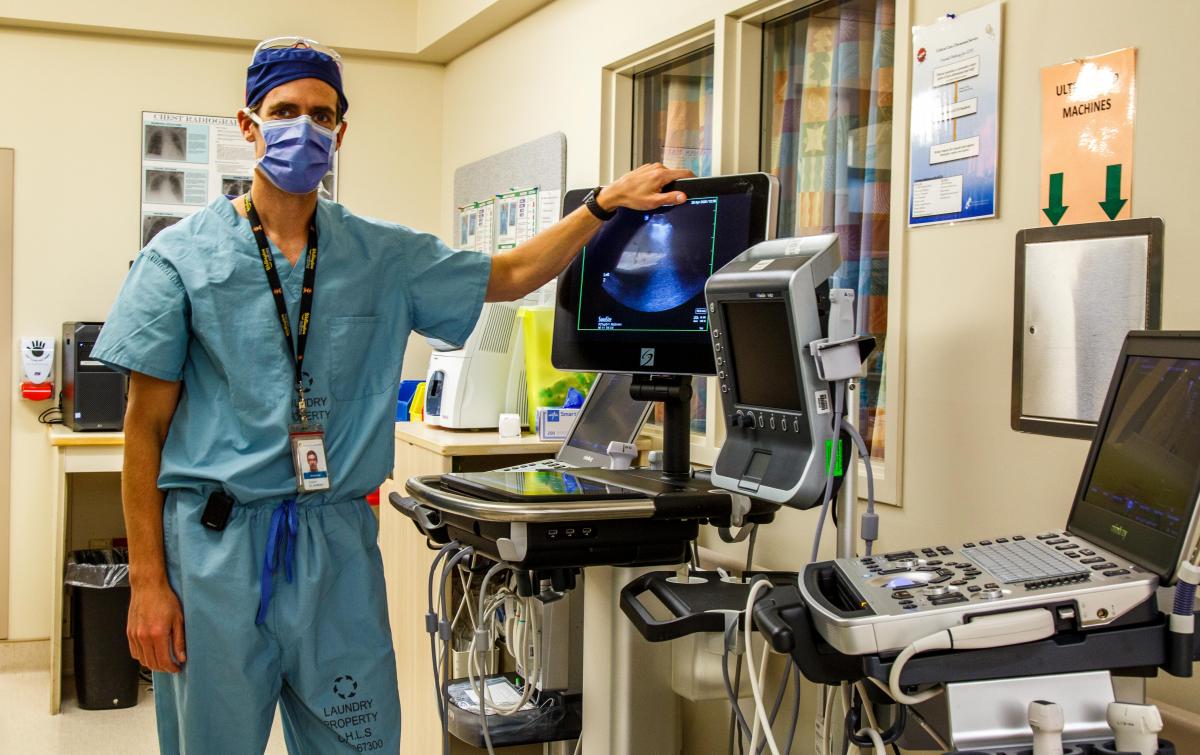
Dr. Robert Arntfield
Image

COVID-19 pneumonia ultrasound
Image
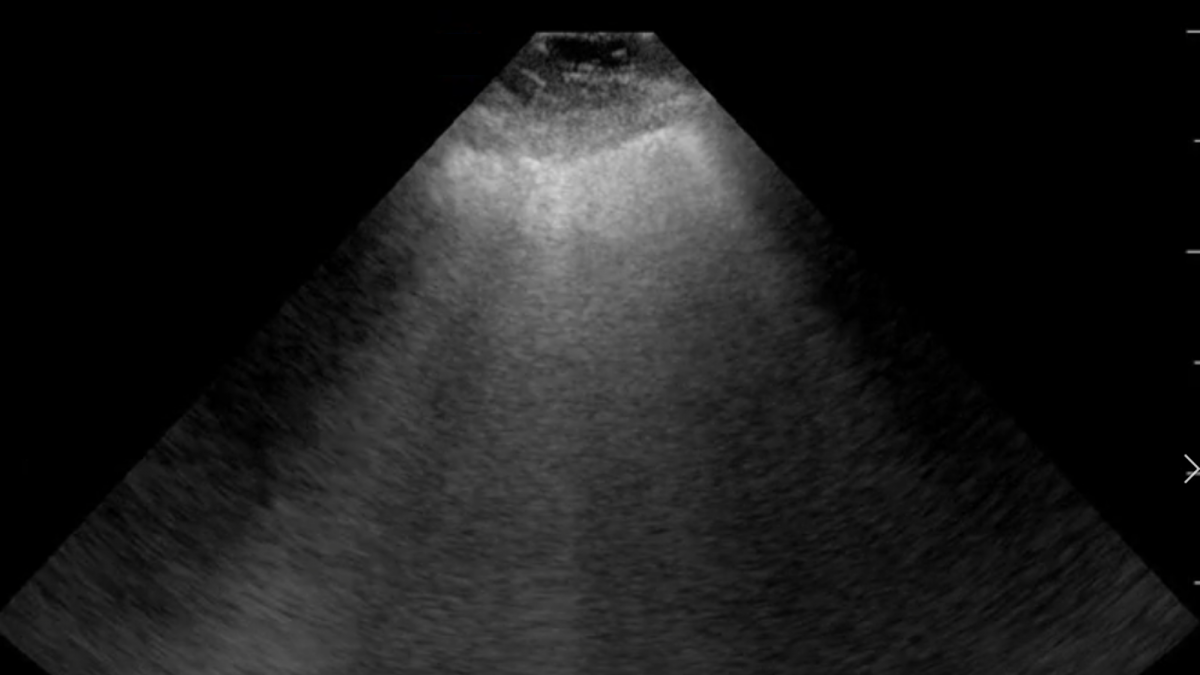
NON COVID-19 pneumonia ultrasound
About Lawson Health Research Institute
Lawson Health Research Institute is one of Canada’s top hospital-based research institutes, tackling the most pressing challenges in health care. As the research institute of London Health Sciences Centre and St. Joseph’s Health Care London, our innovation happens where care is delivered. Lawson research teams are at the leading-edge of science with the goal of improving health and the delivery of care for patients. Working in partnership with Western University, our researchers are encouraged to pursue their curiosity, collaborate often and share their discoveries widely. Research conducted through Lawson makes a difference in the lives of patients, families and communities around the world. To learn more, visit www.lawsonresearch.ca.
Media Contacts
Celine Zadorsky
Senior Media Relations Consultant
Communications & Public Engagement
T: 519-685-8500 ext. 73502
Celine.zadorsky@lhsc.on.ca
Examining how the pandemic affects Southwestern Ontario's frontline hospital workers
LONDON, ON - A team from Lawson Health Research Institute will examine the unique personal and professional impacts of the COVID-19 pandemic on frontline hospital workers in Southwestern Ontario. The region’s frontline hospital workers are invited to participate in an online survey to share their experiences during the public health emergency. The goal is to understand impacts unique to our region in order to develop strategies that address the needs of hospital workers.
“It’s crucial to understand the impact of this pandemic on frontline hospital workers who often face difficult decisions, including risking personal safety to care for patients and the community,” explains Dr. Kimia Honarmand, Lawson Adjunct Scientist and Critical Care Physician at London Health Sciences Centre (LHSC). “Experiences are likely to vary across the province and country based on local circumstances. It’s important we hear the unique perspectives of those in our region.”
The team will recruit health care professionals from hospitals across Southwestern Ontario. Participants will be asked to complete one short survey with questions about their perceptions, causes of stress and coping strategies during the pandemic. The team hopes results can be used to identify strategies that address informational, training and support needs.
In addition to worries about personal safety, the team notes that frontline workers are faced with concerns about rapidly evolving information, patient surges and depletion of resources like ventilators and personal protective equipment (PPE). They suspect social media may play a role in compounding these fears.
“Compared with past outbreaks like SARS, today’s digital age provides a wealth of on-demand information and the majority is unverified,” says Dr. Honarmand. “While social media can be a place of solidarity and connection, it can also contribute to the spread of misinformation and fear.”
The researchers also suspect that public health measures like physical distancing, while crucial to controlling the spread of disease, may contribute to a loss of social support systems.
“Taken together, these challenges can lead to stress, anxiety and burnout,” says Carol Young-Ritchie, Executive Vice President, Chief Nursing Officer and Pandemic Incident Management Team Co-Lead at LHSC. “Hearing directly from those on the frontline can help guide hospital administrators and professional organizations in better supporting our people, both during the current pandemic and in future public health emergencies.”
Frontline hospital workers in Southwestern Ontario can learn more and access the survey at https://redcap.lawsonresearch.ca/surveys/?s=E9KKL3CXYE.
-30-
About Lawson Health Research Institute
Lawson Health Research Institute is one of Canada’s top hospital-based research institutes, tackling the most pressing challenges in health care. As the research institute of London Health Sciences Centre and St. Joseph’s Health Care London, our innovation happens where care is delivered. Lawson research teams are at the leading-edge of science with the goal of improving health and the delivery of care for patients. Working in partnership with Western University, our researchers are encouraged to pursue their curiosity, collaborate often and share their discoveries widely. Research conducted through Lawson makes a difference in the lives of patients, families and communities around the world. To learn more, visit www.lawsonresearch.ca.
Media Contacts
Celine Zadorsky
Senior Media Relations Consultant
Communications & Public Engagement
T: 519-685-8500 ext. 73502
Celine.zadorsky@lhsc.on.ca
Fecal transplants show promise as treatment for non-alcoholic fatty liver disease
LONDON, ON – A new study from Lawson Health Research Institute and Western University suggests that fecal transplants could be used as a treatment for non-alcoholic fatty liver disease (NAFLD). The randomized controlled trial published in The American Journal of Gastroenterology found that fecal transplants in patients with NAFLD result in a reduction in how easily pathogens and other unwanted molecules pass through the human gut and into circulation, known as intestinal permeability. The results could have implications for the treatment of numerous conditions including metabolic syndrome and autoimmune diseases.
Image
“Intestinal permeability plays a role in the development of metabolic syndrome which is a major cause of coronary and cerebrovascular disease. It has also been associated with autoimmune diseases like multiple sclerosis (MS), rheumatoid arthritis, systemic lupus and type 1 diabetes,” explains Dr. Michael Silverman, Associate Scientist at Lawson and Professor at Western’s Schulich School of Medicine & Dentistry.
Many NAFLD patients have increased intestinal permeability which triggers inflammation, increased fat in the liver, insulin resistance and elevated levels of triglycerides in the blood. The human microbiome – the diverse collection of microbes in our body – is thought to play a role. Previous studies have shown differences between the gut microbiome of NAFLD patients compared to healthy individuals.
“Our team wondered whether we could change the gut microbiome of NAFLD patients to reduce intestinal permeability,” says Dr. Jeremy Burton, Lawson Scientist and Associate Professor at Schulich Medicine & Dentistry.
The trial included 21 NAFLD patients from London Health Sciences Centre (LHSC) and St. Joseph’s Health Care London. Patients were randomized to receive a fecal transplant using stool from a healthy donor or a placebo (the patient’s own stool). Fecal material was delivered to the small intestine using endoscopy. Patients were followed for six months to assess changes to their gut microbiome, intestinal permeability, percentage of liver fat and insulin resistance.
While the researchers found no changes in percentage of liver fat or insulin resistance, they observed significant reduction in intestinal permeability in those patients who had elevated intestinal permeability at the study’s start (seven patients in total). They also observed changes to the gut microbiome in all patients who received a fecal transplant from a healthy donor.
“Our study demonstrates that intestinal permeability can be improved through fecal transplant from a healthy donor,” says Dr. Laura Craven, a recent PhD graduate from Schulich Medicine & Dentistry and first author on the published study. “This suggests that fecal transplant could be used as an early intervention in the treatment of NAFLD to reduce intestinal permeability and prevent inflammation”
“Our findings have implications for other conditions too,” adds Dr. Silverman, who is also Chair/Chief of Infectious Diseases at Western, LHSC and St. Joseph’s. “Changing the gut microbiome could hold promise in preventing and treating metabolic syndrome and autoimmune diseases associated with increased gut permeability.”
The team hopes to next conduct a large multi-centre trial to further investigate FMT as an intervention for NAFLD and as a therapy to reduce intestinal permeability.
NAFLD is an obesity-related disorder and is the second-leading cause of liver transplant in North America. While reversible if treated early, its progression can lead to liver failure or cancer. Current therapies are not overly effective and the prevalence of NAFLD is increasing.
Dr. Silverman is a pioneer in the field of fecal transplants, including their use as a treatment for Clostridioides difficile (C. diff). He is involved in multiple studies examining the potential of fecal transplants as treatments or supportive therapies for numerous conditions including multiple sclerosis (MS) and different types of cancer.
“In order to conduct this research, we need stool donors,” notes Dr. Silverman. “By donating your poop, you can help us assess the value of fecal transplants to treat a variety of diseases.”
The team is in need of young, healthy stool donors for fecal transplants. All donors are required to go through a screening process. Those interested in becoming a stool donor can contact Dr. Seema Nair Parvathy, Research Coordinator, Fecal Transplant Program, at 519-646-6100 ext. 61726.
-30-
DOWNLOADABLE MEDIA
Image
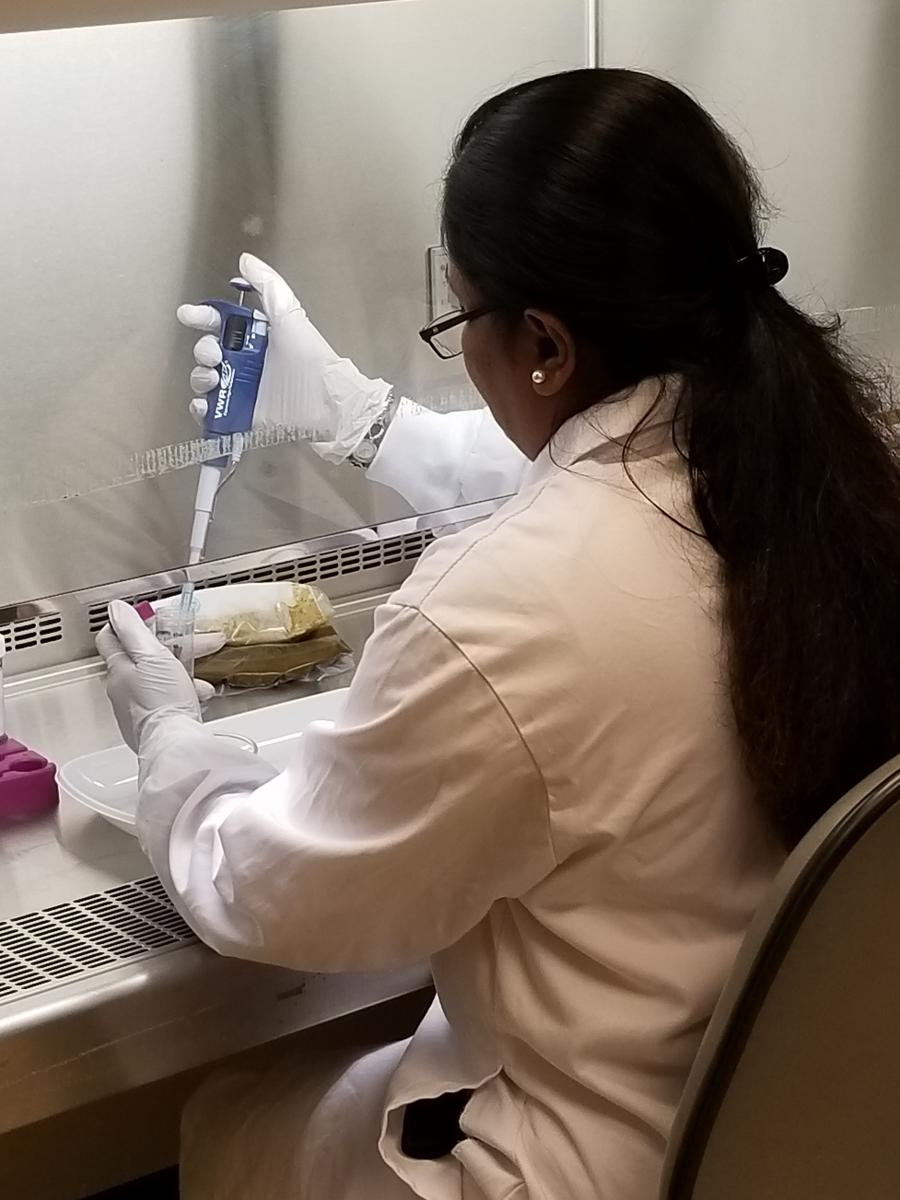
Stool samples being prepared in the lab.
Image
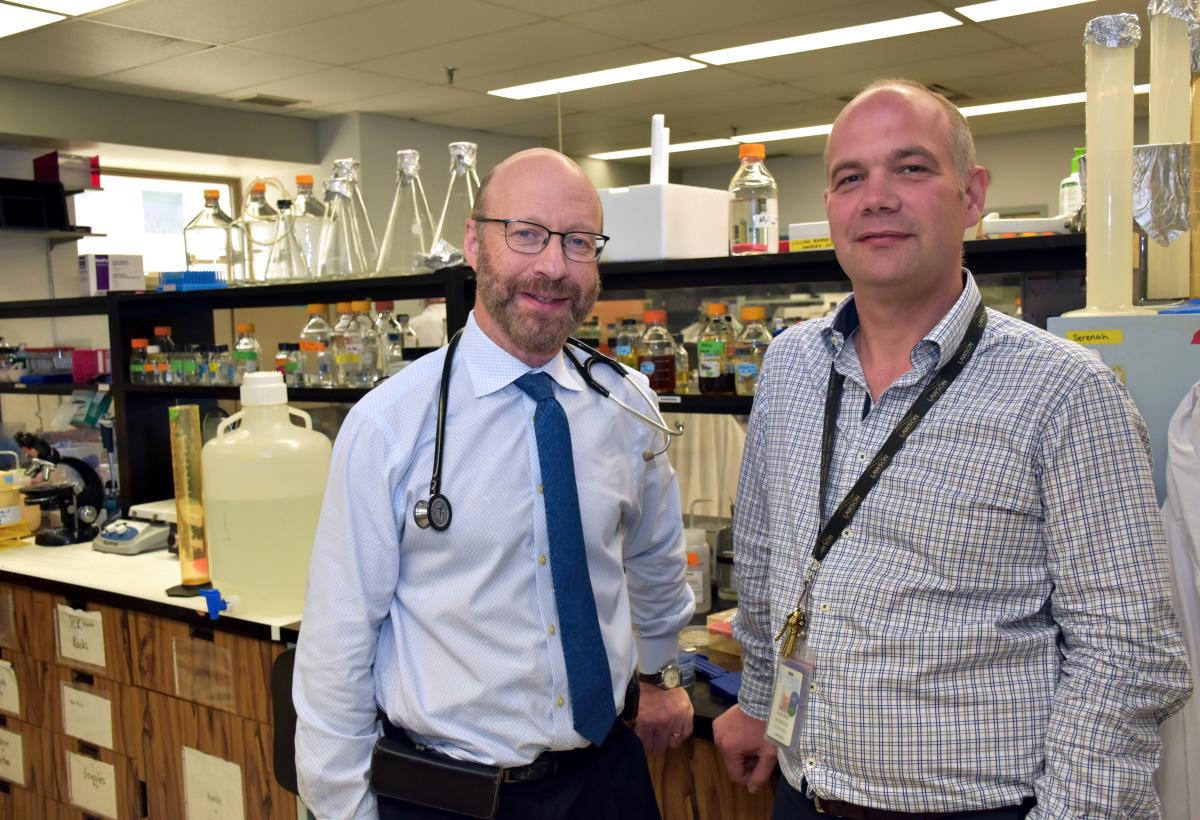
Dr. Michael Silverman (left) and Dr. Jeremy Burton (right)
Image

Dr. Laura Craven
About Lawson Health Research Institute
Lawson Health Research Institute is one of Canada’s top hospital-based research institutes, tackling the most pressing challenges in health care. As the research institute of London Health Sciences Centre and St. Joseph’s Health Care London, our innovation happens where care is delivered. Lawson research teams are at the leading-edge of science with the goal of improving health and the delivery of care for patients. Working in partnership with Western University, our researchers are encouraged to pursue their curiosity, collaborate often and share their discoveries widely. Research conducted through Lawson makes a difference in the lives of patients, families and communities around the world. To learn more, visit www.lawsonresearch.ca.
About Western
Western delivers an academic experience second to none. Since 1878, The Western Experience has combined academic excellence with life-long opportunities for intellectual, social and cultural growth in order to better serve our communities. Our research excellence expands knowledge and drives discovery with real-world application. Western attracts individuals with a broad worldview, seeking to study, influence and lead in the international community.
About The Schulich School of Medicine & Dentistry
The Schulich School of Medicine & Dentistry at Western University is one of Canada’s preeminent medical and dental schools. Established in 1881, it was one of the founding schools of Western University and is known for being the birthplace of family medicine in Canada. For more than 130 years, the School has demonstrated a commitment to academic excellence and a passion for scientific discovery.
Media Contacts
Celine Zadorsky
Senior Media Relations Consultant
Communications & Public Engagement
T: 519-685-8500 ext. 73502
Celine.zadorsky@lhsc.on.ca
Fecal transplants show promise in improving melanoma treatment
LONDON, ON – In a world-first clinical trial published in the journal Nature Medicine, a multi-centre study from Lawson Health Research Institute, the Centre hospitalier de l’Université de Montréal (CHUM) and the Jewish General Hospital (JGH) has found fecal microbiota transplants (FMT) from healthy donors are safe and show promise in improving response to immunotherapy in patients with advanced melanoma.
Immunotherapy drugs stimulate a person’s immune system to attack and destroy cancer. While they can significantly improve survival outcomes in those with melanoma, they are only effective in 40 to 50 per cent of patients. Preliminary research has suggested that the human microbiome – the diverse collection of microbes in our body – may play a role in whether or not a patient responds.
“In this study, we aimed to improve melanoma patients’ response to immunotherapy by improving the health of their microbiome through fecal transplants,” says Dr. John Lenehan, Medical Oncologist at London Health Sciences Centre’s (LHSC) London Regional Cancer Program (LRCP), Associate Scientist at Lawson and Associate Professor in the Department of Oncology at Western University’s Schulich School of Medicine & Dentistry.
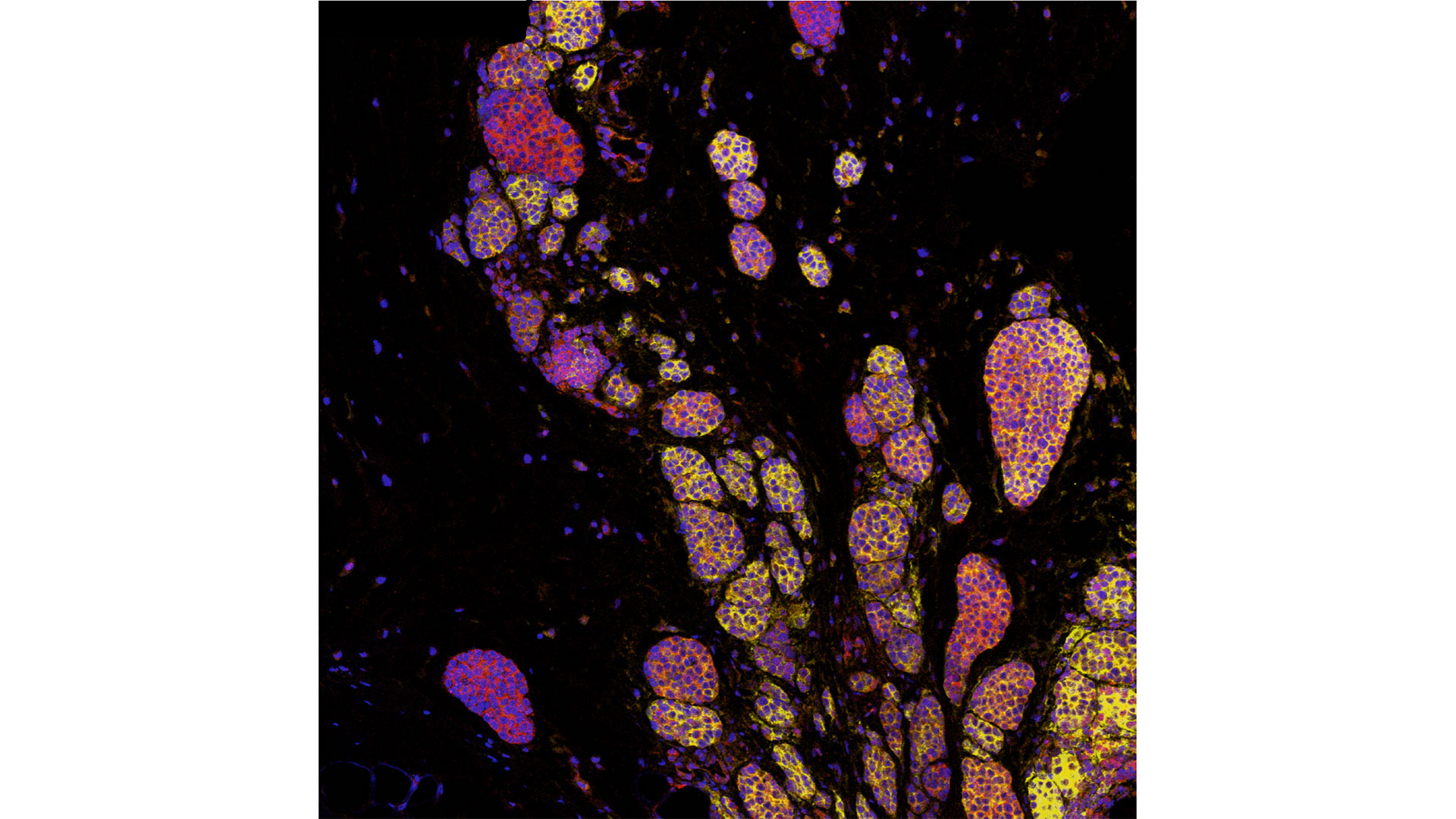
A fecal transplant involves collecting stool from a healthy donor, screening and preparing it in a lab, and transplanting it to the patient. The goal is to transplant the donor’s microbiome so that healthy bacteria will prosper in the patient’s gut.
“The connection between the microbiome, the immune system and cancer treatment is a growing field in science,” explains Dr. Saman Maleki, Scientist at Lawson and LHSC’s LRCP, Assistant Professor in Schulich Medicine’s Departments of Oncology, Pathology and Laboratory Medicine, and Medical Biophysics, and senior investigator on the study. “This study aimed to harness microbes to improve outcomes for patients with melanoma.”
The phase I trial included 20 melanoma patients recruited from LHSC, CHUM and JGH. Patients were administered approximately 40 fecal transplant capsules orally during a single session, one week before they started immunotherapy treatment.
The study found that combining fecal transplants with immunotherapy is safe for patients – which is the primary objective of a phase I trial (also called ‘safety trials’). The study also found 65 per cent of patients who retained the donors’ microbiome had a clinical response to the combination treatment. Five patients experienced adverse events sometimes associated with immunotherapy and had their treatment discontinued.
“We have reached a plateau in treating melanoma with immunotherapy, but the microbiome has the potential to be a paradigm shift,” says Dr. Bertrand Routy, Oncologist and Director of CHUM’s Microbiome Center. “This study puts Canada at the forefront of microbiome research by showing we can safely improve patients’ response to immunotherapy through fecal transplants.”
“These exciting results add to a rapidly growing list of publications suggesting that targeting the microbiome may provide a major advance in the use of immunotherapy for our patients with cancer,” adds Dr. Wilson H. Miller Jr. of the JGH and Professor in the Departments of Medicine and Oncology at McGill University.
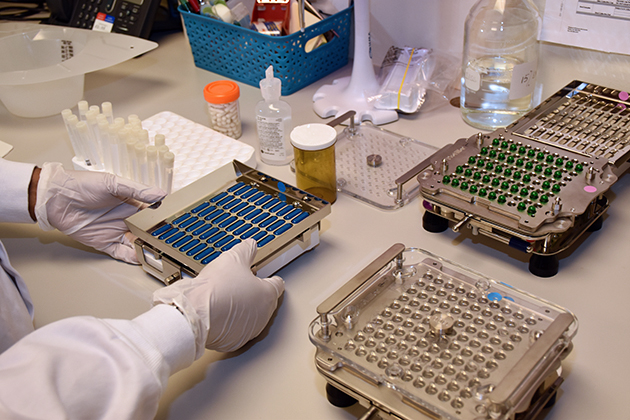
The study is unique due to its administration of fecal transplants (from healthy donors) in capsule form to cancer patients – a technique pioneered in London by Dr. Michael Silverman, Lawson Scientist, Chair of Infectious Diseases at Schulich Medicine and Medical Director of the Infectious Disease Care Program at St. Joseph’s Health Care London.
“Our group has been doing fecal transplants for 20 years, initially finding success treating C. difficile infections. This has enabled us to refine our methods and provide an exceptionally high rate of the donor microbes surviving in the recipient’s gut with just a single dose,” says Dr. Silverman. “Our data suggests at least some of the success we are seeing in melanoma patients is related to the efficacy of the capsules."
The team has already started a larger phase II trial involving centres in Ontario and Quebec. Lawson researchers are also studying the potential of fecal transplants in the treatment of other cancers, including renal cell carcinoma, pancreatic cancer and lung cancer, as well as HIV and rheumatoid arthritis.
This research is supported in part through donor funding from London Health Sciences Foundation, Western University, the Lotte and John Hecht Memorial Foundation, the JGH Foundation, Canadian Cancer Society’s Impact Grant program and The Terry Fox Foundation.
-30-
ADDITIONAL DOWNLOADABLE MEDIA
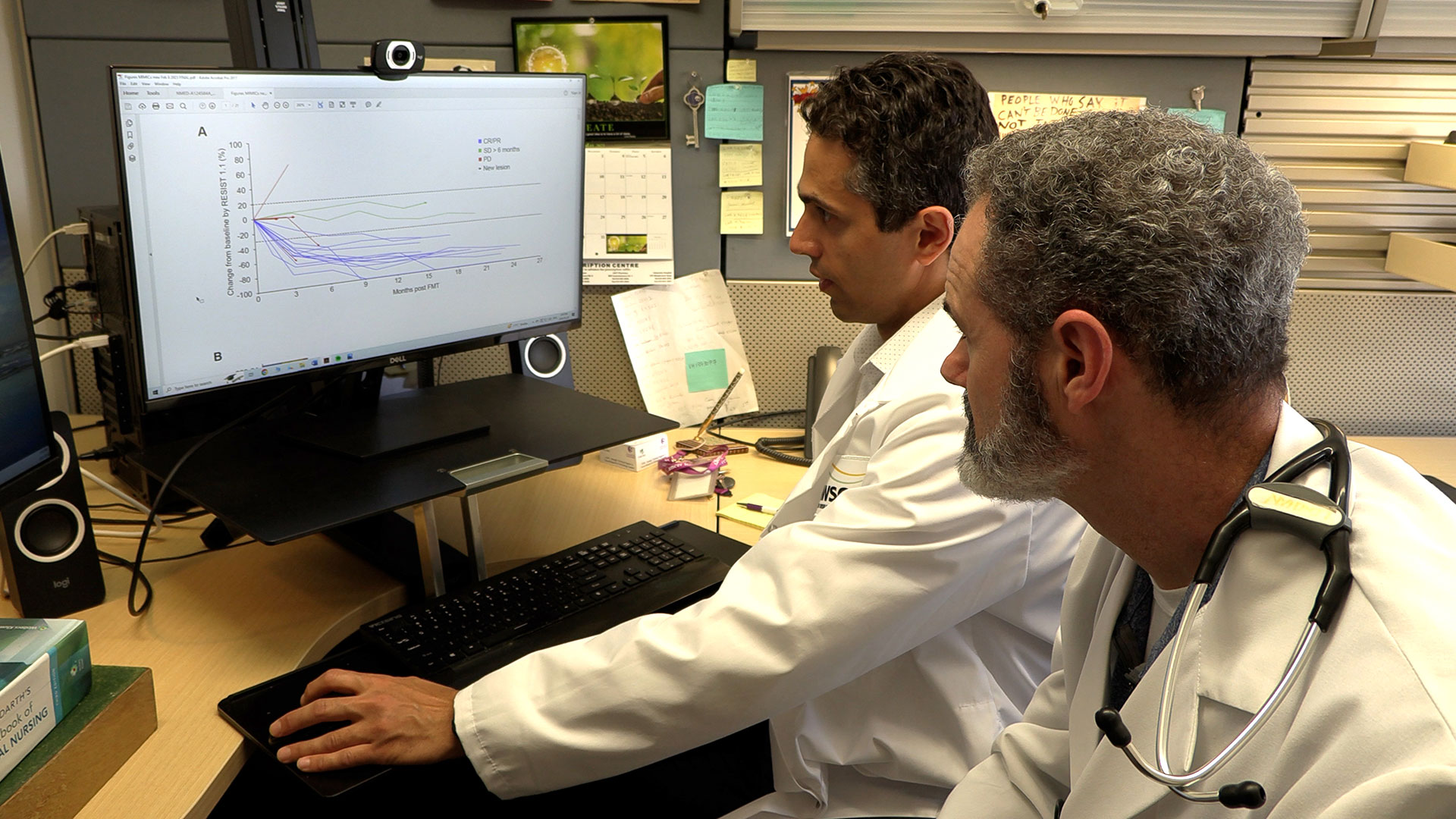
About the CRCHUM
The CHUM Research Centre (CRCHUM) is one of North America’s leading hospital research centres. It strives to improve the health of adults through a continuum of research spanning disciplines such as basic science, clinical research and population health. More than 2,150 people work at the CRCHUM, including nearly 500 researchers and nearly 650 students and postdoctoral fellows. crchum.com
About the Jewish General Hospital
Part of the Integrated Health and Social Services University Network for West-Central Montreal (CIUSSS), the Jewish General Hospital has served patients from Montreal, elsewhere in Quebec, and beyond, since 1934. This McGill University teaching hospital, with approximately 600 beds, is one of the province's largest acute-care hospitals. It admits more than 22,000 patients per year, while handling approximately 578,000 outpatient visits, more than 84,000 emergency visits and more than 3,600 births. Treatment is provided by approximately 800 affiliated doctors, many of whom have teaching appointments at McGill University, as well as more than 300 medical residents per year, together with nursing and a wide range of allied health services.
About Lawson Health Research Institute
Lawson Health Research Institute is one of Canada’s top hospital-based research institutes, tackling the most pressing challenges in health care. As the research institute of London Health Sciences Centre and St. Joseph’s Health Care London, our innovation happens where care is delivered. Lawson research teams are at the leading-edge of science with the goal of improving health and the delivery of care for patients. Working in partnership with Western University, our researchers are encouraged to pursue their curiosity, collaborate often and share their discoveries widely. Research conducted through Lawson makes a difference in the lives of patients, families and communities around the world. To learn more, visit www.lawsonresearch.ca.
Media Contacts
Amanda Taccone
Communications Consultant & External Relations
Lawson Health Research Institute
T: 519-685-8500 ext. ext. 64059
C: 226-919-4748
@email
First Contrast Enhanced Spectral Mammography (CESM) guided biopsy in North America
LONDON, ON – Researchers at Lawson Health Research Institute (Lawson) are the first in North America to perform a breast biopsy guided by Contrast Enhanced Spectral Mammography (CESM).
CESM is a novel diagnostic imaging tool that is able to detect cancerous lesions at a greater rate than standard mammography, and at close rate to MRI. Patients who undergo CESM receive an intravenous iodinated contrast liquid. This liquid acts as a dye that enhances the visibility of certain tissues during a radiographic imaging procedure, such as mammography or x-ray.
Currently, when a suspicious lesion is detected by CESM and not detected by standard mammography or ultrasound, the patient must return later for an MRI biopsy. Wait times for MRI can be lengthy, and the procedure itself is often long and uncomfortable.
CESM guided biopsy offers the ability to perform biopsy of the lesion of concern using mammography, after iodinated contrast injection. The procedure is faster and more accurate, comfortable and cost effective than an MRI biopsy.
The first CESM guided biopsy in North America was performed on June 12, 2020, at St. Joseph’s Health Care London (St. Joseph’s). Dr. Anat Kornecki, Lawson Associate Scientist and Radiologist at St. Joseph’s explains, “this new approach has the potential to provide rapid and accurate access for patients and reduce costs. With CESM biopsy technology we are also able to perform biopsy of lesions that are located in areas that MRI guided biopsy cannot reach.”
“Our initial experience has been very successful, and we hope to see an impact on patient care as well as breast cancer outcomes,” says Dr. Kornecki.
The study will recruit 50 patients who have a suspect finding detected using CESM.
-30-
About Lawson Health Research Institute
Lawson Health Research Institute is one of Canada’s top hospital-based research institutes, tackling the most pressing challenges in health care. As the research institute of London Health Sciences Centre and St. Joseph’s Health Care London, our innovation happens where care is delivered. Lawson research teams are at the leading-edge of science with the goal of improving health and the delivery of care for patients. Working in partnership with Western University, our researchers are encouraged to pursue their curiosity, collaborate often and share their discoveries widely. Research conducted through Lawson makes a difference in the lives of patients, families and communities around the world. To learn more, visit www.lawsonresearch.ca.
Media Contacts
Celine Zadorsky
Senior Media Relations Consultant
Communications & Public Engagement
T: 519-685-8500 ext. 73502
Celine.zadorsky@lhsc.on.ca
First-in-North-America resource touts health benefit of fermented foods
New network helps consumers, researchers and food industry find and share trusted information about ‘ferment-ceuticals’
London (Ont.) – A one-stop network, the first of its kind in North America, has begun sharing easily digested research, recipes and other resources about the health benefits of fermented foods.
The new Canadian Fermented Foods Initiative (CFFI) launches officially on Nov. 17 with a gathering of research and industry experts from across the country and Europe.
The collaboration helps consumers, researchers, health professionals and food industry share trusted, science-based expertise and information about fermented foods.
Funded by the Weston Family Foundation, the initiative is led by Jeremy Burton, PhD, who heads of one of Canada’s largest microbiome research programs and is Interim Vice President Research at St. Joseph’s Health Care London and Lawson Research Institute. His research leadership is joined by Raylene Reimer, PhD, professor of nutrition at the University of Calgary; and University of Alberta professor Ben Willing, PhD, former Canada Research Chair in Microbiology of Nutrigenomics.
Fermented foods such as sourdough bread, sauerkraut, kimchi and kombucha offer more than just good taste and an economical way to preserve food, Burton says. Large, population-based studies show people who eat fermented foods are generally healthier, with fewer digestive issues and lower risk of chronic diseases.
“How exactly does that work – and why? Well, that’s the big question we’re trying to solve,” Burton says. “One day, I believe, ‘ferment-ceuticals’ will be engrained in our diets and our health vocabulary.”
St. Joseph's is a leader in the field. A paper authored by the team and published this week in Advances in Nutrition represents the most comprehensive synthesis to date of research on fermented foods and human health.
Connor Flynn, a London, Ont., chef, master food preserver and high school teacher whose video recipes are included in the CFFI website, adds, “Fermenting foods is an old practice that’s never fallen out of flavour, but has sometimes fallen out of favour to North Americans. Now it has become popular again.”
To learn more about the CFFI, including fermented food recipes and the chef behind them, head to fermentedfoods.ca.
- 30 -
To arrange interviews with CFFI project lead Jeremy Burton and chef Connor Flynn, who are available Friday Nov. 14 from 7 am – 8 am ET and Nov. 14 from 1 – 4 pm ET, contact:
Deb (Flaherty) Van Brenk, Communication Consultant
St. Joseph’s Health Care London
@email
About St. Joseph’s Health Care London
Renowned for compassionate care, St. Joseph’s Health Care London is a leading academic health care centre in Canada dedicated to helping people live to their fullest by minimizing the effects of injury, disease and disability through excellence in care, teaching and research. Through Lawson Research Institute, our innovation arm, and with collaborative engagement with other health and academic partners, St. Joseph’s has become an international leader in the areas of: chronic disease management; medical imaging; specialized mental health care; rehabilitation and specialized geriatrics; and surgery. St. Joseph’s operates through a wide range of hospital, clinic and long-term and community-based settings, including: St. Joseph’s Hospital; Parkwood Institute; Mount Hope Centre for Long Term Care; and the Southwest Centre for Forensic Mental Health Care.
Genetic testing could personalize care for patients with Crohn’s disease, particularly women
LONDON, ON - In a study involving 542 Crohn’s disease patients, researchers at Lawson Health Research Institute examined whether a patient’s DNA can be used to identify their risk of severe disease. They found that patients with a genetic variant in a gene called FXR (farnesoid X-receptor) are much more likely to need surgery and to need it earlier in their care journey. Surprisingly, they found that women with the genetic variant are at an even higher risk than men.
Crohn’s disease is an often debilitating condition that affects one in every 150 Canadians. The condition is characterized by intestinal inflammation caused by unnecessary attacks from the body’s immune system. It’s a disease that can behave and progress differently from one person to the next, with some requiring surgery to remove affected parts of the intestine.
“While medications are prescribed to manage Crohn’s disease, physicians have to balance the risk of side effects with the risk of undertreating severe cases of the disease,” explains Dr. Aze Wilson, Associate Scientist at Lawson Health Research Institute and Gastroenterologist at London Health Sciences Centre (LHSC). “In order to personalize treatment, it would be great to have a tool for identifying which patients will have the most severe cases of illness.”
Dr. Wilson and her colleagues became interested in the FXR gene because of its role in intestinal health. The FXR gene is a part of human DNA that controls how we process drugs and has also been linked to how well our intestines work. The research team suspected that variation in the gene could lead to poorer outcomes in Crohn’s disease patients.
“Given the importance of FXR to intestinal health, we wanted to see whether it plays a role in disease severity and we discovered that it does,” says Dr. Wilson. “Our findings suggest that genetic testing could be used to identify patients at a high risk of poor outcomes. This would allow physicians to tailor treatments to give patients the best chance at success.”
The team also discovered that women who carried the genetic variant were at the highest risk of needing surgery and the highest risk of early surgery, even when compared to men with the genetic variant. Struck by this finding, they conducted further testing using laboratory-based cell models. They found that estrogen (a female sex hormone) in combination with the genetic variant reduced the function of FXR even further.
“Differences between men and women with Crohn’s disease are not often considered in research or clinical practice. We apply treatments in the same way to both sexes, which may not be the best approach,” explains Dr. Wilson. “We identified a group of women who may benefit from a different approach to care. The study highlights the need for evaluating the effect of biological sex on disease and the interaction it may have with our DNA.”
Looking forward, the team hopes to further explore the effect of this genetic variant on intestinal health using laboratory-based cell models. They also hope to assess the value of genetic testing as a tool for informing treatment decisions made by patients and their physicians.
“One of our larger goals as a research group is to develop a personalized care plan for patients with Crohn’s disease and ulcerative colitis – one that integrates genetic information and other biomarkers to improve how care is delivered to these patient populations,” notes Dr. Wilson.
The study, “Genetic variation in the farnesoid X-receptor predicts Crohn’s disease severity in female patients,” is published in Nature’s Scientific Reports.
-30-
DOWNLOADABLE MEDIA
Image

About Lawson Health Research Institute
Lawson Health Research Institute is one of Canada’s top hospital-based research institutes, tackling the most pressing challenges in health care. As the research institute of London Health Sciences Centre and St. Joseph’s Health Care London, our innovation happens where care is delivered. Lawson research teams are at the leading-edge of science with the goal of improving health and the delivery of care for patients. Working in partnership with Western University, our researchers are encouraged to pursue their curiosity, collaborate often and share their discoveries widely. Research conducted through Lawson makes a difference in the lives of patients, families and communities around the world. To learn more, visit www.lawsonresearch.ca.
Media Contacts
Celine Zadorsky
Senior Media Relations Consultant
Communications & Public Engagement
T: 519-685-8500 ext. 73502
Celine.zadorsky@lhsc.on.ca
Getting the data on homelessness
LONDON, ON – A team at Lawson Health Research Institute is hosting forums for communities across the country to better understand homelessness in Canada, including the number of people experiencing it. The first six forums have been scheduled in communities across Ontario, including Thunder Bay, North Bay, Kingston, Chatham-Kent, London and Brantford. These will be followed by future forums in various locations across Canada.
With funding from the Government of Canada, the Homelessness Counts research project is collecting data surrounding the homelessness situation in Canada.
The forums will allow an opportunity for members of the community to come together to discuss issues surrounding homelessness and provide feedback to the research team.
“The homelessness experience varies significantly across Canada, especially within different rural and remote regions of the country,” says Dr. Cheryl Forchuk, Assistant Scientific Director at Lawson. “Developing more accurate sources of data related to homelessness helps ensure the proper supports and services are available.”
This project builds on past work looking at how existing databases, such as provincial health data, could be better integrated and used as a more accurate, accessible and cost-effective way to determine rates of homelessness. This can allow a more accurate picture as numbers continue to rise.
This project has been made possible through funding from the Public Health Agency of Canada and Reaching Home, a community based federal program aimed at preventing and reducing homelessness across Canada.
“Homelessness has a direct impact on the health and wellbeing of every Canadian community and further marginalizes vulnerable Canadians. We value the importance of the data collection by Lawson Health Research Institute, as it helps give us a better understanding of the homelessness situation in Canada,” says The Honourable Ahmed Hussen, Minister of Housing and Diversity and Inclusion. “Our government is committed to helping Canadians who are experiencing or at risk of homelessness which is why we are pleased to support this initiative. By working with other orders of government, non-governmental organizations, Indigenous partners and communities, we can increase the availability of safe, inclusive housing options and work towards reducing chronic homelessness in Canada.”
Since January 2021, the team has collected data from 28 distinct communities with homelessness challenges. They have visited a variety of community shelters and organizations to meet with those with lived experience, as well as service providers.
“We have been to every province and territory in Canada to collect data. We have interviewed more than 400 people experiencing homelessness in each community and have had focus groups with 190 service providers,” says Dr. Forchuk.
Preliminary data being presented at the forums will highlight issues by community, however nationally the research team has found that the extent of homelessness is a growing problem and has been elevated during the pandemic. The team has also noted a number of regional differences when it comes to homelessness in respect to urban versus rural communities.
“Our ultimate goal is to gather the most accurate numbers of people experiencing homelessness across the country so we can collectively work together towards solutions, “adds Dr. Forchuk. “Solutions such as an increase of services that are targeted to address specific concerns and vulnerable populations in each unique community.”
About Lawson Health Research Institute
Lawson Health Research Institute is one of Canada’s top hospital-based research institutes, tackling the most pressing challenges in health care. As the research institute of London Health Sciences Centre and St. Joseph’s Health Care London, our innovation happens where care is delivered. Lawson research teams are at the leading-edge of science with the goal of improving health and the delivery of care for patients. Working in partnership with Western University, our researchers are encouraged to pursue their curiosity, collaborate often and share their discoveries widely. Research conducted through Lawson makes a difference in the lives of patients, families and communities around the world. To learn more, visit www.lawsonresearch.ca.
Media Contacts
Celine Zadorsky
Senior Media Relations Consultant
Communications & Public Engagement
T: 519-685-8500 ext. 73502
Celine.zadorsky@lhsc.on.ca
Getting the data on homelessness
LONDON, ON – At a virtual event today, a research team led by Lawson Health Research Institute announced details of a new project aimed at better understanding how many people in Canada are homeless and who they are. Developing more accurate sources of data related to homelessness helps ensure the proper supports and services are available.
“The homeless experience varies significantly across Canada, especially within different rural and remote regions of the country,” says Dr. Cheryl Forchuk, Assistant Scientific Director at Lawson and Distinguished University Professor at Western University.
With funding from the Public Health Agency of Canada, the Homelessness Counts research project builds on past work looking at how existing databases, such as provincial health data, could be better integrated and used as a more accurate, accessible and cost-effective way to determine homelessness.
Many communities rely on shelter data, but not all regions have shelters and not all people who are experiencing homelessness use shelters even when available. There is also a standard “point in time” method that requires potentially hundreds of volunteers to go out and actually count the people in that area who are homeless. “Generally, these methods will still miss people who are temporarily staying with others or living in rough or abandoned areas, and is limited to a single point in time – often just one day of counting. It’s often not feasible for smaller communities to do this due to the effort required and it’s a population often missed in our census data,” explains Dr. Richard Booth, Scientist at Lawson and Associate Professor at Western.
In the initial stages of the project, the team is holding focus groups with several representative communities across Canada to learn more about how data is tracked and accessed. They will consult with groups providing services such as homeless serving agencies, mental health and addiction agencies, hospitals, emergency services and municipal governments. Individual interviews will also be held with people with lived experience of homelessness.
“To offer effective and efficient services, we need to know how many people are experiencing homelessness, along with their characteristics, location and needs. Right now, it’s difficult to track if things are getting better or worse, or simply changing, and if efforts to reduce the homeless population are making a difference. We don’t fully know the unique challenges of the ‘invisible homeless’ or if different subgroups are emerging,” says Dr. Booth.
More demographics could be regularly included in the data, for example gender, ethnicity, sexual orientation, involvement in the criminal justice system, psychiatric diagnoses, physical diagnoses and housing status.
The team will bring together this information with existing datasets to improve the performance of an algorithm previously developed through a provincial research study, as well as insights gleaned from a rapid report on COVID-19 and homelessness. Machine learning will be used to generate enhanced risk and burden modeling.
Dr. Forchuk adds that “homelessness is a complex social problem that touches on many different systems. It is made even more difficult to tackle when we have big gaps in the data. Our hope is to prototype a centralized surveillance system that can be scaled up across Canada to help make the right services available in the right places.”
-30-
About Lawson Health Research Institute
Lawson Health Research Institute is one of Canada’s top hospital-based research institutes, tackling the most pressing challenges in health care. As the research institute of London Health Sciences Centre and St. Joseph’s Health Care London, our innovation happens where care is delivered. Lawson research teams are at the leading-edge of science with the goal of improving health and the delivery of care for patients. Working in partnership with Western University, our researchers are encouraged to pursue their curiosity, collaborate often and share their discoveries widely. Research conducted through Lawson makes a difference in the lives of patients, families and communities around the world. To learn more, visit www.lawsonresearch.ca.
Media Contacts
Celine Zadorsky
Senior Media Relations Consultant
Communications & Public Engagement
T: 519-685-8500 ext. 73502
Celine.zadorsky@lhsc.on.ca
Gut microbiome may influence how cancer patients respond to oral therapies, study suggests
LONDON, ONTARIO - A new study from Lawson Health Research Institute and Western University illustrates how the gut microbiome interacts with an oral medication in prostate cancer patients, suggesting bacteria in the gut play a role in treatment outcomes. The findings, published in Nature Communications, highlight how the drug abiraterone acetate is metabolized by bacteria in the gut to reduce harmful organisms while promoting those that fight cancer. The team suspects this is one of many examples of how the microbiome influences our response to medications.
“Research is beginning to uncover the ways in which the human microbiome influences cancer development, progression and treatment,” explains Brendan Daisley, a PhD candidate at Western’s Schulich School of Medicine & Dentistry who is conducting research at Lawson. “Our study highlights a key interaction between a cancer drug and the gut microbiome that results in beneficial organisms with anti-cancer properties.”
Traditional prostate cancer therapies are designed to deprive the body of hormones called androgens, which are responsible for prostate cancer growth.
“Unfortunately, traditional androgen deprivation therapies are not always effective,” explains Dr. Joseph Chin, Lawson Associate Scientist, Professor at Schulich Medicine & Dentistry and Urologist at London Health Sciences Centre (LHSC). "In those cases, alternative therapies are explored.”
Abiraterone acetate is a highly effective therapy used in the treatment of prostate cancer that has been resistant to other treatments. While abiraterone acetate also works to reduce androgens in the body, it does so through a different mechanism and, unlike traditional therapies, it is taken orally.
“When drugs are taken orally, they make their way through the intestinal tract where they come into contact with billions of microorganisms,” says Dr. Jeremy Burton, Lawson Scientist, Associate Professor at Schulich Medicine & Dentistry and lead researcher on the study. “While it’s long been a mystery why abiraterone acetate is so effective, our team wondered if the gut microbiome plays a role.”
The team’s study included 68 prostate cancer patients from LHSC, including those being treated with abiraterone acetate and those being treated with traditional androgen deprivation therapies. The research team collected and analyzed patient stool samples, and conducted further experiments in their laboratory at St. Joseph’s Health Care London.
They discovered that patients’ gut microbiomes changed drastically after taking abiraterone acetate. Bacteria in the gut metabolized the drug leading to a significant increase in a bacterium called Akkermansia muciniphila. Referred to as a ‘next-generation probiotic,’ this bacterium’s relevance has recently been explored in several large cancer studies. It’s been shown to facilitate a better response to cancer immunotherapy drugs and it can elicit a wide range of other positive health benefits as well. The increase in Akkermansia muciniphila also led to an increased production of vitamin K2 which is known for anti-cancer properties that can inhibit tumour growth.
The team also observed the impact of androgen depletion on the microbiome. Both abiraterone acetate and traditional androgen deprivation therapies led to a decrease in organisms that utilize androgen.
“These findings clearly demonstrate that the gut microbiome is playing a role in treatment response,” notes Dr. Burton.
The team hopes to further explore drug-microbiome interactions with a goal of harnessing the microbiome to improve treatment outcomes for a variety of diseases. In another study, they are exploring whether fecal microbiota transplants from a healthy donor can change the microbiome of melanoma patients to increase organisms like Akkermansia muciniphila and improve response to immunotherapy. They also plan to study whether analysis of a patient’s microbiome can be used to predict their response to specific therapies.
“While more research is needed, we may one day be able to analyze a patient’s microbiome to determine the best course of treatment or even influence the microbiome to improve outcomes,” says Dr. Burton. “This could lead to a new frontier in personalized medicine.”
The study was made possible through the generous support of The W. Garfield Weston Foundation, St. Joseph’s Health Care Foundation and the Canadian Urologic Oncology Group.
-30-
DOWNLOADABLE MEDIA
Image

Brendan Daisley, a PhD candidate at Western University’s Schulich School of Medicine & Dentistry who is conducting research at Lawson Health Research Institute
Image

Dr. Jeremy Burton (left) and Brendan Daisley (right) are conducting research on microbiome-drug interactions at Lawson Health Research Institute and Western University
About Lawson Health Research Institute
Lawson Health Research Institute is one of Canada’s top hospital-based research institutes, tackling the most pressing challenges in health care. As the research institute of London Health Sciences Centre and St. Joseph’s Health Care London, our innovation happens where care is delivered. Lawson research teams are at the leading-edge of science with the goal of improving health and the delivery of care for patients. Working in partnership with Western University, our researchers are encouraged to pursue their curiosity, collaborate often and share their discoveries widely. Research conducted through Lawson makes a difference in the lives of patients, families and communities around the world. To learn more, visit www.lawsonresearch.ca.
About Western
Western delivers an academic experience second to none. Since 1878, The Western Experience has combined academic excellence with life-long opportunities for intellectual, social and cultural growth in order to better serve our communities. Our research excellence expands knowledge and drives discovery with real-world application. Western attracts individuals with a broad worldview, seeking to study, influence and lead in the international community.
About The Schulich School of Medicine & Dentistry
The Schulich School of Medicine & Dentistry at Western University is one of Canada’s preeminent medical and dental schools. Established in 1881, it was one of the founding schools of Western University and is known for being the birthplace of family medicine in Canada. For more than 130 years, the School has demonstrated a commitment to academic excellence and a passion for scientific discovery.
Media Contacts
Celine Zadorsky
Senior Media Relations Consultant
Communications & Public Engagement
T: 519-685-8500 ext. 73502
Celine.zadorsky@lhsc.on.ca