


Search
Search
9 Search Results:
$1.2 million in federal funding to study women Veterans experiencing homelessness
LONDON, ON – A first-of-its-kind study led by Lawson Health Research Institute is receiving $1.2 million in funding from the federal government, delivered through the Veteran Homelessness Program, to better understand homelessness amongst women in Canada who are military Veterans.
“This is an important and yet often invisible problem,” says Dr. Cheryl Forchuk, Lawson Assistant Scientific Director based at St. Joseph’s Health Care London’s Parkwood Institute and the study lead. “This is the first Canadian study to focus exclusively on women Veterans’ experience of homelessness. Gender matters, especially when we’re talking about female Veterans who are homeless. If they’ve experienced sexual trauma or abuse or have children, and the only Veteran housing available is a group setting for men, that will be an issue.”
Dr. Forchuk and her team have begun travelling to cities and towns across Canada to conduct interviews with female Veterans experiencing homelessness or who have previously experienced homelessness. They will gather data such as demographics, history of housing and homelessness, and services accessed. The team will also host focus groups with homeless- and Veteran-serving agency staff. The locations have been selected in partnership with The Royal Canadian Legion and other Veteran-serving groups, focusing on areas with pockets of female Veterans experiencing homelessness.
“We will also explore the pathways and experiences of homelessness, what barriers are faced, what has been helpful and what future services should focus on,” adds Dr. Forchuk.
“This study is a vital step towards addressing the unique challenges faced by female Veterans experiencing homelessness,” says Peter Fragiskatos, Parliamentary Secretary to the Minister of Housing, Infrastructure and Communities and Member of Parliament for London North Centre on behalf of the Honourable Sean Fraser, Minister of Housing, Infrastructure and Communities. “By investing in research like this, we are making significant progress in understanding and improving the support systems for this population, contributing to the federal government's efforts to end homelessness among Veterans.”
“This significant investment reflects our dedication to addressing the issue of homelessness among female Veterans,” says Arielle Kayabaga, Member of Parliament for London West. “By supporting this pioneering study, we aim to uncover the specific barriers they face and develop targeted solutions that honour their service and ensure they receive the support they deserve.”
The goal of the four-year study is to ensure there is accurate data to inform gender-specific interventions and guidelines for policy, practice and care of female Veterans. Canadian Armed Forces Veterans make up a disproportionate percentage of those experiencing homelessness according to a 2018 report.
“It is clear that the circumstances surrounding this particular subset of our Veteran population are not well enough understood,” says Carolyn Hughes, Director of Veterans Services with The Royal Canadian Legion. “It is our hope that this project will help fill in some of those blanks and at the same time, further enlighten all of us who serve Veterans, so that we may provide even more timely and focused assistance when and where it’s needed most.”
St. Joseph’s Parkwood Institute has an embedded legacy of Veterans’ care, having originally been a Veterans’ hospital and now hosting a Veterans’ inpatient centre, the Operational Stress Injury (OSI) Clinic, as well as the MacDonald Franklin OSI Research and Innovation Centre. The research centre is recognized as Canada’s leader in mental health research dedicated to enhancing the lives and wellbeing of military personnel, Veterans and their families. The directors of the centre are co-investigators on the study.
For more information, please contact:
Debora (Flaherty) Van Brenk
Communication Consultant
St. Joseph’s Health Care London
C: 226-577-1429 or 519-318-0657
T: 519-646-6100 ext. 42534
@email
About Lawson Health Research Institute
Lawson Health Research Institute is one of Canada’s top hospital-based research institutes, tackling the most pressing challenges in health care. As the research institute of London Health Sciences Centre and St. Joseph’s Health Care London, our innovation happens where care is delivered. Lawson research teams are at the leading-edge of science with the goal of improving health and the delivery of care for patients. Working in partnership with Western University, our researchers are encouraged to pursue their curiosity, collaborate often and share their discoveries widely. Research conducted through Lawson makes a difference in the lives of patients, families and communities around the world. To learn more, visit www.lawsonresearch.ca.
Clinical trial will evaluate new therapy for patients with treatment-resistant depression as a result of bipolar disorder
LONDON, ON – Researchers at Lawson Health Research Institute are offering new hope to patients with treatment-resistant depression through participation in a national clinical trial. The study is the first randomized controlled trial to examine the efficacy of a new treatment called magnetic seizure therapy (MST) for patients with treatment-resistant depression as a result of bipolar disorder.
Treatment-resistant depression is a severe form of depression that does not respond to traditional therapies like medication. It is particularly common in patients with depression from bipolar disorder who are left with limited treatment options.
For years electroconvulsive therapy (ECT) has been the gold standard for patients with treatment-resistant depression. ECT uses an electric field to induce a seizure that provides a therapeutic benefit. But while ECT is effective, many patients opt out of treatment due to stigma surrounding the therapy and the potential for cognitive side effects like disorientation and amnesia.
MST has emerged as a promising alternative. MST works in a similar way to ECT but uses a focused magnetic field as opposed to electricity. As a result, MST induces a more focused seizure to reduce the risk of cognitive side effects.
“Magnetic seizure therapy has already been shown as a promising treatment for major depressive disorder or unipolar depression,” explains Dr. Amer Burhan, local site lead, researcher at Lawson and neuropsychiatrist at St. Joseph’s Health Care London. “For the first time, we’re studying how effective the treatment is for depression as a result of bipolar disorder and whether it can reduce the risk of cognitive side effects associated with electroconvulsive therapy.”
The clinical trial is being led by the Centre for Addiction and Mental Health (CAMH) and will also be offered through Lawson and University of British Columbia (UBC) Hospital. Lawson researchers will invite eligible patients with treatment-resistant depression from bipolar disorder to participate in the trial at Parkwood Institute, a part of St. Joseph’s Health Care London.
Eligible patients will be randomized to receive either ECT or MST. Patients will be offered support throughout the study with the goal of improving patient outcomes in both groups. Patient outcomes will be compared to study the efficacy of MST and whether it is associated with reduced cognitive side effects.
MST will be delivered under anesthesia in 12 to 20 sessions. Sessions will last 10 to 15 minutes each with 60 to 90 minutes of recovery time.
“Magnetic seizure therapy holds promise of one day replacing electroconvulsive therapy as the gold standard for treatment-resistant depression,” says Dr. Burhan. If proven as a viable first-line treatment, MST would be very easy to implement in existing ECT clinics. MST would therefore be readily available to patients in need.
“We are on the leading edge of the field of brain stimulation for treatment-resistant depression in collaboration with CAMH and UBC,” says Dr. Burhan. “Our goal is to continue informing the care process through clinically-relevant research that serves patients, medical professionals and the public.”
-30-
About Lawson Health Research Institute
Lawson Health Research Institute is one of Canada’s top hospital-based research institutes, tackling the most pressing challenges in health care. As the research institute of London Health Sciences Centre and St. Joseph’s Health Care London, our innovation happens where care is delivered. Lawson research teams are at the leading-edge of science with the goal of improving health and the delivery of care for patients. Working in partnership with Western University, our researchers are encouraged to pursue their curiosity, collaborate often and share their discoveries widely. Research conducted through Lawson makes a difference in the lives of patients, families and communities around the world. To learn more, visit www.lawsonresearch.ca.
Media Contacts
Celine Zadorsky
Senior Media Relations Consultant
Communications & Public Engagement
T: 519-685-8500 ext. 73502
Celine.zadorsky@lhsc.on.ca
Could online programming reduce barriers for those with mobility impairments?
LONDON, ON – A new study at Lawson Health Research Institute will offer online exercise and behavioral intervention for adults who are mobility impaired. The goal is to reduce barriers to accessing activity programs.
“Many people with mobility concerns experience barriers to physical activity, such as fear of falling because of their past injuries,” says Dr. Swati Mehta, Lawson Scientist. “This project aims to help them cope and learn skills to continually, actively engage in physical activity.”
The 10-week virtual program is being coordinated through St. Joseph’s Health Care London’s Parkwood Institute. It will consist of weekly personal behavioral coaching. Participants will also be asked to complete two or three group physical activity programs each week, such as seated aerobics, seated boxercise and seated yoga.

“This study is really exciting because it brings together both behavioral coaching and physical activity classes, which are normally offered separately,” explains Dr. Dalton Wolfe, Lawson Scientist. “This provides extra support to help those with mobility impairments overcome barriers to maintaining an active lifestyle.”

Those barriers can include things like fatigue and transportation challenges that often accompany neurological conditions like multiple sclerosis, spinal cord injury, brain injury and stroke.
“Ultimately this study is about enhancing quality of life and wellbeing while improving participants’ ability to engage in the community,” says Dr. Wolfe.
The research team is currently recruiting 20 participants for the study. For more information on the study you can email @email.
About Lawson Health Research Institute
Lawson Health Research Institute is one of Canada’s top hospital-based research institutes, tackling the most pressing challenges in health care. As the research institute of London Health Sciences Centre and St. Joseph’s Health Care London, our innovation happens where care is delivered. Lawson research teams are at the leading-edge of science with the goal of improving health and the delivery of care for patients. Working in partnership with Western University, our researchers are encouraged to pursue their curiosity, collaborate often and share their discoveries widely. Research conducted through Lawson makes a difference in the lives of patients, families and communities around the world. To learn more, visit www.lawsonresearch.ca.
Media Contacts
Amanda Taccone
Communications Consultant & External Relations
Lawson Health Research Institute
T: 519-685-8500 ext. ext. 64059
C: 226-919-4748
@email
First-in-North-America resource touts health benefit of fermented foods
New network helps consumers, researchers and food industry find and share trusted information about ‘ferment-ceuticals’
London (Ont.) – A one-stop network, the first of its kind in North America, has begun sharing easily digested research, recipes and other resources about the health benefits of fermented foods.
The new Canadian Fermented Foods Initiative (CFFI) launches officially on Nov. 17 with a gathering of research and industry experts from across the country and Europe.
The collaboration helps consumers, researchers, health professionals and food industry share trusted, science-based expertise and information about fermented foods.
Funded by the Weston Family Foundation, the initiative is led by Jeremy Burton, PhD, who heads of one of Canada’s largest microbiome research programs and is Interim Vice President Research at St. Joseph’s Health Care London and Lawson Research Institute. His research leadership is joined by Raylene Reimer, PhD, professor of nutrition at the University of Calgary; and University of Alberta professor Ben Willing, PhD, former Canada Research Chair in Microbiology of Nutrigenomics.
Fermented foods such as sourdough bread, sauerkraut, kimchi and kombucha offer more than just good taste and an economical way to preserve food, Burton says. Large, population-based studies show people who eat fermented foods are generally healthier, with fewer digestive issues and lower risk of chronic diseases.
“How exactly does that work – and why? Well, that’s the big question we’re trying to solve,” Burton says. “One day, I believe, ‘ferment-ceuticals’ will be engrained in our diets and our health vocabulary.”
St. Joseph's is a leader in the field. A paper authored by the team and published this week in Advances in Nutrition represents the most comprehensive synthesis to date of research on fermented foods and human health.
Connor Flynn, a London, Ont., chef, master food preserver and high school teacher whose video recipes are included in the CFFI website, adds, “Fermenting foods is an old practice that’s never fallen out of flavour, but has sometimes fallen out of favour to North Americans. Now it has become popular again.”
To learn more about the CFFI, including fermented food recipes and the chef behind them, head to fermentedfoods.ca.
- 30 -
To arrange interviews with CFFI project lead Jeremy Burton and chef Connor Flynn, who are available Friday Nov. 14 from 7 am – 8 am ET and Nov. 14 from 1 – 4 pm ET, contact:
Deb (Flaherty) Van Brenk, Communication Consultant
St. Joseph’s Health Care London
@email
About St. Joseph’s Health Care London
Renowned for compassionate care, St. Joseph’s Health Care London is a leading academic health care centre in Canada dedicated to helping people live to their fullest by minimizing the effects of injury, disease and disability through excellence in care, teaching and research. Through Lawson Research Institute, our innovation arm, and with collaborative engagement with other health and academic partners, St. Joseph’s has become an international leader in the areas of: chronic disease management; medical imaging; specialized mental health care; rehabilitation and specialized geriatrics; and surgery. St. Joseph’s operates through a wide range of hospital, clinic and long-term and community-based settings, including: St. Joseph’s Hospital; Parkwood Institute; Mount Hope Centre for Long Term Care; and the Southwest Centre for Forensic Mental Health Care.
London researchers collaborating on national dementia prevention program
LONDON, ON - Researchers at Lawson Health Research Institute are collaborating with Canada’s largest dementia research initiative, the Canadian Consortium on Neurodegeneration in Aging (CCNA), to study an innovative online program that offers older adults the opportunity to increase their knowledge of dementia and improve lifestyle risk factors. The program, Brain Health PRO (BHPro), offers interactive digital educational modules to empower older adults to improve their physical and mental health, and modify their risk factors for dementia.
“Using the BHPro modules participants will learn how to improve their physical and mental health and reduce their risk of cognitive impairment. It is particularly novel with the education modules being delivered remotely,” explains Dr. Michael Borrie, Scientist at Lawson and Medical Director for the Aging Brain and Memory Clinic at Parkwood Institute.
The bilingual program focuses on seven different modifiable dementia risk domains: exercise, nutrition, sleep, psychological and social health, cognitive engagement, heart health, and vision and hearing. For each, the program includes 10-minute educational videos, as well as interactive activities for users to complete. Participants will also be sent portable EEG headsets to measure their brain activity during sleep, and accelerometers to track their physical activity. With the rise of dementia anticipated to reach nearly one million Canadians over the next 12 years, dementia prevention is becoming an increasingly urgent national health priority.
“The launch of BHPro is part of a significant research effort to find concrete means of preventing dementia, with the ultimate goal of having tremendous benefits for the aging experience,” says Dr. Howard Chertkow, Scientific Director of the CCNA and Director of the Kimel Family Centre for Brain Health and Wellness at Baycrest.
“Alzheimer Society of Canada (ASC) is proud to support the launch of the BHPro through the CAN-THUMBS UP program,” adds Dr. Saskia Sivananthan, ASC’s Chief Research & KTE Officer.
BHPro is funded by the Canadian Institutes of Health Research and the ASC, and was created through the Canadian Therapeutic Platform Trial for Multidomain Interventions to Prevent Dementia (CAN-THUMBS UP) program, which is part of the CCNA. The study will support 350 older adults across Canada who have at least one risk factor for dementia, including up to 60 participants through Lawson, with the goal of seeing participants’ dementia risk reduced throughout the year-long study. Please note, there is limited space for research participants. To learn more, please visit canthumbsup.ca
About CCNA
CCNA is the national component of the CIHR dementia research strategy, bringing together over 340 researchers across Canada to collaboratively investigate the diagnosis, treatment and prevention of dementia and other age-related neurodegenerative diseases. For more information, visit ccna-ccnv.ca
About Lawson Health Research Institute
Lawson Health Research Institute is one of Canada’s top hospital-based research institutes, tackling the most pressing challenges in health care. As the research institute of London Health Sciences Centre and St. Joseph’s Health Care London, our innovation happens where care is delivered. Lawson research teams are at the leading-edge of science with the goal of improving health and the delivery of care for patients. Working in partnership with Western University, our researchers are encouraged to pursue their curiosity, collaborate often and share their discoveries widely. Research conducted through Lawson makes a difference in the lives of patients, families and communities around the world. To learn more, visit www.lawsonresearch.ca.
Media Contacts
Amanda Taccone
Communications Consultant & External Relations
Lawson Health Research Institute
T: 519-685-8500 ext. ext. 64059
C: 226-919-4748
@email
London scientists key players in national dementia strategy
LONDON, ON – Researchers in London have been awarded $1.345 million over five years through the second phase of the Canadian Consortium on Neurodegeneration in Aging (CCNA), announced today as part of Canada’s national dementia strategy. CCNA is a collaborative research program tackling the challenge of dementia and other neurodegenerative illnesses.
Dr. Manuel Montero-Odasso, Scientist at Lawson Health Research Institute, is world renowned for his findings on the relationship between cognition and mobility in the elderly, and gait as a predictor of frailty and dementia. He leads the Mobility, Exercise and Cognition (MEC) Team in London, comprised of top researchers in the areas of mobility, exercise and brain health.
“Evidence from other countries with national dementia strategies shows that coordinated, targeted efforts at the national level improves results for all aspects of dementia care and also for research,” says Dr. Montero-Odasso, also a geriatrician and Director of the Gait and Brain Lab at Parkwood Institute, a part of St. Joseph’s Health Care London.
CCNA was purpose-built to synergize dementia research within the Canadian context. Phase I saw the creation of infrastructure fostering collaboration amongst Canadian researchers, and there are now 20 teams built around important research topics.
“This kind of effective national collaboration by scientists and clinicians from many disciplines gives the CCNA a cutting edge in research, prevention, treatment and management of all forms of dementia,” explains Dr. Montero-ODasso. “We created a national network of researchers form west to east coast with a high level of expertise to deliver lifestyle interventions to improve cognition and slow down progression to dementia. I feel privileged working with such excellent investigators and leading this important endeavour locally.”
The MEC team has several projects in the works, but the majority of the new funding is to complete the SYNERGIC Trial, SYNchronizing Exercises and Remedies on Gait and Cognition.
This first-in-the-world clinical study is testing a triple intervention aimed at treating Mild Cognitive Impairment (MCI) and delaying the onset of dementia. The SYNERGIC Trial incorporates physical exercises and cognitive training, along with vitamin D supplementation to determine the best treatment for improving mobility and cognition.
“We are looking at how interventions will work together and targeting cognitive decline at its earliest stage – individuals with MIC,” explains Dr. Montero-Odasso. “Both physical and cognitive exercises have shown promising effects for maintaining cognition, while vitamin D deficiency is associated with cognitive decline.”
A professor at Western University’s Schulich Medicine & Dentistry, Dr. Montero-Odasso partners with researchers from across the city including Dr. Rob Bartha, imaging scientist at Schulich Medicine & Dentistry and Robarts Research Institute at Western University, and Dr. Kevin Schoemaker who leads the Laboratory for Brain and Heart Health.
Study participants in the SYNERGIC Trial are asked to complete an individualized and progressive routine of exercises and cognitive training three times a week for six months, with one final assessment at 12 months. The main site for the study is Parkwood Institute with the physical exercises taking place at the Labatt Health Sciences Building on the Western campus.
“Our preliminary analysis is giving us a strong indication that a multimodal approach, combining physical exercise, cognitive training and supplementation, has a synergistic effect. It seems the whole is greater than the sum of its parts,” says Dr. Montero-Odasso.
To date, 138 research patients has been recruited across multiple sites in Canada. Individuals over 60 years old with mild cognitive impairment without dementia are eligible for this clinical trial. Those interested in participating are encouraged to contact a Lawson research coordinator at 519-685-4292 ext. 42910.
Dr. Montero-Odasso adds that “as our population ages, a comprehensive strategy is vital to ensure the growing number of those living with dementia receive the care and support they deserve. Over half a million Canadians are currently living with dementia. By 2031, this number is expected to nearly double.” More than one third of dementia cases might be preventable.
'In CCNA’s Phase II, researchers are working on analyzing the overall health of every patient in a large clinical cohort study, COMPASS-ND. This information will be used to enhance understanding of how changes in the brain affect dementia severity and ways to reduce and prevent this through lifestyle changes. Lawson is the leading recruitment site for COMPASS-ND and the London team will be instrumental in the larger lifestyle interventions moving forward.
CCNA is funded by the Government of Canada, Canadian Institutes of Health Research (CIHR) and other funding partners.
-30-
About Lawson Health Research Institute
Lawson Health Research Institute is one of Canada’s top hospital-based research institutes, tackling the most pressing challenges in health care. As the research institute of London Health Sciences Centre and St. Joseph’s Health Care London, our innovation happens where care is delivered. Lawson research teams are at the leading-edge of science with the goal of improving health and the delivery of care for patients. Working in partnership with Western University, our researchers are encouraged to pursue their curiosity, collaborate often and share their discoveries widely. Research conducted through Lawson makes a difference in the lives of patients, families and communities around the world. To learn more, visit www.lawsonresearch.ca.
Media Contacts
Celine Zadorsky
Senior Media Relations Consultant
Communications & Public Engagement
T: 519-685-8500 ext. 73502
Celine.zadorsky@lhsc.on.ca
New study aims to improve mental health treatments for stroke patients
LONDON, ON- A team at Lawson Health Research Institute are looking to improve mental health treatments and resources for patients who have experienced a stroke. The team will recruit 100 stroke patients to assess whether the completion of a guided therapy program can improve mental health and quality of life.
Strokes affect approximately 400,000 Canadians each year and can be debilitating. They can negatively affect a person’s cognition and mobility, and severely impact mental health and wellbeing.
“More than sixty per cent of patients experience depression after stroke,” says Dr. Robert Teasell, Lawson Scientist and Physiatrist at St. Joseph’s Health Care London’s Parkwood Institute. “Having a stroke itself makes people more vulnerable and makes people feel their lives have changed negatively.”
During stroke rehabilitation, patients are typically offered mental health treatments, but the research team say it is post rehabilitation that stroke patients tend to experience worsening depression.
“Publicly funded allied health care services are available at inpatient and outpatient care; however, psychology is often limited across the rehabilitation continuum from acute to community care,” says Dr. Swati Mehta, Lawson Scientist. “We are looking at how we can provide a program that is cost effective to help those who have these barriers to access mental health services.”
The study will examine the use of cognitive behavioral therapy (CBT), which is an evidence based psychological intervention that aims to provide people with increased coping ability and self-efficacy. Participants will complete a 10-week guided program with specific targeted lessons, tailored to the needs of those post stroke, delivered virtually through a trained clinician. They will then complete a questionnaire to see if there have been any improvements to self-efficacy and emotional wellbeing.
“We have found this form of therapy (CBT) has been very effective and feasible for spinal cord injury patients with mild traumatic brain injury and we want to see how a modified version could potentially help those with stroke and depression,” says Randy Upper, Clinical Research Associate at Lawson.
If CBT is proven effective through this study, Dr. Mehta hopes it will encourage similar programming that would be available to stroke patients after rehab.
“We are hoping we can connect with community organizations and work with them to implement this program in a service delivery model that would be easily accessible for stroke patients living in the community.”
Recruitment for this study is currently underway, those interested in taking part can email Dr. Swati Mehta at: @email
About Lawson Health Research Institute
Lawson Health Research Institute is one of Canada’s top hospital-based research institutes, tackling the most pressing challenges in health care. As the research institute of London Health Sciences Centre and St. Joseph’s Health Care London, our innovation happens where care is delivered. Lawson research teams are at the leading-edge of science with the goal of improving health and the delivery of care for patients. Working in partnership with Western University, our researchers are encouraged to pursue their curiosity, collaborate often and share their discoveries widely. Research conducted through Lawson makes a difference in the lives of patients, families and communities around the world. To learn more, visit www.lawsonresearch.ca.
Media Contacts
Celine Zadorsky
Senior Media Relations Consultant
Communications & Public Engagement
T: 519-685-8500 ext. 73502
Celine.zadorsky@lhsc.on.ca
St. Joseph’s launches Health Crisis Fund to support local COVID-19 research
LONDON, ON – St. Joseph’s Health Care London and Lawson Health Research Institute have announced plans to move forward with clinical trials testing a drug that could potentially be used to prevent and treat COVID-19. St. Joseph’s Health Care Foundation will accelerate the creation of the studies by providing seed funding to get the research started through donor support. Based on the immediate need, The St. Joseph’s Health Crisis Fund has been created by St. Joseph’s Health Care Foundation to enable these and other research studies currently in development through Lawson, the research arm of St. Joseph’s.
While supporting urgent COVID-19 clinical trials will be an immediate focus, The St. Joseph’s Health Crisis Fund will also support critical patient care equipment and care and comfort items for healthcare staff and volunteers working on the frontlines of the pandemic across St. Joseph’s.
The initial clinical trials aim to study the use of hydroxychloroquine as a preventative medication and treatment for COVID-19. Led locally by Dr. Michael Silverman, Medical Director of St. Joseph’s Infectious Diseases Care Program, one trial will assess the safety and efficacy of using the drug to prevent COVID-19 in health care workers recently exposed to the virus. This trial will also assess the drug as a treatment for non-hospitalized patients with mild cases of the illness. St. Joseph’s will be one of many participating sites in the trial, which is being led by the Research Institute of the McGill University Health Centre.
“There is much debate surrounding the drug hydroxychloroquine. We do not yet know whether it’s safe or effective, and it should not be routinely recommended until we do,” says Dr. Silverman, also a Lawson Associate Scientist and city-wide Chair/Chief of Infectious Diseases. “We plan to carefully study the drug through a randomized controlled trial and assess whether it can help combat COVID-19.”
Dr. Silverman is also partnering with Dr. Michael Borrie, Geriatrician at St. Joseph’s and Lawson Scientist, on a prevention trial to test the safety and efficacy of the drug for patients and residents at Parkwood Institute who have been exposed to COVID-19. They are at a higher risk of infection, as well as serious complications and potential admission to acute care.
“Lawson researchers like Drs. Silverman and Borrie excel in rapid response research,” says Dr. David Hill, Lawson Scientific Director. “Hospital-based research is uniquely positioned to handle these types of studies, as close proximity to patients and sample collection is essential.”
St. Joseph’s Infectious Diseases Program is the only program of its kind in the region. Dr. Silverman, head of St. Joseph’s Infectious Disease program, has worked with communities in crisis in Zambia, Zimbabwe, Uganda and the rainforests of Guyana. He is working closely with other health care partners in the London and surrounding area to coordinate the region’s response to the COVID-19 pandemic.
“The Sisters of St. Joseph, who founded our organization, faced contagious diseases and other pandemics at different times in our 150+ year history,” says Michelle Campbell. “Today, it’s a different time, and a new disease. Now, more than ever, we ask our community to help us address the crisis facing us all.”
Those interested in donating to St. Joseph’s Health Crisis Fund are asked to visit St. Joseph’s Health Care Foundation’s website to learn more at sjhcfoundation.org. Donations can be made online, through direct mail submissions or by calling the Foundation directly at 519-646-6085.
-30-
About St. Joseph’s Health Care London
Renowned for compassionate care, St. Joseph’s Health Care London is a leading academic health care centre in Canada dedicated to helping people live to their fullest by minimizing the effects of injury, disease and disability through excellence in care, teaching and research. Through partnership with Lawson Health Research Institute and our collaborative engagement with other health care and academic partners, St. Joseph’s has become an international leader in the areas of: chronic disease management; medical imaging; specialized mental health care; rehabilitation and specialized geriatrics; and surgery. St. Joseph’s operates through a wide range of hospital, clinic and long-term and community-based settings, including: St. Joseph’s Hospital; Parkwood Institute; Mount Hope Centre for Long Term Care; and the Southwest Centre for Forensic Mental Health Care. www.sjhc.london.on.ca
About Lawson Health Research Institute
Lawson Health Research Institute is one of Canada’s top hospital-based research institutes, tackling the most pressing challenges in health care. As the research institute of London Health Sciences Centre and St. Joseph’s Health Care London, our innovation happens where care is delivered. Lawson research teams are at the leading-edge of science with the goal of improving health and the delivery of care for patients. Working in partnership with Western University, our researchers are encouraged to pursue their curiosity, collaborate often and share their discoveries widely. Research conducted through Lawson makes a difference in the lives of patients, families and communities around the world. To learn more, visit www.lawsonresearch.ca.
About St. Joseph’s Health Care Foundation
St. Joseph’s Health Care Foundation gathers, grows and grants philanthropic funds to enable St. Joseph’s Health Care London to pursue excellence in care, teaching and research. Through donor support, the foundation contributes to advances in the delivery of patient care, specialized equipment, research initiatives and capital funds at St. Joseph’s Hospital, Parkwood Hospital, Mount Hope Centre for Long Term Care, Regional Mental Health Care London and Southwest Centre for Forensic Mental Health Care and Lawson Health Research Institute. As one of the largest charitable organizations in Southwestern Ontario, St. Joseph’s Health Care Foundation is an accredited member of Imagine Canada’s Ethical Trustmark Program, which recognizes the foundation’s commitment to ethical fundraising and donor accountability. www.sjhcfoundation.org
Media Contacts
Celine Zadorsky
Senior Media Relations Consultant
Communications & Public Engagement
T: 519-685-8500 ext. 73502
Celine.zadorsky@lhsc.on.ca
Study aiming to slow cognitive decline in older adults gets $1.5M
LONDON, ON - Led by Dr. Manuel Montero-Odasso and his team at Lawson Health Research Institute, the first large-scale Canadian clinical trial using personalized lifestyle intervention delivered at home to help older adults with mild cognitive impairment is getting underway with support from a Weston Foundation grant of $1.5 million.
Mild cognitive impairment (MCI) is an intermediate stage between the expected cognitive decline of normal aging and the more serious decline of dementia. There is growing evidence that enhancing physical activity, stimulating cognitive training and addressing cardiovascular factors could delay or prevent the decline to dementia.
Part of the Canadian Consortium on Neurodegeneration in Aging (CCNA), the SYNERGIC-2 trial will provide virtual at-home interventions to 550 study participants with MCI, including personalized one-on-one coaching, to help make lifestyle and behavioural changes. This trial builds upon the successful SYNERGIC-1 trial, which used face-to-face interventions, by delivering them remotely using digital technology.
These interventions will target five areas including physical exercise, cognitive training, diet recommendations, sleep interventions and vascular risk factor management, with the goal of enhancing health and maintaining independence for individuals at risk for developing dementia.
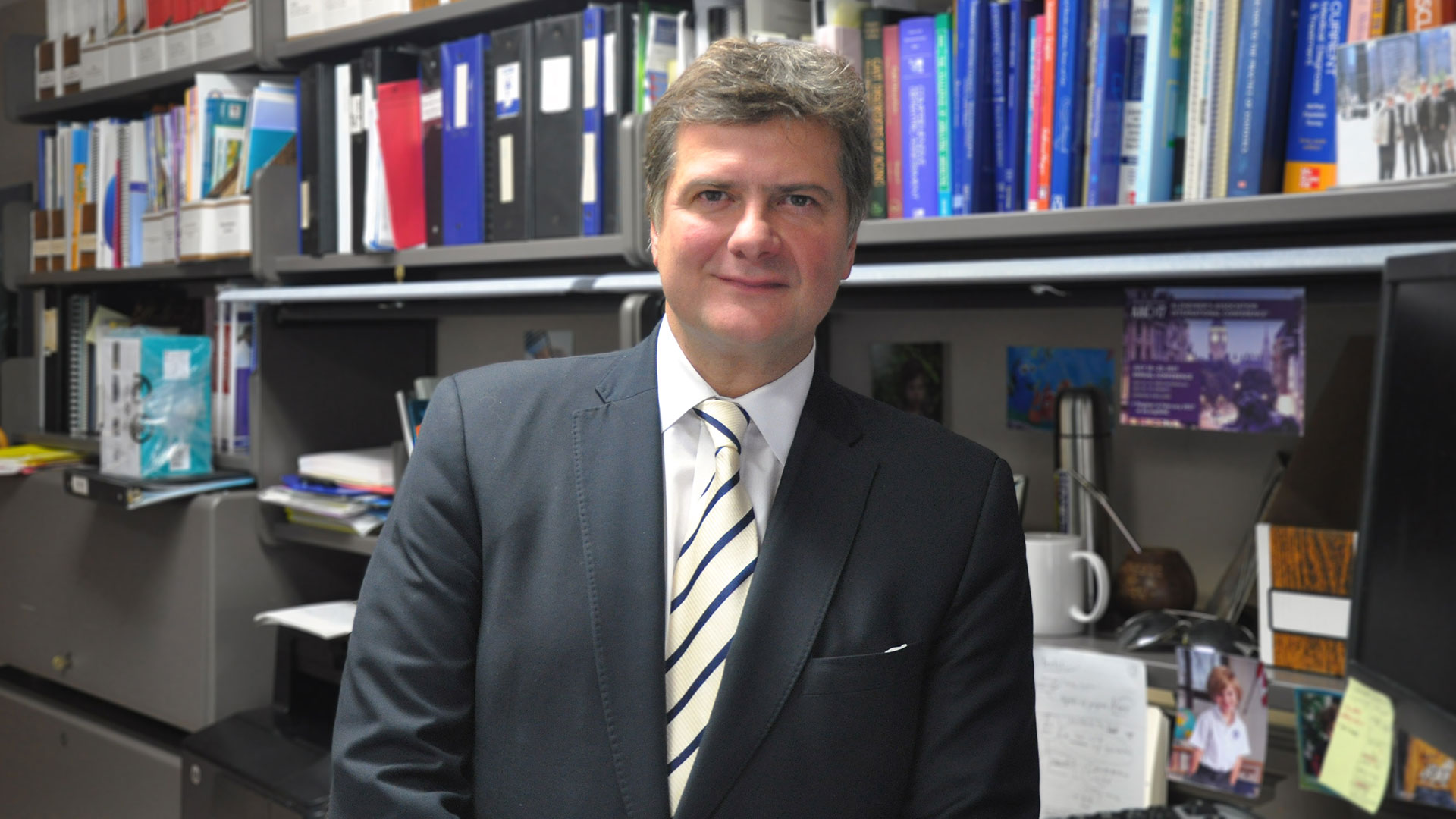
“There are important risk factors related to exercise, diet, sleep and socialization,” says Dr. Montero-Odasso, Lawson Scientist, Geriatrician at St. Joseph’s Health Care London’s Parkwood Institute and a Professor at Western University. “If we can make the brain a little healthier with multiple lifestyle interventions, we may be able to delay or even prevent dementia.”
The year-long study includes 35 researchers recruiting a diverse population of older adults with MCI across 10 Canadian cities. The research teams are currently looking for participants ages 60-85 with MCI and additional dementia risk factors.
Researchers have created a digital platform to deliver the interventions at home with effective coaching strategies that will help to overcome barriers to lifestyle interventions, like difficulty accessing intervention sites, lack of time to attend gym sessions or living in rural/remote areas.
“There are many Canadians who are at high risk of developing dementia, based on their family history and genetics,” explains Dr. Howard Chertkow, Chair of Cognitive Neurology and Innovation at Baycrest Health Sciences, Scientific Director at CCNA and a co-investigator on the study. “Other risk factors include having high blood pressure and diabetes. We have seen that we can reduce the risk of getting dementia if we can get people to improve their lifestyles in multiple ways.”
Those interested in taking part in the study can contact @email for additional details.
The study is part of a global initiative known as World-Wide FINGERS, an interdisciplinary network working on the prevention of cognitive impairment and dementia, and is supported by The Gray Centre for Mobility and Activity at St. Joseph’s.
About Lawson Health Research Institute
Lawson Health Research Institute is one of Canada’s top hospital-based research institutes, tackling the most pressing challenges in health care. As the research institute of London Health Sciences Centre and St. Joseph’s Health Care London, our innovation happens where care is delivered. Lawson research teams are at the leading-edge of science with the goal of improving health and the delivery of care for patients. Working in partnership with Western University, our researchers are encouraged to pursue their curiosity, collaborate often and share their discoveries widely. Research conducted through Lawson makes a difference in the lives of patients, families and communities around the world. To learn more, visit www.lawsonresearch.ca.
Media Contacts
Amanda Taccone
Communications Consultant & External Relations
Lawson Health Research Institute
T: 519-685-8500 ext. ext. 64059
C: 226-919-4748
@email