


Search
Search
36 Search Results:
New study shows technology could play an important role in mental health support
In a study published in MDPI Journal, a team of researchers at Lawson Health Research Institute have shown that the use of technology may assist in better outcomes for those living with both mental health and physical disorders.
Dr. Cheryl Forchuk, Assistant Scientific Director at Lawson, and her team embarked on a pilot study that used smart home monitoring solutions to assist those living with both a mental health disorder and other health challenges. The purpose of this pilot study was to see if technology could improve overall lifestyle and wellbeing.
“We began our research by using hospital prototype apartments – apartment style care spaces within hospital settings – that were equipped with smart home technology solutions such as a screen device, activity trackers, weigh scales and medication dispensers,” says Dr. Forchuk who is also the Beryl and Richard Ivey Research Chair in Aging, Mental Health, Rehabilitation and Recovery at St. Joseph’s Health care London. “Once we tested it in a hospital setting, we wanted to find a way to take this idea out into the community in different kinds of housing and living situations to see if it would be beneficial.”
The research team partnered with the Canadian Mental Health Association (CMHA) and the London and Middlesex Community Housing (LMCH) to work together to retrofit the homes of the 13 study participants.
“We worked together with the participants and their care providers to choose what combination of technology they felt would be best for them,” says Dr. Forchuk. “No matter their health condition each participant wanted to be more active and independent, with the goal of staying out of hospital.”
All smart devices were connected to the Lawson Integrated Database, which is a database that can securely collect data from multiple sources such as health devices. This allowed care providers to send reminders to participants, while also tracking usage and results.
“The key benefits we noted was that study participants started to live healthier lives,” says Jonathan Serrato, Lawson Research Associate. “Participants logged going for walks and exercising more often, as well as making healthier food choices. Those who used the medication dispensers did not miss a single dose. The touch screen devices also allowed participants to easily communicate with care providers and support networks, and access more resources.”
Following the pilot study, the research team also published a subsequent paper, as a ‘how-to guide’ for utilizing smart home technology interventions as a health care tool.
“This paper is a helpful resource that outlines implications and considerations when it comes to smart home technologies,” adds Serrato. “There are many areas we touch upon such as security, privacy and feasibility as well as hardware and software information for those who would like to take on their own similar type of smart home technology project.”
$65.75M grant positions Lawson as Canadian leader in workplace-injury research
Massive investment by the Workplace Safety and Insurance Board (WSIB) to St. Joseph’s Health Care London is largest-ever grant to transform occupational illness and injury
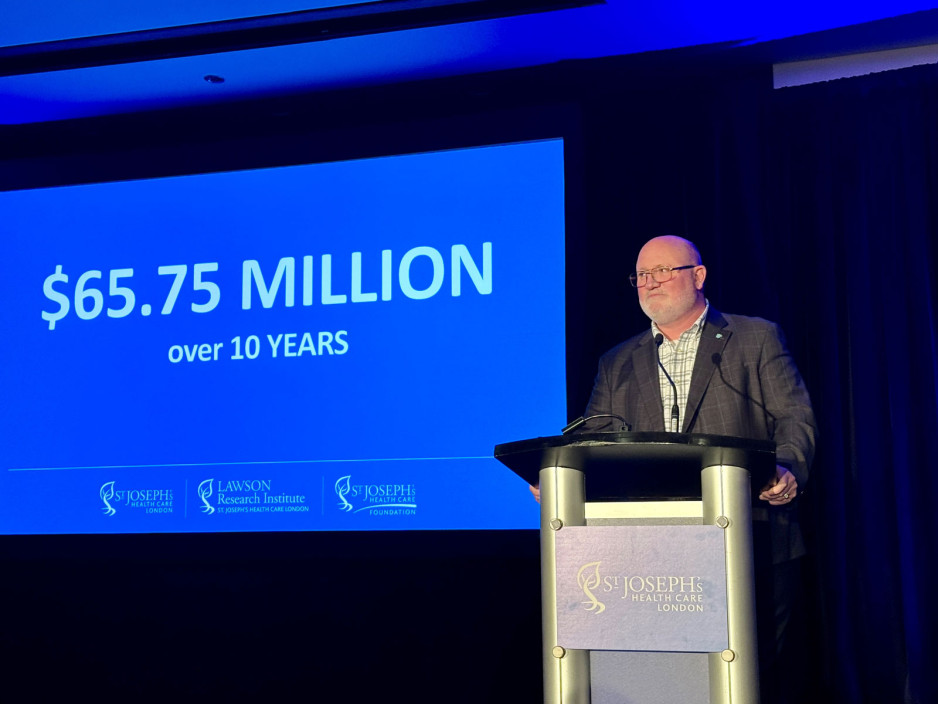
A “game-changer” investment of $65.75 million to Lawson Research Institute of St. Joseph’s Health Care London will transform the prevention, diagnosis and treatment of workplace injuries and illness for Ontarians.
The Workplace Safety and Insurance Board’s visionary 10-year commitment is the WSIB's largest-ever research injection; the largest non-government health research funding in London history; and the biggest single grant received and stewarded by St. Joseph’s Health Care Foundation.
The investment will launch the Occupational Injury Prevention and Treatment Research Network – a first-in-Canada hub where people, technology and science-backed innovation will help solve the human and health costs of occupational injury and illness across Ontario and around the world.
Landmark work, global leadership
“This is a game-changer, something that will transform how we work together to get ahead of work-related injury, pain and mental illness,” says Lisa Porter, PhD, Vice-President Research at St. Joseph’s and Scientific director of Lawson, the research arm of St. Joseph's.
“This investment will propel us to global leadership in finding solutions to some of the most pervasive issues affecting people in workplaces today,” Porter says.
Occupational injuries and illnesses – including chronic pain, physical disability and mental health conditions – accounted for more than 93,000 claims registered through the WSIB last year, with an average lost work time of 63.2 days.
Occupational injuries and illnesses – including chronic pain, physical disability and mental health conditions – have a significant impact on many people, families and businesses in Ontario. Every year they account for almost 250,000 claims registered through the WSIB, with benefit payments of approx. $2.5 billion.
“Too many Ontario families experience the human cost of workplace injury,” says Jeffery Lang, President and CEO of the WSIB. “We want fewer injuries to happen, and if they do, to be able to help people with a safe and faster recovery. This research is going to help get us there and with their established expertise, the St. Joseph’s Health Care and Lawson Research Institute team are a natural partner for this important work.”
Investment and innovation
The network will innovate long-term solutions to prevent mental and physical injuries, accelerate recovery and ensure sustainable health for Ontario workers.
It will feature state-of-the-art infrastructure and expertise including:
- A first-in-Canada positron emission tomography/magnetic resonance imagery (PET/MRI) scanner dedicated to research into rapid and accurate diagnosis of mental health conditions including post-traumatic stress and depression
- A cutting-edge Computer-Assisted Rehabilitation Environment (CAREN), a unique, virtual-reality environment that will test and solve workplace injury, rehabilitation and chronic pain in new ways
- Three new endowed research Chairs and teams of scientists solving the most critical research questions plaguing people injured at work, an investment that will ensure long-term consistency and sustainability of the work
- Deploying technology in data science, artificial intelligence (AI) and virtual reality, making the network accessible by centres and workplaces across Canada
Rapid-access research area to design and test assistive devices such as splints and mobility technology
St. Joseph’s President and CEO Roy Butler says, “We know that discovery-driven, patient-focused research improves lives – that is the focus of our hospital-based research at Lawson, and we’re humbled that the WSIB has entrusted us to expand this vital work to minimize the effects of workplace injury, disease and disability. This significant investment will drive innovation opportunities that will translate into novel new treatments and tools that can be used to battle workplace injury and illness”
“This investment will enable us to leverage the deep expertise St. Joseph’s already has in mental health, chronic pain and rehabilitation, and creates the opportunity to expand our knowledge to support workplace wellness, including for frontline health-care workers,” Butler says.
Butler adds that the network will strengthen existing partnerships and create new collaborations – within St. Joseph’s as well as among a wide range of health professionals, researchers, post-secondary institutions and industry locally, across the province and nationally.
Butler notes St. Joseph’s already excels in research and treatment for related injuries and illnesses.
That includes: preventing and treating chronic pain through the hospital’s Pain Management Program and the Gray Centre for Mobility and Activity hand and upper limb care and injury prevention through the Roth | McFarlane Hand and Upper Limb Centre; advanced imaging expertise; and mental health solutions for veterans and first responders at the MacDonald-Franklin OSI Research Centre. All are specialty research areas of St. Joseph’s with deep roots in addressing occupational injury and illness.
A partnership of promise

Many groundbreaking research initiatives at St. Joseph’s have been made possible by generous supporters of St. Joseph’s, says Michelle Campbell, President and CEO of St. Joseph’s Health Care Foundation.
Medical research in Canada, including the research done in our hospitals, relies heavily on private funding. Donors to our foundation, invest in research because they know that innovation leads to better frontline care, and healthier communities,” Campbell says.
“It’s a partnership of promise, a confident stride toward better outcomes for patients. The WSIB’s gift through St. Joseph’s Health Care Foundation is a whole new level of leadership, and we’re proud to be integral to this transformation in workplace health,” says Campbell.
Earlier this year, the WSIB announced a $20-million gift to Fanshawe College to create a Centre of Excellence in Immersive Technology for Workplace Safety, primarily to help first responders and responders-in-training learn to prevent and treat occupation-related mental health issues such as PTSD, anxiety and depression.
The Network at St. Joseph’s broadens that work to bring research-specific innovation aimed at benefiting the physical and mental wellbeing and safety of workers in all occupations.
The new hub at St. Joseph's will make use of the institution’s vast community and research partnerships throughout London and across Canada, in multiple collaborations across a wide range of health disciplines.
A vision for the future of ICES Western: Q&A with Dr. Kristin Clemens
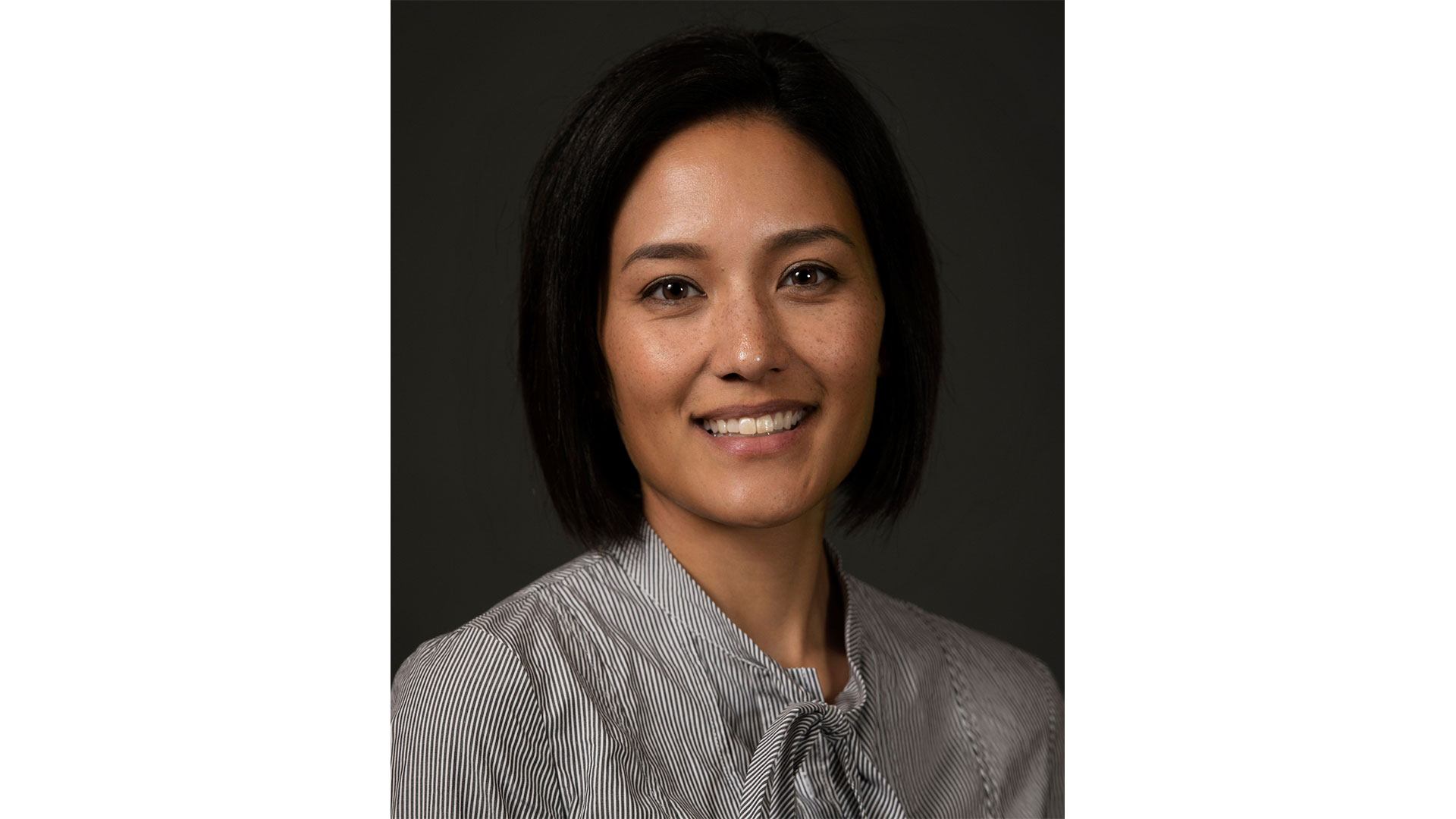
Dr. Kristin Clemens has been selected as the new Site Director for ICES Western, the London, Ontario division of a province-wide non-profit focused on using health-related data to evaluate outcomes. ICES Western is a collaborative initiative between Lawson Health Research Institute, Western University, London Health Sciences Centre (LHSC) and St. Joseph’s Health Care London.
Dr. Clemens is a Scientist at Lawson and an Endocrinologist at St. Joseph’s. She is also an Assistant Professor in epidemiology and biostatistics at Western’s Schulich School of Medicine & Dentistry. Dr. Clemens recently sat down to discuss the impact of the work being done through ICES Western and her hopes for the future.
1. What are you most excited for as ICES Western’s new site director?
I get to continue to work closely with an amazing group of ICES Western staff and scientists. ICES Western is already a well-oiled machine and home to scientific hubs of research in neurological health, homelessness and socioeconomic disparities, surgery, mental health, kidney disease and more. As a leader, I will not only be able to help harness some of our existing strengths, but have a chance to continue to move our institution forward. For example, Dr. Amit Garg (outgoing Site Director) will be advancing new and innovative randomized controlled trials in London, and ICES Western's going to continue to play a major role in that. There is so much more potential for innovation using our data sources; I think it's going to be a really exciting next few years for us.
2. Why did you choose to become involved with ICES Western?
I have been with ICES for about 14 years. I have lived it as an ICES trainee as a Medical Student and Resident/Fellow and became an ICES Adjunct Scientist after completing the inaugural ICES Faculty Scholars program hosted by ICES Western. I became more and more engaged with the community as a member of local ICES committees and then started to lead some of the larger research programs at ICES Western. It was the perfect time and really a natural fit for me to embark on a new leadership journey with the institution.
3. What do you hope to bring to your new position?
I'm an enabling and collaborative researcher and have been fortunate to work with multidisciplinary teams of scientists from across Western and Lawson. What I hope to do is not only support existing ICES staff, scientists, and initiatives, but also attract new researchers to the institution. I think London, Ontario, is such an incredible city for academia. I really want to use my collaborative skills and strong relationships to try to grow and expand our reach.
4. Has the work at ICES played a role in your research?
Yes, absolutely. My clinical and research focus has been on improving the care and outcomes of patients who live with complex comorbidities and disparities. ICES research allows us to focus on real-world gaps in care in Ontario and it gives us an opportunity to study people and patients who have not been able to participate in randomized trials or traditional research studies.
5. What impact does the work at ICES have on research being done in Ontario and across Canada?
ICES is home to one of the world's largest collections of administrative data sets that contain everything from hospital visits and physician encounters to use of medications and long-term care. We also have the unique ability to link data from national surveys or existing cohorts with administrative data. Because of this, ICES is very much at the forefront of improving care and quality for all Ontarians. Our research is shared internationally with both academics and non-academics, and it has changed practice and policy; it's an extremely impactful organization.
6. What do you see in the future for the organization?
I think in the future we will continue to do what we're already great at, like studying the use of health services and existing hubs of research, but also find ways to use our rich data sources, methods and talented staff to really innovate and advance research in London. With new collaborations in the city, we can also continue to grow and contribute.
7. What is the most important thing people should know about ICES?
ICES Western is here for London’s community of researchers, health care providers and decision makers. We have more than 20 scientists and dozens of highly qualified staff who are passionate about advancing high-quality, impactful work. ICES Western is a valuable resource for the community.
An update to the community
The animal research conducted at Lawson Research Institute, St. Joseph’s Health Care London (St. Joseph’s) adheres to the highest standards of, and is in compliance with, all scientific and ethics protocols. The Canadian Council on Animal Care (CCAC) and the Western Animal Care Committee provide valued third-party oversight and ensure our commitment to ethical research at every stage of the discovery and innovation process.
The Government of Ontario is an important partner in every aspect of our work. Following consultations with the province, St. Joseph’s will immediately cease research studies involving dogs.
We acknowledge that this will have a significant impact on the ground-breaking research that has resulted in major strides in cardiac care and treatment, and on the dedicated teams involved in this work.
More details will be forthcoming.
Celebrating Clinical Trials Day
Clinical trials are the gold standard in medical research, used to test new treatments and medical devices to ensure they are safe and improve patient outcomes.
Each year on May 20, Clinical Trials Day aims to raise awareness about the importance of clinical trials. At Lawson Health Research Institute, our researchers, research staff and learners across London Health Sciences Centre (LHSC) and St. Joseph’s Health Care London (St. Joseph’s) are working daily to advance clinical trials for some of the most pressing health challenges.
“If you look at many areas of medicine, like cancer and cardiovascular disease, part of why those conditions have had dramatic improvements in outcomes over the last several decades is because of clinical trials,” says Dr. Amit Garg, Scientist at Lawson, Lead for the Kidney, Dialysis & Transplantation Research Program at ICES Western, and a Nephrologist at LHSC.
Clinical trials can also provide patient participants with new treatment options and can demonstrate when existing treatments have applications for other diseases.
“We could not conduct clinical trials without patients participating in them,” adds Dr. David Palma, Associate Scientist at Lawson and Radiation Oncologist at LHSC. “A clinical trial is a very rigorous process where we carefully define a treatment and follow patients very closely with extra interventions and tests to see not only how the disease is responding to treatment, but also any effects on a patient’s quality of life.”
It also takes a team to make clinical trials a success, including the critical work of research coordinators, associates and assistants, adds Dr. Swati Mehta, Lawson Scientist based at St. Joseph’s Parkwood Institute.
Dr. Palma also notes that while clinical trials require investment to conduct them, they can ultimately lead to savings in the health system.
“While the primary goal of a clinical trial is to improve or save lives, they often lead to cost savings down the road. Improving cure rates means people don’t need as much treatment and that can save the initial investment many, many times over,” Palma says.
Looking ahead, work is ongoing to make clinical trials more efficient and equitable.
“Eliminating specialized infrastructure would help make trials more equitable, so they are available in smaller communities and at distant sites that otherwise would not have access. Making study materials available in multiple languages and to anyone with accessibility issues can also help,” Garg adds.
“Future clinical trials will need to follow more pragmatic, adaptive study designs that allow us to evaluate therapies or interventions in a more realistic setting,” Dr. Mehta says. “These would also allow us to follow-up with patients that were potentially underrepresented in past research.”
According to researchers at Lawson, the future of clinical trials is bright with hundreds of trials currently underway at LHSC and St. Joseph’s with the goal of improving patient outcomes.
Celebrating health research excellence with the 2023 Lawson Impact Awards
For the first time since 2019, Lawson Health Research Institute hosted its annual Lawson Impact Awards in-person on November 28 at RBC Place London. Approximately 130 people gathered to celebrate scientists, staff members, learners and partners who have made remarkable contributions to hospital-based research at London Health Sciences Centre (LHSC) and St. Joseph’s Health Care London (St. Joseph’s).
“Important and groundbreaking science is conducted daily at Lawson, improving patient care locally and around the globe,” says Dr. David Hill, Scientific Director at Lawson. “The Lawson Impact Awards provides an opportunity for us to recognize the scientists, staff members, learners and partners who drive medical research forward.”

Eight Lawson Impact Award recipients were celebrated at the event, including:
- Leadership Award for Fellows & Students: Dr. John Tran
- Staff Award of Excellence: Alexandria Roa Agudelo
- Community Partner of the Year Award: Keith and Leanne Lavergne
- Community Partner of the Year Award: Jack and Jean Wettlaufer Family
- Community Partner of the Year Award: Ryan Finch
- Dr. Joseph Gilbert Research Contribution of The Year Award: Dr. David Palma for “Stereotactic ablative radiotherapy versus standard of care palliative treatment in patients with oligometastatic cancers (SABR-COMET): a randomised, phase 2, open-label trial”
- Innovation Award: Dr. Manuel Montero-Odasso
- Scientist of The Year Award: Dr. Cheryl Forchuk
Two Children’s Health Research Institute (CHRI) award recipients were also recognized. As a program of Lawson, CHRI awards a Scientist and Trainee of the Year annually, sponsored by the Children’s Health Foundation. CHRI’s 2022 award recipients are: Dr. Emma Duerden (CHRI Scientist of the Year) and Kendrick Lee (CHRI Deb Comuzzi Trainee of the Year).
“This year, we recognized a number of leading research professionals from across LHSC and St. Joseph’s who are helping to advance patient care in London and around the world,” adds Dr. Hill. “We were also honoured to recognize three Community Partners of the Year for their generous support of health research.”
Learn more about each recipient on our Impact Awards page and visit the Lawson YouTube channel to watch videos highlighting each of the award recipients.
Changing our MINDS
Local youth use art and storytelling to illustrate the personal and system challenges in mental health.
The words and images are both heartbreaking and hopeful.
“Nobody likes you if you are sad.”
you are enough. stay strong. let life surprise you.
“Please don’t leave like everyone else.”
1 year sober. 1 year of school. 1 year building a safe home. 1 year loving myself.

Zine-writing, a personal and introspective medium often used by people who have been marginalized, is an important part of local research that is finding solutions to complex mental health challenges among young adults. Its name derives from its magazine (“zine”) format.
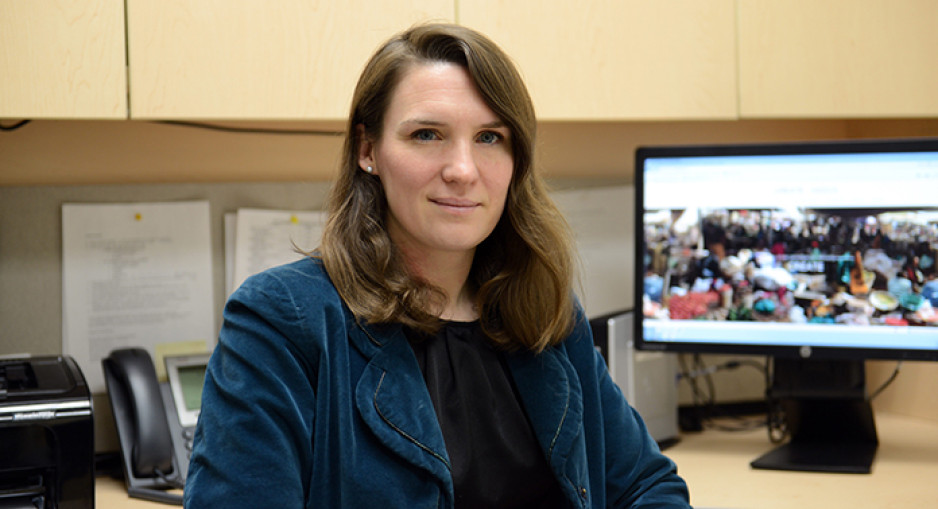
“When we make the voices of people with lived experience central to our research, we can learn from each other and then change the system together,” says Dr. Arlene MacDougall, founder of MINDS of London-Middlesex.
The social innovation and research lab based at St. Joseph’s Health Care London (St. Joseph’s) is dedicated to designing, piloting and testing mental health innovations for teens and young adults. Its recent evolution into MINDS 2.0 adds insights by and for people up to age 35 who have complex, pervasive mental health and addiction issues.
Learning from experts
Rin, a London artist, who has published independent zines for a decade, created three for this project, including one that, with irony, asks the reader to ponder which vulnerable people aren’t worth saving.
“I believe making art can be very healing,” says Rin. “I wanted to share some of my story to help myself and help others. I want to play a part in shaping a mental health system that’s better than the one I encountered.”

The zines weave art, prose and poetry into story:

3 things I would change: affordability, stigma, waitlists.
“If I had a magic wand, I would use it to heal the waters, grow the trees, foster animal growth.”
Look in the mirror, see how far you’ve come.
They also raise and propose solutions to troubling issues among people with mental illness: housing and homelessness, sparse resources for people with addictions, lack of coordination among service providers, and dehumanizing attitudes in health and criminal justice systems.
“Participants experienced catharsis just in telling their stories,” says Renee Hunt PhD, Associate Director of Research and Operations at MINDS. “And because they’re the experts, they’re also playing an important part in changing systems that need an overhaul.”
Adds Rin, “It feels empowering knowing people are listening to us – people who care and are committed to making change to the system.”
MacDougall notes the pivotal role of St. Joseph’s Health Care Foundation – in particular, a groundbreaking $5-million donation towards mental health research from philanthropist Ryan Finch – in advancing mental health innovation through MINDS and MINDS 2.0.
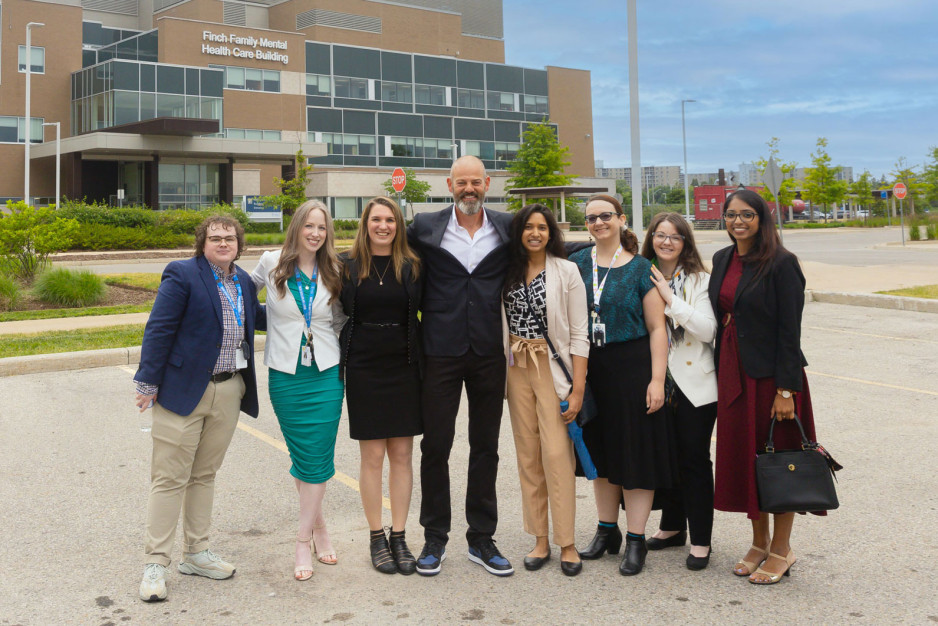
“They’ve been our biggest supporters since day one. This wouldn’t have happened without support from Ryan and the foundation and all the many donors who believe in mental health research,” says MacDougall, who is also Director of Research and Innovation with St. Joseph’s Mental Health Care Program.

“MINDS has been a catalyst for system change,” MacDougall adds. “Research is always about finding answers and generating impact.”
Many findings from MINDS research have been put into practice, among them are the creation of guidebooks for peer support, free taxi service for rural youth needing urban mental health or addiction services, and educational resources to support 2SLGBTQI+ students.
MacDougall says MINDS 2.0 expands that work with new voices and the exploration of more in-depth solutions.
What’s next for MINDS 2.0
- Workshopping ideas and prototypes for mental health systems change. Sessions will be held where people with lived/living experience and service providers propose and develop potential solutions.
- Leadership-building. Twenty mental health practitioners will be trained to become “agents of change” who will collectively create, implement and evaluate mental health programs, technology, interventions and training.
- Imaginarium conference. In 2025, a first-of-its-kind national conference will take place to share system innovations in mental health and addiction.
Cyclotron hits 10,000-bombardment milestone
Cyclotron staff at St. Joseph’s Health Care London have recorded a 10,000-mark milestone in the same understated way they work every day to improve patient care and cutting-edge research.
No balloons, no streamers, no fanfare: Just an efficient note atop a printout as the bombardment number spun past 9,999 in the early hours of Dec. 31.
“It’s taken us 15 years to get to this point and our work continues to grow,” says Michael Kovacs, PhD, Lead of Lawson’s Nordal Cyclotron & PET Radiochemistry Facility and Leader of the Imaging Research Program at Lawson Research Institute, the innovation arm of St. Joseph’s.
“The numbers are great but the real satisfaction is knowing every single bombardment means something important to a patient or a researcher working towards better patient health.”
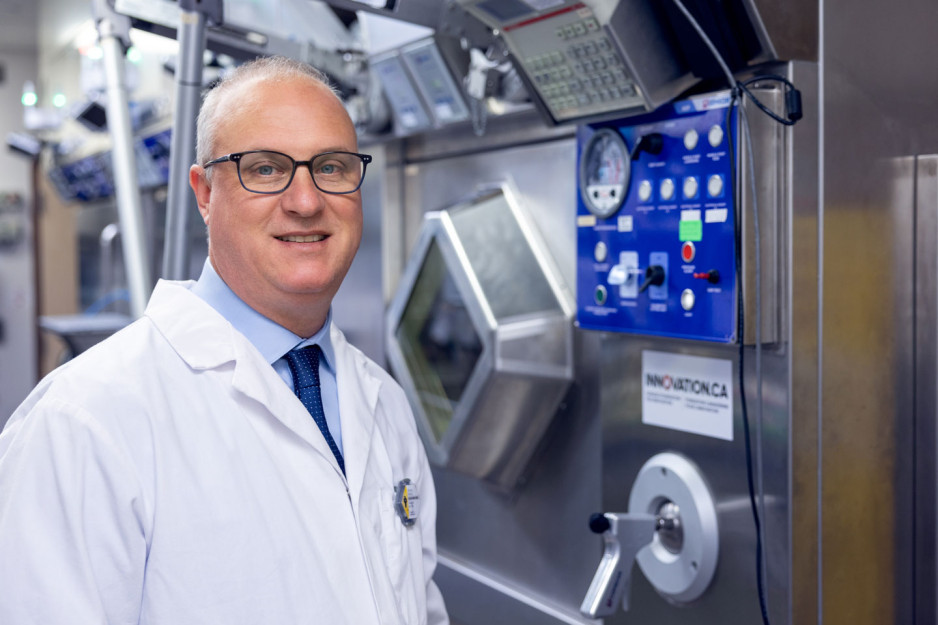
St. Joseph’s GE PETtrace cyclotron is a particle accelerator that produces radioisotopes for use in positron emission tomography (PET) scans across Southwestern Ontario, from Windsor to Toronto. It is a vital tool for ultra-precise cancer diagnoses and for advanced research into scores of diseases.
In patient care, each “bombardment” – a grouping of radioisotopes that are then lab-processed, tested and made into smaller batches – can be used to aid cancer scans for as many as 25 people.
“A precise scan can make a dramatic difference, a life-changing difference, in how someone’s cancer is diagnosed and custom-managed,” Kovacs says. “If we think of the PET scanner as the engine of that transformative work, the cyclotron’s radioisotopes are its rocket fuel.”
Isotopes injected into patients are designed to have a short radioactive half-life – between two minutes and 110 minutes – which is another reason St. Joseph’s cyclotron is such an asset for timely care in the region.
“You can’t store or stockpile them. You have to use them almost immediately, so it’s essential to local and area hospital centres to have a ready, reliable source nearby,” Kovacs says.
About half the batched bombardments are used in patients to help with clinical diagnoses that will guide doctors’ treatment decisions.
The other half are used for research trials and pre-clinical research through Lawson, in fields as diverse as oncology, cardiology, neurology, psychiatry, metabolic disease and infectious diseases. In one promising study, for example, they’re being used to image specific brain proteins as researchers explore new disease-modifying treatment pathways for Alzheimer disease.
The next burgeoning field, Kovacs says, is theranostics: the science of diagnosing cancer and precision-attacking it at the same time. “That’s exciting for me, to be able simultaneously to see what we treat and treat what we see.”
About 15 highly specialized staff work at St. Joseph’s cyclotron facility, plus PhD-candidate researchers and other trainees.
Generous donors through St. Joseph’s Health Care Foundation have made much of this advanced research and next-level technology a reality. During the past few years, the Foundation granted nearly $800,000 in donor support to fund extensive renovations to the facility, making it possible to increase production of isotopes and expand life-saving care. Recently, $1 million in donations supported a new PET/CT scanner – the heart of Canada’s first national GE centre of excellence in molecular imaging and theranostics being developed at St. Joseph’s Hospital.
“We know the cyclotron is a critical tool in our imaging work and we are grateful to those donors who stepped up to help us with renovations that enabled the doubling of our facility’s production capability,” says Michelle Campbell, President and CEO of St. Joseph’s Health Care Foundation. “This renovation helps keep St. Joseph’s imaging program at the cutting edge of clinical care.”
The 40-tonne, room-sized cyclotron is more than a machine, and more than the experts who process, test, ship and use the radioisotopes, Kovacs notes.
It’s also testament to the vision of St. Joseph’s long-time chief medical physicist Frank Prato, PhD, and to the support of hospital administrators who saw its need and potential, he adds.
“We are innovators, and our vision is that we’re going to expand St. Joseph’s imaging expertise on an even larger world stage,” Kovacs says.
Dementia doesn’t have to be your destiny
Tackling a “dirty dozen” list of health and lifestyle factors can go a long way in lowering the risk of dementia, say London experts.
Many people could greatly improve their odds against developing dementia by making four, low-cost lifestyle changes – today.
In the first study of its kind, researchers at Lawson Research Institute (Lawson) and Western University have found that about half of dementia cases in Canada can be influenced by 12 lifestyle factors.
Topping the “dirty dozen” list across Canadians’ lifespan, and especially notable from mid-life onwards, are physical inactivity, hearing loss, obesity and hypertension.
The solutions:
- Get off the couch and get moving
- Tackle hearing loss early
- Lose weight
- Get assessed and treated for high blood pressure
“While lifestyle changes aren’t a magic pill to prevent all dementias, they’re an empowering way to reduce the overall risk,” says Lawson researcher and study lead author, Surim Son, a Western University PhD candidate who with the dementia research program at St. Joseph’s Health Care London (St. Joseph’s).
“We’re talking about significant benefits to Canadian health and health systems,” adds Son.
The findings could also have profound implications in refocusing health policy priorities. The Public Health Agency of Canada is already highlighting the study as part of its resources for national health policy advisors, she notes.
This study is the first to weigh Canadians’ lifestyles and habits against 12 potentially modifiable risk factors for dementia, and the first globally to include sleep disruption on the list.
Son’s paper, published in The Journal of Prevention of Alzheimer’s Disease, builds on a 2017 study in the Lancet that shows 12 modifiable risk factors throughout the course of life could contribute to 40 per cent of dementias around the world.
But Canada’s numbers are considerably higher because more of us indulge in weightier lifestyle risks. For example, four of every five older Canadian adults don’t exercise regularly; one in three is obese or has hypertension; and one in five has hearing loss.
"If half of the dementia cases in Canada are linked to modifiable lifestyle risk factors, this suggests that, today, prevention may be the most effective form of treatment," says Dr. Manuel Montero-Odasso, co-author of the paper and Director of the Brain & Gait Lab at St. Joseph’s Parkwood Institute.
“Dementia doesn’t have to be your destiny, even if that’s part of your genetic story. Our results from the SYNERGIC Trial shows almost everyone can change their risk factors and improve their cognitive resilience,” says Montero-Odasso, who was recently awarded a $2.4-million Canadian Institutes of Health Research grant to train professionals in risk reduction and care for people living with cognitive impairment.
Montero-Odasso’s advice: “Go out for a walk and keep moving. Get a hearing assessment. Keep your blood pressure in check. It’s low-cost and easy to implement. It’s good for your body health, even beyond improving your brain health and reducing your dementia risk.”
The 12 potential modifiable factors (based on a study of 30,000 Canadians over the age of 45), weighted from most significant factor to least:
- Physical inactivity
- Hearing loss
- Obesity
- Hypertension
- Traumatic brain injury
- Depression
- Less education in early life
- Sleep disturbances
- Diabetes
- Smoking
- Excessive alcohol
- Social isolation
Dementia research hits the ‘mark’
St. Joseph’s Health Care London is at the forefront of national research exploring biomarkers to better predict dementia and slow its onset.
Dr. Michael Borrie is now seeing grandchildren of patients who came to his clinic when he first started Alzheimer’s research 30 years ago.
His message to this new generation is more hopeful than ever, bolstered by ever-more-reliable ways of early detection and being tantalizingly close to a future of predicting dementia and intervening even before symptoms appear.
“The ultimate goal is to slow cognitive decline – and to stop it if we can – so that people can live independently, and happier, for a lot longer,” says Borrie, Medical Director of the Aging Brain and Memory Clinic at St. Joseph’s Health Care London (St. Joseph’s).
“We’re aiming to alter the trajectory of dementia,” he says.

A geriatrician, clinician and researcher, Borrie is also Platform Lead for the Comprehensive Assessment of Neurodegeneration and Dementia (COMPASS-ND), a long-term study within the Canadian Consortium on Neurodegeneration and Aging (CCNA).
Recently, the Canadian Institutes of Health Research announced $20.6 million in funding to continue the work of CCNA, a 30-site, multi-pronged project of which the St. Joseph’s-based team is the lead player. The grant will enable them to advance the frontiers of dementia research to benefit real-world patients here and across the country.
Solving mysteries with biomarkers
Despite the prevalence of Alzheimer’s and other neurodegenerative diseases – and with more than 10,000 new diagnoses in Canada each year – there are still many mysteries to solve: Why do some people have early-onset dementia while others, super-agers, remain alert and active in their 90s? What’s happening genetically, in their environment and personal medical history to advance or protect against the disease?
What is known, however, is the link between damaged nerve cells and specific proteins that misfold and clump together to form amyloid plaques and tau tangles in the brain. Detecting these abnormal proteins early is an important key to diagnosis and prediction.
Locally, the most comprehensive tool has been state-of-the-art brain Positron Emission Tomography (PET) scanning at St. Joseph’s Imaging. Lawson researchers are also involved in reliably detecting amyloid proteins by analyzing participants’ cerebrospinal fluid (CSF) – a surprisingly accurate way of confirming imaging results, says geriatrician Dr. Jaspreet Bhangu, a Lawson scientist and head of the biomarker project.
Through the BioMIND regional research project, Lawson scientists are analyzing PET scans, blood and CSF samples to check for specific protein biomarkers. If shown to be reliable, a series of these tests over time could signal whether the disease is progressing, and could predict whether it will progress or respond to treatment.
All that gets added to an arsenal that includes tests of behaviour, memory and cognitive function.
“It’s a triple assessment, or even a quadruple one, that we can conduct over time. We hope to use these advanced tests to provide vital information, similar to what is done in certain types of cancer,” Bhangu says.
But that’s not all.
Testing potential treatments
St. Joseph’s is also one of the country’s most active sites for clinical trials into whether novel medications might be able to directly pinpoint and destroy the proteins that cause Alzheimer disease.
“This is the intersection of cutting-edge research, top-notch resources and excellent clinical practice to develop personalized treatments,” says Bhangu. “What makes us unique in Canada among dementia researchers is that our science is taking us from bench to bedside – a rapid turnaround from research to direct patient benefit.”
If a person has a strong family history of Alzheimer disease and no symptoms – but does have positive biomarkers confirming presence of disease – they may then choose to take part in a randomized controlled trial to try to alter the trajectory of the disease.

“It’s still in a research context, still in clinical trials – but if Health Canada ultimately approves a treatment, we’ll have the ability and the patient database to be able to translate our findings into clinical practice much more quickly instead of waiting for years,” says Borrie.
All this is good news for a generation eager for answers, Borrie says.
“When we learn more about the mechanisms of the disease, we can find more effective, earlier treatments. And if we can treat people earlier, we hope to move the disease progression curve to the right, to add more years of good cognitive health to someone’s life.”
Detecting the Undetectable
A simple fall can lead to long-term hand problems such as arthritis due to fracturing the scaphoid bone in the wrist. Scaphoid fractures are known to have the highest rate of healing failures. While this bone’s fragile blood supply is commonly thought to be the main reason for why it is difficult to heal, Dr. Ruby Grewal is looking into a different reason – infection.
Infections are known to cause difficulty in healing bones, but traditional tests for infections in the scaphoid have come up negative. With new advancements in detecting microbial DNA, scientists can now test for ‘clinically undetectable’ infections.
Image

In a new study, Dr. Grewal will use microbial DNA test whether or not there are infections in the scaphoid fracture which causes improper healing of the bone.
“The goal of this study is to use advanced DNA sequencing technology to test whether or not we can detect evidence of microorganisms in non-healing scaphoids,” explains Dr. Grewal, Lawson Scientist and Orthopaedic Surgeon at the Roth McFarlane Hand and Upper Limb Centre (HULC) at St. Joseph’s Health Care London.
Finding new causes of improper healing of the scaphoid bone could improve treatments for individuals with these injuries and prevent long-term problems with hand function. These insights into the causes of improper healing could also prevent young patients from developing wrist arthritis.
Image
From left to right: Normal scaphoid fracture. Scaphoid fracture that is struggling to heal. Scaphoid non-union where the bone has failed to heal.
Dr. Grewal’s study is being funded through the Lawson Internal Research Fund (IRF).
“The financial support provided by Lawson’s IRF is of utmost importance to researchers. These funds will allow our team to embark on a new area of research and test a novel hypothesis,” says Dr. Grewal, “While traditional granting agencies are reluctant to fund completely novel areas of research without pilot data to prove feasibility, the Lawson IRF allows researchers to investigate new theories in a sound scientific manner. Without the ability to test new ideas we cannot innovate and make advancements in health care. Support for this project allows for that.”
Lawson’s IRF is designed to provide Lawson scientists the opportunity to obtain start-up funds for new projects with the potential to obtain larger funding, be published in a high-impact journal, or provide a clinical benefit to patients. Funding is provided by the clinical departments of London Health Sciences Centre and St. Joseph’s Health Care London, as well as the hospital foundations (London Health Sciences Foundation and St. Joseph’s Health Care Foundation).
Exemplary leadership earns Ting-Yim Lee medical physics Gold Medal
Medical physicist Ting-Yim Lee still isn’t sure exactly what interviewers saw in him when they recruited him in 1988 to work in radiology research at St. Joseph’s Health Care London.
But he’s honoured they saw and cultivated that kernel of possibility.
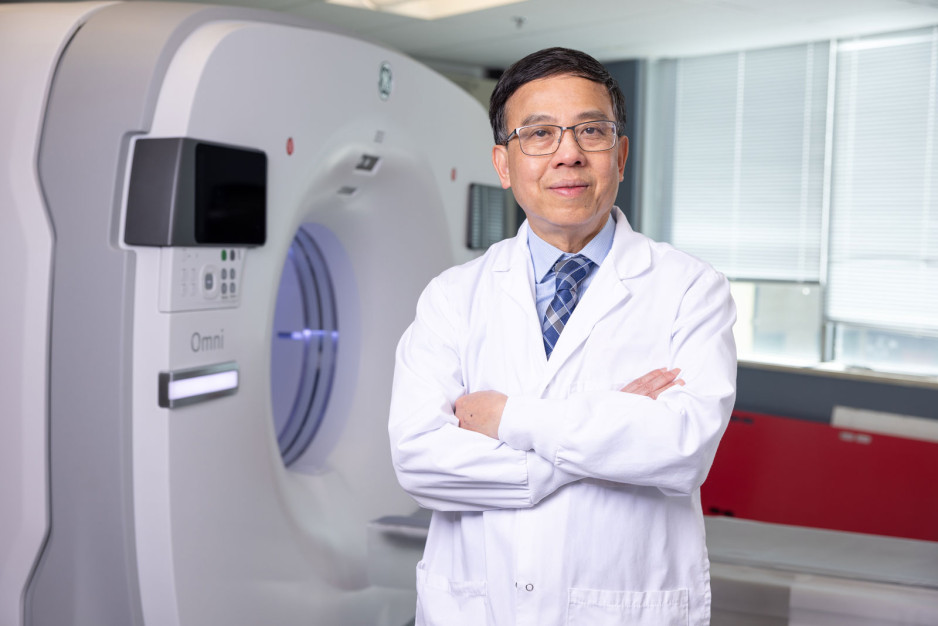
Lee is now recognized as an innovative imaging scientist transforming research and patient care. In June, Lee will receive the Canadian Organization of Medical Physicists’ (COMP) Gold Medal Award for exemplary achievement. It is the organization’s most prestigious award.
“I was hired from Winnipeg to work here,” he says. “I had a thin CV, and very few publications. I was a nobody, I thought. But St. Joseph’s recognizes the potential in people and they saw potential in me. If not for St. Joseph’s nurturing environment, our imaging program would not be what it is today.”
Lee is director of PET/CT Research at Lawson Research Institute (Lawson) and medical physicist at St. Joseph’s Hospital. He is also a professor at Western University’s Schulich School of Medicine & Dentistry and a scientist at Robarts Research Institute.
At St. Joseph’s and Lawson, he has sparked the growth of the Molecular Imaging and Theranostics program. Recently it was chosen to be Canada’s first a GE Centre of Excellence in Molecular Imaging and Theranostics based on the past track record of the Lawson Imaging program of achieving a number of national and global firsts.
Mustard-seed growth
Lee says the Lawson Imaging Program’s development is symbolized by the mustard seed in the St. Joseph’s logo: “The mustard seed is the smallest of seeds and it grows into a strong and beautiful tree. When I started at St. Joseph’s, we’d installed a CT scanner one year earlier, and we were quite behind other hospitals. Then we started developing it bit by bit, piece by piece, leaf by leaf.”
Among his most celebrated achievements is developing CT Perfusion technology, a world-first in 2000 that has revolutionized stroke diagnosis and treatment by providing detailed images of blood flow in and to the brain.
The technology is used in more than 8,000 hospitals worldwide and more than 25,000 licences of the technology have been sold over the last 22 years– the royalties enabling the purchase of new, state-of-the-art CT and PET/CT equipment at St. Joseph’s to the benefit of researchers and patients alike.
Lee’s contribution helped secure a $30-million Canada Foundation for Innovation initiative in 2006, introducing hybrid imaging to Canada—including the nation’s first PET/MRI systems. His
expertise has turned contrast-enhanced CT into a powerful functional imaging tool with applications to oncology, cardiology, and neurology.
Excellence, multiplied
“It is no exaggeration to state that without Dr. Lee, the Lawson Imaging Research Program and the medical physics team would never have achieved the heights of success that it has,” says Frank Prato, PhD, founder of the program in 1982 and its leader until 2024.
Prato says Lee has had “a profound influence” on the careers of hundreds of medical physicists, including training and mentoring 60 graduate and postdoctoral students – many of whom are now training students of their own.
“These multipliers/amplifiers of Dr. Lee’s mentorship have had a profound effect on the excellence of the medical physicists we have in Canada and the excellence of the ones we train for the world,” Prato says.
Lee has published 290 research papers, which have been cited nearly 19,000 times – an indication of their impact in the medical community. He has been awarded the Meritorious Service Cross from the Governor General of Canada and received the Career Achievement Award as a WORLDiscoveries innovator.
The St. Joseph’s difference
More recently, Lee created, in partnership with St. Joseph’s Health Care Foundation and Western, two endowed chairs to research and translate liquid radiation therapy.
His considerable accomplishments are matched by his humility and his eagerness to deflect credit to his colleagues, St. Joseph’s, the St. Joseph’s Health Care Foundation and the broader imaging and research communities.
Excellent technology and research are an outgrowth of the people and culture of St. Joseph’s, Lee emphasizes. “I always feel that when I walk into St. Joseph’s, it immediately has that warm feeling that envelops you. It’s different. It’s a nurturing environment.”
The COMP Gold Medal is the highest award given by the Canadian Organization of Medical Physicists and is given to currently active or retired individuals to recognize medical physicists who have made outstanding contributions:
- A body of work fundamentally altering the knowledge base and practice of medical physics
- Leadership positions in medical physics organizations leading to improvements in the status and public image of medical physicists in Canada
- Significant influence on the professional development of the careers of medical physicists in Canada through educational activities or mentorship
Several London and Lawson-affiliated researchers have won the COMP Gold Medal, including Prato in 2024.
This year’s annual scientific meeting takes place in London on June 4 – 7.
Fecal transplants show promise in improving melanoma treatment
In a world-first clinical trial published in the journal Nature Medicine, a multi-centre study from Lawson Health Research Institute, the Centre hospitalier de l’Université de Montréal (CHUM) and the Jewish General Hospital (JGH) has found fecal microbiota transplants (FMT) from healthy donors are safe and show promise in improving response to immunotherapy in patients with advanced melanoma.
Immunotherapy drugs stimulate a person’s immune system to attack and destroy cancer. While they can significantly improve survival outcomes in those with melanoma, they are only effective in 40 to 50 per cent of patients. Preliminary research has suggested that the human microbiome – the diverse collection of microbes in our body – may play a role in whether or not a patient responds.
“In this study, we aimed to improve melanoma patients’ response to immunotherapy by improving the health of their microbiome through fecal transplants,” says Dr. John Lenehan, Medical Oncologist at London Health Sciences Centre’s (LHSC) London Regional Cancer Program (LRCP), Associate Scientist at Lawson and Associate Professor in the Department of Oncology at Western University’s Schulich School of Medicine & Dentistry.
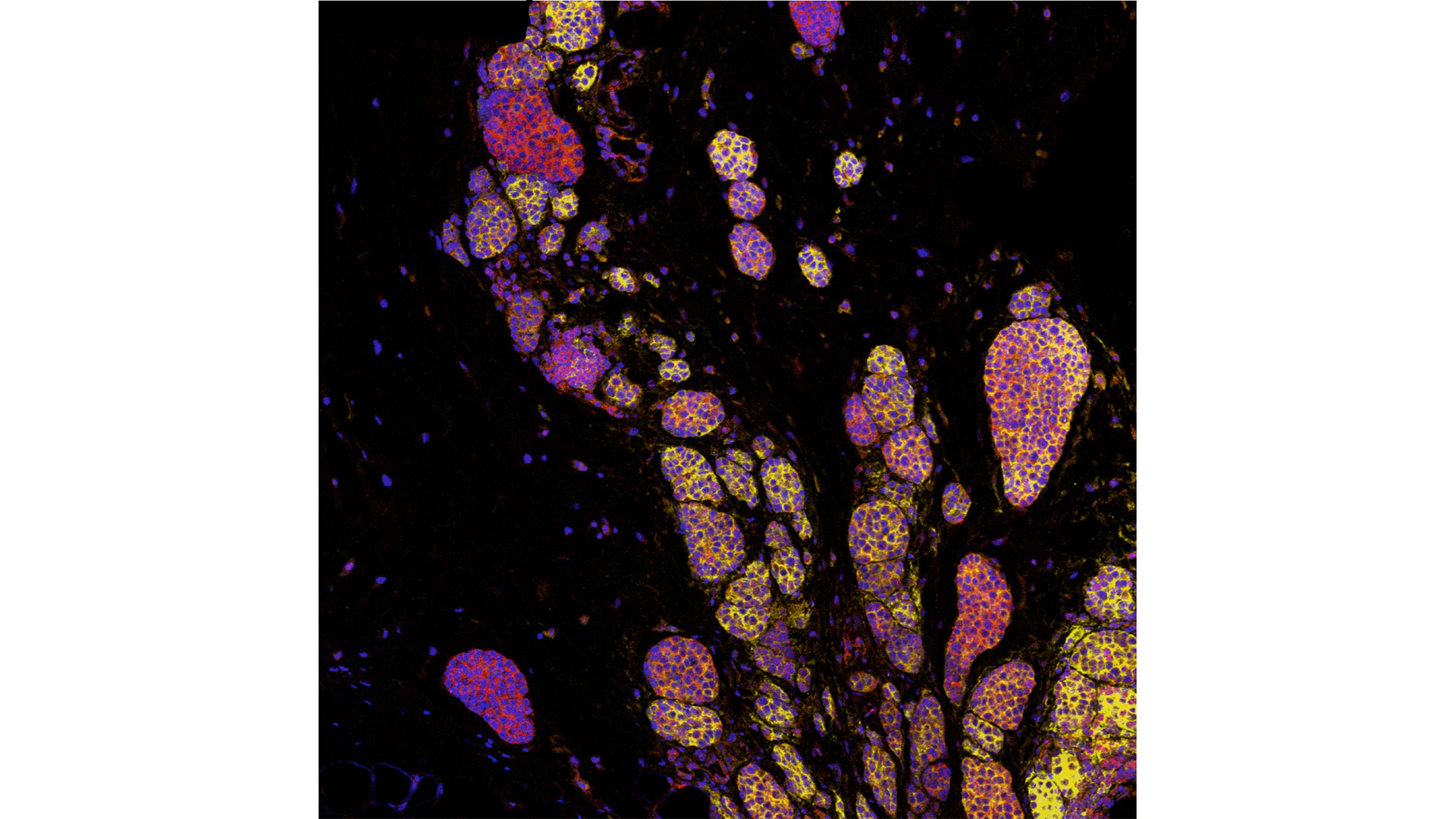
A fecal transplant involves collecting stool from a healthy donor, screening and preparing it in a lab, and transplanting it to the patient. The goal is to transplant the donor’s microbiome so that healthy bacteria will prosper in the patient’s gut.
“The connection between the microbiome, the immune system and cancer treatment is a growing field in science,” explains Dr. Saman Maleki, Scientist at Lawson and LHSC’s LRCP, Assistant Professor in Schulich Medicine’s Departments of Oncology, Pathology and Laboratory Medicine, and Medical Biophysics, and senior investigator on the study. “This study aimed to harness microbes to improve outcomes for patients with melanoma.”
The phase I trial included 20 melanoma patients recruited from LHSC, CHUM and Jewish General Hospital. Patients were administered approximately 40 fecal transplant capsules orally during a single session, one week before they started immunotherapy treatment.
The study found that combining fecal transplants with immunotherapy is safe for patients – which is the primary objective of a phase I trial (also called ‘safety trials’). The study also found 65 per cent of patients who retained the donors’ microbiome had a clinical response to the combination treatment. Five patients experienced adverse events sometimes associated with immunotherapy and had their treatment discontinued.
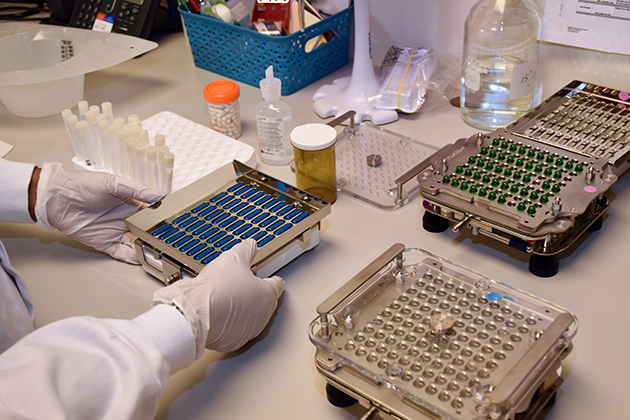
“We have reached a plateau in treating melanoma with immunotherapy, but the microbiome has the potential to be a paradigm shift,” says Dr. Bertrand Routy, Oncologist and Director of CHUM’s Microbiome Center. “This study puts Canada at the forefront of microbiome research by showing we can safely improve patients’ response to immunotherapy through fecal transplants.”
“These exciting results add to a rapidly growing list of publications suggesting that targeting the microbiome may provide a major advance in the use of immunotherapy for our patients with cancer,” adds Dr. Wilson H. Miller Jr. of the JGH and Professor in the Departments of Medicine and Oncology at McGill University.
Previous studies looking at patients receiving immunotherapy who do not respond have found many had an unhealthy microbiome, explains Dr. Lenehan.
“There's a portion of people who don't respond or the treatment just doesn't work,” says Dr. Lenehan. “The hope with the fecal transplant is to make more people respond to treatment.”
These results have also led to a closer examination of the role of the microbiome in regulating how the body responds to disease and how the drugs themselves interact with the microbiome.
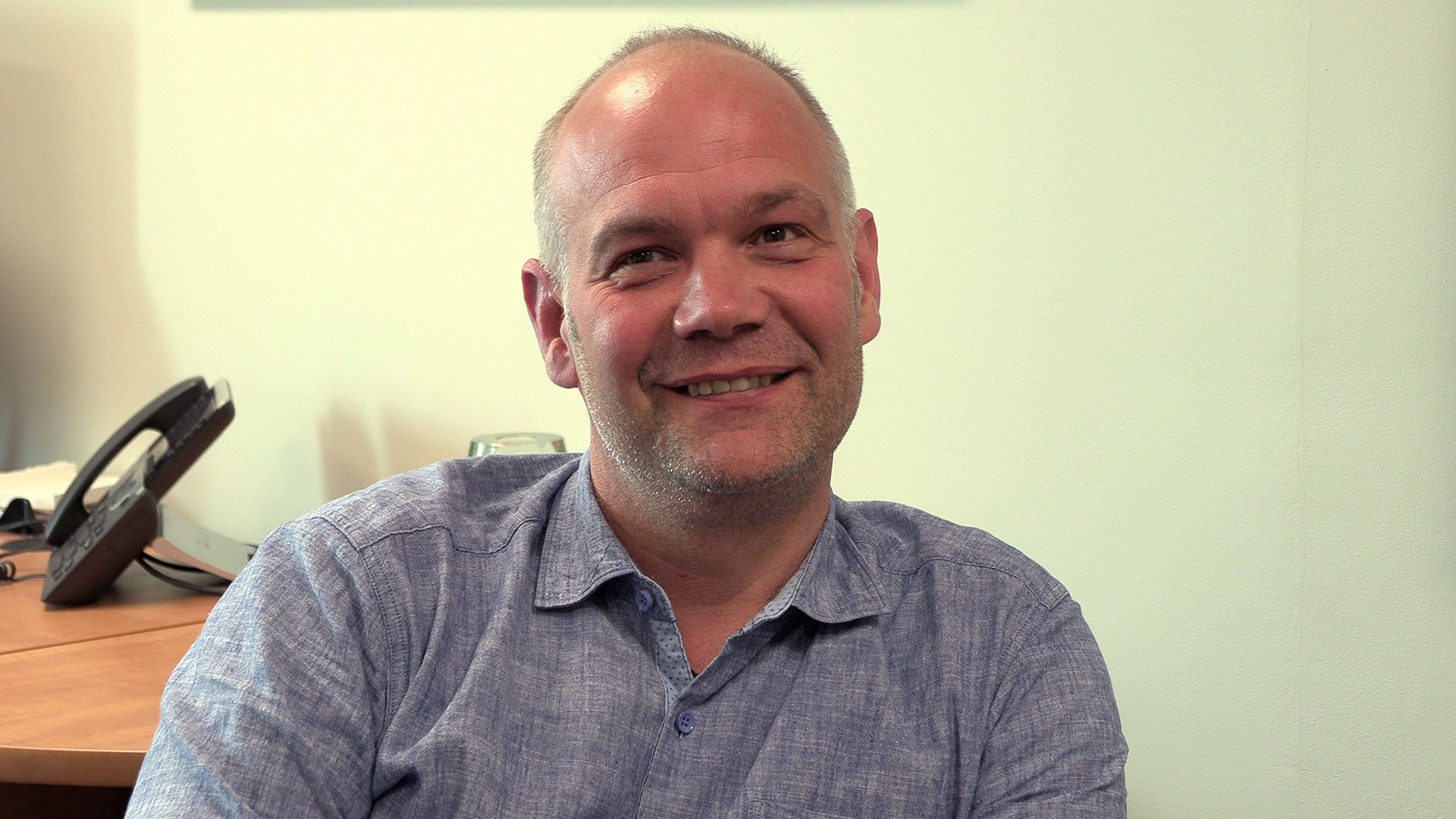
“The microbes on and in us - and there's actually a huge amount of those – play a critical role, including modulating some of our immune responses,” explains Dr. Jeremy Burton, Research Chair of Human Microbiome and Probiotics, Scientist at Lawson and St. Joseph’s Health Care London and Associate Professor in the Department of Microbiology and Immunology at Schulich Medicine.
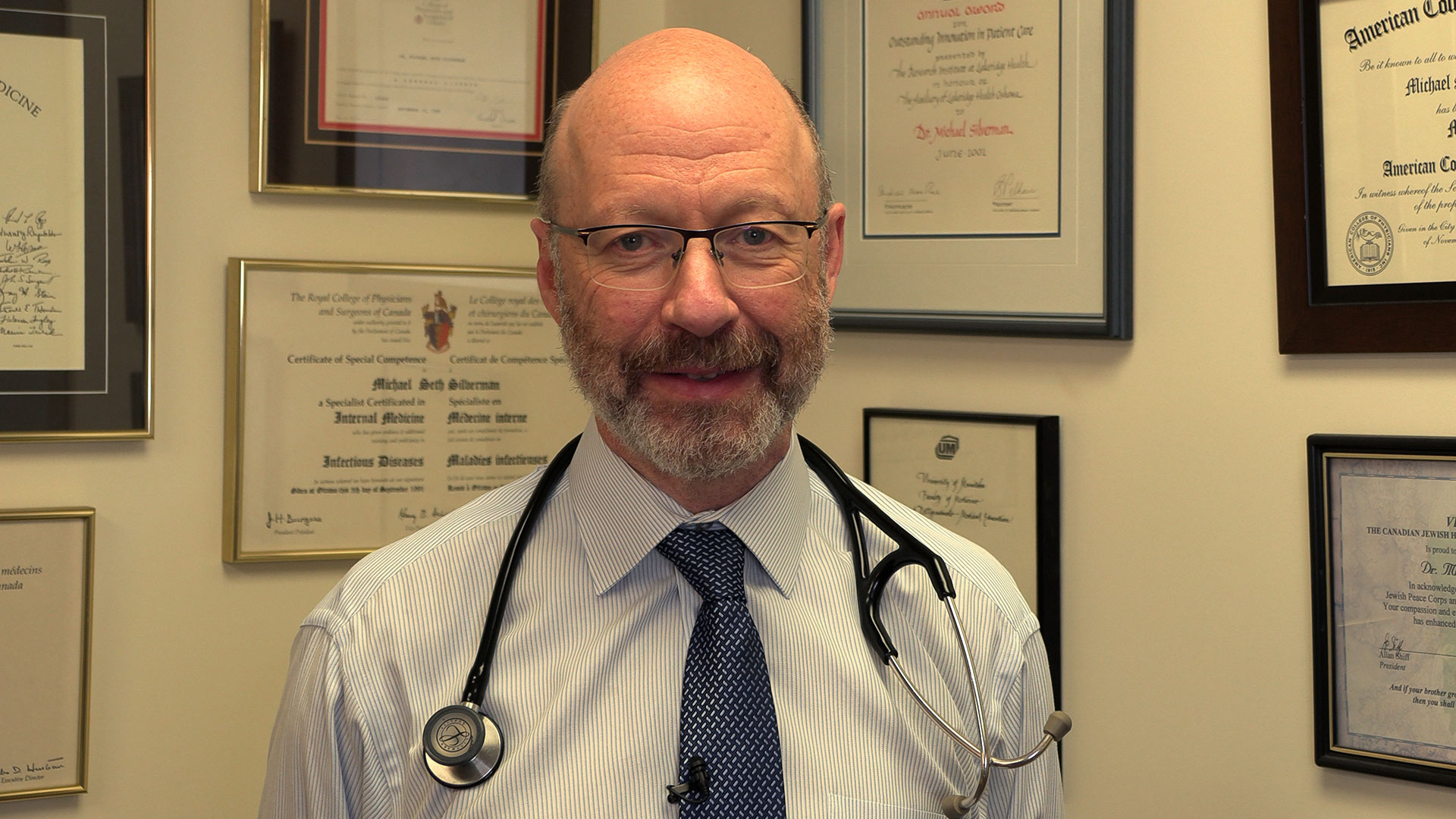
The study is unique due to its administration of fecal transplants (from healthy donors) in capsule form to cancer patients – a technique pioneered in London by Dr. Michael Silverman, Lawson Scientist, Chair of Infectious Diseases at Schulich Medicine and Medical Director of the Infectious Disease Care Program at St. Joseph’s Health Care London.
“Our group has been doing fecal transplants for 20 years, initially finding success treating C. difficile infections. This has enabled us to refine our methods and provide an exceptionally high rate of the donor microbes surviving in the recipient’s gut with just a single dose,” says Dr. Silverman. “Our data suggests at least some of the success we are seeing in melanoma patients is related to the efficacy of the capsules."
The team has already started a larger phase II trial involving centres in Ontario and Quebec. Lawson researchers are also studying the potential of fecal transplants in the treatment of other cancers, including renal cell carcinoma, pancreatic cancer and lung cancer, as well as HIV and rheumatoid arthritis.
This work is not possible without poop donors, and there is a critical need for more. Donors must be between the ages of 18 to 50 and reside in the London, Ont. area. To learn more about eligibility and donating, call the 519 646-6100, ext. 61726 or email Dr. Seema Nair Parvathy, Research Scientist, at SeemaNair.Parvathy@sjhc.london.on.ca.
This research is supported in part through donor funding from London Health Sciences Foundation, Western University, the Lotte and John Hecht Memorial Foundation, the JGH Foundation, Canadian Cancer Society’s Impact Grant program and The Terry Fox Foundation.
Groundbreaking Alzheimer’s and cancer studies receive $7.2M boost
Lawson Research Institute scientists and partners will focus on molecular imaging and theranostics to potentially transform the detection and treatment of neurodegeneration and cancer.
The quest to advance detection and treatment of Alzheimer’s disease and to personalize cancer care has received a major boost, with $7.2 million in funding to Lawson Research Institute (Lawson) of St. Joseph’s Health Care London (St. Joseph’s) for first-of-its kind research.
Lawson scientists will partner with a broad team of researchers at London Health Sciences Centre Research Institute (LHSCRI), McMaster University, University Health Network and BC Cancer on the ground-breaking studies focused on molecular imaging and theranostics as a potential game-changer in detecting and treating neurodegeneration and cancer, particularly prostate, brain and breast cancer.

Principal investigator Ting-Yim Lee, PhD, Lawson’s Director of PET/CT Research, and his team of investigators were awarded $2 million through the Ontario Research Fund – Research Excellence for the study titled “Improving Cancer and Alzheimer’s Disease Diagnosis and Treatment Through Cutting-edge Molecular Imaging and Theranostics”. Co-Principal Investigator is radiation oncologist Dr. Glenn Bauman at LHSCRI.
Additional funding from private-sector partners and Lawson, as well as from donors through St. Joseph’s Health Care Foundation, brings the total research investment to $7.2 million.
The research has the potential to offer hope for solutions to some of the most prevalent and pernicious diseases affecting Canadians, explains Lee.
“Both research projects are the first of their kind in Canada aimed at advancing how we diagnose and treat Alzheimer’s disease and cancer,” he says. “This collaborative funding initiative will also drive innovation in the exciting field of molecular imaging and theranostics at St. Joseph’s, at the heart of which is St. Joseph’s new, high-sensitivity GE HealthCare Omni Legend 2 PET/CT – the first in Canada.”
The studies encompass the following:
- Alzheimer’s disease: The new PET/CT at St. Joseph’s allows researchers to simultaneously study both blood flow and glucose metabolism in the brain. Both these mechanisms are believed to be contributing factors in the onset of Alzheimer’s. By measuring both at the same time, the research team hopes to uncover early signs that the brain is in trouble and at risk of plaque deposits and toxic proteins that have been linked to the development of Alzheimer’s.
- Cancer: The cancer study will focus on developing theranostic techniques to achieve personalized dosimetry – a method used to determine the exact amount of radiation a patient should receive during treatment, based on their individual characteristics. This maximizes effective treatment while minimizing harm to healthy tissues.
Molecular imaging and theranostics is a rapidly emerging field of medicine that combines ultra-precise scans and theranostics (a term that melds the words therapeutics and diagnostics). Together, they offer a one-two punch by integrating imaging and radiotracers that can identify the location and extent of diseased tissues and selectively destroy the abnormal cells while leaving surrounding healthy cells undamaged. In collaboration with GE HealthCare, St. Joseph’s is developing Canada’s first GE HealthCare Centre of Excellence in Molecular Imaging and Theranostics.
“By bridging the gap between research and clinical practice, we hope to ease the burden on patients and their families, offering more effective and compassionate care”
-Ting-Yim Lee, PhD, Director of PET/CT Research at Lawson Research Institute.
“We are already seeing the impact of novel theranostics for treatment of men with advanced prostate cancer,” says Bauman. “Promising new theranostic approaches are emerging for many cancers and this investment further positions London to be a leader in this area of research.”
In the initial phase of the studies, 100 patients will be recruited from St. Joseph’s Aging Brain and Memory Clinic at Parkwood Institute for the Alzheimer’s study; while 90 patients will be recruited from London Health Sciences Centre’s Verspeeten Family Cancer Centre for cancer studies. There are plans to recruit patients from the collaborating centres once results from the initial phase are confirmed.
“By bridging the gap between research and clinical practice, we hope to ease the burden on patients and their families, offering more effective and compassionate care,” says Lee. “We are deeply grateful for the opportunity to turn our research into real-world solutions that can make a meaningful impact.”
With dozens of 'firsts' in imaging research, “Lawson is a powerhouse of innovation,” adds Michael Kovacs, PhD, Program Lead, Lawson’s Imaging Research Program, and Lead, Cyclotron & PET Radiochemistry Facility. “We're excited to explore how this work could transform care."
Growing Tissues in the Lab
When challenged by surgeons to find better treatments for difficult-to-manage connective tissue diseases, Dr. David O’Gorman gladly accepted.
Dr. O’Gorman is a Molecular Biologist and Lawson Scientist based at St. Joseph’s Hospital, a part of St. Joseph’s Health Care London. His research focuses on understanding normal and abnormal connective tissue repair. He collaborates with researchers and clinicians working in many different disciplines, including those specializing in reconstructive surgery, orthopedics and urology.
Surgical reconstructions can be hampered by a lack of graft tissue, or graft tissue of insufficient quality, making it difficult to achieve optimal outcomes for the patients.
An example is a condition called urethral stricture disease (urethral scarring). This condition occurs in males and typically causes symptoms such as frequent and urgent urination, and slow urinary stream. In extreme cases, it can cause urinary tract infections, permanent bladder dysfunction and renal failure. Recurrence rates after minimally invasive treatments are high, and so many urologists recommend open surgical approaches.
Surgeons can use the patient’s own tissues to reconstruct the urethra after stricture removal. This tissue is normally sourced from the buccal cavity in the mouth but taking large tissue grafts can result in complications. In cases where buccal grafts have been used for previous reconstructions, there may not be enough intact tissue left.
Dr. O’Gorman sees a solution in growing sheets of human buccal tissues in the lab.
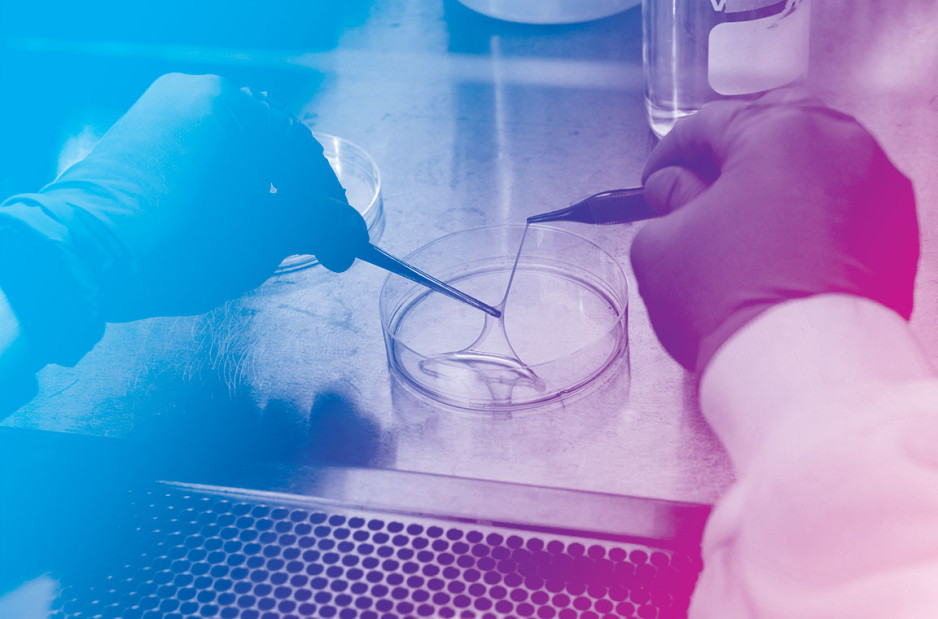
“We are currently using buccal graft trimmings as a source of cells, culturing them in a 3D environment and expanding them to create tissues of suitable size, density and elasticity.”
The patient’s own cells are used to generate a tissue graft for urethral reconstruction. While several research groups have developed this approach in the past, few have attempted to translate their models for clinical use.
“Our immediate goal is to provide proof of principle – that we can consistently generate grafts of suitable size and functional characteristics,” explains Dr. O’Gorman, “In the future, we could be providing bioengineered graft tissues for reconstructive surgeries here in London.”
Bioengineered human tissues can also be used as ‘mimetics’ – replications of human tissues – to study diseases, especially those difficult to model using routine laboratory methods.
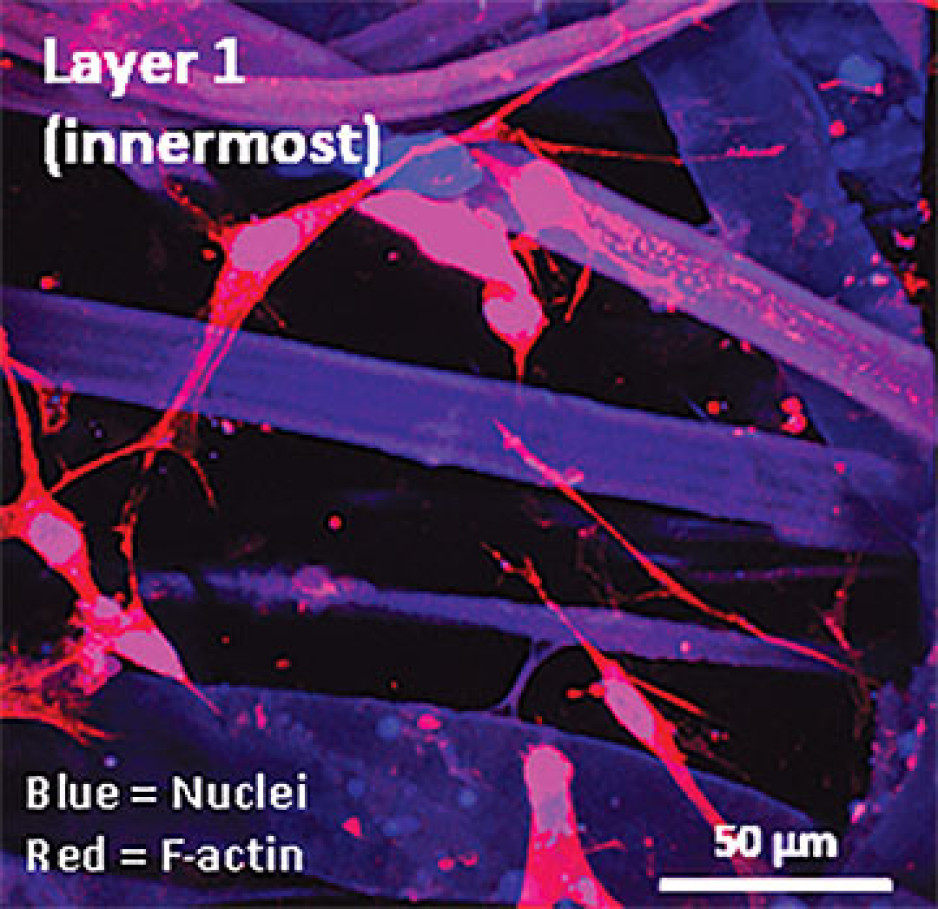
Instead of a using a growth media or sterile plastic dishes, 3D cell culture is achieved by embedding cells in a matrix of proteins and other molecules normally found in those tissues. In this environment, gene expression and growth is more similar to cells of connective tissues in the body being replicated.
Dupuytren’s disease (or Dupuytren’s Contracture) affects the palmar fascia in the hand, a connective tissue beneath the skin that extends from the base of the palm into the fingers. This disease can be understood as a type of excessive scarring, where normal tissue repair processes have gone awry and dense scar tissue forms, typically causing permanent palm or finger flexion that restricts hand function.
This condition is surprisingly common and may affect more than one million people in Canada. While there are surgical treatment options available, none consistently prevent this disease from recurring in at least a third of patients.
“Due to its high recurrence rate after treatment, Dupuytren’s disease is currently considered incurable. Our challenge is to understand it well enough to develop truly effective treatments,” says Dr. O’Gorman.
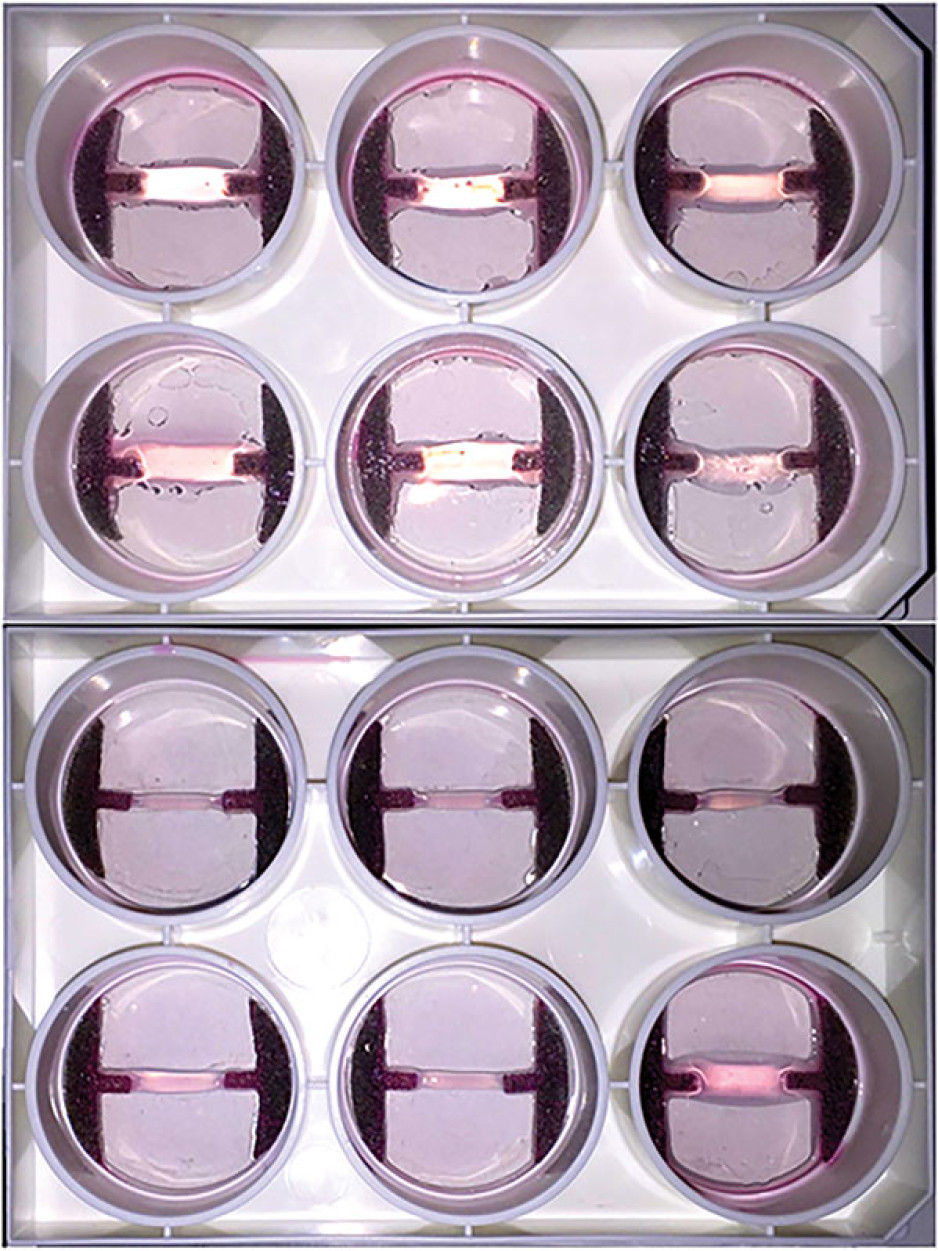
Human hands have unique characteristics not found in other species, making animal models impractical. Instead, Dr. O’Gorman’s team extracts cells from the diseased palmar fascia of patients undergoing hand surgeries and bioengineers them into palmar fascia ‘contractures’ in the lab.
“Since the cells from a single palmar fascia sample can be used to grow dozens of little contractures, we can test many different treatments simultaneously to see what works best for each patient.”
This approach may also allow them to determine if Dupuytren’s disease is truly one disease, or a group of similar diseases that cause palm and finger contractures.
“Often, Dupuytren’s disease is clearly heritable, but some individuals have no family history of it and develop apparently sporadic disease,” notes Dr. O’Gorman. “We want to determine if these are truly the same disease at the molecular level.”
Another major cause of abnormal connective tissue repair is infection, and tissue mimetics can play a role here, too. While rare, infections of artificial joint replacements are particularly devastating for patients, as they typically require readmission to hospital to remove the infected joint, weeks of antibiotic-based treatment, and an additional surgery to replace the artificial joint.
In addition to the associated pain and suffering, these procedures are technically challenging and costly to our health care system.
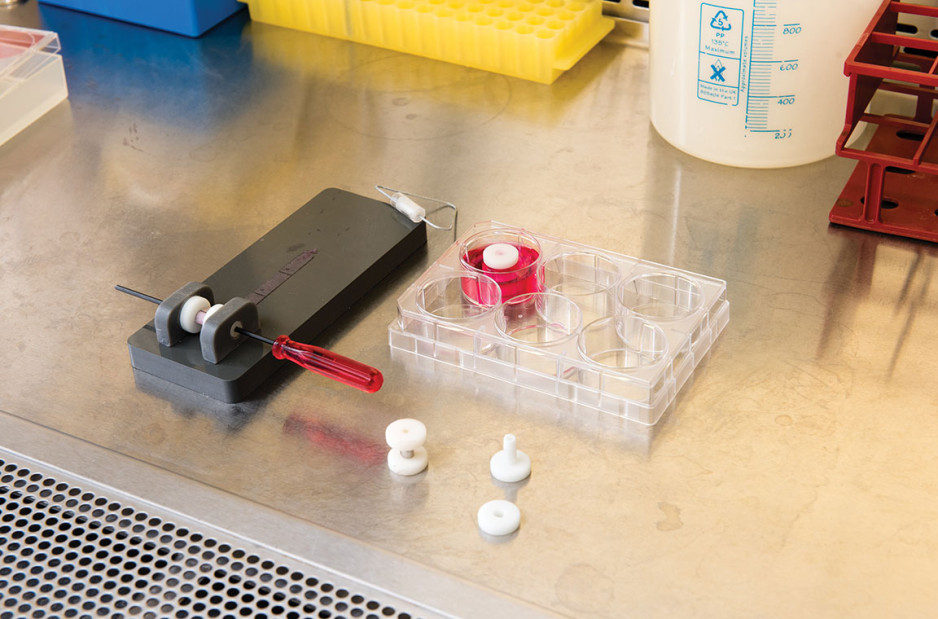
Artificial shoulder joint infections are most frequently caused by the microorganism Cutibacterium acnes (C. acnes). C. acnes infections disrupt normal tissue repair processes after surgery, cause shoulder tissues to die and promote loosening of the artificial joint. These infections are difficult to diagnose, and there is a lack of reproducible
models in which to study them. Dr O’Gorman’s team has set out to create the first human Shoulder-Joint Implant Mimetic (S-JIM) of C. acnes infection.
“While S-JIMs are more complex, they are 3D in vitro cell culture systems designed to mimic human tissues, like those that we use for studying Dupuytren’s disease.”
S-JIMs include layers of artificial human tissue, wrapped around cores of titanium alloy or cobalt chrome, the metals used to create artificial joints. They are co-cultured with C. acnes under low oxygen conditions similar to those that normally occur around artificial shoulder joints.
“We are bioengineering simple 3D cell cultures to more closely mimic the complexity of human tissues, with blood supply, nerves and interactions with other cells.” – Dr. David O’Gorman
Studying the connective tissue layers close to the infection allows researchers to investigate processes that promote infection, such as the formation of a biofilm that harbours and protects the bacteria from the body’s immune system. They are also able to test whether novel treatments can disrupt biofilm formation and increase the effectiveness of antibiotics.
Dr. O’Gorman predicts that in the future, medical researchers will routinely use bioengineered 3D human tissue and organ mimetics to accelerate our understanding of disease.
“The technology is in its infancy, but the potential for using bioengineered human tissues for surgical reconstructions or as disease models is huge. At Lawson, we’re ready to take on health care challenges and build on innovative approaches to improve the quality of life for patients.”
ONLINE EXCLUSIVE: What is 3D cell culture?
Medical researchers have grown human cells in culture media on or in sterile plastic dishes, such as Petri dishes, for more than 50 years.
Some cells, such as blood cells, can survive and grow in suspension, while others like smooth muscle cells need¬ to adhere to a surface to survive and grow. These are often called “2D cell cultures” because the cells grow horizontally across the bottom of the dish.
Some cells derived from connective tissues, such as fibroblasts, are not only adherent, but also very sensitive to the stiffness of their environment (“biomechanically sensitive” cells). Plastic dishes are at least 10,000 times stiffer than most connective tissues, and when biomechanically sensitive cells detect stiff surfaces, they can change the expression of their genes and behave abnormally.
The most common proteins in these tissues - and in the entire human body - are collagens, and one routine 3D cell culture approach is to embed fibroblasts in a collagen gel (gelatin). Fibroblasts in this environment can grow in any direction they choose, and their gene expression is more similar to cells in connective tissues.
These simple 3D cell cultures represent tissue engineering in its most basic form.
“Our challenge is to bioengineer simple 3D cell cultures in the lab to more closely mimic the complexity of human tissues, which have blood supply, nerves and interactions with other cells and tissues that modify their function and ability to heal after injury,” explains Dr. O’Gorman.
Dr. David O’Gorman is a Lawson Scientist and Co-director, Cell and Molecular Biology Laboratory at The Roth | McFarlane Hand and Upper Limb Centre in London, Ontario. He is also an Assistant Professor at Western University.
Harm reduction research is improving care for patients who use substances
Research from Lawson Health Research Institute is helping to advance harm reduction strategies in hospitals for people who use substances. In an announcement today, Arielle Kayabaga, Member of Parliament for London West, on behalf of the Honourable Ya’ara Saks, Canada’s Minister of Mental Health and Addictions, announced how $72,768 in funding from Health Canada’s Substance Use and Addictions Program is supporting this ongoing work at London Health Sciences Centre (LHSC) and St. Joseph’s Health Care London (St. Joseph’s).
“Here in London, just like many other cities across Canada, we’re seeing substance use harms continue to take a tragic toll on our families and friends,” says MP Kayabaga. “We are committed to supporting organizations who are on the ground in communities, helping to keep people who use substances safe.”
Research from Lawson has found patients who use methamphetamine reported stigma and a lack of understanding about addiction among health-care providers and hospital staff. This can sometimes result in patients not seeking care, experiencing withdrawal while receiving care or leaving a hospital against medical advice.
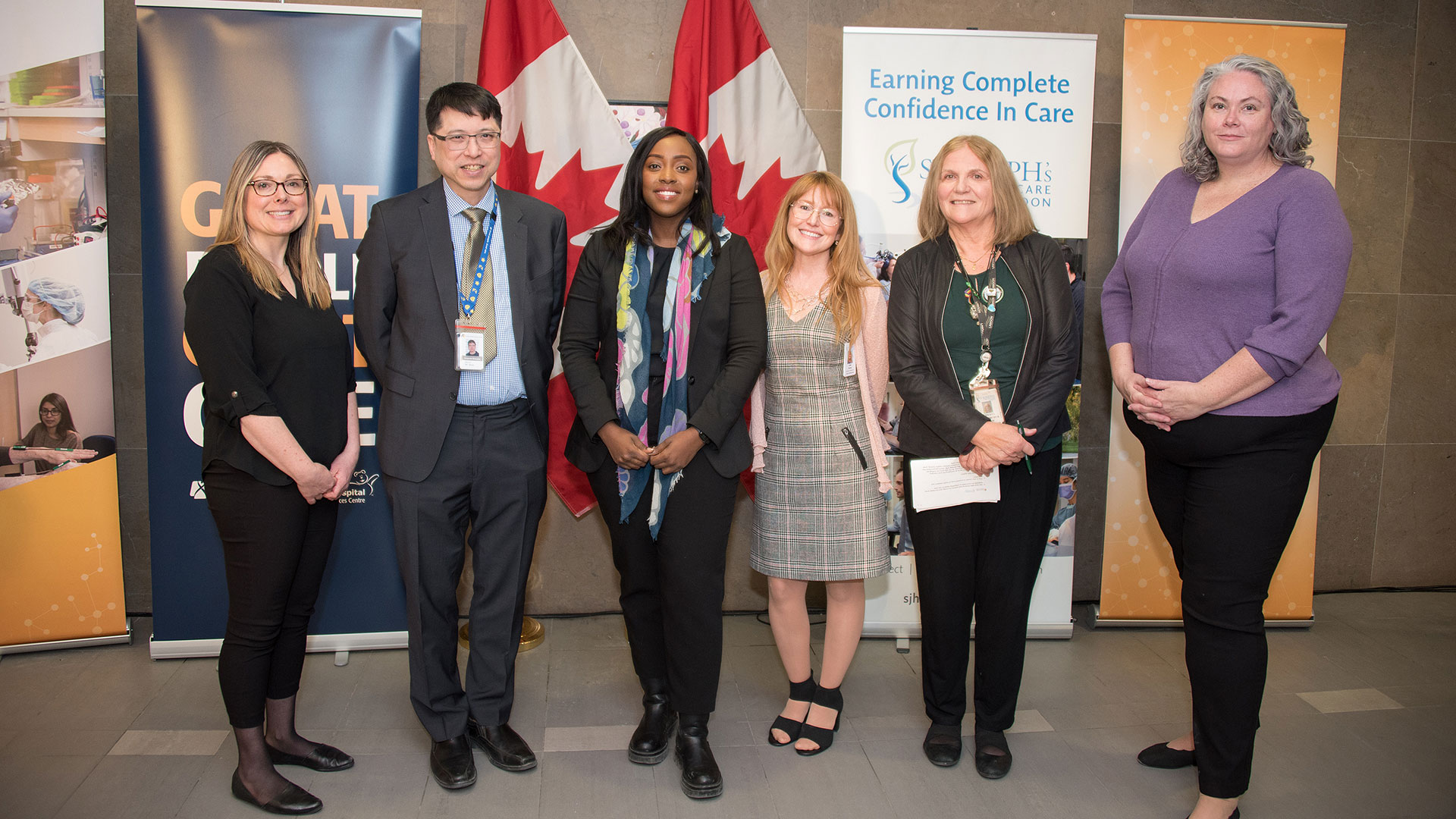
Building on those findings, a team led by Lawson researchers, Drs. Cheryl Forchuk and Michael Silverman, has been working to implement and study harm reduction strategies at LHSC and St. Joseph’s, including those aimed at facilitating changes in attitude, knowledge, organizational support and safety approaches.
“There’s a lot of stigma and misunderstanding about substance use,” says Dr. Forchuk, Scientist and Assistant Scientific Director at Lawson. “This project aims to embed education on substance use and harm reduction as a foundational way to improve care and outcomes.”

As part of the research project, Darren Scott, a Peer Harm Reduction Worker with Regional HIV/AIDS Connection who has lived experience with substance use, and Tammy Fischer, a Clinical Nursing Educator in LHSC’s Mental Health and Addictions Program, have been working to educate health-care workers about harm reduction practices.
“I am able to share with patient caregivers how I was treated while I was in active addiction,” shares Scott. “I can let them know what people are going through from the other side and provide advice on how to care for them. The health-care teams have been fantastic and very open-minded throughout this project. I have received feedback that it is vital to include people with lived experience in this education.”
One area of focus from this study has been education around sharps boxes in inpatient hospital rooms. Sharps boxes allow for the safe disposal of sharps like needles to protect the health and safety of patients and health-care teams. Through this study, the research team identified that when sharps boxes are removed from the rooms of patients suspected of using substances to discourage substance use it leads to harm.
“About half of patients who use substances are still using in-hospital, since suddenly stopping use is often not feasible nor safe. Access to sharps boxes decreases the risk of injury to health-care teams and patients,” Fischer explains. “People who use any injection must have safe means to dispose of used equipment.”
The team launched a campaign to educate health-care teams on the importance of keeping sharps boxes in patient rooms. Preliminary data from interviews with patients who use substances found they noticed a difference after this education. Patients felt more comfortable speaking to health-care teams and noted they could be more open about discussing their addiction.
Government of Canada funding is critically important to this work and builds on just over $1 million in previously announced funding. The project is one of several harm reduction research initiatives being explored collaboratively through LHSC and St. Joseph’s to ensure people who use substances receive the highest quality of equitable care.
“This investment is part of our comprehensive and compassionate approach to reducing harms as a result of substance use. We will continue to use every tool at our disposal to build a safer, healthier and more caring future for all Canadians,” says Minister Saks. “Supporting local organizations who have deep roots in their communities and have the trust of their patients is making a real difference in people’s lives in the community of London, Ontario.”
Hospital data shows longer, costlier stays for patients experiencing homelessness
Nearly 30,000 people last year were homeless when admitted to hospital and/or discharged from hospital, a first-of-its-kind Canadian analysis shows. Almost all of these inpatients were admitted following a visit to an emergency department, and the complexity of their illnesses meant they stayed twice as long as the national average.
“What’s most troubling, based on what we know from other research, is that so many were discharged into the community without stable housing,” says study co-author Dr. Cheryl Forchuk, PhD, Assistant Scientific Director at Lawson Health Research Institute. “We need to see housing as a health intervention, and an integral part of a health strategy,” says Dr. Forchuk, a trailblazer in researching health impact and solutions for people experiencing homelessness.
The new analysis – using a database from the Canadian Institute for Health Information (CIHI) – is the first detailed look at Canadian hospitals’ use of Z59.0, a mandatory record-keeping code intended to identify and improve services for patients experiencing homelessness.
Key findings from this study include:
- Nearly 30,000 patients identified as living without housing were hospitalized across Canada last year.
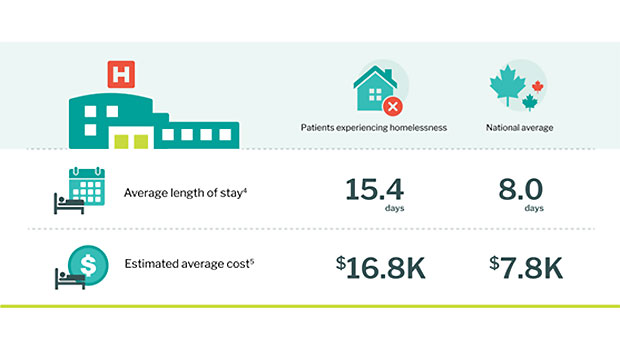
- Average length of stay for people experiencing homelessness was 15.4 days, compared with the national eight-day average.
- About 12 per cent of patients had hospital stays of more than one month.
- Average cost per stay was $16,800, compared with the national average of $7,800.
- Substance use, schizophrenic disorders and cellulitis (a bacterial infection) are the three most common reasons for hospital stays.
- Of these patients, 93 per cent were admitted to hospital after an emergency department visit.
Dr. Forchuk’s contribution to this work was supported through Homelessness Counts, a federally funded Lawson project launched in 2021 to improve understanding of how many people in Canada are experiencing homelessness and who they are.
Dr. Forchuk notes that the longer hospital stays, with more complex care for marginalized populations, can lead to evictions from private apartments or rooming houses.
“In London, we’re in a position to showcase what a community in partnership can do,” Dr. Forchuk notes. “We’ve done a lot of work to prevent discharge into homelessness, including the City of London and other partners prioritizing housing for people who are discharged from hospital.”
The study highlights how housing is intimately connected to health and wellbeing, and the importance of hospitals like London Health Sciences Centre (LHSC) and St. Joseph’s Health Care London (St. Joseph’s) participating in initiatives like the Health & Homelessness Whole of Community Response in London, Ontario.
“As health care providers, we recognize the importance of accurate data for understanding an individual’s care journey across sectors and organizations, especially when addressing homelessness,” says Brad Campbell, Corporate Hospital Administrative Executive, LHSC. “For example, hospital and service utilization data has been essential to understanding emergency department patterns for those living without stable housing in our community, enabling us to improve care for marginalized people through different service delivery models. Through collaborations like our partnership with London Cares, we’ve leveraged data to help individuals in our community access supportive housing and comprehensive 24/7 health and social support services.”
Campbell notes this work aligns to priorities in the Ontario health-care sector by increasing collaboration across sectors and removing barriers to care by enabling inter-agency communication to support increased capacity and access to health-care supports.
“Housing is health care," adds Dr. Forchuk. “Gathering and analyzing this data gives us more tools to find workable solutions to the complex problem of how people experiencing homelessness receive, or don’t receive, the health care they need.
Media Contact
Deb (Flaherty) Van Brenk, Communication Consultant
Cell: 226 577-1429 or 519 318-0657
Email: @email
Investing in life-changing research
Through donor support, endowed research chairs are exploring and answering some of the most profound and complex research questions of our time.
Among cherished family photos and special mementos in the office of Jeremy Burton, PhD, is a slightly faded photo of a young woman. Burton points out the framed photo as he enthusiastically talks about his work. It’s a young Miriam Burnett, after whom the Miriam Burnett Chair in Urological Sciences is named. It’s also the first endowed research chair position Burton held at St. Joseph’s Health Care London (St. Joseph’s).
As the research chair for seven years, Burton speaks fondly about the relationship he has with the Burnett family and the crucial role their support has played in advancing his research.
“Thanks to their funding, we became one of the world leaders in urological microbiome research,” he says.
Endowed research chairs at St. Joseph’s receive consistent and sustainable funding so that research leaders and their teams can answer the most profound and complex health questions of our time.
For decades, donors have been inspired by the clinical research taking place at St. Joseph’s and have heavily invested in endowed research chairs. Today, St. Joseph’s Health Care Foundation manages seven endowed chairs focused on several areas, including molecular imaging, fetal and newborn growth and diabetes. Working in partnership with Western University, and with donor support, the foundation recently established four new endowed chairs in mobility, medical biophysics, medical imaging and ophthalmology.
“Medical research in Canada is chronically underfunded, and there is almost no sustainable funding for hospital-based research positions,” says Michelle Campbell, President & CEO, St. Joseph’s Health Care Foundation. “Private philanthropy has filled that gap for years. When a donor gives to an endowed research chair, they are building capacity in the present day and creating future value and opportunity. An endowed gift has a multiplier effect.”
Burton, now the endowed Research Chair in Human Microbiome and Probiotics, has many reasons to be grateful for this support. Not only does the endowed fund pay for Burton’s research salary, it also partially supports the salaries of a lab manager and technical team – all vital for a sophisticated lab to be successful.
The funding also provides the gift of time – a diminishing commodity for any busy research team.
“Scientists need more time to think,” says Burton, a Lawson Research Institute (Lawson) scientist. “We are incrementally being stretched in multiple directions, and the funding gives us the time to do what we are meant to do – find answers to important clinical questions and find solutions to medical problems.”
Distinguished Lawson scientist and university professor Cheryl Forchuk, PhD, wholeheartedly agrees. She recently completed her final term as The Beryl and Richard Ivey Research Chair in Aging, Mental Health, Rehabilitation & Recovery, another endowed position. As Chair, Forchuk provided scientific and administrative leadership to a large group of researchers based at St. Joseph’s Parkwood Institute focused on mental health, activity and mobility, and cognitive vitality and brain health.
Many research leaders, she explains, can afford to spend only two days a week on their own research projects. Endowed chair positions change that.
“Imagine travelling across the country to create a national study focused on homelessness, two days a week at a time,” she suggests candidly. “You couldn’t.”
Forchuk is referring to her landmark project to better understand how many people in Canada are homeless and who they are. The goal was to develop more accurate sources of data and recommend appropriate support and services. Her work is already resulting in important changes.
Today, Forchuk is embarking on another cross-country research project to find solutions related to homelessness for Canadian veterans who are women.
Like Forchuk, Burton’s Chair position requires him to provide operational and research leadership, including developing research networks and partnerships nationally and internationally to advance studies that will revolutionize care.
“As the Chair, I think it is important that I have wide-ranging projects that benefit people in our own community and beyond,” says Burton, who is optimistic about the outcomes of several of his team’s studies.
He recently partnered with London’s First Episode Mood and Anxiety Program to study the impact of fermented foods on the microbiome of young people taking medications for mental health conditions.
One of the side effects of these medications is weight gain, which deters some patients from taking it. By providing patients with slow-release apple cider capsules, which have similar properties to fermented foods and positively affect the microbiome, they have seen an overall improvement in participants’ mental health and cholesterol after just a few months.
Reflecting on his team’s research achievements to date and the potential of what’s to come, Burton emphasizes how vital endowed chairs are to the sustainability of research and the hope to translate newly discovered knowledge into medical practice.
“Research funding from other sources comes and goes,” he says, “but endowed chair positions that are focused on improving human health provide continuity, build research and create change benefiting all of us.”
Keeping an eye on care of the future
Dr. Khaldon Abbas is using his curiosity and passion for ophthalmology to improve patient care and outcomes for people with eye diseases and disorders.
While in university, Dr. Khaldon Abbas had a deeply moving experience as a volunteer with the Canadian Centre for Victims of Torture (CCVT) that changed the trajectory of his life and career.
The community-based organization helps victims of war and torture, and Abbas, whose family immigrated to Canada from Iraq a little more than a decade before, wanted to share his skills as a translator and tutor with newcomers.
“I came to Canada when I was 12. I had limited English, we had no family or friends here, and it was really hard to acclimate,” says Abbas. “I wanted to give back to the community and to be there for immigrant families who were facing similar challenges that my family had to deal with.”
During one shift with CCVT, Abbas was paired with a family from Syria, whose nine-year old daughter was losing her eyesight. She was living with retinal dystrophy, a degenerative disorder that can progress to complete blindness.
Witnessing the impact the eye disorder had on the young girl and her family inspired Abbas to further his own education and set a goal to become an ophthalmologist.
That was eight years ago. Since then, Abbas spent several years working as a clinical research coordinator and completed four years of medical school at the University of British Columbia.
Today, he is a clinical research fellow at the Ivey Eye Institute of St. Joseph’s Health Care London (St. Joseph’s) – a position supported through St. Joseph’s Health Care Foundation thanks to the generosity of donors.
During the next year, Abbas’ research will focus on improving patient care and outcomes for people with eye diseases and disorders.
Drs. Phil Hooper, Verena Juncal and Tom Sheidow, all retinal surgeons at Ivey Eye, are the impetus behind the fellowship and now serve as Abbas’ mentors. Through the fellowship, the trio wanted to expand their clinical research program which is heavily focused on clinical trials. Their goal was to delve into quality improvement projects and explore, among other things, patient data, referral patterns and wait times – information that could guide Ivey Eye in refining care to better understand how to improve the overall flow of patient care.
As surgeons at the largest single-site eye care centre in Canada committed to innovative care, the Ivey Eye physician leaders felt a responsibility to make this work a reality.
“We started talking about this about three years ago,” says Sheidow. “We were familiar with similar roles at other academic eye care centres and we were fortunate to have some funding, so we brought the idea to the foundation and started to craft the terms of reference,” he adds.
Abbas is the second physician in this fellowship, following in the footsteps of Dr. Amy Basilious, who is now in her second year of residency at Ivey Eye.
“Amy did an exceptional job as our inaugural fellow and we were looking for someone with similar characteristics – bright, curious, motivated, a self-starter and a passion for ophthalmology,” says Sheidow. “Khaldon has all of that and more,” he adds, referring to Abbas’ interest and background in clinical trial work.
Even before arriving in London for the fellowship, Abbas began working with his new team to generate research project ideas and shape a research plan. Among the projects he will tackle is one that will assess the effectiveness and complications of lens exchange surgeries, and another in collaboration with Basilious focused on macular hole repairs.
He will also spearhead two quality improvement studies aimed at streamlining the referral process to Ivey Eye for optometrists and enhancing education and information resources for patients with eye diseases and disorders. Through his work, Abbas is excited to build his research skills, forge new professional connections and see some of his research translated into tangible improvements in patient care.
He’s grateful to Hooper, Juncal and Sheidow, along with St. Joseph’s and the Foundation, for their vision and spirit of innovation in establishing the fellowship.
“Everyone has been extremely welcoming and supportive of me, especially my mentors and fellow co-workers” he says. “There’s a real family environment at St. Joseph’s. I feel like this is my new home away from home.”
Landmark study investigates potential of Ambroxol, a cough medicine, to slow Parkinson’s-related dementia
Researchers at Lawson are studying Ambroxol - a common cough medicine in Europe - as a potential treatment for dementia linked to Parkinson’s disease.
LONDON, Ont. – Dementia poses a major health challenge with no safe, affordable treatments to slow its progression.
Researchers at Lawson Research Institute (Lawson), the research arm of St. Joseph’s Health Care London, are investigating whether Ambroxol - a cough medicine used safely for decades in Europe - can slow dementia in people with Parkinson’s disease.
Published today in the prestigious JAMA Neurology, this 12-month clinical trial involving 55 participants with Parkinson’s disease dementia (PDD) monitored memory, psychiatric symptoms and GFAP, a blood marker linked to brain damage.
Parkinson’s disease dementia causes memory loss, confusion, hallucinations and mood changes. About half of those diagnosed with Parkinson’s develop dementia within 10 years, profoundly affecting patients, families and the health care system.
Led by Cognitive Neurologist Dr. Stephen Pasternak, the study gave one group daily Ambroxol while the other group received a placebo.
“Our goal was to change the course of Parkinson’s dementia,” says Pasternak. “This early trial offers hope and provides a strong foundation for larger studies.”
Key findings from the clinical trial include:
Ambroxol was safe, well-tolerated and reached therapeutic levels in the brain.
Psychiatric symptoms worsened in the placebo group but remained stable in those taking Ambroxol.
Participants with high-risk GBA1 gene variants showed improved cognitive performance on Ambroxol.
A marker of brain cell damage (GFAP) increased in the placebo group but stayed stable with Ambroxol, suggesting potential brain protection.
Although Ambroxol is approved in Europe for treating respiratory conditions and has a long-standing safety record - including use at high doses and during pregnancy - it is not approved for any use in Canada or the U.S.
“Current therapies for Parkinson’s disease and dementia address symptoms but do not stop the underlying disease,” explains Pasternak. “These findings suggest Ambroxol may protect brain function, especially in those genetically at risk. It offers a promising new treatment avenue where few currently exist.”
An old drug with new possibilities
Ambroxol supports a key enzyme called glucocerebrosidase (GCase), which is produced by the GBA1 gene. In people with Parkinson’s disease, GCase levels are often low. When this enzyme doesn’t work properly, waste builds up in brain cells, leading to damage.
Pasternak learned about Ambroxol during a fellowship at The Hospital for Sick Children (SickKids) in Toronto, where it was identified as a treatment for Gaucher disease - a rare genetic disorder in children caused by a deficiency of GCase. He is now applying that research to explore whether boosting GCase with Ambroxol could help protect the brain in Parkinson’s related diseases.
“This research is vital because Parkinson’s dementia profoundly affects patients and families,” says Pasternak. “If a drug like Ambroxol can help, it could offer real hope and improve lives.”
Funded by the Weston Family Foundation, this study is an important step toward developing new treatments for Parkinson’s disease and other cognitive disorders, including dementia with Lewy bodies. Pasternak and his team plan to start a follow-up clinical trial focused specifically on cognition later this year.
- 30 –
Dr. Stephen Pasternak is available for interviews on June 30.
To arrange, please contact:
Allison Hansen, Communication Consultant
St. Joseph’s Health Care London
Cell: 519-933-4272
About Lawson Research Institute: Lawson Research Institute, the health innovation arm of St. Joseph's Health Care London, is committed to making and sharing discoveries that improve lives locally and internationally. Every day, Lawson researchers work to transform imagination to innovation to patient impact. Lawson leads health-care research. Find us online at sjhc.london.on.ca/research and on social media @stjosephslondon