


Search
Search
9 Search Results:
A vision for the future of ICES Western: Q&A with Dr. Kristin Clemens
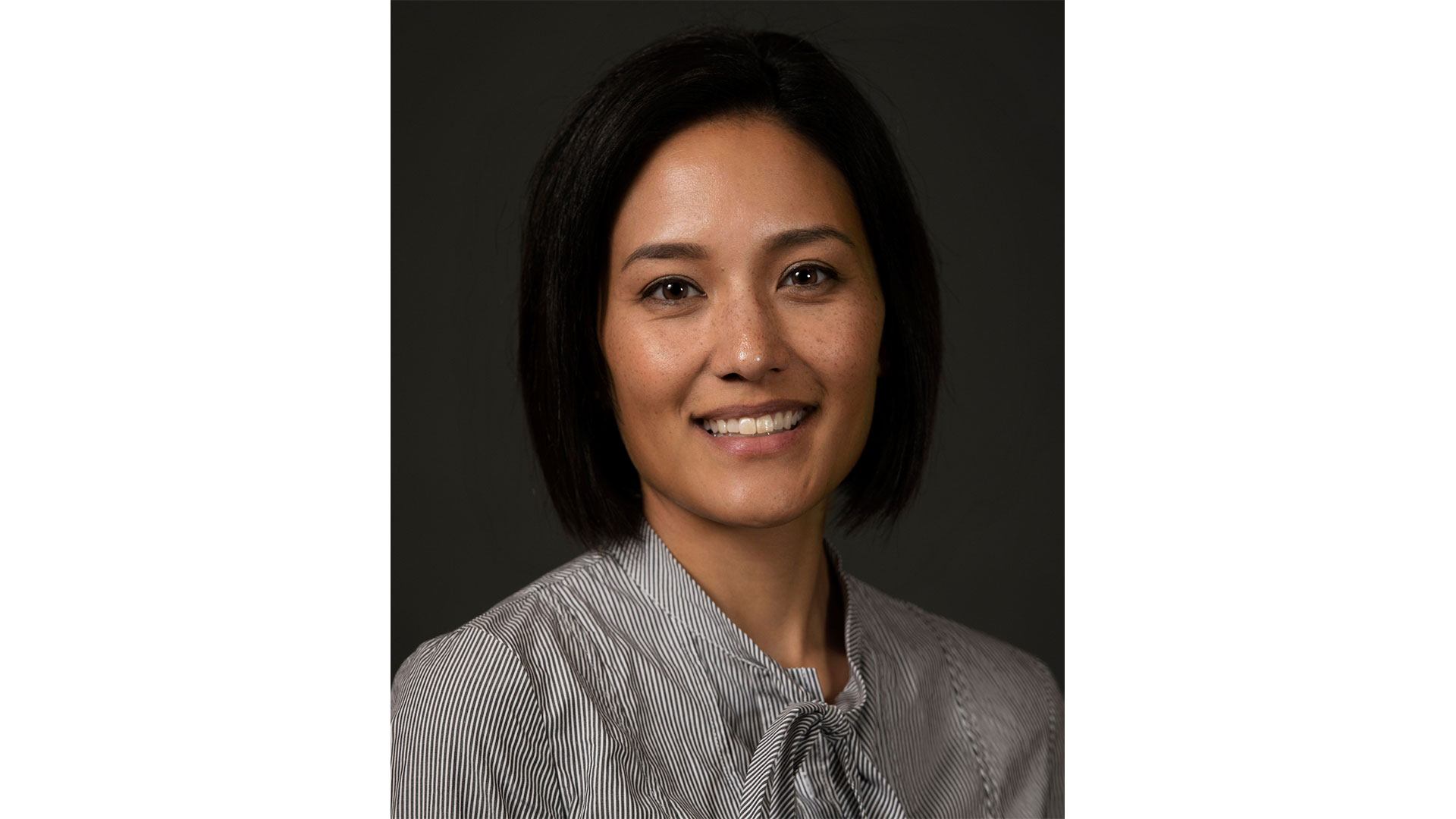
Dr. Kristin Clemens has been selected as the new Site Director for ICES Western, the London, Ontario division of a province-wide non-profit focused on using health-related data to evaluate outcomes. ICES Western is a collaborative initiative between Lawson Health Research Institute, Western University, London Health Sciences Centre (LHSC) and St. Joseph’s Health Care London.
Dr. Clemens is a Scientist at Lawson and an Endocrinologist at St. Joseph’s. She is also an Assistant Professor in epidemiology and biostatistics at Western’s Schulich School of Medicine & Dentistry. Dr. Clemens recently sat down to discuss the impact of the work being done through ICES Western and her hopes for the future.
1. What are you most excited for as ICES Western’s new site director?
I get to continue to work closely with an amazing group of ICES Western staff and scientists. ICES Western is already a well-oiled machine and home to scientific hubs of research in neurological health, homelessness and socioeconomic disparities, surgery, mental health, kidney disease and more. As a leader, I will not only be able to help harness some of our existing strengths, but have a chance to continue to move our institution forward. For example, Dr. Amit Garg (outgoing Site Director) will be advancing new and innovative randomized controlled trials in London, and ICES Western's going to continue to play a major role in that. There is so much more potential for innovation using our data sources; I think it's going to be a really exciting next few years for us.
2. Why did you choose to become involved with ICES Western?
I have been with ICES for about 14 years. I have lived it as an ICES trainee as a Medical Student and Resident/Fellow and became an ICES Adjunct Scientist after completing the inaugural ICES Faculty Scholars program hosted by ICES Western. I became more and more engaged with the community as a member of local ICES committees and then started to lead some of the larger research programs at ICES Western. It was the perfect time and really a natural fit for me to embark on a new leadership journey with the institution.
3. What do you hope to bring to your new position?
I'm an enabling and collaborative researcher and have been fortunate to work with multidisciplinary teams of scientists from across Western and Lawson. What I hope to do is not only support existing ICES staff, scientists, and initiatives, but also attract new researchers to the institution. I think London, Ontario, is such an incredible city for academia. I really want to use my collaborative skills and strong relationships to try to grow and expand our reach.
4. Has the work at ICES played a role in your research?
Yes, absolutely. My clinical and research focus has been on improving the care and outcomes of patients who live with complex comorbidities and disparities. ICES research allows us to focus on real-world gaps in care in Ontario and it gives us an opportunity to study people and patients who have not been able to participate in randomized trials or traditional research studies.
5. What impact does the work at ICES have on research being done in Ontario and across Canada?
ICES is home to one of the world's largest collections of administrative data sets that contain everything from hospital visits and physician encounters to use of medications and long-term care. We also have the unique ability to link data from national surveys or existing cohorts with administrative data. Because of this, ICES is very much at the forefront of improving care and quality for all Ontarians. Our research is shared internationally with both academics and non-academics, and it has changed practice and policy; it's an extremely impactful organization.
6. What do you see in the future for the organization?
I think in the future we will continue to do what we're already great at, like studying the use of health services and existing hubs of research, but also find ways to use our rich data sources, methods and talented staff to really innovate and advance research in London. With new collaborations in the city, we can also continue to grow and contribute.
7. What is the most important thing people should know about ICES?
ICES Western is here for London’s community of researchers, health care providers and decision makers. We have more than 20 scientists and dozens of highly qualified staff who are passionate about advancing high-quality, impactful work. ICES Western is a valuable resource for the community.
Celebrating International Women’s Day
To mark International Women’s Day, two early career researchers at Lawson Health Research Institute are sharing their experiences as women in STEM (science, technology, engineering and math). They shared the support they’ve experienced in their careers, the importance of women’s voices in medical research and how to encourage more women to pursue careers in STEM.
Early access and mentorship are key: Dr. Funmbi Babalola
Dr. Babalola is a Paediatric Endocrinologist at Children’s Hospital at London Health Sciences Centre (LHSC) and an Associate Scientist at Lawson Health Research Institute. She helped pioneer the start of a Paediatric Rare Bone Disease Clinic at Children’s Hospital in 2022 which provides multi-disciplinary care for patients, so they no longer have to travel outside of London for treatment. As a clinician researcher, her areas of interest are paediatric diabetes and calcium and bone metabolism disorders. She is currently involved in several clinical trials and studies.
She credits mentorship and the support of educators early in her career journey with encouraging her interest in science and says that is key for being more welcoming to women in STEM.
“In Grade 12 my biology teacher recommended I go to an advanced placement school. That was when I had my first experience with research,” says Dr. Babalola. “When I got to my undergraduate work, I found a woman mentor who was a powerhouse and had a vision, and I was able to publish two papers during that time and had such a positive experience. I went straight to medical school after that and continued to do research. I think I’ve been really lucky with all the people that I’ve worked with and who have encouraged me as I built my research career.”
Dr. Babalola says she is fortunate to be a researcher in a time when women’s voices are finally being heard and welcomed.
“I think my perspective is probably different than women who were starting work 10 or 20 years ago,” she notes. “I think I’m very lucky that I entered the medical research world where a lot of women are at the table. They’re great role models and they really support and help each other.”
But she says support for research in hospitals is also crucial.
“It takes both good mentors and a culture of research to make it easier to get studies done.”
Dr. Babalola has already started mentoring new researchers, many of them women, who have approached her.
“I’m all about paying it forward. I’ve been super fortunate to have great mentors that are still continuing to mentor me, so I want to pass that knowledge on.”

Women in science are inspirational: Dr. Kait Al
Dr. Kait Al is a Postdoctoral Research Fellow at Western University’s Schulich School of Medicine & Dentistry, working in a Lawson Health Research Institute lab at St. Joseph’s Health Care London. Dr. Al’s research focus is the role of the microbiome in urological conditions like kidney stone disease. She’s currently looking at how a microbiome with beneficial microbes could help protect healthy individuals from forming kidney stones and how optimizing the microbiome could help prevent stone recurrence in stone formers.
She believes women’s voices need to be included in research so that it is more representative of the world we live in and better addresses everyone’s health needs.
“Women bring diverse experiences and perspectives that have been historically excluded from research, along with many other underrepresented groups.”
And mentors among those voices are one of the best ways to encourage more women to get interested in science, she says, so women can see themselves in those positions.
“Seeing someone like yourself as a role model in a successful position that is passionate and curious about science can be so influential to young people,” shares Dr. Al. “As scientists, it’s important to share your work widely.”
She notes that organizations that encourage and support mentorship, as well as a flexible work culture and networking opportunities, are likely to be more welcoming to women in STEM and benefit from having them as part of the team.
“It is crucial to prioritize an inclusive and supportive mentorship environment for trainees and professionals,” says Dr. Al. “I believe work that lets you balance professional and personal commitments, which can otherwise be biased against women, is key.”
The theme for International Women’s Day in 2024 is ‘Inspire Inclusion,’ and that’s exactly what Dr. Al says she sees in other women in science.
“I am constantly inspired by women in science, from my direct colleagues to world leaders I’ve never met. I have witnessed firsthand my colleagues breaking down barriers, succeeding in challenging areas, and lifting each other up, and it really creates a culture of empowerment.”
Dementia doesn’t have to be your destiny
Tackling a “dirty dozen” list of health and lifestyle factors can go a long way in lowering the risk of dementia, say London experts.
Many people could greatly improve their odds against developing dementia by making four, low-cost lifestyle changes – today.
In the first study of its kind, researchers at Lawson Research Institute (Lawson) and Western University have found that about half of dementia cases in Canada can be influenced by 12 lifestyle factors.
Topping the “dirty dozen” list across Canadians’ lifespan, and especially notable from mid-life onwards, are physical inactivity, hearing loss, obesity and hypertension.
The solutions:
- Get off the couch and get moving
- Tackle hearing loss early
- Lose weight
- Get assessed and treated for high blood pressure
“While lifestyle changes aren’t a magic pill to prevent all dementias, they’re an empowering way to reduce the overall risk,” says Lawson researcher and study lead author, Surim Son, a Western University PhD candidate who with the dementia research program at St. Joseph’s Health Care London (St. Joseph’s).
“We’re talking about significant benefits to Canadian health and health systems,” adds Son.
The findings could also have profound implications in refocusing health policy priorities. The Public Health Agency of Canada is already highlighting the study as part of its resources for national health policy advisors, she notes.
This study is the first to weigh Canadians’ lifestyles and habits against 12 potentially modifiable risk factors for dementia, and the first globally to include sleep disruption on the list.
Son’s paper, published in The Journal of Prevention of Alzheimer’s Disease, builds on a 2017 study in the Lancet that shows 12 modifiable risk factors throughout the course of life could contribute to 40 per cent of dementias around the world.
But Canada’s numbers are considerably higher because more of us indulge in weightier lifestyle risks. For example, four of every five older Canadian adults don’t exercise regularly; one in three is obese or has hypertension; and one in five has hearing loss.
"If half of the dementia cases in Canada are linked to modifiable lifestyle risk factors, this suggests that, today, prevention may be the most effective form of treatment," says Dr. Manuel Montero-Odasso, co-author of the paper and Director of the Brain & Gait Lab at St. Joseph’s Parkwood Institute.
“Dementia doesn’t have to be your destiny, even if that’s part of your genetic story. Our results from the SYNERGIC Trial shows almost everyone can change their risk factors and improve their cognitive resilience,” says Montero-Odasso, who was recently awarded a $2.4-million Canadian Institutes of Health Research grant to train professionals in risk reduction and care for people living with cognitive impairment.
Montero-Odasso’s advice: “Go out for a walk and keep moving. Get a hearing assessment. Keep your blood pressure in check. It’s low-cost and easy to implement. It’s good for your body health, even beyond improving your brain health and reducing your dementia risk.”
The 12 potential modifiable factors (based on a study of 30,000 Canadians over the age of 45), weighted from most significant factor to least:
- Physical inactivity
- Hearing loss
- Obesity
- Hypertension
- Traumatic brain injury
- Depression
- Less education in early life
- Sleep disturbances
- Diabetes
- Smoking
- Excessive alcohol
- Social isolation
Nature's healing power
Using virtual technology, St. Joseph’s Health Care London is bringing the outdoors in for forensic mental health care patients.

Imagine sitting on a white sandy beach in a tropical location. The sun warms your face and a gentle breeze ripples across the water when, out of the corner of your eye, you spot a sea turtle slowly and curiously approaching.
You turn your gaze towards this beautiful creature and watch in wonder. You’ve never seen a sea turtle up close like this before.
For some, this type of experience is part of a dream vacation, attainable with enough money or imagination. But for many patients at St. Joseph’s Health Care London’s Southwest Centre for Forensic Mental Health Care (Southwest Centre) – including those not yet well enough to leave the facility – a new virtual-reality connection to nature offers a missing link in their journey towards recovery.
Immersive experiences in nature have been linked to positive mental health outcomes and a healthier sense of self – a benefit that staff researchers at Southwest Centre call eco-spirituality.
Occupational therapists Jared Scott, Clark Heard, and spiritual care practitioner Stephen Yeo, have explored just what this means for patients. Through a novel study published in 2022, Southwest Centre patients were provided with opportunities to become immersed in nature in the community, with tremendous therapeutic results.
The patients experienced a stronger connection with nature, a chance for open reflection and relaxation, and a restorative experience that provided a sense of peace and personal significance.
"There's something very human about connecting with, or in, nature ... It offers a sense of connectedness, whether to creativity, to beauty or the transcendent." spiritual care practitioner Stephen Yeo
The research team wondered if these experiences could be replicated in a virtual reality (VR) environment for patients who aren’t yet able to leave the facility.
“We realized we can translate these types of experiences through VR goggles where the patient has the ability to make their choices on how to engage,” says Heard. “This enables someone to experience something that's a little harder to touch in real life.”
For example, if the patient wishes to sit and reflect on a beach, they can. If they wish to be immersed in the jungle and experience giraffes and elephants walking among them, the choice is theirs.
“There’s something very human about connecting with, or in, nature,” adds Yeo. “True, virtual reality is not the same as the real thing, but we believe it offers a sense of connectedness, whether to creativity, to beauty or the transcendent. We see how it enlivens patients, even in sometimes very simple, subtle ways.”
Heard believes that this type of immersive experience nurtures the innate intellectual curiosity present in everyone.
“The first time people try it and look over their shoulder, they realize it's a full 360-degree experience. They look above and there are birds flying over them the same as anywhere else,” he explains.
Ultimately, Heard and Yeo believe the power and innovative experience of eco-VR is encouraging discovery in patients, energizing them at an intellectual and spiritual level.
With the purchase of VR equipment made possible through community support from donors to St. Joseph’s Health Care Foundation, the team has embarked on an eco-VR study, looking at what patients experience via VR and how that participation impacts their care journey. They are exploring with patients whether VR immersion in nature helps them cope with being in hospital at a difficult time in their lives.
Far beyond forensic mental health care, the answer just may open the door to a world out of reach for many others receiving care in various settings.
Psychiatry at Southwest Centre for Forensic Mental Health Care
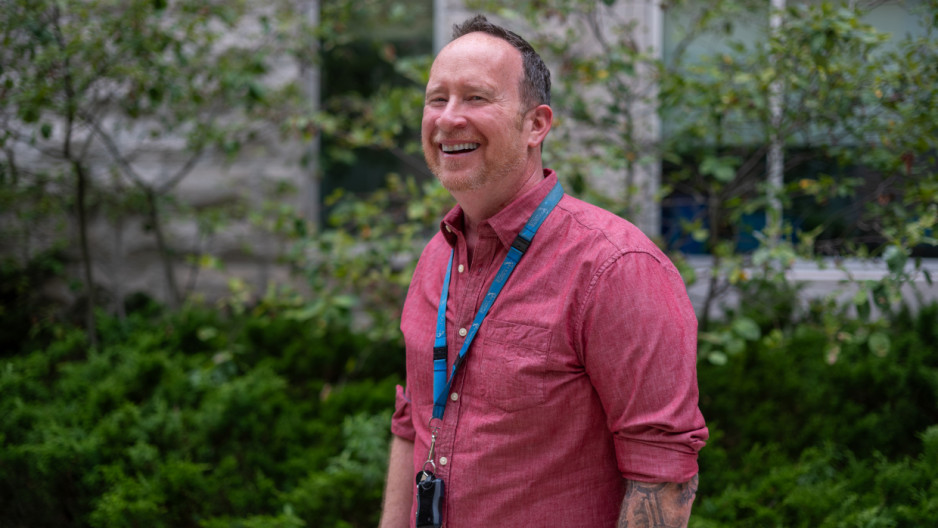
St. Joseph’s Health Care London’s Southwest Centre for Forensic Mental Health Care (Southwest Centre), located in Elgin County, is devoted to caring for people with a mental illness who have also come into contact with the criminal justice system.
Encompassing a recovery philosophy of care, the state-of-the-art building provides a healing environment that promotes each individual’s journey of recovery.
The Forensic Psychiatry Program at Southwest Centre includes assessment, treatment and rehabilitation programs, and an outpatient Forensic Outreach Team that serves Southwestern Ontario. Through intensive work with their care teams, patients develop new skills needed to successfully reintegrate back into their communities.
noteWORTHY – Teamwork and patients inspire clinical research assistant
St. Joseph’s celebrates people who provide exceptional care, grow stronger communities and contribute to a healthier world. Today, meet Heather LaPier, a clinical research assistant whose work helps keep clinical research running smoothly for four Lawson research scientists in diabetes and nephrology. She is a liaison among patients, researchers, clinicians, ethicists, regulatory bodies and pharmaceutical companies.
What values or people inspire your work:
I couldn’t ask for better than the physicians and researchers I work with. It’s a true team. We can bring our own ideas and expertise and know that we’re valued. We’re all good at showing appreciation for each other.
Best part of your workday:
Visiting with people receiving dialysis. They have treatment four hours a day, three times a week, so they’re used to talking with physicians and staff and we get to know them really well. They’re honest and funny – and, despite living with a chronic illness, they’re some of the most positive people I’ve ever met.
What one thing do you wish people knew about your work?
Our job is to advocate for patients and protect them, so every study is carefully designed, planned, regulated and monitored. We work to find solutions to patients’ health issues, and that means putting them first.
One big thing people should know is that participants in clinical trials and research studies get extra care and attention. Other patients have regular appointments, maybe every six months, but as a participant in research they’ll have even more frequent monitoring. So even though they’re helping advance medical knowledge generally and there’s no certainty of direct benefit to them from a specific clinical trial, they do have a whole team of people fully involved in their current care. Any time they have a question, they have direct access to an endocrinologist or nephrologist.
Why this work is meaningful to you:
It’s definitely exciting and always interesting. It can be easy to get caught up in the day-to-day tasks – but I never want to lose sight of the fact patients are living longer and better lives because of the work we’re doing. I have a front-row seat when patients come in for visits and tell us a diabetes treatment or a dialysis intervention is making them feel better.
Back-story:
My mom has been a nurse for over 30 years, so I grew up in a home where we talked about health and patient care a lot. We have a shared language. After my university degree, I applied to college for either forensic science or clinical research. I’m so glad clinical research is where I landed.
One other thing:
I love learning about the history of the Second World War, specifically naval ships and naval battles. It seems totally random, but I studied it as one of my non-science courses in university. I still find it fascinating.
Well said:
Heather is a true gem – highly skilled, creative, and an outstanding team player who expertly manages multiple research projects and investigators. She has been a game-changer for diabetes, metabolic, and chronic disease research at Lawson Research Institute, supporting everything from qualitative studies to large randomized-controlled trials with innovative designs. Our successes wouldn’t have been possible without her.
- Dr. Kristen Clemens, St. Joseph’s endocrinologist and Lawson Research Institute scientist
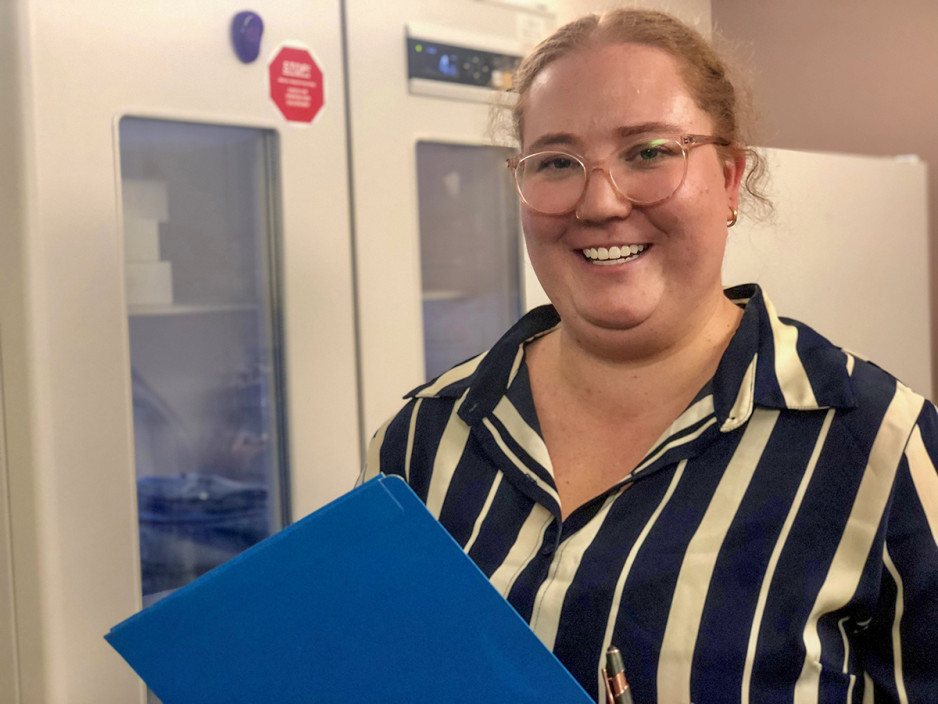
Showing the invisible: New research to help us see bacteria in the body
In recent years, research has increasingly shown us the importance of bacteria and other microbes in the human microbiome for maintaining health. Now, researchers at Lawson Health Research Institute are pioneering new imaging methods to see these microbes in the human body and open new avenues for health research. Early results of preclinical studies at Lawson have found positron emission tomography-magnetic resonance (PET/MR) imaging could allow the tracking and identification of bacteria inside the body and lead to more targeted use of antibiotic treatments.
Accurate targeting of antibiotic treatments can prevent antimicrobial resistance – when bacteria, viruses, fungi and parasites no longer respond to medication. According to a United Nations report, it is estimated that by 2050, antimicrobial resistance could result in 10 million deaths each year – more than cancer. New imaging research could be a gamechanger for treating bacterial infections by allowing us to see bacteria in the body using medical imaging equipment and then targeting the bacteria with specific therapies.
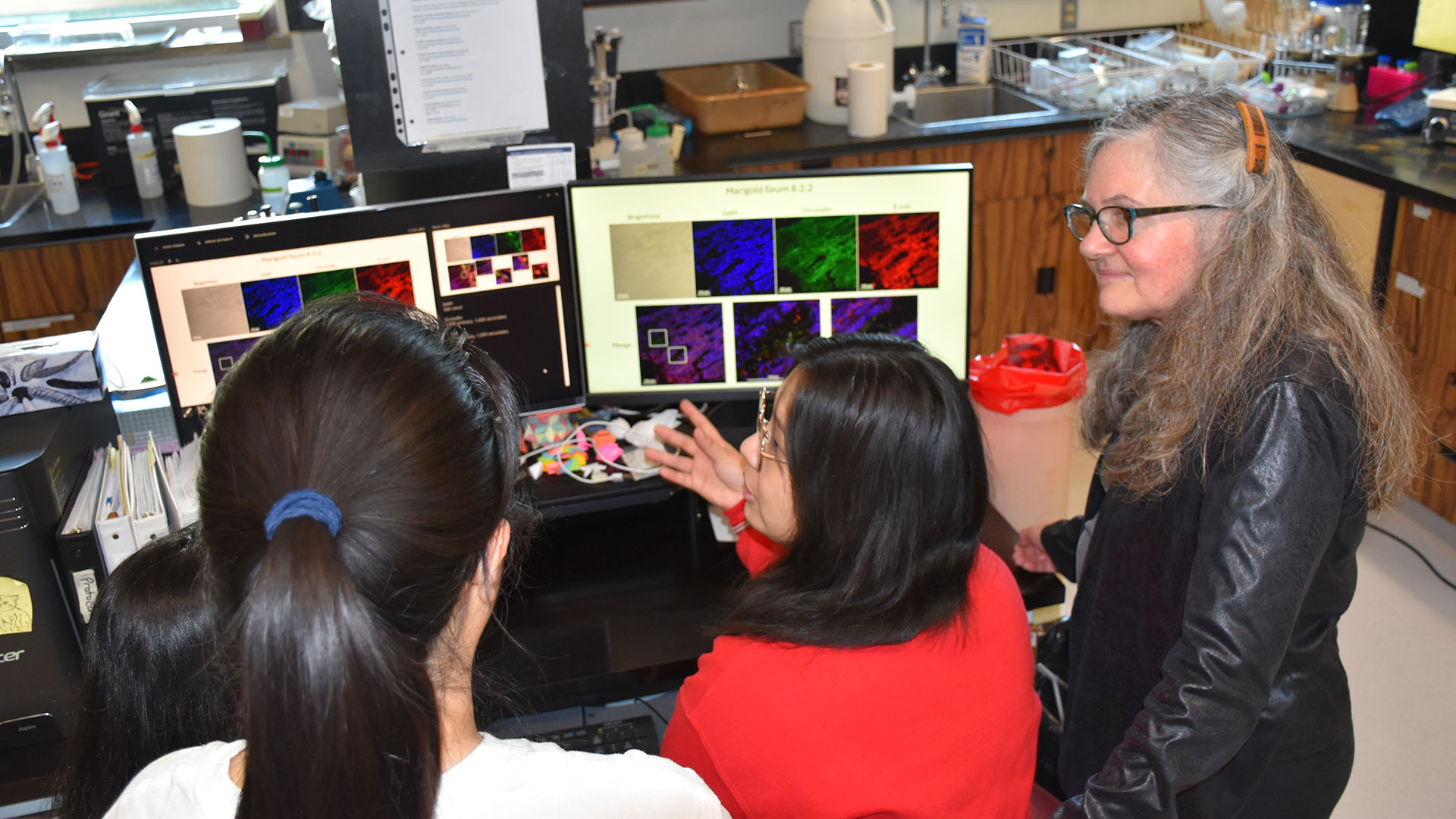
“Traditional imaging of infection means that you're looking at tissue damage; the bacteria have already started the process of inflammation and are wreaking havoc,” explains Dr. Donna Goldhawk, Lawson Scientist at St. Joseph’s Health Care London (St. Joseph’s). “Imaging bacteria catches the infection at an earlier stage. When you can image a particular species of bacteria, you can narrow the type of antibiotic that you might want to treat it with – reducing the need for broad-spectrum antibiotics that can lead to antimicrobial resistance.”
Imaging bacteria using PET/MR technology begins with attaching tracer molecules – also called isotopes – to specific bacteria in order to follow the movement of the microbes. A recent study from Lawson used PET/MR imaging to track bacteria labelled with an isotope called Zirconium-89 (89Zr) in a preclinical model. The researchers were able to demonstrate that PET/MR imaging could track ingested bacteria through the gut.
“Imaging of bacteria is a very new application of how PET/MR technology can be used. Using isotopes like 89Zr to label bacteria would allow you to image the same individual repeatedly and follow the ingestion of specific bacteria from the stomach through the digestive system since those isotopes last a long time,” adds Dr. Frank Prato, Scientist at Lawson and Lead of the Lawson Imaging research program.
This also has the potential to allow imaging of bacteria that migrate to other areas of the body like the brain, bladder, kidneys, and reproductive system. In the future, this technology could allow researchers to identify specific bacteria present and target those bacteria.
Similar research is underway to examine whether bacteria without tracers can also be tracked using MR imaging based on differences in their characteristics, like associations with specific metals. This could allow imaging of specific bacteria in the gut and how they respond when gut infections are treated with antibiotics, probiotics or microbial therapies like fecal microbiota transplantation (FMT).
With or without tracer molecules, both imaging methods could eventually become important for improving the efficacy and wider implementation of FMT, which introduces healthy microbes from donors into a patient’s gut with the goal of having the healthy bacteria reinstate a balanced microbiome. FMT is currently used to treat recurrent infections of C. diff. (Clostridium difficile), but new applications are expanding with clinical trials looking at its use to treat a variety of diseases, including certain forms of cancer. The ability to see how the balance of bacteria is changing could accelerate the development of effective new therapies.
While more research is needed, these studies are moving the monitoring of bacteria using PET/MR imaging closer to clinical implementation. The research has been made possible in part thanks to collaborations with Siemens Healthineers, Cubresa Inc. and London X-Ray Associates.
Standing up to falls
By merging world class care with research and artificial intelligence, St. Joseph’s Health Care London is catching falls before they happen.
They wreak havoc on independence and well-being, making them one Canada’s most pressing health challenges: falls.
A leading cause of injury-related hospitalizations, even death, among older adults, a fall can happen anytime, anywhere – with 50 per cent occurring at home. But what if we could predict and prevent falls before they happen?
A pioneering initiative at St. Joseph’s Health Care London (St. Joseph’s) is doing just that. The 3FM Clinic, short for Falls, Fractures, Frailty and Mobility, at St. Joseph’s Parkwood Insitute is at the leading edge of falls prevention in Canada, integrating research with clinical practice to offer hope and practical solutions to older adults.
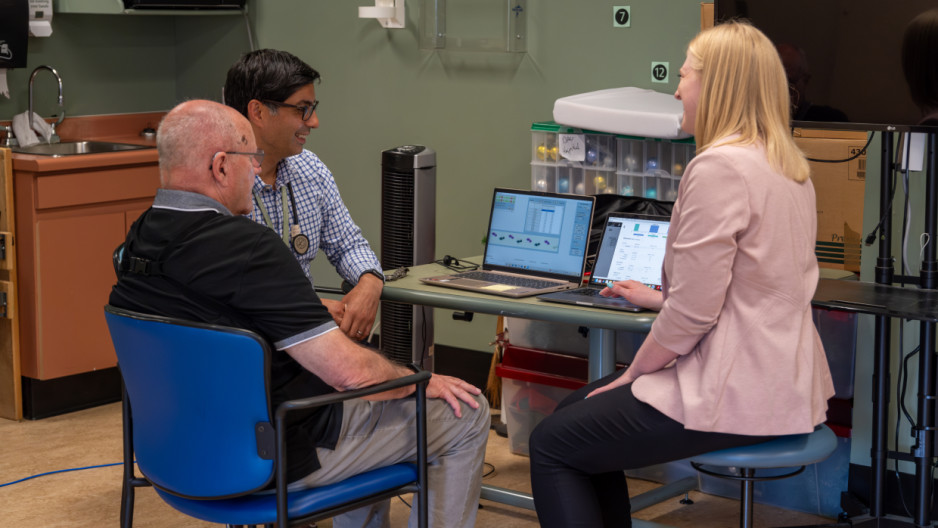
Led by St. Joseph’s geriatrician Dr. Jaspreet Bhangu and Western University rehabilitation scientist and physiotherapist Janelle Unger, PhD, the visionary 3FM Clinic is working to prevent falls before they happen.
“We know there are a number of factors that can cause an older adult to fall such as illness, medication side effects, balance and gait issues, cognitive impairment, visual changes and environmental hazards,” says Bhangu. “What we’re working to understand is how those factors together impact individual patients and their risk of falling.”
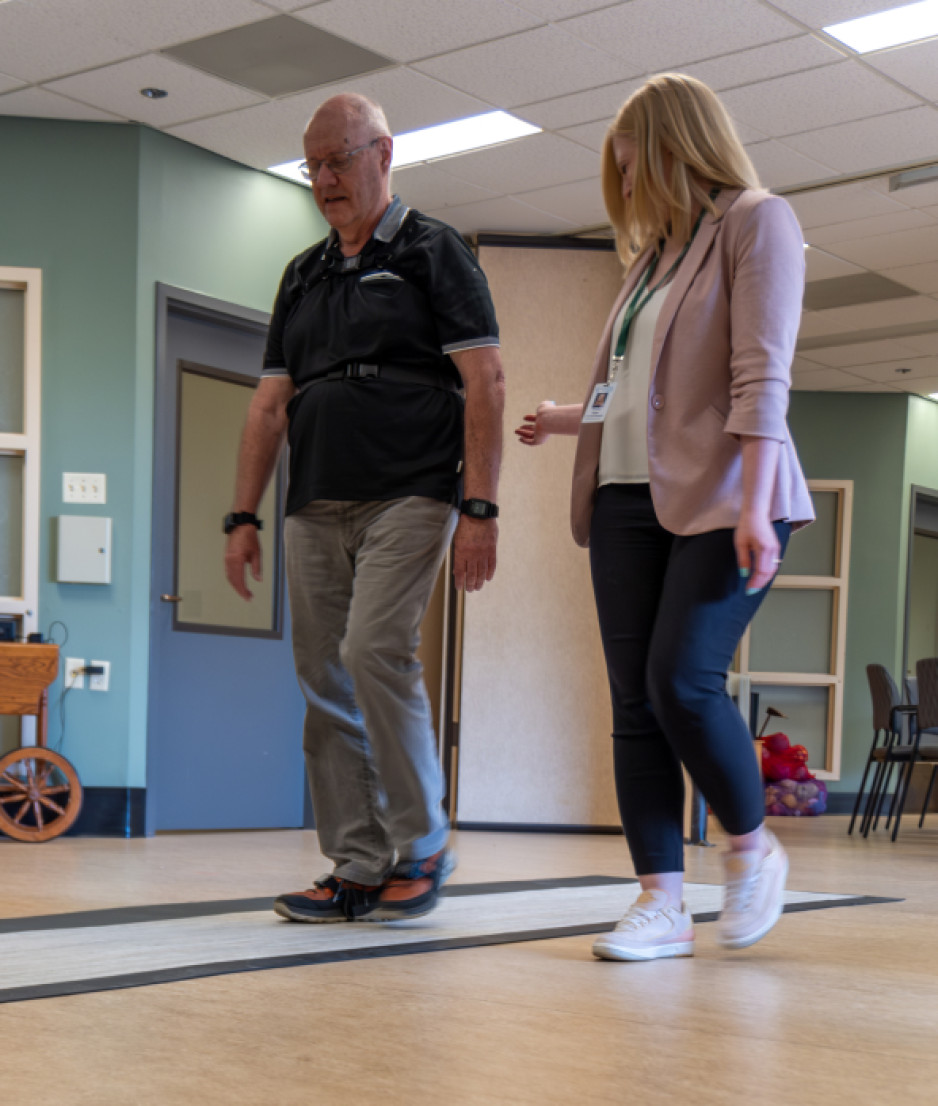
To do so, the 3FM Clinic team – one of the largest, most diverse teams of its kind in the country – completes a multi-step evaluation of patients:
- Nurses gather their medical history, current medications, functional abilities and personal goals.
- Physical therapists measure the patient’s gait (how they walk) and balance to understand their physical capabilities.
- Occupational therapists test their vision, cognitive function and identify issues that might hinder the individual’s ability to perform routine tasks safely.
- A geriatrician focuses on medical risk factors such as bone health, medications and cardiovascular health to help manage risks associated with aging. The team then creates a customized care plan that incorporates exercises, therapeutic interventions and educational strategies.
On the research side, Unger and her team in the RED Neuro Lab at St. Joseph’s Gray Centre for Mobility and Activity are leveraging artificial intelligence (AI) to predict falls more accurately.
“Traditional fall prediction models often rely on limited data and lack real-world input from clinicians and patients,” explains Unger. “By partnering with Bhangu and the clinical team, as well as the patients in the 3FM Clinic, we’re able to integrate clinical information with biomechanical data collected from wearable sensors known as inertial measurement units (IMUs).”
An IMU is a device that tracks and measures a person’s movement and orientation and provides valuable data on how that person moves and stays stable.
“We plan to use AI to analyze the data collected through the IMU’s and are working to create accurate fall prediction models,” says Unger. “This research, funded by Western’s Bone and Joint Institute, has the potential to improve care decisions, enhance preventive strategies and ultimately reduce the incidence of fall-related injuries and hospitalizations for our patients and people across the globe.”
By embracing innovative research and compassionate care, the 3FM Clinic is a model for future efforts in fall prevention and geriatric care, offering a safer, more independent future for older adults.
You can prevent falls too:
- Use assistive devices: Properly fitted walkers or canes provide essential support and stability.
- Fitted footwear: Shoes (not slippers or flip-flops) with appropriate tread and low heels help prevent slips and falls. They should also fit your feet.
- Home improvements: Improved lighting, clear walkways and assistive bathroom fixtures.
- Exercise: Participate in strength and balance exercises to enhance physical fitness.
- Medication reviews: Regularly have your medications reviewed to identify if you are at risk of falling.
Why healthy aging means caring for both brain and body
This story was first published nationally by the Canadian Institutes of Health Research to spotlight health-research stories with impact.
Judith and Matthew are among eight million people in Canada aged 65 years and older. Lately, both noticed changes in how they moved and how well they remembered things. So they went to see their doctor.
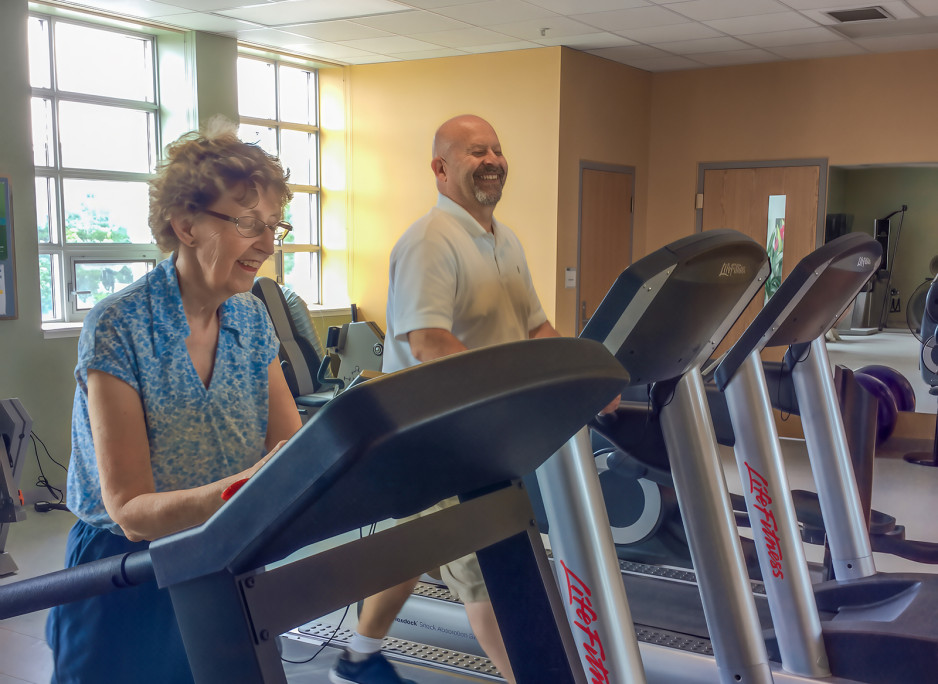
Their experiences took different turns. Judith was referred to a physiotherapist, but her memory problems went unnoticed. Matthew was sent to a memory clinic, yet no one asked him if he had fallen recently or was having difficulty walking.
This type of fragmented care is exactly what Dr. Manuel Montero-Odasso, a geriatrician and researcher at Lawson Research Institute (Lawson) of St. Joseph’s Health Care London, has been trying to change for decades. His research shows that brain health and mobility are deeply connected throughout the aging process.
“As we get older, our mobility and cognition may decline, which can be worsened by mild cognitive impairment and dementia,” explains Montero-Odasso. “But that doesn’t have to be our destiny.”
To improve the physical and brain health of older adults, Montero-Odasso advocates for a more holistic approach to care –one that addresses the full spectrum of aging challenges, from dementia to decline in mobility, from Alzheimer’s to the risk of falls. His CIHR-funded research on these topics has been supported by the Canadian Consortium on Neurodegeneration in Aging.
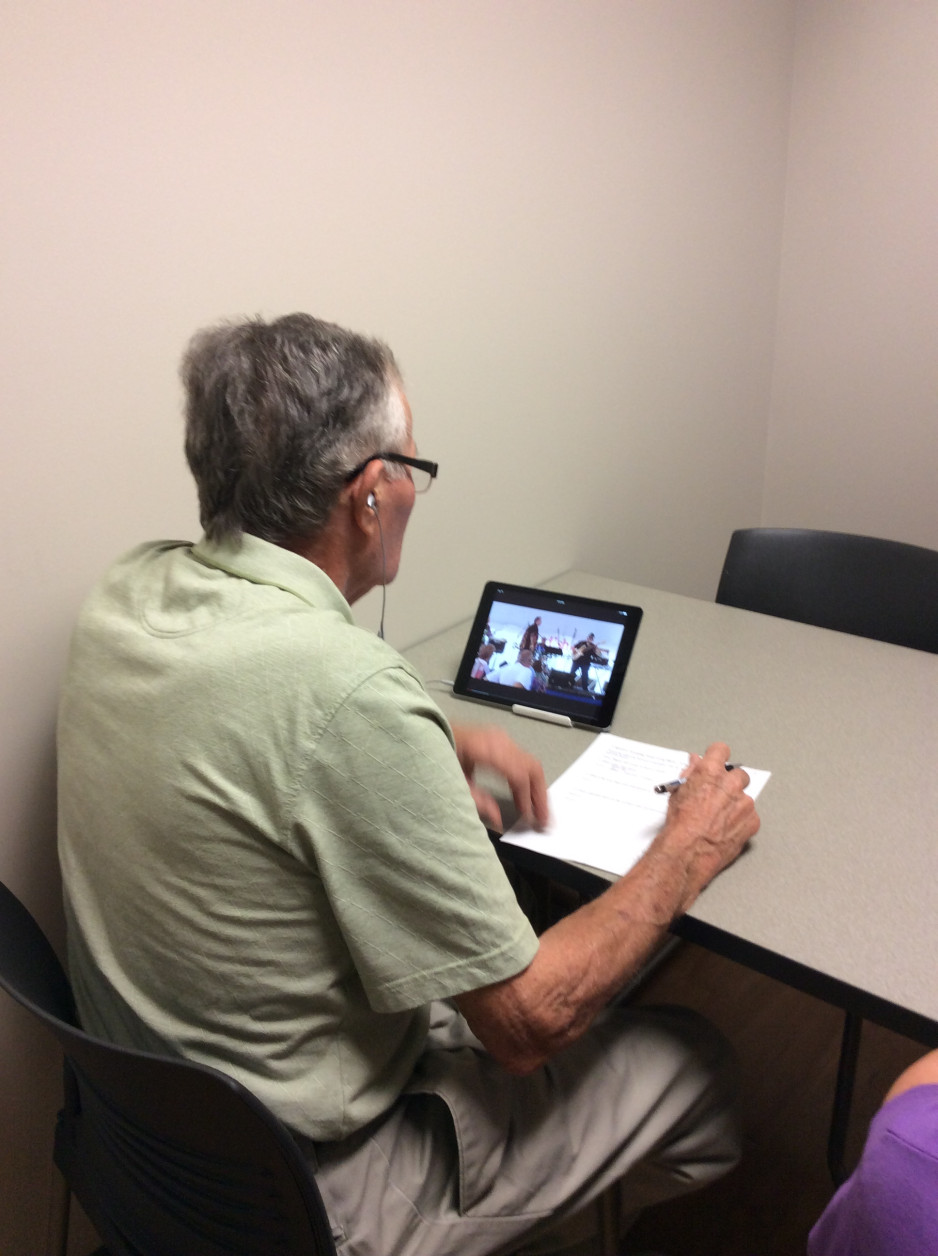
One of his projects led to a national consensus that recommended 10 mobility and cognitive tests that assess a range of functions—from walking speed to the ability to walk and talk at the same time. These recommendations have helped make the diagnosis of physical and cognitive impairments in older adults more consistent and standardized.
Under Montero-Odasso’s leadership, the Mobility, Exercises and Cognition team has looked at how physical and cognitive training together can improve health in older adults. Findings from two major studies, the SYNERGIC Trial and Synergic at Home Trial, showed that combining aerobic and resistance exercises (such as using bands and weights) with cognitive challenges is particularly effective. The team designed a personalized program that keeps the brain fit, from memory to executive function.
This combined approach not only slows cognitive decline but also improves mobility and brain health. Even more encouraging, the benefits lasted for up to a year. The team also found that not all physical activities are equal when it comes to protecting cognition.
“Walking is great for your cardiovascular health, but not enough to prevent or delay dementia. We need a mix of aerobic and resistance exercises combined with cognitive training,” says Montero-Odasso.
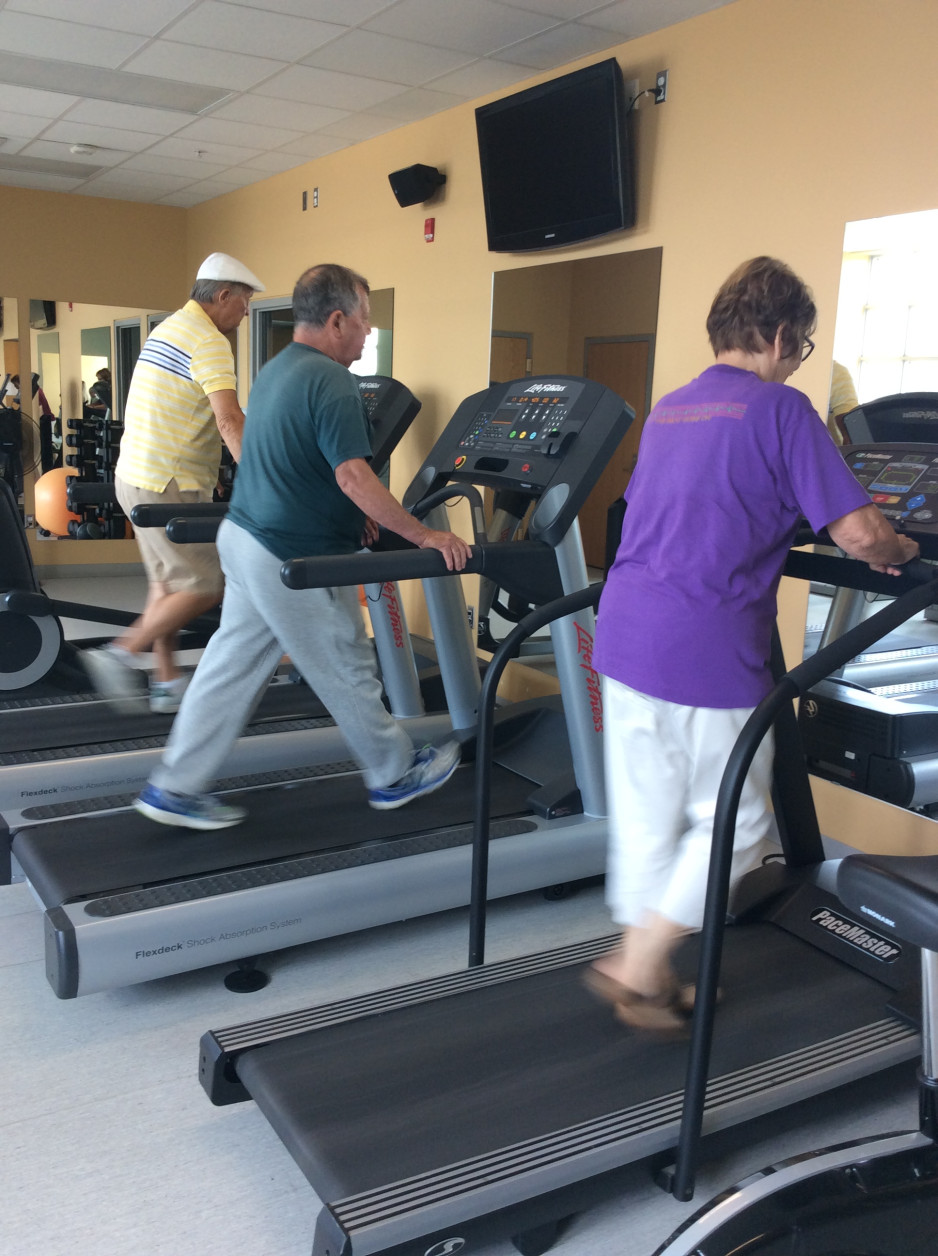
Building on these findings, the Mobility, Exercises and Cognition team is developing clinical guidelines to help health professionals prescribe lifestyle-based activities such as physical and cognitive training to treat mild cognitive impairment, a condition that can lead to dementia.
Dr. Montero-Odasso’s holistic approach to older adult care also focuses on preventing falls, a major issue affecting one-third of seniors worldwide. After identifying significant gaps in clinical practice around the globe, he and experts from 40 countries developed the World Fall Prevention Guidelines.
Endorsed by the Canadian Geriatrics Society and adopted in countries including Australia, Belgium, China, Malaysia, and Norway, the guidelines are the first to incorporate the patient perspective and to consider key factors such as cognition, walking speed, balance, and even fear of falls. These guidelines provide practical tools such as an algorithm that predicts the risk of falls and recommends targeted interventions.
When asked why focusing on both brain and body should be a priority for Judith, Matthew, and the other 18% of Canadians over 65, Dr. Montero-Odasso shares a powerful message: “We don't stop moving and develop mobility disability because we age. We age because we stop moving. But it’s never too late to make some lifestyle changes.”
World Labyrinth Days highlight how this form of ‘walking meditation’ can benefit everyone
Following a labyrinth is a spiritual practice that’s good for body, mind and spirit.
It leads to increased calm, reduced blood pressure and stress, and improved mental health and well-being, say researchers and patient care experts at St. Joseph’s Southwest Centre for Forensic Mental Health Care (Southwest Centre).
On World Labyrinth Days - May 3 and May 4, staff, patients and residents at St. Joseph’s are invited to join thousands across the globe who “walk as one at 1 pm.”
While books and movie culture often show labyrinths as places where people get hopelessly lost, ground-breaking studies conducted through Lawson Health Research Institute show labyrinths can be just the opposite: they’re places people can find hope and find themselves.
Unlike mazes that are puzzles with many choices and many dead ends, labyrinths have continuous lines that lead to and from the centre.
“Walking a labyrinth is a form of walking mediation,” says Rev. Stephen Yeo, spiritual care practitioner at Southwest Centre and a Lawson researcher. “It is a wonderful way to look after one’s body, mind and spirit. It is a very inclusive practice, regardless of how you engage the sacred in your life and in the world.”
There are two permanent labyrinths at Southwest Centre – one indoors and one outdoors. In addition, this spiritual tradition is available at all St. Joseph’s sites. The Parkwood Institute Mental Health Care Building has an indoor labyrinth in the Multifaith Room and an outdoor labyrinth as well—all of them suitable for people who walk or wheel.
In addition, Mount Hope and St. Joseph’s Hospital each have finger labyrinths available for meditation in their multifaith rooms. Other labyrinth opportunities exist across sites including an opportunity to walk a portable labyrinth at the Parkwood Institute Main Building in the Multifaith Room every Friday at noon.
Southwest Centre in Elgin County also has a portable labyrinth, with lines painted on canvas, that’s often used at other locations. “Have labyrinth, will travel,” Stephen quips.
For nearly a decade, he has facilitated walking labyrinths at Southwest Centre with larger groups during seasonal times of solstice and equinox, as a purposeful step that’s also part of truth and reconciliation practices with Indigenous peoples.
“While it may be world labyrinth day this weekend, it’s labyrinth day here at Southwest Centre regularly as something that’s incorporated into our care and practice,” Stephen says.
The research team’s work examining the benefits of labyrinth-walking in a forensic mental health care setting has been cited globally.
Says principal investigator Clark Heard, “I see significant benefit in labyrinth-walking in settings such as mental health care facilities, although I would stress that these benefits could also be generalized to any participant in a community setting.”
“Walking a labyrinth is a regenerative and restorative experience that helps people connect with the personally sacred,” says Clark, who is an occupational therapist at Southwest Centre and is an Associate Scientist at Lawson.
They promote self-care, hope, resilience and coping. They help connect people to the spiritual side of themselves and to relationships sacred to ourselves and the environment.
“Our team’s work identified that labyrinth participation can support meaning-making in the most difficult of circumstances, while at the same time making room for important aspects of mental wellness such as the quest for hope and search for meaning,” Clark says.
Stephen first walked a labyrinth three decades ago during a retreat at a monastery in Winnipeg. It became part of his regular practice of engaging the sacred in his life, and he is now a certified labyrinth facilitator.
“A labyrinth is so simple that you don’t need someone to lead you through. Whether it's facilitated or not, a person inevitably benefits from walking one,” he says.