


Search
Search
124 Search Results:
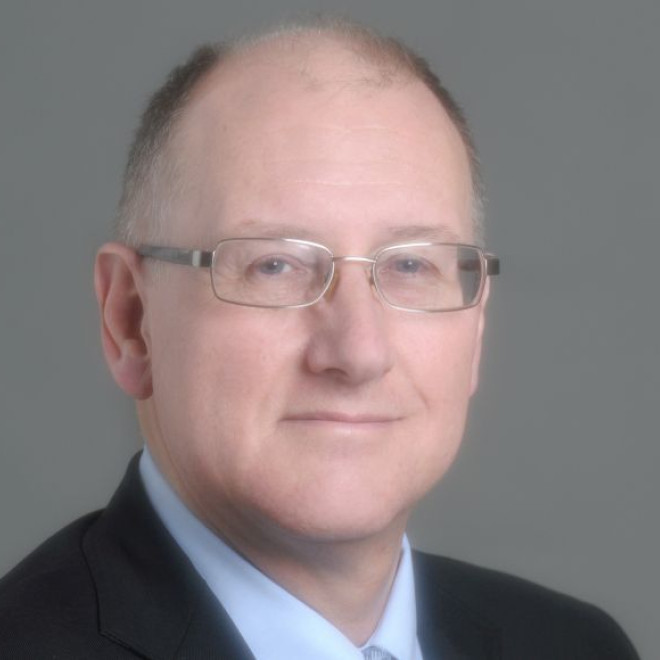
Dr. David Hill
Full Name
Dr. David Hill
Role
Location
Degrees and Qualifications
D.Phil, FCAHS
Contact Information
Phone
519-646-6100
Extension
64716
Email
Administrative Support
Sheila Fleming, x64672, sheila.fleming@lawsonresearch.com
Research Overview
Research published in 2016 has identified a population of progenitor cells within the pancreas of mice and human that can give rise to new insulin-producing cells in vitro. These were not predominantly located in situ within the mature islets of Langerhans, but in small clusters of endocrine cells throughout the pancreas. The total number of progenitor cells was high in early life but declined with age. This suggests that progenitor cells with the potential to become insulin-producing cells exist throughout life and may represent a source of β-cell plasticity to reverse diabetes. As a step towards mobilizing these cells we have examined the ability of grafted bone marrow-derived stem cells to reverse diabetes in mice. Marrow-derived cells migrated to the diabetic pancreas and specifically activated progenitor beta cell proliferation.
We completed in 2016 a Pan-European clinical trial for the prevention of gestational diabetes. We are now following up both women and their offspring from the previous study to determine the extent to which interventions in pregnancy alter the development of subsequent type 2 diabetes in the mothers, and the development of obesity and glucose intolerance in the offspring.
Biography
Dr. David Hill holds the Lawson Professorship in Diabetes Research and is a Professor in the Departments of Medicine, Physiology & Pharmacology and Paediatrics, at Western University. He is Scientific Director of Lawson Health Research Institute and the Integrated Vice President, Research for London Health Sciences Centre and St. Joseph’s Health Care London.
Educated at the University of Nottingham and at Worcester College, University of Oxford, he has published over 200 scientific papers and maintains an active program in diabetes research and stem cell biology. He is a recipient of the CDA’s Frederick G. Banting Award, as well as of the Medal of the Society for Endocrinology from the UK. Dr. Hill was inducted as a fellow of the Canadian Academy of Health Sciences (CAHS) in 2011.
Dr. Hill’s research centres on the generation of new insulin producing beta cells in the pancreas as a strategy for the reversal of diabetes
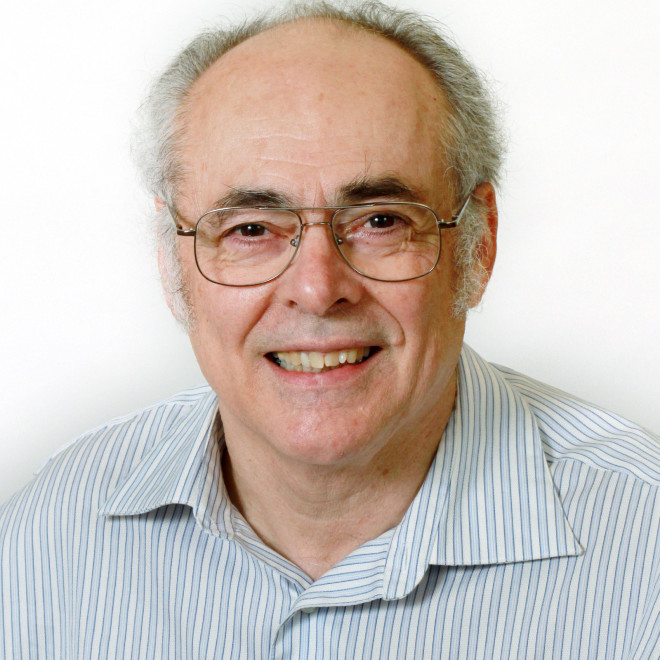
Dr. Frank S. Prato
Full Name
Dr. Frank S. Prato
Role
Location
Degrees and Qualifications
PhD, FCCPM, ABMP, FCOMP, FURSI, FCAHS
Research Overview
Over the last 30 years I have founded a research imaging program at Lawson that currently includes 23 Ph.Ds. and 7 MDs. The focus is to provide leading edge medical imaging technology to the patients of Southwestern Ontario, to citywide researchers and to foster what is needed for clinical trials. We have had a rich history including: first MRI in Canada (1982), first perfusion CT in the world (2000), first PET/CT in Canada (2002), first PET/MRI in Canada (2012).
In the last decade we have introduced PET technology to London including a medical cyclotron and radiochemistry facility that supplies Health Canada approved products to London, Toronto and Windsor. We are a hospital based research program and as such we have a stewardship responsibility to our patients to provide the best medical imaging facilities to guide their treatment and when they reach the limits of proven treatment methods they have the option to enroll in clinical trials that explore new treatment approaches.
Publications:


Biography
Since founding the Lawson Imaging Research Program in the 1980s Frank Prato has led the introduction of a number of new imaging technologies here in London. For example in 1982 his laboratory produced the first human MRI in Canada. Since 2002 Frank has focused on the introduction of new molecular imaging methods including the establishment of advanced positron emission tomography (PET) facilities in combination with magnetic resonance imaging (MRI). In 2012 the Lawson Imaging Research team installed Canada’s first human hybrid PET/MRI at Lawson’s St. Joseph’s Hospital site. Currently Frank is involved in the PET/MRI imaging of neuro-degenerative diseases caused by dementia and mental illness as well as in the study of cardiac diseases that lead to heart failure. Frank’s focus is to improve early diagnosis of disease to limit disability caused by chronic disease/conditions. Frank’s program is located within the hospital/patient environment as Imaging research is an essential part of the patient care continuum.
Scientific Record
- 6113 life time citations, h-index = 45 (Scopus)
- 10,624 life time citations, h-index = 58 (Google Scholar)
- 300+ peer-reviewed publications (222 papers)
- 700+ conference abstracts
- 184 invited presentations
- 67 graduate students and PDFs
- 14 patents and 4 spin-off companies
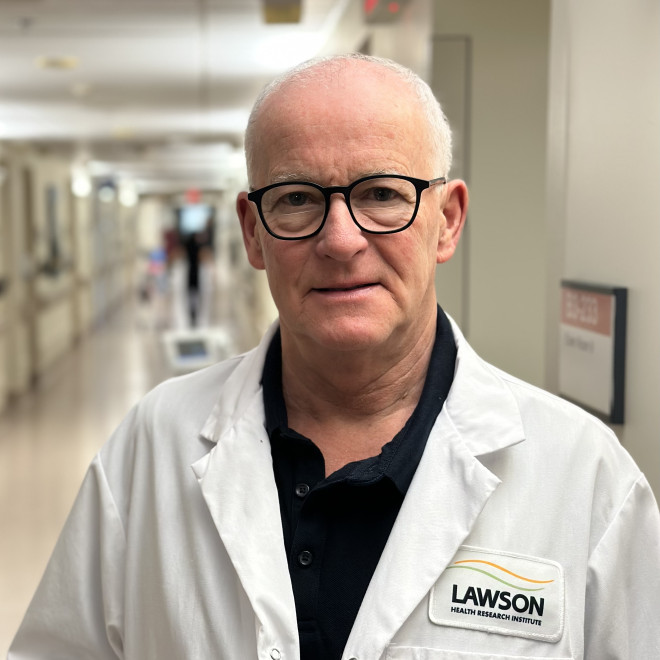
Dr. Gregor Reid
Full Name
Dr. Gregor Reid
Role
Location
Degrees and Qualifications
BSc Hons, PhD, MBA, ARM CCM, Dr HS, FCAHS, FRSC
Contact Information
Phone
519-646-6100
Extension
65256
Email
Administrative Support
Lesley Carmichael (x65755)
Research Area
Research Overview
My career has mostly been spent studying how beneficial microbes, especially bacteria, contribute to the health of women and children.
The use of probiotics, as dried or food forms, is designed to help restore and maintain a healthy or homeostatic state. My focus has always been on translating science to human or other life forms (animals, honeybees, fish), though work on mechanisms was also rewarding. I was determined that breakthrough technologies and treatments should benefit everyone, particularly those most in need in developing countries whose access to healthcare and remedies is often limited.
I have been a strong advocate for empowering everyone who has come through out research group. Progress comes from the ideas and talents of these students, fellows, technicians and collaborators and it is our responsibility to mentor and encourage them.
Research areas: Microbiome and probiotics; Women's health; Environmental influences on health; probiotic effects on the urogenital tract, the gut, breast, heart and use of probiotics to detoxify environmental pollutants.
Publications:
Biography
Dr. Gregor Reid is a Distinguished Professor Emeritus of Western University, and Scientist in Human Microbiome and Probiotics at the Lawson Health Research Institute. He retired from laboratory research in 2020 and is no longer taking students.
Dr. Reid’s legacy comes from his focus on beneficial microbes, starting in 1982 when only 12 papers had been published on ‘probiotics’. As of February 2024, this number exceeds 47,000 papers by authors around the world. Dr. Reid's contribution cannot be understated. In 2001 and 2002, he chaired the United Nations - World Health Organization Expert Panel and Working Group on Probiotics that defined the modern term probiotics and set the standard for a field of science and commerce, the latter now exceeding $60 billion per annum.
Evidence for him being one of the world’s foremost experts on probiotics comes in many forms. Along with Canadian Urologist Dr. Andrew Bruce he developed novel probiotic therapies now used by several million people in over 35 countries. He helped acquire Canada’s largest ever donation for microbiology, $7 million for the endowed chair at Lawson. He has held 32 patents and published over 609 peer-reviewed publications in highly prestigious academic journals including Science, Lancet, JAMA, PNAS and various Nature journals. He has been highly sought for his lecturing skills, with over 650 talks in 54 countries. His Google Scholar H factor is 125 with over 61,000 citations as of February 2024. He was ranked the #3 microbiologist in Canada by research.com in 2022.
He has been President of the International Scientific Association for Probiotics and Prebiotics, the leading organization on the science of these areas. His recognitions include: recipient of the Hellmuth Prize, the highest research honour conferred by The University of Western Ontario; the Distinguished Alumni Award presented by New Zealand’s leading institution, Massey University; an Honorary Doctorate in Biology from Orebro University in Sweden; the highest honour of the Canadian Society for Microbiologists for Career Achievement; Western University’s highest honour as Distinguished Professor. He is a member of the Canadian Academy of Health Sciences and the Royal Society of Canada, the latter being an honour bestowed upon Canada’s distinguished scholars, artists and scientists, since the establishment of the society as Canada’s National Academy in 1883. His impact on Complementary and Alternative Medicine has been substantial, in Canada and beyond, illustrated by receipt of the prestigious Dr Rogers Prize.
The expansion of beneficial microbes to One Health illustrates the importance of pioneers like him, who so early on and long before the Human Microbiome Project, recognized the importance of these organisms. His commitment to stewardship and excellence in appropriately documenting probiotics and in helping to define fermented foods and prebiotics, and differentiate them from probiotics, is recognized the world over.
Dr. Reid was instrumental in the establishment of Western Heads East (WHE), an experiential learning program based out of Western University. The program, led by Bob Gough, launched probiotic yogurt in rural Tanzanian communities in 2004 to help address the malnutrition and HIV/AIDS crises in the continent. It was recognized by the awarding of the AUCC Scotiabank Prize for Internationalization in 2010. The program expanded beyond HIV recipients to reach over 260,000 beneficiaries in Uganda, Tanzania and Kenya. This was made possible by funding from the Canadian International Food Security Research Fund and the creation of a novel sachet by Yoba-for-Life, a Dutch not-for-profit foundation. The sachet, costing under $1, contains two bacterial strains that ferment up to 100L of probiotic-rich yogurt or cereal or fruit. Yoba-for-Life continues to bring sachets to Africa, and in 2024, The Gregor Reid Award for Outstanding Scholars in Developing Nations was established by ISAPP to encourage young researchers to translate probiotics into tangible benefits for their countries.
Dr. Reid's sphere of influence has widened through efforts to reduce the problem of honeybee colony collapse that endangers the world's food supply. The creation of a probiotic intervention to boost the insect's defenses and fight pathogens as well as offset the damage done by pesticides, has implications for beekeeping in North America and around the world. His final PhD student, Brendan Daisley is now pioneering this work at the University of Guelph.
Though officially retired, Professor Reid has published a book, “Probiotics: A story about hope,” which reached #1 on Amazon for women’s health, and he continues to support his successor, Dr. Jeremy Burton, and students doing outstanding work through the lab at St. Joseph’s Hospital.
Partners
Numerous collaborators around the world.
International Scientific Association for Probiotics and Prebiotics - current board member
Fermented Food for Life (FFFL) book on success stories!
Read it here!
Read it here!
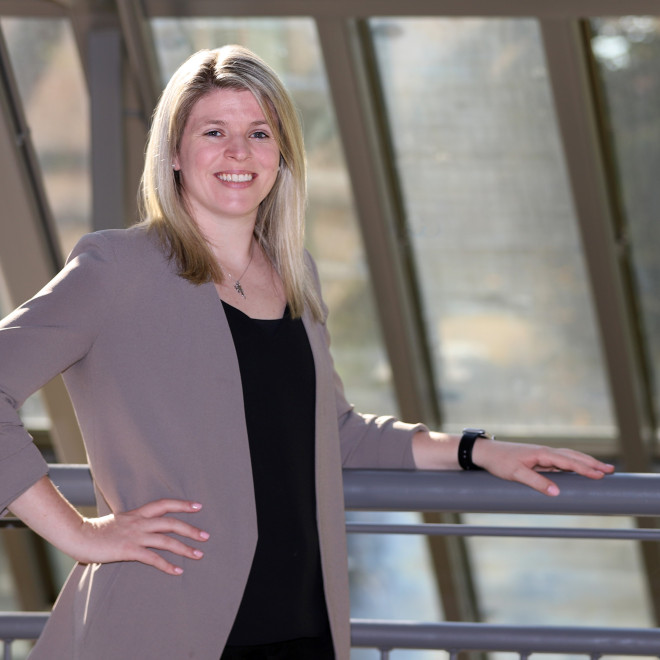
Dr. Jacobi Elliott
Full Name
Dr. Jacobi Elliott
Role
Location
Degrees and Qualifications
PhD
Research Area
Research Overview
Dr. Elliott has focused on establishing a comprehensive program of research focused around geriatrics and the health care system.
Biography
As an Early Career Researcher (ECR), Dr. Elliott has been involved as Nominated Principal Applicant, co-Principal Applicant or co-Applicant on research funding from tri-council and community grants.
She has more than 35 published papers related to health systems research and patient/family engagement and has been recognized with multiple awards for her conference presentations.
Dr. Elliott is a Scientist with Lawson Research Institute and holds Adjunct Assistant Professor appointments at Western University (Faculty of Health Sciences) and the University of Waterloo (School of Public Health Sciences).
Currently, Dr. Elliott is the Director, Research & Strategy for the Regional Geriatric Program of Southwestern Ontario, hosted by St. Joseph's Health Care London.
Dr. Jeffrey Carson
Full Name
Dr. Jeffrey Carson
Role
Location
Degrees and Qualifications
PhD
Contact Information
Phone
519-646-6100
Extension
64767
Email
Administrative Support
Dr. Astrid Chamson-Reig: 519-646-6100 x64135; achamson@lawsonimaging.ca
Website
Research Area
Dr. Jeremy Burton

Full Name
Dr. Jeremy Burton
Role
Location
Degrees and Qualifications
BSc, MSc, PhD, dBA
Contact Information
Phone
519-646-6100
Extension
61365
Email
Administrative Support
Lesley Carmichael x65755
Website
Research Overview
We conduct research on the role of microbes in various human conditions. Our primary focus is the microbiome which influences urological conditions. The microbiome at distal sites is now the most intriguing, as it is thought to have an influence on systemic health well beyond the primary mucosal sites they occupy.
Biography
Dr. Burton's appreciation of the microbial ecology of humans as a student was sparked by Professors Gerald Tannock and John Tagg at University of Otago in New Zealand.
In the early 2000s, he was fortunate enough to study the vaginal microbiota with then-emerging non-culture-based techniques. These showed that difficult-to-culture organisms, such as Lactobacillus iners, were frequent inhabitants of woman, but were not often detected by bacteriological culture-based methods.
After spending time in Industry he returned to the Lawson Health Research Institute and the Canadian Centre for Human Microbiome and Probiotics to continue working on the exciting area of translating microbial ecological research into real-world applications.
Partners
Our primary collaborators are with clinicians within the Division of Urology and Scientists within the Department of Microbiology and Immunology and wider Western University.
We also have collaborations with the J. Craig Venter Institute (US), University of Otago (NZ), University of British Columbia and Sichuan University (China).
Dr. Lisa Hoffman

Full Name
Dr. Lisa Hoffman
Role
Location
Degrees and Qualifications
PhD
Website
Research Overview
I have capitalized on the breadth of research being conducted in the fields of stem cell research and imaging within this center, and now possesses an extremely unique skill-set in stem cell biology, classic cell/molecular biology, and multi-modality non-invasive imaging technologies (positron emission tomography [PET], dynamic contrast-enhanced computed tomography [DCE-CT], high frequency 3D ultrasound [HFU], and optical [bioluminescence]). Excitingly, I am currently one of few Canadian researchers poised to take full advantage of the recent opening of the PETtracer Cyclotron and PET-radiochemistry facility in London.
My future research goal is to develop a collaborative research program in Molecular and Functional Imaging, in which I will play a lead role in cutting-edge research that focuses on the development of therapeutics for neuromuscular diseases, and on the non-invasive assessment of such therapies.
Biography
Dr. Hoffman obtained her Ph.D. from the University of Saskatchewan in 2000. She went on to complete several postdoctoral positions that culminated in a unique skill set in stem cell biology, classic cell/molecular biology, and non-invasive multi-modality imaging.
Imaging modalities include positron emission tomography [PET], dynamic contrast-enhanced computed tomography [DCE-CT], high frequency 3D ultrasound [HFU]/echocardiography, and optical/bioluminescense imaging. She is currently one of few Canadian researchers poised to take advantage of the recent opening of the PETtracer Cyclotron and PET-radiochemistry facility in London.
Dr. Hoffman was appointed as a Lawson Imaging Scientist in the Fall of 2009, and as Assistant Professor in the Departments of Medical Biophysics, Western University (Fall 2009) and Anatomy & Cell Biology, Western University (Spring 2010). Capitalizing on the breadth of her multidisciplinary experience, Dr. Hoffman's current research interests lie in Molecular Imaging and Cell Therapeutics for the treatment of both the skeletal and cardiac manifestations of Duchenne muscular dystrophy (DMD). Specifically, her group aims to develop objective and quantitative non-invasive imaging technologies to track stem/progenitor cell fate following transplantation into mouse models of DMD.
Dr. Shalini Dhir
Full Name
Dr. Shalini Dhir
Role
Research Overview
- Regional anesthesia
- Acute pain
- Ambulatory anesthesia
- Orthopedic anesthesia
- Obstetric anesthesia
Dr. Zahra M. Kassam

Full Name
Dr. Zahra M. Kassam
Role
Location
Degrees and Qualifications
M.D.
Website
Biography
After completing medical school at the University of Alberta in 2001, Dr. Zahra Kassam finished her residency training in 2006 here at Western University. She then traveled to California where she completed a fellowship in Body Imaging at Stanford University in 2007.
Prior to medical school, Dr. Kassam studied Medical Sciences at the University of Calgary as part of the Cellular, Molecular, and Microbial Biology Honours Program.
Dr. Kassam was appointed as an Assistant Professor in the Department of Medical Imaging in 2008, and currently serves as the Imaging Lead for the Southwest Regional Cancer Program.
Dr. Kassam’s clinical and research interests are in Abdominal and Pelvic MRI, Oncologic imaging with special interest in Rectal and Prostate Cancer MRI, Hybrid Imaging, Hepatic Fibrosis and MR Elastography.
Dr. Abraham Rudnick
Full Name
Dr. Abraham Rudnick
Role
Research Overview
- Schizophrenia
- Psychiatric rehabilitation
- Ethics and philosphy of medicine
- Recovery, arts/leisure and mental health
- Supported education
- Supported employment
Dr. Alexander J. Mao
Full Name
Dr. Alexander J. Mao
Role
Research Overview
- Clinical assessment of new devices in eye care
- Clinical outcome research in visual sciences
Dr. Alexandre Legros
Full Name
Dr. Alexandre Legros
Role
Location
Degrees and Qualifications
PhD
Website
Research Overview
His background mainly relates to the effects of specific electromagnetic stimuli (from DBS to power-frequency magnetic fields) on human brain processing, motor control and cognitive functions. Dr Legros is managing an international industrial and scientific collaborations through industry-partnered academic support from the Canadian Institute of Health Research (CIHR).
He has expertise in acquisition and analysis of brain electric and metabolic signals (EEG, fMRI), subtle movement quantification and characterization (e.g. physiological tremor, standing balance), cognitive performances quantification, physiological monitoring (cardiovascular parameters).
Biography
Dr. Alexandre Legros is a full time scientist in the Imaging Program at Lawson, where he is the director of Human Threshold Research Group and Testing Facility. He is also an Associate Professor in the Departments of Medical Biophysics and Medical Imaging within the Schulich School of Medicine and Dentistry, and in the School of Kinesiology from within the Faculty of Health Sciences at Western University.
He received his PhD in Kinesiology in 2004 (University of Montpellier, France) and completed a first postdoctoral fellowship in neuroscience studying the impact of Deep Brain electric Stimulation (DBS) on patients implanted with electrodes suffering from dystonic syndromes (Neurosurgical Unit, University of Montpellier, France). He started a second postdoctoral fellowship in the BEMS group at Lawson in 2005 before being recruited as a young scientist in September 2007.
Dr. Legros has expertise in the fields of neuroscience, kinesiology, biophysics, and he his currently promoting the use of mathematical neuroscience to study the interaction between time-varying magnetic fields and neuronal assemblies/networks.
Dr. Ali Islam
Full Name
Dr. Ali Islam
Role
Research Overview
- Image registration using cardiac CT and MRI
- Velocity mapping with cardiac MRI
- Radiology collaboration tools
- Integrating radiology
- Picture archival and communciations systems (PACS) with mobile devices
Dr. Alp Sener
Full Name
Dr. Alp Sener
Role
Research Overview
- Establishing novel strategies of minimizing post-transplant graft rejection
- Promoting improved early and late renal allograft survival using both in vitro and in vivo models for donor tissue and cell modification
Dr. Amanda McIntyre
Full Name
Dr. Amanda McIntyre
Role
Location
Degrees and Qualifications
PhD RN
Research Area
Research Overview
My research program aims to enhance the organization, accessibility, quality, and effectiveness of health care services. While I study patients across several care settings, I have specific expertise in emergency and rehabilitative care. In the emergency care setting, my research aims to improve the organization and accessibility of health services through the investigation of patient needs, their access, as well as use of health resources. Within the neurorehabilitation care setting, my research examines the recovery of patients after stroke and SCI through improvements in quality and effectiveness of health services.
Publications:
Biography
Assistant Professor, Arthur Labatt Family School of Nursing, Western University
Registered Nurse, Emergency Medicine, London Health Sciences Centre
Dr. Anat Kornecki
Full Name
Dr. Anat Kornecki
Role
Research Overview
- Breast imaging
Dr. Andrew Thompson
Full Name
Dr. Andrew Thompson
Role
Research Overview
- Rheumatology
Dr. Anurag Bhalla
Full Name
Dr. Anurag Bhalla
Role
Location
Degrees and Qualifications
BHSc (Honours), McMaster University
MD, Western University
FRCPC Internal Medicine and Respirology
MSc, Physiology and Phamacology, McMaster University
Contact Information
Phone
519-646-6100
Extension
66145
Email
Administrative Support
Lindsay Boresma
Research Overview
Asthma, sputum cell counts, eosinophils.
Biography
Anurag Bhalla is an Assisstant Professor of Medicine in Department of Medicine, Division of Respirology at Western University and Staff Respirologist at St. Joseph's Healthcare and London Health Sciences Centre.
He completed his medical school and internal medicine residency at Western University followed by respirology residency at McMaster University. Subsequently, he completed airway disease clinical fellowship and MSc in physiology and pharmacology with Dr. Parameswaran Nair at McMaster University.
His clinical interest includes complex airway diseases, including asthma, COPD and bronchiectasis. His research interest includes severe asthma, eosinophil biology, asthma biologics and airway inflammometery.