


Search
Search
5 Search Results:
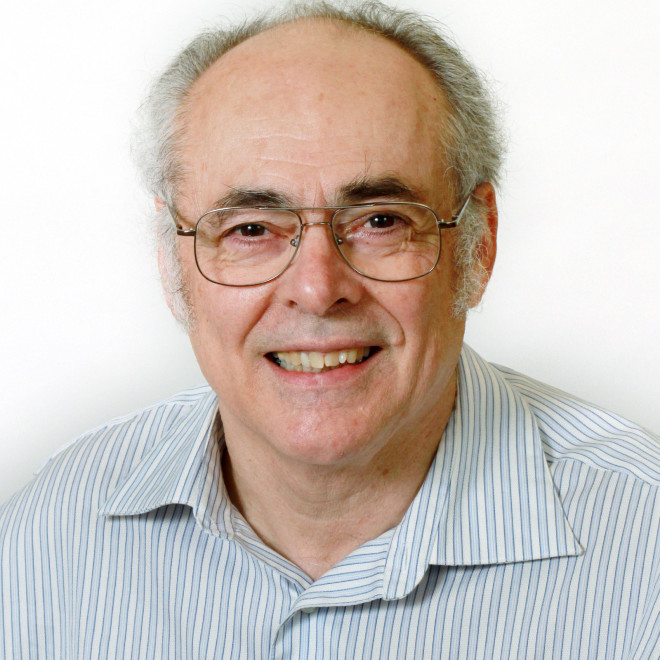
Dr. Frank S. Prato
Full Name
Dr. Frank S. Prato
Role
Location
Degrees and Qualifications
PhD, FCCPM, ABMP, FCOMP, FURSI, FCAHS
Research Overview
Over the last 30 years I have founded a research imaging program at Lawson that currently includes 23 Ph.Ds. and 7 MDs. The focus is to provide leading edge medical imaging technology to the patients of Southwestern Ontario, to citywide researchers and to foster what is needed for clinical trials. We have had a rich history including: first MRI in Canada (1982), first perfusion CT in the world (2000), first PET/CT in Canada (2002), first PET/MRI in Canada (2012).
In the last decade we have introduced PET technology to London including a medical cyclotron and radiochemistry facility that supplies Health Canada approved products to London, Toronto and Windsor. We are a hospital based research program and as such we have a stewardship responsibility to our patients to provide the best medical imaging facilities to guide their treatment and when they reach the limits of proven treatment methods they have the option to enroll in clinical trials that explore new treatment approaches.
Publications:


Biography
Since founding the Lawson Imaging Research Program in the 1980s Frank Prato has led the introduction of a number of new imaging technologies here in London. For example in 1982 his laboratory produced the first human MRI in Canada. Since 2002 Frank has focused on the introduction of new molecular imaging methods including the establishment of advanced positron emission tomography (PET) facilities in combination with magnetic resonance imaging (MRI). In 2012 the Lawson Imaging Research team installed Canada’s first human hybrid PET/MRI at Lawson’s St. Joseph’s Hospital site. Currently Frank is involved in the PET/MRI imaging of neuro-degenerative diseases caused by dementia and mental illness as well as in the study of cardiac diseases that lead to heart failure. Frank’s focus is to improve early diagnosis of disease to limit disability caused by chronic disease/conditions. Frank’s program is located within the hospital/patient environment as Imaging research is an essential part of the patient care continuum.
Scientific Record
- 6113 life time citations, h-index = 45 (Scopus)
- 10,624 life time citations, h-index = 58 (Google Scholar)
- 300+ peer-reviewed publications (222 papers)
- 700+ conference abstracts
- 184 invited presentations
- 67 graduate students and PDFs
- 14 patents and 4 spin-off companies
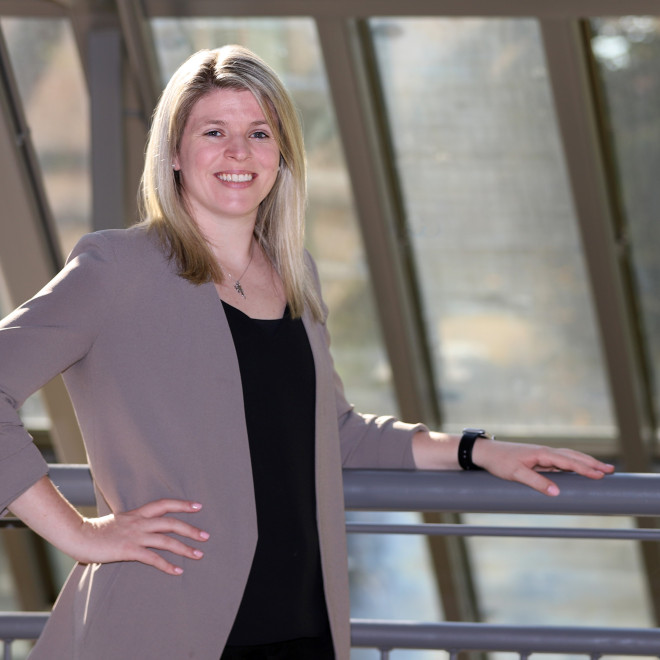
Dr. Jacobi Elliott
Full Name
Dr. Jacobi Elliott
Role
Location
Degrees and Qualifications
PhD
Research Area
Research Overview
Dr. Elliott has focused on establishing a comprehensive program of research focused around geriatrics and the health care system.
Biography
As an Early Career Researcher (ECR), Dr. Elliott has been involved as Nominated Principal Applicant, co-Principal Applicant or co-Applicant on research funding from tri-council and community grants.
She has more than 35 published papers related to health systems research and patient/family engagement and has been recognized with multiple awards for her conference presentations.
Dr. Elliott is a Scientist with Lawson Research Institute and holds Adjunct Assistant Professor appointments at Western University (Faculty of Health Sciences) and the University of Waterloo (School of Public Health Sciences).
Currently, Dr. Elliott is the Director, Research & Strategy for the Regional Geriatric Program of Southwestern Ontario, hosted by St. Joseph's Health Care London.
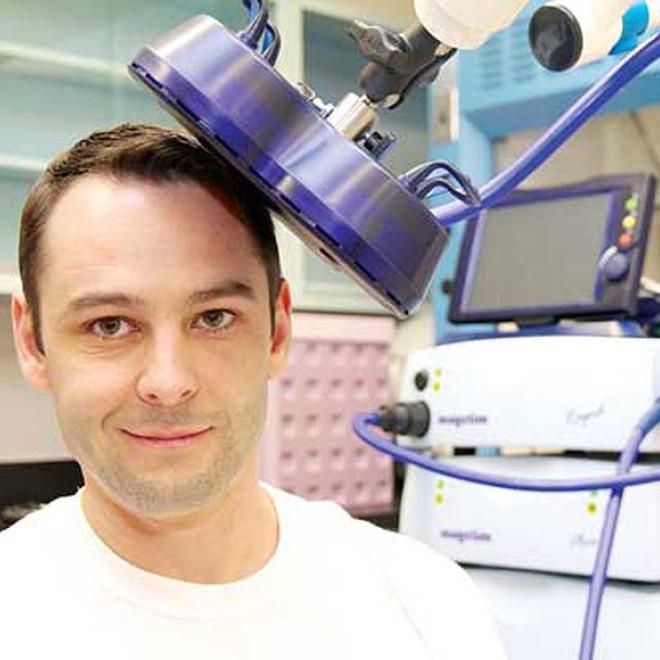
Dr. Alexandre Legros
Full Name
Dr. Alexandre Legros
Role
Location
Degrees and Qualifications
PhD
Website
Research Overview
His background mainly relates to the effects of specific electromagnetic stimuli (from DBS to power-frequency magnetic fields) on human brain processing, motor control and cognitive functions. Dr Legros is managing an international industrial and scientific collaborations through industry-partnered academic support from the Canadian Institute of Health Research (CIHR).
He has expertise in acquisition and analysis of brain electric and metabolic signals (EEG, fMRI), subtle movement quantification and characterization (e.g. physiological tremor, standing balance), cognitive performances quantification, physiological monitoring (cardiovascular parameters).
Biography
Dr. Alexandre Legros is a full time scientist in the Imaging Program at Lawson, where he is the director of Human Threshold Research Group and Testing Facility. He is also an Associate Professor in the Departments of Medical Biophysics and Medical Imaging within the Schulich School of Medicine and Dentistry, and in the School of Kinesiology from within the Faculty of Health Sciences at Western University.
He received his PhD in Kinesiology in 2004 (University of Montpellier, France) and completed a first postdoctoral fellowship in neuroscience studying the impact of Deep Brain electric Stimulation (DBS) on patients implanted with electrodes suffering from dystonic syndromes (Neurosurgical Unit, University of Montpellier, France). He started a second postdoctoral fellowship in the BEMS group at Lawson in 2005 before being recruited as a young scientist in September 2007.
Dr. Legros has expertise in the fields of neuroscience, kinesiology, biophysics, and he his currently promoting the use of mathematical neuroscience to study the interaction between time-varying magnetic fields and neuronal assemblies/networks.
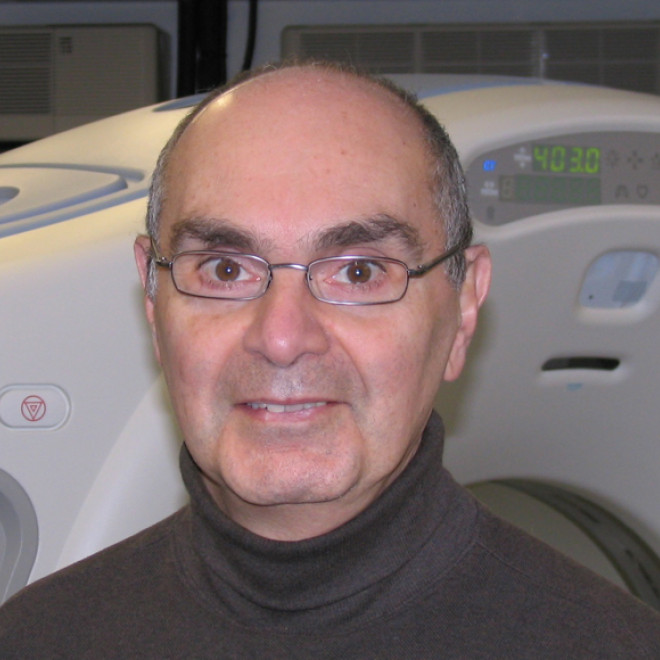
Dr. Gerald Wisenberg
Full Name
Dr. Gerald Wisenberg
Role
Location
Degrees and Qualifications
M.D.
Website
Research Overview
- MRS
- MRI
- Heart disease
Biography
Dr. Wisenberg is a cardiologist at London Health Sciences Centre, who was trained in the seminal days of nuclear cardiology. He participated in the early human trials at UCLA assessing the role of PET in assessing regional myocardial perfusion. His career has involved the use of a number of imaging modalities including SPECT, PET, MRI, and CT with specific reference to their role in assessing response to therapy and in guiding the management of cardiac patients. His current research focus is on determining the optimum time to inject stem cells to maximize the likelihood for myocardial regeneration, and to improve means of prolonging the residence time of the stem cells in the heart so that they can exert the greatest degree of repair.
Dr. Michael S. Kovacs
Full Name
Dr. Michael S. Kovacs
Role
Location
Degrees and Qualifications
Ph.D.
Research Overview
- Position Emission Tomography (PET)
- Radiochemistry
- Radioisotope Production
- Medicinal inorganic chemistry
- Duchenne Muscular Dystrophy
Biography
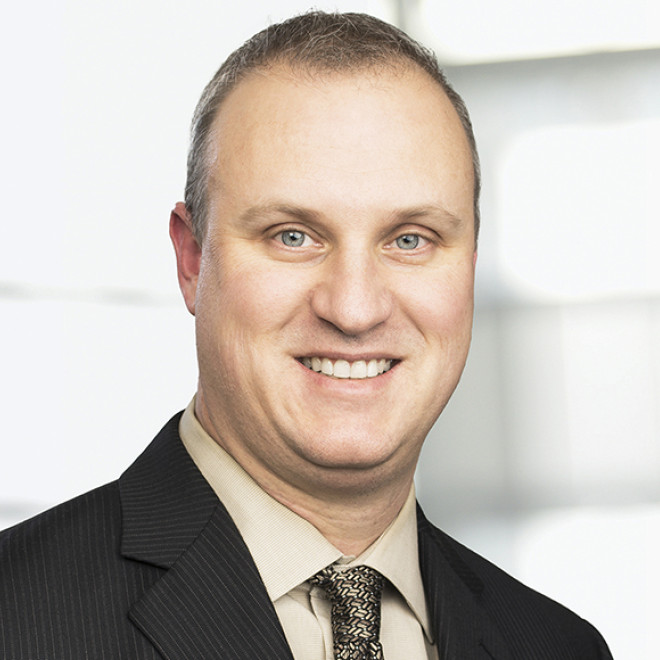
As Director of the Lawson Cyclotron and PET Radiochemistry Facility, I lead a self-funded, multi-faceted clinical research program by producing Positron Emitting Radiopharmaceuticals (PERs) for clinical imaging procedures and to support our clinical and pre-clinical PET imaging research programs. As a Scientist working within a hospital setting, our research program has become adept at translating PERs truly from bench to bedside. Our facility holds a Health Canada Establishment License which certifies that we are GMP compliant, and permitted to manufacture and distribute PERs throughout Southern Ontario. In addition to holding our own market authorization for [18F]FDG, we were the first site (of 2 currently) in Canada to produce Florbetapir and Flortaucapir as a contract manufacture for Avid Radiopharmaceuticals Inc. for Alzheimer’s Disease imaging with PET. In addition, we currently support a number of clinical PET imaging studies with the PERs [18]FEPPA (neuro inflammation), [18F]sodium fluoride (bone imaging), [13N]ammonia (myocardial perfusion imaging), [15O]water (perfusion imaging). We produce a larger number of PERs for preclinical use such as [11C]HED, [11C]PHNO, [11C]DTBZ, [15O]Oxygen gas, and many more. Since opening in 2010, we have demonstrated excellent competency of developing new PERs, getting them into preclinical imaging models, and ultimately translating them into clinical studies in human subjects.
My research program is focused on radionuclide production utilizing solid phase cyclotron targets. We have developed a high current, solid phase target system for the GE PETtrace cyclotron that includes automated target transfer, dissolution, and separation chemistry in a GMP compliant manner for [99mTc]NaTcO4. With the clinical trials data we collected from a total of 60 patients on two different sites, we are in the process of submitting a New Drug Submission to Health Canada for market authorization of cyclotron produced pertechnetate. This project, along with our partners in Hamilton ON and Vancouver BC, was awarded the Brockhouse Prize by the Governor General in 2015 for the best interdisciplinary research collaboration in the Canada. Our current efforts are focused on expanding the utility of this target system, in particular the production of the PET radiometals 68Ga and 89Zr.