


Search
Search
3185 Search Results:
Third clinical trial launched to study whether type 2 diabetes can go into remission
Since launching two years ago, an innovative study that aims to induce remission of type 2 diabetes has captured the attention of hundreds of Londoners. For those with type 2 diabetes like Greg Ackland and Jocelyne Chauvin, the idea of stopping all medications has translated from a dream to a reality through participation in the REMIT study at Lawson Health Research Institute (Lawson).
With a family history of type 2 diabetes, Greg Ackland was first diagnosed over six years ago when he underwent an operation for a hernia. He developed a mild infection and, while being treated, his care team discovered his blood sugar levels were high.
Ackland started treatment and was eventually taking four pills per day. “I watched the progression of my medications and thought ‘I’m losing this battle,’” says 51 year-old Ackland.
Image
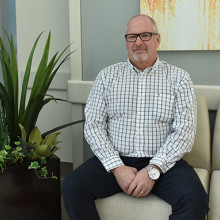
Above: Greg Ackland, research participant in the REMIT study
He saw information about the REMIT study on the local news and after meeting the criteria he was enrolled. The outcomes have been incredible. Ackland has now stopped all medications and his blood sugar levels are good. He has recommitted to exercise which has resulted in weight loss and muscle gain.
“I’m glad I jumped at the opportunity to participate in this trial,” says Ackland. “I’ve reset myself.”
Lawson is one of seven Canadian sites taking part in the REMIT study, which is considered a significant departure in strategy in the care of people with type 2 diabetes. The study consists of a series of clinical trials that tests an aggressive approach in recently diagnosed patients. The first two trials in London saw significant interest in participation from those with type 2 diabetes. A third REMIT trial is now being launched providing another opportunity for individuals with type 2 diabetes to take part.
“The goal of the REMIT study is to take a proactive approach to help people early in the disease, normalize their blood sugars for a period of 12 weeks and then slow the progression of the disease and the need for additional medications,” says Dr. Irene Hramiak, Lawson researcher, endocrinologist, and Chief of the Centre for Diabetes, Endocrinology and Metabolism at St. Joseph’s Health Care London. “We want to know if we can induce remission, for how long and whether it matters what combination of medications we use.”
The standard treatment for people with type 2 diabetes is to start on a single medication, which is then followed by the addition of more drugs and insulin as the disease progresses. In the REMIT study, patients receive intensive treatment early in their care journey that consists of two diabetes medications plus insulin at bedtime for three months to see if remission can be induced. In addition, patients are supported to make lifestyle changes with a diet and 30 minutes of exercise each day.
“When I saw a gentleman on the news talking about the REMIT study and how it allowed him to stop taking all medications, I thought ‘cool!’” says Jocelyne Chauvin. The 62 year-old Londoner was first diagnosed with type 2 diabetes three years ago after a regular checkup. While it was difficult news, she had a family history of the disease and health issues before her diagnosis.
Image
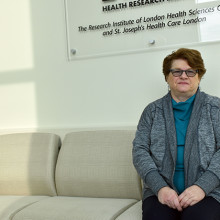
Above: Jocelyne Chauvin, research participant in the REMIT study
“I started taking one pill a day and was told I’d be up to four pills a day within six months,” says Chauvin. “But with good nutrition and exercise I worked hard to stay on one pill a day for three years.”
After hearing about the study, she contacted the research team and, after meeting the criteria, was enrolled in April 2017. Chauvin has now stopped all medications and says she feels much better. She exercises more and her blood sugar levels are close to normal.
“This is my first time participating in a clinical trial and I’m very excited about my experience,” says Chauvin.
REMIT is being led by the Population Health Research Institute (PIHR), a joint institute of McMaster University and Hamilton Health Sciences. The study follows a PHRI pilot study of early aggressive treatment that resulted in up to 40 per cent of intervention group participants with type 2 diabetes going into remission and not needing any diabetes treatment for at least three months.
“The idea of putting type 2 diabetes into remission is changing the way we think about the disease. It has a strong appeal to both those with type 2 diabetes and clinicians,” says Dr. Hramiak. “It’s changing the paradigm of when and how to use medication for type 2 diabetes.”
Those who would like more information about the trial can call 519-646-6100 ext. 65373.
This will be a huge benefit for society because sepsis is the leading cause of death worldwide
It’s a discovery that has been more than ten years in the making: the use of a human protein to potentially treat patients with sepsis.
Lawson Scientist Dr. Qingping Feng noticed that a human protein called annexin A5 showed positive results with sepsis back in 2007.
Image
Fast forward 14 years later to now, and this discovery could very well be the first ever viable treatment for sepsis patients, including severe COVID-19 patients who develop sepsis. “With COVID initially, it is in the airway and then in the lungs, then from there the inflammatory response in fact spreads to the whole body,” says Dr. Feng, Ivey Chair in Molecular Technology at Western University's Schulich School of Medicine & Dentistry. “Sepsis causes major organ dysfunction and carries a high mortality unfortunately.”
It has become a challenging issue for Intensive Care Physician at London Health Sciences Centre (LHSC), Dr. Claudio Martin, who can only do so much to treat severe COVID-19 patients that develop sepsis.
“What we have seen is a very primary severe respiratory failure to the lungs for severe COVID patients,” says Dr. Martin, Associate Scientist at Lawson. “We have used steroids and other treatments to try to help, but the results and effects aren’t dramatic and we see patients who have these treatments and still progress and end up in the ICU.”
However, Dr. Feng and his team has found in a pre-clinical study, that annexin A5 can inhibit inflammation, improve organ function, and survival when treating sepsis.
Another potentially deadly situation for COVID-19 patients is cell death and blood clots, specifically near the lungs. The good news is that the research team also believes the annexin A5 drug will prevent these complications through the drugs anti-apoptotic (cell death prevention) and anti-coagulant (blood clot prevention) properties.
Image
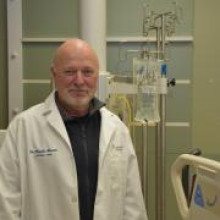
Supported by provincial funding through Ontario's COVID-19 Rapid Research Fund, the research team has launched a clinical trial with critically ill COVID-19 patients at LHSC, using a manufactured form of annexin A5. The goal is to enroll a total of 60 patients for the clinical trial, and enrollment has already begun. “Patients are receiving standard treatment and then those enrolled will also receive the annexin,” says Dr. Martin. “It’s a placebo blinded clinical trial, so patients will either get a lower dose of annexin, a higher dose of annexin, or a placebo.”
If the clinical trial shows promising results, Dr. Feng says the team plans on expanding into a larger phase three trial with not just COVID-19 patients with sepsis, but other sepsis patients as well. “If in fact annexin A5 is shown to be effective in sepsis, then this will be a huge benefit for society because sepsis is the leading cause of death worldwide.”
The drug is currently being produced through a partnership with Suzhou Yabao Pharmaceutical R&D Co., Ltd., based in China, Lawson Health Research Institute, and WorldDiscoveries. “Our long-standing partnership with Suzhou Yabao has enabled annexin A5 drug development to proceed to this point,” says Kirk Brown, Manager of Business Development, Lawson Health Research Institute. “We are now in a unique position through this trial to offer a potential life-saving treatment for this emergent global disease, with the objective of soon expanding to all cause septic patients.”
Time for Canada to reclaim its place as a leader in scientific discovery
The following editorial was provided to Post Media by Dr. David Hill, scientific director, Lawson Health Research Institute.
Last week the Nobel Prizes for 2017 were announced, recognizing incredible advances in science that will impact all our lives for the better. If you were looking for Canadian scientists amongst the teams, you would be disappointed.
According to a federal government report commissioned by the minister of science titled Investing in Canada’s Future — Strengthening the Foundations of Canadian Research and released in April, Canada’s momentum in the sciences has never been worse.
Our country’s investment in key emerging areas such as artificial intelligence, clean technology, nanotechnology, immunotherapy, bioinformatics or bio-engineering is flat-lined or declining, and falling seriously behind competitor nations.
We are not talking about matching the United States or Germany. Canada invests less in science research and development relative to gross domestic product than does Taiwan or Singapore.
Why should we care?
Because smart science delivers technologies we take for granted every day, such as Siri on our iPhones, minimally invasive surgery and secure online banking.
Science also creates companies, delivers high-paying and rewarding jobs, and is the backbone of the economy.
In London, Ont., jobs that depend on advancing science include those at Lawson Health Research Institute, the research institute of London Health Sciences Centre and St. Joseph’s Health Care London and where I work; academic institutions such as Western University and Fanshawe College; and local businesses generating health devices, computer software and engineered products. A lack of investment in science could be devastating to our city.
This report places the failure to invest in science at the door of successive federal governments during the past decade.
Of course, it is not only government that should invest in science. It is industry that takes proven scientific findings and translates them into products we all consume.
But these innovative products need to start somewhere, most often in the laboratory. Fostering high risk, fundamental discovery science should be a core responsibility of government in a knowledge-driven economy.
In Canada, the contribution of federal funds to discovery science is now below 25 per cent of the total research investment, and lower than most of our competitor nations. Consequently, research funds are scarce, laboratories are closing, fewer students are receiving advanced training, and fewer new businesses are emerging.
It is not too late.
The report provides evidence to show that Canadian scientists are still respected leaders in their fields. The engine simply needs fuel.
To return Canada’s discovery science enterprise back to 2006 productivity levels, we require an additional investment of $1.3 billion during four years, representing 0.1 per cent of the entire federal budget for each of those years.
The investment quickly pays for itself. Every $1 invested in fundamental research has been calculated to return $2.20 to $2.50 in direct and indirect economic activity.
Next year’s federal budget is being put together right now in Ottawa, and we have an opportunity to reclaim our past reputation as a discovery nation; a nation that brought the world insulin, the Canadarm, Pablum, canola and the electron microscope.
The journey toward that next Canadian Nobel Prize needs to start now.
Dr. David Hill
Scientific Director
Lawson Health Research Institute
… Delivering Accessible Customer Service St. Joseph’s Health Care, London is committed to delivering accessible care in a manner that respects the dignity and independence … of all patients with disabilities. The provision of care is in the spirit of integration as we seek for the …
Delivering Accessible Customer Service St. Josephs Health Care, London is committed to delivering accessible care in a manner that respects the dignity and independence of all patients with disabilities. The provision of care is in the spirit of integration as we seek for the patient to have the opp...
Top 12 research stories of 2022
As the research institute of London Health Sciences Centre (LHSC) and St. Joseph’s Health Care London, our teams impact the lives of people in Ontario, Canada and around the globe with groundbreaking studies, world firsts and translational research that enhances care, health and wellbeing. Here are some of Lawson Health Research Institute’s top research highlights of 2022.
Researchers looking to better personalize treatment for PTSD
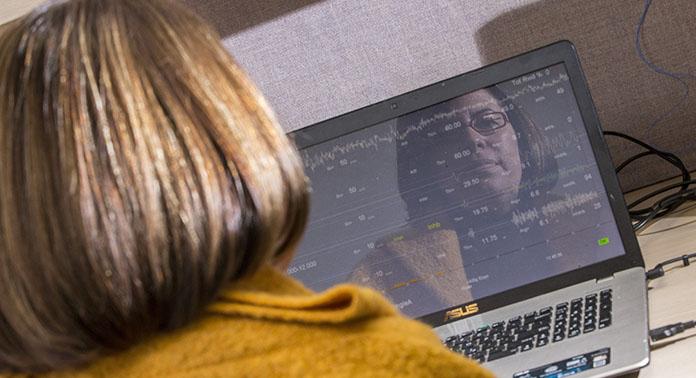
In a new study through Lawson and Western University’s Schulich School of Medicine & Dentistry, scientists are looking at a form of treatment called deep brain reorienting (DBR) for those suffering from post-traumatic stress disorder (PTSD). Read more.
Virtual care associated with significant environmental and patient cost savings
A new study by researchers at ICES, Lawson and Western finds that virtual care during the COVID-19 pandemic led to a significant reduction in carbon dioxide emissions and patient travel-related expenses, such as gasoline, parking or public transit costs. Read more.
Novel test that could easily diagnose blast injury created by local scientists

In a world first, researchers at Lawson and Defence Research and Development Canada have developed a breath test that could be used to diagnose repetitive blast injury – a mild traumatic brain injury resulting from pressure changes that occur during explosions. The device will soon go through clinical trials to validate its efficacy. Read more.
Local researchers using artificial intelligence to lead the way in bedside lung imaging
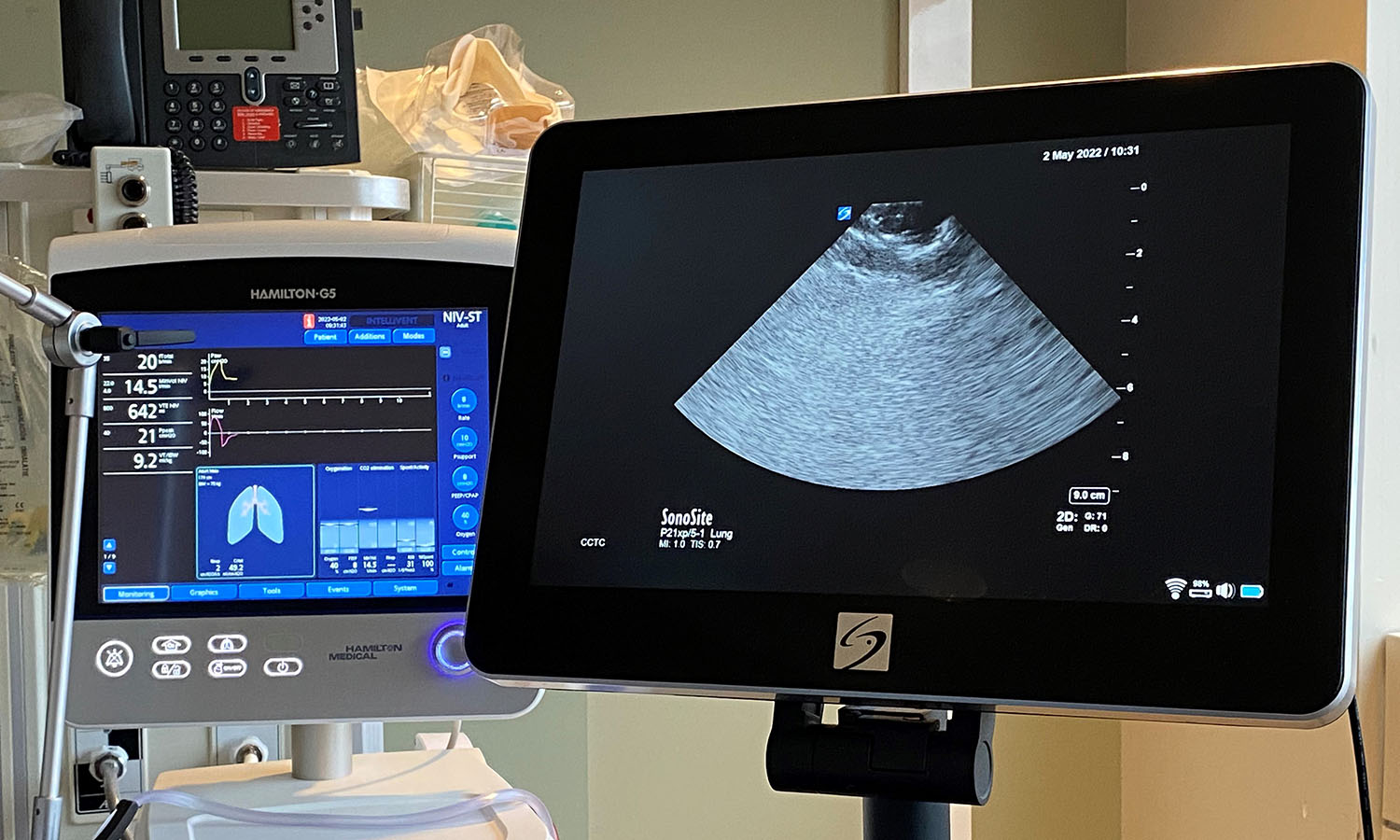
A team at Lawson is testing a new form of artificial intelligence (AI), paired with portable ultrasound machines, to image and identify lung concerns in real time, right at the beside of critically ill patients. Approximately 100 critical care patients at LHSC will be part of this study. Read more.
New tool shows promise in helping people manage traumatic brain injuries one pace at a time
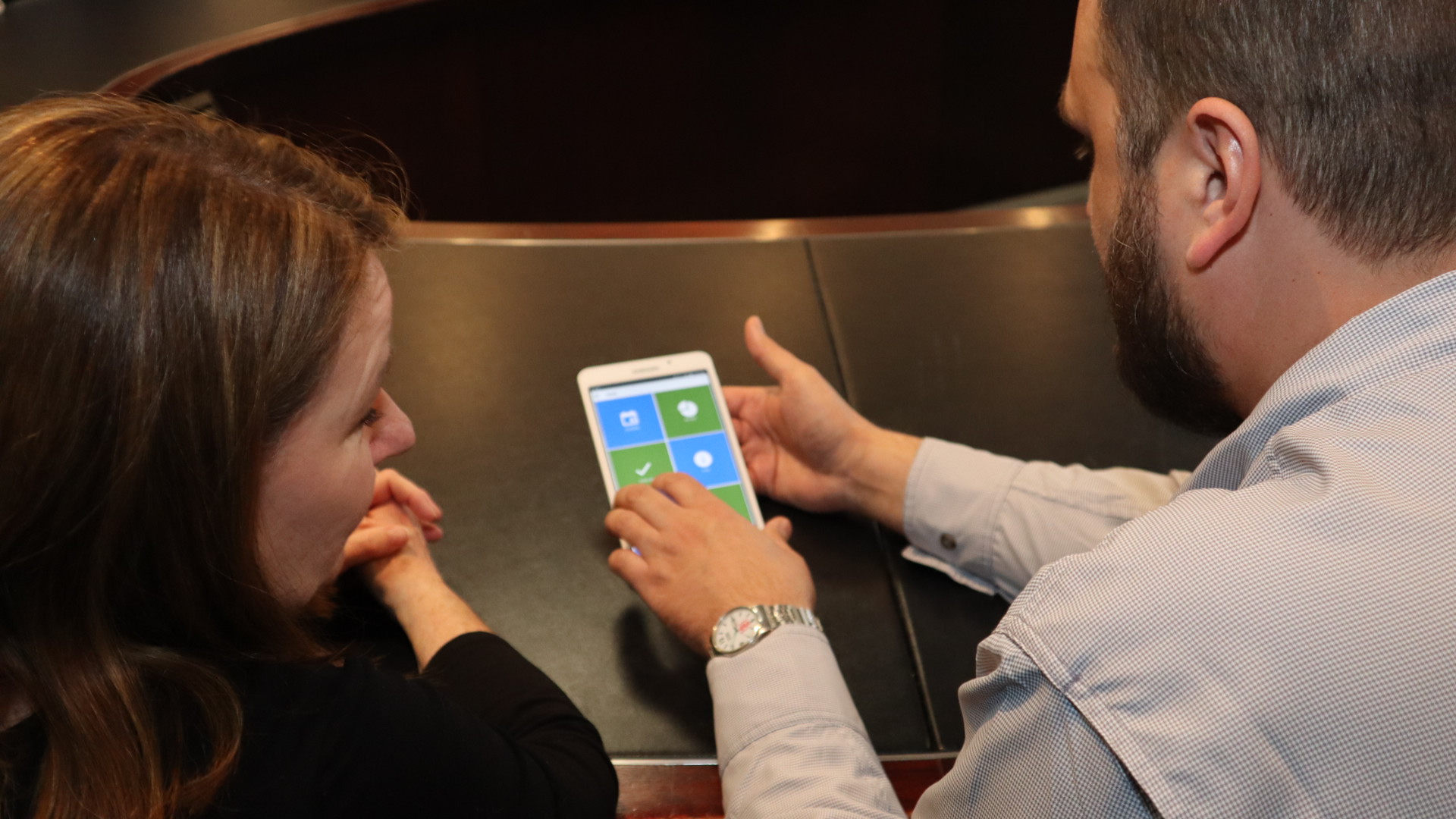
A team at Lawson has developed a new app called MyBrainPacer™ which aims to better assist and treat those living with mild traumatic brain injuries (mTBI), including concussions. mTBI may come with lasting effects that can alter a person’s life. Although a person with a mTBI may appear fine on the outside, many have to pace their day-to-day activities in order to allow the time needed for the brain to properly heal. Much like point tracking used by dieters to monitor food choices, through MyBrainPacer™ App, users can assign values to tasks like driving, grocery shopping, screen use and exercise so they can plan and pace their daily activity. Read more.
Study shows a decline in Veterans' mental health throughout the pandemic

When it comes to mental health conditions, Veterans are an at-risk population, often having higher rates of depression and post-traumatic stress disorder (PTSD). When the COVID-19 pandemic hit, scientists at Lawson wanted to understand its effects on this already at-risk population. They found that more than half of Canadian Veterans reported a decline in their mental health. Read more.
Growing evidence that PSMA imaging improves prostate cancer detection
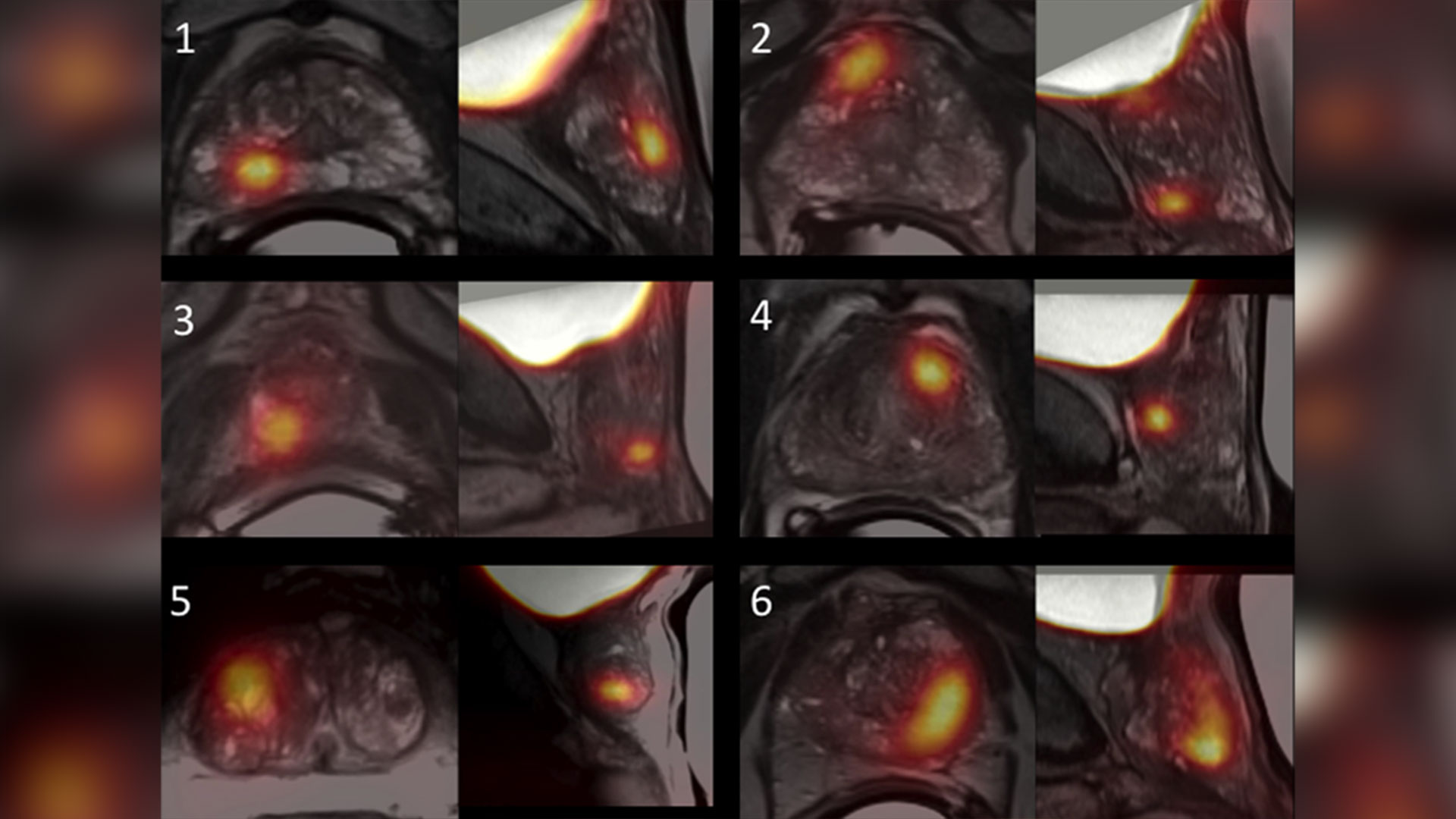
Scientists at Lawson are leading the way in using specialized imaging to detect prostate cancer – the fifth leading cause of cancer death in men around the world. Early evidence indicates that PSMA PET scans have changed how prostate cancer is being treated, but more work is underway to understand the impact of those treatment changes. Read more.
Leveraging virtual reality to manage pain in paediatric patients
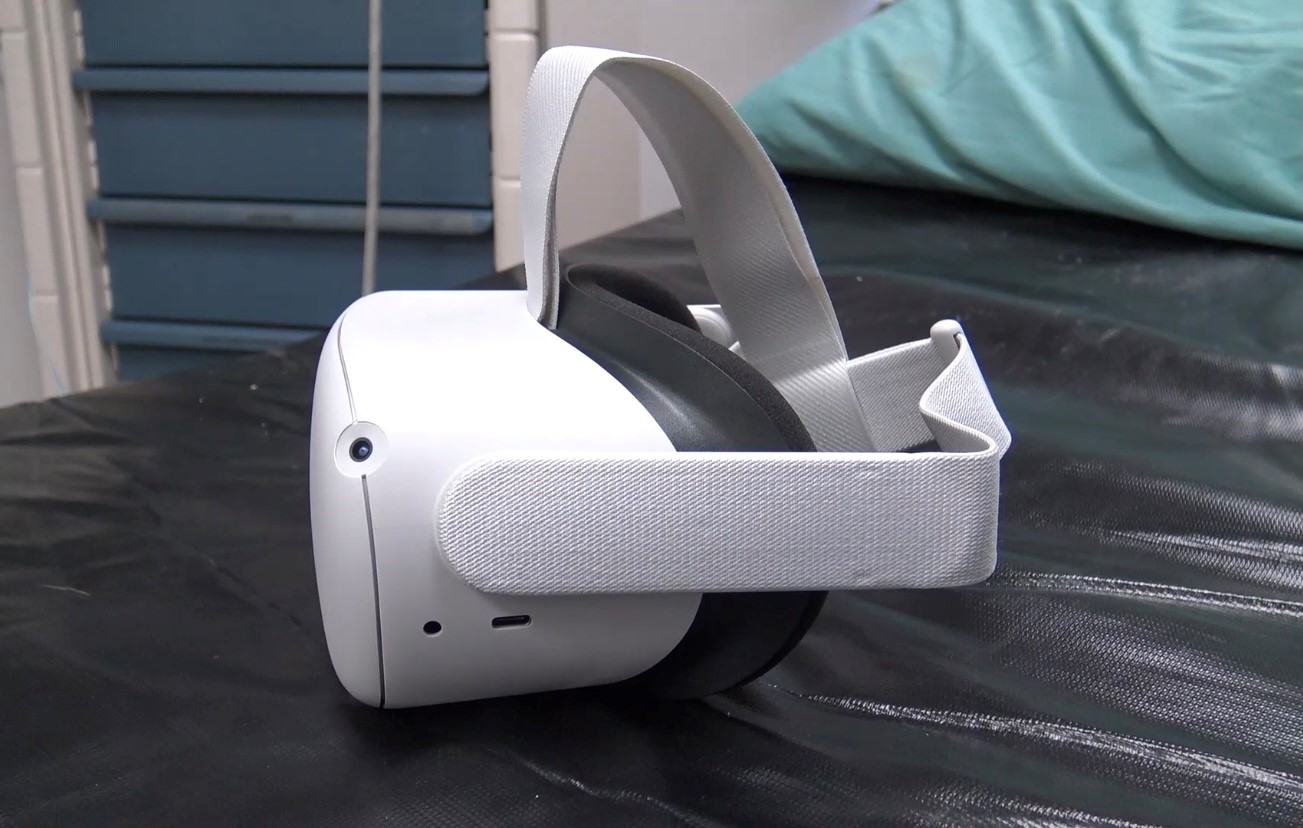
A study underway through Lawson and Children’s Hospital at LHSC is using virtual reality (VR) to help paediatric patients during painful and distressing procedures. The study is focusing on paediatric patients who need port access. A port is a little reservoir that sits underneath the skin that allows access to blood or medication with the use of a needle. Ports are most commonly used in paediatric cancer patients. Read more.
Team players: FMT and microbiome research could have widespread impact
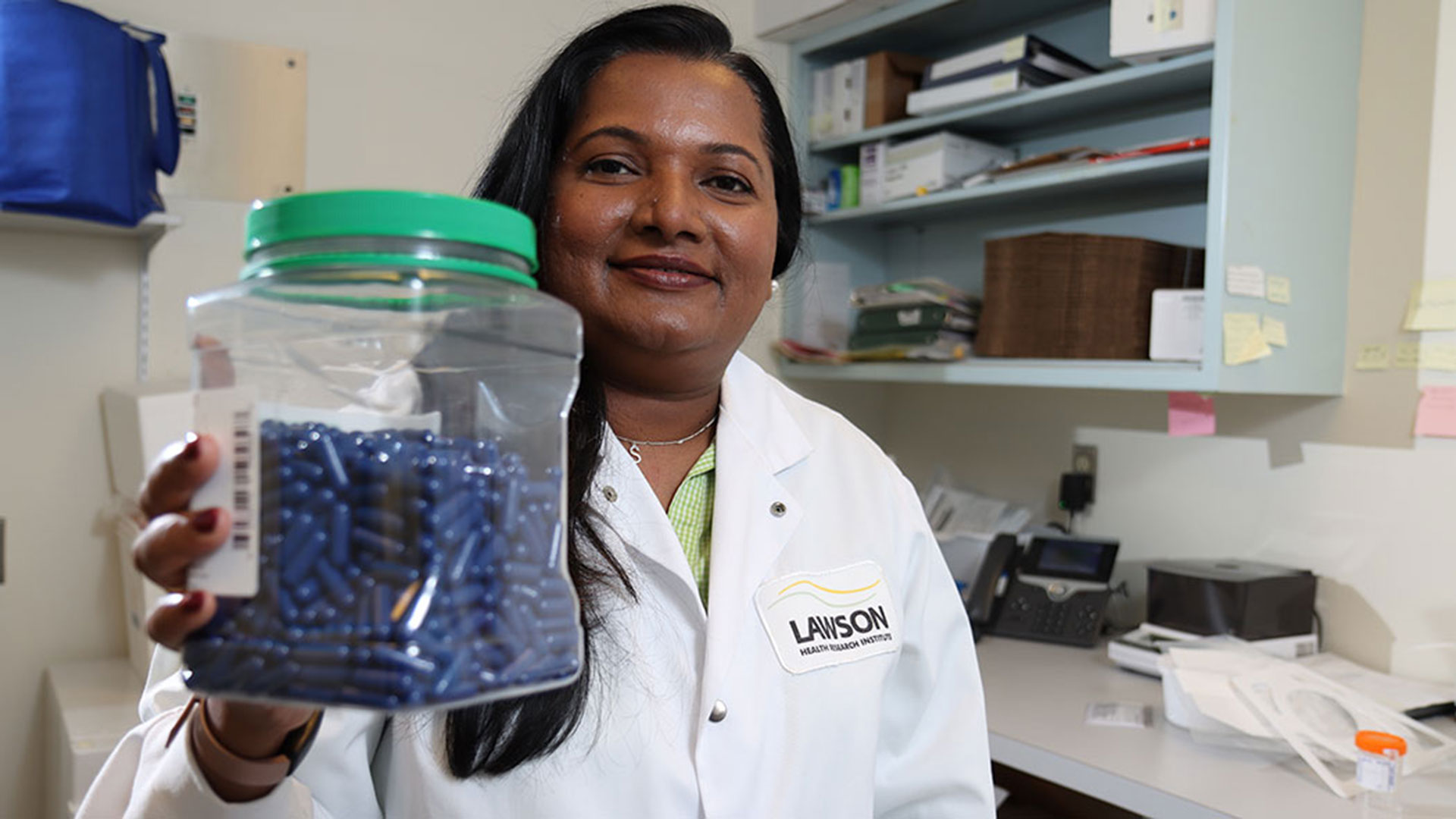
There is still much to learn about the human microbiome and its role in fighting disease, but ongoing studies at Lawson, including a focus on fecal microbial transplants (FMT), are making strides in harnessing this complex system. FMT is being studied in connection with conditions as varied as non-alcoholic fatty liver disease, rheumatoid arthritis, atherosclerosis, HIV, cancer and multiple sclerosis. Read more.
London researchers adapt MRI technology to image salt within the kidneys
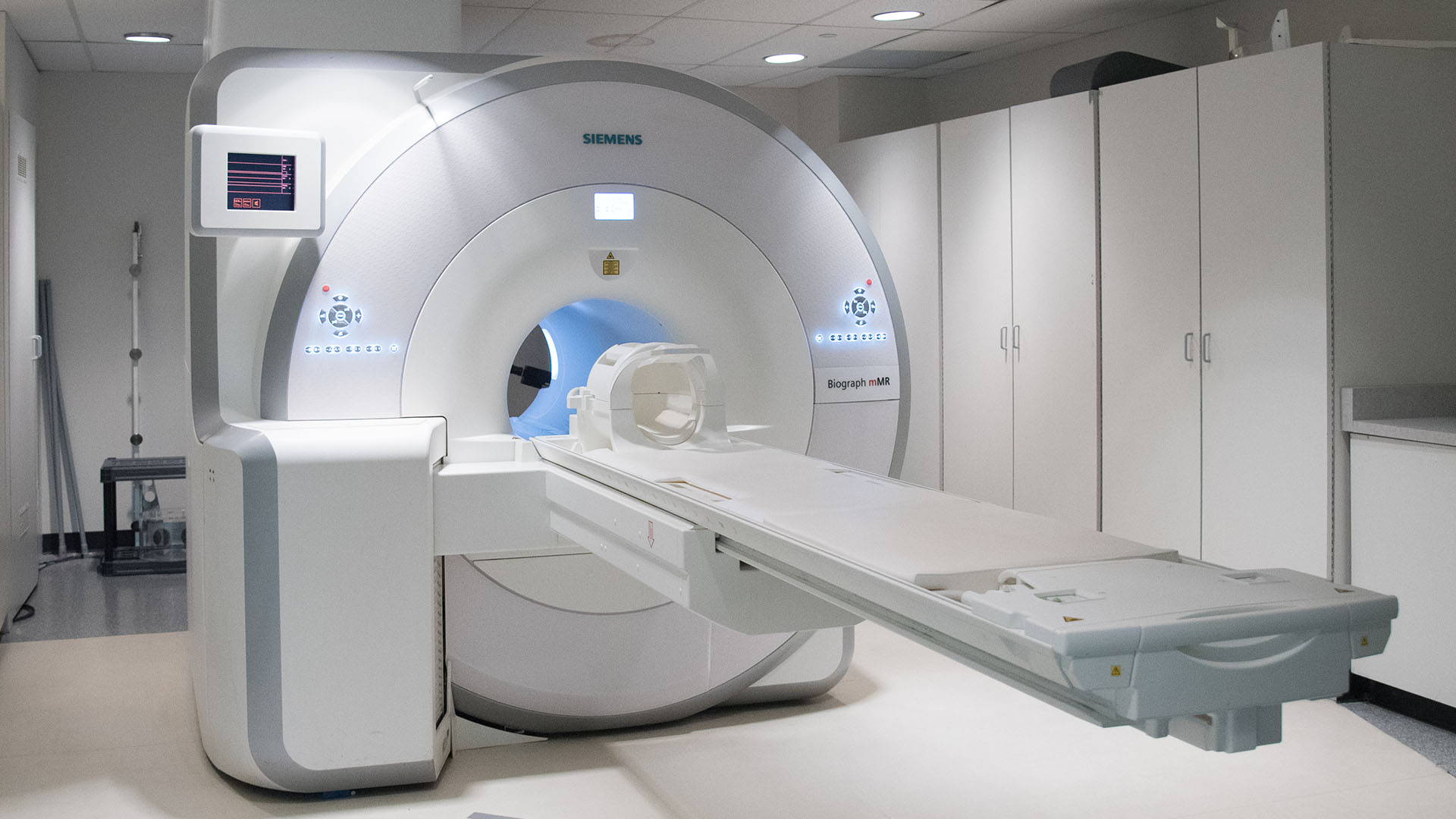
Scientists at Lawson have adapted PET/MRI technology to accurately image salt within the kidneys of patients with kidney disease. Imaging salt within the kidneys has never been accurately accomplished in patients with kidney disease, but Dr. McIntyre and his team developed new technology and software that was adaptable to a PET/MRI machine at St. Joseph’s. Read more.
London researchers discover novel method to diagnose long COVID
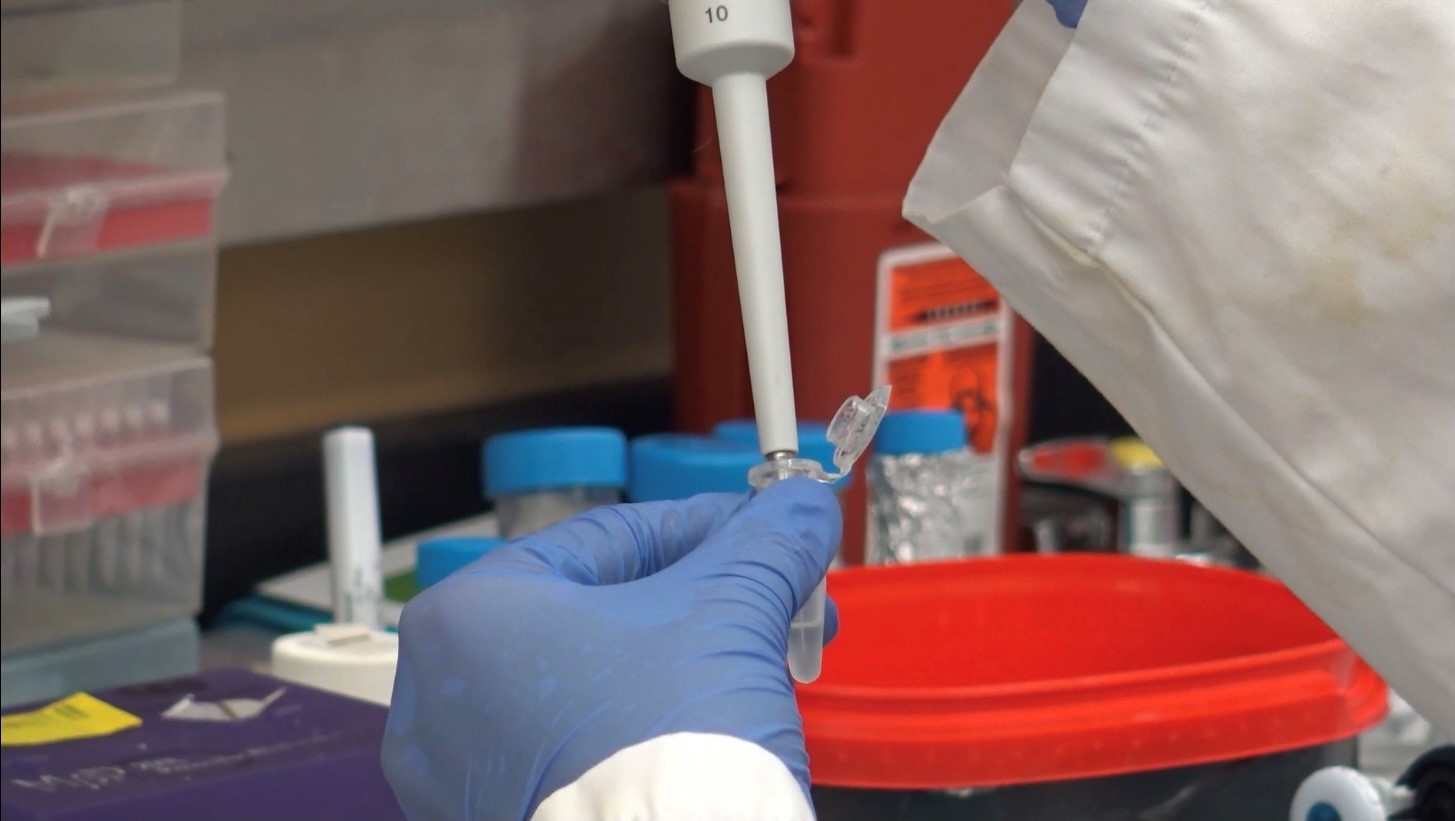
Published in Molecular Medicine, researchers at Lawson have found that patients with post-COVID-19 condition (long COVID) have unique biomarkers in their blood. The team is now working on developing a first of its kind blood test that could be used to diagnose long COVID. The discovery could also lead to new therapeutics for this condition. Read more.
Largest trial ever done in hemodialysis care examines optimal dialysis temperature
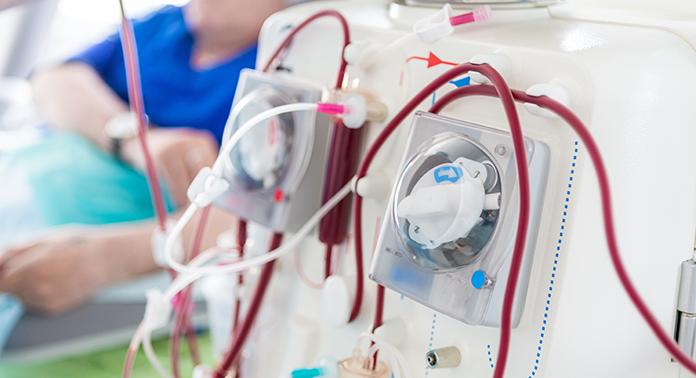
Published in the Lancet findings from a large clinical trial through Lawson, ICES Western and Western University suggest that lowering dialysis temperatures does not lead to improved patient outcomes, despite previous studies suggesting otherwise. Read more.
To learn more about Lawson research studies, please visit our News and Media page
Media Contact
Celine Zadorsky
Senior Media Relations Consultant
Communications & Public Engagement
T: 519-685-8500 ext. 73502
Celine.zadorsky@lhsc.on.ca
… BODY, MIND & SPIRIT SINCE 1869 Renowned for compassionate care, St. Joseph's is one of the best academic health care organizations in Canada dedicated to helping people … of injury, disease and disability through excellence in care, teaching and research. \~ SIJOSEPHs H EALT H CA RE …
CARING FOR THE BODY, MIND & SPIRIT SINCE 1869 Renowned for compassionate care, St. Joseph's is one of the best academic health care organizations in Canada dedicated to helping people live to their fullest by minimizing the effects of injury, disease and disability through excellence in care, teachi...
… BODY, MIND & SPIRIT SINCE 1869 Renowned for compassionate care, St. Joseph's is one of the best academic health care organizations in Canada dedicated to helping people … of injury, disease and disability through excellence in care, teaching and research. \~ SIJOSEPHs H EALT H CA RE …
~ 11 l'TU I j 3 FTUs per arm I I t- 1 U~ for :-:,;:ic:k - nd b " I 1 cl IJ per haool 16 FTUs per leg I t 12 FTl.ls l?"r:foct l CARING FOR THE BODY, MIND & SPIRIT SINCE 1869 Renowned for compassionate care, St. Joseph's is one of the best academic health care organizations in Canada dedicated to help...
… Joining in: St. Joseph’s Virtual Care Helpline 1-519-685-8390 (Mon-Fri 8AM – 4PM) Total … to protect your safety. Informed Consent for Virtual Care PLEASE ENSURE THAT YOU READ THIS DOCUMENT THROUGHT TO … and how to plan for your return home and follow-up care. There are many benefits – no travel time or costs, …
Joining in: St. Josephs Virtual Care Helpline 1-519-685-8390 (Mon-Fri 8AM 4PM) Total Shoulder Arthroplasty Program Virtual Group Instructions A few days before your appointment: Read (and re-read!) the instructions weve sent by email. Download and do a test run of the required app (WebEx) and / o...
… sections 34 to 42; Ontario Regulation 67/93 - Health Care, sections 98 to 117 (Flammable Liquids, Material … sections 34 to 42; Ontario Regulation 67/93 - Health Care, sections 98 to 117 (Flammable Liquids, Material …
Working Safely with Chemicals Program Components 1. Safe Chemical Concepts 2. Safe Use and Storage of Chemicals 3. Hazardous Waste 4. Emergency Procedures 3 Occupational Health and Safety Act Part IV (Toxic Substances), sections 34 to 42; Ontario Regulation 67/93 - Health Care, sections 98 to 117...
… S!JOSEPHs HEALTH CARE LONDON I I I I I I Outpatient Transitional and Lifelong Care (TLC) Program Referral Parkwood Institute 500 … S!JOSEPHs HEALTH CARE LONDON I I I I I I Outpatient Transitional and Lifelong Care (TLC) Program Referral Parkwood Institute 500 …
S!JOSEPHs HEALTH CARE LONDON I I I I I I Outpatient Transitional and Lifelong Care (TLC) Program Referral Parkwood Institute 500 Wellington Rd. London, On. N6C 0A7 Phone: 519-685-4292 X 44579 DATE OF REFERRAL:_________________ Fax: 519-685-4075 Patient Name: Referring Physician: DOB (YY/MM/DD): Phon...
… letter, medication list, and contact numbers for health care team • Other supplies: first aid kit, sunscreen, insect … letter, medication list, and contact numbers for health care team • Other supplies: first aid kit, sunscreen, insect …
Travel with an Insulin Pump Tips: Carry everything that you need on board the airplane. See list on the next page. Additional items may also be packed in checked luggage, but all insulin and test strips should be carried with you as it may be exposed to extreme temperatures in transit. Write down yo...
… letter with medication list and contact numbers for health care team For more information about diabetes and travel … letter with medication list and contact numbers for health care team For more information about diabetes and travel …
Travel with an insulin pump Carry everything that you need on board the airplane. See list on reverse. Additional items may also be packed in checked luggage, but all insulin should be carried with you because it may be exposed to extreme temperatures in transit. Write down your current basal rates ...
… ST. JOSEPH’S HEALTH CARE FOUNDATION’S TRIBUTE DINNER GUEST REGISTRATION FORM … Requirements 1 2 3 4 5 6 7 8 9 10 *Yes, St. Joseph’s Health Care Foundation may contact me through email … ST. JOSEPH’S HEALTH CARE FOUNDATION’S TRIBUTE DINNER GUEST REGISTRATION FORM …
ST. JOSEPHS HEALTH CARE FOUNDATIONS TRIBUTE DINNER GUEST REGISTRATION FORM Wednesday, October 9 | 6:00 10:00 p.m. | RBC Place London To ensure you and your guests receive event details and we have all required information, please complete this form and return before September 18 to mackenzie.pace@s...
… ST. JOSEPH’S HEALTH CARE FOUNDATION’S TRIBUTE DINNER GUEST REGISTRATION FORM … Requirements 1 2 3 4 5 6 7 8 9 10 *Yes, St. Joseph’s Health Care Foundation may contact me through email … ST. JOSEPH’S HEALTH CARE FOUNDATION’S TRIBUTE DINNER GUEST REGISTRATION FORM …
ST. JOSEPHS HEALTH CARE FOUNDATIONS TRIBUTE DINNER GUEST REGISTRATION FORM Friday, October 20 | 6:00 10:00 p.m. | RBC Place London To ensure you and your guests receive event details and we have all required information, please complete this form and return before September 29 to events@sjhc.london...
Two Lawson researchers each receive $400K CIHR grants to improve kidney care
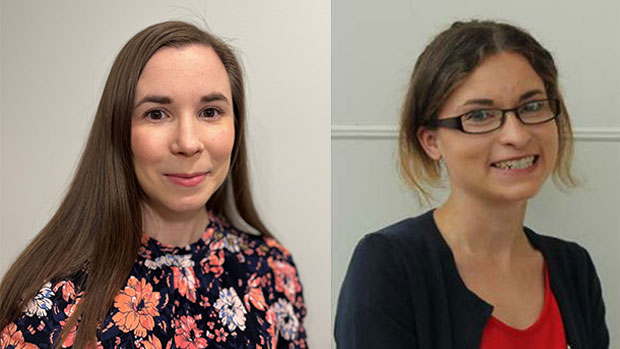
Two researchers at Lawson Health Research Institute have each been awarded $400,000 as part of the Canadian Institute of Health Research’s (CIHR) new Health System Impact Embedded Early Career Researcher Awards.
The funding will see the researchers apply their skills to find and implement solutions to improve kidney care by focusing on challenges in the health-care system.
Dr. Kyla Naylor and Dr. Danielle Nash will each spend four years working with provincial organizations. Dr. Naylor will work with the Trillium Gift of Life Network -Ontario Health, which is the organization responsible for coordinating provincial organ and tissue donation and transplant services. Dr. Nash will work with the Ontario Renal Network - Ontario Health, which is the organization responsible for managing delivery of advanced kidney services in the province.
“The treatment options for kidney failure is either a kidney transplant or dialysis. The majority of Canadians who have kidney failure receive dialysis,” says Dr. Naylor, who is an Associate Scientist at Lawson and an Adjunct Scientist at ICES. “However, a kidney transplant compared to dialysis can improve a patients’ quality of life, can give on average 10 more years of survival, and when compared to dialysis, can save the health-care system millions of dollars.”
In her research program, Dr. Naylor will begin by developing a kidney transplant measurement framework that will enable continuous performance monitoring and increase equitable access to transplant.
“The first goal of this project will allow kidney transplant centres and regional renal programs to evaluate their performance and set goals towards improvement,” Dr. Naylor says. “The second is to improve kidney transplant education materials to provide patients with the information to make an informed decision about kidney transplant, and the third is to address geographical barriers to transplantation.”
Dr. Naylor will be using ICES data, which includes administrative health-care data for Ontario’s 14.5 million residents, with the goal of eventually making access to kidney transplantation more equitable for the thousands of Canadians living with kidney failure.
The goal of Dr. Nash’s research program is to use a learning health system model to better understand patient-identified gaps in kidney care across Ontario, and to develop solutions to fill these gaps in collaboration with the Ontario Renal Network and patient partners.
“Chronic kidney disease is a serious illness that can lead to kidney failure. The best way to prevent kidney failure is to detect chronic kidney disease early and provide optimal care during this time,” explains Dr. Nash, who is also an Epidemiologist and Scientist with London Health Science Centre’s (LHSC) Kidney Dialysis and Transplantation Program. “Since many patients do not have symptoms, it can go unnoticed for a long time. However, it can be detected using simple blood and urine tests.”
Province-wide data from ICES Ontario and the Ontario Renal Network will be used for the research data.
As part of both studies, the researchers will also be interviewing health-care providers and patients to assess additional barriers to treatment.
“One in four patients do not see a nephrologist in a timely manner and 60 per cent are not receiving adequate time in multidisciplinary kidney care clinics before initiating dialysis,” says Dr. Nash. “Education on treatment options (typically dialysis or a kidney transplant) needs to happen early for patients who are at high risk for kidney failure, so they can make an informed decision about treatment.”
Partners
Media Contact
Amanda Taccone
Communications Consultant & External Relations
Lawson Health Research Institute
T: 519-685-8500 ext. ext. 64059
C: 226-919-4748
@email
Two new research chairs announced for imaging
In a historical-first, St. Joseph’s Health Care Foundation and Western University announced two research chairs that are a critical step toward new approaches in imaging research and patient care in London and around the world. The combined value of both innovative new research chairs is $6.5M, which will be endowed in perpetuity to advance imaging research at Western University and Lawson Health Research Institute.
The research chairs have been named after the two scientists who are revolutionizing health care through their groundbreaking imaging research – Drs. Ting-Yim Lee and Frank Prato.
“These Chairs build on the legacy of exceptional imaging leadership across our academic, research and healthcare organizations. They are a critical step towards new approaches in medical technology and hospital-based research that will revolutionize patient care,” says Dr. Gillian Kernaghan, President and CEO, St. Joseph’s Health Care London.
Research teams in the city are using state-of-the-art imaging technology to help clinicians better predict and diagnose illnesses before their unset. And uncover why, and how, illness forms to one day find a cure to some of the most devastating diseases in the world.
“We’ve come to know medical imaging as one of the cornerstones of innovation and discovery at Lawson, and the two new research chairs represent two monumental leaps forward in the field of imaging research,” adds Dr. David Hill, Lawson Scientific Director.
The Ting-Yim Lee Chair in Cardiac Computerized Tomography (CT) Imaging Research has been established through the generosity of Ting-Yim and Maggie Lee and a joint funding collaboration between St. Joseph’s Foundation and Western University.
Dr. Ting Yim Lee is a scientist and professor of the Schulich School of Medicine & Dentistry, medical physicist at St. Joseph’s Health Care London and a scientist with Lawson’s Imaging program. Through his leadership, The Ting-Yim Lee Chair in Cardiac Computerized Tomography (CT) Imaging Research will transform the way clinicians diagnose, and prevent, severe tissue damage in persons who have experienced a cardiac event.
“Over the past 28 years, St. Joseph’s and Western have created opportunities for me and supported my research endeavor in many ways. I feel this gift is the best way to repay the help that I have received. We are onto something that is worthwhile and successful. By setting up this Chair, there would be a significant person – a clinician-scientist – to lead the next phase of the cardiac CT program. I am really humbled that the institutions see the value in this research and have contributed to guarantee that we have the necessary leader to carry forth this development,” says Dr. Lee.
This Chair represents the next phase of CT imaging research, focused on developing software and new methods that will save people’s lives.
The Dr. Frank Prato Research Chair in Molecular Imaging has been established to further enhance scientific understanding in the specialty of molecular imaging – building upon St. Joseph’s internationally-recognized leadership in imaging excellence.
Dr. Frank Prato is a scientist and professor of the Schulich School of Medicine & Dentistry, Chief Medical Physicist at St. Joseph’s Health Care London and the Founder and Program Leader of Lawson’s Imaging Program. Through his visionary leadership, The Dr. Frank Prato Research Chair in Molecular Imaging will improve the way clinicians effectively diagnose disease and actively correct the course of treatments in real time for life-threatening illnesses.
“I am truly honoured to have this Research Chair in Molecular Imaging named after myself. Over the past 40 years I have been privileged to work with outstanding people and incredible resources. Today Medical Imaging has become a cornerstone of care at St Joseph's Hospital. Here at St Joseph's we realize patient stewardship includes research as an essential part of the patient care continuum and that discovery, through research, leads to improved patient care. The holder of this chair will help lead us into the next frontier of medical imaging directly benefiting our local, national and global communities,” says Dr. Prato.
This Chair represents the next phase of precision medicine using molecular imaging to distinguish between varying forms of dementias, cancers, and to detect the early onset of cardiac disease and diabetes before symptoms emerge.
“With this historic announcement, we are marking a new phase of partnership and collaboration between our institutions and celebrating the generosity of donors who have helped create two significant research chairs,” explains Dr. Amit Chakma, President and Vice-Chancellor, Western University. “Together we will ensure that London remains at the forefront of medical imaging research and teaching.”
These Chairs will also have a greater role to play in the local health care community by attracting, and retaining, the research talent needed to innovate the way London’s hospitals and Western tackle the most pressing health issues Canadians face today.
Scientist
… ~ SIJOSEPHs HEALTH CARE LONDON -- - - - Diabetes Education Centre Three Day … Bedtime Glucose: Updated: August 2021 ~ SIJOSEPHs HEALTH CARE LONDON Diabetes Education Centre Three Day Food Record … (bedtime snack) Updated: August 2021 ~ SIJOSEPHs HEALTH CARE LONDON Diabetes Education Centre Three Day Food Record …
~ SIJOSEPHs HEALTH CARE LONDON -- - - - Diabetes Education Centre Three Day Food Record Type 1 Multiple Daily Injections Patient Information Name: Date of Birth (MM/DD/YYY): Affix patient label here Health Card Number: To provide us with a sense of your current eating habits, please complete the th...
… ~ SIJOSEPHs HEALTH CARE LONDON -- - - - Diabetes Education Centre Three Day … Bedtime Glucose: Updated: August 2021 ~ SIJOSEPHs HEALTH CARE LONDON Diabetes Education Centre Three Day Food Record … Bedtime Glucose: Updated: August 2021 ~ SIJOSEPHs HEALTH CARE LONDON Diabetes Education Centre Three Day Food Record …
~ SIJOSEPHs HEALTH CARE LONDON -- - - - Diabetes Education Centre Three Day Food Record Type 1 Pump Patient Information Name: Date of Birth (MM/DD/YYY): Affix patient label here Health Card Number: To provide us with a sense of your current eating habits, please complete the three-day food record b...
… ~ SIJOSEPHs HEALTH CARE LONDON Diabetes Education Centre Three Day Food Record … BG: ______ Updated: August 2021 wj~ SIJOSEPHs HEALTH CARE LONDON … ~ SIJOSEPHs HEALTH CARE LONDON Diabetes Education Centre Three Day Food Record … BG: ______ Updated: August 2021 wj~ SIJOSEPHs HEALTH CARE LONDON …
~ SIJOSEPHs HEALTH CARE LONDON Diabetes Education Centre Three Day Food Record Type 2 Patient Information Name: Date of Birth (MM/DD/YYY): Affix patient label here Health Card Number: To provide us with a sense of your current eating habits, please complete the three-day food record below. Eat as y...
… – Vic/Children’s F: 519-667-6826 St. Joseph’s Health Care London F: 519-646-6204 London Health Sciences Centre … ________________ Outpatient Inpatient ED Long Term Care WSIB: Y N WSIB No.: ________________________ Date … Off Outpatient: Off Inpatient: Off ED: Off Long Term Care: Off Complete Abdomen & Limited Pelvic: Off Limited …
ULTRASOUND REQUISITION Site: London Health Sciences Centre Vic/Childrens F: 519-667-6826 St. Josephs Health Care London F: 519-646-6204 London Health Sciences Centre UH F: 519-633-3034 ABDOMINAL ULTRASOUND: Complete Abdomen & Limited Pelvic (Aorta, Gallbladder, Liver, Pancreas, Kidneys, Spleen...