


Search
Search
3185 Search Results:
… wJ tSIJOSEPHs HEALTH CARE LONDON □ □ □ □ □ □ □ □ □ □ □ □ □ □ □ □ … wJ tSIJOSEPHs HEALTH CARE LONDON □ □ □ □ □ □ □ □ □ □ □ □ □ □ □ □ …
wJ tSIJOSEPHs HEALTH CARE LONDON _____________________ _________________________ ____________ ________________ REQUEST FOR CONSULTATION Asthma and Immunology Program St. Josephs Hospital 268 Grosvenor St, London, ON N6A 4V2 Physicians: Dr. H. Kim, Dr. M. Kuprowski, Dr. S. Jeimy, Dr. ...
… Allergy & Immunology Dr. M. Kuprowski St. Joseph’s Health Care London Dr. W. Moote St. Joseph’s Health Care London Dr. H. Roberts St. Joseph’s Health Care London Dr. F. White Kitchener Dr. Samira Jeimy St. … Allergy & Immunology Dr. M. Kuprowski St. Joseph’s Health Care London Dr. W. Moote St. Joseph’s Health Care London Dr. …
_______________ PRESENTERS _______________ Division of Allergy & Immunology Dr. M. Kuprowski St. Josephs Health Care London Dr. W. Moote St. Josephs Health Care London Dr. H. Roberts St. Josephs Health Care London Dr. F. White Kitchener Dr. Samira Jeimy St. Josephs Health Care London Dr. Harold Kim ...
… Leeson R.Ph., B.Sc., B.Sc.Pharm., CDE St. Joseph’s Health Care London … medication cost/coverage issues as they impact patient care Key Challenges Of T1DM Patient unable to produce own … for self-monitoring of blood glucose ABCDES3 Of Diabetes Care A • A1c – optimal glycemic control (usually ≤7%) B …
EVERYTHING YOU WANTED TO KNOW ABOUT DIABETES MEDICATIONS MAY 4, 2018 David Leeson R.Ph., B.Sc., B.Sc.Pharm., CDE St. Josephs Health Care London http://www.google.com/url?sa=i&rct=j&q=&esrc=s&source=images&cd=&cad=rja&uact=8&ved=2ahUKEwiQ3vHf8MjaAhUT0IMKHRP-BWUQjRx6BAgAEAU&url=http://starwars.wikia.c...
An image of the future: Innovations in imaging research
Lawson Health Research Institute (Lawson) has long been a leader in biomedical imaging. The first Canadian magnetic resonance imaging (MRI) of a human occurred at St. Joseph’s Health Care London (St. Joseph’s). The country’s first positron emission tomography/computed tomography (PET/CT) and positron emission tomography/magnetic resonance imaging (PET/MRI) scanners were also installed at St. Joseph’s. New developments in imaging research continue to enhance the diagnosis, prevention and treatment of a wide range of diseases, from cancer to post-traumatic stress disorder.
On May 23, Lawson hosted a Café Scientifique event where a panel of Lawson Imaging scientists discussed their cutting-edge work. Guests had the opportunity to ask questions as part of an open-forum discussion to gain insights from the speakers, and from one another.
In celebration of Canada’s 150th anniversary as a nation, this event is the first of a two-part series focusing on the future vision for health care in Canada and the legacy that research at Lawson will leave.
Imaging of the heart: Seeing the cause of chest pain more clearly
By Dr. Ting-Yim Lee, Lawson scientist, Medical Physicist at St. Joseph’s, professor at Western University’s Schulich School of Medicine & Dentistry, and scientist at Robarts Research Institute
When patients with chest pain arrive in the emergency department, they are given an electrocardiogram (ECG) and blood test. These diagnostic tests determine if the pain has a non-cardiac cause (such as heart burn), if it is caused by a heart attack, or if the patient has angina (plaque formation in the coronary arteries that either reduces or temporarily cuts off blood flow to the heart) but did not have a heart attack.
If a patient has angina, they are then given additional diagnostic testing to see whether a blood clot has formed and where it is located. This is determined by two different imaging techniques: x-ray imaging (angiogram) and nuclear imaging. This process is invasive and means that patients must be scheduled for two different exam days. Using two techniques also means that there can be image misalignment, and the images often provide poor detail.
Dr. Ting-Yim Lee’s lab has pioneered a Computed Tomography (CT) method for imaging blood flow to the heart muscle (CT Perfusion), which can help patients avoid unnecessary tests and treatment, as well as reduce health care costs.
“CT imaging is a non-invasive imaging technique that uses x-rays to create high-detail cross-sectional images of the body. Using this method, we can evaluate the degree of blockage in coronary arteries – with one diagnostic test instead of two,” says Dr. Lee.
Using light and sound to improve breast surgery
By Dr. Jeffrey Carson, Lawson scientist and associate professor at Western University’s Schulich School of Medicine & Dentistry
“Most women diagnosed with breast cancer undergo surgery, and months of chemotherapy and radiotherapy. They must deal with the discomfort, side-effects, emotional stress and financial burden of treatment. Almost one in four surgeries for breast cancer must be repeated, meaning many women have to go through this all over again,” says Dr. Jeffrey Carson.
In breast conserving surgery, there is a high chance of repeat surgery as the surgeon must see and remove 100 per cent of the tumour in order for it to be successful. They are not able to determine whether the entire tumour was removed until after the surgery has been completed.
Dr. Carson and his team at St. Joseph’s have developed a technology called Intraoperative Photoacoustic Tomography (iPAT), which has the potential to reduce the chance of repeat surgery for breast cancer. The technology is able to image surgery specimens in the operating room during surgery, allowing surgeons to determine whether the whole tumour has been removed before the surgery is complete.
How imaging can improve the management of epilepsy
By Dr. Udunna Anazodo, postdoctoral fellow at Lawson
Most patients with epilepsy are effectively treated with antiepileptic drugs. However, 36 per cent will not respond to the drugs. For these patients, surgery on the area of the brain that is causing seizures is the standard of care – if patients are good surgical candidates.
“If patients with epilepsy are to undergo surgery there must be a good indication of where the seizure focus is and it must be possible to determine that removing this portion of the brain will not affect brain function,” says Dr. Udunna Anazodo.
To see whether they are good candidates for surgery, patients must undergo an invasive procedure called intracranial monitoring, where electrodes are placed on the brain.
Dr. Anazodo has been studying how PET/MRI can be used to map seizures with the goal of minimizing the need for invasive intracranial monitoring. This technique makes it possible to locate areas in the brain that cause seizures and to see if the seizures affect brain functions.
See photos from the event on Lawson’s Facebook page.
Image
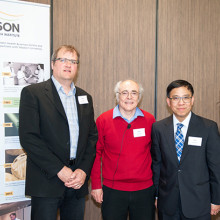
Above: Café Scientifique presenters (from left to right): Drs. Jeffrey Carson, Frank Prato (moderator), Ting-Yim Lee and Udunna Anazodo.
An image of the future: Innovations in imaging research
11:00pm - 1:00am
Lawson Health Research Institute has long been a leader in biomedical imaging. The first MRI images in Canada were captured at St. Joseph’s Hospital and we were the first in the country to install PET/CT and PET/MRI scanners. New developments in imaging research continue to enhance the diagnosis, prevention and treatment of a wide range of diseases, from cancer to PTSD.
You are invited to Lawson’s Café Scientifique, a free community event providing an informal opportunity to get involved with science. Hear a panel of Lawson Imaging scientists discuss their cutting-edge work and have the opportunity ask questions as part of an open-forum discussion to gain insights from the speakers, and from one another.
In celebration of Canada’s 150th anniversary as a nation, this event is the first of a two-part series focusing on the future vision for health care in our country and the legacy our research will leave.
Presented Talks
- “Imaging of the heart: Seeing the cause of chest pain more clearly”
Dr. Ting-Yim Lee - “Using light and sound to improve breast surgery”
Dr. Jeff Carson - “How imaging can improve the management of epilepsy”
Dr. Udunna Anazodo - MODERATOR – Dr. Frank Prato
Registration
To register, please complete our registration form. To sign up to our email list for notification of future events, please email @email.
Event Information
Date: Tuesday, May 23, 2017
Time: 7 to 9 p.m.
Location: Mercato at Brescia University College, Clare Hall, 271 Ramsay Road, London ON, N6G 0S2
An innovative year: Top 12 research stories of 2023
It’s been another year of transformational research at Lawson Health Research Institute. Our teams have published groundbreaking findings and launched new studies that will have a profound impact on patient care.
The following are 12 highlights of research and innovation from across London Health Sciences Centre (LHSC) and St. Joseph’s Health Care London (St. Joseph’s). From trialing new cancer treatments to advancing understanding of mental health, our research teams have achieved a number of important milestones.
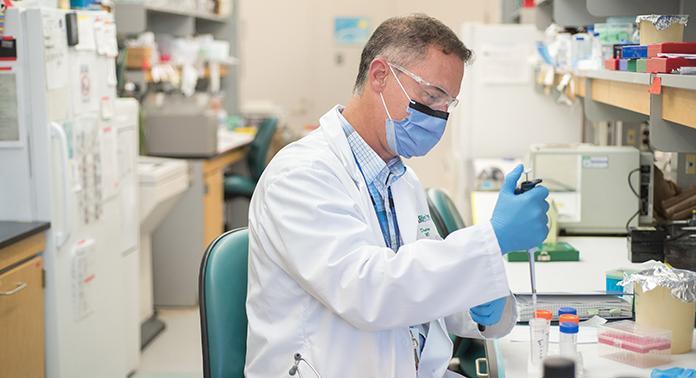
1. New study suggests blood plasma proteins hold answers to better understanding long COVID
Lawson researchers continued to advance understanding of COVID-19 this past year. In one study, researchers found that unique patterns in blood plasma proteins of patients with suspected long COVID could act as a drug target to improve patient outcomes. Read more.
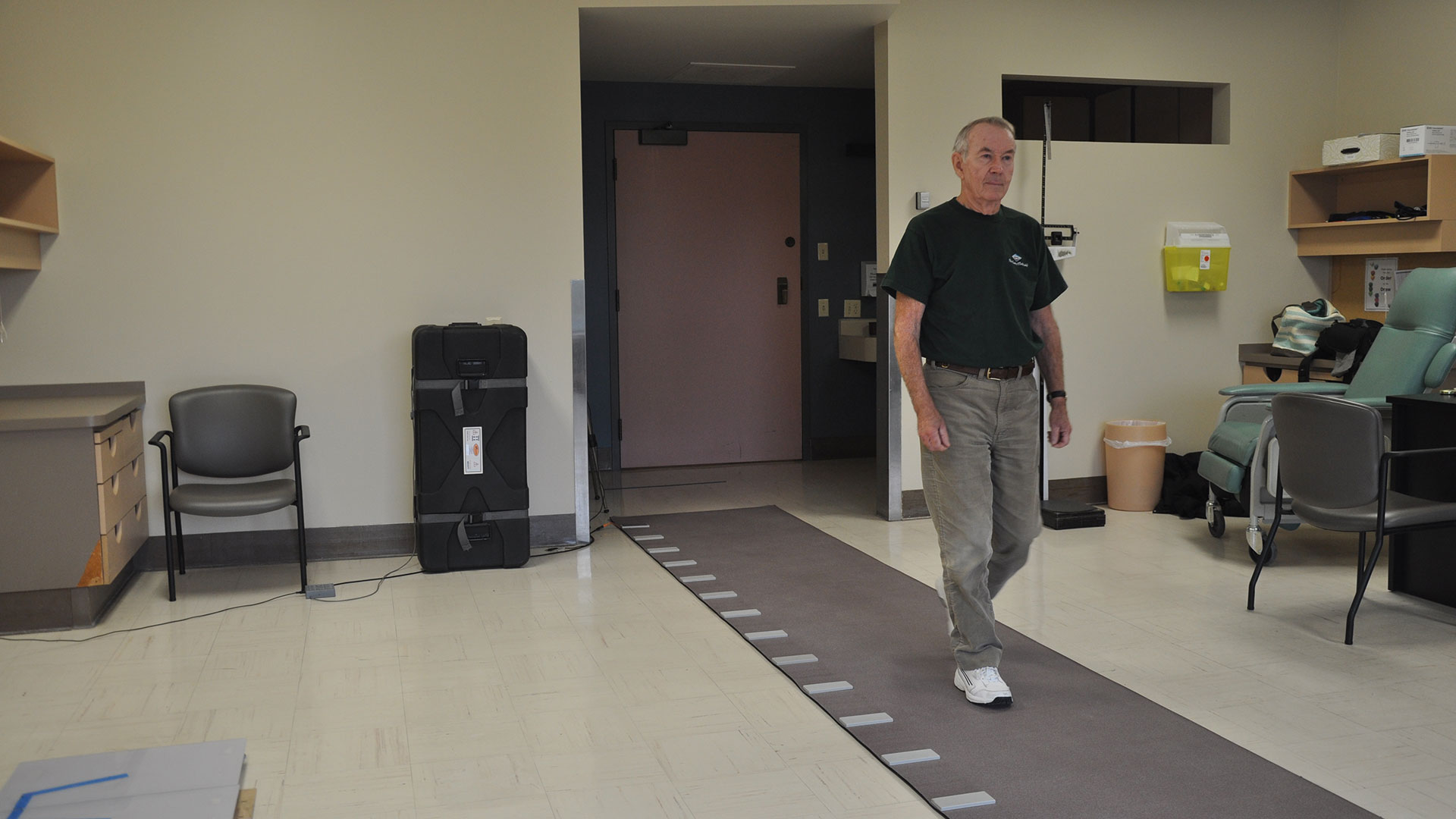
2. New study finds exercise, cognitive training combo boosts mental sharpness in seniors
A study from Lawson and Western University found that a combination of computerized cognitive training and aerobic-resistance exercises can improve functions like memory, attention, recognition and orientation in older adults with mild cognitive impairment. The results suggest a new way to address declining mental sharpness in older adults. Read more.
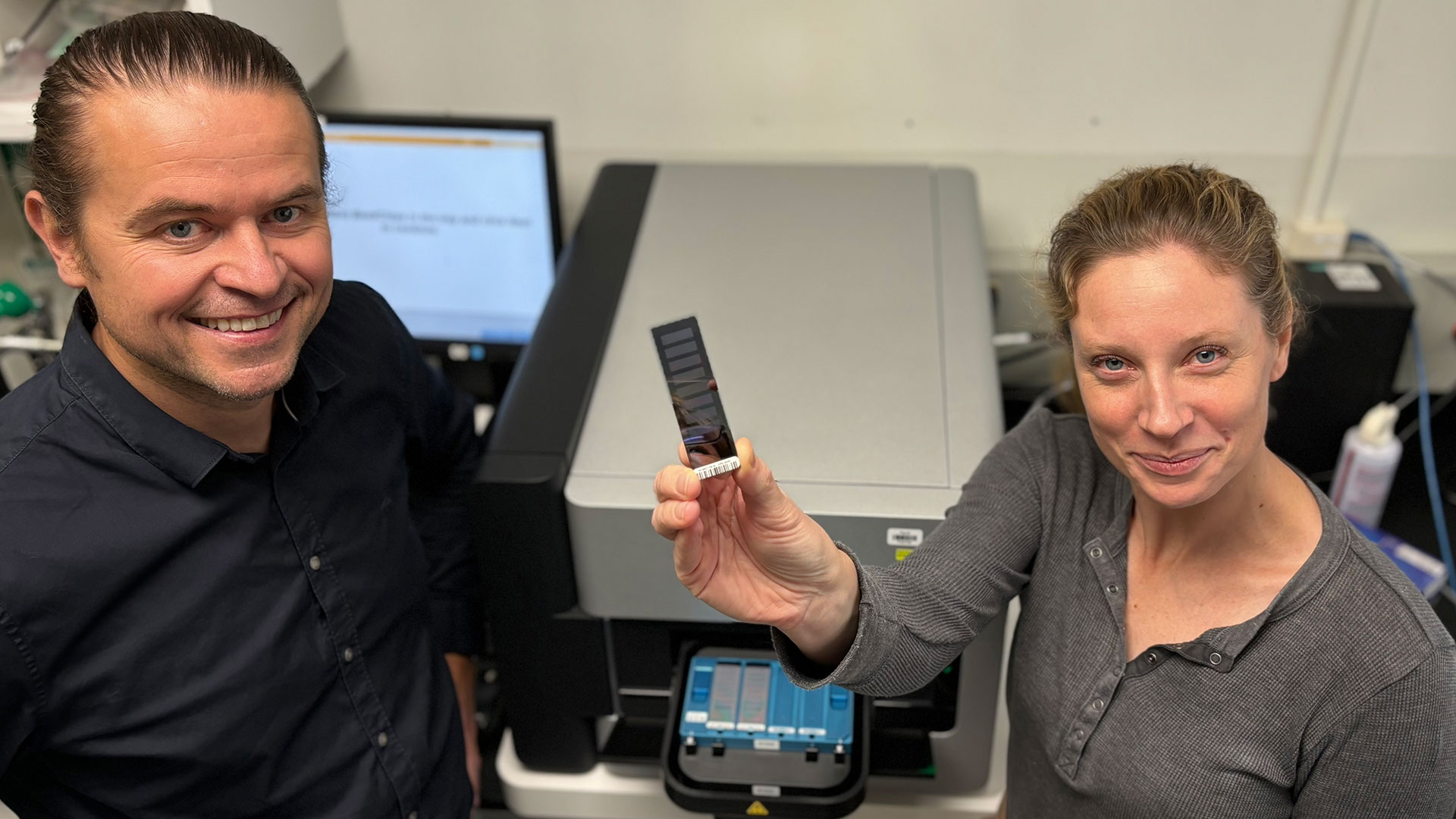
3. $7.55 million in funding to take LHSC-developed technology global
Technology to diagnose rare genetic disorders developed by researchers at Lawson and LHSC will be going global thanks to $7.55 million in funding from Genome Canada grant and Illumina Inc. The new artificial intelligence-led technology could allow rare diseases to be diagnosed with a simple blood test. Read more.
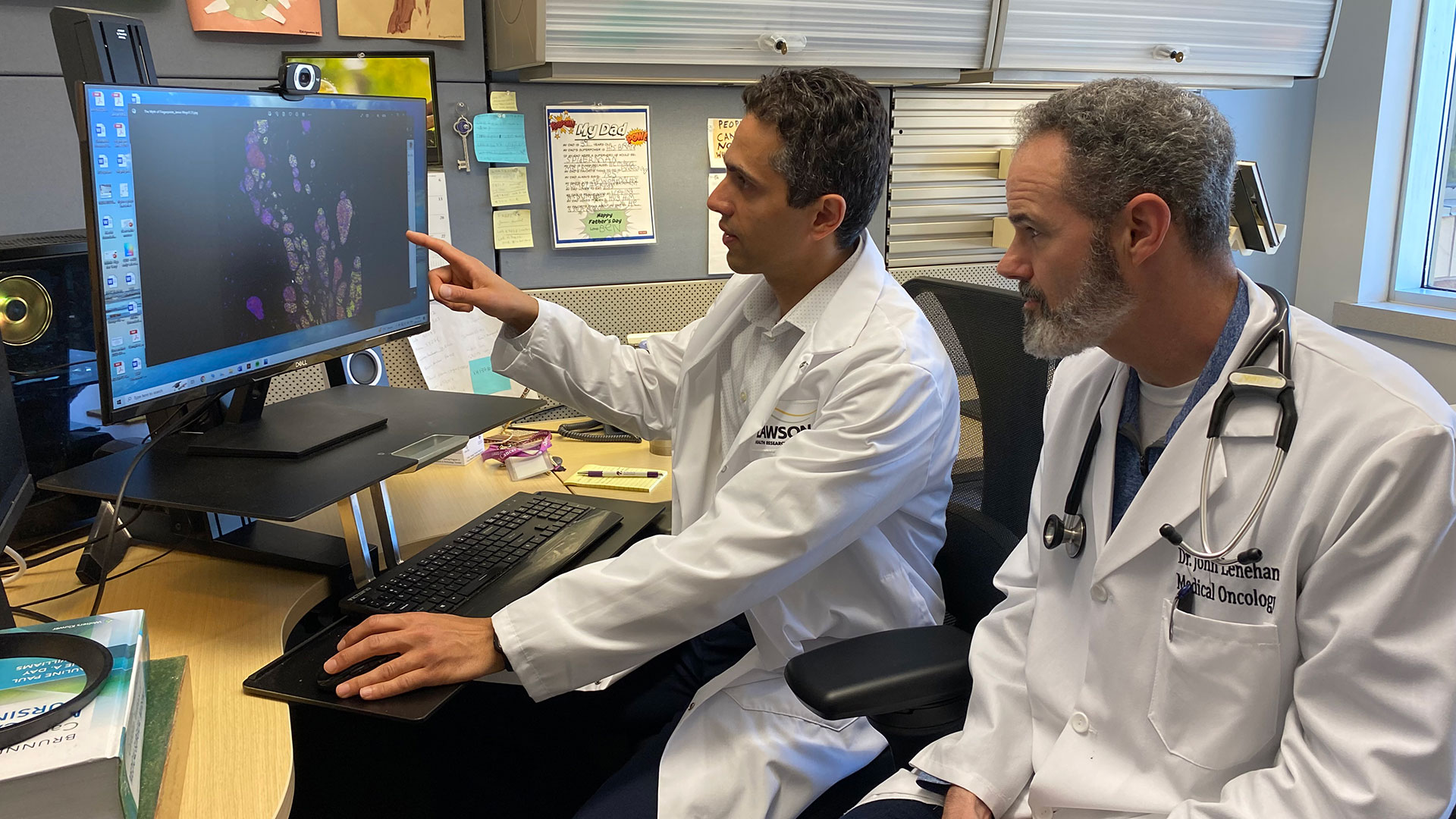
4. Fecal transplants show promise in improving melanoma treatment
Fecal microbiota transplants (FMT) from healthy donors are safe and could improve response to immunotherapy in patients with advanced melanoma, according to results from a world-first multi-centre clinical trial led by Lawson researchers. Read more.

5. New study shows technology could play an important role in mental health support
A team of Lawson researchers found that the use of ‘smart home’ technology like touch screen devices, activity trackers, weigh scales and medication dispensers may lead to better outcomes for those living with both mental health and physical disorders. The study found that participants using the technology started logging more exercise, making healthier food choices and not missing medication doses. Read more.

6. Canadian children’s hospital visits for suicidal thoughts, self-poisoning and self-harm up during pandemic, study finds
A national study with Lawson researchers found that during the first two years of the COVID-19 pandemic, adolescent emergency department (ED) visits and hospitalizations for suicidal thoughts, self-harm and self-poisoning increased across Canada, with the greatest increase occurring among adolescent girls. Read more.
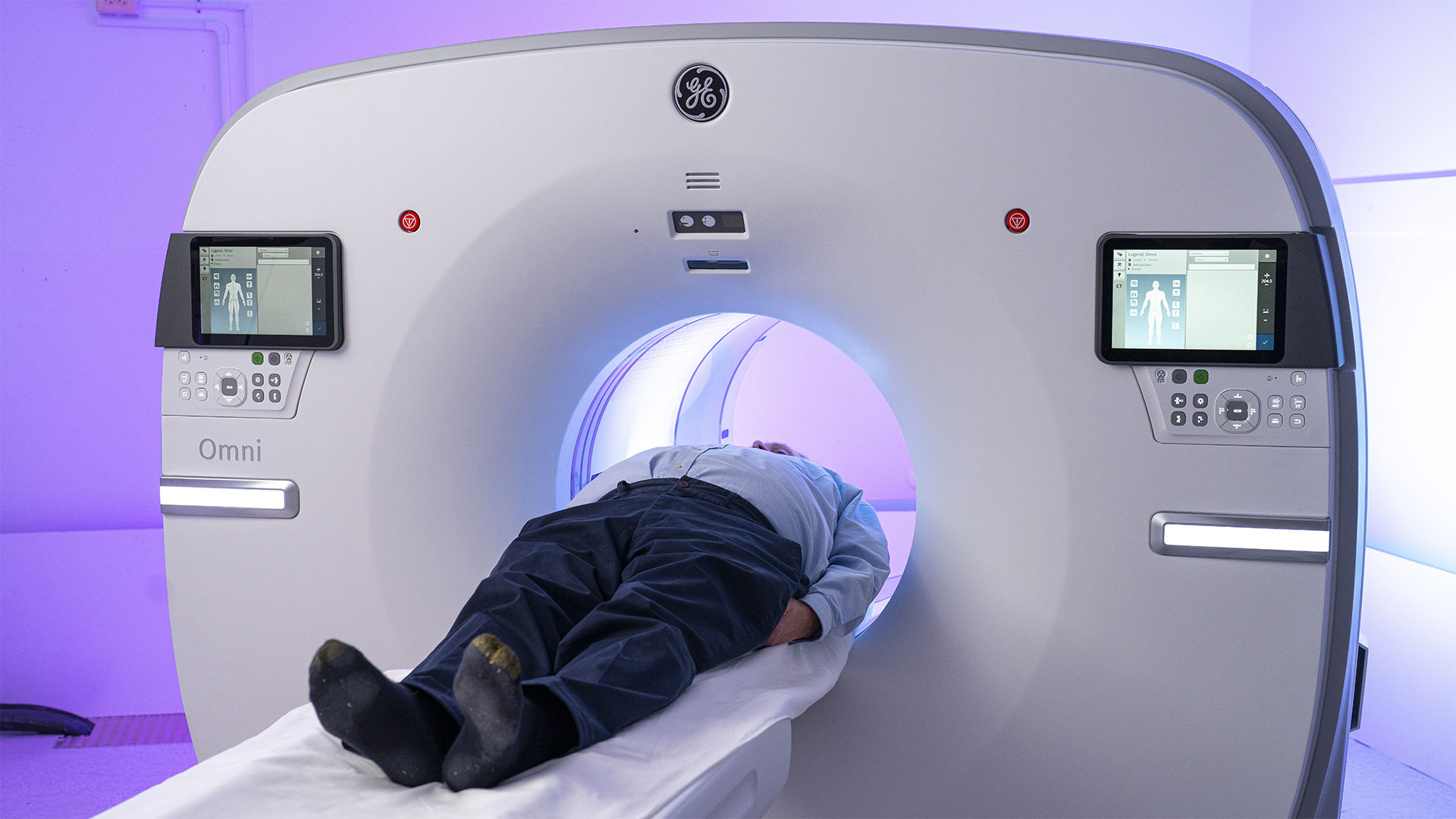
7. St. Joseph’s to become Canada’s first centre of excellence in molecular imaging and theranostics
A partnership between Lawson, St. Joseph’s Health Care London and GE HealthCare will create Canada’s first centre of excellence in molecular imaging and theranostics at St. Joseph’s. The centre will focus on using precision diagnostic imaging and targeted therapy to advance personalized treatment of cancer and other diseases. Read more.
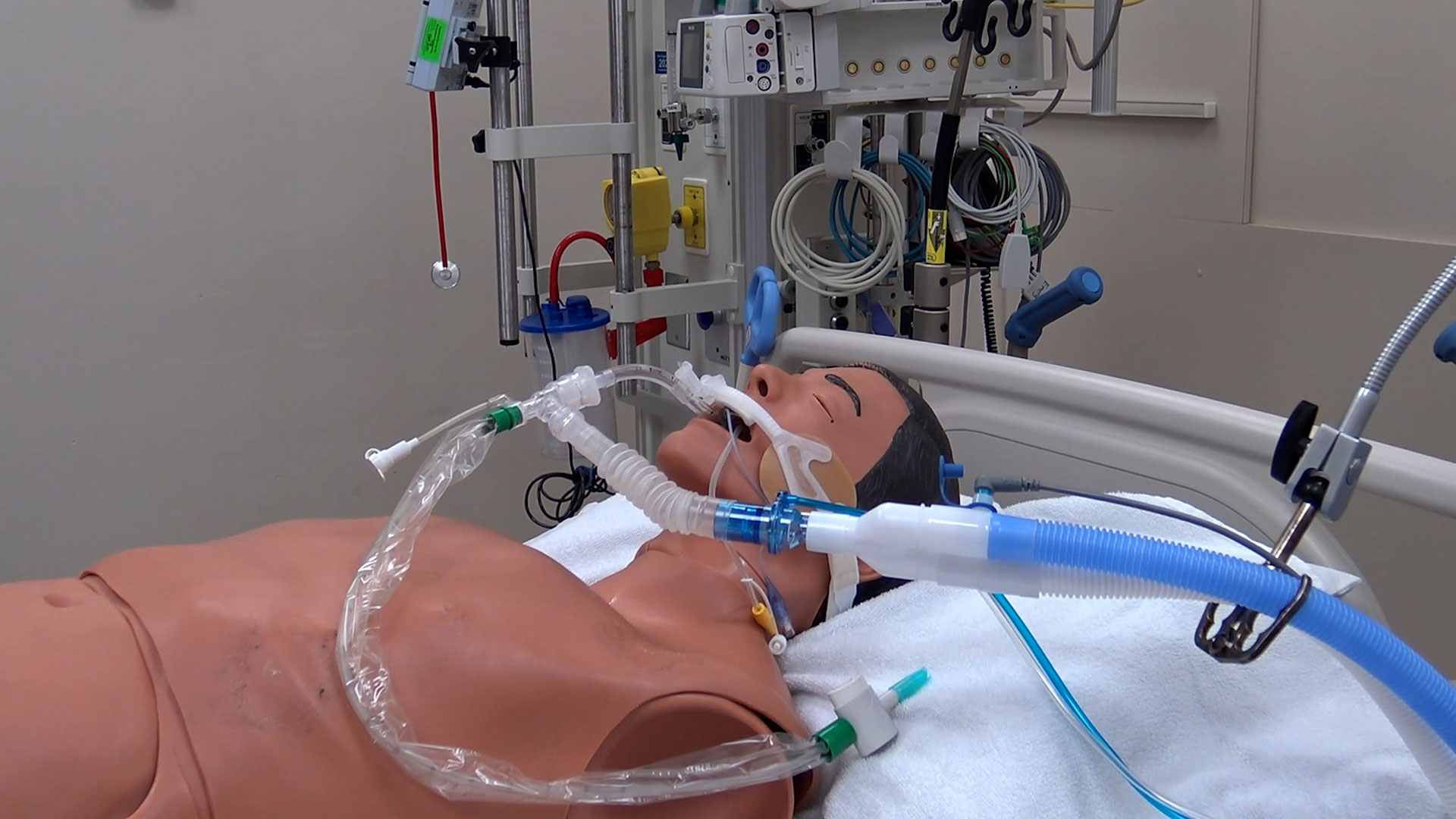
8. Researchers investigate a new method of sedation for paediatric patients
Intravenous sedatives are normally used to sedate critically ill children. However, they can contribute to a complication called delirium, which includes symptoms of confusion, disorientation, agitation, excessive drowsiness and poor attention. To improve outcomes, scientists at Children’s Health Research Institute (a program of Lawson), Sunnybrook Research Institute and The Hospital for Sick Children (SickKids) are collaborating on a pilot study to understand whether inhaled sedation could be a better alternative to keep critically ill children sedated and comfortable. Read more.
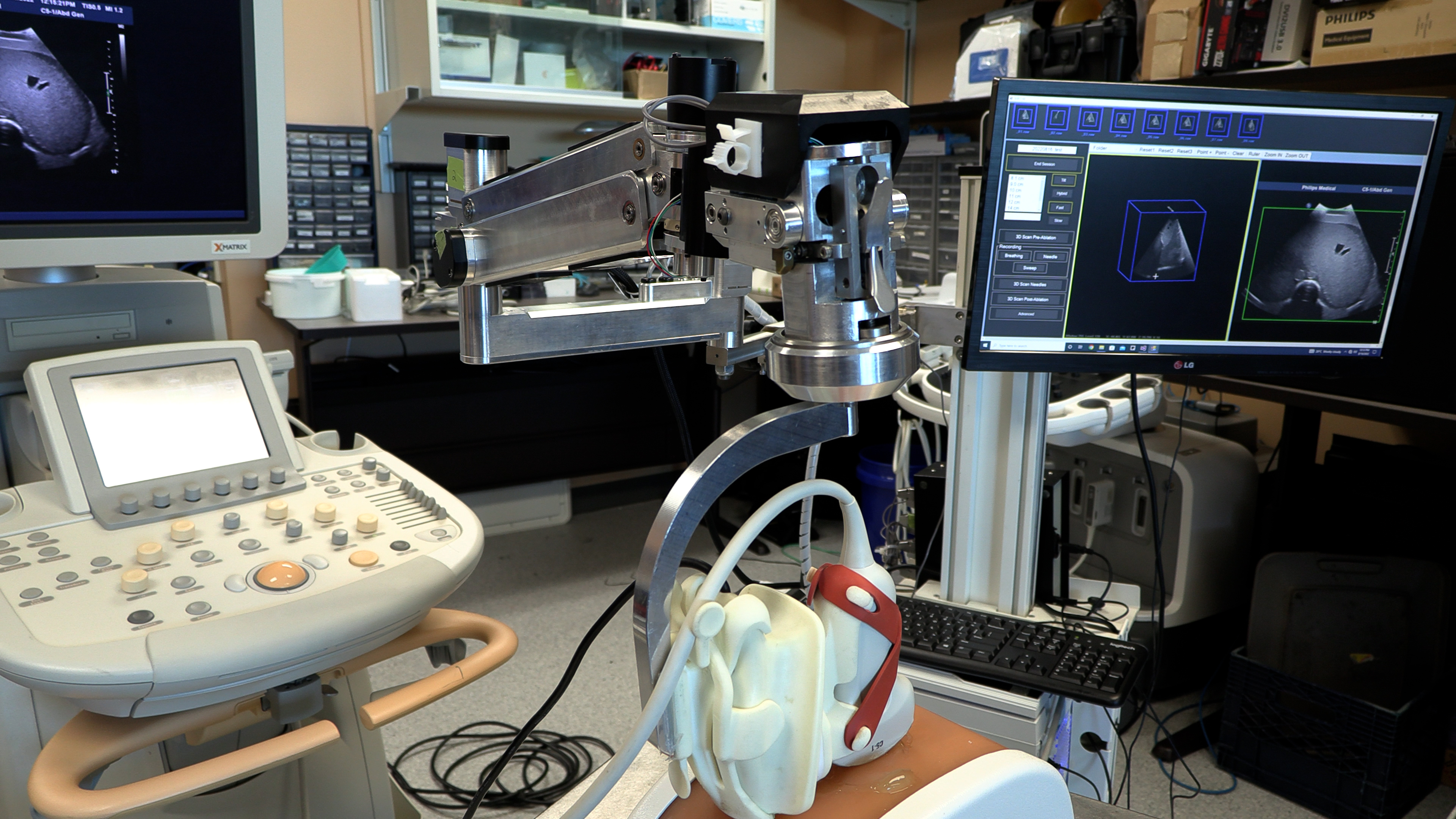
9. New robotic 3D ultrasound may improve accuracy of liver cancer ablation therapy
A technique that turns a normal ultrasound into a 3D image is showing promise in making thermal ablation for liver cancer treatment more accurate in a study from Lawson and Western University. Thermal ablation – using heat to destroy a cancerous tumour – can have fewer complications and a shorter recovery time than surgery. Read more.
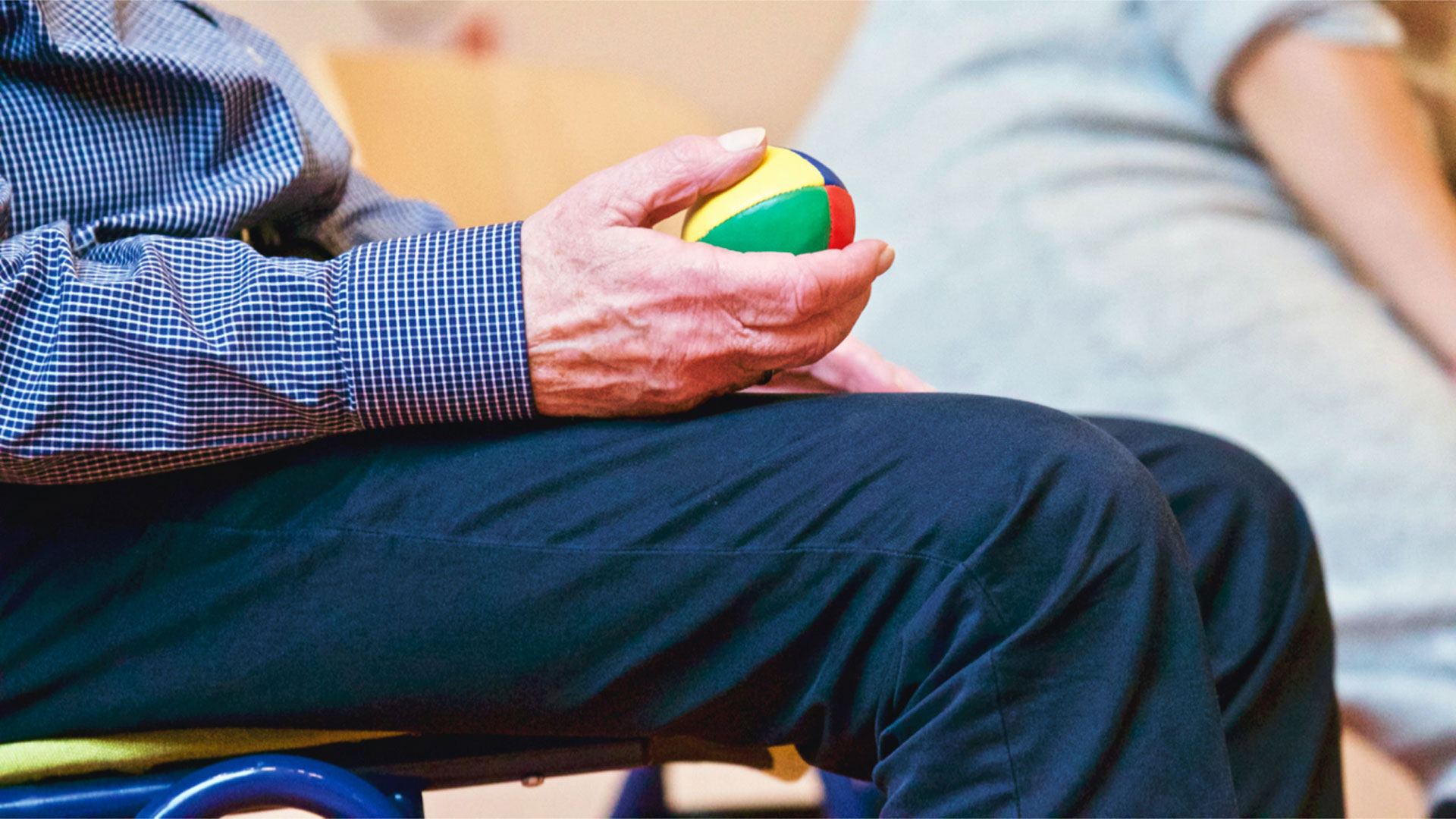
10. Assessing neurofeedback in stroke survivors
Functional near-infrared spectroscopy (fNIRS) is used to detect changes in brain oxygen levels using light, but more recently it has also been used to develop brain-computer interfaces – allowing patients with brain injuries to control a device with their thoughts. Researchers at Lawson launched a new study to assess whether fNIRS can be used to improve patient outcomes during stroke rehabilitation. Read more.
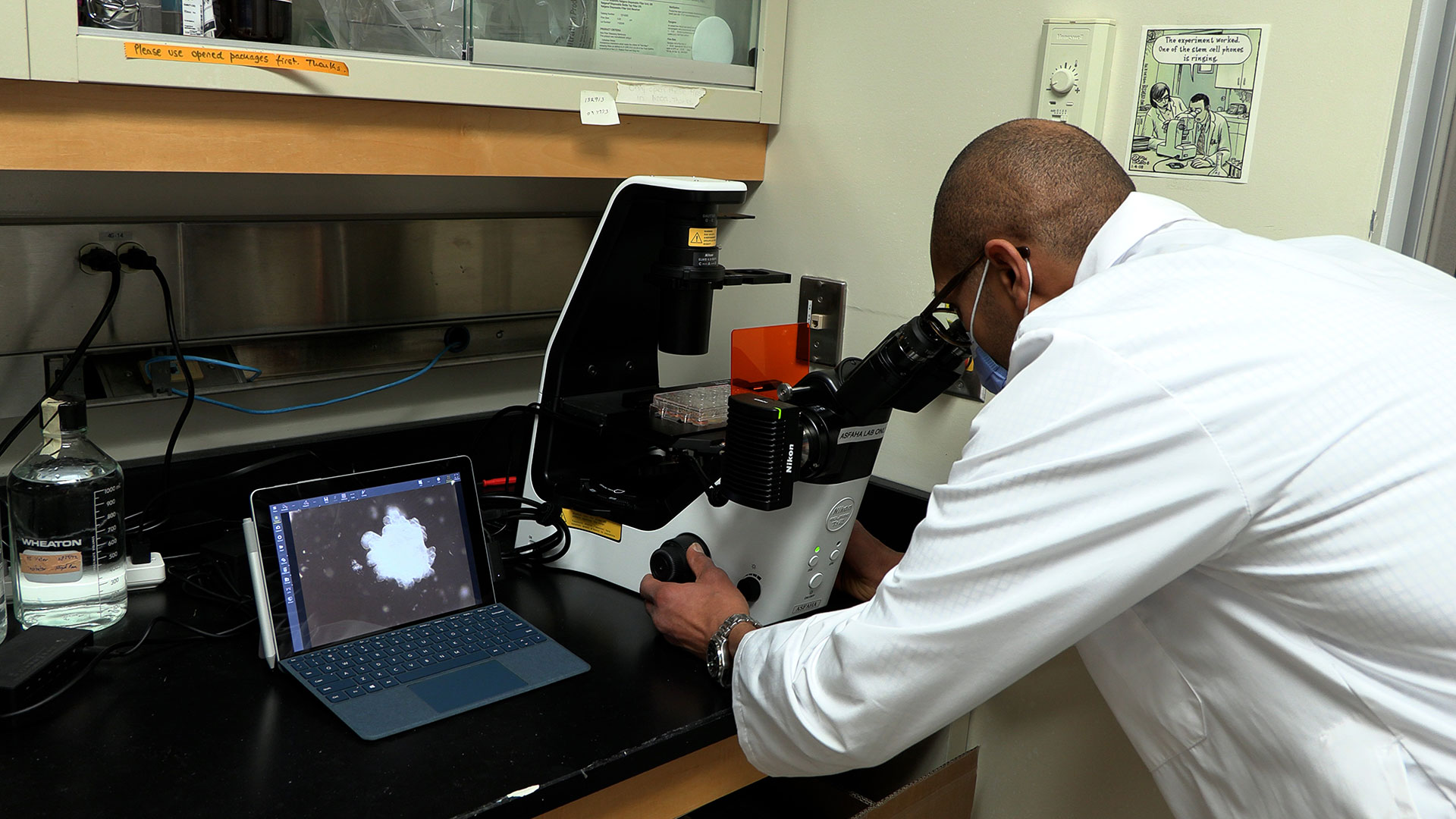
11. Specific type of inflammation may be linked to risk of colorectal cancer
A preclinical study found that a specific type of inflammation may be linked to an increased risk of colorectal cancer. Previously, the degree of inflammation caused by illnesses like colitis, Crohn’s disease and other forms of inflammatory bowel disease were shown to be an important indicator of the development of colorectal cancer. However, this new study found the type of inflammation, rather than the severity and duration, may be more important in determining cancer risk. Read more.
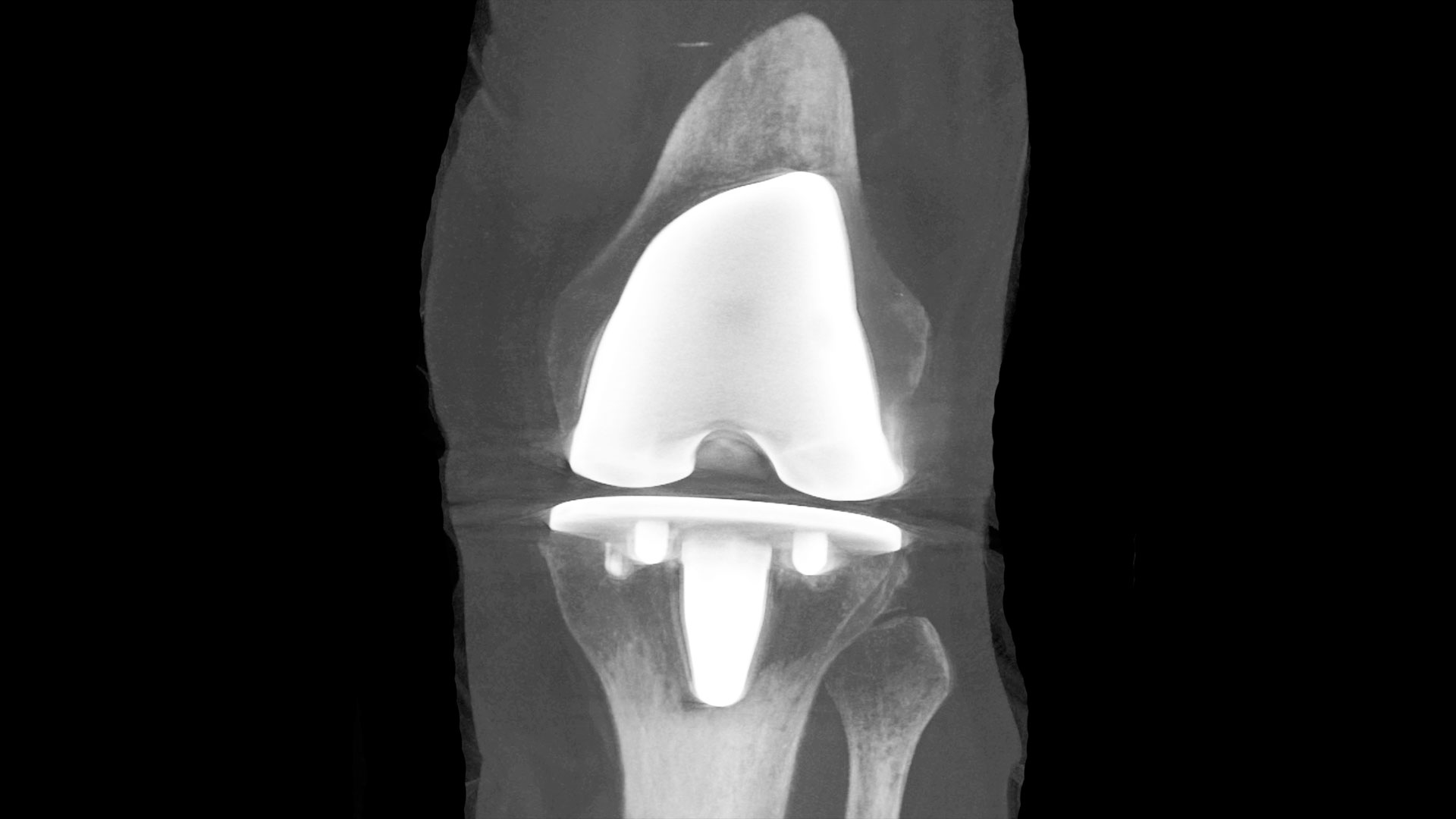
12. New study examining if probiotics can improve outcomes in knee replacement surgeries
Lawson researchers launched a study to assess whether daily probiotics can improve outcomes in patients undergoing a total knee replacement surgery. Of the more than 70,000 knee replacement surgeries in Canada each year, nearly 10 per cent of patients experience complications. With patients who are considered healthy likely to have better outcomes, the research team is interested in improving the gut microbiome as a way to support patients’ overall health. Read more.
Media Contact
Amanda Taccone
Communications Consultant & External Relations
Lawson Health Research Institute
T: 519-685-8500 ext. ext. 64059
C: 226-919-4748
@email
An online approach to care
With an aging population, neurological conditions like stroke, brain injury and multiple sclerosis (MS) are on the rise in Canada. Those living with neurological conditions face many long-term challenges that can affect both their physical and cognitive functioning. They are also at an increased risk for mental health challenges such as depression and anxiety.
“While mental health challenges are common for those with neurological conditions, they often go untreated for a number of reasons,” says Dr. Swati Mehta, Scientist at Lawson Health Research Institute. “For example, those living in remote areas often do not have access to specialized services and many patients are concerned about stigma.”
Yet seeking mental health care is critically important for patients with neurological conditions. “Research suggests that depression among these patients can impair recovery, leading to decreased quality of life and increased health care costs.”
To improve patient outcomes, Dr. Mehta and a collaborative research team are developing an internet-delivered cognitive behavioural therapy (ICBT) program.
Image
Dr. Swati Mehta (left), Lawson Scientist, and Dr. Eldon Loh (right), Lawson Associate Scientist, are working with a collaborative team to develop the specialized program.
Cognitive behavioural therapy (CBT) is a specialized type of therapy that involves patients learning strategies and skills to self-manage mental health symptoms. It’s one of the most widely used therapies for the treatment of depression and anxiety.
A panel of researchers, persons with lived experience of neurological conditions and community organizations are working collaboratively to develop an accessible ICBT program that meets the needs of persons with neurological conditions and mild cognitive impairment who are also experiencing symptoms of depression or anxiety. The program, called The Neuro Course, will be a modified version of an existing course developed in Australia by the eCentreClinic.
“Through co-development with patients and experts in the field, the ICBT program will meet the specific needs of persons with neurological conditions who are also experiencing mental health challenges,” explains Dr. Mehta. “With online delivery, it can provide personalized treatment while being flexible and easily accessible.”
The Neuro Course will be piloted with a small group of research participants, including patients from Parkwood Institute, a part of St. Joseph’s Health Care London. Eligible participants can sign up to be notified of the course’s availability at https://www.onlinetherapyuser.ca/neuro.
The free online course consists of six easy-to-understand CBT lessons and will take approximately 10 weeks to complete. In addition to the six lessons, participants will be encouraged to work through various activities during the week.
Image
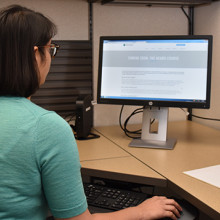
Participants will also receive regular support from a designated online guide. Guides will be health educators who are certified providers or graduate students working under the supervision of certified providers. All guides will have training in psychology or social work. The participant’s guide will review the participant’s progress and answer any questions or comments through a secure messaging system.
Participants in the study will be asked to complete brief questionnaires before they begin the course, on a weekly basis throughout the course and then again three months after treatment ends. The research team will use the questionnaires to assess patient outcomes and improve future versions of the course.
The goal of the program is to overcome barriers to face-to-face therapy, such as limited access to specialized care and concerns about stigma related to seeking care, by providing an effective online alternative. By reaching those in need, the research team hopes to improve patient outcomes and overall wellbeing.
“The long term goal would be to implement the ICBT program into clinical practice to provide increased access to mental health services among this population,” says Dr. Mehta. “The program could be used to provide care to those with mild to moderate mental health concerns or those waiting to access face-to-face programs.”
The team is being funded for this project through Lawson’s Internal Research Fund (IRF) competition. “As an early career researcher, receiving funding from Lawson’s IRF is a great honour. It’s a great opportunity to help researchers obtain funding for small feasibility studies to develop evidence for larger grants that can be used to translate knowledge across the community,” states Dr. Mehta.
Lawson’s IRF is designed to provide Lawson scientists the opportunity to obtain start-up funds for new projects with the potential to obtain larger funding, be published in a high-impact journal, or provide a clinical benefit to patients. Funding is provided by the clinical departments of London Health Sciences Centre and St. Joseph’s Health Care London, as well as the hospital foundations (London Health Sciences Foundation and St. Joseph’s Health Care Foundation).
Scientist
Lawson homelessness researcher Cheryl Forchuk to receive Coronation Medal
Prestigious award will honour the national impact of Forchuk and her research into health and homelessness
Lawson Research Institute scientist Cheryl Forchuk, PhD, will be awarded the prestigious King Charles III Coronation Medal in honour of her groundbreaking health care research in the region and across the country.
Forchuk, who is also a Distinguished University Professor of Nursing in the Faculty of Health Sciences and in the Department of Psychiatry at Western University, will receive the medal in a special presentation ceremony in London on April 23.
In nominating Forchuk, London North Centre MPP Terence Kernaghan said the medal “recognizes outstanding individuals for their profound and lasting contribution to Ontario and to Canada.”
He said Forchuk has shown “exemplary leadership and ground-breaking work in mental health, homelessness, and the systems and models of care you’ve developed.”
Her important work has helped shape national perspectives and treatments for people experiencing homelessness – in particular, people with experiencing homelessness and mental health and/or homelessness and addiction.
Forchuk’s research studies have also influenced national policy in understanding and redressing veterans’ homelessness, in London and across Canada. She is currently conducting nation-wide research into specific issues experienced by women veterans who are homeless.
Forchuk said she was honoured to be nominated and selected for the medal, and that her work related to improving homelessness and mental health challenges including addiction could not have been possible without the assistance of many others. This assistance includes people with lived experience, multiple community and hospital partners, and her team of research coordinators, research assistants and students. Forchuk recently completed her term as The Beryl and Richard Ivey Research Chair in Aging, Mental Health, Rehabilitation & Recovery, an endowed position supported by the St. Joseph’s Health Care Foundation.
The Coronation Medal program was created to mark the Coronation of His Majesty King Charles III. It recognizes individuals who have made a significant contribution to a particular province, territory, region or community in Canada, or attained an outstanding achievement abroad that brings credit to our country.
The award will be presented by London-area MPPs on behalf of the Right Honourable Mary Simon, Governor General of Canada and Premier Doug Ford.
An update to the community
The animal research conducted at Lawson Research Institute, St. Joseph’s Health Care London (St. Joseph’s) adheres to the highest standards of, and is in compliance with, all scientific and ethics protocols. The Canadian Council on Animal Care (CCAC) and the Western Animal Care Committee provide valued third-party oversight and ensure our commitment to ethical research at every stage of the discovery and innovation process.
The Government of Ontario is an important partner in every aspect of our work. Following consultations with the province, St. Joseph’s will immediately cease research studies involving dogs.
We acknowledge that this will have a significant impact on the ground-breaking research that has resulted in major strides in cardiac care and treatment, and on the dedicated teams involved in this work.
More details will be forthcoming.
… 2001 London Health Sciences Centre And St. Joseph's Health Care London Delineation of Procedural Privileges Department … Requirements for B3: Physicians providing anesthesia care for cardiac surgical procedures (coronary artery … 2001 London Health Sciences Centre And St. Joseph's Health Care London Delineation of Procedural Privileges Department …
Delineation of Privileges Draft - September 2001 DRAFT November 2, 2001 London Health Sciences Centre And St. Joseph's Health Care London Delineation of Procedural Privileges Department of Anesthesia & Perioperative Medicine Category Privileges Educational/Experience Requirements A All activities a...
… London Health Sciences Centre And St. Joseph's Health Care London April 2016 Delineation of Procedural Privileges … Requirements for B3: Physicians providing anesthesia care for cardiac surgical procedures (coronary artery … London Health Sciences Centre And St. Joseph's Health Care London April 2016 Delineation of Procedural Privileges …
London Health Sciences Centre And St. Joseph's Health Care London April 2016 Delineation of Procedural Privileges Department of Anesthesia & Perioperative Medicine Category Privileges Educational/Experience Requirements A All activities and procedures generally performed by physicians certified in t...
… Requirements for B3: Physicians providing anesthesia care for cardiac surgical procedures (coronary … Requirements for B3: Physicians providing anesthesia care for cardiac surgical procedures (coronary …
ApprovedbyDepartmentChief,CWCCandMACDecember2018 Delineation of Procedural Privileges Department of Anesthesia & Perioperative Medicine Delineation Privileges Educational and Experience Requirements A Allactivitiesandproceduresgenerallyperformed byphysicianscertifiedinthespecialty. SpecialtyCert...
… McCurdy Director of Breast Imaging, St. Joseph’s Health Care, London Associate Professor, UWO Visit our web site: … at 646-6034. Editor: Linda Whitmore, St. Joseph’s Health Care London • Design: Honey Design, Marketing & … the volunteers and the people of St. Joseph’s Health Care London Dr. John Denstedt, Chief, Urology Centre in …
Annual Report to the Community 2000-2001 June 2001 Dr. Lauren McCurdy Director of Breast Imaging, St. Josephs Health Care, London Associate Professor, UWO Visit our web site: www.sjhc.london.on.ca For additional copies of the report, complete financial statements, salary disclosure information or ot...
… 38 Report on Mission, Spiritual Care and Health Care Ethics … 41 Report on Health Care Ethics … 44 Report on Spiritual Care … 47 Spiritual Care – Moments in Time … the patient experience and advancing key roles in breast care, complex chronic disease management, and cognitive …
Annual Report 2012-2013 Welcome to the 2012-2013 Annual Report Contents Annual Report 2012-2013 ......................................................................................................................... 1 Welcome to the 2012-2013 Annual Report ............................................
… 7 ENHANCING CARE FOR BREAST CARE PATIENTS … 14 CARE WITHIN … 26 Report on Mission, Spiritual Care and Health Care Ethics … this report and be inspired by their incredible journeys of care and recovery at St. Joseph’s. Their stories speak to … 7 ENHANCING CARE FOR BREAST CARE PATIENTS …
Annual Report 2013-2014 Welcome to our 2013-2014 Annual Report Contents Annual Report 2013-2014 ............................................................................................................................. 1 Welcome to our 2013-2014 Annual Report ........................................
… 6 MUCH NEEDED TLC FOR THOSE PEOPLE WITH SPECIAL HEALTH CARE NEEDS ........................................ 8 … 9 SCORING BIG FOR VETERAN’S CARE … 20 LONG AND STRONG: CELEBRATING A LEGACY OF MENTAL HEALTH CARE ............................................ 20 Next … 36 COMMUNITY CARE AND COMPASSION IN ACTION …
Annual Report 2014-2015 Welcome to the 2014-2015 Annual Report Contents Annual Report 2014-2015 ............................................................................................................................. 1 Welcome to the 2014-2015 Annual Report ........................................
… residents in this report and be inspired by the journeys of care, recovery and discovery taking place across St. Joseph’s Health Care London. These stories speak to our commitment to … confidence of those we serve. We are truly honoured to care for our patients and residents through expert teams, …
Annual Report 2015-2016 Welcome to the 2015-2016 Annual Report Contents Welcome to the 2015-2016 Annual Report .............................................................................................. 1 OPENING MESSAGE ...............................................................................
… IMPROVING THE FAMILY CAREGIVER … Community. We hope you are in inspired by the stories of care, recovery, discovery, teaching and resiliency – of our … and their families. Everyday across St. Joseph’s Health Care London, staff, physicians, researchers and volunteers …
Annual Report 2016-2017 Welcome to the 2016-2017 Annual Report Contents Annual Report 2016-2017 .......................................................................................................... 1 Welcome to the 2016-2017 Annual Report ...........................................................
… 4 Investing in better patient care … 7 Seeing care through the eyes of patients and family caregivers ............................................11 … Message from the Board Chair and CEO St. Joseph’s Health Care London (St. Joseph’s) is many things to many people. …
Annual Report 2017-2018 Welcome to the 2017-2018 Annual Report Contents Annual Report 2017-2018 .......................................................................................................... 1 Welcome to the 2017-2018 Annual Report ...........................................................
… 3 Harnessing the potential of virtual care … 12 Lighting the way to better heart care … new infection control measures, fast-tracking virtual care, and ramping up research to delve into COVID unknowns. … committed to making a difference for those in our care – safely, skillfully, with respect, excellence and …
STJOSE._, PHs HEA LTH CAR E l ONDON THE YEAR THE WORLD CHANGED TABLE OF CONTENTS THE YEAR THE WORLD CHANGED ..................................................................................................................................................................................... 1 St. Jose...