


Search
Search
570 Search Results:
New Alzheimer’s research aims to improve treatment and support for patients with agitation
Two new interventional studies have been brought to London, focused on improving quality of life for patients with Alzheimer’s disease and their caregivers. Both hope to improve upon standard approaches to treating agitation, a core symptom of Alzheimer’s.
Agitation is a significant source of stress for patients and caregivers. It is complex and difficult to treat. Often, families do not know about this particular symptom of Alzheimer’s and are not properly trained on how to manage care while dealing with agitation.
“These studies are designed to have a direct impact on patients, families and care providers, to improve quality of life and function in those suffering from agitation due to Alzheimer’s,” says Dr. Amer Burhan, Associate Scientist at Lawson Health Research Institute (Lawson) and Geriatric Neuropsychiatrist, St. Joseph’s Health Care London (St. Joseph’s).
Parkwood Institute, a part of St. Joseph’s, is one of multiple sites participating in these studies across Canada and the United States.
One study aims to identify patients early in their diagnosis, while they are living at home or in the community, and apply a comprehensive psychosocial approach, with or without medication, to help with the management of agitation. “We hope to identify participants and have them participating in our program before they experience a crisis due to agitation,” explains Dr. Burhan.
Psychosocial intervention is a way of helping patients and caregivers understand the reasons for agitation. Agitation can develop due to a wide range of causes. For example, patients may just be bored and need help to find something meaningful to occupy their time, they could be upset about something in their current environment, or may be suffering from physical discomfort or pain.
Interventions can include communicating with patients in a manner that creates calm, scheduling meaningful activities, and maintaining routine and rhythm in life. The research team will connect with families early after diagnosis to give them the tools and support they need.
Initially, participants will be treated using structured psychosocial intervention to help reduce and manage their agitation. After three weeks, they will be reassessed and if significant agitation continues to persist, the patient will be randomly selected to receive either a placebo, or medication known as S-Citalopram to treat agitation while they continue to receive psychosocial care.
Sylvia Wilson is the wife of one of the study participants. By enrolling in this trial, she feels she has gained a much better understanding of her husband’s disease, and is grateful for the support that study participants receive.
“My husband typically does not like going to visit doctors, but Dr. Burhan and his team are great,” says Wilson. “They understand agitation, and other symptoms of the disease very well, and I notice a difference in his mood with the treatment he receives through the study.”
Participants are still able to receive care from their primary physician and care teams, with the study providing an added layer of support.
Another study is focused on Alzheimer’s patients who are admitted to hospital or living in long-term care. The aim is to standardize the approach to care for agitation related to Alzheimer’s. After baseline assessment, participants will be randomized to receive the current treatment as per usual, or an integrated care pathway derived from evidence-informed treatment guidelines. These include washing out medications that have not helped, adding individualized behavioral and environmental support, and if medications are needed, use a specific set of medications and dosages based on best evidence.
“Better understanding agitation is a growing area of interest in geriatric research. The work being done locally is part of an international effort to create a paradigm shift in treating patients with Alzheimer’s disease and agitation,” explains Dr. Burhan.
Researchers are ready to offer these studies to patients and their families, hoping to make these treatment protocols an integral part of care for patients with agitation due to Alzheimer’s disease. Those interested in learning more about these studies can contact Dr. Burhan at @email or call 519-646-6100 x. 48170.
In the media: Study on 'agitation' in Alzheimer's patients seeks participants
New imaging solution could help improve survival for patients with recurring prostate cancer
London, ON - A multicentre study led by London Health Sciences Centre Research Institute (LHSCRI), Lawson Research Institute of St. Joseph’s Health Care London (Lawson), and University Health Network (UHN) has found a novel imaging solution, called prostate-specific membrane antigen (PSMA) positron emission tomography (PET) scanning, can more effectively detect the recurrence of prostate cancer compared to standard imaging methods, and is associated with improved survival outcomes. The study, carried out over seven years, is published in The Journal of Nuclear Medicine.
During a PSMA PET scan, a radioactive molecule designed to target a protein in prostate cancer cells is injected into the bloodstream of a patient prior to the scan. The study uncovered that the molecule is effective in binding to prostate cancer cells, helping to detect recurring prostate cancer earlier and more effectively than standard imaging methods.
“This new technique gives physicians the information needed to determine the best treatment,” says Dr. Glenn Bauman, Scientist at LHSCRI and Radiation Oncologist at London Health Sciences Centre (LHSC). “When a blood test shows cancer has returned but standard imaging can’t find it, physicians may need to use less precise therapies like whole-body drug therapy. With this new imaging technique, we can locate the cancer and target it directly.”
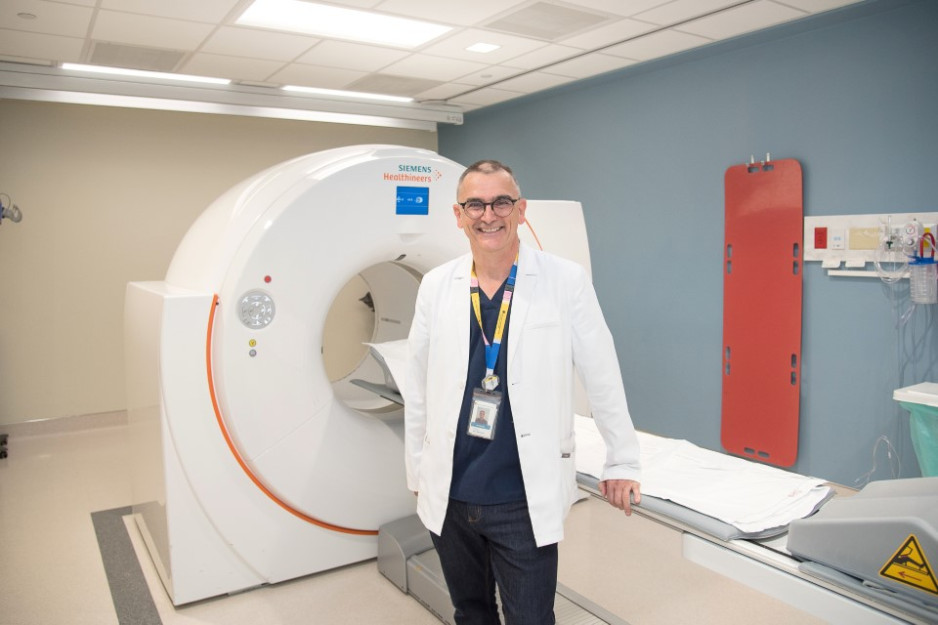
The research team found that the overall detection rate was 70 per cent, much higher than the historical rates of detection of 10-20 per cent with conventional bone scan and CT scans. About half of all patients had their management of the disease changed based on the results of the scans. Almost 90 per cent of men with cancer detected by PSMA PET had a change in management of their recurring prostate cancer following the scan. They also found that patients who had their treatments modified based on results from the PET scan had a better overall survival rate than those who received standard imaging.
“We’re encouraged by how this imaging approach is already changing cancer care,” says Dr. Ur Metser, Division Head of Molecular Imaging at UHN and Clinician Scientist at UHN’s Princess Margaret Cancer Centre. “Our study showed that PET scans using this technique led to more personalized treatment decisions and those changes are linked to longer survival. That’s a meaningful step forward for patients and their care teams.”
Dr. Bauman and his colleagues from Lawson and LHSCRI were the first in Canada to image a patient using PSMA PET imaging in 2016. Since then, this study has enrolled thousands of men across six hospitals in Ontario through funding from Ontario Health - Cancer Care Ontario. Based on promising results from this and other research, PSMA PET scans are now funded as a standard of care test for men with advanced prostate cancer.
For more information, please contact: Deb Flaherty, Consultant, Communications & Public Affairs, St. Joseph's Health Care London.
519-646-6100 ext. 47560
ABOUT LAWSON RESEARCH INSTITUTE
Lawson Research Institute, the health innovation arm of St. Joseph's Health Care London, is committed to making and sharing discoveries that improve lives locally and internationally. Every day, Lawson researchers work to transform imagination to innovation to patient impact. Lawson leads health-care research. Find us at LawsonResearch.ca and @stjosephslondon on social media.
ABOUT LONDON HEALTH SCIENCES CENTRE RESEARCH INSTITUTE
At London Health Sciences Centre Research Institute (LHSCRI), our teams pioneer discoveries that transform the health of adult and paediatric patients around the world. As the research institute of London Health Sciences Centre (LHSC), we conduct research where patient care is delivered, working alongside patients, families, health-care providers and academic partners like Western University. We are leaders in advancing the understanding, diagnosis, treatment and management of diseases and health conditions through a diverse research program that ranges from laboratory-based science to clinical trials. Our research has a global impact as we build on LHSC’s 150-year legacy of health innovation and drive forward medical breakthroughs that
make a difference in the lives of patients and their families. Find us online at WWW.LHSCRI.CA and on social media @LHSCRI.
New study aims to improve treatment for rheumatoid arthritis
A research team led by Lawson scientist Dr. Mamadou Diop has been awarded a Lawson Internal Research Fund to investigate whether a previously developed optical technique that can detect arthritis within one week of onset could also be used to provide early assessment of treatment response for rheumatoid arthritis (RA).
RA is a disease that causes chronic inflammation of the joints, which results in pain, reduced quality of life and loss of productivity. There is no cure for RA but a new category of drugs – biologic agents that can reduce pain and slow down or even halt disease progression – has revolutionized treatment.
However, these new drugs are expensive and only work in 30 per cent of patients, which means many RA sufferers are treated with no benefit for up to six months – the time it takes for current monitoring methods to reliably determine whether a treatment is working or not. “This is a direct consequence of the lack of sensitivity of current monitoring methods,” says Dr. Diop, who is also an assistant professor at Western University’s Schulich School of Medicine & Dentistry.
Since their recently developed optical technique has a high sensitivity to arthritis, Dr. Diop and his team believes it could also be used as a safe and convenient method of assessing treatment efficacy in RA patients. Additionally, there are striking similarities between RA and cancer, and it has been shown that optical techniques can predict cancer in as early as one day after therapy starts.
At St. Joseph’s Health Care London, they will test this theory in a rat model of RA and compare the results of the optical technique to histology and CT imaging, other established methods of determining whether a treatment is effective.
“If successful, this project will generate a safe, low-cost technique that can detect treatment response in RA within days of starting treatment. This would reduce the risk of further joint damage experienced by many patients for whom the drugs are ineffective,” says Dr. Diop. “We hope this will enable early redirection of patients with non-responding RA to alternative treatments, such as a combination of multiple drugs and more frequent monitoring.”
Dr. Diop adds, “The Lawson IRF grant will enable us to test the validity of our hypothesis and subsequently generate valuable preliminary results to support grant proposals for larger external funding.”
The IRF is designed to provide Lawson scientists and students the opportunity to obtain start-up funds for new projects with the potential to obtain larger funding, be published in a high-impact journal, or provide a clinical benefit to patients. Funding is provided by the clinical departments of London Health Sciences Centre and St. Joseph’s Health Care London, as well as the hospital foundations (London Health Sciences Foundation and St. Joseph's Health Care Foundation).
Scientist
New study aims to reduce recurrence of strokes by determining cause of Post-Stroke Atrial Fibrillation (PSAF)
The most frequent cause of stroke is Atrial fibrillation (AF), a cardiac arrhythmia consisting of irregular heartbeats. These strokes are the most devastating ones. Recent observations in stroke patients suggest that stroke can also cause AF. This Post-Stroke Atrial Fibrillation (PSAF), in turn, can produce more strokes.
Victoria Thorburn, a Master’s student at Lawson Health Research Institute and Western University’s Schulich School of Medicine & Dentistry in the department of Anatomy and Cell Biology, has been awarded with a Lawson Internal Research Fund (IRF) Studentship to develop the first rodent model of PSAF. The goal of the study is to gain more understanding of the relationship between stroke and PSAF.
The cause of PSAF is currently unknown but it is believed that strokes occurring in the insular cortex, a brain region responsible for monitoring heart rhythm, may trigger PSAF. When this brain region is damaged by stroke, the heart is left without regulation, resulting in chaotic heart rhythms. Previous studies have not been able to confidently diagnose PSAF, since approximately one third of AF cases are silent or asymptomatic.
“Without continuous monitoring of heart rhythm prior to stroke, it is difficult to determine if PSAF is in fact a newly developed arrhythmia occurring after stroke or whether it was actually a silent form of AF that already existed before stroke,” Thorburn says.
Thorburn will experimentally induce stroke in the rat insular cortex to determine whether PSAF or other types of irregular heartbeats occur as a result. The project will be supervised by Dr. Luciano Sposato, Lawson scientist, physician at London Health Sciences Centre and associate professor in the Department of Clinical Neurological Sciences at Schulich, and Dr. Shawn Whitehead, assistant professor at Schulich. They will monitor heartbeat before and after insular stroke then assess potential biological factors or structural changes in the brain or heart that may be associated with PSAF. Animals that developed PSAF will be compared to those without the condition.
Since the proposed cause of PSAF, the involvement of insular cortex damage, differs greatly from the traditional cause of AF, which is often a structural abnormality in the heart, there could also be a difference in treatment. The hope is that the knowledge of PSAF formation gained from the first rodent model will lead to the development of prevention and therapeutic strategies, minimizing the number of stroke patients affected by PSAF and ultimately reducing the recurrence of stroke.
“I wanted to become involved with research that was currently relevant and had the translational potential to improve public health. With the current aging population, the number of individuals directly affected by stroke and AF will continue to rise,” says Thorburn. “Thanks to funding opportunities like Lawson’s IRF, students like myself are able to train alongside accomplished researchers and participate in research that uniquely integrates both basic science and clinical perspectives.”
The IRF is designed to provide Lawson scientists and students the opportunity to obtain start-up funds for new projects with the potential to obtain larger funding, be published in a high-impact journal, or provide a clinical benefit to patients. Funding is provided by the clinical departments of London Health Sciences Centre and St. Joseph’s Health Care London, as well as the hospital foundations (London Health Sciences Foundation and St. Joseph's Health Care Foundation).
New study using nuclear medicine and rare isotopes in the fight against cancer
London - In a national multicentre study, scientists at Lawson Health Research Institute and Western University are working to create rare isotopes that will be used as an important tool to help treat cancer.
Currently, radiation therapy is a staple in cancer treatment, with approximately 50 per cent of cancer patients receiving radiation at some point in their cancer journey. Although a very effective tool, traditional radiation therapies rely on intense beams of energy. These beams can kill cancer cells, but their use is limited to select locations, making them less suited for difficult-to-treat metastatic cancers that have spread to multiple sites.
“Cancer treatment has evolved over the years with targeted drugs that go straight to the cancer and advanced radiation therapy. However, radiation comes from an external source that can damage other areas in the body,” says Dr. Len Luyt, Lawson Scientist and Professor at Western. “We are now working to advance treatment further by combining radiation and targeted drug therapy.”
The therapies work like a homing device — using specially designed molecules to seek out and deliver radioactive isotopes directly to cancer cells, wherever they might be in the body.
The multidisciplinary research team involves researchers at Lawson, Western University, University of British Columbia, BC Cancer, TRIUMF, Simon Fraser University, Université Laval, Université de Sherbrooke, University of Toronto and University of Alberta.
“This is the holy grail of cancer treatment. These disease-targeting molecules circulate throughout the body, binding tightly to cancer cells in order to eliminate them with a highly localized blast of energy,” explains principal investigator Dr. François Bénard, Professor of Radiology and Associate Dean at UBC’s Faculty of Medicine, and Senior Executive Director of the BC Cancer Research Institute.
The London, Ontario team will focus on developing the radio pharmaceuticals at labs in the London Regional Cancer Program at LHSC, the Cyclotron located at St. Joseph’s Health Care London, and at Western.
“The radio pharmaceuticals we are designing will be very specific to certain receptor proteins that are on cancer cells and not elsewhere on the body. This allows us to bring the isotopes to the cancer cells and clear it from the body so you have less side effects in other areas,” says Dr. Luyt. “This approach is showing promise in prostate cancer and now this team-based approach is looking at targeting any metastatic cancer.”
This collaborative research project has received $23.7 million in federal funding through the New Frontiers Research Fund (NFRF) over six years.
“We will establish Canada as a world leader in the field of nuclear medicine and ensure Canadian patients are the ones who benefit,” adds Dr. Bénard. “By developing these medicines in Canada and bringing them into local clinical trials, we will ensure Canadians have access to innovative cancer treatments sooner.”
The team hopes to bring multiple drug candidates into clinical trials in the coming years with the ultimate goal of developing an effective treatment for metastatic cancer patients.
About Lawson Health Research Institute
Lawson Health Research Institute is one of Canada’s top hospital-based research institutes, tackling the most pressing challenges in health care. As the research institute of London Health Sciences Centre and St. Joseph’s Health Care London, our innovation happens where care is delivered. Lawson research teams are at the leading-edge of science with the goal of improving health and the delivery of care for patients. Working in partnership with Western University, our researchers are encouraged to pursue their curiosity, collaborate often and share their discoveries widely. Research conducted through Lawson makes a difference in the lives of patients, families and communities around the world. To learn more, visit www.lawsonresearch.ca.
About Western
Western delivers an academic experience second to none. Since 1878, The Western Experience has combined academic excellence with life-long opportunities for intellectual, social and cultural growth in order to better serve our communities. Our research excellence expands knowledge and drives discovery with real-world application. Western attracts individuals with a broad worldview, seeking to study, influence and lead in the international community.
Media Contacts
Celine Zadorsky
Senior Media Relations Consultant
Communications & Public Engagement
T: 519-685-8500 ext. 73502
Celine.zadorsky@lhsc.on.ca
New study using nuclear medicine and rare isotopes in the fight against cancer
In a national multicentre study, scientists at Lawson Health Research Institute and Western University are working to create rare isotopes that will be used as an important tool to help treat cancer.
Currently, radiation therapy is a staple in cancer treatment, with approximately 50 per cent of cancer patients receiving radiation at some point in their cancer journey. Although a very effective tool, traditional radiation therapies rely on intense beams of energy. These beams can kill cancer cells, but their use is limited to select locations, making them less suited for difficult-to-treat metastatic cancers that have spread to multiple sites.
“Cancer treatment has evolved over the years with targeted drugs that go straight to the cancer and advanced radiation therapy. However, radiation comes from an external source that can damage other areas in the body,” says Dr. Len Luyt, Lawson Scientist and Professor at Western. “We are now working to advance treatment further by combining radiation and targeted drug therapy.”

The therapies work like a homing device — using specially designed molecules to seek out and deliver radioactive isotopes directly to cancer cells, wherever they might be in the body.
The multidisciplinary research team involves researchers at Lawson, Western University, University of British Columbia, BC Cancer, TRIUMF, Simon Fraser University, Université Laval, Université de Sherbrooke, University of Toronto and University of Alberta.
“This is the holy grail of cancer treatment. These disease-targeting molecules circulate throughout the body, binding tightly to cancer cells in order to eliminate them with a highly localized blast of energy,” explains principal investigator Dr. François Bénard, Professor of Radiology and Associate Dean at UBC’s Faculty of Medicine, and Senior Executive Director of the BC Cancer Research Institute.
The London, Ontario team will focus on developing the radio pharmaceuticals at labs in the London Regional Cancer Program at LHSC, the Cyclotron located at St. Joseph’s Health Care London, and at Western.
“The radio pharmaceuticals we are designing will be very specific to certain receptor proteins that are on cancer cells and not elsewhere on the body. This allows us to bring the isotopes to the cancer cells and clear it from the body so you have less side effects in other areas,” says Dr. Luyt. “This approach is showing promise in prostate cancer and now this team-based approach is looking at targeting any metastatic cancer.”
This collaborative research project has received $23.7 million in federal funding through the New Frontiers Research Fund (NFRF) over six years.
“We will establish Canada as a world leader in the field of nuclear medicine and ensure Canadian patients are the ones who benefit,” adds Dr. Bénard. “By developing these medicines in Canada and bringing them into local clinical trials, we will ensure Canadians have access to innovative cancer treatments sooner.”
The team hopes to bring multiple drug candidates into clinical trials in the coming years with the ultimate goal of developing an effective treatment for metastatic cancer patients.
New urinary microbiome study could be first step in providing personalized care to patients with ureteral stents
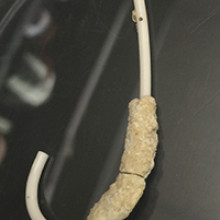
LONDON, ONTARIO - For patients with kidney stones, ureteral stents (hollow devices placed in the ureter – the tube between the kidney and bladder) can be used temporarily to relieve urinary obstruction. Despite the use of antibiotics, ureteral stents often become encrusted with minerals and coated with bacteria. This can lead to complications like infection and the need for replacement surgery.
Published today in Cell Reports Medicine, researchers at Lawson Health Research Institute and Western University conducted a novel microbiome study to examine bacteria associated with ureteral stents. They found that nearly all the stents, whether visibly coated or not, had unique bacterial profiles that were most associated with a patient’s medical condition rather than antibiotic use. For patients with ureteral stents, they may benefit from a personalized approach to care and antibiotic treatment.
The study included 241 patients from St. Joseph’s Health Care London. The research team collected and analyzed patient urine samples and ureteral stents following surgical removal, as well as relevant patient information such as antibiotic use and history of infections.
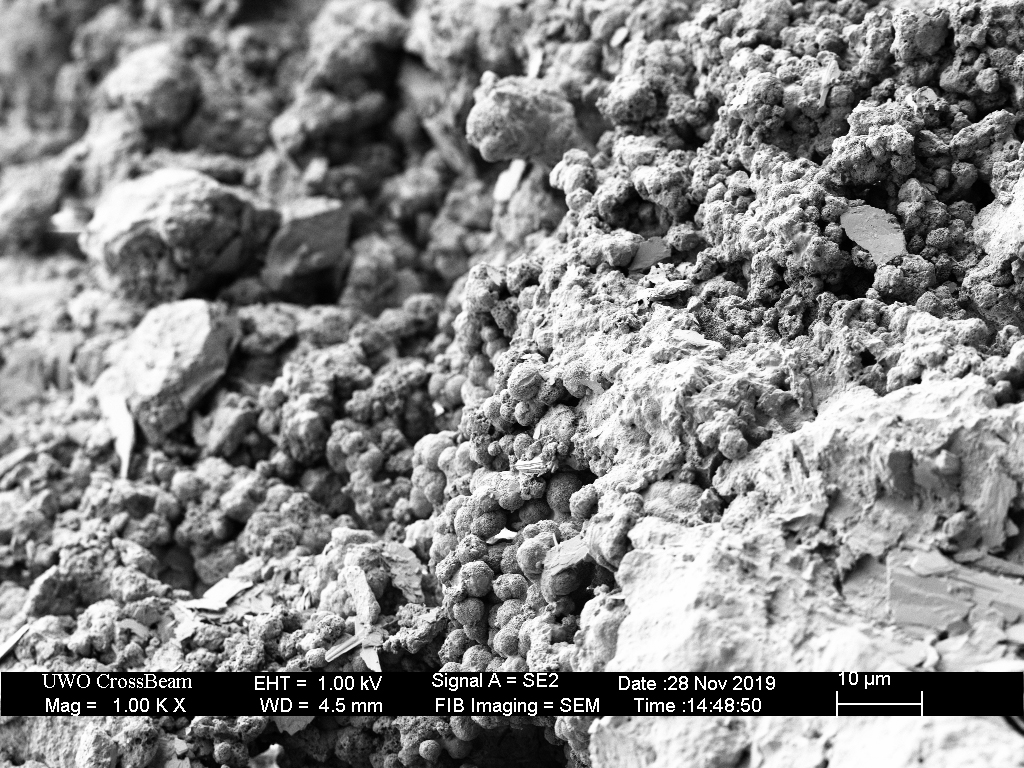
“We wanted to know which bacteria were present and whether the bacteria found in urine samples corresponded to the bacteria found on a patient’s stent,” explains Dr. Kait Al, Postdoctoral Fellow at Lawson and at Western’s Schulich School of Medicine & Dentistry. “We found that there was a bacterial community present on almost all stents, even if they were not visibly affected, and that it differed from the bacterial community found in a patient’s urine.”
These findings challenge long-held beliefs that the urinary tract is a sterile environment devoid of bacteria.
The study revealed that the bacteria present were determined by an individual patient’s medical condition. They differed significantly based on comorbidities like irritable bowel syndrome, obesity and hypertension. Antibiotic use within the past 30 days did not seem to have an effect on the types of bacteria detected on the stents.
“While more research is needed, our study suggests that antibiotic use during the placement of these stents could one day be more conservative or targeted based on each patient’s condition,” says Dr. Jeremy Burton, Lawson Scientist and Associate Professor at Schulich Medicine & Dentistry.
The team also discovered that in patients needing multiple stents, the bacterial community remained stable over time, suggesting that infections on a patient’s previous stent could direct the course of treatment for their future device placements.
“This is the largest study of its kind, investigating bacteria both in urine and adhered to ureteral stents,” states Dr. Hassan Razvi, Urologist at St. Joseph’s, Lawson Associate Scientist and Professor at Schulich Medicine & Dentistry. “We hope this will be the first step towards personalized care, ultimately leading to fewer stent-associated infections.”
The study was made possible through the generous support of The W. Garfield Weston Foundation and St. Joseph’s Health Care Foundation.
-30-
DOWNLOADABLE MEDIA
Image
Image
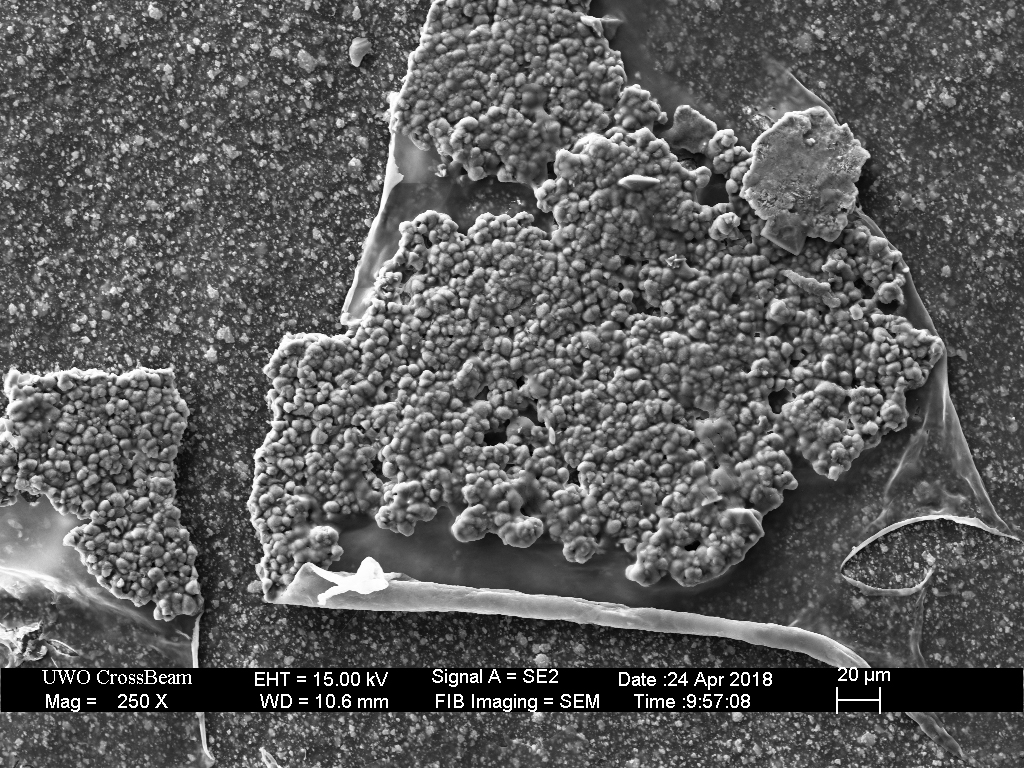
Scanning electron microscopy images showing organic material, crystals, and bacteria present on the surface of the ureteral stents.
Image
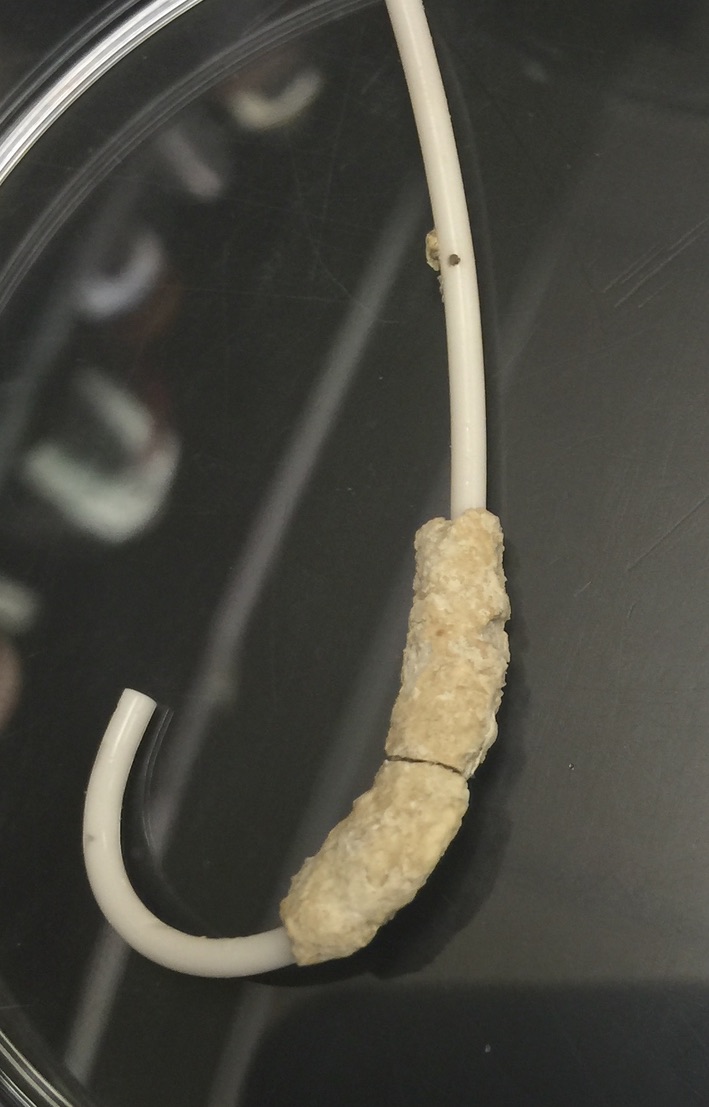
Recovered ureteral stent encrusted with minerals and bacteria.
See all Lawson Media Releases
About Lawson Health Research Institute
Lawson Health Research Institute is one of Canada’s top hospital-based research institutes, tackling the most pressing challenges in health care. As the research institute of London Health Sciences Centre and St. Joseph’s Health Care London, our innovation happens where care is delivered. Lawson research teams are at the leading-edge of science with the goal of improving health and the delivery of care for patients. Working in partnership with Western University, our researchers are encouraged to pursue their curiosity, collaborate often and share their discoveries widely. Research conducted through Lawson makes a difference in the lives of patients, families and communities around the world. To learn more, visit www.lawsonresearch.ca.
About Western
Western delivers an academic experience second to none. Since 1878, The Western Experience has combined academic excellence with life-long opportunities for intellectual, social and cultural growth in order to better serve our communities. Our research excellence expands knowledge and drives discovery with real-world application. Western attracts individuals with a broad worldview, seeking to study, influence and lead in the international community.
About The Schulich School of Medicine & Dentistry
The Schulich School of Medicine & Dentistry at Western University is one of Canada’s preeminent medical and dental schools. Established in 1881, it was one of the founding schools of Western University and is known for being the birthplace of family medicine in Canada. For more than 130 years, the School has demonstrated a commitment to academic excellence and a passion for scientific discovery.
Media Contacts
Celine Zadorsky
Senior Media Relations Consultant
Communications & Public Engagement
T: 519-685-8500 ext. 73502
Celine.zadorsky@lhsc.on.ca
New urinary microbiome study could be first step in providing personalized care to patients with ureteral stents
For patients with kidney stones, ureteral stents (hollow devices placed in the ureter – the tube between the kidney and bladder) can be used temporarily to relieve urinary obstruction. Despite the use of antibiotics, ureteral stents often become encrusted with minerals and coated with bacteria. This can lead to complications like infection and the need for replacement surgery.
Published today in Cell Reports Medicine, researchers at Lawson Health Research Institute and Western University conducted a novel microbiome study to examine bacteria associated with ureteral stents. They found that nearly all the stents, whether visibly coated or not, had unique bacterial profiles that were most associated with a patient’s medical condition rather than antibiotic use. For patients with ureteral stents, they may benefit from a personalized approach to care and antibiotic treatment.
Image
The study included 241 patients from St. Joseph’s Health Care London. The research team collected and analyzed patient urine samples and ureteral stents following surgical removal, as well as relevant patient information such as antibiotic use and history of infections.
“We wanted to know which bacteria were present and whether the bacteria found in urine samples corresponded to the bacteria found on a patient’s stent,” explains Dr. Kait Al, Postdoctoral Fellow at Lawson and at Western’s Schulich School of Medicine & Dentistry. “We found that there was a bacterial community present on almost all stents, even if they were not visibly affected, and that it differed from the bacterial community found in a patient’s urine.”
These findings challenge long-held beliefs that the urinary tract is a sterile environment devoid of bacteria.
The study revealed that the bacteria present were determined by an individual patient’s medical condition. They differed significantly based on comorbidities like irritable bowel syndrome, obesity and hypertension. Antibiotic use within the past 30 days did not seem to have an effect on the types of bacteria detected on the stents.
“While more research is needed, our study suggests that antibiotic use during the placement of these stents could one day be more conservative or targeted based on each patient’s condition,” says Dr. Jeremy Burton, Lawson Scientist and Associate Professor at Schulich Medicine & Dentistry.
The team also discovered that in patients needing multiple stents, the bacterial community remained stable over time, suggesting that infections on a patient’s previous stent could direct the course of treatment for their future device placements.
“This is the largest study of its kind, investigating bacteria both in urine and adhered to ureteral stents,” states Dr. Hassan Razvi, Urologist at St. Joseph’s, Lawson Associate Scientist and Professor at Schulich Medicine & Dentistry. “We hope this will be the first step towards personalized care, ultimately leading to fewer stent-associated infections.”
The study was made possible through the generous support of The W. Garfield Weston Foundation and St. Joseph’s Health Care Foundation.
Image
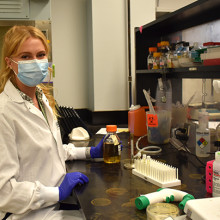
Dr. Kait Al, Postdoctoral Fellow at Lawson and Schulich Medicine & Dentistry
Scientist
noteWORTHY – Teamwork and patients inspire clinical research assistant
St. Joseph’s celebrates people who provide exceptional care, grow stronger communities and contribute to a healthier world. Today, meet Heather LaPier, a clinical research assistant whose work helps keep clinical research running smoothly for four Lawson research scientists in diabetes and nephrology. She is a liaison among patients, researchers, clinicians, ethicists, regulatory bodies and pharmaceutical companies.
What values or people inspire your work:
I couldn’t ask for better than the physicians and researchers I work with. It’s a true team. We can bring our own ideas and expertise and know that we’re valued. We’re all good at showing appreciation for each other.
Best part of your workday:
Visiting with people receiving dialysis. They have treatment four hours a day, three times a week, so they’re used to talking with physicians and staff and we get to know them really well. They’re honest and funny – and, despite living with a chronic illness, they’re some of the most positive people I’ve ever met.
What one thing do you wish people knew about your work?
Our job is to advocate for patients and protect them, so every study is carefully designed, planned, regulated and monitored. We work to find solutions to patients’ health issues, and that means putting them first.
One big thing people should know is that participants in clinical trials and research studies get extra care and attention. Other patients have regular appointments, maybe every six months, but as a participant in research they’ll have even more frequent monitoring. So even though they’re helping advance medical knowledge generally and there’s no certainty of direct benefit to them from a specific clinical trial, they do have a whole team of people fully involved in their current care. Any time they have a question, they have direct access to an endocrinologist or nephrologist.
Why this work is meaningful to you:
It’s definitely exciting and always interesting. It can be easy to get caught up in the day-to-day tasks – but I never want to lose sight of the fact patients are living longer and better lives because of the work we’re doing. I have a front-row seat when patients come in for visits and tell us a diabetes treatment or a dialysis intervention is making them feel better.
Back-story:
My mom has been a nurse for over 30 years, so I grew up in a home where we talked about health and patient care a lot. We have a shared language. After my university degree, I applied to college for either forensic science or clinical research. I’m so glad clinical research is where I landed.
One other thing:
I love learning about the history of the Second World War, specifically naval ships and naval battles. It seems totally random, but I studied it as one of my non-science courses in university. I still find it fascinating.
Well said:
Heather is a true gem – highly skilled, creative, and an outstanding team player who expertly manages multiple research projects and investigators. She has been a game-changer for diabetes, metabolic, and chronic disease research at Lawson Research Institute, supporting everything from qualitative studies to large randomized-controlled trials with innovative designs. Our successes wouldn’t have been possible without her.
- Dr. Kristen Clemens, St. Joseph’s endocrinologist and Lawson Research Institute scientist

… Policy Administration … 1:52:43 PM] Policy Administration Console Policy: Observer (Medical and Non-Medical) … 2018-09-10 2018-09-10 This policy applies to: All St. Joseph's Health Care London Locations Similar policy at … Observer Confidentiality Agreement Sept 2015 Appendix C - StJosephs Self Screening evaluation - October 2012 Appendix D …
Policy Administration https://apps.sjhc.london.on.ca/sjhc-policy/search_res.php?polid=EDU014&live=1[2018/10/31 1:52:43 PM] Policy Administration Console Policy: Observer (Medical and Non-Medical) Policy Owner: Integrated Director, Medical Affairs SLT Sponsor: Integrated Vice President, Medical Affai...
… led by Dr. Rachael Bosma, Toronto Academic Pain Medicine Institute. INTRO This resource booklet was developed alongside … and 1 community chronic pain clinic • Funded by the Ministry of Healthy, these clinics are equipped to treat each of … of the Ontario Chronic Pain Network. The webinars were hosted by Self-Management Ontario. …
Ontario Chronic Pain Network Chronic Pain Self-Management Adult Resource Booklet 2020 The coordination, development, and design of these resources was led by Dr. Rachael Bosma, Toronto Academic Pain Medicine Institute. INTRO This resource booklet was developed alongside a webinar series. Each topic ...
… ISSUE CLIENT-CENTRED PRACTICE: AN EXCHANGE OF VIEWS Ask, Listen and Learn: What Clients with a Mental Illness Can Teach … PhD & J. V. Cook, PhD Commentaries Rehabilitation in the 21st Century – Partnership not Prescription……. 16 Marianne … and mental health interventions research: research directions. Clinical Psychology: Science and Practice, 13, …
SPECIAL ISSUE CLIENT-CENTRED PRACTICE: AN EXCHANGE OF VIEWS Ask, Listen and Learn: What Clients with a Mental Illness Can Teach You about Client-Centred Practice......................................... 1 Deborah J. Corring, PhD & J. V. Cook, PhD Commentaries Rehabilitation in the 21st Century Part...
… Plan April 2011 – March 31, 2012 Submitted to the St. Joseph’s Accessibility Steering Committee, February 15, 2011, St. Joseph’s Senior … because the doors to Imaging are closed patients ask for directions because they think this is a ‘no entry’ area, … because the doors to Imaging are closed patients ask for directions because they think this is a ‘no entry’ area, …
Annual Accessibility Plan April 2011 March 31, 2012 Submitted to the St. Josephs Accessibility Steering Committee, February 15, 2011, St. Josephs Senior Leadership Team, February 25, 2011; and St. Josephs Board of Directors, March 22, 2011 Prepared and Submitted by St. Josephs Accessibility Working...
Parkwood Institute Research Open House
6:00pm - 8:00pm
You’re invited to the Parkwood Institute Research Open House
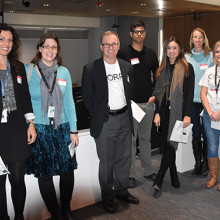
Parkwood Institute Research is hosting its 2nd annual Open House with an opportunity to meet research teams working in the areas of Cognitive Vitality and Brain Health, Mobility and Activity, and Mental Health.
Date: Friday, November 30, 2018
Time: 2:00 pm to 4:00 pm
Image
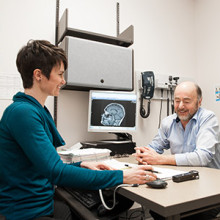
Learn more about this vibrant academic health care community in London. A part of St. Joseph’s Health Care London, Parkwood Institute represents the next era in care, recovery and rehabilitation. Across this site, clinical and research teams are collaborating in new ways across disciplines and specialties.
Parkwood Institute Research groups are conducting studies with the goal of improving care for:
- Patients recovering from stroke, acquired brain injury, spinal cord injury and amputation;
- Those with cognitive issues such as dementia and mental illness; and,
- Patients needing specialized geriatric care, palliative care and veterans care.
This special open house and interactive tour will give guests the opportunity to meet researchers and their teams to learn more about their innovative and meaningful research.
This free event is open to the public including members of London’s vibrant health care and research community.
Image
Location:
Parkwood Institute
550 Wellington Road South
London, Ontario N6C 0A7
Various research spaces within the Parkwood Institute Main Building and the Mental Health Care Building. Greeters will be stationed at the entrances of both buildings to guide visitors to the featured spaces.
Directions and parking maps can be found here.
Parking:
Please see the detailed site map for the location of the visitor parking lots.
The lot rate is $4.00 when you enter. $1 and $2 coins and credit card accepted (press the start button then insert payment)
Refreshments and snacks will be available along your tour. If you have any questions, please contact PIR_Info@sjhc.london.on.ca.
Parkwood Institute Research Open House 2019
6:00pm - 9:00pm
Parkwood Institute Research, a program of Lawson Health Research Institute, is hosting its third annual Open House and interactive tour showcasing research that is making an impact for patients and their families.
A part of St. Joseph’s Health Care London, Parkwood Institute represents the next era in care, recovery and rehabilitation. Across the site, clinical and research teams from across disciplines and specialties work together to bring tested solutions to the people who need them the most.
The special open house with interactive tour gives guests the opportunity to meet researchers and their teams to learn more about their work in the areas of Cognitive Vitality and Brain Health, Mobility and Activity, and Mental Health.
This free event is open to the public including members of London’s vibrant health care and research community.
Image

Event Details
Date: Thursday, November 28, 2019
Time: 2:00 – 5:00 p.m.
Locations: Parkwood Institute Main Building Auditorium (Room B2-109)
*PLUS selected locations throughout the building. Directions to be provided.
Click here for directions to Parkwood Institute and parking maps.
The lot rate is $5.00 when you enter. $1 and $2 coins and credit card accepted (press the start button then insert payment)
Refreshments and snacks will be available along your tour.
If you have any questions, please contact @email
Download the event poster.
… 2019 A PATIENT’S GUIDE TO SHOULDER REPLACEMENT SURGERY AT ST. JOSEPH’S HOSPITAL Remember to bring this booklet with you on the day of your surgery 2 Understanding shoulder replacement Shoulder anatomy The shoulder … allows your arm to move in a large range of motion, in all directions: forwards, backwards, sideways and rotation. The …
200306 (ortho) July 2019 A PATIENTS GUIDE TO SHOULDER REPLACEMENT SURGERY AT ST. JOSEPHS HOSPITAL Remember to bring this booklet with you on the day of your surgery 2 Understanding shoulder replacement Shoulder anatomy The shoulder joint allows your arm to move in a large range of motion, in all dir...
… A PATIENT’S GUIDE TO ONE DAY STAY SHOULDER REPLACEMENT SURGERY AT ST. JOSEPH’S HOSPITAL … allows your arm to move in a large range of motion, in all directions: forwards, backwards, sideways and rotation. The … through excellence in care, teaching and research. (\(J~ SIJOSEPHs HEALTH CARE LONDON sjhc.london.on.ca When to call …
A PATIENTS GUIDE TO ONE DAY STAY SHOULDER REPLACEMENT SURGERY AT ST. JOSEPHS HOSPITAL Remember to bring this booklet with you on the day of your surgery 201093 Rev. May 2023 UNDERSTANDING SHOULDER REPLACEMENT Shoulder anatomy The shoulder joint allows your arm to move in a large range of motion, in ...
… information including screening information and visiting restrictions. http://www.sjhc.london.on.ca/ A guide to surgery … located in Zone C, Level 1, C1-300. For turn-by-turn directions to Admitting visit … location visit http://www.sjhc.london.on.ca/directions/st-josephs- hospital. You will also find information on: • …
Oct 2020 Please note the information in this booklet may not be completely up to date due to the COVID-19 pandemic. Please refer to our website: www.sjhc.london.on.ca for more information including screening information and visiting restrictions. http://www.sjhc.london.on.ca/ A guide to surgery at S...
… A PATIENT’S GUIDE TO SHOULDER REPLACEMENT SURGERY AT ST. JOSEPH’S HOSPITAL Remember to bring this booklet with … allows your arm to move in a large range of motion, in all directions: forwards, backwards, sideways and rotation. The … through excellence in care, teaching and research. (\(J~ SIJOSEPHs HEALTH CARE LONDON sjhc.london.on.ca St. Joseph’s …
A PATIENTS GUIDE TO SHOULDER REPLACEMENT SURGERY AT ST. JOSEPHS HOSPITAL Remember to bring this booklet with you on the day of your surgery 200306 Rev. APR 2023 UNDERSTANDING SHOULDER REPLACEMENT Shoulder Anatomy The shoulder joint allows your arm to move in a large range of motion, in all direction...
… PAYROLL DOCUMENTATION Welcome to St. Joseph’s Health Care London. What is Required for … 6f]~ STJOSEPHs HEALTH CARE LONDON PAYROLL INFORMATION Confidential … usage * Able to make/answer requests for information or directions and to give simple instructions Advanced * Able …
PAYROLL DOCUMENTATION Welcome to St. Josephs Health Care London. What is Required for Payroll Documentation: Proof of banking information (i.e. void cheque or direct deposit form) Signed Acceptance Form Completed Employee Information Form Completed Provincial Tax Form (TD1ON) Completed Federal ...