


Search
Search
1863 Search Results:
A year in review: Lawson research highlights from 2018
New clinical protocol after general surgery cuts opioid prescribing in half
Recognizing the role that opioid prescribing plays in the national opioid crisis, a team of researchers at Lawson and Western University have developed a new clinical protocol called STOP Narcotics. The protocol includes a combination of patient and health care provider education and an emphasis on non-opioid pain control. The study found that they were able to reduce the overall amount of opioids being prescribed after general surgery by 50 per cent while still adequately treating a patient’s post-operative pain. Read more.
Image

Probiotics for respiratory tract infections could save Canada nearly $100 million a year
A recent study suggests the use of probiotics to prevent respiratory tract infections in Canada could result in nearly $100 million per year in savings. There is growing evidence that probiotics can reduce the risk of respiratory tract infections and lower their frequency, as well as reduce the duration of an infection, antibiotic use and absences from work. Replicating a research model used in France, researchers examined the potential clinical and economic impacts in Canada. Read more.
Image

Blood test can predict optimal treatment for advanced prostate cancer, study finds
An international collaborative study between Lawson, Memorial Sloan Kettering Cancer Center, the Royal Marsden and Epic Sciences is one of the first to demonstrate that a blood test can predict how patients with advanced prostate cancer will respond to specific treatments, leading to improved survival. The study used a liquid biopsy test that examines circulating tumour cells (CTCs) in blood samples from patients with advanced prostate cancer who are deciding whether to switch from hormone-targeting therapy to chemotherapy. Read more.
Image
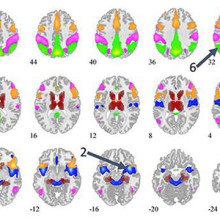
Machine learning could predict medication response in patients with complex mood disorders
Mood disorders like major depressive disorder (MDD) and bipolar disorder are often complex and hard to diagnose, especially among youth when the illness is just evolving. This can make decisions about medication difficult. In a collaborative study by Lawson, The Mind Research Network and Brainnetome Center, researchers have developed an artificial intelligence (AI) algorithm that analyzes brain scans to better classify illness in patients with a complex mood disorder and help predict their response to medication. Read more.
Image
Lawson researchers receive $4.4 million to study personalized medicine at LHSC
Personalized medicine is the analysis of a patient’s DNA to predict how they will respond to medications. Led by Dr. Richard Kim, scientist at Lawson and clinical pharmacologist at London Health Sciences Centre (LHSC), researchers at Lawson have received $4.4 million to study an expanded personalized medicine program at LHSC that involves full integration of research into patient care. Read more.
Image
Drinking more water does not slow decline of kidney function for patients with kidney disease clinical trial shows
A study published in JAMA (Journal of the American Medical Association) by researchers at Lawson and Western University found that coaching patients with Chronic Kidney Disease to drink more water does not slow down the decline of their kidney function. Read more.
Image

Funding for unique strategy to prevent homelessness after hospital discharge
On September 10, the Ministry of Families, Children and Social Development, announced that Lawson will receive $223,572 from the Homelessness Partnering Strategy’s Innovative Solutions to Homelessness funding stream to support the project “No Fixed Address Version 2 Expansion” research project. This research will further refine the No Fixed Address strategy for reaching and supporting patients during the crucial transitional period when they are being discharged from the hospital and re-integrated into the community. Read more.
Image
Synthetic surfactant could ease breathing for patients with lung disease and injury
Human lungs are coated with a substance called surfactant which allows us to breathe easily. When lung surfactant is missing or depleted, which can happen with premature birth or lung injury, breathing becomes difficult. In a collaborative study between Lawson and Stanford University, scientists have developed and tested a new synthetic surfactant that could lead to improved treatments for lung disease and injury. Read more.
Image
Research team develops clinically-validated 3D printed stethoscope
A team of researchers have developed an open-source, clinically validated template for a 3D printed stethoscope for use in areas of the world with limited access to medical supplies – places where a stethoscope could mean the difference between life and death. Read more.
Image

Family environment influences emotional well-being of children with epilepsy
Children with epilepsy have a higher risk of developing emotional and behavioural disorders, including depression, anxiety and poor self-esteem, yet it has been difficult for researchers to pinpoint why this occurs. Researchers at Children’s Health Research Institute, a Lawson program, have found that family environment influences the relationship between clinical characteristics of epilepsy at diagnosis and children’s emotional well-being two years later. Read more.
Image

How the brain is folded provides researchers with an accurate marker to predict psychosis in high-risk patients
By using images of the brain to look at how its outer surface is folded on itself, researchers can predict which high-risk patients will develop psychosis with more than 80 per cent accuracy. Before now, there has been no way to examine young people before they become ill to reliably identify who will develop acute psychosis and who will not. Read more.
Image

High-dose radiation can improve survival in cancer patients once thought incurable
Cancer that spreads from an original tumour to other parts of the body is generally considered incurable. In an international study led by Lawson, researchers challenged this idea by showing that high-dose radiation can improve survival in patients with cancer that has spread to five or less sites. The study called SABR-COMET was the first randomized phase II clinical trial of its kind. Read more.
Image
… recover. Try to gradually return to activity Seek immediate medical attention if you experience any of the following … recover. Try to gradually return to activity Seek immediate medical attention if you experience any of the following …
Concussion care The first 48 hours after a concussion - REST Remember a concussion is a brain injury. R E S T A concussion is a brain injury caused by a hit to the head or other part of the body. When the head or body is hit, the force causes the brain to move back and forth inside the skull causing...
… where you may experience another impact to the head. SEEK MEDICAL ATTENTION IF YOU EXPERIENCE: Stiff neck Fluid … where you may experience another impact to the head. SEEK MEDICAL ATTENTION IF YOU EXPERIENCE: Stiff neck Fluid …
Developed by the Acquired Brain Injury Outpatient Program, Parkwood lnstitute. The first 48 hours after concussionREST! Experiencing effects of a concussion? What is a concussion? A concussion is a mild brain injury caused typically, but not always, by an impact to the head, with or without loss of ...
Facts about Osteoporosis What is osteoporosis? Osteoporosis means porous or brittle bones. Weak bones can break easily; fractures of the hip, wrist and spine are commonly associated with osteoporosis. Bone is surprisingly dynamic. It is constantly remodelled; bits of bone are eaten away or resorbed,...
… 622 - Hospitals Industry group (if possible) 6221 - General medical and surgical hospitals Mailing address Address where … 622 - Hospitals Industry group (if possible) 6221 - General medical and surgical hospitals Mailing address Address where …
Ministry for Seniors and Accessibility 2021 Accessibility Compliance Report Completing your accessibility compliance report You must complete the mandatory fields on each page before you can move to the next page. Mandatory fields are marked with an asterisk (*). To start, save the form on your comp...
… which the employer can request an evaluation by an outside medical or other expert • the manner in which the employee … dentists and mid- wives receive their training through Medical Affairs, which tracks the number of providers and … which the employer can request an evaluation by an outside medical or other expert • the manner in which the employee …
St. Josephs Accessibility Plan Status Report: 2014 Page 1 Accessibility Plan January 2013 December 2015 Status Report February 2014 Submitted to St. Josephs Accessibility Advisory Committee February 21, 2014 Submitted to St. Josephs Senior Leadership Team on March 11, 2014 St. Josephs Accessibility...
… Health Care, Mount Hope Centre for Long Term Care, Family Medical and Dental Centre and 11 team and service locations … Health Care, Mount Hope Centre for Long Term Care, Family Medical and Dental Centre and 11 team and service locations …
St. Josephs Accessibility Plan 2016-2019 Page 1 Accessibility Plan January 2016 December 2019 Submitted to St. Josephs Accessibility Advisory Committee December 24, 2015 Submitted to St. Josephs Senior Leadership Team January 26, 2016 St. Josephs Accessibility Plan 2016-2019 Page 2 Introduction In ...
… Health Care, Mount Hope Centre for Long Term Care, Family Medical and Dental Centre and 11 team and service locations … Health Care, Mount Hope Centre for Long Term Care, Family Medical and Dental Centre and 11 team and service locations …
St. Josephs Accessibility Plan 2019-2022 Page 1 Multi-year Accessibility Plan January 2019 December 2022 Submitted to St. Josephs Accessibility Advisory Committee December 12, 2019 Submitted to St. Josephs Senior Leadership Team December 17, 2019 St. Josephs Accessibility Plan 2019-2022 Page 2 In...
… Health Care, Mount Hope Centre for Long Term Care, Family Medical and Dental Centre and 11 team and service locations … Health Care, Mount Hope Centre for Long Term Care, Family Medical and Dental Centre and 11 team and service locations …
Multi-year Accessibility Plan January 2019 December 2022 Submitted to St. Josephs Accessibility Advisory Committee December 12, 2019 Submitted t o St. Josephs Senior Leadership Team December 17, 2019 St. Josephs Accessibility Plan 2019-2022 Page 1 Introduction In fulfilling our mission and in ali...
… Valid OHIP Card Yes No Restorative potential Yes No Medically/Surgically Stable Yes No Identified goals Yes No … (SELECT ONE) Complex Continuing Care Short Term Complex Medical Long Term Complex Medical Rehab Acquired Brain Injury Spinal Cord Injury … Valid OHIP Card Yes No Restorative potential Yes No Medically/Surgically Stable Yes No Identified goals Yes No …
Language of Preference / Cultural Preferences: Smoke free policy has been reviewed with patient Most recent/updated progress notes available in Cerner (if no, please send) History & Physical notes updated in Cerner (if no, please send ower or Attorney for Personal Care (if not in place identify SDM ...
… injury. All services have variable wait-lists. Physiatry Medical consultative services that provide recommendations … to participate in services due to mental, physical, or medical reasons Access to third party funding (e.g. WSIB, … to participate in services due to mental, physical, or medical reasons Access to third party funding (e.g. WSIB, …
Acquired Brain Injury (ABI) Outpatient (Physiatry & Allied Health) & Outreach Services Please note, eligibility for ALL programs requires a diagnosed brain injury. All services have variable wait-lists. Physiatry Medical consultative services that provide recommendations and/or interventions related...
… policies and procedures in accordance with the standards of medical ethics and provide continuing medico-moral education … responsible for the professional standards and quality of medical care rendered by the members of that Department at … as defined in the Regulated Health Professions Act; (u) “Medical Advisory Committee” means the Medical Advisory …
SIJOSEPHs HEALTH CARE LON ST. JOSEPHS HEALTH CARE, LONDON (the Corporation) ADMINISTRATIVE BY-LAW A By-law for the administration of the affairs of the Corporation, duly enacted as authorized by special resolution of the Directors of the Corporation and approved, ratified and confirmed by the Member...
Adrenocorticotropic Hormone (ACTH) Stimulation Test What is an ACTH stimulation test? This is a test ordered by your endocrinologist to see if your adrenal glands are able to make enough cortisol. Adrenal glands are located on top of your kidneys and are responsible for making hormones. Cortisol is ...
… Referral for Adult Medical and Forensic Examination Regional Sexual Assault and … documentation of injuries Forensic photo-documentation Medical examination, prophylaxis, and treatment if indicated Follow-up medical care Counseling for the patient and/or their …
Referral for Adult Medical and Forensic Examination Regional Sexual Assault and Domestic Violence Treatment Centre St. Josephs Health Care, London Patients name: ________________________ Patients contact #: ________________ Referring Physician (Print): ___________________Signature: _________________...
… as part of EI/CPP/WSIB/ODSP requirements; Independent Medical Evaluations for Court and CAS Assessment; Forensics … etc.) See attachments See Clinical Connect Relevant Medical / Developmental History (i.e. developmental delay, … as part of EI/CPP/WSIB/ODSP requirements; Independent Medical Evaluations for Court and CAS Assessment; Forensics …
ADULT MENTAL HEALTH AMBULATORY CENTRALIZED ACCESS POINT REFERRAL LHSC AND ST JOSEPHS PHONE: 519 667-6777 FAX: 519 667-6685 The personal health information entered on this form is collected, used, disclosed and retained according to Ontarios Personal Health Information Protection Act and the Public ...
… This CT scan helps the physician determine if additional medical treatment or surgery is recommended. Finally, if … in association with a sinus infection, you should seek medical attention immediately: Severe headache Stiff … symptoms, the duration of your sinusitis, your other medical problems, and your exam and imaging findings. Your …
ADULT SINUSITIS INTRODUCTION Sinusitis, rhinosinusitis and sinus infection are terms that are commonly used by patients, healthcare providers, and the media. However, accurately diagnosing sinusitis is often more complicated than people realize. A number of factors are considered when making a diagn...
Advancing research during the COVID-19 pandemic
From the moment the COVID-19 pandemic was declared in March 2020, our teams at Lawson Health Research Institute have been at the forefront. Researchers at London Health Sciences Centre (LHSC) and St. Joseph’s Health Care London immediately began to work towards understanding the new virus in an effort to discover lifesaving health-care solutions.
To date, dozens of research projects have been advanced through Lawson with some receiving international attention as ‘world firsts’. As we mark the three-year anniversary of COVID-19 being declared a global pandemic by the World Health Organization (WHO), we share with you COVID-19 research highlighted over the past year.
Study finds acute kidney injury associated with severe COVID-19 leads to high mortality rates
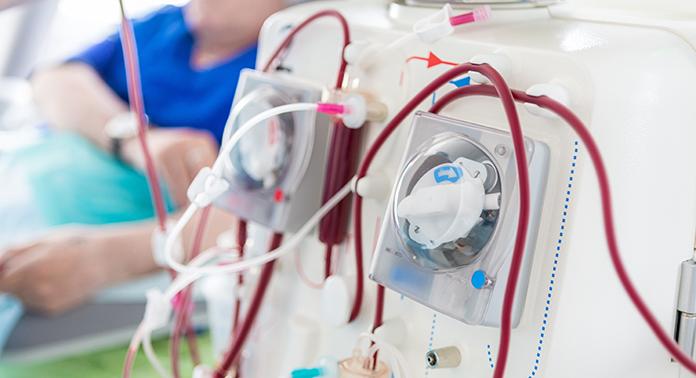
Severe cases of a COVID-19 infection can cause a host of serious complications, including acute kidney injury. In a published study, scientists at Lawson found that acute kidney injury in patients with a severe COVID-19 infection leads to a high mortality rate.
By accessing data collected through the Ontario Renal Network (ORN), Dr. Peter Blake, Lawson Researcher and Provincial Medical Director at the Ontario Renal Network, and his colleagues examined 271 people at 27 renal programs across the province, including patients at LHSC, who received dialysis for acute kidney injury due to a COVID-19 infection. Read more.
Study shows a decline in Veterans’ mental health throughout the pandemic

In published findings from Lawson, more than half of Canadian Veterans reported a decline in their mental health over the course of the COVID-19 pandemic.
When it comes to mental health conditions, Veterans are an at-risk population, often having higher rates of depression and post-traumatic stress disorder (PTSD). When the COVID-19 pandemic hit, scientists at Lawson wanted to understand its effects on this already at-risk population.
To examine the potential impacts the research team launched a longitudinal study recruiting Canadian Veterans and spouses of Canadian Veterans. Participants complete online questionnaires every three months, with questions focused on mental health and virtual health care services. Read more.
Virtual care associated with significant environmental and patient cost savings
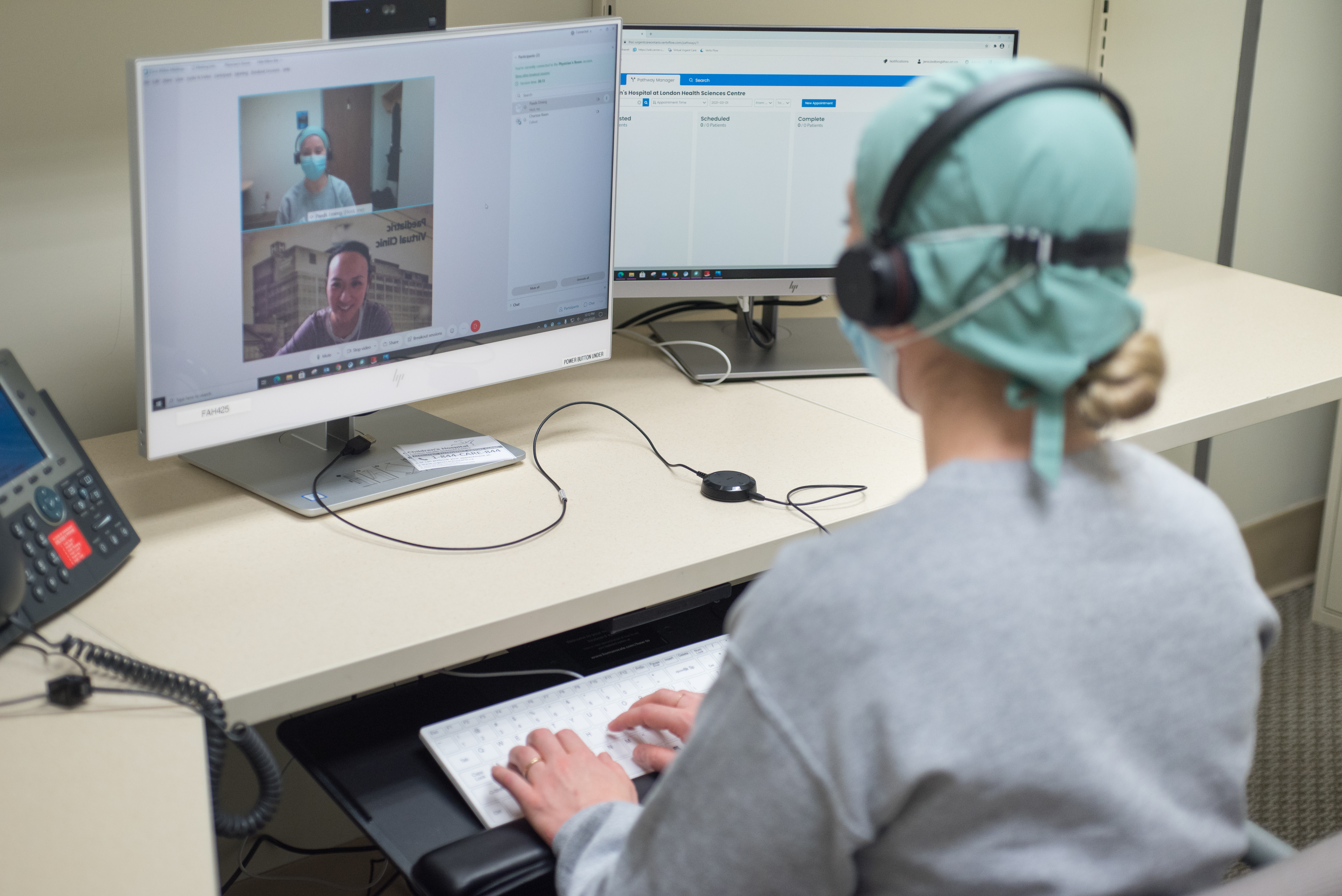
A study published in JAMA Network Open by researchers at ICES, Lawson and Western University found that virtual care during the COVID-19 pandemic led to a significant reduction in carbon dioxide emissions and patient travel-related expenses, such as gasoline, parking or public transit costs.
Findings show that for more than 10 million patients with at least one appointment during the study period (63 million visits in total), virtual care was associated with estimated savings of:
• 3.2 billion kilometers of patient travel;
• 545 to 658 million kilograms of carbon dioxide (CO2) emissions; and
• $569 to $733 million (Canadian [US $465-$599 million]) in expenses for gasoline, parking, or public transit. Read more.
London researchers discover novel method to diagnose long COVID
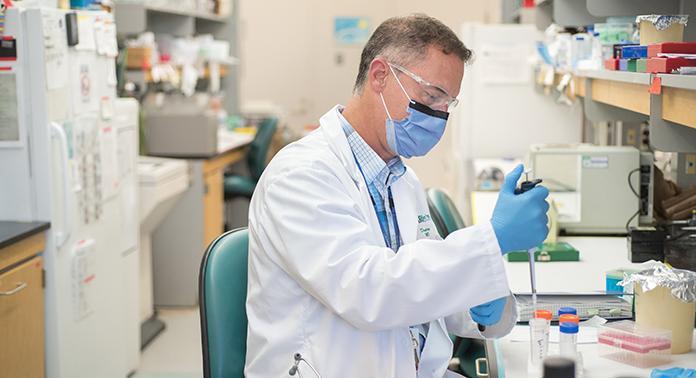
Published in Molecular Medicine, researchers at Lawson found that patients with post-COVID-19 condition (long COVID) have unique biomarkers in their blood. The team is now working on developing a first of its kind blood test that could be used to diagnose long COVID. The discovery could also lead to new therapeutics for this condition.
The researchers studied 140 blood samples from participants at LHSC and St. Joseph’s Health Care London, including St. Joseph’s Post-Acute COVID-19 Program. Participants were those with presumed long COVID, hospital inpatients with acute COVID-19 infection and healthy control subjects. Read more.
Researchers are combining new technologies to examine blood proteins in COVID-19 patients
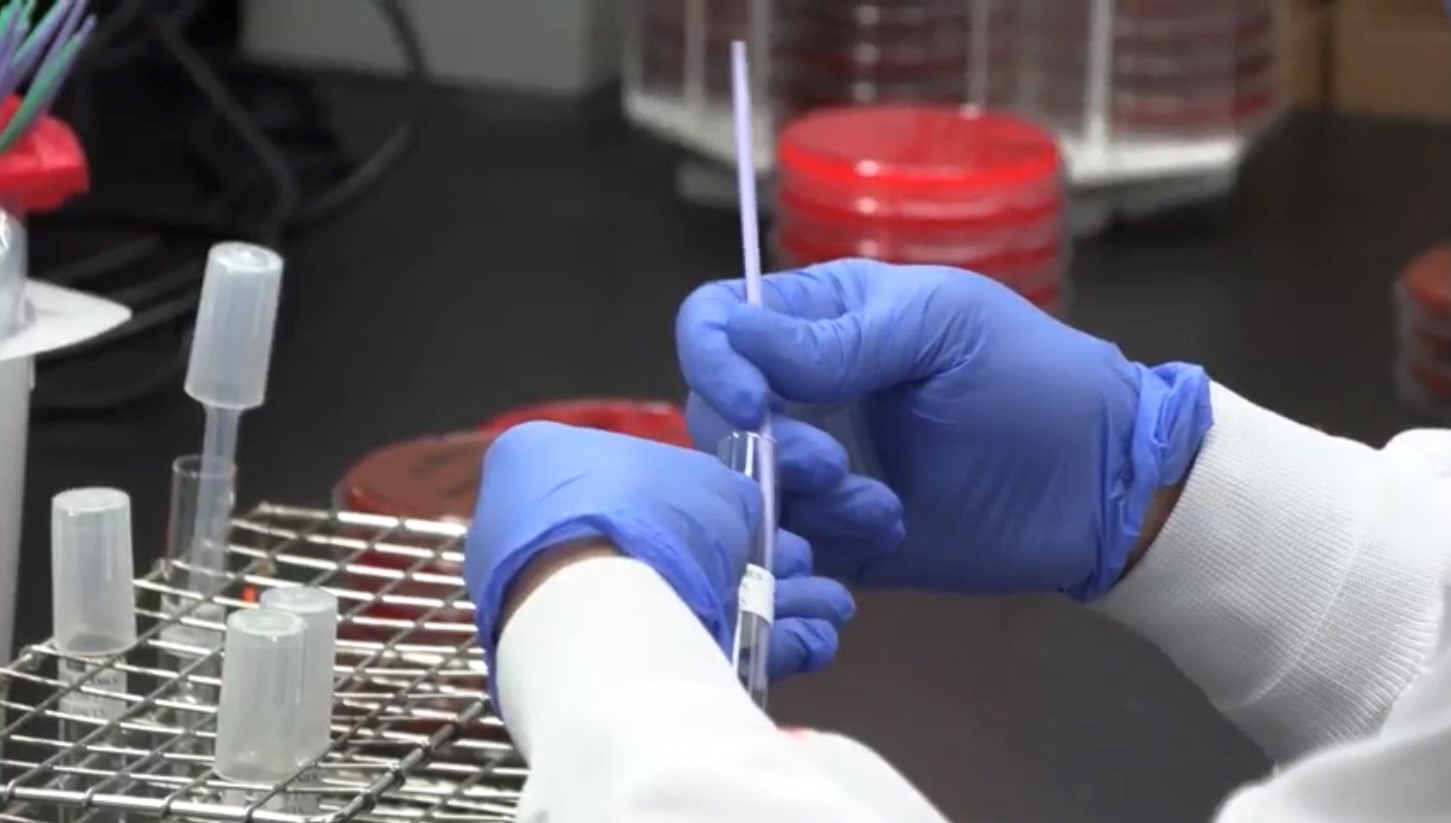
Published in the Journal of Cellular and Molecular Medicine, a team at Lawson discovered unique patterns of blood plasma proteins in critically ill patients that may help develop a more personalized approach to treating severe COVID-19.
Called the plasma proteome, the proteins studied are released by cells that often play an important role in the body’s immune response to viruses. The research team studied how they adapt and change to a COVID-19 infection. Read more.
Media Contact
Celine Zadorsky
Senior Media Relations Consultant
Communications & Public Engagement
T: 519-685-8500 ext. 73502
Celine.zadorsky@lhsc.on.ca
… PARO Dr. William Sischek, Integrated Vice President Medical & Academic Affairs Dr. Ahmed Zaki, RAC-CBME … & Dentistry Dr. William Sischek, Integrated Vice President Medical & Academic Affairs Dr. Schleifer Taylor (PT, PhD), … RESOURCES & PARTNER: • Hospital Library Services • Ontario Medical Association • Royal College • Canadian Medical …
2021 Resident Orientation VIRTUAL AGENDA VIRTUAL ACCESS: begins June 14, 2021 @ 9:00 AM LIVE WELCOME ADDRESS: Wednesday June 30, 2021 @ 8:30 AM Please note: Orientation will be hosted online & completely virtual due to the uncertainties of COVID-19. RESIDENT ORIENATION ACCESS INFORMATION: Online Ori...
… PARO Dr. William Sischek, Integrated Vice President Medical & Academic Affairs Dr. Ahmed Zaki, RAC-CBME … & Dentistry Dr. William Sischek, Integrated Vice President Medical & Academic Affairs Dr. Schleifer Taylor (PT, PhD), … RESOURCES & PARTNER: • Hospital Library Services • Ontario Medical Association • Royal College • Canadian Medical …
2021 Resident Orientation VIRTUAL AGENDA VIRTUAL ACCESS: begins June 14, 2021 @ 9:00 AM LIVE WELCOME ADDRESS: Wednesday June 30, 2021 @ 8:30 AM Please note: Orientation will be hosted online & completely virtual due to the uncertainties of COVID-19. RESIDENT ORIENATION ACCESS INFORMATION: Online Ori...
… Q2 Corporate Scorecard and Strategic Plan Update 2.3 Medical Advisory Committee Chair [S. Northcott] (5 mins) … Board of Directors Meeting of October 30, 2023 B. Medical Advisory Committee of the Board 1) REFERENCE for the … 2) St. Joseph’s Health Care Foundation – November 2023 3) Medical Advisory Committee Minutes of November 8, 2023 4) …
Regrets to Vanessa Cullen 519-646-6100 ext. 64202 or vanessa.cullen@sjhc.london.on.ca P a g e | 1 Meeting of the Board of Directors Monday November 27, 2023 3:30 pm start time St. Josephs Hospital Adams Boardroom A2-041 Via MS Teams video-conference AGENDA REMINDER: At the forefront of our discussi...