


Search
Search
1863 Search Results:
… the affected staff, the RSO will seek advice (e.g. from Medical Radiation Physicists, Nuclear Medicine Physician) to … the affected staff, the RSO will seek advice (e.g. from Medical Radiation Physicists, Nuclear Medicine Physician) to …
Safe Delivery and Administration of O-15 Gas Purpose: This document is written to detail safe work practices for the delivery and administration of radioactive oxygen-15 gas to the PET/MRI suite for large animal studies. Administering O-15 gas to humans is not permitted. Policy: This document detail...
… Ext. 64155 Helpful radiation safety links: The College of Medical Radiation Technologists of Ontario: www.cmrto.org … x-ray procedures and interprets x-ray images. WHAT IS A MEDICAL RADIATION TECNOLOGIST? A medical radiation technologist is a licensed medical …
CARING FOR THE BODY, MIND & SPIRIT SINCE 1869 Renowned for compassionate care, St. Josephs is one of the best academic health care organizations in Canada dedicated to helping people live to their fullest by minimizing the effects of injury, disease and disability through excellence in care, teachin...
… Health Care London Walker Cyril Integrated Vice President, Medical Education & Medical Affairs $260,293.54 $12,389.79 2016 Hospitals & … Health Care London Walker Cyril Integrated Vice President, Medical Education & Medical Affairs $260,293.54 $12,389.79 …
Page 1 Cal Year / Anne civile Sector / Secteur Employer / Employeur Surname / Nom de famille Given Name / Prnom Position Title / Poste Salary Paid / Traitement vers Taxable Benefits / Avantages imposables 2016 Hospitals & Boards of Public Health / Hpitaux et Conseils de sant St. Joseph's Health Care...
… Bela Ferreira, Educational Developer, Postgraduate Medical Education bela.ferreira@schulich.uwo.ca June 30th, … Bela Ferreira, Educational Developer, Postgraduate Medical Education bela.ferreira@schulich.uwo.ca June 30th, …
Questions? Bela Ferreira, Educational Developer, Postgraduate Medical Education bela.ferreira@schulich.uwo.ca June 30th, 2022 at 8:30am Virtual Live Zoom Link https://westernuniversity.zoom.us/j/95844474224 Please join us for our virtual live orientation welcome from Dr. John Yoo, Dr. Lois Champion,...
Save the Date: London Health Research Day 2021
Discover London's health research community by joining learners and researchers virtually at the 2021 London Health Research Day scheduled for May 11.
London Health Research Day is an opportunity to learn about research happening in labs and clinics across the city while engaging in scientific discussion. This year’s event will be presented virtually.
Featuring Keynote Speaker: Andrew Au
Image

Find out more about Andrew Au, LHRD 2021 keynote speaker as part of The Lucille & Norton Wolf Health Research Lecture Series.
Academic Program for Learners
Abstract submissions:
Submissions will open on February 16 and close on March 3, 2021. Go to the LHRD website for more information for participants.
The Lucille & Norton Wolf London Health Research Day Trainee Publication Awards:
Thanks to the personal generosity of Lucille and Norton Wolf, we are pleased to issue a call for The Lucille & Norton Wolf London Health Research Day Trainee Publication Awards. Learn more about the eligibility criteria and how to apply.
London Health Research Day is presented in partnership by Lawson Health Research Institute and the Schulich School of Medicine & Dentistry.
… safe driving. The assessment should include: �� Review of medical history and medications �� Functional ability �� … safe driving. The assessment should include: �� Review of medical history and medications �� Functional ability �� …
Parkwood Hospital Driving Assessment and Rehabilitation Program 801 Commissioners Road East London, Ontario N6C 5J1 Phone: (519) 685-4070 Fax: (519) 685-4576 DRIVING WITH SCIZOPHRENIA Schizophrenia is a psychiatric disorder that can affect all areas of daily life including ones ability to drive. The...
See the Line: Concussion Research and Awareness - CME & Symposium
12:30pm
Learn the latest in sport related brain injury evaluation and treatment - presented by the Schulich School of Medicine & Dentistry. Once again this year, we will be offering a full-day CME inclusive of the afternoon See the Line Community Symposium that will educate you on the latest in concussion research - hearing from world-class medical experts, health care advocates and professional athletes through the following series of events:
Morning: Continuing Medical Education (CME)
Registration: Registration is required. Registration fees apply for physicians and allied health care professionals.
Confirmed speakers include Dr. Lisa Fischer and Dr. Jason Mihalik. More speakers and a formal agenda will be announced in the coming weeks. Keep checking back for more information.
Who Attends? Physicians, allied health care professionals, medical and nursing students, residents
CME Session Options:
Full-day CME (8:30 a.m. - 5:00 p.m.):
Morning session in Dental Science Building, Rm. 1002, Western University
Afternoon session in Natural Sciences Centre, Rm. 145, Western University
* $100 for physicians and allied health care professionals. Residents and medical students are free.
Morning CME only (8:30 a.m. - 12:00 p.m.):
Dental Science Building, Rm. 1002, Western University
* $100 for physicians and allied health care professionals. Residents and medical students are free.
Afternoon Symposium only (1:00 - 5:00 p.m.):
Natural Sciences Centre, Rm. 145, Western University
* Attend the complimentary Community Information Symposium and earn CME credits by registering for the afternoon Symposium through Continuing Professional Development (CPD).
* You must register through CPD to earn CME credits.
Afternoon: Community Information Symposium
Time: 1:00 - 5:00 p.m.
Location: Natural Sciences Centre, Rm. 145, Western University
Registration: Registration is required. Free for all to attend.
Learn the latest concussion news and research from an exciting lineup of world-class experts and researchers. You will also hear personal stories from a panel of professional athletes about the impact concussions have had on their careers and lives.
Confirmed speakers include Dr. Douglas Fraser, Dr. David Mulder and Ms. Lisa MacLeod, MPP. The 2016 line up of athletes will be announced in the coming weeks. Keep checking back for more information.
Who Attends? Coaches, athletes, teams, parents, educators, students, health care professionals and media
For more information, including event registration please visit the See the Line website.
… Status: Ongoing. i) Increasing Accessibility at the Family Medical and Dental Centre Brief Description: Three projects … Status: Ongoing. i) Increasing Accessibility at the Family Medical and Dental Centre Brief Description: Three projects …
Annual Accessibility Plan regarding ONTARIANS WITH DISABILITIES ACT for the St. Josephs Health Care, London September 2003 - August 2004 Submitted to Cliff Nordal Chief Executive Officer 30 September 2003 Prepared by Nick Kokkoros Facilitator Accessibility Working Group This publication is available...
… Status: Ongoing. i) Increasing Accessibility at the Family Medical and Dental Centre Brief Description: Three projects … existing patient system capabilities (ie Electronic Medical Records) Patient Relations and Learning. Number of … Status: Ongoing. i) Increasing Accessibility at the Family Medical and Dental Centre Brief Description: Three projects …
Annual Accessibility Plan for the St. Joseph Health Care, London September 2004 - August 2005 Submitted to Cliff Nordal Chief Executive Officer 30 September 2004 Prepared by SJHC Accessibility Working Group Co-ordinator, Derek Lall This publication is available on the hospitals website and in altern...
… The American Rhinologic Society cannot provide specific medical advice to patients via the Internet. All patients … that patients can understand and participate in their own medical care Accessibility Report Filename: … The American Rhinologic Society cannot provide specific medical advice to patients via the Internet. All patients …
SEPTOPLASTY & TURBINATE SURGERY INTRODUCTION Many people have difficulty with nasal congestion and stuffiness. When someone has chronic stuffiness, theyre often forced to breathe through their mouth, leading to a sensation of a dry mouth. In many patients, these symptoms get worse at night when they...
CARING FOR THE BODY, MIND & SPIRIT SINCE 1869 Renowned for compassionate care, St. Joseph's is one of the best academic health care organizations in Canada dedicated to helping people live to their fullest by minimizing the effects of injury, disease and disability through excellence in care, teachi...
… litres per person for each • Prescription medication day) • Medical supplies and equipment • Medication(s) • Pet food … litres per person for each • Prescription medication day) • Medical supplies and equipment • Medication(s) • Pet food …
~ SIJOSEPHs HEALTH CARE LONDON CORPORATE Procedure: SEVERE WEATHER Owner of Procedure: Emergency Management and Risk Specialist Approval by: Emergency Management Committee Date: 2022-06-02 Original Effective Date: 2021-05-03 Reviewed Date(s): 2022-05-27 Revised Date(s): 2022-05-27 PURPOSE Adverse or...
Parkwood Institute Main Building Sexual Health after a Brain Injury This pamphlet contains information for patients living with a brain injury, including: How sexual health may be affected after a brain injury How to cope with changes to sexual health following a brain injury Tips for being sexua...
Parkwood Institute Main Building Sexual Health After Spinal Cord Injury 1 Parkwood Institute Main Building Sexual Health After Spinal Cord Injury 2 Spinal Cord Injury Rehabilitation Program You can do it, we are here to help! Sex and sexuality are important parts of being human, however after a spin...
Parkwood Institute Main Building Sexual Health After Stroke Sexual Health After Stroke Stroke Rehabilitation Program Page 2 You can do it, we are here to help! Sex and sexuality are important parts of being human. After having a stroke, many things can change. The way in which you experience your bo...
Parkwood Institute Main Building Sexual Health After Stroke Sexual Health After Stroke Stroke Rehabilitation Program Page 2 You can do it, we are here to help! Sex and sexuality are important parts of being human. After having a stroke, many things can change. The way in which you experience your bo...
~ ROTH I M(;FARLANE ~ ... HAND & UPPER LIMB CENTRE ~~as ST. JOSEPH'S HEALTH CARE LONDON 0Western ~ HealthSciences School of Physical Therapy What You Should Know Before Surgery -Reverse/Total Shoulder Replacement- Sling Use Why is it important? - Helps support your shoulder for comfort and soft t...
Showing the invisible: New research to help us see bacteria in the body
In recent years, research has increasingly shown us the importance of bacteria and other microbes in the human microbiome for maintaining health. Now, researchers at Lawson Health Research Institute are pioneering new imaging methods to see these microbes in the human body and open new avenues for health research. Early results of preclinical studies at Lawson have found positron emission tomography-magnetic resonance (PET/MR) imaging could allow the tracking and identification of bacteria inside the body and lead to more targeted use of antibiotic treatments.
Accurate targeting of antibiotic treatments can prevent antimicrobial resistance – when bacteria, viruses, fungi and parasites no longer respond to medication. According to a United Nations report, it is estimated that by 2050, antimicrobial resistance could result in 10 million deaths each year – more than cancer. New imaging research could be a gamechanger for treating bacterial infections by allowing us to see bacteria in the body using medical imaging equipment and then targeting the bacteria with specific therapies.
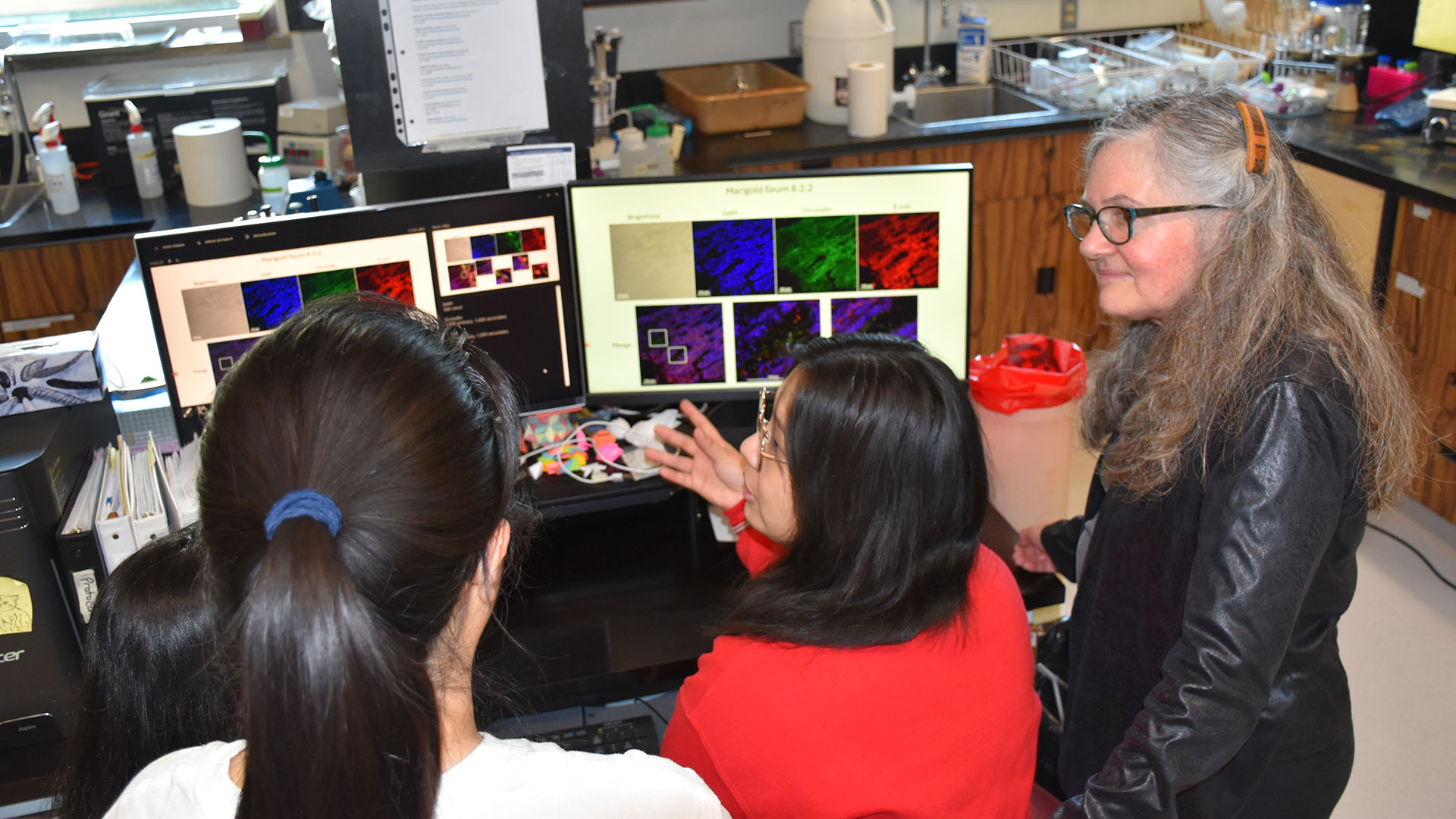
“Traditional imaging of infection means that you're looking at tissue damage; the bacteria have already started the process of inflammation and are wreaking havoc,” explains Dr. Donna Goldhawk, Lawson Scientist at St. Joseph’s Health Care London (St. Joseph’s). “Imaging bacteria catches the infection at an earlier stage. When you can image a particular species of bacteria, you can narrow the type of antibiotic that you might want to treat it with – reducing the need for broad-spectrum antibiotics that can lead to antimicrobial resistance.”
Imaging bacteria using PET/MR technology begins with attaching tracer molecules – also called isotopes – to specific bacteria in order to follow the movement of the microbes. A recent study from Lawson used PET/MR imaging to track bacteria labelled with an isotope called Zirconium-89 (89Zr) in a preclinical model. The researchers were able to demonstrate that PET/MR imaging could track ingested bacteria through the gut.
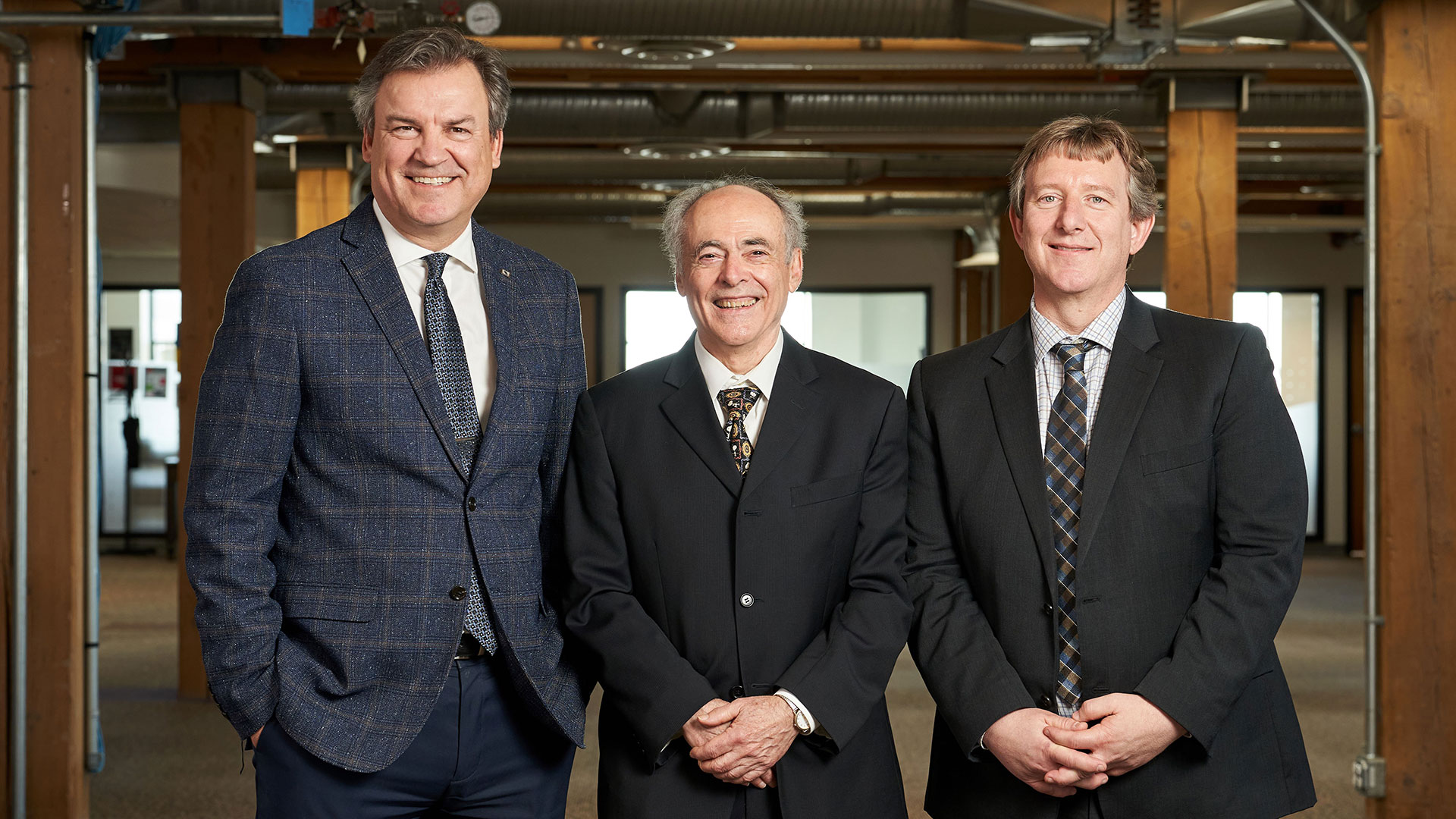
“Imaging of bacteria is a very new application of how PET/MR technology can be used. Using isotopes like 89Zr to label bacteria would allow you to image the same individual repeatedly and follow the ingestion of specific bacteria from the stomach through the digestive system since those isotopes last a long time,” adds Dr. Frank Prato, Scientist at Lawson and Lead of the Lawson Imaging research program.
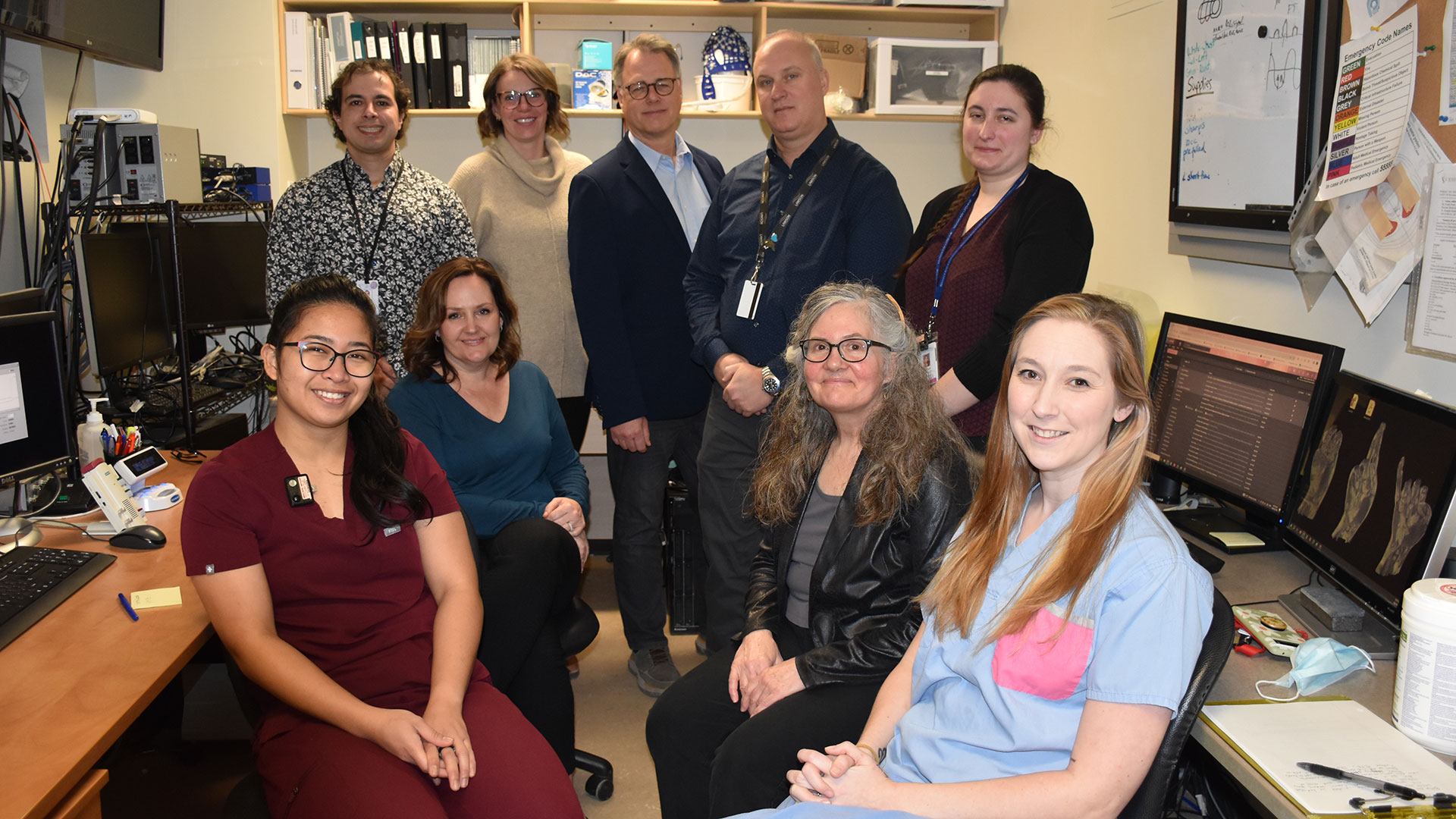
This also has the potential to allow imaging of bacteria that migrate to other areas of the body like the brain, bladder, kidneys, and reproductive system. In the future, this technology could allow researchers to identify specific bacteria present and target those bacteria.
Similar research is underway to examine whether bacteria without tracers can also be tracked using MR imaging based on differences in their characteristics, like associations with specific metals. This could allow imaging of specific bacteria in the gut and how they respond when gut infections are treated with antibiotics, probiotics or microbial therapies like fecal microbiota transplantation (FMT).
With or without tracer molecules, both imaging methods could eventually become important for improving the efficacy and wider implementation of FMT, which introduces healthy microbes from donors into a patient’s gut with the goal of having the healthy bacteria reinstate a balanced microbiome. FMT is currently used to treat recurrent infections of C. diff. (Clostridium difficile), but new applications are expanding with clinical trials looking at its use to treat a variety of diseases, including certain forms of cancer. The ability to see how the balance of bacteria is changing could accelerate the development of effective new therapies.
While more research is needed, these studies are moving the monitoring of bacteria using PET/MR imaging closer to clinical implementation. The research has been made possible in part thanks to collaborations with Siemens Healthineers, Cubresa Inc. and London X-Ray Associates.
Sick Day Management for People with Type 1 Diabetes When you are unwell, managing your glucose levels can be a challenge. Be prepared and know how to manage your diabetes when you are sick. Important reminders 1. Take diabetes medication as usual. Insulin treatment should never be stopped. If you ar...
Sick Day Management for People with Type 1 Diabetes When you are unwell, managing your glucose levels can be a challenge. Be prepared and know how to manage your diabetes when you are sick. Important reminders 1. Take diabetes medication as usual. Insulin treatment should never be stopped. If you ar...