


Search
Search
1080 Search Results:
… to collaborate with LHSC’s planning. For example, mental health is an area where St. Joseph’s sees opportunity … Assent was received to delay expanding MAiD to those with mental disorder as their sole underlying condition until … to collaborate with LHSC’s planning. For example, mental health is an area where St. Joseph’s sees opportunity …
Meeting of the Board of Directors Monday, March 25, 2024 3:30 pm start time St. Josephs Hospital Adams Boardroom A2-041 and via MS Teams video- conference MINUTES Call to Order Nawaz Tahir The reflection was provided by Brandon de Vries. Education Session Capital Master Plan, Part 1: Clinical Serv...
… Breakthrough Fund II which focuses on social and environmental welfare particularly housing, equity and inclusion … with the Royal Society of Canada for their research on Mental Health and Dr. Cindy Hutnik was recognized as a … Breakthrough Fund II which focuses on social and environmental welfare particularly housing, equity and inclusion …
Meeting of the Board of Directors Monday October 30, 2023 3:30 pm start time St. Josephs Hospital Adams Boardroom A2-041 and Via MS Teams video-conference MINUTES Call to Order Nawaz Tahir The reflection was provided by Vicki Smye. 1. Education Session 1.1. Credentialing of Professional Staff S. N...
… for high school students with intellectual and developmental disabilities to prepare them for the working world. … care. • St. Joseph’s also received funding for 12 beds in Mental Health with a specific focus on patients who present … who can be moved immediately to Parkwood Institute Mental Health Building. • Ontario Structured Psychotherapy …
P a g e | 1 Meeting of the Board of Directors Monday, September 25, 2023 3:30 pm start time St. Josephs Hospital Adams Boardroom A2-041 Via MS Teams video-conference MINUTES Minutes to be ratified next meeting Call to Order Nawaz Tahir Welcome and roundtable introductions occurred. The Board then ...
… Breakthrough Fund II which focuses on social and environmental welfare particularly housing, equity and inclusion … with the Royal Society of Canada for their research on Mental Health and Dr. Cindy Hutnik was recognized as a … Breakthrough Fund II which focuses on social and environmental welfare particularly housing, equity and inclusion …
Meeting of the Board of Directors Monday October 30, 2023 3:30 pm start time St. Josephs Hospital Adams Boardroom A2-041 and Via MS Teams video-conference MINUTES Call to Order Nawaz Tahir The reflection was provided by Vicki Smye. 1. Education Session 1.1. Credentialing of Professional Staff S. N...
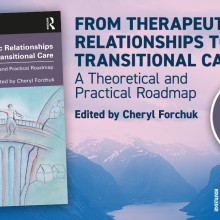
Book Launch: From Therapeutic Relationships to Transitional Care
2:00pm - 3:00pm
You are invited to a virtual event to learn more about a new publication from Routledge: From Therapeutic Relationships to Transitional Care: A Theoretical and Practical Roadmap. Hear from a panel of speakers who offer different perspectives on this important work.
This publication provides a foundational understanding of therapeutic relationships and the transitional discharge model (TDM) developed in Ontario by a team led by Dr. Cheryl Forchuk, Assistant Scientific Director at Lawson Health Research Institute. This approach is considered a “good practice” by the World Health Organization (WHO) and was recently included in its Guidance on Community Mental Health Services.
The transition from hospital to community is complex and can be challenging for people who have been diagnosed with a mental illness. TDM is a person-centered, evidenced-based approach that creates a safety net by providing seamless support during this transition. Peer support workers play an important role in providing support and links to community-based services based on people’s expressed needs for support.
More about the Transitional Discharge Method, shown in Ontario to be a beneficial and cost-effective approach to care as people are discharged from hospital, preventing re-admission:
Event Details
Date: Wednesday, June 23, 2021
Time: 10 – 11 am
Format: Zoom Webinar and Facebook Live. (You will receive the Zoom link after you’ve registered for the virtual event)
Purchase your copy of the book HERE and enter promo code SMAO3 at checkout for a 20% discount.
Image
… CMHA Middlesex Family Support Program • Speak with a mental health counsellor to discuss concerns and learn tips … • A person who is caring for someone with a physical or mental disability may access the Family Caregiver Amount tax … with cerebral palsy, spina bifida, Rett Syndrome, developmental delay and others. Contact Hours: 8 am to 4 pm Monday …
1 Resources for Caregivers Transitional and Lifelong Care Program Caring for a loved one is a big responsibility. This booklet provides resources to help you with your caregiving journey or when you just someone to talk to. Transitional and Lifelong Care Program Parkwood Institute Main Building, 55...
… job. • Must be at least 16 years old and have a physical or mental disability. • Phone: 519 438-5111 | Toll-Free: … 18 years old, in financial need, and have a physical or mental disability. • Phone: 519 438-5111 | Toll-Free: … • Website: www.ceridian.ca Developmental Services of Ontario (DSO) – Passport Program • Funds …
1 Transitional and Lifelong Care Program Resources for Financial Assistance Transitional and Lifelong Care Program Having a long-term disability can be costly. This booklet provides resources to help caregivers with financial costs and challenges. Transitional and Lifelong Care Program Parkwood Inst...
… 1 l Mental Health Resources Transitional and Lifelong Care … provides resources for caregivers and families facing mental health concerns and challenges. Transitional and … 519 646-6100 2 Transitional and Lifelong Care Program Mental Health Resources ACCESS Open Minds – Chatham Kent • …
1 l Mental Health Resources Transitional and Lifelong Care Program Being a caregiver can be physically and emotionally stressful. This booklet provides resources for caregivers and families facing mental health concerns and challenges. Transitional and Lifelong Care Program Parkwood Institute Main B...
… youth-planning-for-the-future/ Developmental Services of Ontario (DSO) – Transition Planning • For adults 18 years and older, with a developmental disability, and living Ontario • Can apply at age 16. … 519 293-3215 • Website: www.craigwielgardens.on.ca Developmental Services of Ontario (DSO) – Family Host Program • …
1 dr Transitions from Pediatric Care to Adult Health Care Transitional and Lifelong Care Program The transition to adult care for youth with complex health needs can be challenging. This booklet offers resources for caregivers and loved ones making the transition adulthood. Transitional and Lifelong...
… the prescription may be dispensed at the Parkwood Institute Mental Health Care Building retail pharmacy (Prescription … the prescription may be dispensed at the Parkwood Institute Mental Health Care Building retail pharmacy (Prescription …
July 12, 2022; Page 1 of 2 Onabotulinumtoxin A (Botox) for Cervical Dystonia/Spasmodic Torticollis What is cervical dystonia and how is it typically treated? Cervical dystonia is a rare neurological disorder involving involuntary muscle contractions in the neck that cause the head to twist or turn i...
… Aboriginal Canadians, new immigrant groups, patients with mental health conditions, and the application of clinical … time clinical inpatient dietitian for Parkwood Institute Mental Health Care (St. Joseph’s Health Care in London ON) … to two Dietitians of Canada position papers, “Promoting Mental Health through Healthy Eating and Nutritional Care” …
DIABETES UPDATE 2019 AGENDA WEDNESDAY, NOVEMBER 13, 2019 Best Western Lamplighter Inn & Conference Centre -CRYSTAL BALLROOM 591 Wellington Road South, London 7:30 a.m. 4:00p.m. 7:30 a.m-8:15a.m. Registration & Light Breakfast 8:15 a.m.-8:30a.m. Welcome & Introduction Dr. Stewart Harris CM, MD, MPH,...
Cafe Scientifique
6:30 -9:00 p.m.
Approximately nine per cent of Canadian adults will experience post-traumatic stress disorder (PTSD) at some point in their lifetime (Canadian Mental Health Association). As trauma and trauma-related disorders have become more recognized in society, the need for research has accelerated. At London Health Sciences Centre and St. Joseph’s Health Care London, our researchers are leading the way in advancing understanding, diagnosis and treatment in this critical area of mental health.
Join Lawson Health Research Institute on Thursday, September 28th at Goodwill Industries for a special Café Scientifique event, “Uncovering Trauma: A Conversation about PTSD and Moral Injury.”
Our world-renowned researchers and those with lived experience will share the importance of addressing trauma, PTSD and moral injury. They will discuss diagnosis, prognosis and treatment advancements developed through studies involving at-risk populations, including Canadian Veterans, health-care workers and those with developmental trauma.
EVENT DETAILS
- Date: Thursday, September 28, 2023
- Time: 6:30-9:00 p.m. (Doors open at 6:00 pm)
- Location: Goodwill Industries
- 255 Horton Street, London, ON (3rd floor event space)
https://goo.gl/maps/J65qJy6HKtg4aDxEA - Parking: Free on-site parking
PANELISTS
- Dr. J. Don Richardson, Associate Scientist at Lawson, Consultant Psychiatrist and Medical Director of the Parkwood Operational Stress Injury (OSI) Clinic at St. Joseph’s Health Care London, Scientific Director of the MacDonald Franklin OSI Research Centre at the Parkwood Institute, Fellow with the Canadian Institute for Military and Veteran Health, Tanna Schulich Chair in Neuroscience & Mental Health and Professor of Psychiatry at Western University
- Dr. Ruth Lanius, Associate Scientist at Lawson, Psychiatrist at London Health Sciences Centre, Harris-Woodman Chair in Mind-Body Medicine and Professor of Psychiatry at Western University’s Schulich School of Medicine & Dentistry
- Teresa Kinney, research participant who has contributed to studies with Dr. Lanius
- Laryssa Lamrock, National Strategic Advisor for families at Atlas Institute for Veterans and Families, Veterans Family Advisor on the MacDonald Franklin OSI Research Centre Advisory Council
MODERATOR
- Dr. Arlene MacDougall, Scientist at Lawson, Director of Research and Innovation for Mental Health at St. Joseph’s Health Care London, Director for MINDS, the Mental Health Incubator for Disruptive Solutions of London-Middlesex, Assistant Professor of Psychiatry and Epidemiology & Biostatistics at Western University
This is a free event and online registration is REQUIRED. Click here to register.
Café Scientifique is a free community event providing an informal opportunity to get involved with science. Through an open-forum discussion in a casual setting, these events address health-related issues of popular interest to the general public. A panel of Lawson researchers talk about what they do and why, and share their unique research perspectives. Guests can then ask questions, participate in discussion, and gain insights from the speakers and from one another.
This event is made possible by funding from the Canadian Institutes of Health Research (CIHR).
Thanks to our media partner:

Café Scientifique: The invisible world inside us
The human microbiome is a wonder of nature, with trillions of microbes calling our body home. They live in our gut and many other places throughout our body. They are involved in virtually every aspect of how we function and we are learning that they are essential to staying healthy. An unhealthy microbiome has been linked to many diseases from allergies to cancer and even mental health.
Most people out there have heard about probiotics and fermented foods, and chances are you’re trying to get more of them in your diet. Drinking kombucha or eating yogurt, anyone?
On November 27, 2019, Lawson Health Research Institute held the latest in its Café Scientifique event series, "The invisible world inside us: Exploring the human microbiome.”
The panel of researchers helped to unravel the mysteries about the micirobiome and how we are using that knowledge to improve health and health care. They also busted some myths and shared the important facts when it comes to probiotics, prebiotics and the microbiome.
Watch their talks:
Researchers:
Probiotics and Prebiotics - Look beyond the fake news
Dr. Gregor Reid, Lawson Scientist and Professor of Microbiology & Immunology and Surgery at Western University.
Time stamp: 10:02
Fecal Transplants: What does this crap have to do with me?
Dr. Michael Silverman, Lawson Associate Scientist, Chair of Infectious Diseases, Schulich School of Medicine & Dentistry at Western University and Chief of Infectious Diseases for St. Joseph’s Health Care London and London Health Sciences Centre.
Time stamp: 31:48
Does eating bacteria make sense?
Dr. Jeremy Burton, Lawson Scientist and Assistant Professor of Surgery (Urology) and Microbiology & Immunology at Western University.
Time stamp: 55:02
See the event photos on Facebook.
Café Scientifique is a free community event series providing an informal opportunity to get involved with science. Through an open-forum discussion in a casual setting, these events address health-related issues of popular interest to the general public. A panel of three Lawson scientists talk about what they do and why, and share their unique research perspectives. Guests can then ask questions, participate in discussion, and gain insights from the speakers and from one another.
… call_for_abstracts_-_mental_health_research_innovation_day_2019.pdf …
t~ STJOSEPHs HEALTH CARE LONDON Cardiac Rehabilitation and Secondary Prevention Program Patient Education Guide CARING FOR THE BODY, MIND & SPIRIT SINCE 1869 Renowned for compassionate care, St. Josephs is one of the best academic health care organizations in Canada ...
Caring for our health care system
8:30pm - 11:00pm
LAWSON PRESENTS CAFÉ SCIENTIFIQUE
Caring for our health care system:
Why we should give a darn about medical research
What does health care mean to Canadians? What about those of us who have experienced a care journey first-hand, either as a patient or family member? Health care is a point of pride in this country, but many Canadians worry that our system is falling behind.
Every day, health researchers are working with patients, industry and other partners to find real and sustainable solutions. Despite recent investments in medical research on a national level after years of underfunding, there is still much work to do.
Join Lawson Health Research Institute for our next Café Scientifique event to hear a panel of researchers talk about what they do and why medical research matters for all of us.
- Dr. Amer Burhan, Geriatric Neuropsychiatrist and Clinician Scientist
- Dr. Kelly Vogt, Trauma and General Surgeon and Clinician Scientist
- MODERATOR – Dr. Cheryl Forchuk, Beryl and Richard Ivey Research Chair in Aging, Mental Health, Rehabilitation and Recovery
Event Details
- Date: Monday, October 7, 2019
- Time: 5-7 pm (doors open at 4:30 pm).
This is NEW timing so that guests are free to watch the English-language leaders’ debate! - Location: Best Western Plus Lamplighter Inn & Conference Centre, 591 Wellington Rd, London, ON N6C 4R3
Map and directions - Parking: Free on-site parking
This is a free event and online registration is REQUIRED.
Click here to register.
Image
… it is tuning into your current physical, emotional and mental state. It is recognizing what is going on in the … cope with the stresses of day to day life • Build up your mental and emotional strength and develop resilience Our … it is tuning into your current physical, emotional and mental state. It is recognizing what is going on in the …
Parkwood Institute Acquired Brain Injury Outpatient Program Tip sheet Mindfulness What is mindfulness? The practice of mindfulness involves directing your attention to and maintaining an awareness of the present moment. In simple terms, mindfulness is paying attention to how you feel, what you are t...
Celebrating remarkable women in science
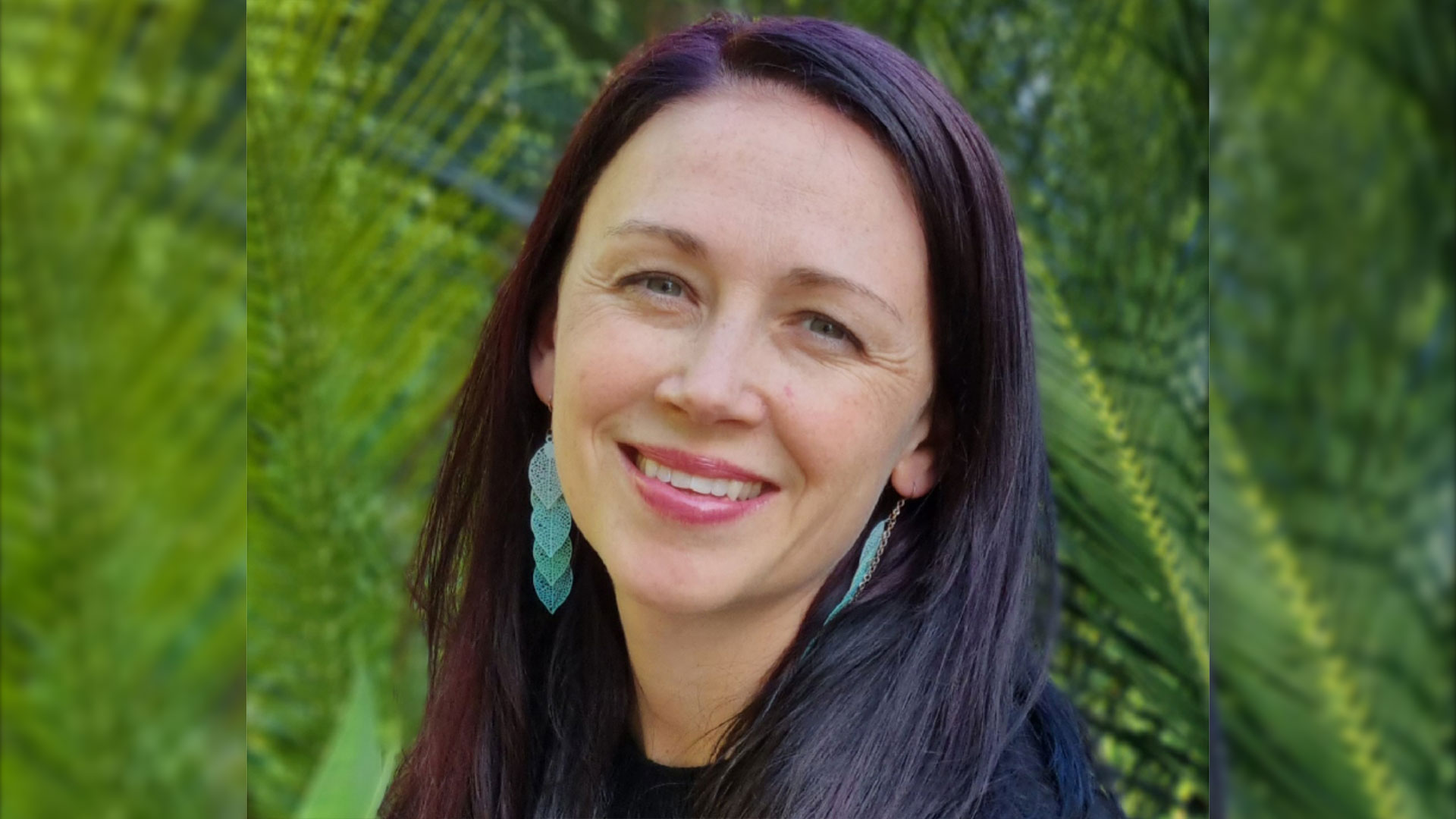
Chronic pain can affect every facet of a person’s life. “When someone is in pain, they can have significant difficulty with activities we all do in our daily life, from getting out of bed to walking to the mailbox. It can also impact their mental wellness,” shares Lawson Health Research Institute Scientist Dr. Siobhan Schabrun, PhD. Dr. Schabrun, who is the first ever William and Lynne Gray Endowed Research Chair in Mobility and Activity at St. Joseph’s Health Care London, has dedicated much of her career to unravelling the complex connection between the body and the mind known as neuroscience, with a focus on persistent pain.
She is currently leading groundbreaking work in understanding, treating and preventing persistent pain, offering hope for enhanced mobility and activity in individuals with musculoskeletal and neurological conditions at St. Joseph’s Gray Centre for Mobility and Activity, located at Parkwood Institute.
Dr. Schabrun’s research program has extended beyond conventional approaches, delving into the use of non-invasive brain stimulation technologies such as repetitive transcranial magnetic stimulation, more commonly known as rTMS, a therapeutic tool used in mental health treatments for decades, to augment neuroplasticity and optimize outcomes in rehabilitation.
Bridging the gap between human pain models and clinical trials, Dr. Schabrun’s work is contributing to the understanding of clinical pain populations and bringing new treatment methods to the forefront to improve patient care and outcomes.
Research Area
Partners
… diagnostic centres 6.0 St. Joseph’s in the News 7.0 Environmental Scan Page 2 of 10 1.0 Strategy in Action Reaching Out … in reducing stigma Biigajiiskaan: Indigenous Pathways to Mental Wellness co-delivered by St. Joseph’s and Atlohsa … system that creates barriers to care for people living with mental health and/or substance use (MHSU) problems or …
Page 1 of 10 CEO Report to the Board January 24, 2024 1.0 Strategy in Action Reaching Out to Our Community: Lower limb preservation program; A changemaker in reducing stigma; Warm jackets for cold winter months Advancing Excellence in Care Together: Improving access to geriatric care; Nourish Proj...
… as per restructuring directives. Names changed to Regional Mental Health Care, London and Regional Mental Health Care, St. Thomas Further reduction of … role changes that lie ahead in areas including specialized mental health care. This work requires the full focused …
Backgrounder Evolution in the Integration of Hospital Leadership The London hospital system is the most integrated system of hospital care in Ontario. This comes through extensive partnership and collaboration while fostering responsive leadership models to both support integration initiatives and r...