


Search
Search
1080 Search Results:
… tolerated by older adults because it can cause drowsiness, mental fogginess, as well as dry mouth and eyes. It can also … can be minimized. • Cyclobenzaprine can impact the mental/physical abilities needed to do certain tasks. It is … • Trouble urinating • Dizziness • Weakness • Confusion, mental fogginess On occasion, cyclobenzaprine can cause fast …
July 19, 2022; Page 1 of 2 Cyclobenzaprine (Flexeril) Why is this medication prescribed? Cyclobenzaprine is a short-term treatment (up to 3 weeks) for muscle spasm caused by acute/newly developed painful musculoskeletal conditions (e.g., conditions involving bones, muscles, joints, ligaments, and/o...
… rehabilitation and specialized geriatrics and specialized mental health care. Facilities and services including St. … Hospital, Mount Hope Centre for Long Term Care and Regional Mental Health Care London and St. Thomas are part of the St. … rehabilitation and specialized geriatrics and specialized mental health care. Facilities and services including St. …
Media Release July 22 2009 For Immediate Release Driver program helps grounded pilot regain independence London, Ontario - The driver assessment rehabilitation program (DARP) at Parkwood Hospital is helping people get back behind the wheel who have lost their drivers license because of changes in th...
… Regional 7,136 hours 6,779 hours 6,422 hours 6,893 hours 0% Mental Health Care London and Southwest (average of Centre for Forensic Mental Health Care Q1-Q3) (Average quarterly total hours of … Regional 7,136 hours 6,779 hours 6,422 hours 6,893 hours 0% Mental Health Care London and Southwest (average of Centre …
June 10, 2015 David Hill Integrated Vice President Lawson Health Research Institute Personal and Confidential Dear David: Office of the President 268 Grosvenor Street, PO Box 5777 London, ON N6A 4 V2 T: 519 646-6100 ext. 64200 F: 519 646-6054 www.sjhc.london.on.ca The purpose of this letter is to sh...
… DECEMBER 2012 | VOL. 9 NO. 3 REFORMS TO ONTARIO’S MENTAL HEALTH ACT: Lessons from the story of the man who … Solomon, John E. Gray Research Insights of the Regional Mental Health Care London and St. Thomas is a peer-reviewed … journals for publication. Research conducted at Regional Mental Health Care London and St. Thomas, St. Joseph’s …
DECEMBER 2012 | VOL. 9 NO. 3 REFORMS TO ONTARIOS MENTAL HEALTH ACT: Lessons from the story of the man who killed Brian Smith Richard OReilly, Robert Solomon, John E. Gray Research Insights of the Regional Mental Health Care London and St. Thomas is a peer-reviewed journal designed to publish reviews...
… of Treatment Capacity RESEARCH INSIGHTS of the Regional Mental Health Care London and St. Thomas Vol. 6, No.2 2009 … of Treatment Capacity 2 RESEARCH INSIGHTS of the Regional Mental Health Care London and St. Thomas Vol. 6, No.2 2009 … of Treatment Capacity RESEARCH INSIGHTS of the Regional Mental Health Care London and St. Thomas Vol. 6, No.2 2009 …
SPECIAL ISSUE AN EXCHANGE OF VIEWS ON WHAT CONSTITUTES REASONABLE REVIEW OF TREATMENT CAPACITY Capacity Reviews -Clinical and Liberty Outcomes ...... 1 Richard OReilly, M.B., F.R.C.P.C, Robert Solomon, LL.B., LL.M., John Gray, Ph.D. Capacity, Rights and Interests .. 10 Stephen A. State Ph.D. Respons...
… and assistive devices in your area. Intellectual or Developmental Disability Don’t make assumptions about what people … in care, teaching and research. sjhc.london.on.ca Mental Health Related Disability Allow access to supports, … and assistive devices in your area. Intellectual or Developmental Disability Don’t make assumptions about what people …
CARING FOR THE BODY, MIND & SPIRIT SINCE 1869 Renowned for compassionate care, St. Josephs is one of the best academic health care organizations in Canada dedicated to helping people live to their fullest by minimizing the effects of injury, disease and disability through excellence in care, teachin...
Department of Psychiatry Academic Research Day
12:30pm - 8:00pm
Please join us at the annual Department of Psychiatry Academic Research Day on June 22, 2017 at Parkwood Institute, Mental Health Care Building (Auditorium and Gymnasium).
Learn more about research being carried out in the Department of Psychiatry concerning mental health service delivery, diagnosis, and more. This event includes oral and poster presentations from faculty, clinicians, researchers, trainees and students in the Department of Psychiatry at Western University and affiliated departments and research institutes. Breakfast, lunch, and refreshments provided.
Registration is free of charge.
Please contact Lindsay Cecile at @email or 519-685-8500 x74911 to confirm your attendance.
We look forward to seeing you there!
… Diabetes Canada Mental Health Resource …
… Diabetes + mental health diabetes.ca | 1-800 BANTING *This document … depression. A depressive mood leads to poorer physical and mental functioning, making it more difficult to manage … in the context of diabetes should be managed by a mental health professional, such as a psychiatrist, …
Diabetes + mental health diabetes.ca | 1-800 BANTING *This document reflects the 2013 Canadian Diabetes Association Clinical Practice Guidelines. 2013 Copyright Depression Depression is more common in people with diabetes compared with the general population. Symptoms of depression affect 30% of peo...
… (Please circle) Vision Hearing Low Literacy Behavioural/Mental Health Additional Medical/Social Considerations (e.g. … (Please circle) Vision Hearing Low Literacy Behavioural/Mental Health Additional Medical/Social Considerations (e.g. …
_____________________________________________________________________________________ ___________________________________________________________________________ Diabetes Education Referral Form Phone: 519.661.1600 Diabetes Education Centre Fax: 519.661.1634 of St. Josephs Health Care London P.O. Bo...
… Nutrition Interventions in Patients Living with Diabetes and Mental Illness Christina Seely, BSc, RD, CDE Clinical Dietitian Parkwood Institute Mental Health Care Diabetes Update May 4, 2018 … Learning Objectives • Reciprocal relationship between mental illness and diabetes • The key role of nutrition in …
Nutrition Interventions in Patients Living with Diabetes and Mental Illness Christina Seely, BSc, RD, CDE Clinical Dietitian Parkwood Institute Mental Health Care Diabetes Update May 4, 2018 http://www.google.ca/url?sa=i&rct=j&q=&esrc=s&source=images&cd=&cad=rja&uact=8&ved=0ahUKEwjA8uXUq7rQAhWM7YMKH...
Dictation System - LHSC and St. Joseph's You must have your own personal and confidential dictating User ID number. To have your personal dictating user ID number arranged, please contact Transcription Services at: London Health Sciences Centre - 519-685-8500 extension 35131 St. Joseph's Health Ca...
DocTalks - Beyond Memory: How Alzheimer’s and Other Dementias Affect Mental Health
11:00pm - 12:30am
Image

Beyond Memory: How Alzheimer’s and Other Dementias Affect Mental Health
Where: Shuttleworth Auditorium (Cheapside entrance)
Dr. Amer Burhan, associate scientist at Lawson and geriatric neuropsychiatrist at St. Joseph's Health Care London, is an expert in the field of neuropsychiatry. He will discuss how Alzheimer’s and other cognitive diseases can impact the feelings and behaviours of individuals as well as their caregivers, and how research is shaping new treatment options for hard-to-treat depression.
Online registration has reached capacity. Please consider joining the next scheduled DocTalk lecture.
DocTalks is a series of community health discussions featuring leading physicians and researchers at St. Joseph’s Health Care London. Learn from the experts how St. Joseph’s is tackling the pressing health issues of our time and why it matters to you and your family.
DocTalks is a joint initiative presented by St. Joseph’s Health Care London and St. Joseph’s Health Care Foundation.
… online training program improves spiritual competencies in mental health care. Spirituality in Clinical Practice. … Vieten, C., & Wong, S. (2019). A novel training program for mental health providers in spiritual competencies. … spiritual struggles: The role of experiential avoidance in mental health. Journal of Contextual Behavioral Science, …
~ SIJOSEPHs HEALTH CARE LONDON RECENT PSYCHOLOGY STAFF PUBLICATIONS St. JOSEPHS HEALTH CARE LONDON (Updated December 2021) Bevis, B., Hudson, M., Knafo, R., Baron, M. Nielson, W.R., Hill, M., Thumbs, B. (2012). Sexual activity and impairment in women with systemic sclerosis. Arthritis Care and Resea...
… transition back into the community. RMHC Regional Mental Health Care Who We Are The Forensic Psychiatry Program at St. Joseph’s Regional Mental Health Care (RMHC) St. Thomas provides specialized … rehabilitation and support services to individuals with mental illness who have come into signi� cant contact with …
Because we all need St. Josephs. www.sjhc.london.on.cawww.sjhc.london.on.cawww.sjhc.london.on.ca Safe and successful transition back into the community. RMHC Regional Mental Health Care Who We Are The Forensic Psychiatry Program at St. Josephs Regional Mental Health Care (RMHC) St. Thomas provides s...
… voice and better health care to those who are most in need (mental health, those with chronic, debilitating illness, the … our unique roles – acute/ambulatory care; specialized mental health care; rehabilitation; specialized care of the … of all religious convictions” and “to ensure that the sacramental needs of members of the roman Catholic faith …
A Future Nurtured in Histories of Faith & Compassion A Future Nurtured in Histories of Faith & Compassion Like the tree that takes root & then bears fruit, st. Josephs health Care, London continues to grow from the humble and compassionate beginnings of our founders, the sisters of st. Joseph, ...
… download the printable site map for Regional Mental Health Care London …
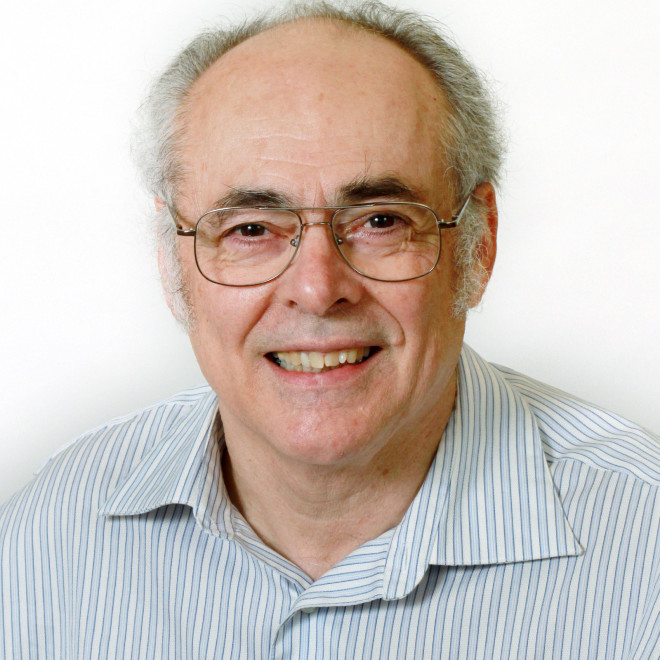
Dr. Frank S. Prato
Full Name
Dr. Frank S. Prato
Role
Location
Degrees and Qualifications
PhD, FCCPM, ABMP, FCOMP, FURSI, FCAHS
Research Overview
Over the last 30 years I have founded a research imaging program at Lawson that currently includes 23 Ph.Ds. and 7 MDs. The focus is to provide leading edge medical imaging technology to the patients of Southwestern Ontario, to citywide researchers and to foster what is needed for clinical trials. We have had a rich history including: first MRI in Canada (1982), first perfusion CT in the world (2000), first PET/CT in Canada (2002), first PET/MRI in Canada (2012).
In the last decade we have introduced PET technology to London including a medical cyclotron and radiochemistry facility that supplies Health Canada approved products to London, Toronto and Windsor. We are a hospital based research program and as such we have a stewardship responsibility to our patients to provide the best medical imaging facilities to guide their treatment and when they reach the limits of proven treatment methods they have the option to enroll in clinical trials that explore new treatment approaches.
Publications:


Biography
Since founding the Lawson Imaging Research Program in the 1980s Frank Prato has led the introduction of a number of new imaging technologies here in London. For example in 1982 his laboratory produced the first human MRI in Canada. Since 2002 Frank has focused on the introduction of new molecular imaging methods including the establishment of advanced positron emission tomography (PET) facilities in combination with magnetic resonance imaging (MRI). In 2012 the Lawson Imaging Research team installed Canada’s first human hybrid PET/MRI at Lawson’s St. Joseph’s Hospital site. Currently Frank is involved in the PET/MRI imaging of neuro-degenerative diseases caused by dementia and mental illness as well as in the study of cardiac diseases that lead to heart failure. Frank’s focus is to improve early diagnosis of disease to limit disability caused by chronic disease/conditions. Frank’s program is located within the hospital/patient environment as Imaging research is an essential part of the patient care continuum.
Scientific Record
- 6113 life time citations, h-index = 45 (Scopus)
- 10,624 life time citations, h-index = 58 (Google Scholar)
- 300+ peer-reviewed publications (222 papers)
- 700+ conference abstracts
- 184 invited presentations
- 67 graduate students and PDFs
- 14 patents and 4 spin-off companies
Dr. Arlene MacDougall appointed Director of Research and Innovation for St. Joseph’s Mental Health Care
Dr. Arlene MacDougall has been appointed as Director of Research and Innovation for mental health care at St. Joseph’s Health Care London and Lawson Health Research Institute.
She will oversee and facilitate all mental health care research at both Parkwood Institute and Southwest Centre for Forensic Mental Health Care, working to develop strong local and global partnerships, engage patients and their caregivers in research activities, and foster trans-disciplinary approaches to research.
Her goal is to build on existing research strengths in mood disorders, suicide and smart technology. She also will look to develop research links between Mental Health and Parkwood Institute’s other major research programs, Cognitive Vitality and Brain Health, and Mobility and Activity.
Dr. MacDougall joined Lawson and the Department of Psychiatry at the Schulich School of Medicine & Dentistry, Western University in 2013 working with the Prevention and Early Intervention Program for Psychoses at London Health Sciences Centre. Last year she was cross appointed to the Department of Epidemiology and Biostatistics at Schulich.
“I come to this new role with a great deal of optimism, energy and enthusiasm. Parkwood Institute Research has a number of established strengths in the mental health care field as well as potential for new streams of research and innovation,” says Dr. MacDougall. “I look forward to working with researchers, staff, and patients and their supporters, as well as academic and community partners, to make Parkwood Institute a leading centre in Canada for mental health research.”
Parkwood Institute Research is a Lawson program that represents inter-disciplinary clinical research and focuses on the advancement of innovations and discoveries that directly improve patient care.
Dr. MacDougall will continue her own program of research, which includes recovery-oriented interventions for people with serious mental illness locally and in Africa. She is leading local studies on the use of mindfulness meditation and participatory video interventions to promote recovery among youth with early psychosis. She is also leading a project based in Kenya using social businesses and a low cost psychosocial rehabilitation toolkit to create meaningful employment, promote social inclusion and support the overall functioning and recovery of people with serious mental illness in low income settings.
Most recently she has been involved in developing and leading initiatives that use social innovation approaches to tackle complex mental health system challenges both locally and globally.
At Western, she is the Director of Global MINDS (Mental Health Incubator for Disruptive Solutions) @ Western, an educational and research initiative that supports students, faculty and community stakeholders to create solutions that will reduce the global burden of mental disorders. Global MINDS is focused on innovating for low and middle income countries and for marginalized communities in Canada. Another initiative, MINDS of London-Middlesex, is working with multiple local stakeholders to collaboratively establish a social innovation lab and use collective impact approaches that will lead to solutions that address complex challenges in the local mental health system.
Dr. MacDougall began her new role on February 1, 2017 and joins Drs. Michael Borrie and Tim Doherty as Joint/Acting Beryl and Richard Ivey Research Chair in Aging, Mental Health, Rehabilitation and Recovery. She also joins Lawson’s Research Executive Committee as Assistant Director (interim) for Parkwood Institute Research, Mental Health.
Scientist
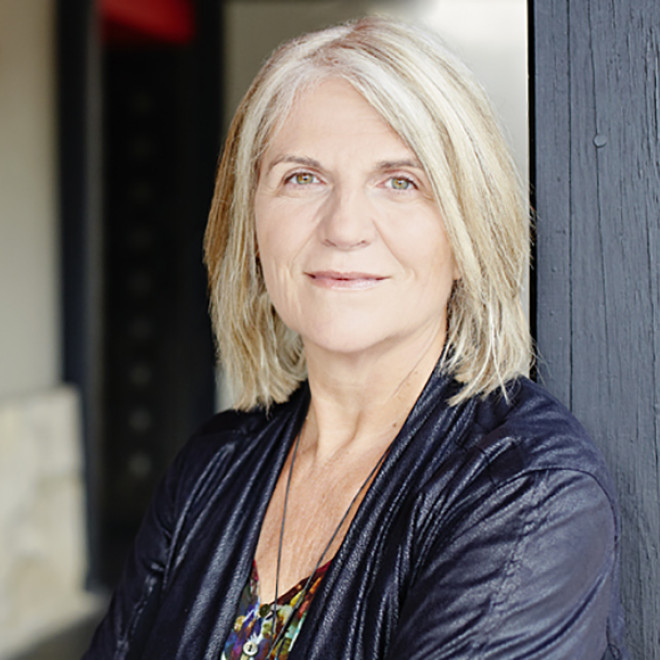
Dr. Cheryl Forchuk
Contact Information
Phone
519-685-8500
Extension
77034
Email
Administrative Support
sheryl.rooth@sjhc.london.on.ca
Website
Biography
Dr. Cheryl Forchuk is the Beryl and Richard Ivey Research Chair in Aging, Mental Health, Rehabilitation and Recovery; a Distinguished University Professor at Arthur Labatt Family School of Nursing (Western University); and Scientist and Assistant Director at Lawson Health Research Institute. She has published on many topics including transitional discharge, technology in mental health care, and poverty, housing and homelessness. She has been honoured with numerous awards including the Order of Ontario, an honorary life membership in the Registered Nurses Association of Ontario and the Canadian Association of Advanced Practice Nursing, and a Research Pioneer Award from Psychosocial Rehabilitation Canada.