


Search
Search
1080 Search Results:
… precautions should I follow? • Nabilone can impact the mental and/or physical abilities needed to do certain tasks, … precautions should I follow? • Nabilone can impact the mental and/or physical abilities needed to do certain tasks, …
June 16, 2020; Page 1 of 2 Nabilone (Cesamet) Why is this medication prescribed? Nabilone is a synthetic cannabinoid made by the pharmaceutical industry. It is similar to marijuana (the natural plant) in its actions, but usually has less effect on mood. Nabilone is typically used to treat severe n...
National award honours innovator Frank Prato’s excellence in medical physics
Dr. Frank Prato is a man of many firsts:
First in Canada to conduct magnetic resonance brain imaging. A pioneer in magnetic resonance cardiac imaging. Driving force behind the installation of Canada’s first PET/MR scanner. Founder of the Canadian Organization of Medical Physicists (COMP) while president of the Canadian College of Medical Physicists.
And while Dr. Prato admits to a competitive streak that constantly propels him to break new ground in medical physics, the renowned, prolific researcher is keen to note these innovations have been part of a larger team effort.
“My career has been filled with opportunities to work with and train some spectacular scientists who have made major contributions across Canada and around the world,” he says. “I’m proud of the whole group that has developed over the years and the support St. Joseph’s has provided.”
Chief Medical Physicist at St. Joseph’s Health Care London (St. Joseph’s), Dr. Prato has been awarded the 2024 COMP Gold Medal, the organization’s highest award for outstanding career achievement.
“Dr. Prato’s ground-breaking work in the field of medical physics has not only advanced the scientific community but also significantly impacted patient care in Canada and beyond,” says COMP President Boyd McCurdy, “His pursuit of innovation and excellence exemplifies the highest standards of our profession, and we celebrate his outstanding contributions to medical physics with admiration and gratitude.”
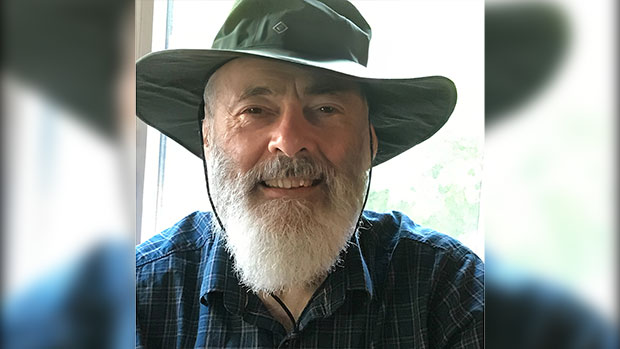
Dr. Prato is also Assistant Scientific Director and Imaging Program Leader at Lawson Health Research Institute (Lawson) and professor of medical imaging and medical biophysics at Western University.
“I have worked with Frank for 36 years now and have come to recognize him as one of the finest people I know,” says Dr. Ting-Yim Lee, Director of PET/CT Research at Lawson, medical physicist at St. Joseph’s Hospital, and one of the nominators of Dr. Prato for the award.
“Frank is unfailingly helpful and authentic, a great listener and a tenacious problem-solver. He demonstrates excellence and professionalism in medical physics locally, nationally and internationally.”
Dr. Lee cites Dr. Prato’s leadership in being “at the forefront of numerous international innovations in nuclear medicine and diagnostic radiology.”
Throughout his 48 years as a medical physicist, Dr. Prato has been inspired by the potential of technology’s reach into human health.
“I’ve always wanted to work in an area where we can do research, with a vision of what’s going to be important in patient health. I get excited about being on the leading edge of discovery that’s embedded in patient care.”
Critical advancements in nuclear medicine and diagnostic radiology, thanks to the work of Dr. Prato and his St. Joseph’s/Lawson team, have included:
- Introducing the first bone mineral density imaging procedure on a patient in Canada, a tool now essential for managing osteoporosis.
- Performing the first magnetic resonance brain imaging in Canada, setting a national standard.
- Pioneering magnetic resonance cardiac imaging techniques, enhancing the understanding of myocardial scarring and blood flow assessment.
- Introducing the first PET/CT and PET/MR scanners in Canada, revolutionizing molecular imaging and proving the economic value of advanced imaging technologies.
- Imaging the brains of premature infants, a world first.
- Developing Canada’s first self-sustaining cyclotron infrastructure.
- Conducting the world’s first MRI-compatible, high-resolution brain PET scan.
- Early diagnosis and treatment of dementia, mental illness and prostate cancer.
Dr. Prato’s leadership extends beyond his technical achievements. As the founder of COMP, an organization that now includes more than 800 professionals, he played a crucial role in establishing the organization, advocating for medical physicists' independent voice and professional growth.
His tenure as President and board member of the Canadian College of Physicists in Medicine (CCPM) was marked by significant advancements, including enhancing certification processes and establishing reciprocity with the American Board of Medical Physics. Dr. Prato also received the Valuable Service Award from CCPM in 2002 and was named a Fellow of COMP in 2013.
Earlier this spring, Dr. Prato received a Dean’s Award of Excellence for Research Faculty from Western University’s Schulich School of Medicine & Dentistry. He is also the sole Canadian to have won the d'Arsonval Award, an international honour from the Bioelectromagnetics Society.
A dedicated mentor, Dr. Prato has guided more than 60 Masters of Science students, PhD students and Post-Doctoral Fellows, many of whom have won awards and secured prominent positions in the field. His mentorship has been instrumental in the success of numerous scientists within the Imaging Program at Lawson, contributing to a legacy of innovation for years to come.
“At 78 years old,” he says, “I am pleased to say I have achieved things at St. Joseph’s that will far outlast me.”
… National Mental Health Week - Ron shares his story …
Nature's healing power
Using virtual technology, St. Joseph’s Health Care London is bringing the outdoors in for forensic mental health care patients.

Imagine sitting on a white sandy beach in a tropical location. The sun warms your face and a gentle breeze ripples across the water when, out of the corner of your eye, you spot a sea turtle slowly and curiously approaching.
You turn your gaze towards this beautiful creature and watch in wonder. You’ve never seen a sea turtle up close like this before.
For some, this type of experience is part of a dream vacation, attainable with enough money or imagination. But for many patients at St. Joseph’s Health Care London’s Southwest Centre for Forensic Mental Health Care (Southwest Centre) – including those not yet well enough to leave the facility – a new virtual-reality connection to nature offers a missing link in their journey towards recovery.
Immersive experiences in nature have been linked to positive mental health outcomes and a healthier sense of self – a benefit that staff researchers at Southwest Centre call eco-spirituality.
Occupational therapists Jared Scott, Clark Heard, and spiritual care practitioner Stephen Yeo, have explored just what this means for patients. Through a novel study published in 2022, Southwest Centre patients were provided with opportunities to become immersed in nature in the community, with tremendous therapeutic results.
The patients experienced a stronger connection with nature, a chance for open reflection and relaxation, and a restorative experience that provided a sense of peace and personal significance.
"There's something very human about connecting with, or in, nature ... It offers a sense of connectedness, whether to creativity, to beauty or the transcendent." spiritual care practitioner Stephen Yeo
The research team wondered if these experiences could be replicated in a virtual reality (VR) environment for patients who aren’t yet able to leave the facility.
“We realized we can translate these types of experiences through VR goggles where the patient has the ability to make their choices on how to engage,” says Heard. “This enables someone to experience something that's a little harder to touch in real life.”
For example, if the patient wishes to sit and reflect on a beach, they can. If they wish to be immersed in the jungle and experience giraffes and elephants walking among them, the choice is theirs.
“There’s something very human about connecting with, or in, nature,” adds Yeo. “True, virtual reality is not the same as the real thing, but we believe it offers a sense of connectedness, whether to creativity, to beauty or the transcendent. We see how it enlivens patients, even in sometimes very simple, subtle ways.”
Heard believes that this type of immersive experience nurtures the innate intellectual curiosity present in everyone.
“The first time people try it and look over their shoulder, they realize it's a full 360-degree experience. They look above and there are birds flying over them the same as anywhere else,” he explains.
Ultimately, Heard and Yeo believe the power and innovative experience of eco-VR is encouraging discovery in patients, energizing them at an intellectual and spiritual level.
With the purchase of VR equipment made possible through community support from donors to St. Joseph’s Health Care Foundation, the team has embarked on an eco-VR study, looking at what patients experience via VR and how that participation impacts their care journey. They are exploring with patients whether VR immersion in nature helps them cope with being in hospital at a difficult time in their lives.
Far beyond forensic mental health care, the answer just may open the door to a world out of reach for many others receiving care in various settings.
Psychiatry at Southwest Centre for Forensic Mental Health Care
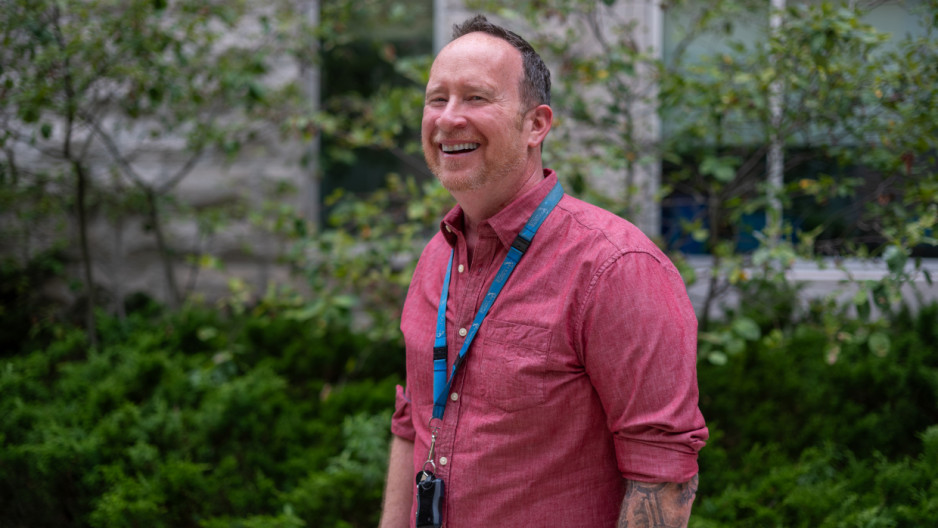
St. Joseph’s Health Care London’s Southwest Centre for Forensic Mental Health Care (Southwest Centre), located in Elgin County, is devoted to caring for people with a mental illness who have also come into contact with the criminal justice system.
Encompassing a recovery philosophy of care, the state-of-the-art building provides a healing environment that promotes each individual’s journey of recovery.
The Forensic Psychiatry Program at Southwest Centre includes assessment, treatment and rehabilitation programs, and an outpatient Forensic Outreach Team that serves Southwestern Ontario. Through intensive work with their care teams, patients develop new skills needed to successfully reintegrate back into their communities.
New research showcased at third annual Parkwood Institute Research Spring Update Half Day
More than 100 researchers, staff and trainees attended the third annual Parkwood Institute Research (PIR) Spring Update Half Day on April 27, 2018 to share their innovative research and learn about work from across PIR through interactive workshops and poster presentations.
A program of Lawson Health Research Institute and located at St. Joseph’s Health Care London’s Parkwood Institute, PIR represents three major research programs: cognitive vitality and brain health, mobility and activity, and mental health. The event allowed guests to hear about new studies and recent research developments from across these three themes.
“Parkwood Institute Research covers different research areas but what we want to emphasize with this event is the overlap and collaboration between our programs. Having an inter-disciplinary approach that encourages partnerships ultimately helps us to incorporate new knowledge into patient care at Parkwood Institute,” says Dr. Cheryl Forchuk, Beryl and Richard Ivey Research Chair in Aging, Mental Health, Rehabilitation and Recovery, and Assistant Director, Lawson.
Five interactive workshops were held on a variety of different topics, such as clinical trials, systematic reviews, innovation in health care, practice-based research methods and evaluating SMART technology. The workshops were led by some of Parkwood Institute’s research leaders, including Drs. Cheryl Forchuk, Robert Teasell, Michael Borrie, Dalton Wolfe, and Arlene MacDougall.
Attendees also had the opportunity to visit poster presentations on recent PIR projects.
Image
Ashrafunissa Janmohammad (above), Lawson research coordinator at Parkwood Institute’s Chronic Wound Management Clinic, was one of the poster presenters at the event. She presented on a study led by Lawson associate scientist Dr. David Keast, which assessed whether chitosan gelling fibre dressing could be effective in controlling bleeding after minor wound surgery. Chitosan is derived from chitin, the structural component of the cell walls of fungi and the shells of arthropods such as crabs, lobsters, shrimps and insects.
Image

Juweiriya Ahmed (above), a MSc candidate at Lawson and Western University’s Schulich School of Medicine & Dentistry, was another presenter. Her poster outlined a study investigating the interaction between neuroanatomical and genetic risk factors that may contribute to the development of psychotic symptoms (delusions and hallucinations) in patients with Alzheimer’s disease. Supervised by Lawson scientist Dr. Elizabeth Finger, the study could help inform the development of therapeutic targets and treatment plans.
New study aims to improve mental health treatments for stroke patients
LONDON, ON- A team at Lawson Health Research Institute are looking to improve mental health treatments and resources for patients who have experienced a stroke. The team will recruit 100 stroke patients to assess whether the completion of a guided therapy program can improve mental health and quality of life.
Strokes affect approximately 400,000 Canadians each year and can be debilitating. They can negatively affect a person’s cognition and mobility, and severely impact mental health and wellbeing.
“More than sixty per cent of patients experience depression after stroke,” says Dr. Robert Teasell, Lawson Scientist and Physiatrist at St. Joseph’s Health Care London’s Parkwood Institute. “Having a stroke itself makes people more vulnerable and makes people feel their lives have changed negatively.”
During stroke rehabilitation, patients are typically offered mental health treatments, but the research team say it is post rehabilitation that stroke patients tend to experience worsening depression.
“Publicly funded allied health care services are available at inpatient and outpatient care; however, psychology is often limited across the rehabilitation continuum from acute to community care,” says Dr. Swati Mehta, Lawson Scientist. “We are looking at how we can provide a program that is cost effective to help those who have these barriers to access mental health services.”
The study will examine the use of cognitive behavioral therapy (CBT), which is an evidence based psychological intervention that aims to provide people with increased coping ability and self-efficacy. Participants will complete a 10-week guided program with specific targeted lessons, tailored to the needs of those post stroke, delivered virtually through a trained clinician. They will then complete a questionnaire to see if there have been any improvements to self-efficacy and emotional wellbeing.
“We have found this form of therapy (CBT) has been very effective and feasible for spinal cord injury patients with mild traumatic brain injury and we want to see how a modified version could potentially help those with stroke and depression,” says Randy Upper, Clinical Research Associate at Lawson.
If CBT is proven effective through this study, Dr. Mehta hopes it will encourage similar programming that would be available to stroke patients after rehab.
“We are hoping we can connect with community organizations and work with them to implement this program in a service delivery model that would be easily accessible for stroke patients living in the community.”
Recruitment for this study is currently underway, those interested in taking part can email Dr. Swati Mehta at: @email
About Lawson Health Research Institute
Lawson Health Research Institute is one of Canada’s top hospital-based research institutes, tackling the most pressing challenges in health care. As the research institute of London Health Sciences Centre and St. Joseph’s Health Care London, our innovation happens where care is delivered. Lawson research teams are at the leading-edge of science with the goal of improving health and the delivery of care for patients. Working in partnership with Western University, our researchers are encouraged to pursue their curiosity, collaborate often and share their discoveries widely. Research conducted through Lawson makes a difference in the lives of patients, families and communities around the world. To learn more, visit www.lawsonresearch.ca.
Media Contacts
Celine Zadorsky
Senior Media Relations Consultant
Communications & Public Engagement
T: 519-685-8500 ext. 73502
Celine.zadorsky@lhsc.on.ca
New study finds exercise, cognitive training combo boosts mental sharpness in seniors
In a ground-breaking discovery that could reshape the approach to elderly cognitive care, Western University and Lawson Health Research Institute researchers have found that a combination of computerized cognitive training and aerobic-resistance exercises (such as walking and cycling along with weight training) can significantly improve cognitive functions, such as memory, attention, recognition and orientation, in older adults with Mild Cognitive Impairment (MCI).
The researchers found the effect of the combined intervention was larger than the individual effects of exercise or cognitive training alone, suggesting a synergism in the sequential combination. They also found Vitamin D supplements, on the other hand, did not appear to contribute to improvement.
According to the latest data published by the Alzheimer’s Association, the global prevalence of dementia is on the rise, impacting over 50 million individuals and costing more than $800 billion. These alarming statistics underscore the imperative to identify new and effective strategies to address neurodegenerative diseases.
The study, led by Western Professor and Lawson Scientist Dr. Manuel Montero-Odasso, offers a new pathway to address declining mental sharpness in the aging population by incorporating aerobic-resistance exercises along with computer-based cognitive training.
“This trial opens new doors in the realm of nonpharmacological interventions for MCI,” said Dr. Montero-Odasso, professor in the departments of medicine, and epidemiology and biostatistics at Schulich School of Medicine & Dentistry and director of Lawson’s Gait & Brain Lab.
“We found through a multidomain approach that pairs aerobic and resistance exercises with computerized cognitive training, there may be hope in delaying the progression from MCI to dementia.” Dr. Montero-Odasso is also a Geriatrician at St. Joseph’s Health Care London and co-lead of the Canadian Therapeutic Platform Trial for Multidomain Interventions to Prevent Dementia (CAN-THUMBS UP) at the Canadian Consortium on Neurodegeneration in Aging (CCNA).
The multi-city clinical trial, published in JAMA Network Open, included 175 participants aged between 60 and 85 with MCI – an intermediate state between normal cognitive aging and early dementia – which is also considered a critical period for early treatments and preventive strategies to address cognitive decline. The 20-week study was structured into five arms, focusing on the combination of different interventions.
The findings show that aerobic-resistance exercises did contribute to improvements in cognition, but it was the addition of cognitive training that truly made a difference. Notably, the addition of vitamin D supplementation did not show any significant benefit. Though previously argued to enhance cognition due to its neuroprotective attributes, the vitamin did not contribute to the overall success of the interventions.
The study, known as the SYNERGIC Trial (Synchronizing Exercises, Remedies in Gait and Cognition), was conducted across five Canadian academic institutions with core of the interventions at the London site – exercise and cognitive training – completed at Western’s Laboratory for Brain and Heart Health.
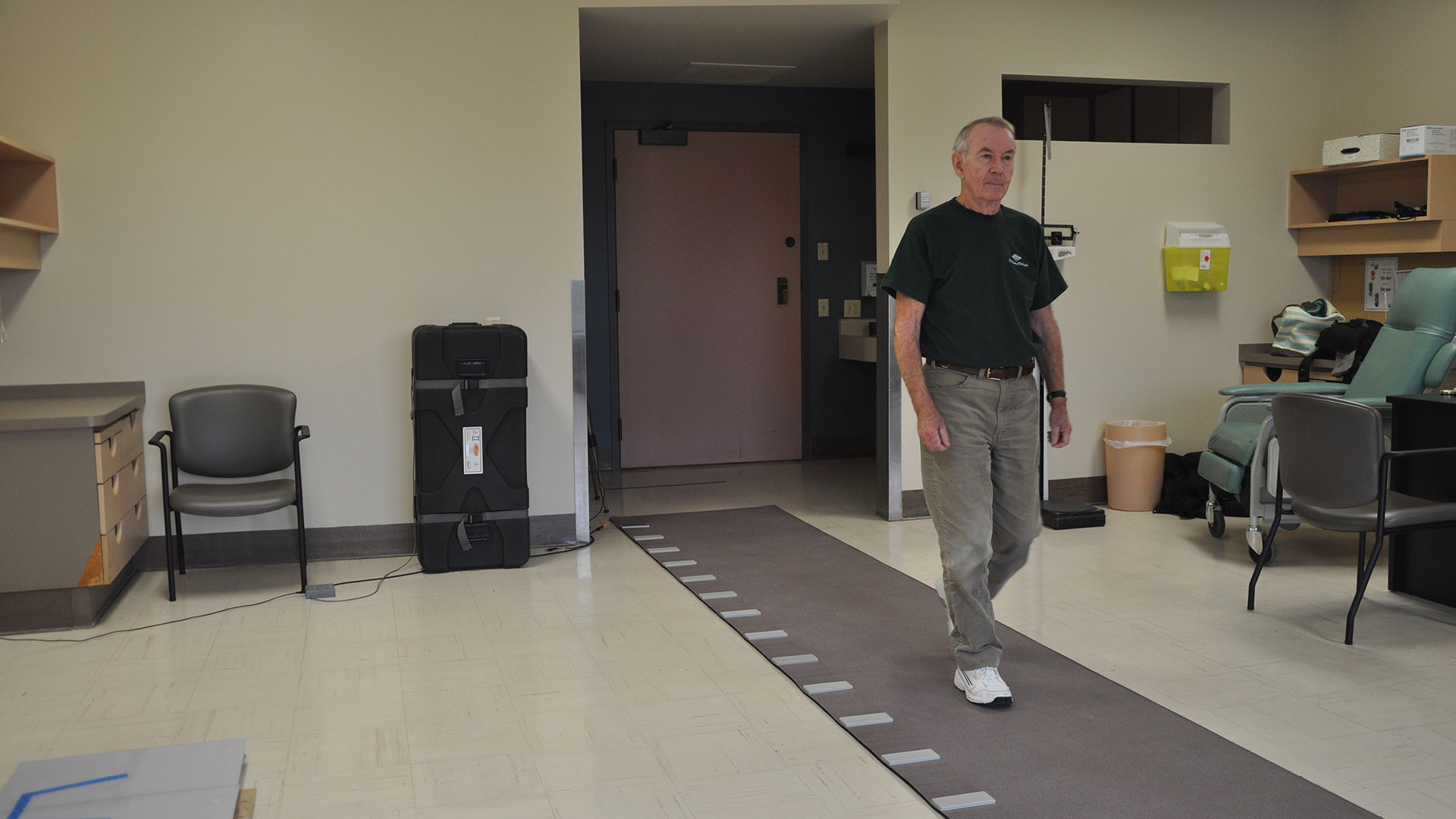
“The SYNERGIC Trial goes beyond mere numbers and statistics; it’s about understanding the many sides of cognitive health,” said Dr. Kevin Shoemaker, co-author of the study. Dr. Shoemaker is a professor in the School of Kinesiology at Western and Canada Research Chair in the Integrative Physiology of Exercise and Health.
“By bringing together various interventions, we are creating a comprehensive view of well-being that reaches beyond pills and conventional treatments. These findings could lead to real, significant improvements in the lives of people with mild cognitive impairment, changes that could genuinely enhance their quality of life,” said Dr. Shoemaker.
“This is an important advance from a national CCNA team led by Dr. Montero-Odasso. The study shows clearly that intense exercise and cognitive training is an effective and feasible lifestyle intervention that clearly slows the decline in brain function in people with Mild Cognitive Impairment. We are proud that Canadian scientists have shown this to the world,” said Dr. Howard Chertkow, Scientific Director, CCNA, and Chair in Cognitive Neurology and Innovation and Senior Scientist, Baycrest Health Sciences and Rotman Research Institute.
The next phase of the trials
The researchers are now conducting the next phase of the trial. The SYNERGIC-2 trial will provide virtual, at-home interventions to 550 study participants with MCI, including personalized one-on-one coaching, to help make lifestyle and behavioural changes. This trial is being conducted by the Mobility, Exercise and Cognition (MEC) Team which is part of the CCNA.
The SYNERGIC Trial is part of the Canadian Therapeutic Platform Trial for Multidomain Interventions to Prevent Dementia (CAN-THUMBS UP) CCNA’s platform dedicated to dementia prevention and risk reduction research. This work was supported by CCNA, which receives funding from the Canadian Institutes of Health Research (CIHR) and other partner organizations.
The team of researchers involved in the study led by Dr. Montero-Odasso also included Western professors Guangyong Zou and Mark Speechley, Lawson researcher and adjunct professor Frederico Pieruccini-Faria and London Health Sciences Centre statistician Surim Son.
The trial was conducted at five Canadian academic institutions: Western (sponsor site), University of Waterloo, Wilfrid Laurier University, University of Montreal and University of British Columbia.
New study shows technology could play an important role in mental health support
LONDON - In a study published in MDPI Journal, a team of researchers at Lawson Health Research Institute have shown that the use of technology may assist in better outcomes for those living with both mental health and physical disorders.
Dr. Cheryl Forchuk, Assistant Scientific Director at Lawson, and her team embarked on a pilot study that used smart home monitoring solutions to assist those living with both a mental health disorder and other health challenges. The purpose of this pilot study was to see if technology could improve overall lifestyle and wellbeing.
“We began our research by using hospital prototype apartments – apartment style care spaces within hospital settings – that were equipped with smart home technology solutions such as a screen device, activity trackers, weigh scales and medication dispensers,” says Dr. Forchuk who is also the Beryl and Richard Ivey Research Chair in Aging, Mental Health, Rehabilitation and Recovery at St. Joseph’s Health care London. “Once we tested it in a hospital setting, we wanted to find a way to take this idea out into the community in different kinds of housing and living situations to see if it would be beneficial.”
The research team partnered with the Canadian Mental Health Association (CMHA) and the London and Middlesex Community Housing (LMCH) to work together to retrofit the homes of the 13 study participants.
“We worked together with the participants and their care providers to choose what combination of technology they felt would be best for them,” says Dr. Forchuk. “No matter their health condition each participant wanted to be more active and independent, with the goal of staying out of hospital.”
All smart devices were connected to the Lawson Integrated Database, which is a database that can securely collect data from multiple sources such as health devices. This allowed care providers to send reminders to participants, while also tracking usage and results.
“The key benefits we noted was that study participants started to live healthier lives,” says Jonathan Serrato, Lawson Research Associate. “Participants logged going for walks and exercising more often, as well as making healthier food choices. Those who used the medication dispensers did not miss a single dose. The touch screen devices also allowed participants to easily communicate with care providers and support networks, and access more resources.”
Following the pilot study, the research team also published a subsequent paper, as a ‘how-to guide’ for utilizing smart home technology interventions as a health care tool.
“This paper is a helpful resource that outlines implications and considerations when it comes to smart home technologies,” adds Serrato. “There are many areas we touch upon such as security, privacy and feasibility as well as hardware and software information for those who would like to take on their own similar type of smart home technology project.”
About Lawson Health Research Institute
Lawson Health Research Institute is one of Canada’s top hospital-based research institutes, tackling the most pressing challenges in health care. As the research institute of London Health Sciences Centre and St. Joseph’s Health Care London, our innovation happens where care is delivered. Lawson research teams are at the leading-edge of science with the goal of improving health and the delivery of care for patients. Working in partnership with Western University, our researchers are encouraged to pursue their curiosity, collaborate often and share their discoveries widely. Research conducted through Lawson makes a difference in the lives of patients, families and communities around the world. To learn more, visit www.lawsonresearch.ca.
Media Contacts
Celine Zadorsky
Senior Media Relations Consultant
Communications & Public Engagement
T: 519-685-8500 ext. 73502
Celine.zadorsky@lhsc.on.ca
New study testing whether virtual groups can improve well-being in older adults
LONDON, ON- The COVID-19 pandemic has taken a toll on social connections, emotional health and well-being, especially for older adults. A new study through Lawson Health Research Institute will examine whether online/virtual ‘meaning-centered’ groups can help promote social connections and reduce risk for psychological distress.
Online meaning-centered groups are a promising approach developed by a research team led by Dr. Marnin Heisel, a Lawson Scientist, Clinical Psychologist at London Health Sciences Centre and Professor at the Schulich School of Medicine and Dentistry at Western University.
In his previous research, which began in-person and pivoted online during the pandemic, Dr. Heisel found that Meaning-Centered Groups helped men transitioning into retirement, a time when there is often a struggle with issues of identity, purpose and lost social connections.
“We found that people really enjoyed the camaraderie, they supported one another and many of them started getting involved in community activities, including outreach activities of their own and volunteering,” says Dr. Heisel.
Now, Dr. Heisel and his colleagues are looking to recruit participants from one of the populations hardest hit by the mental health impacts of the pandemic – older adults, who have become even more socially isolated.
“A lot of my research is focused on suicide prevention in older adults and I realized over time that one of the best ways of doing that is not waiting until people have to come for a psychologist or psychiatrist’s help, but rather to intervene much earlier and help people find those things that make life worth living,” notes Dr. Heisel.
The sessions will be 75 to 90 minutes and convened online once a week for eight weeks. The hope is to include approximately 10 people per group, with multiple groups underway at the same time.
“The meetings will focus on supporting one another, trying to build and enhance psychological resiliency, focusing on finding meaning in creative outlets, in relationships and other experiences,” explains Dr. Heisel. “They will also focus on attitudes towards challenges in life including adversities, the pandemic, being socially isolated, and also positive experiences.”
Dr. Heisel says he recognizes that the virtual format can be a challenge for some, but his team will help participants to both access and successfully use the technology.
Recruitment for the study is underway. Those interested in participating or who have friends or loved ones who might be interested can contact Dr. Heisel at Marnin.Heisel@lhsc.on.ca or view the study website at https://meaningfulgroups.com/groups for details.
Funding for the study is being provided by the Centre for Aging and Brain Health Innovation at the Baycrest Centre and the Canadian government.
About Lawson Health Research Institute
Lawson Health Research Institute is one of Canada’s top hospital-based research institutes, tackling the most pressing challenges in health care. As the research institute of London Health Sciences Centre and St. Joseph’s Health Care London, our innovation happens where care is delivered. Lawson research teams are at the leading-edge of science with the goal of improving health and the delivery of care for patients. Working in partnership with Western University, our researchers are encouraged to pursue their curiosity, collaborate often and share their discoveries widely. Research conducted through Lawson makes a difference in the lives of patients, families and communities around the world. To learn more, visit www.lawsonresearch.ca.
Media Contacts
Amanda Taccone
Communications Consultant & External Relations
Lawson Health Research Institute
T: 519-685-8500 ext. ext. 64059
C: 226-919-4748
@email
New study to assess pandemic's impact on Canadian Veterans and their spouses
LONDON, ONTARIO - Lawson Health Research Institute and the Centre of Excellence on Post-Traumatic Stress Disorder (PTSD) are partnering with a population at high risk of mental illness – Canadian Veterans and spouses of Canadian Veterans – to study how they have been impacted by the COVID-19 pandemic. Through online surveys, the project will hear directly from Veterans and their spouses to assess the pandemic’s effects on their wellbeing over time. The team hopes results can be used by health care workers and policymakers to support Veterans and their families during both the current pandemic and future public health emergencies.
“With concerns about COVID-19 infection and drastic changes to everyday life, the pandemic is taking a toll on the health of Canadians,” explains Dr. Don Richardson, Lawson Associate Scientist and Director of the MacDonald Franklin Operational Stress Injury (OSI) Research Centre. “And it may be particularly distressing for those vulnerable to mental illness.”
Population studies show that Canadian Veterans are at double the risk of mental illness when compared to the rest of the population. They experience higher rates of depression, anxiety and loneliness. Spouses of Canadian Veterans are also at higher risk of distress, sometimes undertaking significant caregiving responsibilities that lead to less independence.
“It’s currently unknown how the pandemic will impact Veterans and their spouses, but it could result in particularly serious outcomes,” says Dr. Anthony Nazarov, Associate Scientist at Lawson and the MacDonald Franklin OSI Research Centre. “We want to hear from all Canadian Veterans and their spouses, whether they’re doing well or not and whether they’re seeking care or not.”
The study aims to recruit 1,000 Canadian Veterans and 250 spouses of Canadian Veterans. Participants will complete online surveys, available in both English and French, once every three months for a total of 18 months. They will be asked questions about their psychological, social, family-related and physical wellbeing, and any relevant changes to their lifestyle and health care treatment.
“Veterans who regularly access health care services could encounter significant changes, including a move to virtual care appointments. This could lead to increased caregiving responsibilities for spouses,” says Dr. Nazarov. “Given the uncertainty surrounding the pandemic, these changes may persist well into the future, mandating a thorough assessment of patient satisfaction and treatment outcomes.”
The team hopes results can be used to support the wellness of Veterans and their families during public health emergencies. This includes providing health care professionals and policymakers with information to guide emergency preparedness policies and health care delivery models. They hope results can also be used to recognize early signs of distress in order to target with early interventions.
“We are seeking to understand the impact of COVID-19 on Veterans and their families to identify if this global pandemic is leading to psychological distress or triggering historical traumas,” says Dr. Patrick Smith, CEO of the Centre of Excellence on Post-Traumatic Stress Disorder. “The Centre’s primary goal is to increase Canadian expertise related to military and Veteran mental health, suicide prevention and substance use disorders. This study can help us understand if the pandemic is having debilitating and life-altering effects, and help us address a potential mental health crisis.”
Interested Canadian Veterans and spouses of Canadian Veterans can learn more about the study at www.veteransurvey.ca.
About Lawson Health Research Institute
Lawson Health Research Institute is one of Canada’s top hospital-based research institutes, tackling the most pressing challenges in health care. As the research institute of London Health Sciences Centre and St. Joseph’s Health Care London, our innovation happens where care is delivered. Lawson research teams are at the leading-edge of science with the goal of improving health and the delivery of care for patients. Working in partnership with Western University, our researchers are encouraged to pursue their curiosity, collaborate often and share their discoveries widely. Research conducted through Lawson makes a difference in the lives of patients, families and communities around the world. To learn more, visit www.lawsonresearch.ca.
About The Centre of Excellence on PTSD
The Centre of Excellence on Post-Traumatic Stress Disorder and Related Mental Health Conditions is located at the Royal Ottawa Hospital and is funded by Veterans Affairs Canada. Its goal is to build strong community networks to create the best possible supports and services for Veterans, first responders, service providers, and their families. It does this through knowledge and practice activities:
- conducts and facilitates applied research in PTSD and related mental health conditions
- widely shares information and knowledge about PTSD and mental health conditions and how to treat them
- transforms knowledge into training and resources to ensure veterans, first responders, and service providers, and their families are receiving the best possible supports and services
- shares standards for emerging and best practices with policy makers, mental health professionals, the Veteran Affairs Canada network of Operational Stress Injury Clinics, and Canadian Forces Health Services
The Centre’s primary goal is to increase Canadian expertise related to military and veteran mental health, suicide prevention, and substance use disorders, ultimately making this knowledge available to any first responders, family members, service providers, and researchers across Canada.
Media Contacts
Celine Zadorsky
Senior Media Relations Consultant
Communications & Public Engagement
T: 519-685-8500 ext. 73502
Celine.zadorsky@lhsc.on.ca
New tool to help Multiple Sclerosis patients with mental health challenges
LONDON, ONTARIO - The use of mindfulness, a type of meditation that focuses on being intensely aware of senses and feelings in the moment, has been shown to have benefits for patients newly diagnosed with Multiple Sclerosis (MS), according to findings by a hospital research team from Lawson Health Research Institute.
A diagnosis of MS can be a highly stressful event for the patient and their family due to the long list of unknowns that come with this lifelong neurological disease that has no cure. The majority of people diagnosed with MS are women between the ages of 20 and 40, and many experience mental health complications such as depression and anxiety. However, it’s not just women getting diagnosed at a young age.
28-year-old Mitchell Kuska was diagnosed with MS shortly after his 26th birthday. “I went from being a young 26-year-old doing regular things, to having to learn about this disease and everything that goes along with it and how it will affect my life,” says Kuska who is an avid cyclist. “I love cycling, working out and running. I am a very physically active person, and to know that I might not be able to do that someday is really scary.”
Neurologist and Lawson Associate Scientist Dr. Sarah Morrow says that MS isn’t just a physical disease, but there are many other challenges and symptoms for patients. “It can be a stressful time for people as they have just been diagnosed with a chronic neurological disease that will last the rest of their life.” Dr. Morrow is also the Director of the London MS Clinic at London Health Sciences Centre (LHSC). “They don’t know what will happen next. Will they be disabled? When will the next relapse happen? It can cause a lot of worry and stress, and we see a majority of patients with MS experience mental health conditions such as depression and anxiety.”
The research study was conducted by recruiting 24 newly diagnosed relapsing MS (RMS) patients from LHSC, with half undergoing mindfulness treatment while the others acted as a control group. Those in the treatment group took part in ten sessions from the Mindfulness Without Borders program.
“Mindfulness is bringing people into the moment rather than worrying about what could happen in the future or thinking about what happened in the past,” says Dr. Arlene MacDougall, Psychiatrist and Lawson Scientist. “It’s about centering yourself and gaining a sense of control of how you will respond rather than react to what is happening inside or outside of you.”
Kuska was one of the study participants and says learning mindfulness as a tool in her MS journey has made a positive difference in his mental health. “For me, the scariest part has been the uncertainty and not knowing what the future holds for me. During the treatment as part of the study, I did notice myself being more mindful of my symptoms. I was more in tune with myself and I felt the mindfulness helped me get into the right mindset to start dealing with MS.”
The study which was conducted with two separate session groups showed promising results specifically in treating depression. “Immediately after the sessions when we compared the two groups, those in the mindfulness were reporting better coping skills and less perceived stress, and their symptoms of depression had been reduced,” adds Dr. Morrow.
Following these initial findings published in Multiple Sclerosis and Related Disorders, the London research team plans to examine them in a larger study. They are also working to examine if the use of mindfulness would be helpful for people who are in the more progressive stages of MS.
-30-
About Lawson Health Research Institute
Lawson Health Research Institute is one of Canada’s top hospital-based research institutes, tackling the most pressing challenges in health care. As the research institute of London Health Sciences Centre and St. Joseph’s Health Care London, our innovation happens where care is delivered. Lawson research teams are at the leading-edge of science with the goal of improving health and the delivery of care for patients. Working in partnership with Western University, our researchers are encouraged to pursue their curiosity, collaborate often and share their discoveries widely. Research conducted through Lawson makes a difference in the lives of patients, families and communities around the world. To learn more, visit www.lawsonresearch.ca.
Media Contacts
Celine Zadorsky
Senior Media Relations Consultant
Communications & Public Engagement
T: 519-685-8500 ext. 73502
Celine.zadorsky@lhsc.on.ca
New transportation resource for youth in crisis
LONDON, ON – Transitional aged youth in Middlesex County now have access to a free transportation resource to access mental health services. Called the County Transport initiative, it will help youth ages 16 to 25 in Lucan, Parkhill, Exeter and Strathroy-Caradoc get the mental health care they need, when they need it.
County Transport is being coordinated by MINDS of London-Middlesex, a program of Lawson Health Research Institute, in partnership with the Canadian Mental Health Association (CMHA) of Elgin-Middlesex, Star Taxi and Middlesex County through the Lucan and Parkhill Libraries.
“Through our collaborative work, we’ve heard from many youth that transportation is a barrier for them when trying to access mental health services when in crisis. Youth in rural areas find this very challenging since most services are not close to their location,” says Romaisa Pervez, Research Assistant at MINDS of London-Middlesex.
MINDS, a Mental Health INcubator for Disruptive Solution, is a social innovation lab with a mission to address the complexity of the mental health care system. Youth with lived experience, community members and researchers work together to understand and help those living with mental health challenges in London-Middlesex by designing, piloting and testing innovative solutions developed locally.
“We do not have the exact numbers of Transitional Aged Youth (TAY) living in rural Middlesex who would benefit from access to the County Transport Initiative, but we know that mental health services in rural communities are limited and that access to the services available in larger city centres is challenging due to transportation difficulties,” explains Cathy Burghardt-Jesson, Warden for Middlesex County. “Transportation from Middlesex to London, where the majority of mental health resources are located, is underdeveloped as there are limited bus routes and schedules. This leaves little in the way of affordable transit options for TAY in crisis.”
Youth in crisis who connect with CMHA’s Reach Out 24/7 line at www.reachout247.ca or by phone at 519-433-2023 will be supported and assessed by the Crisis Line staff. If it is determined that a visit to the London Crisis Centre is needed, the CMHA Crisis worker will ensure a smooth transition from the Crisis Line to the Star Taxi Service. The youth will be provided with free transportation to and from CMHA’s Mental Health and Addictions Crisis Centre located at 648 Huron Street.
To ensure the safety and wellbeing of the youth accessing this service, Star Taxi drivers have received training developed by CMHA regarding mental health and crisis de-escalation, as well as suicide prevention training by Living Works.
Funding for the initiative has been provided by St. Joseph’s Health Care Foundation and the generous support of individual donors in the community.
“With additional funding, the initiative could be scaled up to reach as many youth as possible in Middlesex County and beyond. We want to see all youth in rural areas who want to access mental health services able to do so, by removing the barriers of location and transportation,” adds Pervez. They will be collecting information regarding use of the transportation service and youth experience to refine and improve the initiative.
-30-
About Lawson Health Research Institute
Lawson Health Research Institute is one of Canada’s top hospital-based research institutes, tackling the most pressing challenges in health care. As the research institute of London Health Sciences Centre and St. Joseph’s Health Care London, our innovation happens where care is delivered. Lawson research teams are at the leading-edge of science with the goal of improving health and the delivery of care for patients. Working in partnership with Western University, our researchers are encouraged to pursue their curiosity, collaborate often and share their discoveries widely. Research conducted through Lawson makes a difference in the lives of patients, families and communities around the world. To learn more, visit www.lawsonresearch.ca.
Media Contacts
Celine Zadorsky
Senior Media Relations Consultant
Communications & Public Engagement
T: 519-685-8500 ext. 73502
Celine.zadorsky@lhsc.on.ca
New transportation resource for youth in crisis
Transitional aged youth in Middlesex County now have access to a free transportation resource to access mental health services. Called the County Transport initiative, it will help youth ages 16 to 25 in Lucan, Parkhill, Exeter and Strathroy-Caradoc get the mental health care they need, when they need it.
County Transport is being coordinated by MINDS of London-Middlesex, a program of Lawson Health Research Institute, in partnership with the Canadian Mental Health Association (CMHA) of Elgin-Middlesex, Star Taxi and Middlesex County through the Lucan and Parkhill Libraries.
“Through our collaborative work, we’ve heard from many youth that transportation is a barrier for them when trying to access mental health services when in crisis. Youth in rural areas find this very challenging since most services are not close to their location,” says Romaisa Pervez, Research Assistant at MINDS of London-Middlesex.
Image

Romaisa Pervez, Research Assistant at MINDS of London-Middlesex, is leading the County Transport initiative.
MINDS, a Mental Health INcubator for Disruptive Solution, is a social innovation lab with a mission to address the complexity of the mental health care system. Youth with lived experience, community members and researchers work together to understand and help those living with mental health challenges in London-Middlesex by designing, piloting and testing innovative solutions developed locally.
“We do not have the exact numbers of transitional aged youth living in rural Middlesex who would benefit from access to the County Transport Initiative, but we know that mental health services in rural communities are limited and that access to the services available in larger city centres is challenging due to transportation difficulties,” explains Cathy Burghardt-Jesson, Warden for Middlesex County.
“Transportation from Middlesex to London, where the majority of mental health resources are located, is underdeveloped as there are limited bus routes and schedules. This leaves little in the way of affordable transit options for youth in crisis.”
Youth in crisis who connect with CMHA’s Reach Out 24/7 line at www.reachout247.ca or by phone at 519-433-2023 will be supported and assessed by the Crisis Line staff. If it is determined that a visit to the London Crisis Centre is needed, the CMHA Crisis worker will ensure a smooth transition from the Crisis Line to the Star Taxi Service. The youth will be provided with free transportation to and from CMHA’s Mental Health and Addictions Crisis Centre located at 648 Huron Street.
To ensure the safety and wellbeing of the youth accessing this service, Star Taxi drivers have received training developed by CMHA regarding mental health and crisis de-escalation, as well as suicide prevention training by Living Works.
Funding for the initiative has been provided by St. Joseph’s Health Care Foundation and the generous support of individual donors in the community.
“With additional funding, the initiative could be scaled up to reach as many youth as possible in Middlesex County and beyond. We want to see all youth in rural areas who want to access mental health services able to do so, by removing the barriers of location and transportation,” adds Pervez.
They will be collecting information regarding use of the transportation service and youth experience to refine and improve the initiative.
… on their Quality of Life Provided by Persons with Serious Mental Illness who are on a Community Treatment Order: A … http://www.lawsonresearch.com/v1.0/website/research_themes/Mental%20Health/HTML/our_publications.htm RESEARCH INSIGHTS of the Regional Mental Health Care London and St. Thomas Vol. 7, No.2 …
NOVEMBER 2010 | VOL 7 No.2 Perspectives on their Quality of Life Provided by Persons with Serious Mental Illness who are on a Community Treatment Order: A Naturalistic Enquiry Involving Critical Case Sampling Deborah J. Corring, Katie Anders, Lindsay Bateman, Stephanie Harshaw, Einav Shlomovitz, Kri...
… medical history eg concussions behavioural concerns mental health diagnosis etc Please fax relevant medical … medical history eg concussions behavioural concerns mental health diagnosis etc Please fax relevant medical …
NeuroTrauma Rehab Referral Form NeuroTrauma Rehab Allied Health Referral Form Parkwood Institute, Main Building Telephone: 519-685-4061 Fax: 519-685-4066 Toll Free: 844-945-3611 Client Information *Name: Address: City: *Phone: Ext: Alternate Phone: *Date of Birth: mm/dd/yyyy Languages Spoken: Email:...
… Equipment (PPE), as applicable d. Any applicable departmental policies or procedures 2.1.5. Ensure that the … Main Building [ ] Mount Hope [ ] Parkwood Institute Mental Health Building [ ] Southwest Centre for Forensic Mental Health Care Please continue to read the Agreement & …
Policy Administration https://apps.sjhc.london.on.ca/sjhc-policy/search_res.php?polid=EDU014&live=1[2018/10/31 1:52:43 PM] Policy Administration Console Policy: Observer (Medical and Non-Medical) Policy Owner: Integrated Director, Medical Affairs SLT Sponsor: Integrated Vice President, Medical Affai...
… Hope Parkwood Institute Main Building Parkwood Institute Mental Health Care Southwest Centre All St. Joseph’s Staff … Hope Parkwood Institute Main Building Parkwood Institute Mental Health Care Southwest Centre All St. Joseph’s Staff …
HEALTH REVIEW FORM VOLUNTEER CO-OP STUDENT POST SECONDARY STUDENT SPONSORED STUDENT Proof of immunization is required and includes any of the following: Vaccination records from yellow immunization cards, Immigration records, notes from a physicians office, copies of laboratory reports (titre levels...
… Parkwood Institute Main Building Parkwood Institute Mental Health Care Southwest Centre All St. Joseph’s Staff … Parkwood Institute Main Building Parkwood Institute Mental Health Care Southwest Centre All St. Joseph’s Staff …
February 2019 HEALTH REVIEW FORM VOLUNTEER CO-OP STUDENT POST SECONDARY STUDENT SPONSORED STUDENT Proof of immunization is required and includes any of the following: Vaccination records from yellow immunization cards, Immigration records, notes from a physicians office, copies of laboratory reports...
… visit your family physician, local branch of the Canadian Mental Health Association, or nearest hospital emergency … visit your family physician, local branch of the Canadian Mental Health Association, or nearest hospital emergency …
Ontario Chronic Pain Network Chronic Pain Self-Management Adult Resource Booklet 2020 The coordination, development, and design of these resources was led by Dr. Rachael Bosma, Toronto Academic Pain Medicine Institute. INTRO This resource booklet was developed alongside a webinar series. Each topic ...
… Name: Sandy Whittall Title: Integrated Vice President Mental Health Services Invoice Date Amount Expense Category … Name: Sandy Whittall Title: Integrated Vice President Mental Health Services Invoice Date Amount Expense Category …
Name: Roy Butler Title: Vice President Quality & Clinical Support Invoice Date Amount Expense Category Description 09/11/2011 91.20$ TRAVEL MILEAGE ALLOWANCE AT $0.40 KM CONFERENCE TORONTO 09/11/2011 18.00$ TRAVEL PARKING CONFERENCE TORONTO 11/15/2011 688.17$ TRAVEL ACCOMMODATIONS CONFERENCE TORONTO...