


Search
Search
581 Search Results:
… of care approaches that transcend the boundaries of programs and buildings. This plan lays a foundation for … focus on integrating recovery and rehabilitation at Parkwood Institute offer new opportunities to bring our … 2 Recovery and Rehabilitation – body, mind and spirit. Parkwood Institute was established in November 2014 when our …
STRATEGIC PLAN 2015 | 2018ST. JOSEPHS HEALTH CARE LONDON Realizing our Vision St. Josephs Vision, Mission and Values OUR VISION OUR MISSION OUR VALUES RESPECT, EXCELLENCE, COMPASSION STRATEGIC PLAN 2015 TO 2018 Our Patients, Residents and Families GOAL GUIDED BY THEIR VOICES; EXCELLENCE ALWAYS STRA...
… of care approaches that transcend the boundaries of programs and buildings. This plan lays a foundation for … focus on integrating recovery and rehabilitation at Parkwood Institute offer new opportunities to bring our … care facilities—Regional Mental Health Care London and Parkwood Hospital—came together in one location under a new …
STRATEGIC PLAN 2015 | 2018ST. JOSEPHS HEALTH CARE LONDON Realizing our Vision St. Josephs Vision, Mission and Values OUR VISION OUR MISSION OUR VALUES RESPECT, EXCELLENCE, COMPASSION STRATEGIC PLAN 2015 TO 2018 Our Patients, Residents and Families GOAL GUIDED BY THEIR VOICES; EXCELLENCE ALWAYS STRA...
… calls us to listen, to reach across and beyond our teams, programs and organizational boundaries, to continuously … Across five major sites and through some 50 distinct programs and services, many of which extend into our … and regional recovery and rehabilitation programs is at Parkwood Institute. Here, the clinical and research …
Because of our commitment to care, teaching and research... St. Josephs is earning complete confidence. CARING FOR THE BODY, MIND & SPIRIT SINCE 1869 With 17 years of health care restructuring and hospital renewal recently completed, St. Josephs is at an important and exciting juncture. This is St. ...
… (Public Health Agency of Canada) Research Research at Parkwood Institute into stroke rehabilitation is having a … use in their practices. Now, thanks to a research team at Parkwood Institute lead by Dr. Robert Teasell, that … an emphasis on rehabilitation. http://www.ebrsr.com/ Now at Parkwood Institute, through the new Long-Term Stroke …
Cognitive Vitality and Brain Health: Stroke/Neurological In 2009, about 315,000 (1.1%) of Canadians living in the community reported they suffer from the effects of a stroke. This estimate excludes people living in institutions, and it is known that many stroke survivors who require rehabilitative c...
… day. • Personal Alert Devices: Students who are learning at Parkwood Institute Mental Health Care Building or Southwest … you with access to Pyxis during your placement. Parkwood Institute Main Building Site Only: Your preceptor … and Travel Pass system’ for patients (if applicable ). Parkwood Institute Main and Mount Hope Sites Only: Your …
Student Placement Checklist PRIOR TO THE START OF PLACEMENT check () as applicable Corporate Network Login: You will receive your corporate login directly from your school. Please note: You will need your corporate network login to access St. Josephs polices below. Student Requirements: Ensure you ...
… Hope Centre for Long Term Care St. Joseph’s Hospital Parkwood Institute’s Mental Health Care Building Parkwood Institute’s Main Building Southwest Centre for … Hope Centre for Long Term Care St. Joseph’s Hospital Parkwood Institute’s Mental Health Care Building Parkwood …
DECLARATION ACKNOWLEDGEMENT FORM St. Josephs Placement Agreement and Required Learning Modules Thank you for completing the on-line required learning program. It has provided you with important information pertaining to your placement experience at St. Josephs. It is expected that you will apply thi...
… Centre for Long Term Care or the Veterans Care Program at Parkwood Institute are required to complete the Vaccination … Site Location(s): Mount Hope Centre for Long Term Care Parkwood Institute Main Building, Veterans Care Program St. … Centre for Long Term Care or the Veterans Care Program at Parkwood Institute are required to complete the Vaccination …
DECLARATION ACKNOWLEDGEMENT FORM St. Josephs Placement Agreement and Required Learning Modules In order to comply with the St. Josephs Covid-19 Vaccination Policy, all students placed at Mount Hope Centre for Long Term Care or the Veterans Care Program at Parkwood Institute are required to complete ...
… of the placement. Exception: Clinical groups learning at Parkwood Institute Mental Health Care Building or Southwest … Personal Alert Devices: Students who are learning at Parkwood Institute Mental Health Care Building or Southwest … with your clinical instructor and/or Student Affairs. Parkwood Institute Main Building Site Only: Your clinical …
Student Placement Checklist for Clinical Group Placements PRIOR TO THE START OF PLACEMENT check () as applicable Corporate Network Login: You will receive your corporate login directly from your school for placement purposes. Your login credentials will provide you with access to the Electronic Pa...
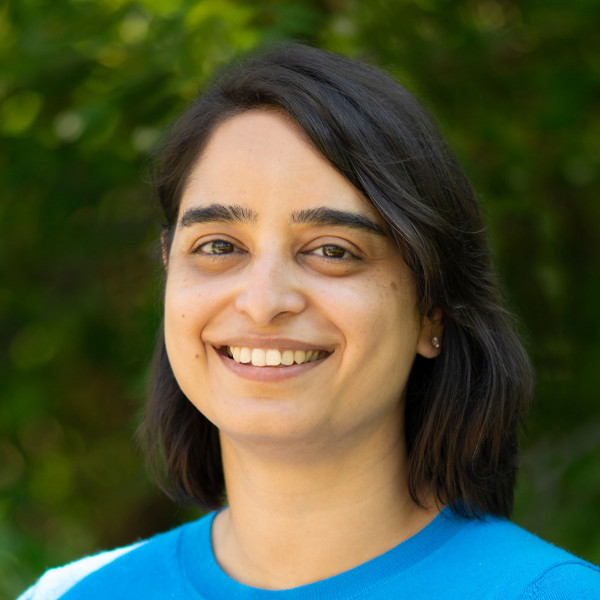
Swati Mehta
Swati Mehta, PhD
Lawson Scientist, Parkwood Institute Research
Key Areas of Focus:
Mobility, Cognitive and Brain Health
Phone:
519-685-4292 ext. 42359
Email:
Website:
Accepting Grad Students:
Yes
About:
Swati Mehta is a Scientist at Parkwood Institute Research and Lawson Research Institute, an Adjunct Assistant Professor in the Department of Physical Medicine and Rehabilitation at Western University and a registered Psychotherapist. Professor Mehta leads the RehabPsych Lab. The aim of the lab is to improve activity engagement and overall wellbeing among those undergoing rehabilitation through online programs including virtual group based physical activity and internet delivered cognitive behavior therapy hosted on the lab’s website.
Professor Mehta has received over 1 million dollars in research funding to date and has authored over 65 peer-reviewed articles. She has been awarded the Lawson Impact Leadership Award in 2016, the Royal Society of Canada Alice Wilson Award in 2017 and the Saskatchewan Health Research Foundation Excellence Award in 2017.
… or injury. The Gray Centre is located at St. Joseph’s Parkwood Institute, Southwestern Ontario’s regional provider … Through Lawson Health Research Institute, scientists at Parkwood Institute are leading the way in integrating … persons with neurological conditions; • a self-management programs for individuals with spinal cord injuries and …
THE GRAY CENTRE FOR MOBILITY AND ACTIVITY Innovating to improve the mobility and activity of people living with disease, disability or injury. WHO WE ARE Established in 2020, The Gray Centre for Mobility and Activity at St. Josephs Health Care London is expanding and advancing mobility and rehabilit...
… The Patients’ Voice Summer 2019 THE PATIENTS’ COUNCIL OF PARKWOOD INSTITUTE MENTAL HEALTH CARE AND THE SOUTHWEST … and assess how we provide care within the many varied programs across our organization. The outcomes of this … The Patients’ Voice Summer 2019 THE PATIENTS’ COUNCIL OF PARKWOOD INSTITUTE MENTAL HEALTH CARE AND THE SOUTHWEST …
Broccoli and Steak Stir-fry Ingredients: 4 Dempsters Tortillas 100% Whole Wheat (7 inch), warmed 1 tbsp (15 mL) canola oil 1 1/2 cups (375 mL) small broccoli florets 1/2 small onion, sliced 1/2 red pepper, sliced In wok or large skillet, heat oil over medium-high heat; stir-fry broccoli, onion and r...
Therapeutic seizure for depression: The positive and not so positive effects
8:00pm - 9:00pm
You are invited to the second in a series of Research Bites. These informative and interactive talks focus on specific illnesses, their prevention and related research being conducted by researchers in London, Ontario.
Topic: Therapeutic seizure for depression: The positive and not so positive effects
Image

The talk will include an overview of convulsive therapy, the benefits and risks, and new research to overcome some of the cognitive side effect of the treatment. It will also include a dialogue between Dr. Burhan and a family that went through the experience of electroconvulsive therapy to elicit the experience from the consumer perspective.
Date: Thursday, June 6, 2019
Time: 4 - 5 pm
Location: Parkwood Institute, Mental Health Building, Auditorium (F2-235)
550 Wellington Road South
London, Ontario N6C 0A7
Maps and Directions for Parkwood Institute.
Parking: The lot rate is $4.00 when you enter. $1 and $2 coins and credit card accepted (press the start button then insert payment)
Registration is required and spots will fill up quickly.
Click here to register.
These talks are hosted by Parkwood Institute Research, a program of Lawson Health Research Institute.
… September 2015 – St. Mary’s 1 THERAPEUTIC PROGRAMS SUNDAY MONDAY TUESDAY WEDNESDAY THURSDAY FRIDAY … Green Thumb 11:00 Church, CH 12:30 Meditation 1:00 Rock the Parkwood (invitation only) 2:00 Alpha Program, RH 12 10:30 … 11 11:00 Church, Chapel/RH 11:00 Fun and Fit 1:00 Rock the Parkwood (invitation only) 2:00 Alpha Program, RH 12 10:30 …
September 2015 St. Marys 1 THERAPEUTIC PROGRAMS SUNDAY MONDAY TUESDAY WEDNESDAY THURSDAY FRIDAY SATURDAY Programs in bold are specific to St. Marys 1 1 Camp Woodeden (invite only) 2 Camp Woodeden (invite only) 9:30 Music Therapy 3 Camp Woodeden Residents under 65 (invite only) 4 11 Church, Chapel/R...
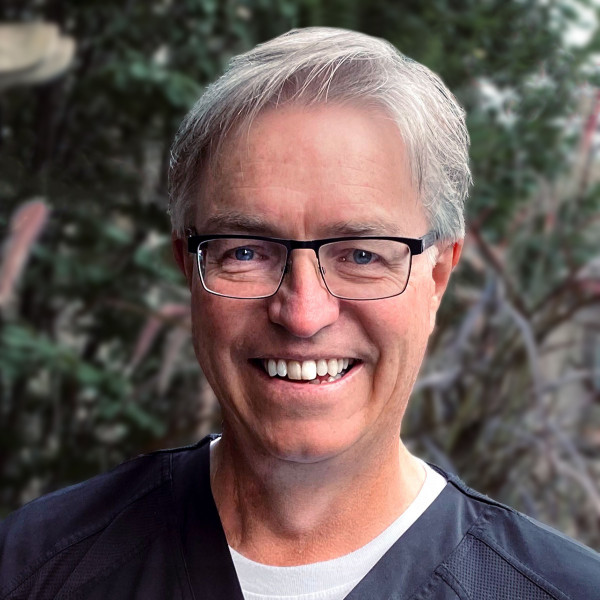
Tom Miller
Tom Miller, MD
Associate Professor, Schulich School of Medicine and Dentistry
Key Areas of Focus:
Neuromuscular Function
Phone:
519-685-4292 ext. 65364
Email:
Accepting Grad Students:
No
About:
Dr. Thomas Miller is a physiatrist at Parkwood Institute and an Associate Professor in the Schulich School of Medicine and Dentistry at Western University in the Department of Physical Medicine and Rehabilitation. Dr. Miller completed his medical degree at Queen’s University in 1989, and then completed subsequent training in physical medicine & rehabilitation at the University of Ottawa and a fellowship in clinical neurophysiology at University of New South Wales in Australia.
Dr. Miller is the Medical Director of the neuromusculoskeletal rehabilitation program at Parkwood Institute, Director of the Electrodiagnostic laboratory, consultant physiatrist with the Hand and Upper Limb Centre. He is also the co-director of the Peripheral Nerve Clinic at Parkwood Institute, a multidisciplinary assessment and treatment program for major nerve injury. Specific areas of academic research include peripheral nerve injury and its rehabilitation, spasticity rehabilitation and the neurophysiological assessment of function and mobility.
Using artificial intelligence and brain stimulation to improve treatment for psychosis
Leading the Canadian arm of the project is Dr. Lena Palaniyappan who is using Artificial Intelligence to help personalize treatment for patients with psychosis. Dr. Palaniyappan is an Associate Scientist at Lawson Health Research Institute, Associate Professor at Schulich Medicine & Dentistry and Scientist at Robarts Research Institute.
Image
Dr. Lena Palaniyappan who is using AI to help personalize treatment for patients with psychosis.
In collaboration with five European centres, Dr. Palaniyappan and a team at Robarts Research Institute and Lawson Health Research Institute, the research institute of London Health Sciences Centre and St. Joseph’s Health Care London, will be collecting brain scans and genetic information from more than 60,000 patients in order to understand the relationship between genetics and brain development.
“The study itself involves collecting neuroimaging and genetic information from multiple sites in order to understand the mechanisms of mental illness,” said Dr. Palaniyappan. “The translational portion of this is applying this information to clinic. How genes and brain networks interact to cause mental disorders, and how we can use this information to match patients to specific treatment choices.”
The group is specifically studying a treatment called magnetic stimulation which will be delivered within the mental health care program at St. Parkwood Institute, a part of St. Joseph’s, in collaboration with Dr. Amer Burhan. Dr. Burhan is a Lawson Associate Scientist, Associate Professor at Schulich Medicine & Dentistry and Clinical Physician Lead for Therapeutic Brain Stimulation (ECT and TMS) at Parkwood Institute.
Image
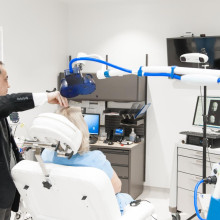
Dr. Lena Palaniyappan is collaborating with Dr. Amer Burhan for this study.
The treatment uses focused magnetic pulses that stimulate a specific group of neurons. Dr. Palaniyappan says the treatment is very effective, but only in one-third of patients.
“We want to know if there are clear markers that show who will respond to this treatment, and who will not. This will help reduce the burden of failed treatment trials for this challenging illness,” said Dr. Palaniyappan.
To enable this, the researchers will look for patterns in a very large amount of imaging and clinical data collected in Europe and Canada. That’s where Artificial Intelligence comes in. In order to understand the patterns that are clinically useful, they use a technique called Machine Learning that trains a computer to recognize expected patterns and then make predictions for new patients.
The data is being collected from six centres, coordinated by Dr. Emanuel Schwarz at the University of Heidelberg, Mannheim, Germany. In addition to the centre here in London, Ontario, other partners include Munich, Germany; Oslo, Norway; Rotterdam, Netherlands; and Montpellier, France.
The research project will also mean that this form of magnetic stimulation treatment will be offered for psychosis patients in London for the first time.
“Magnetic brain stimulation is a safe and well-tolerated treatment that is used currently in London to treat depression, but now we will be able to offer this to patients with psychosis as well,” said Dr. Palaniyappan.
The project will begin in May 2019 and will continue until the end of 2022.
… Questions Who is eligible for admission to Veterans Care at Parkwood Institute? Veterans and members of certain civilian … How do I apply for admission to Veterans Care at Parkwood Institute? Applications for long term and … that allow for both private and shared use of space. Some programs also have two-bed and single bed rooms that are …
Veterans Care: Frequently Asked Questions Who is eligible for admission to Veterans Care at Parkwood Institute? Veterans and members of certain civilian groups who have overseas service in one of the following: World War II, the Korean War, or received a Veterans Affairs Pension for an illness or in...
… in 77 diverse areas at St. Joseph’s and within community programs. Volunteers contributed an estimated 90,315 hours, … for Long Term Care, 18 years “I look forward to going to Parkwood Institute to socialize with the Veterans. The few … Lest we forget.” - Norm, volunteer, Veterans Care Program, Parkwood Institute Main Building, one year “If it wasn’t for …
pg 2 | JANUARY - FEBRUARY 2019 Every day, volunteers at St. Josephs Health Care London (St. Josephs) improve the lives of patients, residents, visitors and staff by contributing an immeasurable amount of time supporting various areas across the organization. During 2018/2019, approximately 908 volu...
… Health Care London Appointment Date Hospital Chart No. Parkwood Seating Program PO Box 5777, STN B, London ON N6A … 42199 FAX (519) 685-4560 Referral Source Service Avenue Parkwood Seating Program Pre-Assessment Form Date Reviewed: … Health Care London Appointment Date Hospital Chart No. Parkwood Seating Program PO Box 5777, STN B, London ON N6A …
1 Office Use Only St. Josephs Health Care London Appointment Date Hospital Chart No. Parkwood Seating Program PO Box 5777, STN B, London ON N6A 4V2 Page 1 of 2 (519) 685-4292, ext. 42199 FAX (519) 685-4560 Referral Source Service Avenue Parkwood Seating Program Pre-Assessment Form Date Reviewed: ___...
… how the process works when you seek the assistance of Parkwood lnstitute's Adult Wheelchair and Seating Program. To be referred to Parkwood Institute's Adult Wheelchair and Seating Program: … how the process works when you seek the assistance of Parkwood lnstitute's Adult Wheelchair and Seating Program. …
Referral Process Obtaining a wheelchair or seating equipment to meet your own specific needs can sometimes be a confusing process. This information was developed to assist you in understanding how the process works when you seek the assistance of Parkwood lnstitute's Adult Wheelchair and Seating Pro...
When connections break down
In Ontario alone, an estimated 285,000 individuals currently live with some form of neurodegenerative disorder. This includes Alzheimer’s Disease, Parkinson’s Disease, mild cognitive impairment, dementia and movement disorders.
The experiences and symptoms for each person vary, but they share a progressive decline in their cognitive and motor function. It can affect their ability to work, socialize and live independently.
As our population ages, there is an urgent need to understand markers that will predict decline and identify targets for therapy that might improve long-term function and outcomes.
This is where hospital-based research can make a real difference.
On June 21, 2018, Lawson Health Research Institute hosted Café Scientifique, a community event highlighting the groundbreaking and specialized research on neurodegenerative diseases happening right here in London.
Moderated by Lawson researcher Dr. Arlene MacDougall, a panel of three expert Lawson scientists shared their unique perspectives as both clinicians and researchers, and how the knowledge we are gaining is being applied to improve health and health care for people here and around the world.
Watch the video from the event featuring the three talks from our experts.
Café Talks
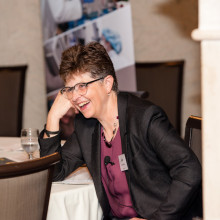
Back to the beginning: Targeting early markers for Alzheimer’s Disease
By Dr. Jennie Wells
Time stamp: 5 minutes
Dr. Wells is the Medical Care Coordinator for Geriatric Rehabilitation at St. Joseph's Health Care London's Parkwood Institute, and Chair of the Division of Geriatric Medicine and associate professor in the Department of Medicine at Western Univeristy’s Schulich School of Medicine. Her clinical and research interests are Alzheimer’s Disease and Geriatric Rehabilitation. She has particular interest in Mild Cognitive Impairment (MCI) and the potential for non-drug interventions, such as exercise and nutrition to slow progression of dementia. She is a principal site investigator in randomized controlled trials of new drugs to treat dementia, MCI, and Subjective Cognitive Impairment (SCI).
Highlights:
- What causes dementia?
- How early do changes happen in the brain before symptoms even appear?
- What is the single best diet approach for a healthy body and mind?
- How does exercise keep your brain healthy?
Image
Neuroinflammation and dementia: The old and the new
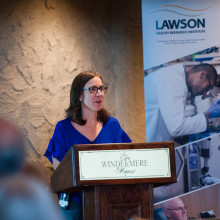
By Dr. Elizabeth Finger
Time stamp: 24 minutes
Dr. Finger, a neurologist at St. Joseph's Parkwood Institute, received her MD from Cornell University. She completed an internship in Internal Medicine at Massachusetts General Hospital, followed by residency in Neurology at Massachusetts General Hospital and Brigham and Women's Hospital in Boston. Her research focuses on understanding the cognitive, neural, and genetic substrates of abnormal decision-making, emotion and social behavior. Using a variety of different diagnostic techniques and modalities, the research program investigates the cognitive and neural systems affected in patients with Frontotemporal Dementia, related disorders and their at-risk family members.
Highlights:
- Do anti-inflammatory medications reduce the risk of dementia or slow the rate of decline?
- How do genes related to the immune system increase the risk of developing dementia and Alzheimer’s Disease?
- What about the effects from dysfunction of the brain’s own immune system?
- Do conditions or events causing systematic inflammation (surgery, infection, auto-immune diseases) also increase neuroinflammation which can lead to dementia?
Image
New Frontiers in the Treatment of Parkinson’s Disease: Addressing the unmet needs
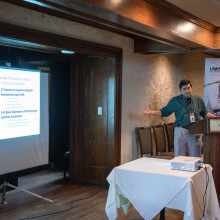
By Dr. Mandar Jog
Time stamp: 45 minutes
Dr. Jog is a Lawson researcher, Director of the National Parkinson Foundation Centre of Excellence at LHSC, Director of the Movement Disorders Centre in London and Professor of Neurology at Western University. His research interests include topics such as motor control, neurophysiology and computational modeling, multichannel recording and web-based teaching of movement disorders. Dr. Jog has a passion for clinical and scientific innovation and holds numerous patents that are reaching commercialization with strong collaboration with university technology transfer and industry partners.
Highlights:
- How do clinician researchers take questions from the bedside and solve them at the bench using technology in order to treat movement disorders?
- How can wearable technology be used to detect movement disorders and monitor for optimized treatment – remotely from anywhere in the world?
- How can we use machine-guided sensors for personal diagnostics and therapy for essential tremors and Parkinson’s Disease?
- How can spinal cord stimulators improve movement and gait for patients, including those previously using wheelchairs and scooters?
Image
Did you miss the event? Add your email address to our Café Scientifique invite list so that you’ll be the first to know when the next event takes place.
Sign up here.
Go to Lawson’s Facebook page to see photos from the event.
Scientist