


Search
Search
696 Search Results:
Community Impact Report 2015 2016 Today, health care is more important than ever. In Canada, our aging population is doubling. Rates of persistent and lifelong illnesses continue to rise, including diseases like diabetes, mental illness and cancers. Because you invest in the work of St. Josephs, we ...
Back row left: Holly Bridge, Diane Davis-Miller, Barb Simmonds Front row left: Dr. Jennifer Bjazevic, Roger Blum, Leanne Summers, Dr. Hassan Razvi, Surgical Services You make health care innovation possible. Just one of the reasons why YOU HELPED ENHANCE OUR OPERATING ROOMS 20192020 Community Impact...
In response to COVID-19, care providers across St. Josephs quickly and expertly pivoted to meet challenges during the pandemic. Seen here, team members from the Urgent Care Centre at St. Josephs Hospital. Learn how donors made all the difference on pg. 3. 20202021 Community Impact Report Your donati...
Controlled-release opioid may be leading to heart infections in persons who inject drugs
A new study from ICES, Lawson Health Research Institute and Western University suggests that injection drug users prescribed controlled-release hydromorphone are three times more likely to develop endocarditis, a serious bacterial heart infection, when compared to those prescribed other opioids. The findings build on growing evidence that some controlled-release opioids may lead to higher risk of infectious disease among persons who inject drugs.
The researchers looked at de-identified Ontario health data for hospital admissions related to injection drug use between 2006 and 2015. Of 60,529 admissions, 733 patients had infective endocarditis. The team found that regions with high hydromorphone prescription rates had more than double the cases of infective endocarditis (254 cases) when compared to regions with low prescription rates (113 cases).
The study also analyzed individual prescription records and found that among persons who inject drugs, those prescribed controlled-release hydromorphone were three times more likely to develop infective endocarditis when compared to those prescribed any other opioid. There was no increased risk for those prescribed the immediate-release form of hydromorphone.
Image

“Added to the existing data, these findings make a compelling argument for the role of controlled-release hydromorphone in the growing risk of infective endocarditis among persons who inject drugs,” says Dr. Matthew Weir, Adjunct Scientist at ICES, Associate Scientist at Lawson and Assistant Professor at Western’s Schulich School of Medicine & Dentistry.
Opioids are often manufactured as controlled-release or ‘slow-release’ capsules to prevent rapid absorption of the drug. Properties in the capsules help to spread pain relief over a longer period of time.
This is the latest in a series of studies from the research team that suggest some controlled-release opioids may be leading to increased risk of infectious disease among persons who inject drugs.
In one study, they demonstrated that polymer-coated beads used to provide the slow-release property make controlled-release hydromorphone difficult to dissolve. They found equipment used to dissolve the drug retains up to 45 per cent of the initial dose, leading injection drugs users to save and reuse equipment.
With frequent re-handling of equipment, there are multiple opportunities for bacterial and viral contamination. The team found that HIV and a dangerous bacterium called Staphylococcus aureus are more likely to survive in equipment used to prepare controlled-release hydromorphone since added chemicals that make the drug slow-release promote survival of bacteria and viruses.
Image
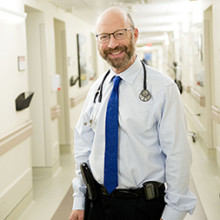
“There’s been a global increase in infectious diseases among persons who inject drugs and our research suggests that controlled-release prescription opioids may be a major culprit,” says Dr. Michael Silverman, Associate Scientist at Lawson and Associate Professor at Schulich Medicine & Dentistry. “We now have evidence that suggests the injection of controlled-release hydromorphone is increasing the spread of HIV, hepatitis C and endocarditis in Canada.”
The team believes these findings could also explain the increase in infectious complications in the USA and other countries where controlled-release hydromorphone is not on the market. There are other controlled-release opioids, such as controlled-release morphine, that use a similar slow-release mechanism and may carry similar risks.
“It’s important that people are aware of the infectious risks of injecting opioids and, if necessary, practice harm reduction techniques,” says Dr. Silverman. “We’ve found you can use a cigarette lighter to destroy bacteria and viruses by heating the cooker used to prepare the drug for about 10 seconds or until the mixture bubbles. We’ve termed the technique ‘cook your wash.’”
The study, "Hydromorphone and the risk of infective endocarditis among people who inject drugs: a population-based, retrospective cohort study," was published in The Lancet Infectious Diseases.
Scientist
Controlled-release opioid may be leading to heart infections in persons who inject drugs
LONDON, ON – A new study from ICES, Lawson Health Research Institute and Western University suggests that injection drug users prescribed controlled-release hydromorphone are three times more likely to develop endocarditis, a serious bacterial heart infection, when compared to those prescribed other opioids. The findings, published today in The Lancet Infectious Diseases, build on growing evidence that some controlled-release opioids may lead to higher risk of infectious disease among persons who inject drugs.
The researchers looked at de-identified Ontario health data for hospital admissions related to injection drug use between 2006 and 2015. Of 60,529 admissions, 733 patients had infective endocarditis. The team found that regions with high hydromorphone prescription rates had more than double the cases of infective endocarditis (254 cases) when compared to regions with low prescription rates (113 cases).
The study also analyzed individual prescription records and found that among persons who inject drugs, those prescribed controlled-release hydromorphone were three times more likely to develop infective endocarditis when compared to those prescribed any other opioid. There was no increased risk for those prescribed the immediate-release form of hydromorphone.
“Added to the existing data, these findings make a compelling argument for the role of controlled-release hydromorphone in the growing risk of infective endocarditis among persons who inject drugs,” says Dr. Matthew Weir, Adjunct Scientist at ICES, Associate Scientist at Lawson and Assistant Professor at Western’s Schulich School of Medicine & Dentistry.
Opioids are often manufactured as controlled-release or ‘slow-release’ capsules to prevent rapid absorption of the drug. Properties in the capsules help to spread pain relief over a longer period of time.
This is the latest in a series of studies from the research team that suggest some controlled-release opioids may be leading to increased risk of infectious disease among persons who inject drugs.
In one study, they demonstrated that polymer-coated beads used to provide the slow-release property make controlled-release hydromorphone difficult to dissolve. They found equipment used to dissolve the drug retains up to 45 per cent of the initial dose, leading injection drugs users to save and reuse equipment.
With frequent re-handling of equipment, there are multiple opportunities for bacterial and viral contamination. The team found that HIV and a dangerous bacterium called Staphylococcus aureus are more likely to survive in equipment used to prepare controlled-release hydromorphone since added chemicals that make the drug slow-release promote survival of bacteria and viruses.
“There’s been a global increase in infectious diseases among persons who inject drugs and our research suggests that controlled-release prescription opioids may be a major culprit,” says Dr. Michael Silverman, Associate Scientist at Lawson and Associate Professor at Schulich Medicine & Dentistry. “We now have evidence that suggests the injection of controlled-release hydromorphone is increasing the spread of HIV, hepatitis C and endocarditis in Canada.”
The team believes these findings could also explain the increase in infectious complications in the USA and other countries where controlled-release hydromorphone is not on the market. There are other controlled-release opioids, such as controlled-release morphine, that use a similar slow-release mechanism and may carry similar risks.
“It’s important that people are aware of the infectious risks of injecting opioids and, if necessary, practice harm reduction techniques,” says Dr. Silverman. “We’ve found you can use a cigarette lighter to destroy bacteria and viruses by heating the cooker used to prepare the drug for about 10 seconds or until the mixture bubbles. We’ve termed the technique ‘cook your wash.’”
-30-
DOWNLOADABLE MEDIA
Equipment used by persons who inject drugs

Image

Cooker with lighter (demonstrating the ‘Cook your wash’ technique)

Image


Image

Image

About ICES
The Institute for Clinical Evaluative Sciences (ICES) is an independent, non-profit organization that uses population-based health information to produce knowledge on a broad range of health care issues. Our unbiased evidence provides measures of health system performance, a clearer understanding of the shifting health care needs of Ontarians, and a stimulus for discussion of practical solutions to optimize scarce resources. ICES knowledge is highly regarded in Canada and abroad, and is widely used by government, hospitals, planners, and practitioners to make decisions about care delivery and to develop policy. For the latest ICES news, follow us on Twitter: @ICESOntario
About Lawson Health Research Institute
Lawson Health Research Institute is one of Canada’s top hospital-based research institutes, tackling the most pressing challenges in health care. As the research institute of London Health Sciences Centre and St. Joseph’s Health Care London, our innovation happens where care is delivered. Lawson research teams are at the leading-edge of science with the goal of improving health and the delivery of care for patients. Working in partnership with Western University, our researchers are encouraged to pursue their curiosity, collaborate often and share their discoveries widely. Research conducted through Lawson makes a difference in the lives of patients, families and communities around the world. To learn more, visit www.lawsonresearch.ca.
About The Schulich School of Medicine & Dentistry
The Schulich School of Medicine & Dentistry at Western University is one of Canada’s preeminent medical and dental schools. Established in 1881, it was one of the founding schools of Western University and is known for being the birthplace of family medicine in Canada. For more than 130 years, the School has demonstrated a commitment to academic excellence and a passion for scientific discovery.
Media Contacts
Celine Zadorsky
Senior Media Relations Consultant
Communications & Public Engagement
T: 519-685-8500 ext. 73502
Celine.zadorsky@lhsc.on.ca
… (HMMS), London Laboratory Services Group (LLSG), and Regional Shared Services. Therefore, this policy does not … (HMMS), London Laboratory Services Group (LLSG), and Regional Shared Services. Therefore, this policy does not …
Policy Administration Console Policy: Corporate Expense Policy Policy Owner: General Manager, HMMS SLT Sponsor: VP Corporate Services and Chief Financial Officer Approval By: Senior Leadership Team Date: 2011-05-03 Effective Date: Reviewed Date: Revised Date: 2007-02-05 2011-05-27 2011-10-25 This po...
Could microorganisms in poop help treat the deadliest form of skin cancer?
A multidisciplinary team at Lawson Health Research Institute is exploring whether fecal transplants can improve outcomes in melanoma patients treated with immunotherapy.
Immunotherapy drugs stimulate a person’s immune system to attack and destroy cancer. While they can significantly improve survival outcomes in those with melanoma, they are only effective in 40 to 50 per cent of patients. Preliminary research has suggested that the human microbiome – the diverse collection of microbes in our body – may play a role in whether or not a patient responds.
“The gut microbiome helps establish immunity from an early age. It makes sense that a healthy gut could improve response to immunotherapy,” explains Dr. Jeremy Burton, a Lawson Scientist who specializes in human microbiome research. “This led us to consider the potential of fecal transplants.”
Fecal transplants involve collecting stool from a healthy donor, preparing it in a lab and transplanting it to the patient. The goal is to transplant the donor’s microbiome so that healthy bacteria will colonize in the patient’s gut.
Image
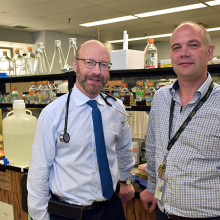
Above (from left): Drs. Michael Silverman and Jeremy Burton
In a phase I clinical trial, the research team is the first in Canada to study the use of fecal transplants to alter a cancer patient’s microbiome and improve their response to anti-PD1 immunotherapy drugs.
Research participants will be 20 melanoma patients recruited from the London Regional Cancer Program (LRCP) at London Health Sciences Centre (LHSC). They will undergo a fecal transplant at St. Joseph’s Hospital, a part of St. Joseph’s Health Care London, followed by immunotherapy at LRCP. The transplant will consist of taking a number of specially-prepared oral capsules.
Patients will be assessed over time for any changes to their cancer, microbiome, immune system and overall health. The primary goal of the study is to evaluate safety of the novel treatment combination, but researchers will also evaluate patient outcomes.
“Melanoma is the least common skin cancer but it is the most deadly and rates are going up,” says Dr. John Lenehan, Associate Scientist at Lawson and Oncologist at LHSC. “Anti-PD1 immunotherapy drugs can be extremely effective but we want to help more patients respond. That’s our goal.”
Image
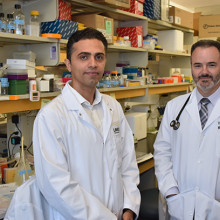
Above (from left): Drs. Saman Maleki and John Lenehan
While the team is studying the combination of fecal transplants and immunotherapy for melanoma, they see potential for other cancers as well.
“We’re one of the first in the world to study fecal transplants in cancer patients. This study is as cutting-edge as it gets with potential applications for multiple disease sites,” notes Dr. Saman Maleki, a Lawson Associate Scientist who specializes in cancer immunology. “With experts in microbiology, infectious disease, cancer and immunology, our institute is well-positioned to carry this forward.”
Image
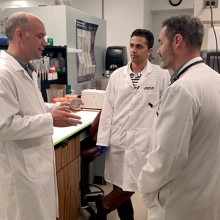
Dr. Michael Silverman, Lawson Associate Scientist and Chief of Infectious Disease at St. Joseph’s and LHSC, is a pioneer in the field of fecal transplants. St. Joseph’s is a leading centre for the procedure, performing them for Clostridium difficile (C. diff) patients across the province.
“Fecal transplants have saved the lives of countless patients with recurrent C. diff,” says Dr. Silverman. “We’re now starting to see its potential for the treatment of other diseases.”
Lawson researchers are planning fecal transplant studies for multiple other conditions including non-alcoholic fatty liver disease, multiple sclerosis (MS) and cancer treatment toxicity.“But in order to conduct this research, we need stool donors,” notes Dr. Silverman.
The team is in need of young, healthy stool donors for fecal transplants. All donors are required to go through a screening process. Those interested in becoming a stool donor can contact Dr. Seema Nair Parvathy, Research Coordinator, Fecal Transplant Program, at 519-646-6100 ext. 61726.
Check out media coverage of this research:
- CTV News: Why fecal transplants could be the next frontier in fighting skin cancer
- Forbes: Could poop be the next treatment for cancer?
- London Free Press: Researchers seeking poop donors for skin cancer treatment study
- Daily Mirror: How human poo 'transplants' could help doctors treat deadliest form of skin cancer
- CBC: London cancer researchers make number 2 their number 1 priority
Scientist
… of the St. Joseph’s Health Care London family, along with Regional Mental Health Care London, St. Joseph’s Hosptial, … of the St. Joseph’s Health Care London family, along with Regional Mental Health Care London, St. Joseph’s Hosptial, …
June 2012 Ongoing Engagement As part of St. Josephs commitment to supporting our patients, staff and visitors, Southwest Centre is a designated smoke-free facility, which includes the building and the grounds. Below are some common questions and answers. Q - Why is the Southwest Centre for Forensic ...
Cyclotron hits 10,000-bombardment milestone
Cyclotron staff at St. Joseph’s Health Care London have recorded a 10,000-mark milestone in the same understated way they work every day to improve patient care and cutting-edge research.
No balloons, no streamers, no fanfare: Just an efficient note atop a printout as the bombardment number spun past 9,999 in the early hours of Dec. 31.
“It’s taken us 15 years to get to this point and our work continues to grow,” says Michael Kovacs, PhD, Lead of Lawson’s Nordal Cyclotron & PET Radiochemistry Facility and Leader of the Imaging Research Program at Lawson Research Institute, the innovation arm of St. Joseph’s.
“The numbers are great but the real satisfaction is knowing every single bombardment means something important to a patient or a researcher working towards better patient health.”
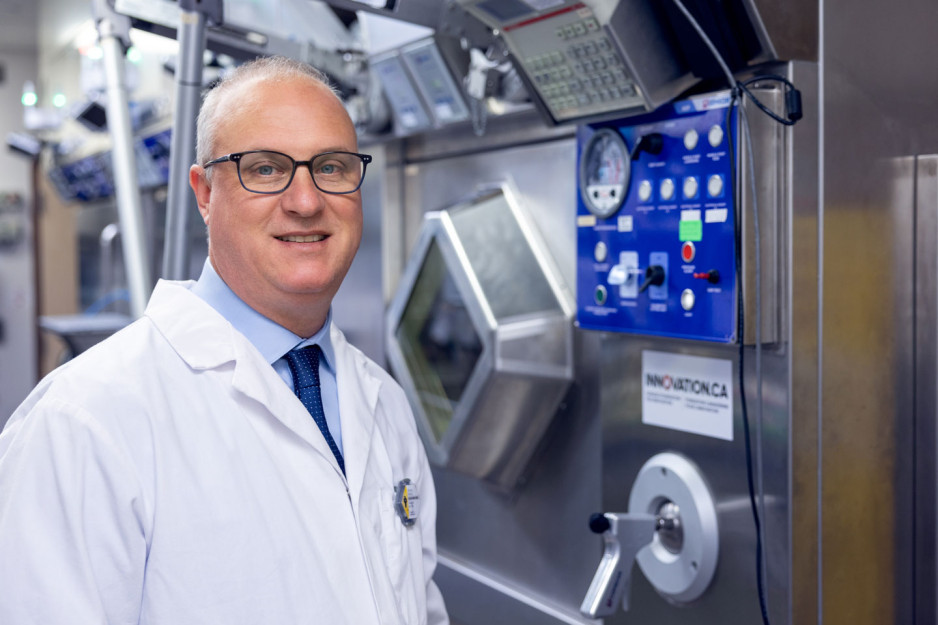
St. Joseph’s GE PETtrace cyclotron is a particle accelerator that produces radioisotopes for use in positron emission tomography (PET) scans across Southwestern Ontario, from Windsor to Toronto. It is a vital tool for ultra-precise cancer diagnoses and for advanced research into scores of diseases.
In patient care, each “bombardment” – a grouping of radioisotopes that are then lab-processed, tested and made into smaller batches – can be used to aid cancer scans for as many as 25 people.
“A precise scan can make a dramatic difference, a life-changing difference, in how someone’s cancer is diagnosed and custom-managed,” Kovacs says. “If we think of the PET scanner as the engine of that transformative work, the cyclotron’s radioisotopes are its rocket fuel.”
Isotopes injected into patients are designed to have a short radioactive half-life – between two minutes and 110 minutes – which is another reason St. Joseph’s cyclotron is such an asset for timely care in the region.
“You can’t store or stockpile them. You have to use them almost immediately, so it’s essential to local and area hospital centres to have a ready, reliable source nearby,” Kovacs says.
About half the batched bombardments are used in patients to help with clinical diagnoses that will guide doctors’ treatment decisions.
The other half are used for research trials and pre-clinical research through Lawson, in fields as diverse as oncology, cardiology, neurology, psychiatry, metabolic disease and infectious diseases. In one promising study, for example, they’re being used to image specific brain proteins as researchers explore new disease-modifying treatment pathways for Alzheimer disease.
The next burgeoning field, Kovacs says, is theranostics: the science of diagnosing cancer and precision-attacking it at the same time. “That’s exciting for me, to be able simultaneously to see what we treat and treat what we see.”
About 15 highly specialized staff work at St. Joseph’s cyclotron facility, plus PhD-candidate researchers and other trainees.
Generous donors through St. Joseph’s Health Care Foundation have made much of this advanced research and next-level technology a reality. During the past few years, the Foundation granted nearly $800,000 in donor support to fund extensive renovations to the facility, making it possible to increase production of isotopes and expand life-saving care. Recently, $1 million in donations supported a new PET/CT scanner – the heart of Canada’s first national GE centre of excellence in molecular imaging and theranostics being developed at St. Joseph’s Hospital.
“We know the cyclotron is a critical tool in our imaging work and we are grateful to those donors who stepped up to help us with renovations that enabled the doubling of our facility’s production capability,” says Michelle Campbell, President and CEO of St. Joseph’s Health Care Foundation. “This renovation helps keep St. Joseph’s imaging program at the cutting edge of clinical care.”
The 40-tonne, room-sized cyclotron is more than a machine, and more than the experts who process, test, ship and use the radioisotopes, Kovacs notes.
It’s also testament to the vision of St. Joseph’s long-time chief medical physicist Frank Prato, PhD, and to the support of hospital administrators who saw its need and potential, he adds.
“We are innovators, and our vision is that we’re going to expand St. Joseph’s imaging expertise on an even larger world stage,” Kovacs says.
Dairy Queen Miracle Treat Day
10:00am
On Miracle Treat Day, full proceeds from every Blizzard Treat sold at participating DQ® locations in our region will benefit paediatric health care at Children's Hospital, London Health Sciences Centre. Help DQ help kids in our community by purchasing a Blizzard Treat on August 11!
Enjoy a delicious treat and make kids smile, one Blizzard at a time! On Miracle Treat Day all proceeds from every Blizzard Treat sold in our region will be donated to Children's Hospital, London Health Sciences Centre through Children's Miracle Network.
Partners
… Parkwood Hospital, Mount Hope Centre for Long Term Care and Regional Mental Health Care London and St. Thomas are part … Parkwood Hospital, Mount Hope Centre for Long Term Care and Regional Mental Health Care London and St. Thomas are part …
Media Release July 22 2009 For Immediate Release Driver program helps grounded pilot regain independence London, Ontario - The driver assessment rehabilitation program (DARP) at Parkwood Hospital is helping people get back behind the wheel who have lost their drivers license because of changes in th...
Database funding could improve diagnosis and treatment of prostate cancer
A $125,000 grant from the Canadian Cancer Society will help create a database of PET/CT (positron emission tomography/computed tomography) and PET/MR (magnetic resonance) images of prostate cancer. The hope is that this database will be used to help improve diagnosis and treatment of men with prostate cancer.
The scans use radiopharmaceuticals to target prostate specific membrane antigen (PSMA), a transmembrane protein commonly found on prostate cancer cells.
“The idea behind this grant is to put together a database of PSMA PET/CT and PET/MR scans with annotated findings so medical professionals can scroll through cases and see the sites of prostate cancer. Our hope is this will help clinicians learn how to interpret these scans and ultimately help them to make informed treatment decisions for their patients,” says Dr. Katherine Zukotynski, Adjunct Scientist at Lawson Health Research Institute and lead researcher on the project.
The use of PSMA PET/CT and PET/MR scans in clinical practice is relatively new and currently only accessible through clinical trials. In fact, the first PSMA PET/MR scan in Canada was performed at St. Joseph’s Health Care London in 2016 by Dr. Glenn Bauman, Lawson Scientist and Radiation Oncologist at the London Regional Cancer Program at London Health Sciences Centre. Dr. Bauman is also part of this database project.
Studies have found these scans more accurately detect sites of prostate cancer than earlier imaging techniques, which then helps inform treatment decisions.
Dr. Zukotynski explains, “If you have an idea of the amount of disease and where it is located, and you can correlate it with prognosis, this could be very helpful. It might also allow physicians to compare current patients with patients who have similar findings, which may help determine the best therapies to try.”
There is hope that eventually this same database could lead to the use of artificial intelligence (AI) to assist in diagnosis and treatment planning.
“PSMA PET/CT and PET/MR may be tools helpful to categorize the total burden of disease, and then establish how that disease changes with therapy. Our first step down this path is to assemble a database that can be used both for research and educational purposes.”
The database will include data from centres across Canada, with a number of researchers contributing to the project funded by the Canadian Cancer Society.
Other principal investigators include: Dr. Bauman; Dr. François Bénard of the BC Cancer Research Institute; Dr. Vincent Gaudet, University of Waterloo; Dr. Phil Kuo, University of Arizona; Dr. Cynthia Ménard, Centre Hospitalier Universitaire de Montreal; and Dr. Ur Metser of the Princess Margaret Hospital. Dr. Carlos Uribe of the BC Cancer Research Centre and Dr. Aaron Ward of Lawson are co-applicants for the grant.
This is the part three of a three-part series on PSMA PET imaging research. Check out part one and two.
Research Area
Media Contact
Amanda Taccone
Communications Consultant & External Relations
Lawson Health Research Institute
T: 519-685-8500 ext. ext. 64059
C: 226-919-4748
@email
… of average count) Q1-Q3) Seclusion and restraint use in Regional 7,136 hours 6,779 hours 6,422 hours 6,893 hours 0% … of average count) Q1-Q3) Seclusion and restraint use in Regional 7,136 hours 6,779 hours 6,422 hours 6,893 hours 0% …
June 10, 2015 David Hill Integrated Vice President Lawson Health Research Institute Personal and Confidential Dear David: Office of the President 268 Grosvenor Street, PO Box 5777 London, ON N6A 4 V2 T: 519 646-6100 ext. 64200 F: 519 646-6054 www.sjhc.london.on.ca The purpose of this letter is to sh...
… Robert Solomon, John E. Gray Research Insights of the Regional Mental Health Care London and St. Thomas is a … to other journals for publication. Research conducted at Regional Mental Health Care London and St. Thomas, St. … by the subject matter. Research and Education Unit, Regional Mental Health Care London, 850 Highbury Avenue, …
DECEMBER 2012 | VOL. 9 NO. 3 REFORMS TO ONTARIOS MENTAL HEALTH ACT: Lessons from the story of the man who killed Brian Smith Richard OReilly, Robert Solomon, John E. Gray Research Insights of the Regional Mental Health Care London and St. Thomas is a peer-reviewed journal designed to publish reviews...
… Review of Treatment Capacity RESEARCH INSIGHTS of the Regional Mental Health Care London and St. Thomas Vol. 6, … Review of Treatment Capacity 2 RESEARCH INSIGHTS of the Regional Mental Health Care London and St. Thomas Vol. 6, … Review of Treatment Capacity RESEARCH INSIGHTS of the Regional Mental Health Care London and St. Thomas Vol. 6, …
SPECIAL ISSUE AN EXCHANGE OF VIEWS ON WHAT CONSTITUTES REASONABLE REVIEW OF TREATMENT CAPACITY Capacity Reviews -Clinical and Liberty Outcomes ...... 1 Richard OReilly, M.B., F.R.C.P.C, Robert Solomon, LL.B., LL.M., John Gray, Ph.D. Capacity, Rights and Interests .. 10 Stephen A. State Ph.D. Respons...
Dementia research hits the ‘mark’
St. Joseph’s Health Care London is at the forefront of national research exploring biomarkers to better predict dementia and slow its onset.
Dr. Michael Borrie is now seeing grandchildren of patients who came to his clinic when he first started Alzheimer’s research 30 years ago.
His message to this new generation is more hopeful than ever, bolstered by ever-more-reliable ways of early detection and being tantalizingly close to a future of predicting dementia and intervening even before symptoms appear.
“The ultimate goal is to slow cognitive decline – and to stop it if we can – so that people can live independently, and happier, for a lot longer,” says Borrie, Medical Director of the Aging Brain and Memory Clinic at St. Joseph’s Health Care London (St. Joseph’s).
“We’re aiming to alter the trajectory of dementia,” he says.

A geriatrician, clinician and researcher, Borrie is also Platform Lead for the Comprehensive Assessment of Neurodegeneration and Dementia (COMPASS-ND), a long-term study within the Canadian Consortium on Neurodegeneration and Aging (CCNA).
Recently, the Canadian Institutes of Health Research announced $20.6 million in funding to continue the work of CCNA, a 30-site, multi-pronged project of which the St. Joseph’s-based team is the lead player. The grant will enable them to advance the frontiers of dementia research to benefit real-world patients here and across the country.
Solving mysteries with biomarkers
Despite the prevalence of Alzheimer’s and other neurodegenerative diseases – and with more than 10,000 new diagnoses in Canada each year – there are still many mysteries to solve: Why do some people have early-onset dementia while others, super-agers, remain alert and active in their 90s? What’s happening genetically, in their environment and personal medical history to advance or protect against the disease?
What is known, however, is the link between damaged nerve cells and specific proteins that misfold and clump together to form amyloid plaques and tau tangles in the brain. Detecting these abnormal proteins early is an important key to diagnosis and prediction.
Locally, the most comprehensive tool has been state-of-the-art brain Positron Emission Tomography (PET) scanning at St. Joseph’s Imaging. Lawson researchers are also involved in reliably detecting amyloid proteins by analyzing participants’ cerebrospinal fluid (CSF) – a surprisingly accurate way of confirming imaging results, says geriatrician Dr. Jaspreet Bhangu, a Lawson scientist and head of the biomarker project.
Through the BioMIND regional research project, Lawson scientists are analyzing PET scans, blood and CSF samples to check for specific protein biomarkers. If shown to be reliable, a series of these tests over time could signal whether the disease is progressing, and could predict whether it will progress or respond to treatment.
All that gets added to an arsenal that includes tests of behaviour, memory and cognitive function.
“It’s a triple assessment, or even a quadruple one, that we can conduct over time. We hope to use these advanced tests to provide vital information, similar to what is done in certain types of cancer,” Bhangu says.
But that’s not all.
Testing potential treatments
St. Joseph’s is also one of the country’s most active sites for clinical trials into whether novel medications might be able to directly pinpoint and destroy the proteins that cause Alzheimer disease.
“This is the intersection of cutting-edge research, top-notch resources and excellent clinical practice to develop personalized treatments,” says Bhangu. “What makes us unique in Canada among dementia researchers is that our science is taking us from bench to bedside – a rapid turnaround from research to direct patient benefit.”
If a person has a strong family history of Alzheimer disease and no symptoms – but does have positive biomarkers confirming presence of disease – they may then choose to take part in a randomized controlled trial to try to alter the trajectory of the disease.

“It’s still in a research context, still in clinical trials – but if Health Canada ultimately approves a treatment, we’ll have the ability and the patient database to be able to translate our findings into clinical practice much more quickly instead of waiting for years,” says Borrie.
All this is good news for a generation eager for answers, Borrie says.
“When we learn more about the mechanisms of the disease, we can find more effective, earlier treatments. And if we can treat people earlier, we hope to move the disease progression curve to the right, to add more years of good cognitive health to someone’s life.”
… lip/ palate surgery 10. Maxillofacial reconstruction with regional flaps. Specialty Certification from the Royal … lip/ palate surgery 10. Maxillofacial reconstruction with regional flaps. Specialty Certification from the Royal …
Delineation of Privileges Draft - September 2001 DRAFT November 2, 2001 London Health Sciences Centre And St. Josephs Health Care London Delineation of Procedural Privileges Department of Dentistry Category Privileges Educational/Experience Requirements A All activities and procedures generally per...
… lip/ palate surgery 10. Maxillofacial reconstruction with regional flaps. Specialty Certification from the Royal … lip/ palate surgery 10. Maxillofacial reconstruction with regional flaps. Specialty Certification from the Royal …
London Health Sciences Centre And St. Josephs Health Care London Delineation of Procedural Privileges Department of Dentistry Category Privileges Educational/Experience Requirements A All activities and procedures generally performed by members of the dental staff certified in Dentistry. Specialty C...
… lip/ palate surgery 10. Maxillofacial reconstruction with regional flaps. Specialty Certification from the Royal … lip/ palate surgery 10. Maxillofacial reconstruction with regional flaps. Specialty Certification from the Royal …
London Health Sciences Centre And St. Josephs Health Care London Delineation of Procedural Privileges Department of Dentistry Category Privileges Educational/Experience Requirements A All activities and procedures generally performed by members of the dental staff certified in Dentistry. Specialty C...
… harvest and use of local & regional flaps as well as … harvest and use of local & regional flaps as well as …
ApprovedbyDepartmentChief,CWCCandMACDecember2018 Delineation of Procedural Privileges Department of Dentistry Adult and Paediatrics Delineation Privileges Educational and Experience Requirements ADEN Allactivitiesandproceduresgenerallyperformed byindividualscertifiedinDentistry. GeneralorAcade...