

Search
Search
719 Search Results:
… Acquired Brain Injury Outreach Program is one component of rehabilitation offered by Parkwood Institute to people with … The program is comprised of a trans-disciplinary team of rehabilitation professionals knowledgeable in the … have extensive experience in functional brain injury rehabilitation and education in both institutional and …
CARING FOR THE BODY, MIND & SPIRIT SINCE 1869 Renowned for compassionate care, St. Josephs is one of the best academic health care organizations in Canada dedicated to helping people live to their fullest by minimizing the effects of injury, disease and disability through excellence in care, teachin...
… body. Dr. Sequeira, a specialist in Physical Medicine and Rehabilitation at Parkwood Institute, will discuss these … Survivor Leisure activities are an important aspect of rehabilitation, recovery and life for survivors of an … two survivors who have used art and travel as part of their rehabilitation and recovery. April 30 Survivor & Caregiver …
Parkwood Institute Acquired Brain Injury Survivor and Family Education Series Spring 2019 Schedule The survivor and family education series is a forum open to individuals with acquired brain injury, their family and friends. Sessions will be Tuesday evenings from 6:30 to 8:00 pm. In London, the sess...
About Lawson Research
Lawson Research Institute is discovery-driven and patient-focused
Excellent patient care stems from outstanding health research.
At Lawson Research Institute we are revolutionizing health care through discoveries that transform lives and communities.
Contact Lawson Research Work with Us Data Management EDI-B
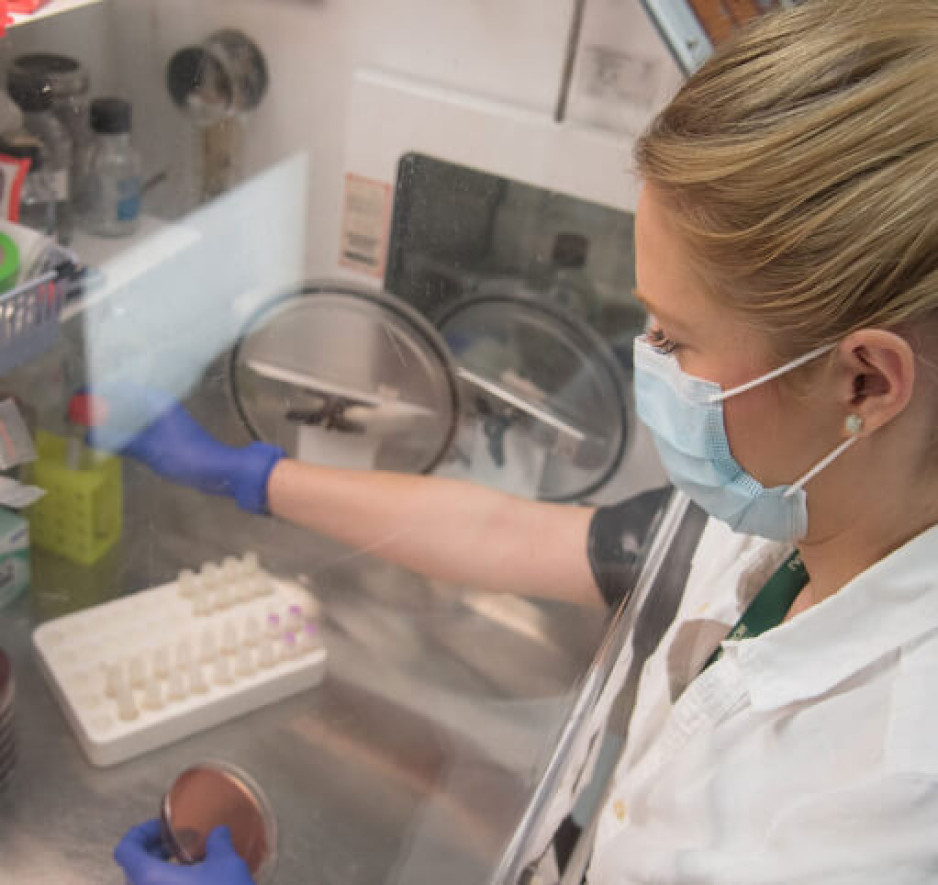
As the research arm of St. Joseph’s Health Care London, Lawson is one of Canada’s premier health research institutes. For more than 40 years, a culture of curiosity and innovation has propelled Lawson to become a renowned leader in research that is making a difference in patient lives here and around the globe:
- We conducted the world’s first non-invasive images measuring blood flow to the brain and were the first research site in Canada with PET/MRI and PET/CT scanners – the latest version now diagnosing complex conditions better and faster than any other in the country.
- We’re international pioneers in the causes and early treatment of dementia.
- Innovators in probiotics for a healthy immune system, diabetes care and surgical interventions.
- Trailblazers in mental health research, and in understanding strokes, brain injury and rehabilitation.
This is Lawson.
We’re driven by the conviction that patient care improves when research includes everyone, everywhere.
That’s why Lawson’s 200 researchers and associate scientists – along with hundreds of other staff members, physicians, students, patients, donors, and academic and funding partners – are laser-focused on embedding research into the work of improving health for all.
Lawson Research Institute leads.
Read more to discover where it can lead you.
Academic Affiliation
Lawson Research Institute of St. Joseph’s Health Care London is proud to be affiliated with Western University. Through shared faculty appointments, collaborative research programs and clinical education, we work together to advance health research and improve patient care. St. Joseph’s plays a key role in training the next generation of health professionals and supporting discoveries that have impact for health care locally and beyond.
… and ovarian cancer combined. Acute and long-term care and rehabilitation cost the Canadian health care system over a … and ovarian cancer combined. Acute and long-term care and rehabilitation cost the Canadian health care system over a …
Facts about Osteoporosis What is osteoporosis? Osteoporosis means porous or brittle bones. Weak bones can break easily; fractures of the hip, wrist and spine are commonly associated with osteoporosis. Bone is surprisingly dynamic. It is constantly remodelled; bits of bone are eaten away or resorbed,...
… chronic disease management; specialized mental health care; rehabilitation; complex continuing care; palliative care; … chronic disease management; specialized mental health care; rehabilitation; complex continuing care; palliative care; …
St. Josephs Accessibility Plan 2016-2019 Page 1 Accessibility Plan January 2016 December 2019 Submitted to St. Josephs Accessibility Advisory Committee December 24, 2015 Submitted to St. Josephs Senior Leadership Team January 26, 2016 St. Josephs Accessibility Plan 2016-2019 Page 2 Introduction In ...
… chronic disease management; specialized mental health care; rehabilitation; complex continuing care; palliative care; … chronic disease management; specialized mental health care; rehabilitation; complex continuing care; palliative care; …
St. Josephs Accessibility Plan 2019-2022 Page 1 Multi-year Accessibility Plan January 2019 December 2022 Submitted to St. Josephs Accessibility Advisory Committee December 12, 2019 Submitted to St. Josephs Senior Leadership Team December 17, 2019 St. Josephs Accessibility Plan 2019-2022 Page 2 In...
… chronic disease management; specialized mental health care; rehabilitation; complex continuing care; palliative care; … chronic disease management; specialized mental health care; rehabilitation; complex continuing care; palliative care; …
Multi-year Accessibility Plan January 2019 December 2022 Submitted to St. Josephs Accessibility Advisory Committee December 12, 2019 Submitted t o St. Josephs Senior Leadership Team December 17, 2019 St. Josephs Accessibility Plan 2019-2022 Page 1 Introduction In fulfilling our mission and in ali...
… was designed to facilitate the treatment, recovery and rehabilitation of adolescents and adults experiencing severe … was designed to facilitate the treatment, recovery and rehabilitation of adolescents and adults experiencing severe …
St. Josephs Accessibility Plan Status Report: 2014 Page 1 Accessibility Plan January 2013 December 2015 Status Report February 2014 Submitted to St. Josephs Accessibility Advisory Committee January 27, 2015 Submitted to St. Josephs Senior Leadership Team on February 12, 2015 St. Josephs Accessibili...
… Parkwood Institute Access Referral Form pg 2 REHABILITATION GOALS FUNCTION I=Independent S=Supervision … Language of Preference Cultural Preferences: client phone: REHABILITATION GOALS PROPOSED DISCHARGE PLAN: Alpha FIM … Parkwood Institute Access Referral Form pg 2 REHABILITATION GOALS FUNCTION I=Independent S=Supervision …
Language of Preference / Cultural Preferences: Smoke free policy has been reviewed with patient Most recent/updated progress notes available in Cerner (if no, please send) History & Physical notes updated in Cerner (if no, please send ower or Attorney for Personal Care (if not in place identify SDM ...
… speech language pathologist, occupational therapist, and rehabilitation assistant. Eligibility Criteria 16 years of … speech language pathologist, occupational therapist, and rehabilitation assistant. Eligibility Criteria 16 years of …
Acquired Brain Injury (ABI) Outpatient (Physiatry & Allied Health) & Outreach Services Please note, eligibility for ALL programs requires a diagnosed brain injury. All services have variable wait-lists. Physiatry Medical consultative services that provide recommendations and/or interventions related...
QWestern ~ HealthSciences School of Physical Therapy ROTH I M<::FARLANE HAND & UPPER LIMB CENTRE ST. JOSEPH'S HEALTH CARE LONDON Shoulder Replacement Surgery For specific rehabilitation needs, discuss with your physiotherapist or physician. 0-2 weeks 2-6 weeks 8-12 weeks 12+ weeks 6-8 weeks Healing...
… Sciences 6) Appointment of Chief of Physical Medicine & Rehabilitation 7) Interim appointment of Chief of … Sciences 6) Appointment of Chief of Physical Medicine & Rehabilitation 7) Interim appointment of Chief of …
Regrets to Vanessa Cullen 519-646-6100 ext. 64202 or vanessa.cullen@sjhc.london.on.ca P a g e | 1 Meeting of the Board of Directors Monday November 27, 2023 3:30 pm start time St. Josephs Hospital Adams Boardroom A2-041 Via MS Teams video-conference AGENDA REMINDER: At the forefront of our discussi...
Ali Bateman
Ali Bateman, MD
Assistant Professor, Schulich School of Medicine and Dentistry
Key Areas of Focus:
Acquired and Traumatic Brain Injury; Spinal Cord Injury
Phone:
519-685-4080
Accepting Grad Students:
No
About:
Dr. Ali Bateman is a physiatrist at Parkwood Institute and an Assistant Professor in the Department of Physical Medicine and Rehabilitation Schulich School of Medicine & Dentistry at Western University. She is also an Associate Scientist at Lawson Health Research Institute, and the Quality Improvement Lead in the Department of Physical Medicine & Rehabilitation.
Dr. Bateman completed her medical degree and residency training at Western University, and is currently completing a master’s degree in Quality Improvement and Patient Safety through the Institute of Health Policy, Management, and Evaluation at the University of Toronto. She is also certified by the Canadian Society of Clinical Neurophysiologists and holds the designation of CSCN Diplomate (EMG). As a consultant physiatrist, Dr. Bateman provides care in acquired brain injury and spinal cord injury rehabilitation programs and the electrodiagnostic laboratory at Parkwood Institute.
Her research interests centre on quality improvement, patient safety, and knowledge translation with the aim of achieving best practices so that all persons with spinal cord and/or brain injury receive the best quality care.
… Parkwood Hospital Driver Assessment and Rehabilitation Program 801 Commissioners Road East London, … themselves, and the community. An evaluation by the driver rehabilitation specialist can be of great value in helping … difficulty, a driver evaluation may be indicated. A driver rehabilitation specialist can provide a comprehensive …
Parkwood Hospital Driver Assessment and Rehabilitation Program 801 Commissioners Road East London, Ontario N6C 5J1 Phone: (519) 685-4070 Fax: (519) 685-4576 DRIVING AND ALZHEIMER'S / DEMENTIA Deciding if and when its time to stop driving is an extremely difficult and emotional time. When Alzheimer's...
An innovative year: Top 12 research stories of 2023
It’s been another year of transformational research at Lawson Health Research Institute. Our teams have published groundbreaking findings and launched new studies that will have a profound impact on patient care.
The following are 12 highlights of research and innovation from across London Health Sciences Centre (LHSC) and St. Joseph’s Health Care London (St. Joseph’s). From trialing new cancer treatments to advancing understanding of mental health, our research teams have achieved a number of important milestones.
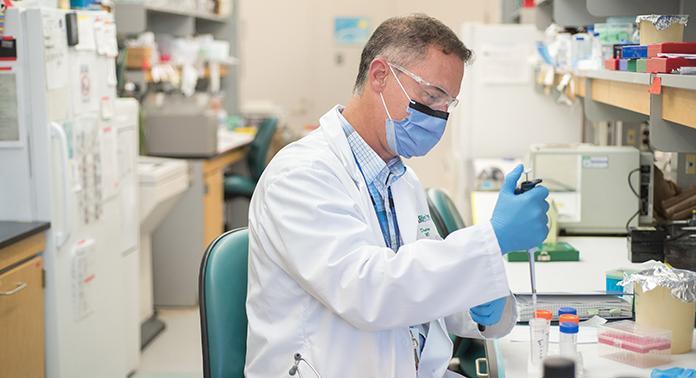
1. New study suggests blood plasma proteins hold answers to better understanding long COVID
Lawson researchers continued to advance understanding of COVID-19 this past year. In one study, researchers found that unique patterns in blood plasma proteins of patients with suspected long COVID could act as a drug target to improve patient outcomes. Read more.
2. New study finds exercise, cognitive training combo boosts mental sharpness in seniors
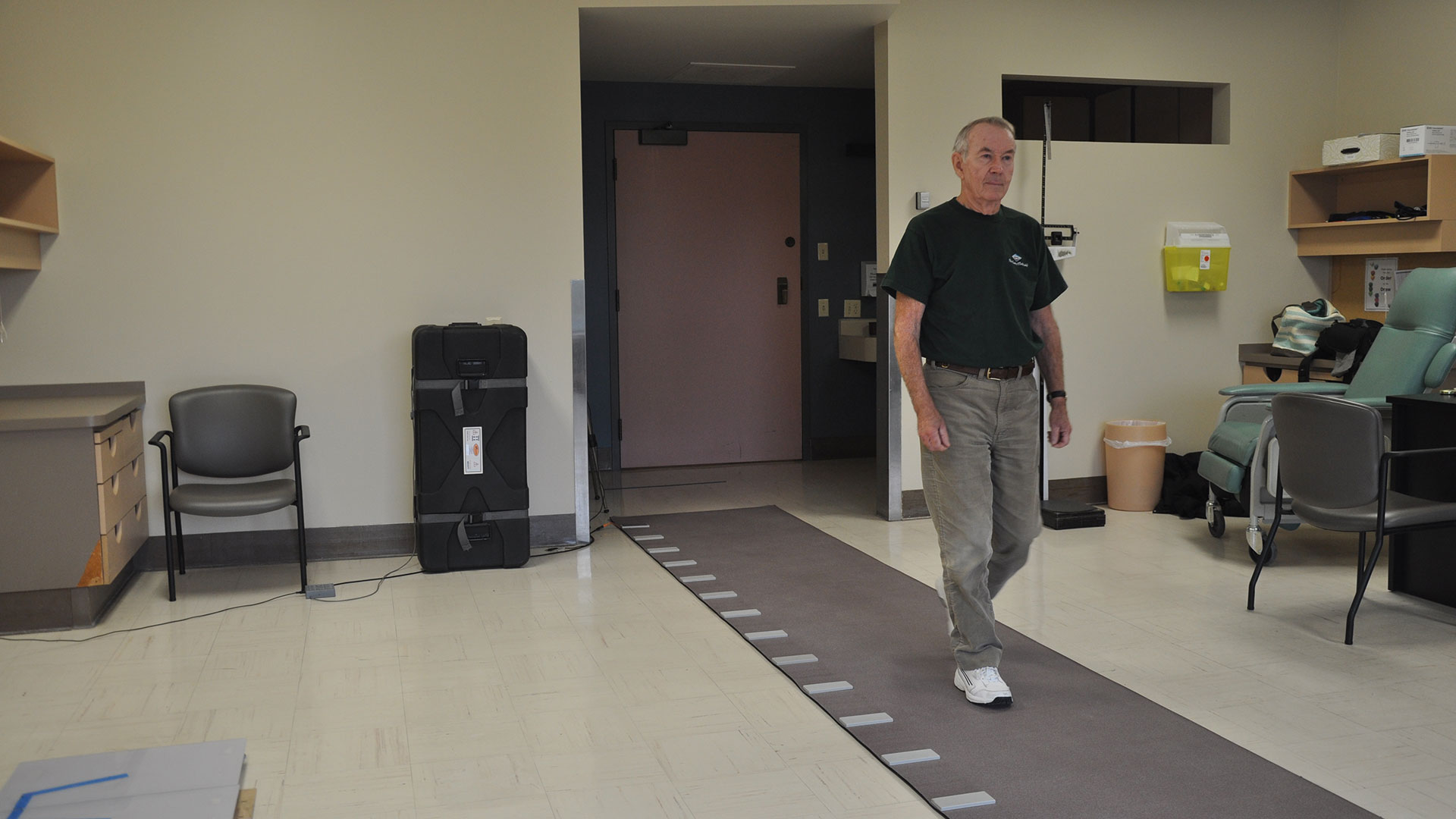
A study from Lawson and Western University found that a combination of computerized cognitive training and aerobic-resistance exercises can improve functions like memory, attention, recognition and orientation in older adults with mild cognitive impairment. The results suggest a new way to address declining mental sharpness in older adults. Read more.
3. $7.55 million in funding to take LHSC-developed technology global
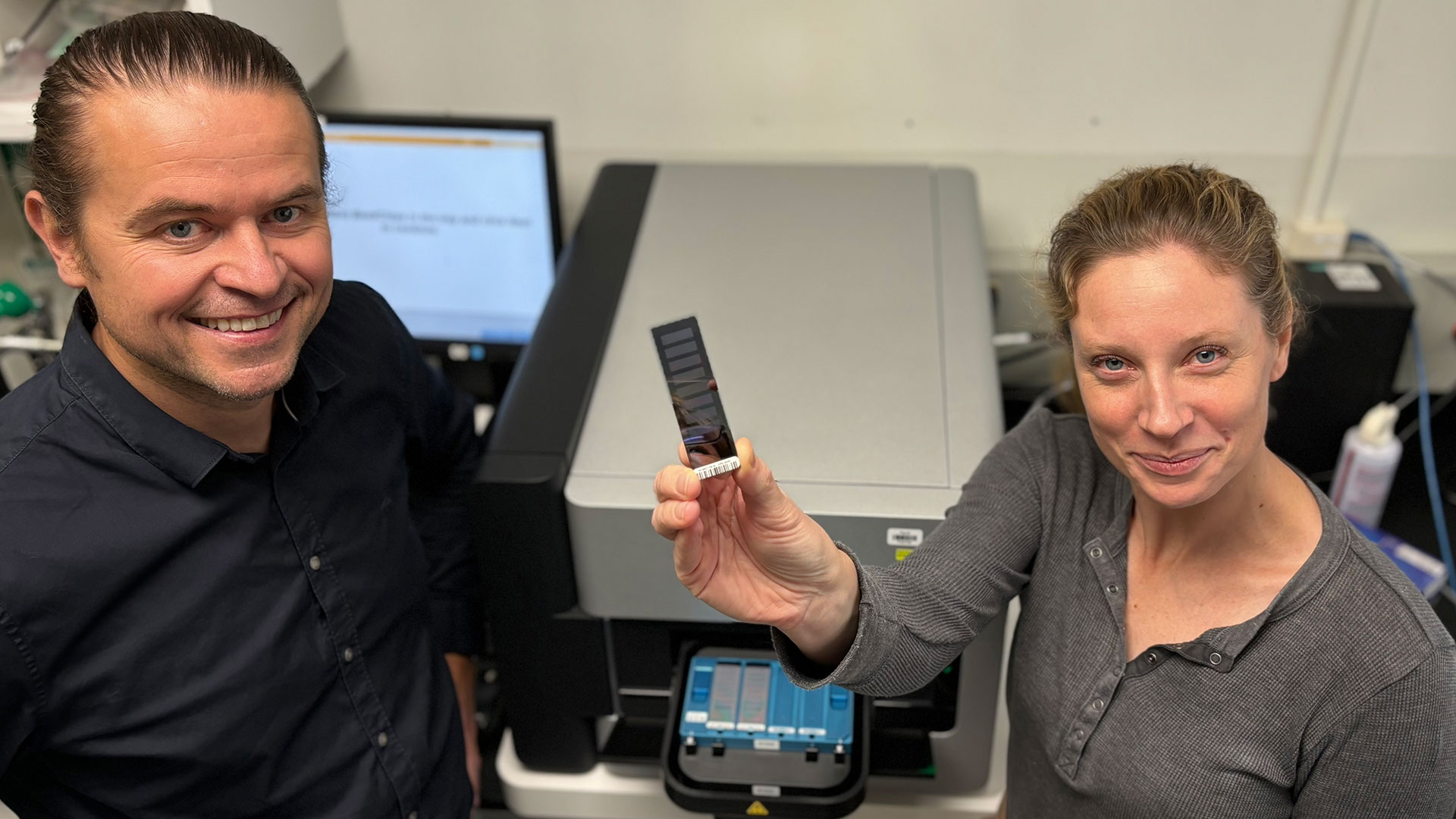
Technology to diagnose rare genetic disorders developed by researchers at Lawson and LHSC will be going global thanks to $7.55 million in funding from Genome Canada grant and Illumina Inc. The new artificial intelligence-led technology could allow rare diseases to be diagnosed with a simple blood test. Read more.
4. Fecal transplants show promise in improving melanoma treatment
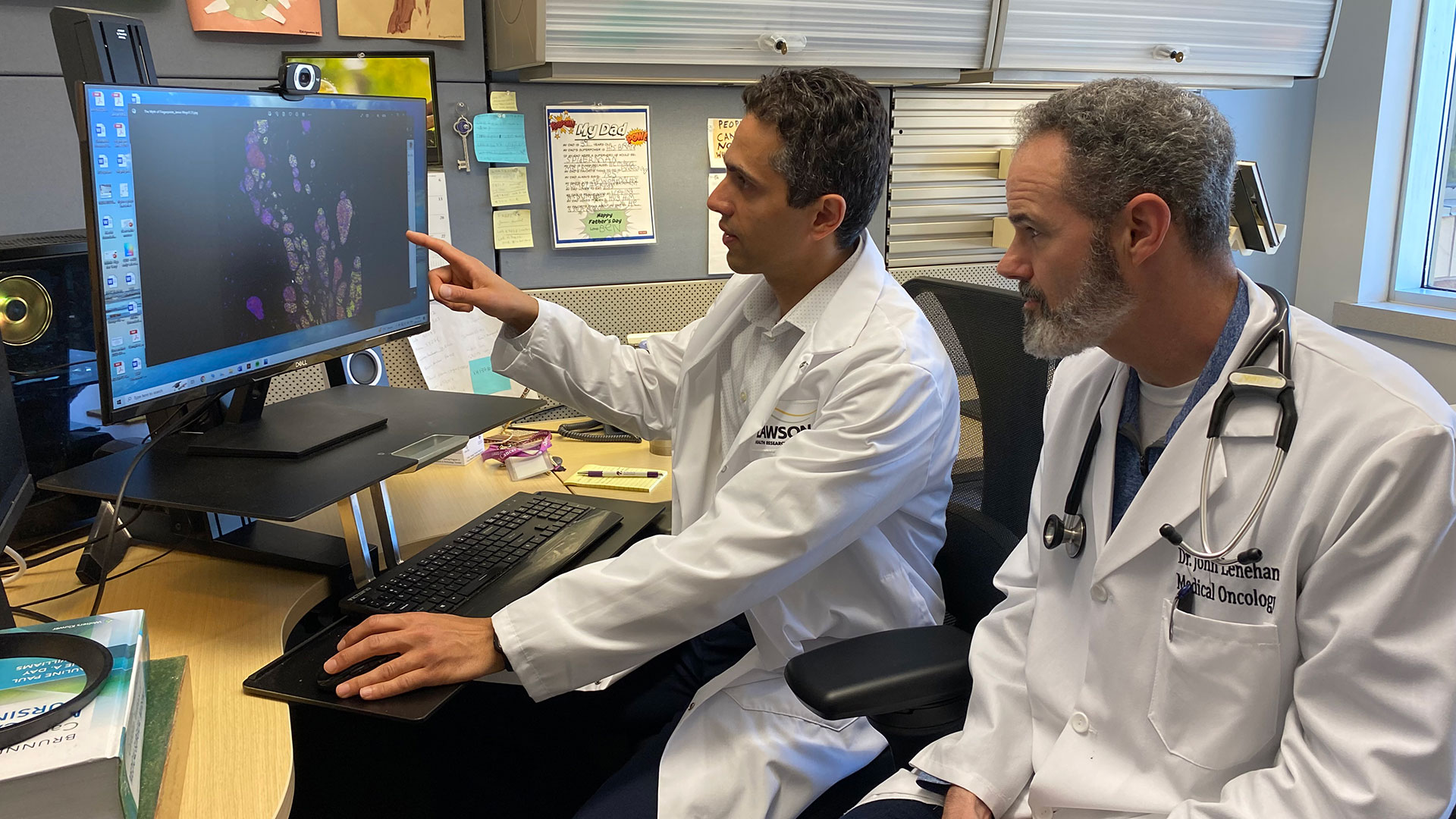
Fecal microbiota transplants (FMT) from healthy donors are safe and could improve response to immunotherapy in patients with advanced melanoma, according to results from a world-first multi-centre clinical trial led by Lawson researchers. Read more.

5. New study shows technology could play an important role in mental health support
A team of Lawson researchers found that the use of ‘smart home’ technology like touch screen devices, activity trackers, weigh scales and medication dispensers may lead to better outcomes for those living with both mental health and physical disorders. The study found that participants using the technology started logging more exercise, making healthier food choices and not missing medication doses. Read more.

6. Canadian children’s hospital visits for suicidal thoughts, self-poisoning and self-harm up during pandemic, study finds
A national study with Lawson researchers found that during the first two years of the COVID-19 pandemic, adolescent emergency department (ED) visits and hospitalizations for suicidal thoughts, self-harm and self-poisoning increased across Canada, with the greatest increase occurring among adolescent girls. Read more.
7. St. Joseph’s to become Canada’s first centre of excellence in molecular imaging and theranostics
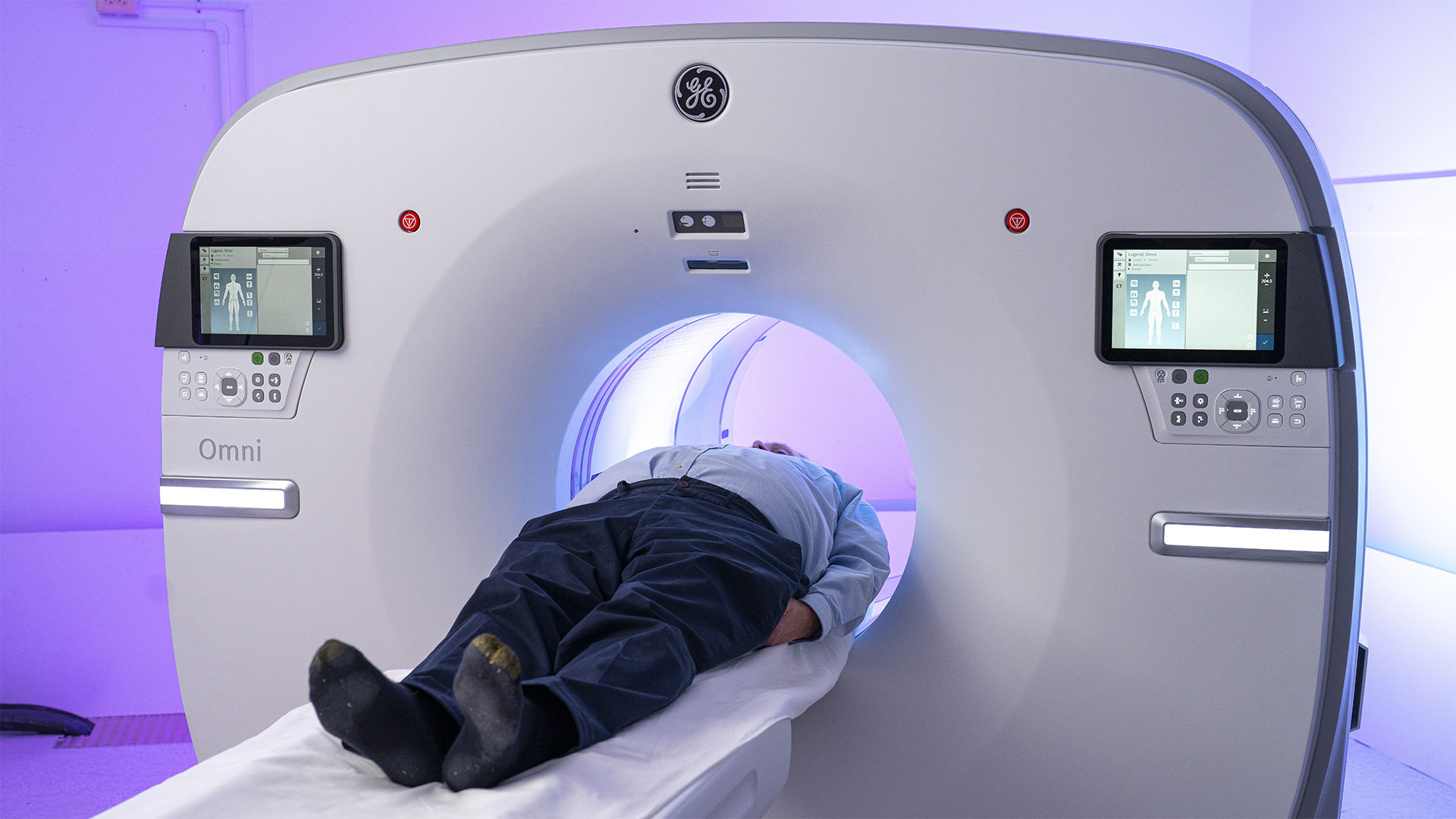
A partnership between Lawson, St. Joseph’s Health Care London and GE HealthCare will create Canada’s first centre of excellence in molecular imaging and theranostics at St. Joseph’s. The centre will focus on using precision diagnostic imaging and targeted therapy to advance personalized treatment of cancer and other diseases. Read more.
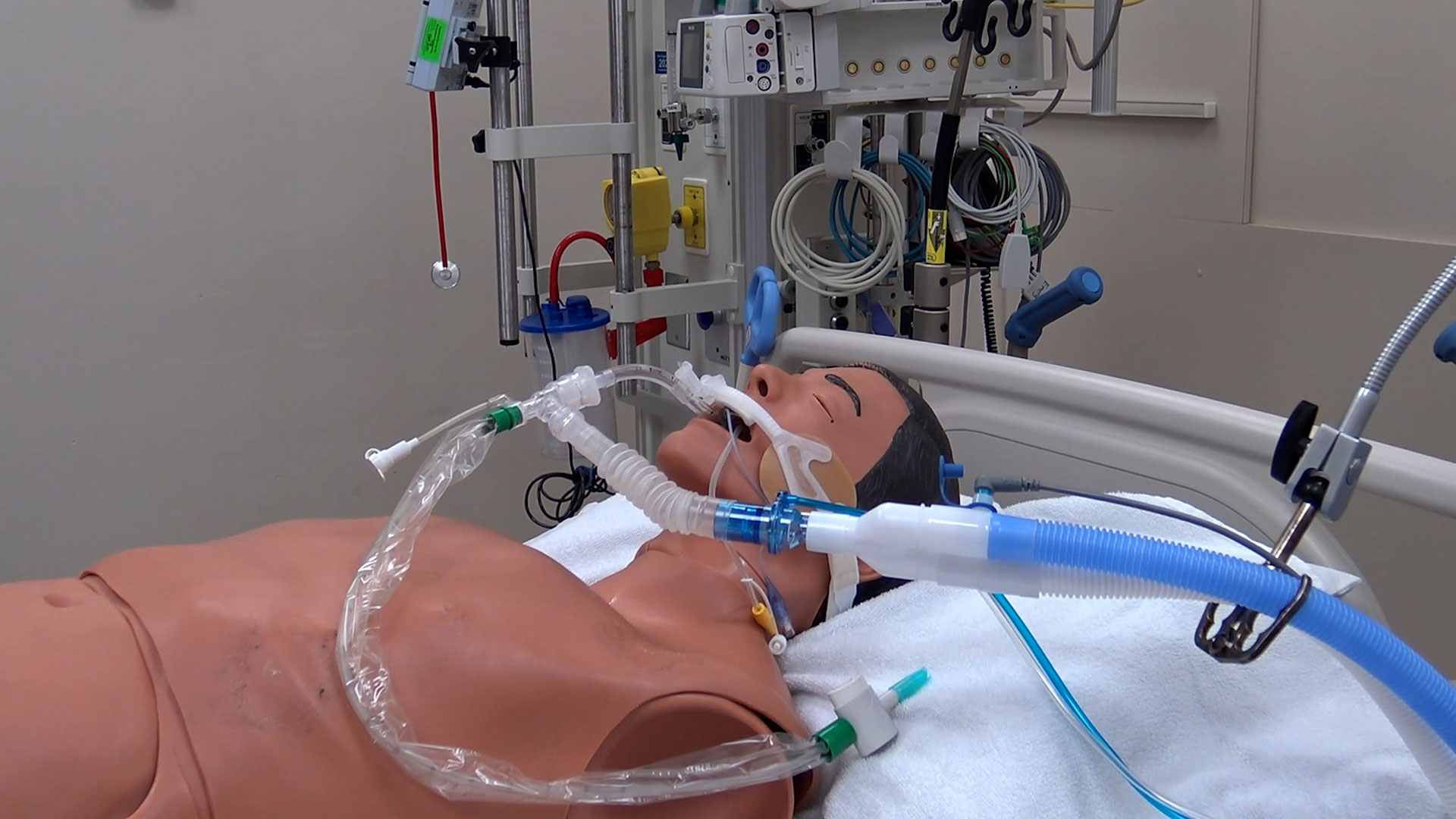
8. Researchers investigate a new method of sedation for paediatric patients
Intravenous sedatives are normally used to sedate critically ill children. However, they can contribute to a complication called delirium, which includes symptoms of confusion, disorientation, agitation, excessive drowsiness and poor attention. To improve outcomes, scientists at Children’s Health Research Institute (a program of Lawson), Sunnybrook Research Institute and The Hospital for Sick Children (SickKids) are collaborating on a pilot study to understand whether inhaled sedation could be a better alternative to keep critically ill children sedated and comfortable. Read more.
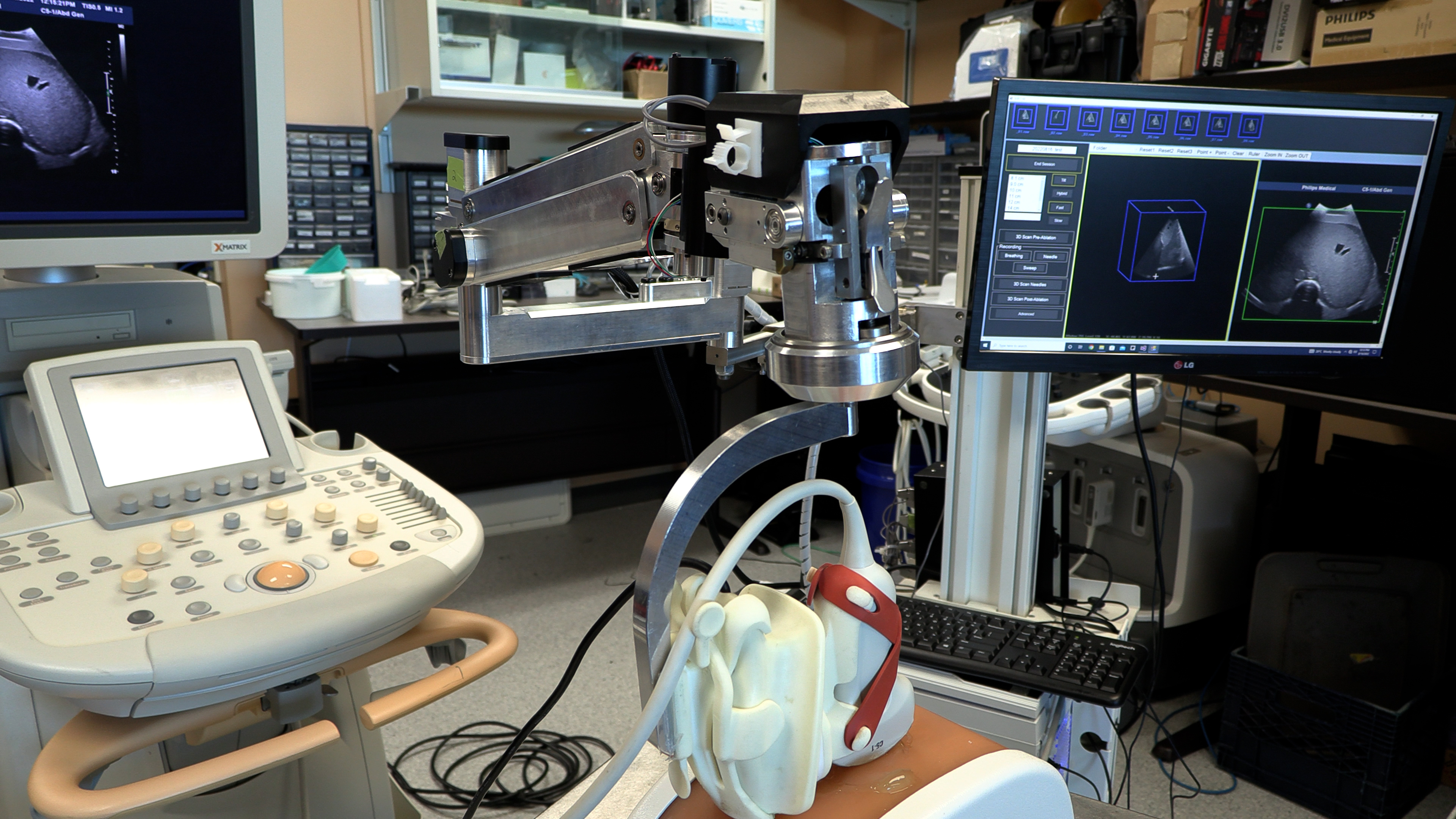
9. New robotic 3D ultrasound may improve accuracy of liver cancer ablation therapy
A technique that turns a normal ultrasound into a 3D image is showing promise in making thermal ablation for liver cancer treatment more accurate in a study from Lawson and Western University. Thermal ablation – using heat to destroy a cancerous tumour – can have fewer complications and a shorter recovery time than surgery. Read more.
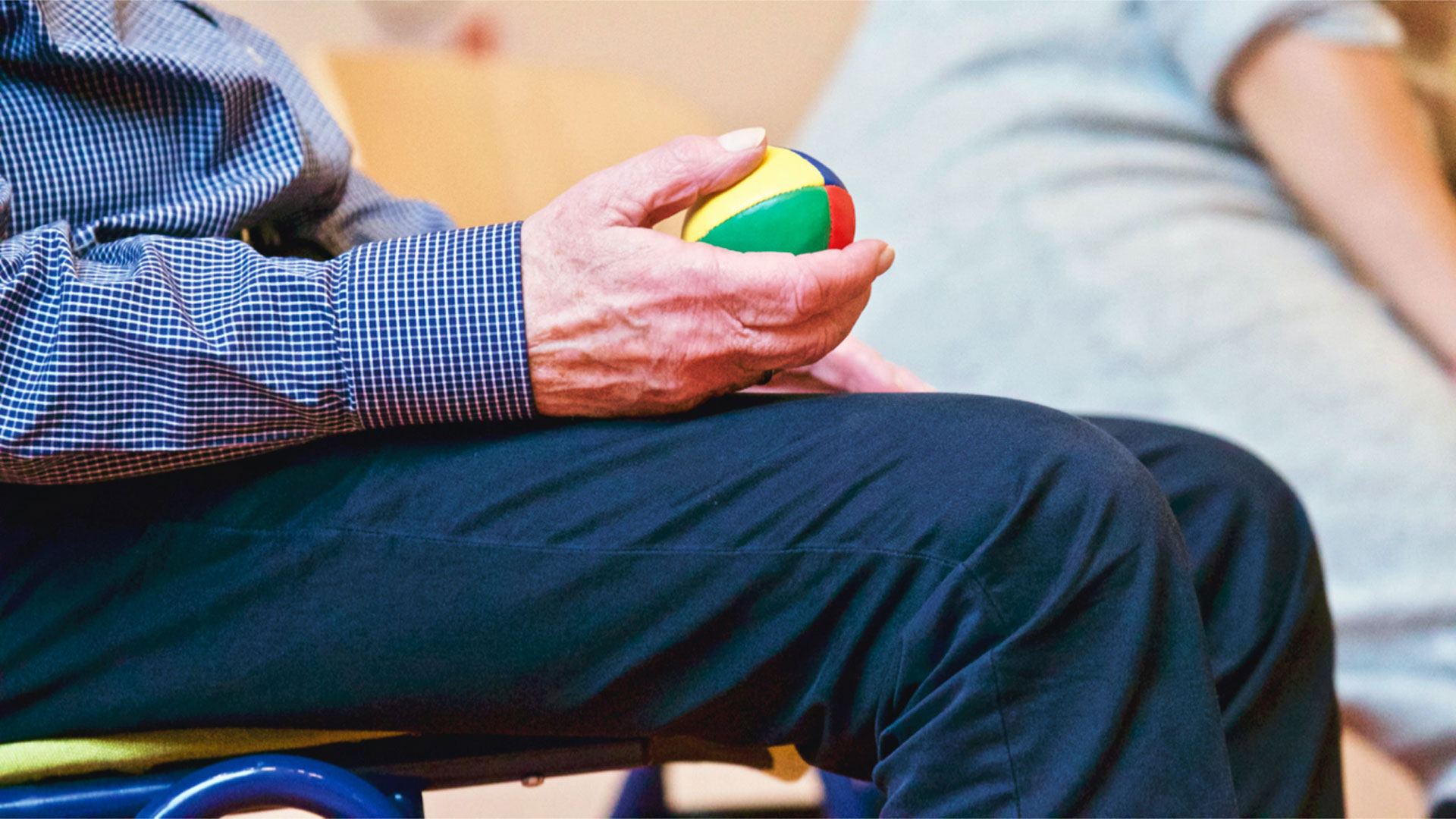
10. Assessing neurofeedback in stroke survivors
Functional near-infrared spectroscopy (fNIRS) is used to detect changes in brain oxygen levels using light, but more recently it has also been used to develop brain-computer interfaces – allowing patients with brain injuries to control a device with their thoughts. Researchers at Lawson launched a new study to assess whether fNIRS can be used to improve patient outcomes during stroke rehabilitation. Read more.
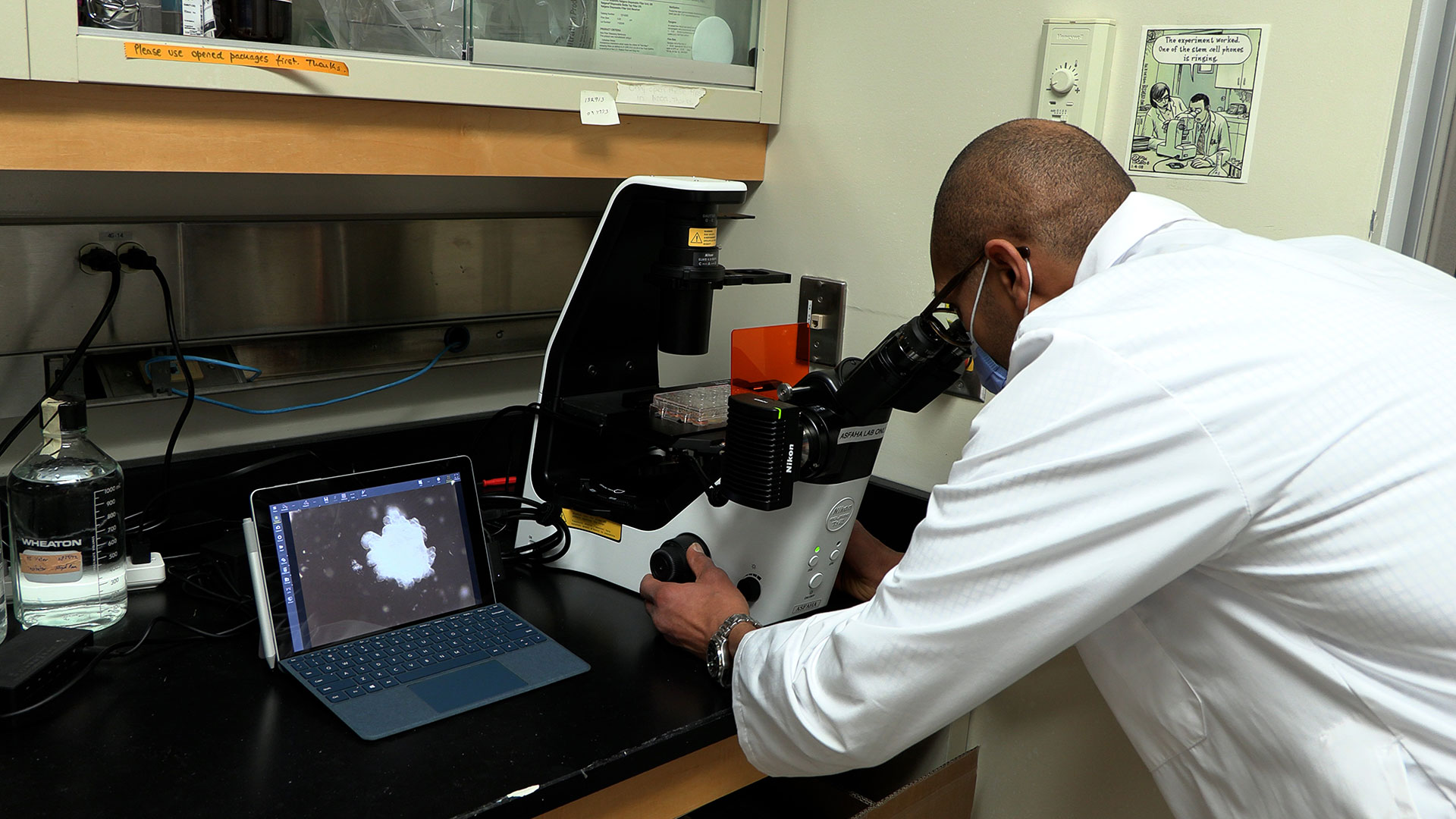
11. Specific type of inflammation may be linked to risk of colorectal cancer
A preclinical study found that a specific type of inflammation may be linked to an increased risk of colorectal cancer. Previously, the degree of inflammation caused by illnesses like colitis, Crohn’s disease and other forms of inflammatory bowel disease were shown to be an important indicator of the development of colorectal cancer. However, this new study found the type of inflammation, rather than the severity and duration, may be more important in determining cancer risk. Read more.
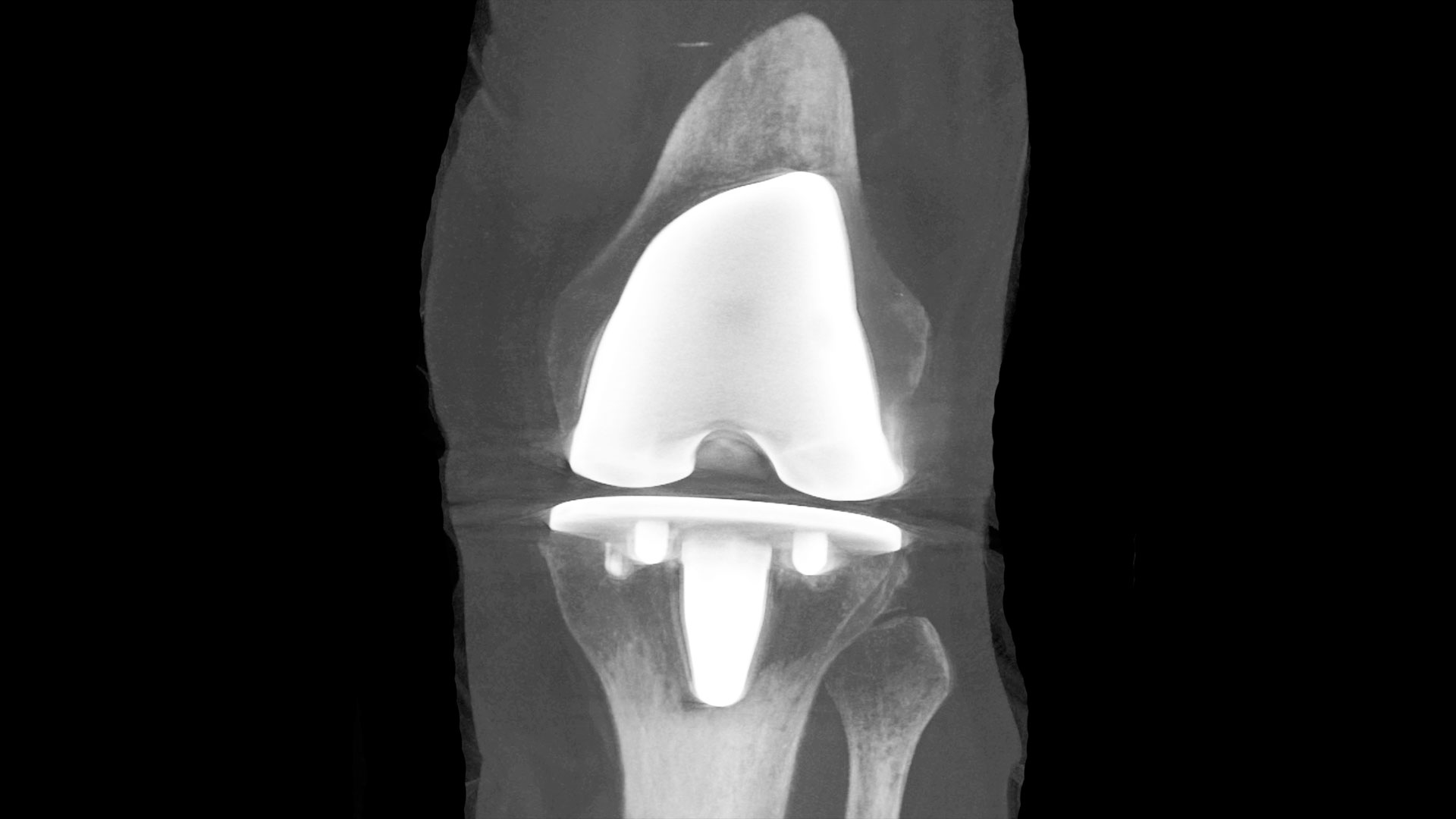
12. New study examining if probiotics can improve outcomes in knee replacement surgeries
Lawson researchers launched a study to assess whether daily probiotics can improve outcomes in patients undergoing a total knee replacement surgery. Of the more than 70,000 knee replacement surgeries in Canada each year, nearly 10 per cent of patients experience complications. With patients who are considered healthy likely to have better outcomes, the research team is interested in improving the gut microbiome as a way to support patients’ overall health. Read more.
Media Contact
Amanda Taccone
Communications Consultant & External Relations
Lawson Health Research Institute
T: 519-685-8500 ext. ext. 64059
C: 226-919-4748
@email
… made in preparation for the consolidation of all London’s rehabilitation beds in the coming year. The changes will … also celebrating the completion of the new Neurobehavioural Rehabilitation Centre at Parkwood. This long-awaited … a coma a year ago following a car accident in 1999. With rehabilitation in Parkwood Hospital’s acquired brain injury …
Annual Report to the Community 2000-2001 June 2001 Dr. Lauren McCurdy Director of Breast Imaging, St. Josephs Health Care, London Associate Professor, UWO Visit our web site: www.sjhc.london.on.ca For additional copies of the report, complete financial statements, salary disclosure information or ot...
… location on Oxford Street into the hospital. Cardiac Rehabilitation and Secondary Prevention Program In addition … have joined St. Joseph’s in recent months. The Cardiac Rehabilitation and Secondary Prevention Program and the … cyber space. Nina Caughill, a nurse at the Steele Street rehabilitation group home in St. Thomas, part of St. …
Annual Report 2012-2013 Welcome to the 2012-2013 Annual Report Contents Annual Report 2012-2013 ......................................................................................................................... 1 Welcome to the 2012-2013 Annual Report ............................................
… severe injuries. The LT program is just one innovation in rehabilitation at Parkwood that is improving health and … for those recovering from injury. Find more information on rehabilitation at Parkwood. https://www.sjhc.london.on.ca/rehabilitation https://www.sjhc.london.on.ca/rehabilitation …
Annual Report 2013-2014 Welcome to our 2013-2014 Annual Report Contents Annual Report 2013-2014 ............................................................................................................................. 1 Welcome to our 2013-2014 Annual Report ........................................
… Dr. Caitlin Cassidy, a specialist in physical medicine and rehabilitation, will work with nursing and other allied … At Parkwood Institute’s Acquired Brain Injury (ABI) Rehabilitation Program, Stephanie began learning how to … patients with complex and chronic diseases, mental illness, rehabilitation, recovery and surgical needs, and veterans …
Annual Report 2014-2015 Welcome to the 2014-2015 Annual Report Contents Annual Report 2014-2015 ............................................................................................................................. 1 Welcome to the 2014-2015 Annual Report ........................................
… the best shape possible, Sheila was referred to the Cardiac Rehabilitation and Secondary Prevention (CRSP) Program at … creating new care pathways for diabetes care and cardiac rehabilitation. Looking at identified risk factors seen in … and upper extremity therapy – a highly specialized area of rehabilitation. The 600-hour course delivered over an …
Annual Report 2015-2016 Welcome to the 2015-2016 Annual Report Contents Welcome to the 2015-2016 Annual Report .............................................................................................. 1 OPENING MESSAGE ...............................................................................