


Search
Search
719 Search Results:
… clinical psychologist in the St. Joseph’s Hospital Cardiac Rehabilitation & Secondary Prevention Program, provides … measurement of individual patients’ outcomes in cardiac rehabilitation; psychological factors in cardiovascular and … quality indicators, in cardiovascular prevention and rehabilitation. Christina Seely BSc, RD, CDE Christina Seely …
DIABETES UPDATE 2019 AGENDA WEDNESDAY, NOVEMBER 13, 2019 Best Western Lamplighter Inn & Conference Centre -CRYSTAL BALLROOM 591 Wellington Road South, London 7:30 a.m. 4:00p.m. 7:30 a.m-8:15a.m. Registration & Light Breakfast 8:15 a.m.-8:30a.m. Welcome & Introduction Dr. Stewart Harris CM, MD, MPH,...
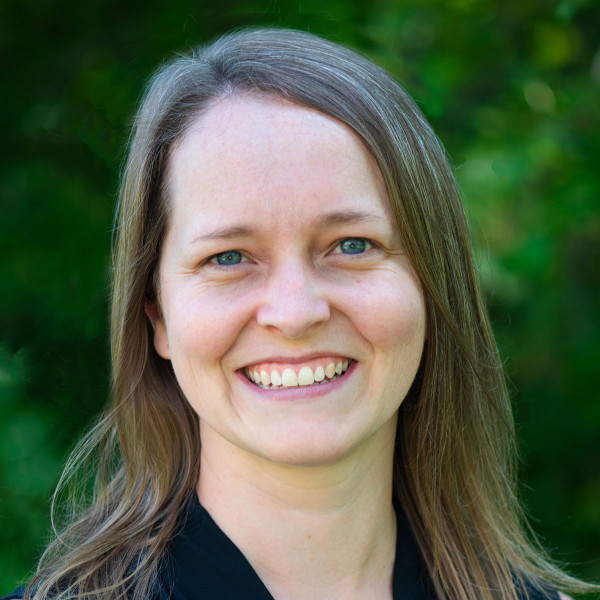
Caitlin Cassidy
Caitlin Cassidy, MD
Assistant Professor, Schulich School of Medicine and Dentistry
Key Areas of Focus:
Childhood Onset Conditions; Implementation Science and Education
Phone:
519-685-4292 ext. 45027
Email:
Publications:
Accepting Grad Students:
Yes
About:
Dr. Caitlin Cassidy is a physiatrist at Parkwood Institute and an Associate Professor in the Department of Physical Medicine and Rehabilitation, and is also cross appointed to the Department of Paediatrics. Her primary clinical and research roles revolve around the Transitional and Lifelong Care (TLC) program at Parkwood Institute. The TLC program provides longitudinal rehabilitative care to adolescents and adults living with a physical disability of childhood onset, many of whom experience mobility challenges and may struggle to find accessible opportunities to increase their fitness and activity levels.
Dr. Cassidy’s research interests include the natural history and long-term outcomes of people with these conditions, and collaborates closely with Dr. Laura Brunton from the School of Physical Therapy at Western University to determine the impacts that access to activity and wellness programming have on pain, fatigue and other outcomes for people with cerebral palsy and spina bifida. Dr. Cassidy also acts as the discipline lead for Musculoskeletal Medicine in undergraduate medical education at Schulich School of Medicine & Dentistry at Western University.
… • • • •• • • • • • t~ STJOSEPHs HEALTH CARE LONDON Cardiac Rehabilitation and Secondary Prevention Program Patient … Health Network (UHN) Cardiovascular Prevention and Rehabilitation Program My Notes: Being an active … • • • •• • • • • • t~ STJOSEPHs HEALTH CARE LONDON Cardiac Rehabilitation and Secondary Prevention Program Patient …
t~ STJOSEPHs HEALTH CARE LONDON Cardiac Rehabilitation and Secondary Prevention Program Patient Education Guide CARING FOR THE BODY, MIND & SPIRIT SINCE 1869 Renowned for compassionate care, St. Josephs is one of the best academic health care organizations in Canada ...
… Cardiac Rehabilitation and Secondary Prevention Program Lifestyle … if"'. STJOSEPHs HEALTH CARE LONDON Program Contacts Cardiac Rehabilitation and Secondary Prevention Clinic Call for all … Dr. Neville Suskin Dr. Ashlay Huitema 519-667-6704 Rehabilitation Trainers 519-646-6000 ext.77106 Cathy Biro …
Cardiac Rehabilitation and Secondary Prevention Program Lifestyle Change and Self-Management Workbook CARING FOR THE BODY, MIND & SPIRIT SINCE 1869 Renowned for compassionate care, St. Josephs is one of the best academic health care organizations in Canada dedicated to he lping people live to their ...
… Guide for Referring Physicians The Cardiac Rehabilitation and Secondary Prevention Program (CRSP) is an … https://www.sjhc.london.on.ca/sites/default/files/pdf/cardiacrehabilitation2_referral.pdf … https://www.sjhc.london.on.ca/sites/default/files/pdf/cardiacrehabilitation2_referral.pdf Satellite Programs LHSC's …
Guide for Referring Physicians The Cardiac Rehabilitation and Secondary Prevention Program (CRSP) is an out-patient, multidisciplinary program for cardiac surgical and medical patients. Physician referral is required with no fee for service. During the six-month program, patients receive medical man...
… Referral form Cardiac Rehabilitation and Secondary Prevention Ontario Health West … Referral form Cardiac Rehabilitation and Secondary Prevention Ontario Health West … Cardiac rehabilitation referral form …
Referral form Cardiac Rehabilitation and Secondary Prevention Ontario Health West Region Patient Name: Address: City: Telephone: D.O.B.: (YYYY/MM/DD) Health Card Number: REFERRING PHYSICIAN INFORMATION: Name (please print): Address: Physician Signature: ___________________________________ Phone Numb...
… Referral to: CARDIAC REHABILITATION & SECONDARY PREVENTION PROGRAM 268 Grosvenor … CLINICIAN: REFERRAL EVENT: PLEASE INDICATE THE CARDIAC REHABILITATION SITE: 200675 (2013/03/27) NAME: ADDRESS: … Referral to: CARDIAC REHABILITATION & SECONDARY PREVENTION PROGRAM 268 Grosvenor …
Referral to: CARDIAC REHABILITATION & SECONDARY PREVENTION PROGRAM 268 Grosvenor Street, Room B3-689, London, ON N6A 4V2 Telephone: 519-667-6704 / Fax: 519-667-6532 POINT OF REFERRAL: REFERRING CLINICIAN: REFERRAL EVENT: PLEASE INDICATE THE CARDIAC REHABILITATION SITE: 200675 (2013/03/27) NAME: ADDR...
Caring for our health care system
8:30pm - 11:00pm
LAWSON PRESENTS CAFÉ SCIENTIFIQUE
Caring for our health care system:
Why we should give a darn about medical research
What does health care mean to Canadians? What about those of us who have experienced a care journey first-hand, either as a patient or family member? Health care is a point of pride in this country, but many Canadians worry that our system is falling behind.
Every day, health researchers are working with patients, industry and other partners to find real and sustainable solutions. Despite recent investments in medical research on a national level after years of underfunding, there is still much work to do.
Join Lawson Health Research Institute for our next Café Scientifique event to hear a panel of researchers talk about what they do and why medical research matters for all of us.
- Dr. Amer Burhan, Geriatric Neuropsychiatrist and Clinician Scientist
- Dr. Kelly Vogt, Trauma and General Surgeon and Clinician Scientist
- MODERATOR – Dr. Cheryl Forchuk, Beryl and Richard Ivey Research Chair in Aging, Mental Health, Rehabilitation and Recovery
Event Details
- Date: Monday, October 7, 2019
- Time: 5-7 pm (doors open at 4:30 pm).
This is NEW timing so that guests are free to watch the English-language leaders’ debate! - Location: Best Western Plus Lamplighter Inn & Conference Centre, 591 Wellington Rd, London, ON N6C 4R3
Map and directions - Parking: Free on-site parking
This is a free event and online registration is REQUIRED.
Click here to register.
Image
Celebrating remarkable women in science
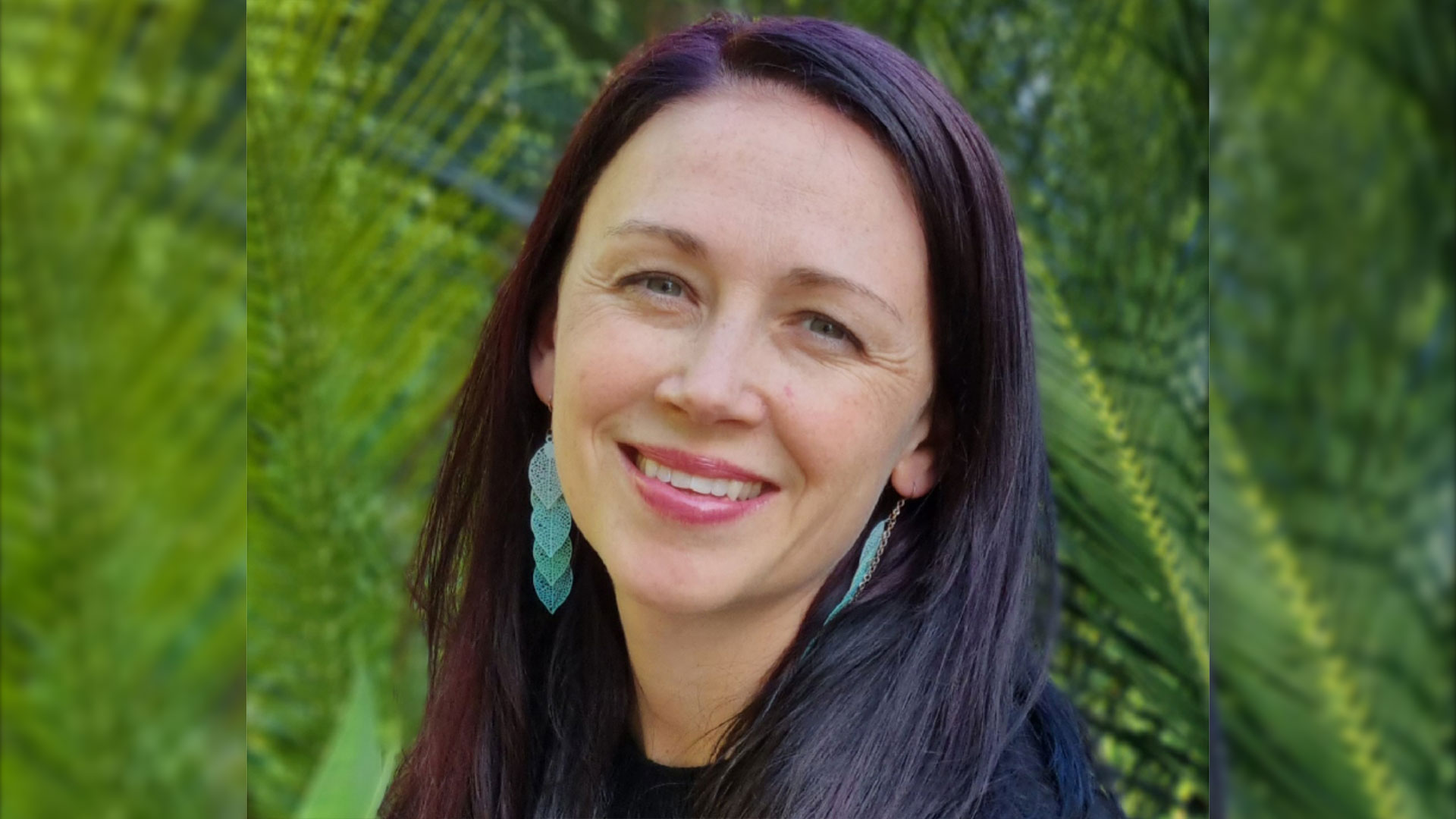
Chronic pain can affect every facet of a person’s life. “When someone is in pain, they can have significant difficulty with activities we all do in our daily life, from getting out of bed to walking to the mailbox. It can also impact their mental wellness,” shares Lawson Health Research Institute Scientist Dr. Siobhan Schabrun, PhD. Dr. Schabrun, who is the first ever William and Lynne Gray Endowed Research Chair in Mobility and Activity at St. Joseph’s Health Care London, has dedicated much of her career to unravelling the complex connection between the body and the mind known as neuroscience, with a focus on persistent pain.
She is currently leading groundbreaking work in understanding, treating and preventing persistent pain, offering hope for enhanced mobility and activity in individuals with musculoskeletal and neurological conditions at St. Joseph’s Gray Centre for Mobility and Activity, located at Parkwood Institute.
Dr. Schabrun’s research program has extended beyond conventional approaches, delving into the use of non-invasive brain stimulation technologies such as repetitive transcranial magnetic stimulation, more commonly known as rTMS, a therapeutic tool used in mental health treatments for decades, to augment neuroplasticity and optimize outcomes in rehabilitation.
Bridging the gap between human pain models and clinical trials, Dr. Schabrun’s work is contributing to the understanding of clinical pain populations and bringing new treatment methods to the forefront to improve patient care and outcomes.
Research Area
Partners
… Parkwood Hospital Driver Assessment and Rehabilitation Program 801 Commissioners Road East London, … situations �� Slow processing and reaction time A driver rehabilitation evaluation will examine the strengths and … difficulty, a driver evaluation may be indicated. A driver rehabilitation specialist can provide a comprehensive …
Parkwood Hospital Driver Assessment and Rehabilitation Program 801 Commissioners Road East London, Ontario N6C 5J1 Phone: (519) 685-4070 Fax: (519) 685-4576 DRIVING AND CEREBRAL PALSY Cerebral Palsy (CP) applies to a number of non-progressive motor disorders present from birth. The involvement varie...
… the Province (cont’d) The next era in care, recovery and rehabilitation with was launched with the opening St. … requiring complex, spe- cialized geriatric services and rehabilitation, helping them live life to the fullest. With … and mental health with a focus on care, re- covery and rehabilitation of the whole person – body, mind and .spirit …
January 2015 In this Issue Page 1: Comment from David Nash Page 2: CHAO Convention reprise Pages 3 CHAO Mission Leadership Program Pages 4-9 Around the Province Page 9 Editors Note May we live in interesting times It is my pleasure on behalf of the Board and staff of CHAO to wish all CHAO members a ...
… RESIDENCY PROGRAM DIRECTORS COMMENTS PHYSICAL MEDICINE & REHABILITATION Keith Sequeira (Interim) Steve Macaluso For … RESIDENCY PROGRAM DIRECTORS COMMENTS PHYSICAL MEDICINE & REHABILITATION Keith Sequeira (Interim) Steve Macaluso For …
DEPARTMENT DEPARTMENT CHIEFS SITE CHIEFS DIVISION CHIEFS MEDICAL DIRECTORS OTHER LEADERSHIP ROLE RESIDENCY PROGRAM DIRECTORS COMMENTS ANESTHESIA & PERIOPERATIVE MEDICINE John Fuller (Interim) Ashraf Fayad (LHSC - UH) Jeff Granton (Interim) Amy Rice (St. Joseph's) George Nicolaou (LHSC - VH) CLINICAL...
… Techniques for Late Visual and Cosmetic Anterior Segment Rehabilitation 2:35 - 2:45 Round Table Moderator: Dr. Allen … Techniques for Late Visual and Cosmetic Anterior Segment Rehabilitation 2:35 - 2:45 Round Table Moderator: Dr. Allen …
CLINICAL DAY IN OPHTHALMOLOGY 2008 OCULAR TRAUMA London Convention Centre - Ballroom 5 / Theatre Friday, May 9, 2008 Second Floor - 300 York Street London, Ontario N6B 1P8 Generously Supported By: The Charles Dyson Lectureship in Ophthalmology The Royal College of Physicians & Surgeons of Canada ...
… MOLECULAR DIAGNOSTICS Bekim Sadikovic PHYSICAL MEDICINE & REHABILITATION Keith Sequeira (Interim) Steve Macaluso For … MOLECULAR DIAGNOSTICS Bekim Sadikovic PHYSICAL MEDICINE & REHABILITATION Keith Sequeira (Interim) Steve Macaluso For …
DEPARTMENT DEPARTMENT CHIEFS SITE CHIEFS DIVISION CHIEFS MEDICAL DIRECTORS OTHER LEADERSHIP ROLE RESIDENCY PROGRAM DIRECTORS COMMENTS ANESTHESIA & PERIOPERATIVE MEDICINE John Fuller (Interim) Ashraf Fayad (LHSC - UH) Melissa Chin and Jon Borger Amy Rice (St. Joseph's) George Nicolaou (LHSC - VH) CLI...
… AND LABORATORY MEDICINE David Driman PHYSICAL MEDICINE & REHABILITATION Keith Sequeira (Interim) Steve Macaluso For … AND LABORATORY MEDICINE David Driman PHYSICAL MEDICINE & REHABILITATION Keith Sequeira (Interim) Steve Macaluso For …
DEPARTMENT DEPARTMENT CHIEFS SITE CHIEFS DIVISION CHIEFS MEDICAL DIRECTORS OTHER LEADERSHIP ROLE RESIDENCY PROGRAM DIRECTORS COMMENTS Rudy Noppens (LHSC - UH) Melissa Chin and Jon Borger Amy Rice (St. Joseph's) George Nicolaou (LHSC - VH) CLINICAL NEUROLOGICAL SCIENCES David Steven NEUROLOGY - Jorge...
… agencies. As an Acute Ambulatory, Mental Health Care, Rehabilitation and Long-Term Care Centre, St. Joseph’s … agencies. As an Acute Ambulatory, Mental Health Care, Rehabilitation and Long-Term Care Centre, St. Joseph’s …
CORPORATE PROCEDURE EMC006 Procedure: Code Orange External Disaster Owner: Director, Patient Relations, Security Services and Chief Privacy and Risk Officer Sponsor: Vice President, Patient Care and Risk Approval by: Emergency Management Committee Date: 2023-06-22 Original Effective Date: 2018-05-1...
… Health Programs • Urgent Care Centre • Urology Program • Rehabilitation Program • Veterans Care Program • Palliative … Health Programs • Urgent Care Centre • Urology Program • Rehabilitation Program • Veterans Care Program • Palliative …
Your donation matters here. Community Event Toolkit St. Josephs Health Care Foundation would like to thank you for your generous support and interest in hosting a community event. We are here to help make your fundraising efforts fun and easy and are very fortunate to have enthusiastic, caring peopl...
… Chris Hadfield. The event showcased St. Joseph’s role in rehabilitation and highlighted the cutting-edge equipment in … Lee was sent to Parkwood Institute for further recovery and rehabilitation that would prepare him for life as a … diseases such as diabetes, breast cancer and cardiac rehabilitation. This centre will create exciting synergies, …
Community Stewardship Report 2014 2015 An average day at St. Josephs is filled with possibilities, whether its through innovative approaches to treatment or the potential offered by new medical technologies. Each day, these seemingly endless possibilities can be measured in the way people recovering...
… and Richard Ivey Research Chair in Aging, Mental Health, Rehabilitation and Recovery (the largest and only endowed … To regain movement, Chris received therapy in the Stroke Rehabilitation Program at Parkwood Institute. His care team … something familiar to a farmer like Chris – as part of his rehabilitation program. With grit and determination, Chris …
Back row left: Holly Bridge, Diane Davis-Miller, Barb Simmonds Front row left: Dr. Jennifer Bjazevic, Roger Blum, Leanne Summers, Dr. Hassan Razvi, Surgical Services You make health care innovation possible. Just one of the reasons why YOU HELPED ENHANCE OUR OPERATING ROOMS 20192020 Community Impact...
… with new patio furniture at the Steele Street Residential Rehabilitation and Treatment Program. 2 2020-2021 COMMUNITY … and Long Thai, residents at the Steele Street Residential Rehabilitation and Treatment Program, are able to enjoy … who are hearing impaired during virtual appointments in the Rehabilitation Program. Remarkably, through generous …
In response to COVID-19, care providers across St. Josephs quickly and expertly pivoted to meet challenges during the pandemic. Seen here, team members from the Urgent Care Centre at St. Josephs Hospital. Learn how donors made all the difference on pg. 3. 20202021 Community Impact Report Your donati...