


Search
Search
1081 Search Results:
Running Against Ruptures
1:00pm
This event is raising funds for brain aneurysms research.
Did you know, ruptured brain aneurysms account for 3–5% of all new strokes?
How about that women, more than men, suffer from brain aneurysms at a ratio of 3:2?
It is a devastating medical issue many Canadians face.
You are invited to Running Against Ruptures on June 23, 2019 at Greenway Park in London, ON
Running Against Ruptures is committed to raising funds for patients and families affected by brain aneurysms so people can get the help they need earlier and with better results. By conducting research, we can help alleviate the pain many families encounter due to brain aneurysms.
However, each of these projects requires funding. That’s why Running Against Ruptures looks to raise money to support these life-saving research projects.
For more information, please visit the London Health Sciences Foundation.
Partners
June 16, 2020; Page 1 of 2 Sacroiliac Joint Injection What is a sacroiliac (SI) joint injection and why is it performed? The SI joints connect the spine to the pelvis and allow for motion. There are two SI joints: one on the left and one on the right. The SI joint is surrounded by a lubricant fille...
Safe Delivery and Administration of O-15 Gas Purpose: This document is written to detail safe work practices for the delivery and administration of radioactive oxygen-15 gas to the PET/MRI suite for large animal studies. Administering O-15 gas to humans is not permitted. Policy: This document detail...
Linen Services SCRUB UNIFORM REQUEST PRINT CLEARLY User Last Name: User First Name: Extension: Personal Identification # (4-digit PIN) If not completed, a PIN will be assigned. Manager Name: Manager Ext.______________ To gain access to the dispensing units, please bring this completed form to the Li...
Linen Services SCRUB UNIFORM REQUEST PRINT CLEARLY User Last Name: User First Name: Extension: Personal Identification # (4-digit PIN) If not completed, a PIN will be assigned. Manager Name: Manager Ext.______________ To gain access to the dispensing units, please bring this completed form to the Li...
Linen Services SCRUB UNIFORM REQUEST PRINT CLEARLY User Last Name: User First Name: Personal Identification # (4-digit PIN) If not completed, a PIN will be assigned. Extension: Manager Name: Manager Ext.______________ To gain access to the dispensing units, please bring this completed form to the Li...
See the Line: Concussion Research and Awareness - CME & Symposium
12:30pm
Learn the latest in sport related brain injury evaluation and treatment - presented by the Schulich School of Medicine & Dentistry. Once again this year, we will be offering a full-day CME inclusive of the afternoon See the Line Community Symposium that will educate you on the latest in concussion research - hearing from world-class medical experts, health care advocates and professional athletes through the following series of events:
Morning: Continuing Medical Education (CME)
Registration: Registration is required. Registration fees apply for physicians and allied health care professionals.
Confirmed speakers include Dr. Lisa Fischer and Dr. Jason Mihalik. More speakers and a formal agenda will be announced in the coming weeks. Keep checking back for more information.
Who Attends? Physicians, allied health care professionals, medical and nursing students, residents
CME Session Options:
Full-day CME (8:30 a.m. - 5:00 p.m.):
Morning session in Dental Science Building, Rm. 1002, Western University
Afternoon session in Natural Sciences Centre, Rm. 145, Western University
* $100 for physicians and allied health care professionals. Residents and medical students are free.
Morning CME only (8:30 a.m. - 12:00 p.m.):
Dental Science Building, Rm. 1002, Western University
* $100 for physicians and allied health care professionals. Residents and medical students are free.
Afternoon Symposium only (1:00 - 5:00 p.m.):
Natural Sciences Centre, Rm. 145, Western University
* Attend the complimentary Community Information Symposium and earn CME credits by registering for the afternoon Symposium through Continuing Professional Development (CPD).
* You must register through CPD to earn CME credits.
Afternoon: Community Information Symposium
Time: 1:00 - 5:00 p.m.
Location: Natural Sciences Centre, Rm. 145, Western University
Registration: Registration is required. Free for all to attend.
Learn the latest concussion news and research from an exciting lineup of world-class experts and researchers. You will also hear personal stories from a panel of professional athletes about the impact concussions have had on their careers and lives.
Confirmed speakers include Dr. Douglas Fraser, Dr. David Mulder and Ms. Lisa MacLeod, MPP. The 2016 line up of athletes will be announced in the coming weeks. Keep checking back for more information.
Who Attends? Coaches, athletes, teams, parents, educators, students, health care professionals and media
For more information, including event registration please visit the See the Line website.
… at Parkwood Hospital have been upgraded to reflect the requirements for FADS (Facility Accessibility Design … at Parkwood Hospital have been upgraded to reflect the requirements for FADS (Facility Accessibility Design …
Annual Accessibility Plan for the St. Joseph Health Care, London September 2004 - August 2005 Submitted to Cliff Nordal Chief Executive Officer 30 September 2004 Prepared by SJHC Accessibility Working Group Co-ordinator, Derek Lall This publication is available on the hospitals website and in altern...
SEPTOPLASTY & TURBINATE SURGERY INTRODUCTION Many people have difficulty with nasal congestion and stuffiness. When someone has chronic stuffiness, theyre often forced to breathe through their mouth, leading to a sensation of a dry mouth. In many patients, these symptoms get worse at night when they...
~ SIJOSEPHs HEALTH CARE LONDON CORPORATE Procedure: SEVERE WEATHER Owner of Procedure: Emergency Management and Risk Specialist Approval by: Emergency Management Committee Date: 2022-06-02 Original Effective Date: 2021-05-03 Reviewed Date(s): 2022-05-27 Revised Date(s): 2022-05-27 PURPOSE Adverse or...
Sick Day Management for People with Type 2 Diabetes When you are unwell, managing your glucose levels can be a challenge. Be prepared and know how to manage your diabetes when you are sick. Important reminders 1. Check your glucose level every 4 hours or as recommended by your health care team. Targ...
Simple CT scanning procedure can predict effectiveness of ovarian cancer treatment
Technology developed at Western University and Lawson Health Research Institute can provide a new window into whether or not patients are responding to treatment for advanced ovarian cancer. A multi-centre clinical trial has demonstrated that CT Perfusion, which measures blood flow and blood volume to tumours associated with ovarian cancer, can provide an accurate prediction of how well a treatment is working, allowing physicians the opportunity to better plan treatment. Funding for the trial was provided by the US National Cancer Institute through the National Clinical Trials Network including NRG Oncology and ECOG-ACRIN.
“CT perfusion is homing into the change in blood flow to the tumour before and after treatment,” said Ting-Yim Lee, professor at Western University’s Schulich School of Medicine & Dentistry, scientist at Lawson Health Research Institute, and a Medical Physicist at St. Joseph’s Health Care London. “In this particular case we can see that blood flow tends to decrease in those who will survive longer without symptoms, whereas for those whose symptoms will recur within six months, we saw blood flow to the tumour increase after their treatment.”
The study was published in the journal, Clinical Cancer Research. Its authors point out that in 60 to 85 per cent of ovarian cancer patients, relapse will occur after initial treatment. By using CT perfusion to identify which patients are more likely to benefit from a specific therapy enables better patient selection and treatment planning, and also provides a biomarker for future clinical trials assessing new treatment options. The authors also point out that although the trial is promising, further studies are required to corroborate the current findings.
“Using this method we are able to see a change in the blood flow as early as four weeks after treatment. This means we don’t have to wait months to determine whether symptoms will recur, we are able to tell whether the treatment is effective much sooner,” said Lee.
Developed by Lee and his team at Western University’s Robarts Research Institute, CT perfusion uses X-ray dye in combination with existing CT scanners to measure blood flow. The technology is already used globally to assess blood flow to the brain after stroke. This clinical trial for use in ovarian cancer took place across 19 U.S. centres, and also demonstrated that the technology is easily implemented onto any existing CT scanner, and requires minimal training to be successful.
Scientist
Simple device improves care after kidney transplantation
LONDON, ON – In a published study, a team from Lawson Health Research Institute has found that a simple device can reduce swelling after kidney transplantation. The geko™ device, manufactured by Sky Medical Technology Ltd and distributed in Canada by Trudell Healthcare Solutions Inc., is a muscle pump activator which significantly improves blood flow by stimulating the body’s ‘muscle pumps.’ Patients using the device following kidney transplantation experienced shorter hospital stays and reduced surgical site infections by nearly 60 per cent.
Kidney and simultaneous pancreas-kidney transplantations can significantly reduce mortality and improve the quality of life for patients with end stage renal disease. “After surgery, many of these organ recipients require a longer hospital stay due to delayed kidney function, infection, lack of mobility or edema,” says Dr. Alp Sener, Lawson Scientist and Transplant Surgeon in the Multi-Organ Transplant Program at London Health Sciences Centre (LHSC).
Edema is swelling caused by excess fluid trapped in the body’s tissues which can impact wound healing. The current standard of care for managing lower-limb edema and improving blood flow is thrombo-embolic-deterrent (“TED”) stockings used with compression devices. Sleeves pumped with air squeeze the lower legs to boost circulation. They can be uncomfortable to wear, and the large pump can inhibit early mobility and disrupt sleep after surgery.
In a randomized controlled clinical trial spanning two years, 221 transplant recipients at LHSC either wore the standard TED stocking and pump or the geko™ device for six days after surgery. Dr. Sener’s research team found that wearing the device increased urine output by 27 per cent and lowered weight gain by over a kilogram. With more urine produced and less fluid retention, patients experienced 31 per cent less swelling. The duration of costly hospitalization was shortened by over one day after kidney transplantation compared to the standard of care.
A 60 per cent reduction in wound infection rates was a striking observation. “Transplant patients are at a higher risk of infection due to the immunosuppressant medications needed after surgery,” explains Dr. Sener, who is also the President of the Urologic Society for Transplantation and Renal Surgery, a global organization affiliated with the American Urological Association. “Reducing infection means a much better outcome for the patient and considering that recent data shows wound infections can cost the health care system thousands of dollars per person, it’s a win-win situation.”
Some of the study participants wore pedometers to track their steps, and those using the geko™ device had improved mobility after surgery. The team suspects this may be due to reduced swelling which could improve ease and comfort when moving.
“The study results have been both surprising and exciting. Not only have we cut down wound infection rates but we have also seen a considerable improvement in the new organ’s function following transplantation. Patients report feeling more satisfied with the transplant process and are more mobile,” says Dr. Sener. The geko™ device is now being offered to patients at LHSC in recovery after receiving a new kidney.
Ruben Garcia, 68 years old, recently received a new kidney from his daughter, Ruby, who was a match as a living kidney donor. Following his surgery, Garcia found it difficult to get out of bed due to the pain and swelling, and the function of his new kidney was very low. “My surgeon explained in very simple terms that it was as if my new kidney wasn’t awake yet,” describes Garcia.
Dr. Sener recommended that Garcia use the geko™ device to help stimulate blood flow in a way that is similar to walking. Garcia was soon able to sit up on a chair and by the next day he was walking. “My kidney woke up and starting working again! I could feel the device working and it was comfortable to wear, almost like a massage for my legs. I’m very grateful for the care that I received.”
Dr. Sener adds that “using a muscle pump activator could be a game changer for other procedures like orthopedic implants where wound infection can have disastrous consequences or in surgeries where wound infections are more common such as in cancer and intestinal surgery.”
The geko™ device is non-invasive, self-adhering, battery-powered and recyclable. It generates neuromuscular electro-stimulation and unparalleled systemic blood flow that equates to 60 per cent of that achieved by walking. Pain-free muscle contraction compresses deep veins in the lower legs to create better blood flow in these vessels and return blood to the heart. It is particularly well suited to hospital settings as it portable and requires minimal training. For the indications for the use of the geko™ device, go to www.gekodevices.com.
“The results of the study provide further evidence that the geko™ device is an effective treatment option that can improve outcomes for patients and help them return home sooner, while reducing costs for the health-care system,” says George Baran, Executive Chairman of the Trudell Medical Group and a Director of Sky Medical.
-30-
DOWNLOADABLE MEDIA
Image
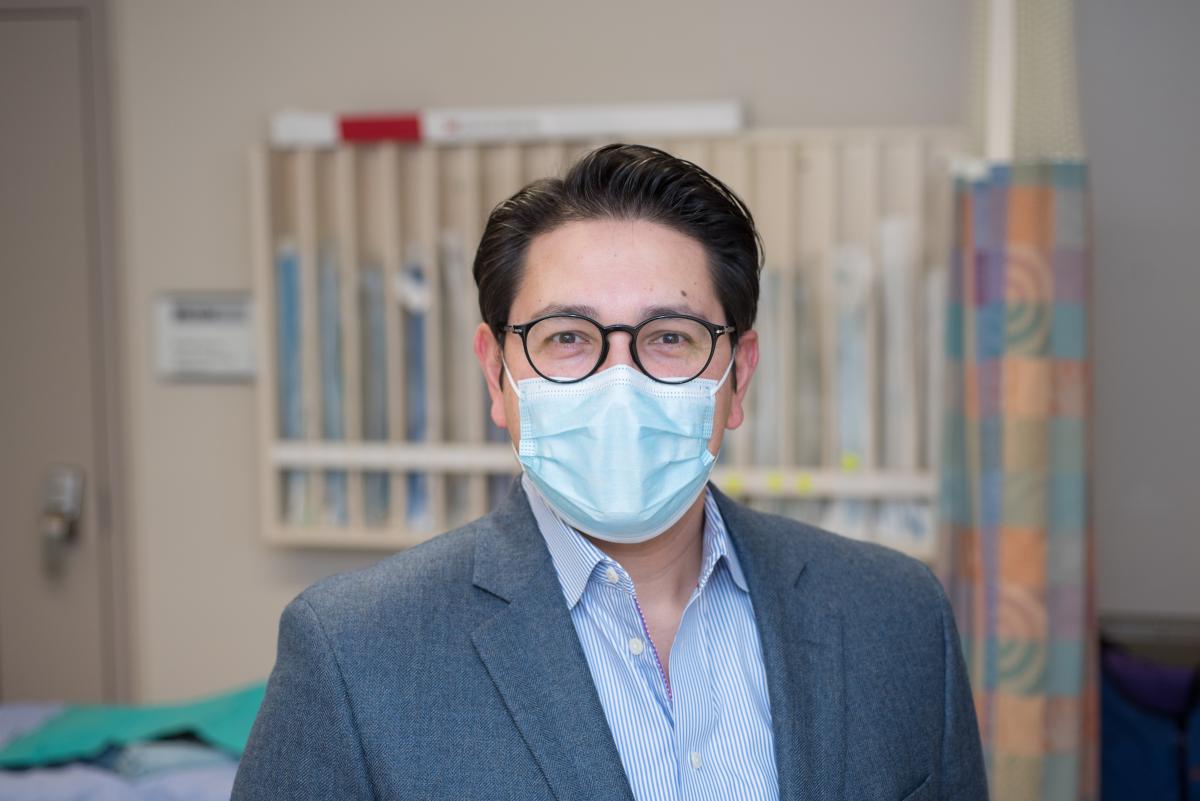
Dr. Alp Sener, Lawson Scientist and Transplant Surgeon in the Multi-Organ Transplant Program at London Health Sciences Centre
Image
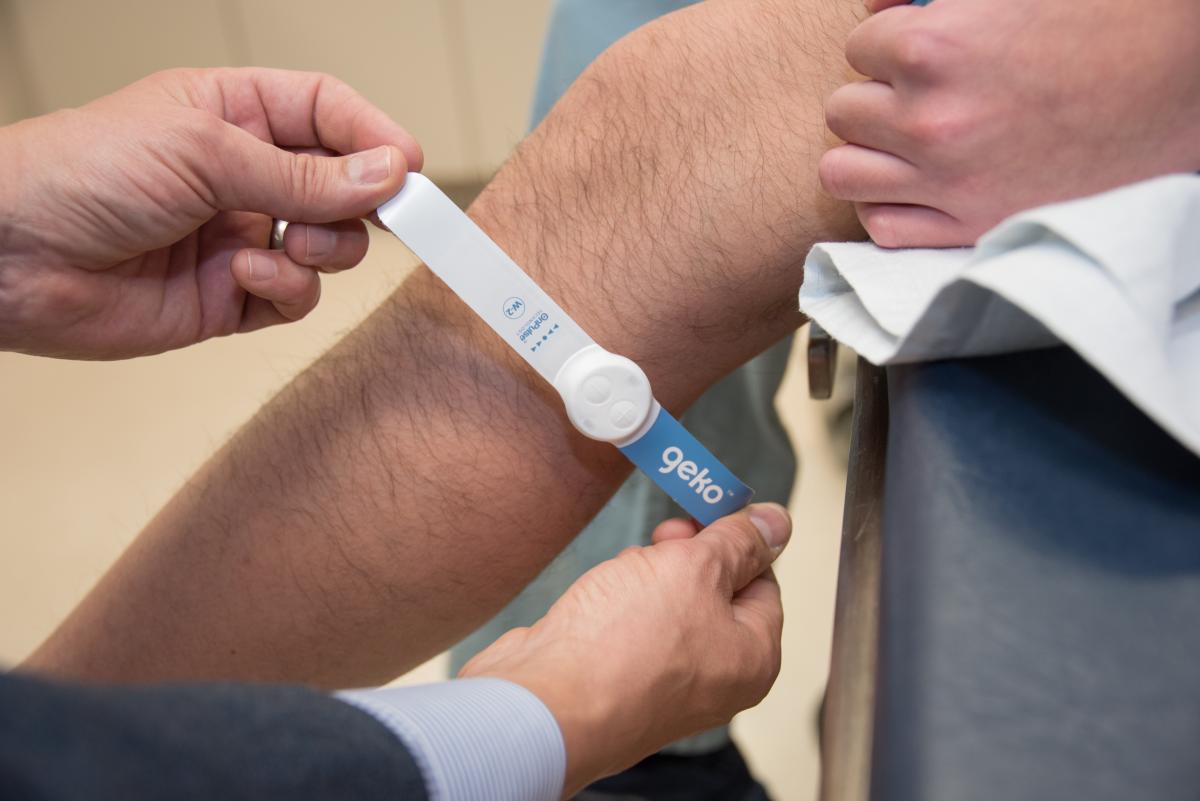
The geko™ device being applied on the leg
Image
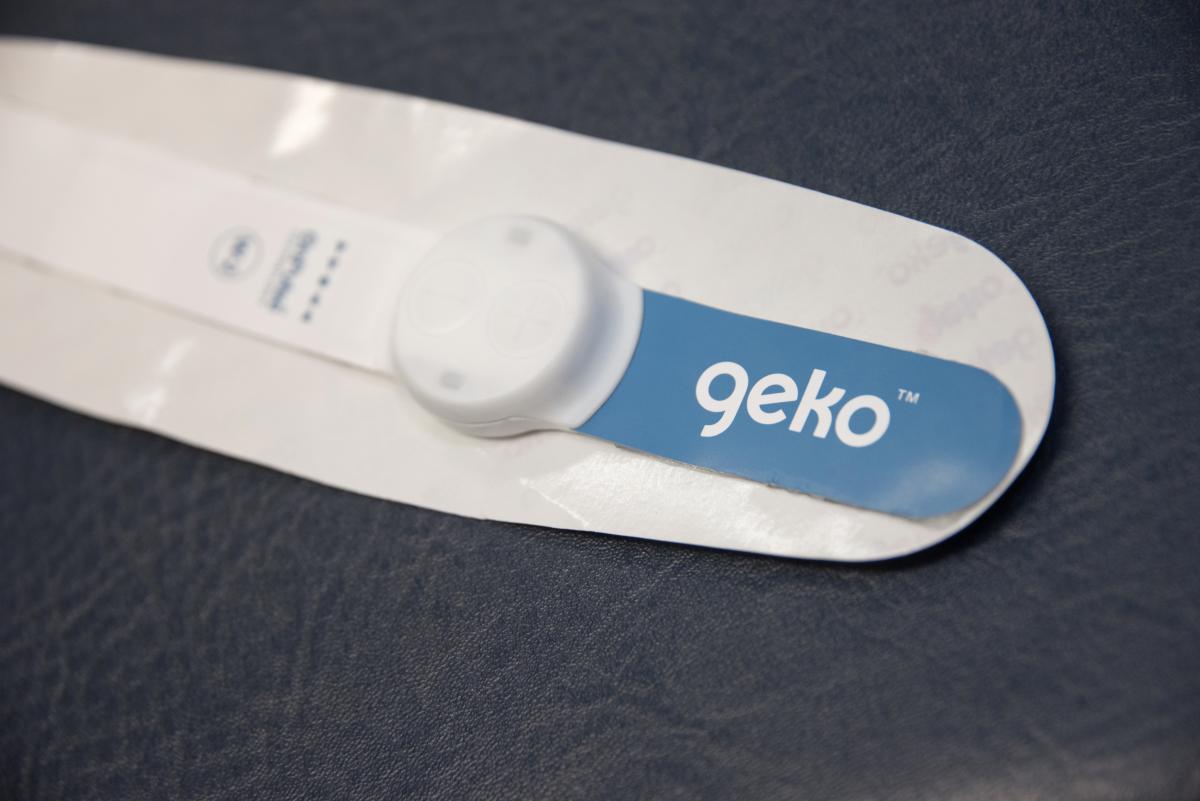
The geko™ device
About Lawson Health Research Institute
Lawson Health Research Institute is one of Canada’s top hospital-based research institutes, tackling the most pressing challenges in health care. As the research institute of London Health Sciences Centre and St. Joseph’s Health Care London, our innovation happens where care is delivered. Lawson research teams are at the leading-edge of science with the goal of improving health and the delivery of care for patients. Working in partnership with Western University, our researchers are encouraged to pursue their curiosity, collaborate often and share their discoveries widely. Research conducted through Lawson makes a difference in the lives of patients, families and communities around the world. To learn more, visit www.lawsonresearch.ca.
Media Contacts
Celine Zadorsky
Senior Media Relations Consultant
Communications & Public Engagement
T: 519-685-8500 ext. 73502
Celine.zadorsky@lhsc.on.ca
SINONASAL IRRIGATIONS INTRODUCTION In medical terms, to irrigate means to wash. Nasal irrigation is an ancient technique based on early homeopathic and yogic practices. A salt water solution (saline) is prepared and used to wash the nasal cavity. Recently, doctors have begun to study the technique. ...
EXPECTATIONS OF SINUS SURGERY INTRODUCTION The majority of patients will experience significant improvement in their sinus symptoms after surgery. However, it takes time for the body to heal. While some patients may notice improvement immediately following surgery, others may take weeks before they ...
SINUS TUMORS INTRODUCTION A tumor is a mass or growth. Tumors of the nose and paranasal sinuses are rare. They represent less than 1% of all tumors. These lesions can be either benign (non-cancerous) or malignant (cancerous). They vary in location, size and type. The care for a patient with a sinona...
… Forward all documentation requirements to the Sponsor at least one week prior to the … information, i.e. credentialing or certification requirements are obtained, if necessary. • Facilitate … Forward all documentation requirements to the Sponsor at least one week prior to the …
Policy Administration Console Policy: Observer Policy (Medical and Non-Medical) Policy Owner: Director, Medical Affairs SLT Sponsor: IVP Medical Affairs and Medical Education Approval By: Medical Advisory Committee & Senior Leadersip Team Date: 2008-10-21 Effective Date: Reviewed Date: Revised Date:...
… of ----------. Further information in regards to the office requirements may be obtained from ------- at ext. ------. … or delegate to contact HelpDesk to confirm computing requirements. Cost sharing will be per PNAP agreement. … of ----------. Further information in regards to the office requirements may be obtained from ------- at ext. ------. …
Facilities Management Space/Project Request Form Date:Click here to enter a date. Project# Use this form for facility planning projects that include but are not limited to one of the following criteria: the need for more or less space (with or without renovations); a change of occupant(s) (i.e. a ...
… of ----------. Further information in regards to the office requirements may be obtained from ------- at ext. ------. … or delegate to contact HelpDesk to confirm computing requirements. Cost sharing will be per PNAP agreement. Date … completion date is requested: Physician start date Special Requirements? Continued on Page 2… Facilities Management and …
Space/Project Request Form General: The Space/Project Request Form is used for making a facilities project requests. The form must be completed and signed by the relevant director before submission to facilities management. The Space/Project Request Form must be submitted for all requests that do no...
… independent of the Entity in accordance with the ethical requirements that are relevant to our audit of the financial … our other ethical responsibilities in accordance with these requirements. We believe that the audit evidence we have … Foundation under the Act, the Foundation must meet certain requirements within the Act. In the opinion of management, …
Financial Statements of ST. JOSEPH'S HEALTH CARE FOUNDATION OF LONDON And Independent Auditors' Report thereon Year ended March 31, 2022 KPMG LLP 140 Fullarton Street, Suite 1400 London ON N6A 5P2 Canada Tel 519-672-4880 Fax 519-672-5684 INDEPENDENT AUDITORS' REPORT To the Board of Directors of St. ...