


Search
Search
675 Search Results:
… a tangible marker of growth and achievement, and is a testament to the planning, collaboration and dedication of … goal. The RARP is a procedure performed using the latest robotic da Vinci Surgical System, a unique platform … increasing the hospital’s laundering costs. After months of testing various prototypes and gathering feedback from staff …
Annual Report 2013-2014 Welcome to our 2013-2014 Annual Report Contents Annual Report 2013-2014 ............................................................................................................................. 1 Welcome to our 2013-2014 Annual Report ........................................
… is among 10 hospitals across the region to harness the latest in technology and adopt HUGO, which shifts the ordering of tests and prescribing of medications from paper to the … female urologist in Qatar, review a patient’s diagnostic testing before going into surgery. 6 Joshua Westbrook, …
Annual Report 2014-2015 Welcome to the 2014-2015 Annual Report Contents Annual Report 2014-2015 ............................................................................................................................. 1 Welcome to the 2014-2015 Annual Report ........................................
… for those with type 2 diabetes. This new concept is being tested by researchers at Lawson Health Research Institute, … are challenging traditional type 2 diabetes treatment and testing an aggressive approach in recently diagnosed … to the wide array of imaging equipment at Lawson, careful testing and selection of materials. With PET-friendly …
Annual Report 2015-2016 Welcome to the 2015-2016 Annual Report Contents Welcome to the 2015-2016 Annual Report .............................................................................................. 1 OPENING MESSAGE ...............................................................................
… OHIP. Should the optometrist feel more extensive diagnostic tests are needed for a comprehensive exam there may be a fee associated with those tests as they are not covered by OHIP. However, those tests can be performed by an ophthalmologist. … OHIP. Should the optometrist feel more extensive diagnostic tests are needed for a comprehensive exam there may be a fee …
Annual Report 2016-2017 Welcome to the 2016-2017 Annual Report Contents Annual Report 2016-2017 .......................................................................................................... 1 Welcome to the 2016-2017 Annual Report ...........................................................
… indicators, meeting all accountabilities is critical and a testament to the contributions of many. Looking ahead St. … Ark Aid Street Mission. “We were told it was one of the greatest meals they’ve had in a long time – they were blown away … Dr. Don Richardson Clients will also benefit from the latest treatment technology. St. Joseph’s OSI Clinic now …
Annual Report 2017-2018 Welcome to the 2017-2018 Annual Report Contents Annual Report 2017-2018 .......................................................................................................... 1 Welcome to the 2017-2018 Annual Report ...........................................................
… Within minutes, she was undergoing a bone mineral density test, with 6Thanks to a fracture prevention program at St. … what we knew 17 without question is that our greatest strength is the outstanding dedication of our staff, … People – priorities laid out in our strategic plan – is a testament to just what can be achieved in adversity. With …
STJOSE._, PHs HEA LTH CAR E l ONDON THE YEAR THE WORLD CHANGED TABLE OF CONTENTS THE YEAR THE WORLD CHANGED ..................................................................................................................................................................................... 1 St. Jose...
… or pulmonologist and may require specialized lung function tests. If AERD is suspected, but there is no prior history of reaction to aspirin or NSAIDs, a provocation test can be done. Provocation is performed in a controlled … or pulmonologist and may require specialized lung function tests. If AERD is suspected, but there is no prior history …
ASPIRIN DESENSITIZATION INTRODUCTION Aspirin desensitization therapy is a treatment option for Aspirin Exacerbated Respiratory Disease (AERD). The disease requires having a diagnosis of three specific conditions. It is therefore commonly referred to as Samters Triad. (See Sinusitis and Asthma) The t...
Assessing neurofeedback in stroke survivors
Researchers are testing whether a specialized form of imaging can help in stroke rehab.
A new study aims to assess the use of functional near-infrared spectroscopy (fNIRS), a type of imaging, to provide neurofeedback during stroke rehabilitation with a goal of eventually improving patient outcomes.
fNIRS is used to detect changes in brain oxygen levels using light. More recently it has also been used to develop brain-computer interfaces (BCIs), which allow patients with brain injuries to control devices like robotic arms with their thoughts.
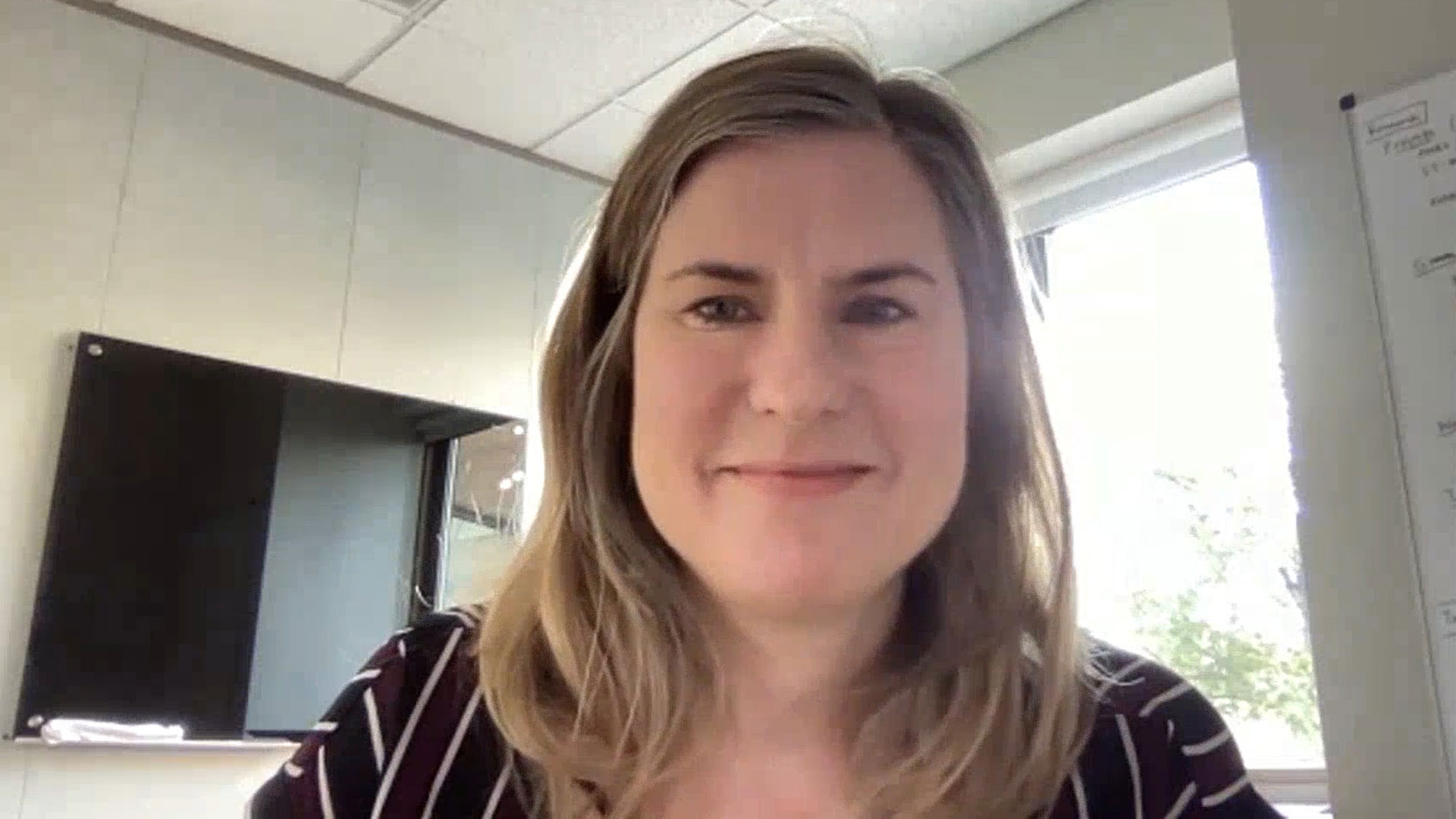
Dr. Sue Peters, a Scientist at Lawson Health Research Institute and Director of the Neurorehabilitation Physiology Lab at St. Joseph Health Care London’s Parkwood Institute, was one of the recipients of the Spring 2022 Lawson Internal Research Fund (IRF) Awards.
The funds will go towards a new study to assess whether fNIRS can be used to direct neurofeedback in stroke survivors – helping them with rehabilitation.
“Currently, there's no real measure of brain activity that is used in stroke rehabilitation to help make clinical decisions,” says Dr. Peters, who is also a Professor at Western University.
Over 400,000 Canadians live with the effects of a stroke, according to the Heart and Stroke Foundation, and there’s hope that fNIRS could make a big difference by eventually improving movement and independence.
“We're going to use the device in some common tasks that people might do with their arm and determine whether we can use this device reliably and accurately in a stroke-related context,” Dr. Peters explains.
Participants in the study will imagine moving while remaining still. This activates very similar parts of the brain to when people actually move. If done correctly, patients will see a visual cue generated through measurement using fNIRS.
“We know from MRI studies that when I move my right hand, the left side of my brain is activated,” notes Dr. Peters. “We think we can use this concept in stroke rehab.”
Dr. Peters is recruiting 40 people from the community who are at least six months post stroke and 40 healthy adults of all ages. They will first participate in motor assessment with a physiotherapist and then wear an fNIRS cap while thinking about moving their wrist to measure brain activity.
Previously, there were a lack of methods to image the brain during real-life movement.
“The hope is to eventually conduct a clinical trial where we're testing motor interventions to see whether some things are more effective than others at activating the regions of the brain that were impacted by the stroke.”
Dr. Peters believes the study has the potential to have a big impact on the future of rehabilitation for stroke patients, leading to lasting changes in quality of life.
Assessing neurofeedback in stroke survivors
A new study aims to assess the use of functional near-infrared spectroscopy (fNIRS), a type of imaging, to provide neurofeedback during stroke rehabilitation with a goal of eventually improving patient outcomes.
fNIRS is used to detect changes in brain oxygen levels using light. More recently it has also been used to develop brain-computer interfaces (BCIs), which allow patients with brain injuries to control devices like robotic arms with their thoughts.
Dr. Sue Peters, a Scientist at Lawson Health Research Institute and Director of the Neurorehabilitation Physiology Lab at St. Joseph Health Care London’s Parkwood Institute, was one of the recipients of the Spring 2022 Lawson Internal Research Fund (IRF) Awards.
The funds will go towards a new study to assess whether fNIRS can be used to direct neurofeedback in stroke survivors – helping them with rehabilitation.
“Currently, there's no real measure of brain activity that is used in stroke rehabilitation to help make clinical decisions,” says Dr. Peters, who is also a Professor at Western University.
Over 400,000 Canadians live with the effects of a stroke, according to the Heart and Stroke Foundation, and there’s hope that fNIRS could make a big difference by eventually improving movement and independence.
“We're going to use the device in some common tasks that people might do with their arm and determine whether we can use this device reliably and accurately in a stroke-related context,” Dr. Peters explains.
Participants in the study will imagine moving while remaining still. This activates very similar parts of the brain to when people actually move. If done correctly, patients will see a visual cue generated through measurement using fNIRS.
“We know from MRI studies that when I move my right hand, the left side of my brain is activated,” notes Dr. Peters. “We think we can use this concept in stroke rehab.”
Dr. Peters is recruiting 40 people from the community who are at least six months post stroke and 40 healthy adults of all ages. They will first participate in motor assessment with a physiotherapist and then wear an fNIRS cap while thinking about moving their wrist to measure brain activity.
Previously, there were a lack of methods to image the brain during real-life movement.
“The hope is to eventually conduct a clinical trial where we're testing motor interventions to see whether some things are more effective than others at activating the regions of the brain that were impacted by the stroke.”
Dr. Peters believes the study has the potential to have a big impact on the future of rehabilitation for stroke patients, leading to lasting changes in quality of life.
Media Contact
Amanda Taccone
Communications Consultant & External Relations
Lawson Health Research Institute
T: 519-685-8500 ext. ext. 64059
C: 226-919-4748
@email
… more effective at controlling asthma. Pulmonary function tests Tests of your breathing function can be very helpful to … more effective at controlling asthma. Pulmonary function tests Tests of your breathing function can be very helpful to …
Asthma Reversible wheezing is characteristic of asthma. Although it may be mild and intermittent, sometimes asthma can be severe. Fortunately, todays medications are much more effective at controlling asthma. Pulmonary function tests Tests of your breathing function can be very helpful to diagnose y...
… surgeon’s office. NOTE: If you and your surgeon agreed upon testing or lenses not covered by the Ministry of Health, you … surgeon’s office. NOTE: If you and your surgeon agreed upon testing or lenses not covered by the Ministry of Health, you …
August 2023 Page 1 of 3 EYE MEASUREMENT APPOINTMENT: Date and time: _____________________________________________ Location: Ivey Eye Institute, St. Josephs Hospital, Zone B, Level 1, Room B1-050 SURGERY APPOINTMENT: Date and arrival time: _______________________________________ Location: Cataract S...
Benchmarking the evaluation process for living kidney donation to improve outcomes
LONDON, ONTARIO - Living kidney donation rates have remained stagnant over the last decade, and many potential living donors find the evaluation process to be lengthy and difficult to navigate. Researchers from Lawson Health Research Institute and Western University have published results identifying indicators to monitor and improve the performance of transplant centres in how efficiently they evaluate individuals interested in becoming living kidney donors. The findings appear in the current issue of CJASN.
In 2019, there were 219 living donor kidney transplants in Ontario. There are several advantages to kidney transplantation from a living donor compared to deceased. However, many living donor candidates drop out of the evaluation process for a variety of reasons.
“From speaking with living donors, we know that some people find the evaluation process frustrating and cumbersome,” says Dr. Amit Garg, Professor at Western’s Schulich School of Medicine & Dentistry and Scientist at Lawson. “To ensure living donation is safe for both the donor and the recipient, a thorough evaluation is needed looking at medical, physical and psychosocial considerations.” Dr. Garg is also Director of the Living Kidney Donor Program at London Health Sciences Centre (LHSC).
Marian Reich started the journey of living kidney donation 11 years ago, giving the gift of life to her sister-in-law, Susan. “The evaluation process took one full year to complete, and in that time Susan lost the option of a pre-emptive transplant and started dialysis. I wasn’t fully aware that I had to be the driver of the process, and how to do that.”
Reich believes living donor evaluation should be consistent across the country, with a clearer process outlined for potential living donors and recipients. “Research studies like this one bring forth best practice and evidence-based information that includes the perspective of those with lived experiences.”
The research team, which included Patient Partners such as Reich who co-authored the paper, surveyed 77 participants who were kidney transplant recipients and recipient candidates, living kidney donors and donor candidates, or health care providers and administrators.
Out-of-pocket cost incurred by donors is one of the most significant barriers to donation. Another challenge is the lack of reliable information about the expectations and requirements of the donation process. For example, the time commitment, nature of the testing and reasons for the tests performed.
The evaluation process takes on average 10 months to complete, requiring multiple visits to the transplant centre. The intended recipient’s health may deteriorate during this wait to the point they may no longer receive a transplant. “By improving the efficiency of the process, more living donor candidates could complete the evaluation and more transplants performed,” adds Dr. Garg.
The study found a diverse set of quality indicators to measure the evaluation process, focusing on efficiency and safety to improve patient outcomes. They also identified a single measure tracking the costs of living donor evaluation from a health system perspective to assist with planning and budgeting.
“This is an important first step towards system monitoring, benchmarking and accountability in living kidney donor evaluation,” explains Dr. Steven Habbous, co-lead investigator and PhD graduate with Lawson and Western’s Schulich School of Medicine & Dentistry. “In other areas of the health care system, there are reported metrics that hospitals and funders use to compare performance between similar hospitals and track changes over time. We need to measure what we value, and value what we measure.”
The team will present the data to the Canadian National Living Kidney Donation Advisory Committee to help develop national guidelines. Potential improvement strategies are to evaluate multiple living donor candidates concurrently for the same recipient or offer some aspects of the evaluation virtually.
The study was funded by the Can-SOLVE CKD Network, a Canada-wide initiative to enhance kidney disease research and care in partnership with patients. The Ontario-based team led by Dr. Garg is one of 18 Can-SOLVE CKD research groups across the country investigating issues such as earlier diagnosis, better treatments, and innovative care – all based on priorities identified by patients.
-30-
Downloadable Media
Click image for larger version
Image
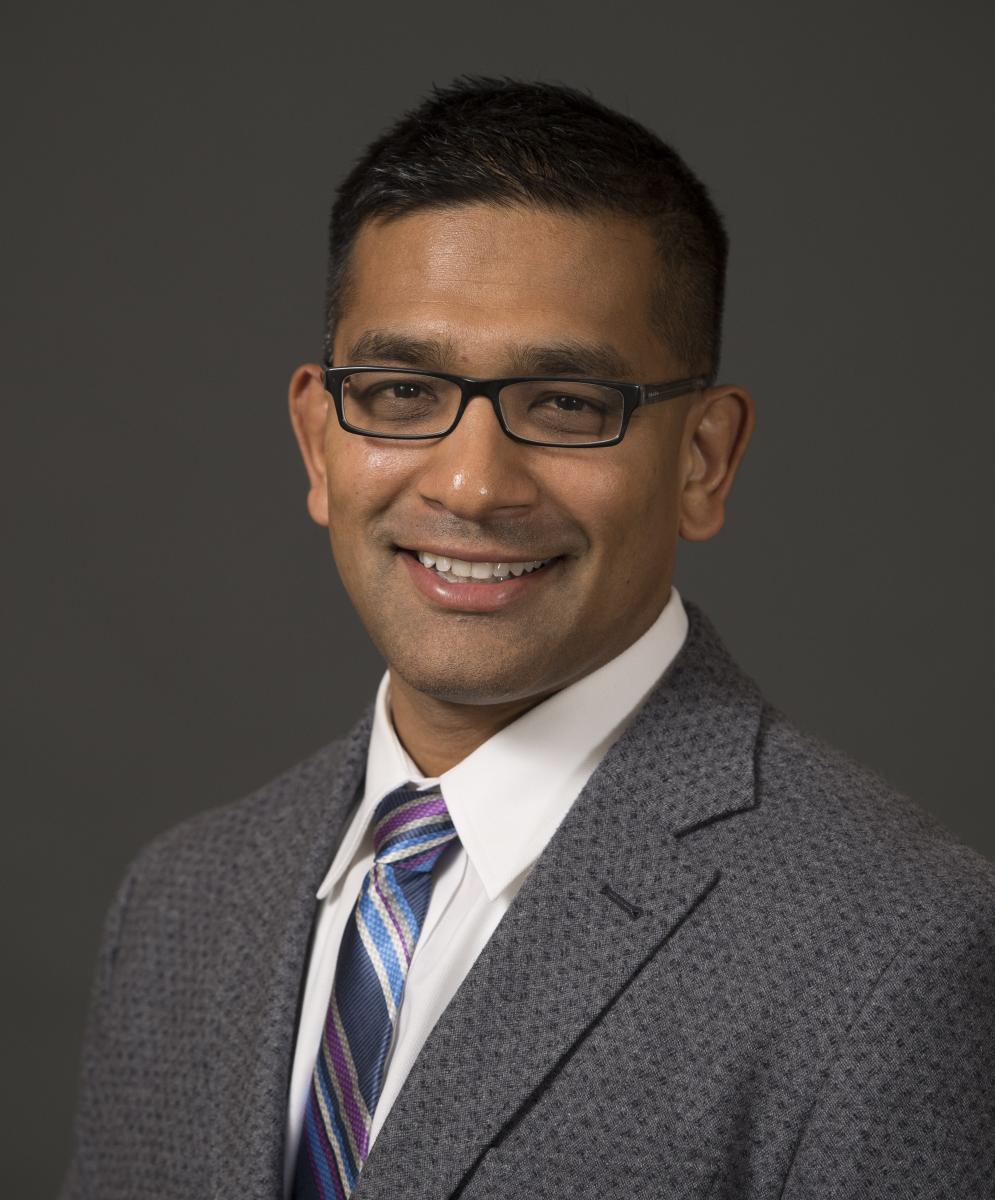
Dr. Amit Garg, study co-lead investigator, Professor at Western’s Schulich School of Medicine & Dentistry, and Scientist at Lawson. Dr. Garg is also Director of the Living Kidney Donor Program at LHSC.
Image

Dr. Steven Habbous, study co-lead investigator and PhD graduate with Lawson and Western’s Schulich School of Medicine & Dentistry
Image

Marian Reich, study co-author, Patient Partner and living kidney donor
About Lawson Health Research Institute
Lawson Health Research Institute is one of Canada’s top hospital-based research institutes, tackling the most pressing challenges in health care. As the research institute of London Health Sciences Centre and St. Joseph’s Health Care London, our innovation happens where care is delivered. Lawson research teams are at the leading-edge of science with the goal of improving health and the delivery of care for patients. Working in partnership with Western University, our researchers are encouraged to pursue their curiosity, collaborate often and share their discoveries widely. Research conducted through Lawson makes a difference in the lives of patients, families and communities around the world. To learn more, visit www.lawsonresearch.ca.
About The Schulich School of Medicine & Dentistry
The Schulich School of Medicine & Dentistry at Western University is one of Canada’s preeminent medical and dental schools. Established in 1881, it was one of the founding schools of Western University and is known for being the birthplace of family medicine in Canada. For more than 130 years, the School has demonstrated a commitment to academic excellence and a passion for scientific discovery.
Media Contacts
Celine Zadorsky
Senior Media Relations Consultant
Communications & Public Engagement
T: 519-685-8500 ext. 73502
Celine.zadorsky@lhsc.on.ca
… G:\LDC\LDC\DIABETES EDUCATION\GENERAL Diabetes INFO\BG Testing\meter-testing\Blood Glucose Flow Sheet.doc /media/8024 … G:\LDC\LDC\DIABETES EDUCATION\GENERAL Diabetes INFO\BG Testing\meter-testing\Blood Glucose Flow Sheet.doc …
DIABETES EDUCATION CENTRE- BLOOD GLUCOSE FLOW SHEET DATE CALL RECEIVED: NAME: J # ________________ TELEPHONE: DR: TYPE: _________________________________ DATE Before BRKF INSULIN Before LUNCH INSULIN Before SUPPER INSULIN Bedtime OVER-NIGHT DR. NOTIFIED: PLAN: G:\LDC\LDC\DIABETES EDUCATION\GENERAL D...
… Plan for St. Joseph’s. There was a ‘table top’ exercise to test the plan this past summer. N. Tahir thanked Ruth Bullas … Plan for St. Joseph’s. There was a ‘table top’ exercise to test the plan this past summer. N. Tahir thanked Ruth Bullas …
P a g e | 1 Meeting of the Board of Directors Monday, September 25, 2023 3:30 pm start time St. Josephs Hospital Adams Boardroom A2-041 Via MS Teams video-conference MINUTES Minutes to be ratified next meeting Call to Order Nawaz Tahir Welcome and roundtable introductions occurred. The Board then ...
… may be, or have had blood drawn recently for a pregnancy test, tell your doctor. Please also inform the radiologist, … may be, or have had blood drawn recently for a pregnancy test, tell your doctor. Please also inform the radiologist, …
CARING FOR THE BODY, MIND & SPIRIT SINCE 1869 Renowned for compassionate care, St. Josephs is one of the best academic health care organizations in Canada dedicated to helping people live to their fullest by minimizing the effects of injury, disease and disability through excellence in care, teachin...
… you receive the information you need and have the right test done as quickly as possible when a change in your … Mammogram Ultrasound Breast assessment includes all the tests and procedures you need so that you and your doctor … mammogram and/or an ultrasound are often the only tests(s) needed to confirm that the breast change is benign. …
CARING FOR THE BODY, MIND & SPIRIT SINCE 1869 Renowned for compassionate care, St. Josephs is one of the best academic health care organizations in Canada dedicated to helping people live to their fullest by minimizing the effects of injury, disease and disability through excellence in care, teachin...
… you receive the information you need and have the right test done as quickly as possible when a change in your … Mammogram Ultrasound Breast assessment includes all the tests and procedures you need so that you and your doctor … mammogram and/or an ultrasound are often the only tests(s) needed to confirm that the breast change is benign. …
CARING FOR THE BODY, MIND & SPIRIT SINCE 1869 Renowned for compassionate care, St. Josephs is one of the best academic health care organizations in Canada dedicated to helping people live to their fullest by minimizing the effects of injury, disease and disability through excellence in care, teachin...
… The scoop on breast imaging Screening vs. diagnostic tests Long Standing New Advancements Mammography 3D … The scoop on breast imaging Screening vs. diagnostic tests Long Standing New Advancements Mammography 3D …
Single, hard lump Irregular borders A lump that doesnt move around easily or changes the shape of the breast Skin dimpling Nipple retraction or deviation Thickened skin What will my doctor look for during a breast exam? Age of first period and menopause Age at first child, number of children...
Bridging the gap from discovery to patient care
The following column was provided to Hospital News by Dr. David Hill, scientific director, Lawson Health Research Institute.
Dedicated health researchers across the country are working every day to make discoveries that improve patient outcomes and support a higher quality of life. Our research hospitals have a mandate to develop and test new treatments, technologies and procedures that address our most pressing health challenges.
There is a cycle of health innovation that is supposed to happen – scientific discoveries are made, they transition to clinical trials and then are adopted as an improved standard of care. This is followed by evaluations of the new method and moving along to the next cycle of refinements and improvements. But the reality in Canada is that gaps, in some cases chasms, disrupt the creation and adoption of evidence-based health innovations.
This starts with discovery. The research funding climate in Canada continues to be extremely difficult. Despite the Federal Government outlining substantial new investments in discovery research in Budget 2018 much of that money will not be available to researchers until 2020 and beyond, and the Canadian Institutes of Health Research (CIHR) continues to be limited by a low funding rate of around 14 per cent. Funding for large, definitive clinical trials is especially difficult to support with public funds. Too many good ideas are left unfunded, and in that environment researchers can feel it’s wiser to propose incremental and ‘safe’ science that avoids controversy and the risk of losing support for experienced research teams built up over many years.
Yet researchers are persistent and manage to secure funding from a range of smaller agencies. Unfortunately, many of these do not fund the indirect costs of research necessary to cover administration, infrastructure, equipment maintenance and upgrades, and the investigator’s salaries. Indirect costs are estimated to be approximately 40 per cent on top of direct study costs. In research hospitals these costs generally fall on the institutions to find funding outside of the provincial government budget that covers the costs of hospital care. This is a negative spiral whereby the more successful a hospital becomes in attracting research funds, the bigger the gap in finding the resources to support that research.
When innovative solutions to health care problems are delivered, backed by solid evidence, adoption into our hospital-based care is often far from rapid. Currently, in most provinces, there is no funding mechanism to translate health innovation to the ‘real world’ setting of our front-line care. Yet, such a mechanism is crucial to the translation of science. Clinical trials are carefully designed with strict protocols and criteria for a highly specific population of patients. Innovations that work in a clinical trial do not always work in the real world where patient populations and settings are much more complex.
Following a clinical trial, innovation needs to be tested at the point of care. Without funding to do this, research innovation hits a roadblock. Scientists are left waiting and hoping that one day their provincial government might look to incorporating their innovations into the health system funding schedule. Meanwhile, their work may be used to inform health care improvements in other nations.
An example can be found in medical imaging research. Canadian scientists, including those at Lawson Health Research Institute, are leaders in the development of positron emission tomography (PET) biomarkers to improve diagnosis and understanding of disease using PET scans. PET biomarkers are successfully created and then validated in clinical trials across our nation, but there is little funding to translate them back in a timely fashion to patient care in our hospitals. While countries like the US and Europe readily adopt these innovations, Canada lags behind.
This gap was addressed in a report to the Federal government by the Advisory Panel on Healthcare Innovation entitled “Unleashing Innovation: Excellent Healthcare for Canada” and published in 2015. The panel recommended the formation of a Healthcare Innovation Agency of Canada open to hospitals and other care providers in order to evaluate health innovations in the real-world setting of our health system. Scientists would apply by putting forward evidence from their research, including that collected from clinical trials. They would then design a new translational study to test their innovation at the point of care, with the goal of building evidence for presentation to provincial government.
Will everything tested at the point of care succeed? No; some things will fail in the real world. This is why such a fund is so important. It will show whether or not an innovation truly benefits patients and if it’s ready for wider adoption. If successful, the evidence will highlight the right time to bring innovations into the mainstream standard of care. By bridging this gap in the system, we can improve patient care and ensure a timely return on the investment in science.
Dr. David Hill is scientific director at Lawson Health Research Institute, the research institute of London Health Sciences Centre and St. Joseph’s Health Care London.
Scientist
Can type 2 diabetes go into remission?
For Wayne Kristoff, the possibility of getting off all medication for his type 2 diabetes was so intriguing he jumped at a chance to participate in an innovative trial in London. The REMIT study aims to induce remission of the condition – an exciting new concept being tested by researchers at Lawson Health Research Institute.
Kristoff was diagnosed in June 2014, which was difficult but not unexpected because there is a history of the illness in his family. He had to work his way up to taking four pills a day for his diabetes, which came with significant side effects. “If there was a way to get off medication, I wanted to be part of it,” says the 68 year-old.
Image
He met the study criteria and was enrolled in February 2016. The results, so far, have been life changing for the Londoner. Since May 2016 Kristoff (right) has been off all medication, his blood sugar levels are good, and he has more energy and feels better than he has in years. He’s also lost 30 pounds thanks to the support offered by the research team.
“I remember well where I was and what I was doing when I received the call telling me that I could stop taking all of my diabetic medication,” adds Kristoff.
A second REMIT trial is now being launched, providing another opportunity for individuals with type 2 diabetes to take part. The trial challenges traditional type 2 diabetes treatment by testing an aggressive approach in recently diagnosed patients. St. Joseph’s Hospital in London is one of seven Canadian sites taking part in the landmark REMIT study. Being led by the Population Health Research Institute (PHRI), a joint institute of McMaster University and Hamilton Health Sciences, the trial follows a PHRI pilot study of early aggressive treatment that resulted in up to 40 per cent of 83 patients with type 2 diabetes going into remission and not needing any diabetes treatment for at least three months.
When Lawson launched the initial trial in December 2015, it generated a surge of interest with more than 200 people with type 2 diabetes asking to participate.
“The idea of remission in type 2 diabetes is obviously captivating to both patients and clinicians,” says Lawson researcher and endocrinologist Dr. Irene Hramiak, Chief of the Centre for Diabetes, Endocrinology and Metabolism at St. Joseph’s. “This overwhelming interest in the REMIT trial tells me that patients want solutions that will optimize care and reduce the complications associated with this disease.”
Image
The standard treatment for people diagnosed with type 2 diabetes is to start on a single medication, which is then followed by the addition of more drugs and insulin as the disease progresses, explains Dr. Hramiak. In the REMIT study, patients undergo an experimental intensive treatment - two diabetes oral medications plus insulin at bedtime - for three months to see if remission can be induced and how long patients can go without any medication.
“By being proactive with aggressive treatment early on, the theory is that we may slow the progression of the disease,” says Dr. Hramiak. “We are attempting to actually change the disease and induce remission, which is a significant departure from the current approach.”
Those who would like more information about the trial can call 519 646-6100 ext. 65373.