


Search
Search
675 Search Results:
… DATE of BIRTH: Date: AGE CONSENT FOR LENSTAR or IOL MASTER TESTING I,____________________________________, request testing with the LENSTAR or IOL MASTER prior to my cataract … OHIP), or by laser. I understand that LENSTAR or IOL MASTER testing is an optional uninsured service that is not …
268 Grosvenor Street London, Ontario N6A 4V2 Ivey Eye Institute PATIENT NAME SURNAME GIVEN INITIAL ADDRESS TELEPHONE: HEALTH CARD #. 10 DIGITS VERSION CODE DATE of BIRTH: Date: AGE CONSENT FOR LENSTAR or IOL MASTER TESTING I,____________________________________, request testing with the LENSTAR or I...
… of follow-up patients, and initiation of appropriate tests and investigations when indicated · performing or … of follow-up patients, and initiation of appropriate tests and investigations when indicated · performing or …
Dr. Candidates copy Western Schulich School of Medicine & Dentistrys copy Department of Oncologys copy Medical Affairs copy DATE Dear Dr. Re: Letter of Understanding It gives us great pleasure to offer you a position as a General Practitioner in Oncology (GPO) in the Depart...
… 1 Introduces self to patient and explains blood tests have been ordered by physician. � � � � � 2 Identifies … ID information with barcode label. � � � � � 3 Checks testing requirements (ie fasting). � � � � � 4 Prepares … OOOOtttthhhheeeerrrr 28 Resource location – Lab Test information Guide. � 29 Blood Ethanol Collection – …
...
… Levothyroxine Absorption Test Patient Information.pdf …
… • Select “submit” • On the second screen you will need to attest yes or no to receiving a second dose of the COVID-19 at … your answer. - If you answer NO you will be asked to attest yes or no to whether you have submitted a negative test result • A result will be displayed on your screen – …
September 22, 2021 USER GUIDE Self-screening tool for LHSCs staff and physicians All staff and physicians are required to self-screen using the screening tool on a personal device such as a smartphone or tablet before each shift regardless of working location. The screening tool should be completed ...
Lifestyle changes during pregnancy may improve outcomes for obese women and their babies
Pregnancy is a 40 week-long journey for both mom and baby. This time of growth and development can have impacts on current and future health including a person’s risk of diabetes. Specifically for women who are obese, research has shown this group is at higher risk of adverse pregnancy outcomes like gestational diabetes. What do these concerns mean for both mom and baby, and how can an individual help improve outcomes?
Not only do one third of obese pregnant women develop gestational diabetes, they are also more likely to deliver babies with neonatal adiposity – a term to describe an increased amount of fat. These babies are more likely to be obese in childhood which increases their risk of developing type 2 diabetes.
In a new analysis from a multi-centre randomized clinical trial, researchers found that counselling obese expectant mothers on both healthy eating and physical activity during pregnancy reduced the risk of neonatal adiposity. In particular, less time spent sitting was associated with improved outcomes. This is the first study to show that a lifestyle change during a mother’s pregnancy can influence the amount of fat present in a baby at birth.
The DALI Lifestyle Study included expectant mothers classified as obese from nine European countries and a total of 334 babies. The expectant mothers were randomized to receive lifestyle counselling on physical activity, healthy eating or a combination of the two during pregnancy, and were compared to a control group of women who received no counselling.
The study found that mothers who receive combined counselling on healthy eating and physical activity gain less weight during pregnancy, increase their physical activity, improve their eating habits and reduce their time spent sitting. But, most importantly, their babies have less fat at birth when compared to babies from women who did not receive lifestyle advice.
Since weight alone is not an accurate marker, the amount of fat for each baby was determined through a number of measures including skinfold thickness and estimated fat percentage.
“We wanted to take a closer look at what specific lifestyle change was related to this reduction in fat. Through further analysis, we found that it was the amount of time spent simply sitting,” says Dr. David Hill, Lawson Scientist and collaborator on this study. “As part of recommendations on healthy eating and physical activity, pregnant women who are obese should be counselled on ways to reduce the time they spend sitting.”
Less time spent sitting was also associated with reduced levels of leptin, a hormone produced by fat tissue and the placenta. When levels become too high during pregnancy, this hormone can inhibit insulin production and increase the risk of gestational diabetes. Reducing levels of this hormone during pregnancy may help lower risk of gestational diabetes and prevent transfer of excess nutrients to the fetus, which is then stored as fat.
“Treating pregnant women with medication to control gestational diabetes risks unwanted effects on the fetus,” explains Dr. Hill, also a Professor at the Schulich School of Medicine & Dentistry, Western University. “Identifying effective lifestyle modifications would be the safest, most affordable method of preventing short-term and long-term disease for both the mother and baby.”
Dr. Hill’s research focuses on understanding gestational diabetes. His team is testing novel drug interventions with the potential to prevent the disease. This includes exploring new molecules identified through the DALI study.
The study, “A reduction in sedentary behaviour in obese women during pregnancy reduces neonatal adiposity: The DALI randomized controlled trial,” is published in Diabetologia. Lawson researchers designed the research database used for the DALI study, and archived and supervised use of the research data.
Image

Above: Dr. David Hill
Scientist
Local COVID-19 research supported by St. Joseph's Health Crisis Fund
St. Joseph’s Health Care London and Lawson Health Research Institute have announced plans to move forward with clinical trials testing a drug that could potentially be used to prevent and treat COVID-19. St. Joseph’s Health Care Foundation will accelerate the creation of the studies by providing seed funding to get the research started through donor support. Based on the immediate need, The St. Joseph’s Health Crisis Fund has been created by St. Joseph’s Health Care Foundation to enable these and other research studies currently in development through Lawson, the research arm of St. Joseph’s.
While supporting urgent COVID-19 clinical trials will be an immediate focus, The St. Joseph’s Health Crisis Fund will also support critical patient care equipment and care and comfort items for healthcare staff and volunteers working on the frontlines of the pandemic across St. Joseph’s.
Led locally by Dr. Michael Silverman, Medical Director of St. Joseph’s Infectious Diseases Care Program, one trial will assess the safety and efficacy of using hydroxychloroquine (HCQ) to prevent COVID-19 in health care workers recently exposed to the virus. This trial will also assess the drug as a treatment for non-hospitalized patients with mild cases of the illness. St. Joseph’s will be one of many participating sites in the trial, which is being led by the Research Institute of the McGill University Health Centre.
“There is much debate surrounding the drug hydroxychloroquine. We do not yet know whether it’s safe or effective, and it should not be routinely recommended until we do,” says Dr. Silverman, also a Lawson Associate Scientist and city-wide Chair/Chief of Infectious Diseases. “We plan to carefully study the drug through a randomized controlled trial and assess whether it can help combat COVID-19.”
Dr. Silverman is also partnering with Dr. Michael Borrie, Geriatrician at St. Joseph’s and Lawson Scientist, on a prevention trial to test the safety and efficacy of the drug for patients and residents at Parkwood Institute who have been exposed to COVID-19. They are at a higher risk of infection, as well as serious complications and potential admission to acute care.
“There are two critical goals with this prophylactic trial,” explains Dr. Borrie. “First, we want to see if the drug, taken for five days, is safe for the participants in the study. We will then look to see whether it is effective to prevent illness or lessen symptoms and complications.”
They are testing whether HCQ may inhibit the coronavirus similar to how the antiviral drug Tamiflu is used to prevent influenza after exposure. The research team will recruit patients and residents who have been accidentally exposed to the virus by a confirmed or presumed case of COVID-19, but who aren’t yet experiencing symptoms. In addition to cardiograms and blood tests for safety, they are collaborating with Dr. Saman Maleki, Lawson Scientist and Immunologist, to analyze the blood for a variety of indicators including the presence of antibodies and immune response. They will collect clinical data and information on common health conditions to gain insights into why some vulnerable individuals get the disease and others don’t.
“We are aware of two small studies that were published rapidly last week, one in France and the other in China, testing the use of chloroquine for potentially treating COVID-19. Further studies are greatly needed,” adds Dr. Borrie. “This study at Parkwood Institute is a good start and we hope to have other Canadian sites join us in recruiting participants so that we can offer statistically significant results as soon as possible.”
Those interested in donating to St. Joseph’s Health Crisis Fund are asked to visit St. Joseph’s Health Care Foundation’s website to learn more at sjhcfoundation.org. Donations can be made online, through direct mail submissions or by calling the Foundation directly at 519-646-6085.
“The Sisters of St. Joseph, who founded our organization, faced contagious diseases and other pandemics at different times in our 150+ year history,” says Michelle Campbell. “Today, it’s a different time, and a new disease. Now, more than ever, we ask our community to help us address the crisis facing us all.”
In the news:
Scientist
Local researchers using artificial intelligence to lead the way in bedside lung imaging
LONDON, ON- A team at Lawson Health Research Institute are testing a new form of artificial intelligence (AI), paired with portable ultrasound machines, to image and identify lung concerns in real time, right at the beside of critically ill patients.
Approximately 100 critical care patients at London Health Sciences Centre (LHSC) will be part of this study which will test whether an AI model can automatically determine the presence of abnormal lung signals. Past studies have suggested that the AI model is very accurate in reading stored images, but this study will evaluate if it retains accuracy when asked to interpret live images being generated at the beside.
The study is made possible through the use of novel hardware created in Waterloo, Ontario by startup tech company, Wavebase.
“The (WaveBase) device attaches to the ultrasound machine and mirrors the ultrasound image in a second screen,” explains Dr. Robert Arntfield, Lawson researcher and Medical Director of the Critical Care Trauma Centre at LHSC. “The AI model searches the images for patterns in real time and predicts whether it is ‘seeing’ normal or abnormal lung tissue.”
Although bedside lung ultrasounds are commonly used in critical care to detect concerns such as infections, pneumonia or a collapsed lung, the pairing with real time diagnostic AI is a research milestone. It could expand the usage of bedside ultrasounds by enabling those with little or no ultrasound training to use the device.
“Bedside lung ultrasounds in critical care can often have a large impact in identifying life-threatening conditions within minutes,” says Dr. Chintan Dave, Critical Care Medicine Fellow at LHSC and Western University. “We would like to see members of the healthcare team, like critical care nurses or respiratory therapists, be able to use AI to accurately determine the health of the lungs rapidly at the bedside. Employing AI into the clinical workflow, could improve access to immediate diagnoses and treatments.”
In order to be certain that the AI’s predictions are accurate, the phase one study will compare its interpretations to a gold standard experts’ interpretation of the same lung ultrasound scans. Once this accuracy is assured, the team will proceed with a second phase to assess the device with non-expert users and customized settings for more in-depth diagnostics.
“We see a bright future for lung ultrasound imaging with AI within the critical care environment,” adds Dr. Arntfield. “We are trying to write the first chapter of this meaningful AI story here at LHSC and Lawson.”
About Lawson Health Research Institute
Lawson Health Research Institute is one of Canada’s top hospital-based research institutes, tackling the most pressing challenges in health care. As the research institute of London Health Sciences Centre and St. Joseph’s Health Care London, our innovation happens where care is delivered. Lawson research teams are at the leading-edge of science with the goal of improving health and the delivery of care for patients. Working in partnership with Western University, our researchers are encouraged to pursue their curiosity, collaborate often and share their discoveries widely. Research conducted through Lawson makes a difference in the lives of patients, families and communities around the world. To learn more, visit www.lawsonresearch.ca.
Media Contacts
Celine Zadorsky
Senior Media Relations Consultant
Communications & Public Engagement
T: 519-685-8500 ext. 73502
Celine.zadorsky@lhsc.on.ca
Local scientists creates novel test that could easily diagnose repetitive blast injury
LONDON, ON- In a world first, researchers at Lawson Health Research Institute, together with scientists from Defence Research and Development Canada, have developed a breath test that could be used to diagnose repetitive blast injury – a mild traumatic brain injury resulting from pressure changes that occur during explosions. The device will soon go through clinical trials to validate its efficacy.
“A pressure wave is sent through the head and brain after an explosion, resulting in effects similar to a concussion,” says Dr. Douglas Fraser, Scientist at Lawson and Professor at Western University’s Schulich School of Medicine and Dentistry. “Examples of individuals who are most at risk of this condition include military personnel, police, individuals in the mining industry and tragically the public, who are currently experiencing this first hand through the war in Ukraine.”
The test leverages findings from a new peer-reviewed study in the Journal, Frontiers in Neurology. The research team examined blood biomarkers in members of the Canadian Armed Forces who have experienced repetitive blasts.
“When we looked at these service personnel there were certain metabolites in their blood that had changed quite dramatically compared to those who had not been exposed to blast injury,” explains Dr. Fraser, who is also a Paediatric Critical Care Physician at London Health Sciences Centre. “What was remarkable about these metabolites is that some of them are expelled in a person’s breath.”
Currently there is no accurate way to diagnose repetitive blast injury other than relying on a patient’s history and symptoms. Using their findings, the research team has identified a combination of metabolites that can be measured in breath as a diagnostic test.
“The individual would blow into what looks like a straw and the breath would go into a device which would measure the metabolites of interest,” adds Dr. Fraser. “The device would then determine if the person is in the danger zone, or if they have been exposed to too many blasts.”
Dr. Vivian McAllister, Director of the Office of Military Academic Medicine at Schulich Medicine & Dentistry says this discovery could be a game changer when it comes to this condition.
“The symptoms of blast injury overlap with other neurological conditions, especially depression, so accurate diagnosis is essential,” says Dr. McAllister. “Early diagnosis allows for interventions that we know to be successful in reducing the symptoms and consequences of mild traumatic brain injury.”
The test has been developed and patented with WORLDiscoveries, the technology transfer and business development office for Lawson and Western, and licensed to Neuroltixs Inc. for development. The next steps will be to confirm the efficacy of the test through upcoming clinical trials.
“We hope to validate the breath aspect of the test, which could then be used as a health surveillance tool,” says Dr. Fraser. “Once validated through clinical trials, this portable device could be easily developed and it will allow us to determine who has been over exposed to blast injuries and how we can protect them in the future.”
About Lawson Health Research Institute
Lawson Health Research Institute is one of Canada’s top hospital-based research institutes, tackling the most pressing challenges in health care. As the research institute of London Health Sciences Centre and St. Joseph’s Health Care London, our innovation happens where care is delivered. Lawson research teams are at the leading-edge of science with the goal of improving health and the delivery of care for patients. Working in partnership with Western University, our researchers are encouraged to pursue their curiosity, collaborate often and share their discoveries widely. Research conducted through Lawson makes a difference in the lives of patients, families and communities around the world. To learn more, visit www.lawsonresearch.ca.
Media Contacts
Celine Zadorsky
Senior Media Relations Consultant
Communications & Public Engagement
T: 519-685-8500 ext. 73502
Celine.zadorsky@lhsc.on.ca
Locally developed test found to increase diagnosis of rare hereditary disorders
LONDON, ON – A clinical trial named “EpiSign-CAN,” led by researchers at Lawson Health Research Institute (Lawson) has been awarded $4.8 million to measure the clinical impact of a new molecular genomics test for diagnosing genetic neurodevelopmental conditions.
Developed at Lawson, the diagnostic test, called EpiSign, uses machine learning to analyze the EpiSign Knowledge Database. This database compiles information on rare genetic diseases using laboratory analyses of the entire genome, referred to as the epigenome, from patients with suspected genetic abnormalities.
A recent paper describes the newly discovered biomarkers for over 50 neurodevelopmental conditions. Dr. Bekim Sadikovic, Lawson Scientist and Head of the Molecular Diagnostics Division at London Health Sciences Centre (LHSC) explains, “before this study, many such conditions required targeted, and often labour intensive and costly assays for a diagnosis, which in many cases provided no conclusive answers. Now, using our EpiSign Knowledge Database which includes the epigenomic information of thousands of patients and controls, we are able to diagnose over 50 conditions with a single test, including in patients where targeted genetic testing was inconclusive.”
The upcoming clinical trial hopes to validate the use of this test in the first-line of diagnosing rare genetic disorders across Canada. “Patients and families typically wait years, and undergo multiple exams and lab tests in search of a definitive diagnosis. With EpiSign, we estimate that we will be able to increase the number of people who receive a diagnoses by five per cent, or more in the future as the database develops” explains Dr. Sadikovic. “Though individual genetic conditions are rare, there are over 4,000 recognized genetic disorders which affect thousands of patients in Canada.”
EpiSign-CAN will study 4,000 patients, who will either receive EpiSign testing as part of the initial diagnostic workup or after classical genetic testing approaches have been exhausted. The goal is to assess the impact of using EpiSign in the first stage of diagnosis vs. after other tests have failed to provide answers in this patient population.
Timely diagnosis will prevent the so called “diagnostic odyssey,” and by doing so has the potential to improve healthcare outcomes for these patients and decrease cost to the health system.
As the EpiSign Knowledge Database continues to grow, researchers are finding correlations between specific episignatures, or molecular DNA markers, and related physiological features across a syndrome.
This research is co-funded through the collaboration of three partners; LHSC, Illumina, and Genome Canada. This is the first time researchers at Lawson have been awarded a Genome Canada Genomic Applications Partnership Program (GAPP) grant. “Genome Canada focuses its resources on new innovation that has a strong likelihood of translating directly to patient care. Their support of our work is extremely meaningful,” says Dr. Sadikovic.
The study describing the most recent advancements in EpiSign technology, “Evaluation of DNA methylation episignatures for diagnosis and phenotype correlations in 42 Mendelian neurodevelopmental disorders,” is published in The American Journal of Human Genetics.
-30-
About Lawson Health Research Institute
Lawson Health Research Institute is one of Canada’s top hospital-based research institutes, tackling the most pressing challenges in health care. As the research institute of London Health Sciences Centre and St. Joseph’s Health Care London, our innovation happens where care is delivered. Lawson research teams are at the leading-edge of science with the goal of improving health and the delivery of care for patients. Working in partnership with Western University, our researchers are encouraged to pursue their curiosity, collaborate often and share their discoveries widely. Research conducted through Lawson makes a difference in the lives of patients, families and communities around the world. To learn more, visit www.lawsonresearch.ca.
Media Contacts
Celine Zadorsky
Senior Media Relations Consultant
Communications & Public Engagement
T: 519-685-8500 ext. 73502
Celine.zadorsky@lhsc.on.ca
London comes in eighth place in Canada’s Top 40 for hospital-based research
Lawson Health Research Institute has ranked eighth in the country for the 2021 edition of Canada’s Top 40 Research Hospitals List by Re$earch Infosource. This is the eighth consecutive year that Lawson has maintained this strong national position, which puts the institute within the top five in Ontario.
Lawson, the research institute of London Health Sciences Centre (LHSC) and St. Joseph’s Health Care London, has also maintained the top ranking for research intensity among the large tier institutions with a little more than $600,000 of research spending per researcher.
“This is a validation of the extensive support from LHSC and St. Joseph’s, our hospital foundations, Western University and our staff and physicians,” says Lawson’s Scientific Director Dr. David Hill. “These strong partnerships make the hospital environment in London a nationally recognized centre of discovery and knowledge translation.”
Hospital-based researchers belong to a health system at the forefront of the ongoing COVID-19 pandemic. With close proximity to patients and access to samples, they have mobilized to address COVID-19 in many different ways, and are making a difference around the world when it comes to advances and discoveries.
“The Province of Ontario designated health research as an essential service early in the pandemic,” explains Dr. Hill. “They understood that only science can get us through this, be it through vaccine development, surveillance and testing, evaluating new drugs to help patients in ICU survive, or studying the long-term health impacts. We have made substantial contributions of new knowledge through Lawson.”
The top 40 list analyzes hospital-based research institutes from across the country on several metrics, including total research income from the previous fiscal year. According to the report, Lawson received $121,888 million in research income in 2021.The ranking looks at funds received from all sources, including both internal and external, to support research at LHSC and St. Joseph’s.
Quick summary of Lawson’s ranking
- Rank in Top 40 Research Hospitals 2021: 8 (same as 2020)
- FY2020 research spending: $121.888 million
- Percentage change 2019-2020: 2.6%
- Research intensity: $618,700 per researcher
- Research intensity - percentage of total hospital spending: 7.0%
London expands approach to prevent discharge from hospital to homelessness
LONDON, ON - During a virtual event for Londoners hosted by Lawson Health Research Institute and the City of London, a multi-sectoral research team announced two projects representing a collaborative approach to preventing homelessness from within hospital walls.
Built on the unique and successful No Fixed Address (NFA) strategy, these projects are being tested as a potential best practice for preventing hospital discharge to homelessness. NFA seeks to stop the cycle between hospital admissions and homelessness by providing timely and accessible supports to patients who would otherwise be discharged into homelessness. It brings housing and financial supports into the health-care system, starting as soon as upon admission, to assist in finding appropriate housing and supports or avoiding a potential eviction.
“Canada lacks a validated and coordinated service model to address the issue of hospital stay to no fixed address, which can often be the beginning of an individual’s experience with homelessness,” explains Dr. Cheryl Forchuk, Beryl and Richard Ivey Research Chair in Aging, Mental Health, Rehabilitation and Recovery, and Assistant Scientific Director at Lawson. “There are multiple factors that cause people to be discharged into homelessness - systemic, organizational and personal. We need a collaborative and coordinated approach that honours housing as a basic human right.”
Several departments at London Health Sciences Centre (LHSC) and St. Joseph’s Health Care London collaborate with staff from the City of London, Canadian Mental Health Association (CMHA) Elgin-Middlesex, Youth Opportunities Unlimited (YOU), Salvation Army’s Housing Stability Bank and Ontario Works in the City of London to provide direct, on-site (or virtual) support for patients at risk of homelessness.
“Implementing a coordinated approach to addressing homelessness allows our staff to actively work alongside our partners in health care to prevent and divert individuals and families from an experience of homelessness by assessing their needs and connecting them to the housing supports.,” says John D’Oria, Coordinated Access Manager, City of London. “Whether it’s financial, social service or mental health support, this partnership and approach allows for a holistic approach to client care at the right time.”
Patients discharged from hospital to homelessness in Canada face many challenges that make recovery more difficult. They often experience higher readmission rates and emergency department visits. This is particularly concerning for youth, who have been found to be the fastest growing segment of the homeless population.
NFA was initially tested with strong success for mental health patients across the city and the second version of the project was extended to medical units at LHSC’s University and Victoria Hospitals.
PROJECT 1: Collaboration to Address Homelessness - Health, Housing and Income (H2I)
This research study will evaluate the City of London’s Coordinated Access Outreach program at hospital sites. A Coordinated Access Outreach worker will support individuals at risk of homelessness to maintain or obtain housing. Ontario Works will assist with the provision of income and employment supports and the Salvation Army Housing Stability Bank may be accessed for needed financial resources to secure or maintain housing.
Over two years, 106 participants will be interviewed in hospital and again six months post-discharge. Focus groups with participants, health care providers and community partners will provide further insight into the effectiveness of NFA. This project is funded by the Canada Mortgage and Housing Corporation (CMHC)’s National Housing Strategy.
PROJECT 2: Preventing discharge to No Fixed Address – Youth (NFA-Y)
This research study will customize, implement and evaluate the NFA strategy for vulnerable youth ages 16-24. The unique health and housing needs of youth at-risk will be explored by streamlining housing and financial support into a coordinated system of care, with additional support provided by Youth Opportunities Unlimited and Children’s Aid Society London and Middlesex.
Over 3-4 years, data to be collected from 93 youth at three time points. Focus groups with youth participants, health care providers, and community agency partners will help enhance the NFA strategy to meet the unique needs of youth. This project is funded by the National Centres of Excellence (NCE) Making the Shift (MtS) Youth Social Innovation Lab.
-30-
About Lawson Health Research Institute
Lawson Health Research Institute is one of Canada’s top hospital-based research institutes, tackling the most pressing challenges in health care. As the research institute of London Health Sciences Centre and St. Joseph’s Health Care London, our innovation happens where care is delivered. Lawson research teams are at the leading-edge of science with the goal of improving health and the delivery of care for patients. Working in partnership with Western University, our researchers are encouraged to pursue their curiosity, collaborate often and share their discoveries widely. Research conducted through Lawson makes a difference in the lives of patients, families and communities around the world. To learn more, visit www.lawsonresearch.ca.
Media Contacts
Celine Zadorsky
Senior Media Relations Consultant
Communications & Public Engagement
T: 519-685-8500 ext. 73502
Celine.zadorsky@lhsc.on.ca
London expands approach to prevent discharge from hospital to homelessness
During a virtual event for Londoners hosted by Lawson Health Research Institute and the City of London, a multi-sectoral research team announced two projects representing a collaborative approach to preventing homelessness from within hospital walls.
Built on the unique and successful No Fixed Address (NFA) strategy, these projects are being tested as a potential best practice for preventing hospital discharge to homelessness.
Led by Dr. Cheryl Forchuk, Beryl and Richard Ivey Research Chair in Aging, Mental Health, Rehabilitation and Recovery, and Assistant Scientific Director at Lawson, NFA seeks to stop the cycle between hospital admissions and homelessness by providing timely and accessible supports to patients who would otherwise be discharged into homelessness. It brings housing and financial supports into the health-care system, starting as soon as upon admission, to assist in finding appropriate housing and supports or avoiding a potential eviction.
Several departments at London Health Sciences Centre (LHSC) and St. Joseph’s Health Care London collaborate with staff from the City of London, Canadian Mental Health Association (CMHA) Elgin-Middlesex, Youth Opportunities Unlimited (YOU), Salvation Army’s Housing Stability Bank and Ontario Works in the City of London to provide direct, on-site (or virtual) support for patients at risk of homelessness.
Patients discharged from hospital to homelessness in Canada face many challenges that make recovery more difficult. They often experience higher readmission rates and emergency department visits. This is particularly concerning for youth, who have been found to be the fastest growing segment of the homeless population.
NFA was initially tested with strong success for mental health patients across the city and the second version of the project was extended to medical units at LHSC’s University and Victoria Hospitals.
PROJECT 1: Collaboration to Address Homelessness - Health, Housing and Income (H2I)
This research study will evaluate the City of London’s Coordinated Access Outreach program at hospital sites. A Coordinated Access Outreach worker will support individuals at risk of homelessness to maintain or obtain housing. Ontario Works will assist with the provision of income and employment supports and the Salvation Army Housing Stability Bank may be accessed for needed financial resources to secure or maintain housing.
Over two years, 106 participants will be interviewed in hospital and again six months post-discharge. Focus groups with participants, health care providers and community partners will provide further insight into the effectiveness of NFA. This project is funded by the Canada Mortgage and Housing Corporation (CMHC)’s National Housing Strategy.
PROJECT 2: Preventing discharge to No Fixed Address – Youth (NFA-Y)
This research study will customize, implement and evaluate the NFA strategy for vulnerable youth agSwitch to plain text editores 16-24. The unique health and housing needs of youth at-risk will be explored by streamlining housing and financial support into a coordinated system of care, with additional support provided by Youth Opportunities Unlimited and Children’s Aid Society London and Middlesex.
Over 3-4 years, data to be collected from 93 youth at three time points. Focus groups with youth participants, health care providers, and community agency partners will help enhance the NFA strategy to meet the unique needs of youth. This project is funded by the National Centres of Excellence (NCE) Making the Shift (MtS) Youth Social Innovation Lab.
Media Coverage
- Could this project keep discharged hospital patients from homelessness? - London Free Press
- London, Ont., expands work to prevent homelessness after hospital stays - Global News
- London expands strategy to curb homelessness after hospital stays - Blackburn News
- What happens to people who are discharged from hospital if they have nowhere to go? - CBC London
Learn more about No Fixed Address
Scientist
London ranks in top ten of Canada’s research hospitals
MEDIA RELEASE
For immediate release
January 18th, 2022
LONDON, ON – Lawson Health Research Institute has ranked eighth in the country for the 2021 edition of Canada’s Top 40 Research Hospitals List by Re$earch Infosource. This is the eighth consecutive year that Lawson has maintained this strong national position, which puts the institute within the top five in Ontario.
Lawson, the research institute of London Health Sciences Centre (LHSC) and St. Joseph’s Health Care London, has also maintained the top ranking for research intensity among the large tier institutions with a little more than $600,000 of research spending per researcher.
“This is a validation of the extensive support from LHSC and St. Joseph’s, our hospital foundations, Western University and our staff and physicians,” says Lawson’s Scientific Director Dr. David Hill. “These strong partnerships make the hospital environment in London a nationally recognized centre of discovery and knowledge translation.”
Hospital-based researchers belong to a health system at the forefront of the ongoing COVID-19 pandemic. With close proximity to patients and access to samples, they have mobilized to address COVID-19 in many different ways, and are making a difference around the world when it comes to advances and discoveries.
“The Province of Ontario designated health research as an essential service early in the pandemic,” explains Dr. Hill. “They understood that only science can get us through this, be it through vaccine development, surveillance and testing, evaluating new drugs to help patients in ICU survive, or studying the long-term health impacts. We have made substantial contributions of new knowledge through Lawson.”
The top 40 list analyzes hospital-based research institutes from across the country on several metrics, including total research income from the previous fiscal year. According to the report, Lawson received $121,888 million in research income in 2021.The ranking looks at funds received from all sources, including both internal and external, to support research at LHSC and St. Joseph’s.
Quick summary of Lawson’s ranking
- Rank in Top 40 Research Hospitals 2021: 8 (same as 2020)
- FY2020 research spending: $121,888 million
- Percentage change 2019-2020: 2.6%
- Research intensity: $618,700 thousand per researcher
- Research intensity - percentage of total hospital spending: 7.0%
-30-
About Lawson Health Research Institute: Lawson Health Research Institute is one of Canada’s top hospital-based research institutes, tackling the most pressing challenges in health care. As the research institute of London Health Sciences Centre and St. Joseph’s Health Care London, our innovation happens where care is delivered. Lawson research teams are at the leading-edge of science with the goal of improving health and the delivery of care for patients. Working in partnership with Western University, our researchers are encouraged to pursue their curiosity, collaborate often and share their discoveries widely. Research conducted through Lawson makes a difference in the lives of patients, families and communities around the world. To learn more, visit www.lawsonresearch.ca.
For more information, please contact:
Celine Zadorsky
Communications & External Relations
Lawson Health Research Institute
T: 519-685-8500 ext. 75664
C: 519-619-3872
@email
www.lawsonresearch.ca/news-events
Media Contacts
Celine Zadorsky
Senior Media Relations Consultant
Communications & Public Engagement
T: 519-685-8500 ext. 73502
Celine.zadorsky@lhsc.on.ca
London researchers discover novel method to diagnose long COVID
Study found unique blood biomarkers in patients with post-COVID-19 condition
LONDON, ON – Published this week in Molecular Medicine, researchers at Lawson Health Research Institute have found that patients with post-COVID-19 condition (long COVID) have unique biomarkers in their blood. The team is now working on developing a first of its kind blood test that could be used to diagnose long COVID. The discovery could also lead to new therapeutics for this condition.
Long COVID occurs when someone experiences symptoms like fatigue, cognitive issues, shortness of breath and gastrointestinal issues after an initial COVID-19 diagnosis. It can sometimes take up to 12 months for the condition to occur.
“It’s estimated that 30 to 40 per cent of patients with COVID-19 will develop long COVID,” says Dr. Douglas Fraser, Lawson Scientist and Critical Care Physician at London Health Sciences Centre (LHSC). “Physicians currently rely on symptoms alone to diagnose the condition, but our research offers a unique profile of blood biomarkers that could be used in a clinical test.”
The researchers studied 140 blood samples from participants at LHSC and St. Joseph’s Health Care London, including St. Joseph’s Post-Acute COVID-19 Program. Participants were those with presumed long COVID, hospital inpatients with acute COVID-19 infection and healthy control subjects.
“We chose to study blood vessels that link all the body systems together to look for changes after an acute infection,” explains Dr. Fraser, who is also a Professor at Western University’s Schulich School of Medicine & Dentistry.
The team found that blood vessels of those with presumed long COVID were changing rapidly after a confirmed COVID-19 infection. They also found that patients with long COVID had 14 elevated blood biomarkers associate with blood vessels. With the help of machine learning, they discovered that two biomarkers called ANG-1 and P-SEL could be used to classify long COVID with 96 per cent accuracy.
“Long COVID is a relatively new condition and we have much to learn about it,” says Dr. Michael Nicholson, Associate Scientist at Lawson, Respirologist at St. Joseph’s and Associate Professor at Schulich Medicine & Dentistry. “This research advances our understanding of long COVID with the potential to improve diagnosis and patient care.”
The advantage of biomarkers is that they not only help diagnose a disease but also provide insight into potential treatments. The team is now focused on using their findings to create a clinical diagnostic test with a goal of also exploring therapeutics.
“With a point-of-care diagnostic test, we could confidently diagnose long COVID and eventually develop targeted therapeutics against these blood vessel changes that we have discovered,” says Dr. Fraser. “The ultimate goal is to improve patient outcomes following a long COVID diagnosis.”
This research was supported by funding from London Health Sciences Foundation, London Community Foundation and the AMOSO Innovation Fund. It builds on a growing body of COVID-19 research from scientists at Lawson Health Research Institute.
About Lawson Health Research Institute
Lawson Health Research Institute is one of Canada’s top hospital-based research institutes, tackling the most pressing challenges in health care. As the research institute of London Health Sciences Centre and St. Joseph’s Health Care London, our innovation happens where care is delivered. Lawson research teams are at the leading-edge of science with the goal of improving health and the delivery of care for patients. Working in partnership with Western University, our researchers are encouraged to pursue their curiosity, collaborate often and share their discoveries widely. Research conducted through Lawson makes a difference in the lives of patients, families and communities around the world. To learn more, visit www.lawsonresearch.ca.
Media Contacts
Celine Zadorsky
Senior Media Relations Consultant
Communications & Public Engagement
T: 519-685-8500 ext. 73502
Celine.zadorsky@lhsc.on.ca
London researchers discover novel method to diagnose long COVID
Study found unique blood biomarkers in patients with post-COVID-19 condition
Published this week in Molecular Medicine, researchers at Lawson Health Research Institute have found that patients with post-COVID-19 condition (long COVID) have unique biomarkers in their blood. The team is now working on developing a first of its kind blood test that could be used to diagnose long COVID. The discovery could also lead to new therapeutics for this condition.
Long COVID occurs when someone experiences symptoms like fatigue, cognitive issues, shortness of breath and gastrointestinal issues after an initial COVID-19 diagnosis. It can sometimes take up to 12 months for the condition to occur.
“It’s estimated that 30 to 40 per cent of patients with COVID-19 will develop long COVID,” says Dr. Douglas Fraser, Lawson Scientist and Critical Care Physician at London Health Sciences Centre (LHSC). “Physicians currently rely on symptoms alone to diagnose the condition, but our research offers a unique profile of blood biomarkers that could be used in a clinical test.”
The researchers studied 140 blood samples from participants at LHSC and St. Joseph’s Health Care London, including St. Joseph’s Post-Acute COVID-19 Program. Participants were those with presumed long COVID, hospital inpatients with acute COVID-19 infection and healthy control subjects.
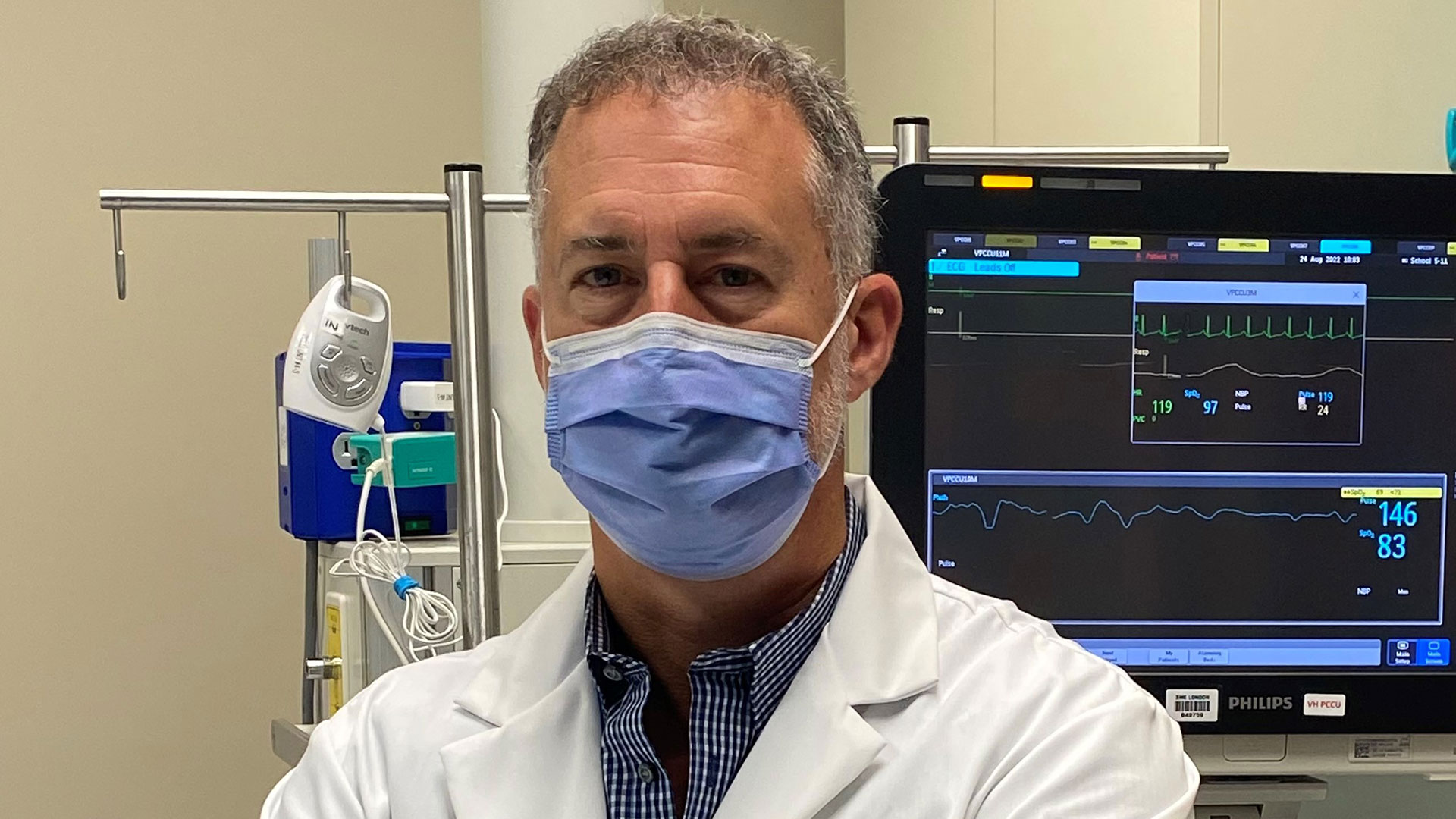
“We chose to study blood vessels that link all the body systems together to look for changes after an acute infection,” explains Dr. Fraser, who is also a Professor at Western University’s Schulich School of Medicine & Dentistry.
The team found that blood vessels of those with presumed long COVID were changing rapidly after a confirmed COVID-19 infection. They also found that patients with long COVID had 14 elevated blood biomarkers associate with blood vessels. With the help of machine learning, they discovered that two biomarkers called ANG-1 and P-SEL could be used to classify long COVID with 96 per cent accuracy.
“Long COVID is a relatively new condition and we have much to learn about it,” says Dr. Michael Nicholson, Associate Scientist at Lawson, Respirologist at St. Joseph’s and Associate Professor at Schulich Medicine & Dentistry. “This research advances our understanding of long COVID with the potential to improve diagnosis and patient care.”

The advantage of biomarkers is that they not only help diagnose a disease but also provide insight into potential treatments. The team is now focused on using their findings to create a clinical diagnostic test with a goal of also exploring therapeutics.
“With a point-of-care diagnostic test, we could confidently diagnose long COVID and eventually develop targeted therapeutics against these blood vessel changes that we have discovered,” says Dr. Fraser. “The ultimate goal is to improve patient outcomes following a long COVID diagnosis.”
This research was supported by funding from London Health Sciences Foundation, London Community Foundation and the AMOSO Innovation Fund. It builds on a growing body of COVID-19 research from scientists at Lawson Health Research Institute.
The study’s first author Maitray Patel, is a MD/PhD candidate from Western’s Schulich Medicine & Dentistry. Patel worked on blood analysis under the supervision of Drs. Doug Fraser and Mark Daley.
Media Contact
Celine Zadorsky
Senior Media Relations Consultant
Communications & Public Engagement
T: 519-685-8500 ext. 73502
Celine.zadorsky@lhsc.on.ca
London researchers get $2.8 million in funding to support mental health and wellbeing of Canadian health care workers
The COVID-19 pandemic has had a tangible impact on the mental health and wellbeing of Canadian health care workers, who have faced challenges that include increased workloads, resource constraints and fears of exposure to COVID-19.

Announced today, researchers out of Lawson Health Research Institute's MacDonald Franklin OSI Research Centre, have received $2.8 million in funding from the Public Health Agency of Canada (PHAC) to launch a project that will support the mental health and wellbeing of Canadian health care workers. The project is titled “Promoting Resilience and Mental Health: Adapting Canada’s Department of National Defence Road to Mental Readiness (R2MR) Program to Support Canadian Health Care Workers.”
The project will adapt the current Road to Mental Readiness Program, created for the Canadian Military. The aim is to identify mental health and wellness barriers in health care institutions, and create a streamlined framework that will build and promote supportive environments within institutions across the nation.
“This program has been a personalized approach with the military, and we are now adapting it to focus on Canadian health care workers,” explains Dr. Anthony Nazarov, Associate Scientist at Lawson and the MacDonald Franklin OSI Research Centre at St. Joseph’s Health Care London. “We want to educate institutions to create an environment that supports wellness not just at the individual level, but at the institutional level as well.”
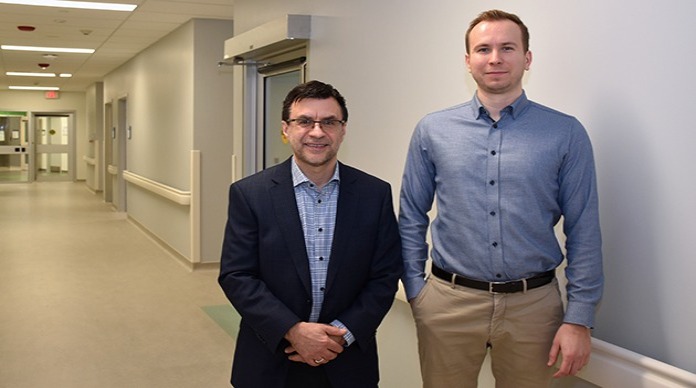
The project, which will span 14 months, will assist in the planning, adaptation and testing of the health care focused Road to Mental Readiness Program.
“One of the main reasons we felt this was necessary stems from a recent study our team conducted that focused on moral distress and the mental health of Canadian health care workers,” says Dr. Don Richardson, Lawson Scientist and Director of the MacDonald Franklin OSI Research Centre at St. Joseph’s. “Our preliminary study results found that many Canadian health care workers have been negatively impacted by the pandemic with conditions such as; posttraumatic stress disorder, stress and depression.”
Once the research team has adapted the current Road to Mental Readiness Program, they will test it with health care workers to confirm its efficacy.
“We hope to have this type of resiliency program adopted by health care organizations across the country,” explains Dr. Richardson. “If proven effective, this would provide additional tools to health care workers to help them cope, improve their resiliency and hopefully mitigate future staff shortages.”
The funding is part of the federal 2021 budget which has committed an investment of $50 million over two years to support projects that address posttraumatic stress disorder and trauma in frontline and essential workers, and others affected by the pandemic. The nine projects announced, totaling an investment of $28.2 million, is the first round of projects being supported through this Budget 2021 commitment.
Scientist
Partners
Media Contact
Celine Zadorsky
Senior Media Relations Consultant
Communications & Public Engagement
T: 519-685-8500 ext. 73502
Celine.zadorsky@lhsc.on.ca
London researchers get $2.8 million in funding to support mental health and wellbeing of Canadian health care workers
LONDON, ON - The COVID-19 pandemic has had a tangible impact on the mental health and wellbeing of Canadian health care workers, who have faced challenges that include increased workloads, resource constraints and fears of exposure to COVID-19.
Announced today, researchers out of Lawson Health Research Institute's MacDonald Franklin OSI Research Centre, have received $2.8 million in funding from the Public Health Agency of Canada (PHAC) to launch a project that will support the mental health and wellbeing of Canadian health care workers. The project is titled “Promoting Resilience and Mental Health: Adapting Canada’s Department of National Defence Road to Mental Readiness (R2MR) Program to Support Canadian Health Care Workers.”
The project will adapt the current Road to Mental Readiness Program, created for the Canadian Military. The aim is to identify mental health and wellness barriers in health care institutions, and create a streamlined framework that will build and promote supportive environments within institutions across the nation.
“This program has been a personalized approach with the military, and we are now adapting it to focus on Canadian health care workers,” explains Dr. Anthony Nazarov, Associate Scientist at Lawson and the MacDonald Franklin OSI Research Centre at St. Joseph’s Health Care London. “We want to educate institutions to create an environment that supports wellness not just at the individual level, but at the institutional level as well.”
The project, which will span 14 months, will assist in the planning, adaptation and testing of the health care focused Road to Mental Readiness Program.
“One of the main reasons we felt this was necessary stems from a recent study our team conducted that focused on moral distress and the mental health of Canadian health care workers,” says Dr. Don Richardson, Lawson Scientist and Director of the MacDonald Franklin OSI Research Centre at St. Joseph’s. “Our preliminary study results found that many Canadian health care workers have been negatively impacted by the pandemic with conditions such as; posttraumatic stress disorder, stress and depression.”
Once the research team has adapted the current Road to Mental Readiness Program, they will test it with health care workers to confirm its efficacy.
“We hope to have this type of resiliency program adopted by health care organizations across the country,” explains Dr. Richardson. “If proven effective, this would provide additional tools to health care workers to help them cope, improve their resiliency and hopefully mitigate future staff shortages.”
The funding is part of the federal 2021 budget which has committed an investment of $50 million over two years to support projects that address posttraumatic stress disorder and trauma in frontline and essential workers, and others affected by the pandemic. The nine projects announced, totaling an investment of $28.2 million, is the first round of projects being supported through this Budget 2021 commitment.
About Lawson Health Research Institute
Lawson Health Research Institute is one of Canada’s top hospital-based research institutes, tackling the most pressing challenges in health care. As the research institute of London Health Sciences Centre and St. Joseph’s Health Care London, our innovation happens where care is delivered. Lawson research teams are at the leading-edge of science with the goal of improving health and the delivery of care for patients. Working in partnership with Western University, our researchers are encouraged to pursue their curiosity, collaborate often and share their discoveries widely. Research conducted through Lawson makes a difference in the lives of patients, families and communities around the world. To learn more, visit www.lawsonresearch.ca.
Media Contacts
Celine Zadorsky
Senior Media Relations Consultant
Communications & Public Engagement
T: 519-685-8500 ext. 73502
Celine.zadorsky@lhsc.on.ca
London researchers team up with Diagnostics Biochem Canada to study COVID-19
LONDON, ON – Researchers at Lawson Health Research Institute (Lawson) and Western University have teamed up with local biotech company, Diagnostics Biochem Canada Inc. (DBC), to help us better understand COVID-19 and the body’s immune response to the infection.
A recently published study followed 28 critically ill patients at London Health Sciences Centre (LHSC); 14 who tested positive for COVID-19 and 14 who tested negative. They also followed 14 mildly ill non-hospitalized patients with COVID-19 and 14 healthy controls. The researchers tracked their body’s immune responses and found that all COVID-19 positive patients had a robust antibody response to the infection, even those with poorer outcomes.
“Our previous research showed that in severe cases of COVID-19, the body produces what’s called a cytokine storm, or an intense, initial immune response. However, in this new study, we observed that after a few days and weeks in critical care, the body produced a later, humoral antibody response that is equivalent to what we would expect with any similar infection,” explains Dr. Douglas Fraser, lead researcher and Critical Care Physician at LHSC.
Patients with COVID-19 reacted to the infection and produced ample anti-SARS-CoV-2 antibodies, including those who passed away. This finding suggests that blunted immune responses – when there is a lack of antibody production - did not contribute to mortality. Dr. Fraser says that based on their data, the focus of treatment should shift to combatting the viral load a person receives, and the body’s more immediate reaction to the infection.
This research was made possible through a collaboration between Lawson, Western and DBC, with DBC providing the serological testing kits.
“DBC was the first Canadian company to launch Health Canada-authorized serological tests for COVID-19 and we are happy that our scientists have been working with Lawson on this important study. We look forward to continuing this collaboration and supplying Canadian labs with much needed serological tests,” says Manon Hogue, CEO at DBC.
Analyzing serum antibody levels using a blood test could help improve patient outcomes by allowing early identification of who may require certain treatments, and guide decisions around patient cohorting. In addition, serological testing allows for viral surveillance and its immunity in the community.
London West MP, Kate Young adds, “London is once again showing the world that we are leading the way in scientific research into our most pressing health issues. It’s great to see a local business, Diagnostics Biochem Canada Inc., team up with the Lawson Health Research Institute to help better understand Covid-19. Working together they will help us unlock the keys to how Covid-19 impacts the body’s immune system.”
The study, “Critically Ill COVID-19 Patients Exhibit Anti-SARS-CoV-2 Serological Responses,” is published in the journal Pathophysiology.
-30-
About Lawson Health Research Institute
Lawson Health Research Institute is one of Canada’s top hospital-based research institutes, tackling the most pressing challenges in health care. As the research institute of London Health Sciences Centre and St. Joseph’s Health Care London, our innovation happens where care is delivered. Lawson research teams are at the leading-edge of science with the goal of improving health and the delivery of care for patients. Working in partnership with Western University, our researchers are encouraged to pursue their curiosity, collaborate often and share their discoveries widely. Research conducted through Lawson makes a difference in the lives of patients, families and communities around the world. To learn more, visit www.lawsonresearch.ca.
About Diagnostics Biochem Canada Inc.
We have been exporting our products around the globe for over 47 years. As a leader in the industry, it has always been our goal to offer a wide range of test kits and continually introduce new and unique products to the marketplace. It is our strong commitment to research, development, and manufacture that has enabled us to offer our customers ongoing, unique, and quality products.
About The Schulich School of Medicine & Dentistry
The Schulich School of Medicine & Dentistry at Western University is one of Canada’s preeminent medical and dental schools. Established in 1881, it was one of the founding schools of Western University and is known for being the birthplace of family medicine in Canada. For more than 130 years, the School has demonstrated a commitment to academic excellence and a passion for scientific discovery.
Media Contacts
Celine Zadorsky
Senior Media Relations Consultant
Communications & Public Engagement
T: 519-685-8500 ext. 73502
Celine.zadorsky@lhsc.on.ca
London scientists clinch $2 million in federal funding to develop better imaging tools for brain disease
LONDON, ON – Lawson Health Research Institute has been awarded over $2 million in federal funding for a project focusing on two unique medical imaging systems designed to give unparalleled insight into brain function and disease.
Today, the Right Honourable Justin Trudeau, Prime Minister of Canada, announced more than $518 million in research infrastructure support through the Canada Foundation for Innovation (CFI). In a live conversation today at 1 p.m., the Honourable François-Philippe Champagne, Minister of Innovation, Science and Industry, will share more about how the funding will support 102 state-of-the-art projects at 35 post-secondary institutions and research hospitals across the country - helping Canada remain at the forefront of exploration, innovation and discovery.
“Imaging technologies, such as MRI and PET scanners, have revolutionized our understanding and treatment of major neurological diseases, including dementia and mental illness, by allowing us to study disease mechanisms and their impact on brain health,” says Dr. Keith St. Lawrence, Lawson Scientist and project co-lead. “We are developing and testing two leading-edge systems that will enable imaging of key vascular, metabolic and molecular factors linked to disease.”
The first system is a head-only PET (positron emission tomography) insert that can be placed in any clinical MRI machine. Combining the molecular specificity of PET with the structural and functional capabilities of MRI, the possibilities for brain imaging will be greatly enhanced. The head-only PET insert being tested in London has been developed by Cubresa Inc., located in Winnipeg, Manitoba.
“Combined with deep-learning approaches, we could achieve a highly improved sensitivity of the PET insert and reduce the radiation dose by up to 50 times compared to whole-body imaging,” explains Dr. Jonathan Thiessen, Lawson Scientist and project co-lead. “This will be the first commercially available high-resolution brain PET/MRI installed in the world.”
For example, better diagnosis of different forms of dementias would be possible and researchers could closely compare protein abnormalities in the brain with cognitive function. The low radiation dose allows for long-term studies investigating changes in the brain and neuroinflammation that can lead to major psychiatric diseases and cognitive degeneration or disability.
The second system uses portable, state-of-the-art optical imaging to increase the reliability of bedside brain monitoring to provide rapid assessment of brain health in restrictive environments.
“We believe this technology will demonstrate how biomedical optics can improve neurological outcome for surgery and patients in intensive care, provide an accessible technology for assessing neurovascular health, and become a clinically relevant tool for monitoring changes in brain function,” says Dr. St. Lawrence.
With current systems, the type of data is limited and extremely vulnerable to signal contamination from the scalp which can overshadow signals from the brain. Using the team’s specialized detection approach, the scalp signal contributions could be greatly reduced to get more accurate information on markers of brain activity, such as cerebral blood flow and energy metabolism.
The team will study use of the system in surgical and intensive-care settings to monitor for cerebral ischemia and metabolic stress, which are the major causes of brain injury. They will also monitor treatment in patients with schizophrenia and study dysfunction in the brain associated with negative symptoms, as cognitive impairment deteriorates with age for some people with the disease. Another goal is to develop a brain-computer interface for patients who are incapable of physical communication.
“With this funding, we can develop a truly unique advancement that has the potential to test the limits of optics for brain applications,” adds Dr. Thiessen. These two imaging platforms build on previous investments in Lawson Imaging that now exceed over $40 million in research funds since the initial CFI support in hybrid imaging in 2007.
-30-
About Lawson Health Research Institute
Lawson Health Research Institute is one of Canada’s top hospital-based research institutes, tackling the most pressing challenges in health care. As the research institute of London Health Sciences Centre and St. Joseph’s Health Care London, our innovation happens where care is delivered. Lawson research teams are at the leading-edge of science with the goal of improving health and the delivery of care for patients. Working in partnership with Western University, our researchers are encouraged to pursue their curiosity, collaborate often and share their discoveries widely. Research conducted through Lawson makes a difference in the lives of patients, families and communities around the world. To learn more, visit www.lawsonresearch.ca.
Media Contacts
Celine Zadorsky
Senior Media Relations Consultant
Communications & Public Engagement
T: 519-685-8500 ext. 73502
Celine.zadorsky@lhsc.on.ca