


Indigenous Sweat Lodge built at Southwest Centre for Forensic Mental Health
Image
Image
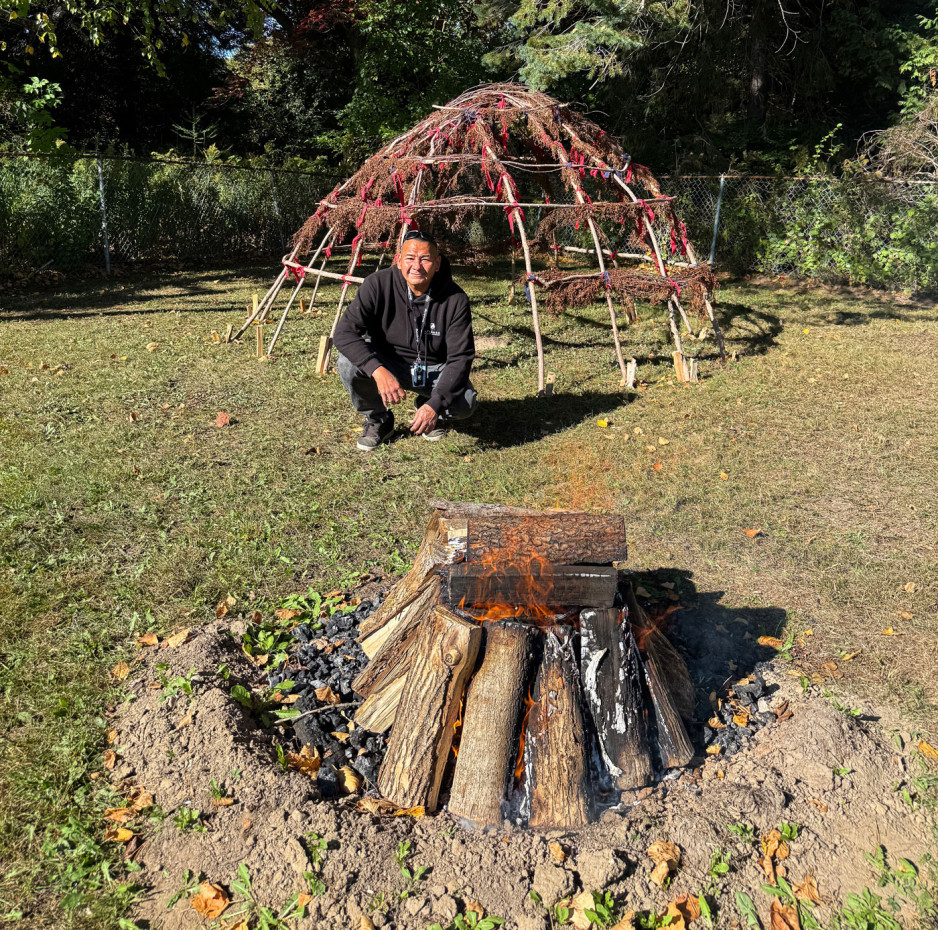
Inside a dome-shaped wooden structure, a sacred ceremony unfolds. With guidance from Elders, Knowledge Carriers and a need from the community, sweat lodge ceremonies offer physical, emotional and spiritual healing.
Within Indigenous culture stones are referred to as grandfathers and grandmothers.
“We believe the rocks we use are alive and everything we work with has spirit. That’s why we turn to the stones as Elders, they have been around for a long time, longer than we know, so we turn to them for guidance and direction.” says Derek Snake, wholistic wellness coordinator at Biigajiiskaan, which is a mental wellness partnership co-delivered by St. Joseph’s Health Care London (St. Josephs) and Atlohsa Family Healing Services (Atlohsa), that aims to provide accessible, culturally safe, specialized care for Indigenous people
Medicines are sprinkled on each grandfather and grandmother as people gather seeking connection, cleansing and clarity.
The sweat lodge sits on the grounds of Southwest Centre for Forensic Mental Health (Southwest Centre) to provide a space for Indigenous peoples and interested staff members to experience the benefits of the practice.
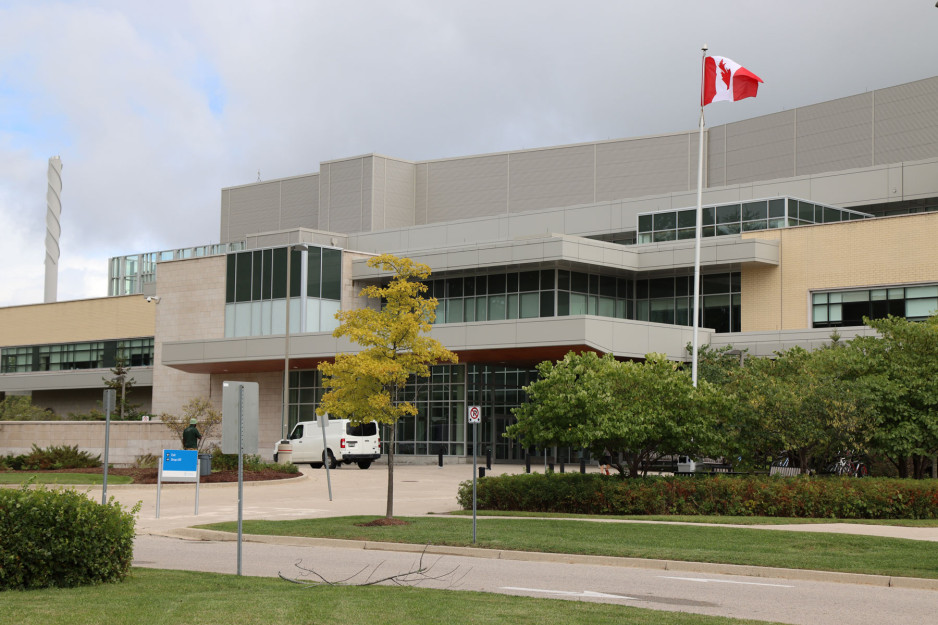
“When I heard about the Biigajiskaan project I was interested in connecting our Indigenous patients with this group to offer further connections with Indigenous healing and as per our responsibility with Truth and Reconciliation,” shares Kent Lewis, Director at Southwest Center. “One of the first comments I heard from an Indigenous patient after interacting with Indigenous healers, was that this is the first time they felt truly seen.”
Recognizing the overrepresentation of the Indigenous community in the justice and forensic mental health systems makes the Southwest Centre an ideal spot for the practice.
“Our hope is to hold sweats for Southwest Centre patients bi-monthly. If that goes well and an increased need presents, we are open to increasing them as needed.” says Crystal George, Biigajisskan manager. “Providing patients opportunity to connect with spirit is a priority for us and engaging in the sweats is a beautiful way to foster that connection.”
The sweat lodge ceremony is a healing ceremony — representing a return to the womb, a place of warmth, safety and transformation.
“It’s about going back to where we came from,” explains Snake, “Before we were born, we were pure. The sweat lodge helps us remember that and allows us to try and return to that state.”
The shape of the sweat lodge replicates the belly of a reclining pregnant woman. In this position, the ceremony symbolizes rebirth. Participants then enter the lodge seeking purification for the body, mind and spirit.
The practice is rooted in ancient traditions but continues to evolve. It is shaped by community needs and spiritual guidance.
“It can’t be overstated how powerful this is for people,” shares Snake.
“When you go in with the right intentions, you come out lighter. You leave behind what’s weighing you down.”
A sweat lodge is never held casually. It must be requested and it is not offered without need.
A sweat can be requested by providing tobacco to a conductor and requesting the lodge for any reason they feel they need it. Alternatively, through programs such as Biigajiiskaan, people can make more generalized requests, for wellness and spiritual connection.
The sweat is led by someone chosen and mentored from within a First Nations community.
“It’s not something anyone can just do,” Snake explains. “You have to be taught. That knowledge is passed down — from Elders and from attending other sweats.
Leading without this foundation isn’t just frowned upon — it can be harmful.
“You can cause spiritual harm to people if you don’t know what you’re doing.” says Snake.
Participants often seek out the sweat lodge for a variety of reasons: grief, stress, trauma or simply a desire to reconnect with their culture and spirit.
Benefits include:
- Physically, heat triggers detoxification and circulation.
- Mentally, it provides clarity and release.
- Spiritually, it offers prayer, presence and purification.
“Even things we see in passing — like homelessness, other’s suffering, our stress — it sticks to us,” Snake shares. “Through the sweat, we release it and we heal it.”
Everything in the sweat lodge has meaning — from the placement of the grandfathers and grandmothers to the offerings of tobacco and cedar.
Tobacco and cedar are exchanged as gifts, because these medicines connect participants to their Creator.
“It’s the intention. We pray with these medicines and they carry those prayers where they need to go.” shares Snake.
Creating safe spaces for healing at St. Joseph’s
St. Joseph’s Health Care London recognizes the value of these ceremonies — not just as spiritual or cultural practices but as essential supports for Indigenous health and wellbeing.
A sweat for interested Southwest Center staff members will be held on Oct. 23. Learning opportunities will run from 9:30 to 10:30 am and from 10:30 to 11:30 am.
Knowledge keeper Tracey Whiteye will be sharing knowledge around why we sweat, protocols and answering questions.
The sweat lodge ceremony will begin around 1:30 pm and will run for roughly an hour and a half.
“This is about remembering who we are and how we’re connected. That’s where the healing starts.” says Snake.