


A life lived alongside diabetes
Kenneth Lampman's 73-year journey of strength, science and care
When Kenneth Lampman talks about living with type 1 diabetes, he speaks with the calm certainty of someone who has managed the disease since childhood.
Lampman, a patient at St. Joseph's Health Care London (St. Joseph's), has been living with type 1 diabetes for 73 years, but his experience with diabetes started before his own diagnosis.
Growing up, diabetes was prevalent on both sides of his family, but his closest connection was his father.
In his early years he remembers watching his dad test his urine every Sunday and inject insulin once a day. Sadly, his father passed away when Lampman was only 12 from heart issues related to diabetes.
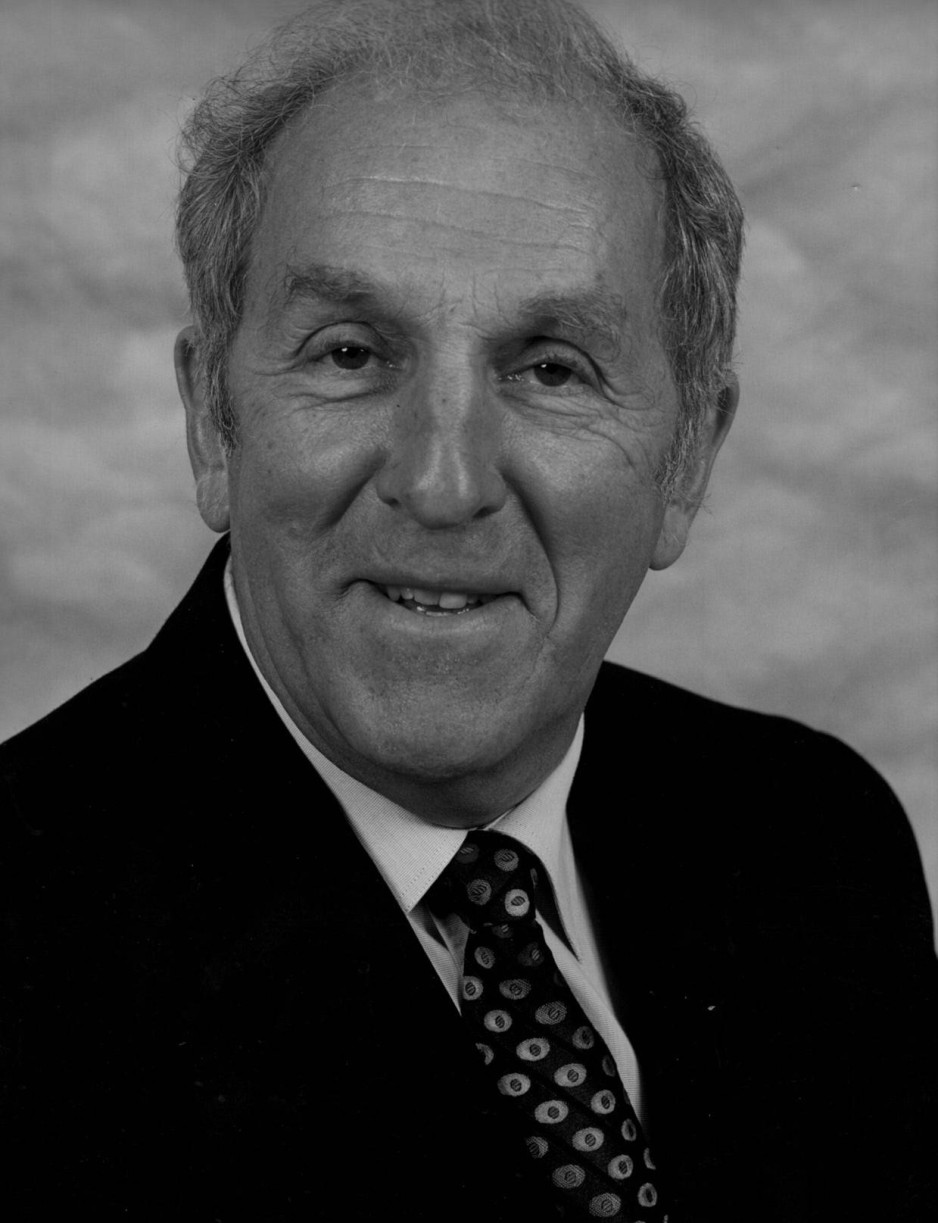
Lampman started experiencing symptoms and was diagnosed during his first year at Western University. Over the years, Lampman has experienced all the advancements of treatments- from insulin needles, early pump trials, glucose testing using test strips and drops of blood from finger pricks several times a day- to the current method of sensor/reader devices that give him immediate blood glucose readings.
When he was first diagnosed, his initial treatment plan was a low-carbohydrate diet. Shortly after, Lampman saw an endocrinologist at St. Joseph's who completely reshaped his care. Lampman was admitted to hospital for 10 days where he started on insulin immediately. He remembers the shift in his body vividly.
"It made me feel strong," Lampman shared.
The insulin allowed him to live normally, to keep attending school and participating in sports and being himself.
Lampman recalls the needles from those early years-thick and long, which together with the syringes had to be boiled every morning because disposable ones didn't exist yet.
He began with a single, daily, long-acting insulin injection, but over time it no longer kept his diabetes under control. When the standard shifted to four daily short acting injections using two types of insulin, he transitioned to that regimen and has remained on it ever since.
Lampman exercises, eats well and monitors his blood glucose carefully to live within the 24/7 balancing act that defines diabetes.
Lampman was also one of the first patients to try an early insulin pump--a bulky device strapped to his abdomen requiring him to dial in insulin manually.
It was during the time of needles and university classes that Lampman met his wife. She was working weekends at the Huron College cafeteria, when one day, Ken walked through the door. She knew instantly.
"That's the man I'm going to marry," Natalie shared.
And she did. They've been married for 66 years.
Natalie has witnessed diabetes education and treatment evolve alongside their marriage and she has watched Lampman adapt with resilience every step of the way.
She recalled when he started using the sensor; "It made me cry the first time I saw him not have to draw blood by pricking his finger."
Today, 73 years after his diagnosis, Lampman continues to live independently and actively, thankful for every treatment breakthrough and how the evolution of diabetic care has transformed his life.