


A partnership to build hope
Image
Image
Ten months after construction crews began leveling the ground behind Parkwood Institute Main Building, the London Homes for Heroes Foundation Veterans' Village officially opened its doors, offering veterans experiencing homelessness a place to call home and an opportunity to rebuild their lives.
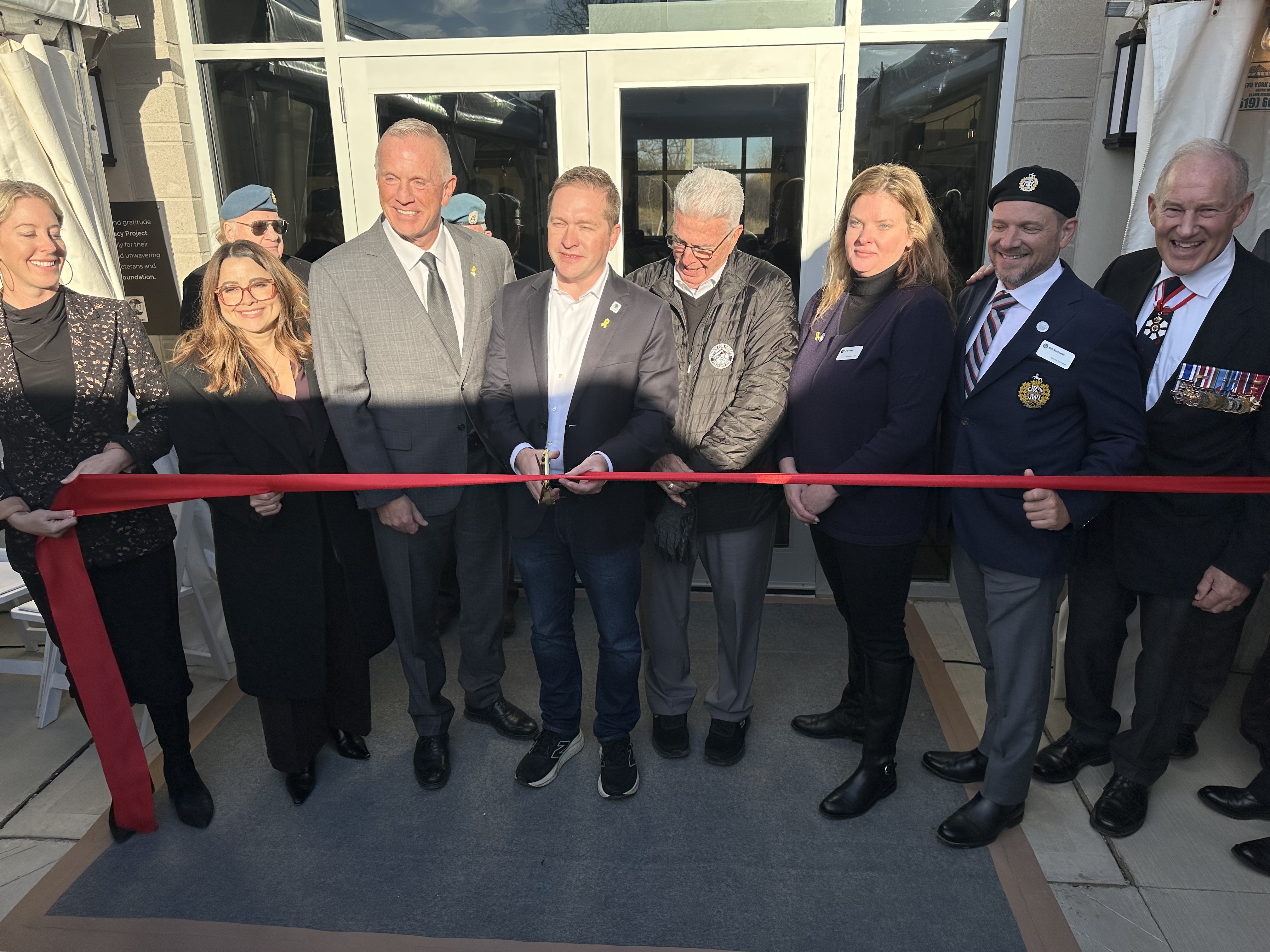
Under sunny skies and frigid temperatures, representatives from the City of London, London Community Foundation, steering committee members and local community partners gathered for a ribbon-cutting ceremony.
Situated at 774 Western Counties Road, the village includes 25 tiny homes, a resource centre, case management offices, community garden and recreation area, all designed to promote peer support and foster independence.
"Projects like this happen when people believe in something bigger than themselves and turn that belief into action," said Brad Field, President and CEO of Homes for Heroes Foundation.
Field told the crowd the village is more than housing. "It's about community, connection, dignity and belonging."
The first veteran will move into their new home within days of the opening.
St. Joseph's Health Care London (St. Joseph's) provided the land for the village, a fitting location given St. Joseph's history caring for veterans.
"The veterans who call the London Veteran Village home will be surrounded by a community that cares here at Parkwood," says Roy Butler, CEO and President at St. Joseph's. "It has been an honour to support this project and build on our legacy of helping veterans."
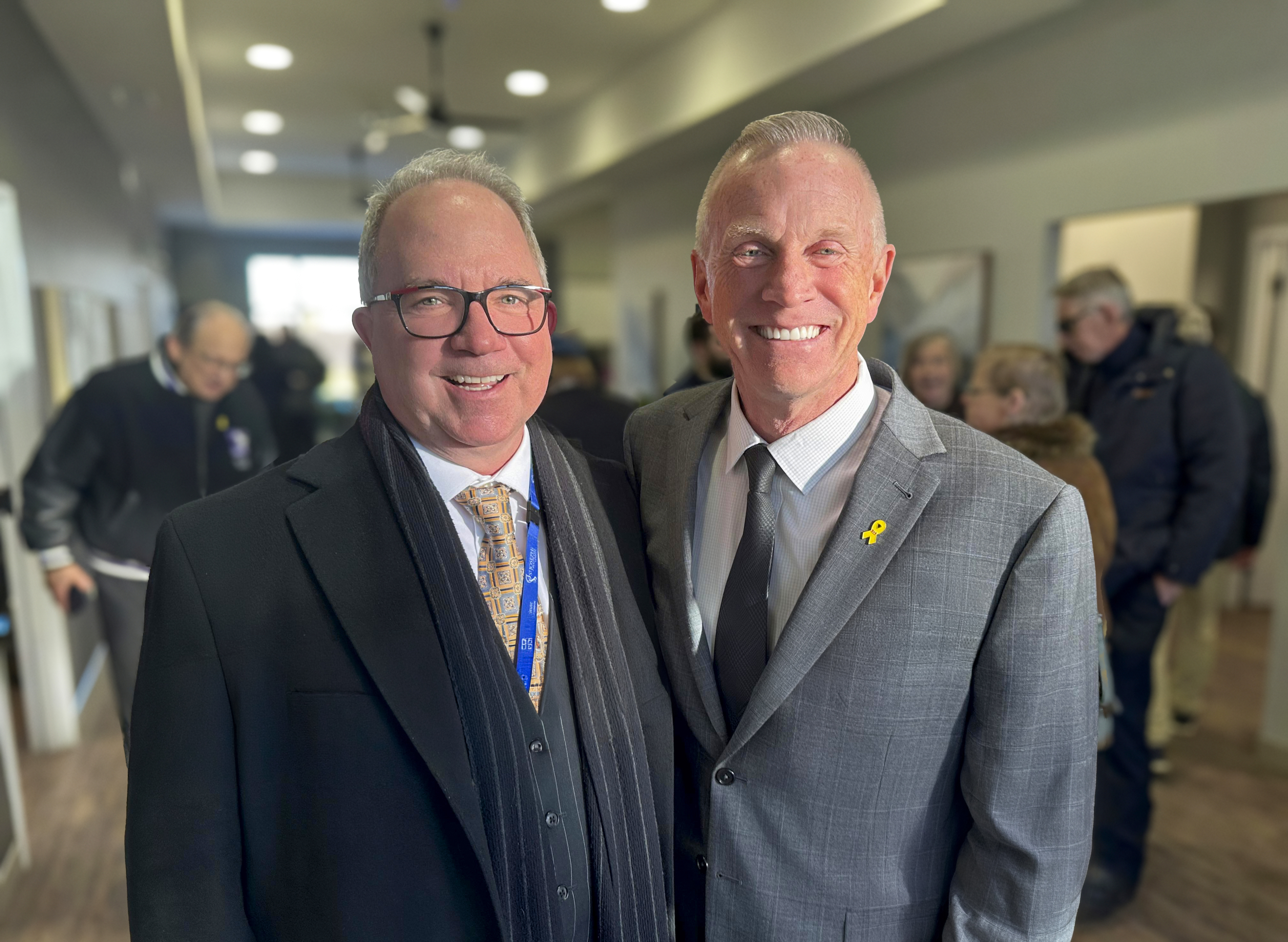
St. Joseph's currently supports veterans through the Veterans Care Program and Operational Stress Injury Clinic. Partnering with Homes for Heroes builds on this legacy, recognizing the needs of modern-day veterans.
"We've been reaching out to community partners including London Cares, the City of London, St. Joseph's and other local organizations to let them know who we are and what we do," says Sherri Clarke, National Program Director for Homes for Heroes Foundation. "If they know a veteran who is vulnerable and needs housing, we want them to reach out. We can talk with them, complete an intake and determine if the village is a good fit."
Each full furnished 300 square foot home is tailored to meet the needs of its residents. Veterans will move in gradually with case workers helping residents to identify their individual needs and connecting them with services.
The village offers transitional, independent living. It is not permanent housing. Case workers will work with each veteran to help them find longer-term housing when they are ready.
"Everyone comes in with different needs," says Clarke. "Our case workers are there every day to talk with them. Housing will be checked off immediately, but do they need mental health support, finding a psychologist or do they need physical care. Whatever they need, we will do our best to help them get it."
For St. Joseph's the village is an example of what can be achieved when community partners come together around a shared purpose and serving those who have served our country.