


Future physiotherapists make a lasting impression
A student-led physiotherapy clinic at Parkwood Institute is helping patients move forward while discovering their own calling along the way.
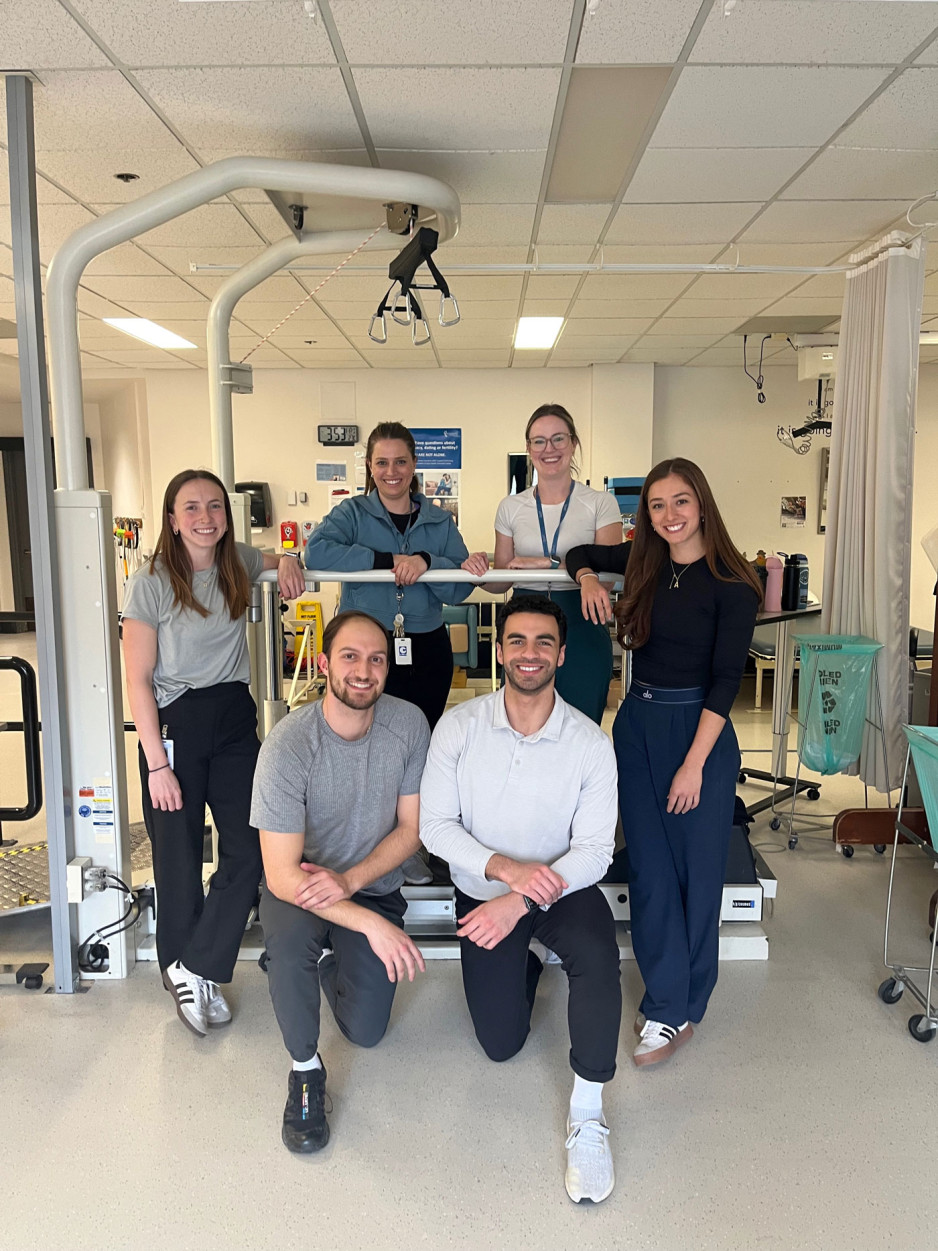
When Jadd El-Iskandarani broke his leg playing soccer – not once, but twice – he experienced the difference physiotherapy can have in a person’s rehabilitation. After his second injury, physiotherapy helped him return to the field much faster. It was an experience that inspired his career path and now Jadd is determined to help others reach their rehabilitation goals.
Jadd, a second-year physiotherapy student at Western University, was one of six students in a pilot student-led physiotherapy clinic at Parkwood Institute. The clinic expanded access to locomotor training – a program developed through the Christopher and Dana Reeve Foundation that uses a body weight support treadmill system to help patients with spinal cord injuries improve mobility and gain confidence.
The device is hands-on intensive, requiring physiotherapists and assistants to ensure patients are safe. With limited staff, physiotherapists Katie Gonser and Kristin Wanless developed the pilot project involving physiotherapy and undergraduate students to increase access for patients.
“The device allows us to increase intensity and help patients,” said Kristin. “We see the difference it has on patients, not only with their mobility but also improving their core strength and reach. We wanted to make it available to more people.”
Katie adds watching a patient’s progress is “incredibly rewarding and powerful” – something she wanted students to experience firsthand as well.
For Jadd, the placement was eye-opening and exceeded his expectations. ‘I was sad to leave when my placement was done.’
To make the rehab sessions more engaging, Jadd brought in a speaker and played music, even taking song requests from the patients.
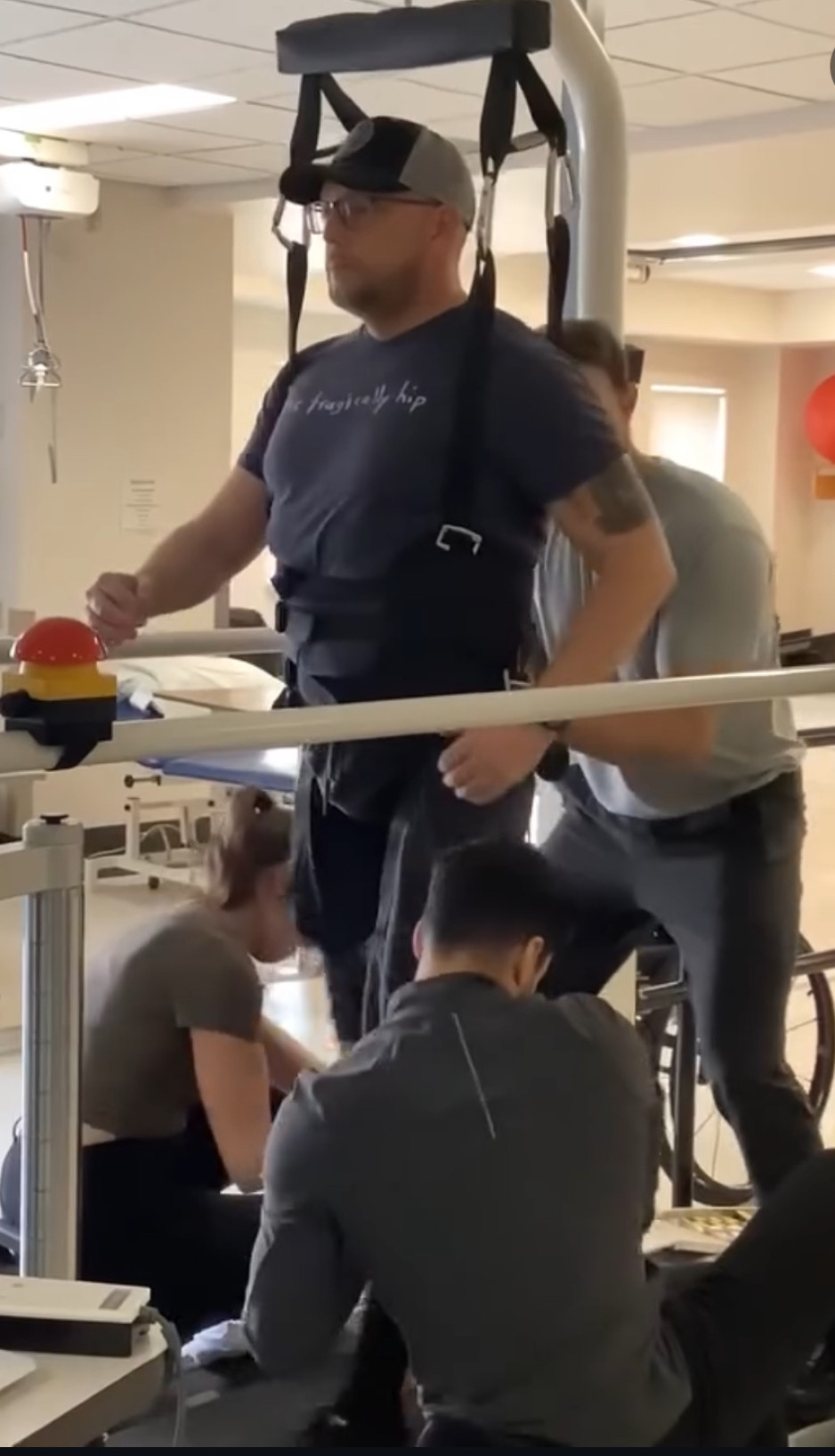
“It’s important to make it fun for patients,” he adds it also helps to build a rapport with patients and the music impacted the therapy. “You could see the patient felt the music.”
Patients felt the difference too.
Chris Smith woke up one day in July 2024 unable to move his lower body. He was rushed to the hospital and after numerous tests and x-rays, doctors deemed him a ‘mystery’ unable to determine the cause.
While continuing to look for answers, Chris spent three months at Parkwood Institute’s Rehabilitation Program and participated in the student-led clinic.
“I saw steady results and they were dramatic to me,” he says.
Feeding off the students’ enthusiasm and having an open-mind, Chris’s interactions with the students helped him mentally and physically. He is now able to use a walker.
“It was great to see their development as physiotherapists and see their confidence grow. It definitely helped push me a bit more and they made it fun.”
Mark Hastings took part in the student-led clinic to improve his mobility after he was diagnosed with cancer in his spinal cord. He had a lesion removed, but his cancer treatments left him with severe atrophy. When given the opportunity to come to Parkwood, Mark didn’t hesitate and spent a month as an inpatient and then as an outpatient working in the Locomotor Training Program.
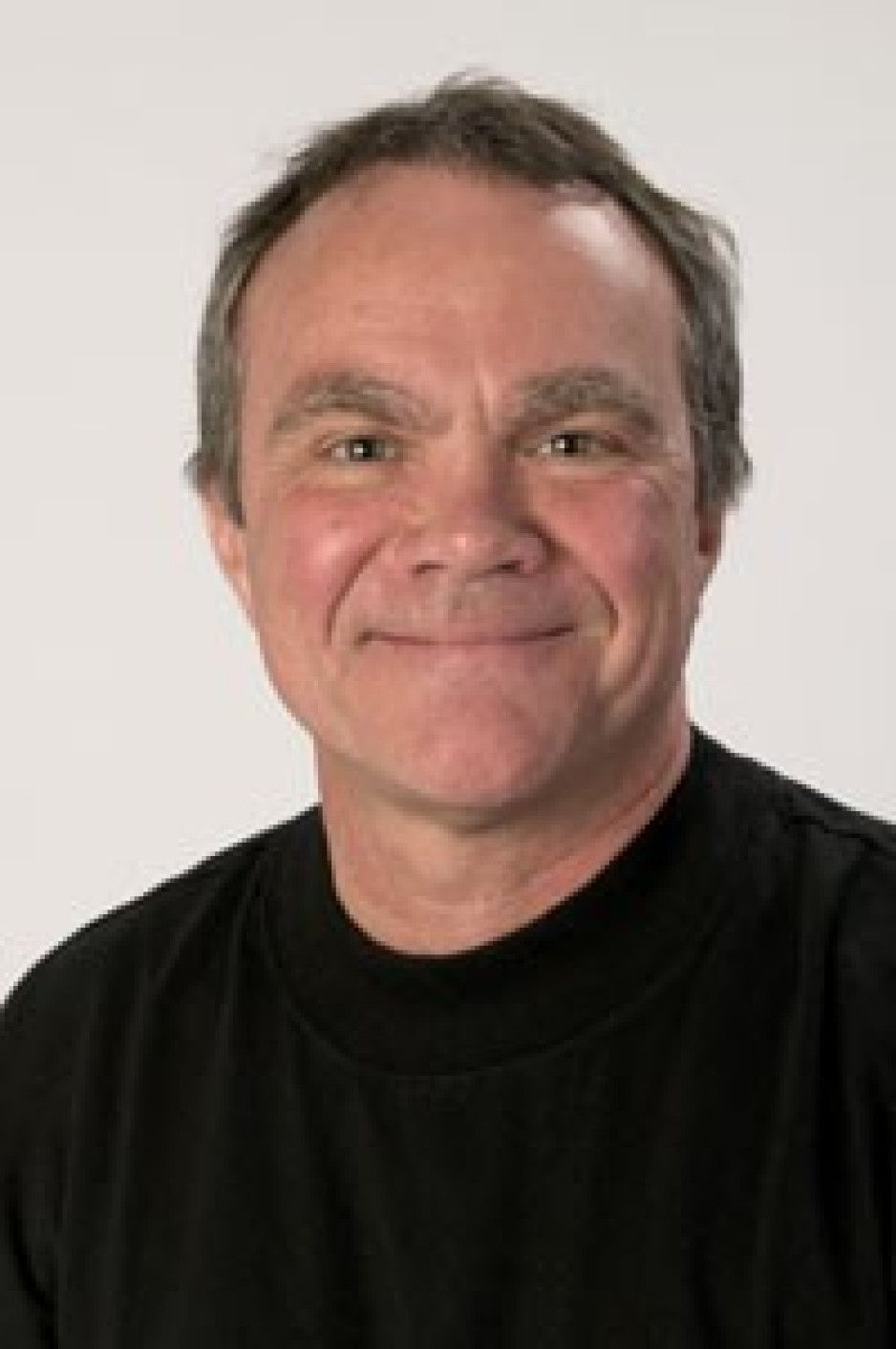
‘It felt good to be standing again.’
Mark called his physiotherapists the ‘nicest people on the planet. Sweet, beautiful, great kids.’ He says it takes a special person to become a physiotherapist because they work with people at their worst.
“They are like angels on earth.”
For Jadd, the clinic was more than just a clinical placement. It was proof that hands-on learning can change lives – theirs and their patients.