


Nursing Week 2026
Image
Image
In celebration of Nursing Week, we profiled five nurses in different roles across St. Joseph’s.
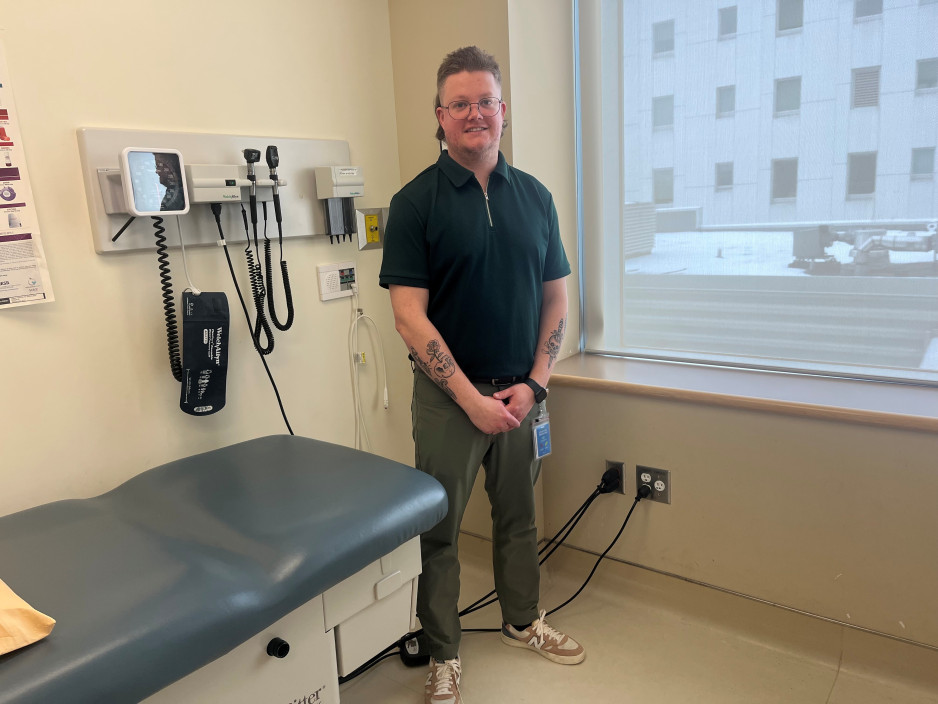
Garrett Lowry
What is your role at St. Joseph’s?
I am a registered nurse in the Allergy and Immunology Clinic at St. Joseph’s Hospital. My job involves skin testing patients for environmental, venom or medication allergies, teaching about food allergies and avoidance and administrating and monitoring immunotherapy. Part of my role as charge nurse also includes ordering supplies for the clinic and managing and triaging referrals.
When did your interest in nursing begin?
My interest in nursing began in high school when my younger cousin was diagnosed with terminal brain cancer. I always wanted to help others and seeing how the nurses treated her motivated me to pursue a career in nursing.
How do you demonstrate the St. Joseph’s values (respect, excellence, compassion) in your practice?
I have been quite fortunate in the Allergy Clinic, developing relationships with my patients, some spanning back to when I was a student starting my nursing journey. The core St. Joseph's values just become a part of those relationships. Patients inevitably go through tough times in life and being able to listen for an extra five minutes or check-in with a patient a week/month later helps develop the respect and trust needed. Coworkers often comment on my memory of a conversation I had with a patient years ago, or a situation they were in. I really strive to do the best I can in the Allergy Clinic.
The Canadian Nursing Associate Nursing Week theme is ‘The Power of Nurses to Transform Health’. How do you transform health in your work?
One of the ways I transform health in my role is through patient education. I completed the Food Allergy Educator course through the Canadian Society of Asthma and Clinical Immunology, which gave me the tools to help parents navigate new food allergy diagnoses in their children. I teach patients and families how to recognize anaphylaxis and when to use the epi pen. This helps give my patients comfort and autonomy at home.
I’ve also been promoting transformation in health through the education of family health teams in our community. I help them better understand allergy immunotherapy, a treatment that can provide great relief for patients. By providing community clinics with proper education and confidence around the treatment, this ensures better patient safety, less adverse events and overall better allergen control.
Rianne Treesh
What is your role at St. Joseph’s?

I am a nurse practitioner at Southwest Centre for Forensic Mental Health Care. My work focuses on ensuring that patients’ physical health needs are addressed alongside their psychiatric care. This is a critical aspect of holistic treatment that is often overlooked in mental health settings.
Many patients at Southwest Centre stay with us for extended periods, which allows me to follow them throughout their admission and provide continuous oversight of their primary care and ongoing medical needs. I diagnose and manage chronic conditions such as diabetes, hypertension, infections and chronic pain. I also monitor the physical effects of psychiatric medications, interpret investigations, prescribe treatments and coordinate care with specialists.
This role is meaningful to me because it fills a significant gap in care. People living with serious mental illness face higher rates of chronic medical conditions, yet their physical health is often neglected. Being able to bridge that gap is not only a responsibility but a privilege to me.
When did your interest in nursing begin?
I was drawn to nursing because it blends science with human connection. Growing up with family members in health care, I often heard stories about the impact nurses have on patients and their families. In high school, I spent time in a hospital setting through a co-op placement, where I saw firsthand how nurses advocate for patients and help people through difficult moments. What stood out to me was that nurses don’t just treat illness, they care for the whole person. That experience made me realize I wanted a career where I could make a meaningful difference in people’s lives every day.
How do you demonstrate the St. Joseph’s values (respect, excellence, compassion) in your practice?
Forensic mental health is a setting which constantly reminds me that every individual deserves to be treated with dignity, regardless of their history or circumstances. Many of the patients I care for have experienced trauma and complex life challenges. I strive to approach each person with respect rather than judgment, taking the time to truly listen so they feel seen and understood.
Compassion is also central to my role. To me, this means advocating for patients’ needs, guiding them through their care and supporting them in making informed decisions about their health. Some of my most meaningful moments are subtle, such as explaining a diagnosis in a way that patients can truly understand, helping someone feel heard or building enough trust that a patient feels safe sharing their concerns. It is in these moments that I feel most proud to practice as a nurse practitioner.
The Canadian Nurses Association Nursing Week theme is ‘The Power of Nurses to Transform Health’. How do you transform health in your work?
In forensic mental health, 'transforming health' often means seeing what might otherwise be overlooked. Individuals living with serious mental illness are at higher risk for chronic medical conditions, yet their physical health is frequently overshadowed by psychiatric care.
As a Nurse Practitioner, I want to bridge the gap between mental and physical health. By monitoring patients’ physical wellbeing, promoting preventative care and ensuring continuity of treatment, I help patients achieve more holistic health outcomes. Some of my patients have not previously had access to primary care, and I am often the first clinician to address their physical health needs. As an NP, I am transforming the way care is experienced, ensuring that physical health is recognized as equally important as mental health. I’ve learned that transformation is incremental, and it can occur through small, everyday interventions or more significant clinical decisions – but it always makes a meaningful difference in someone’s life. To me, witnessing this impact every day reinforces the role nurses play in shaping healthcare.
Melissa Patterson
What is your role at St. Joseph’s?
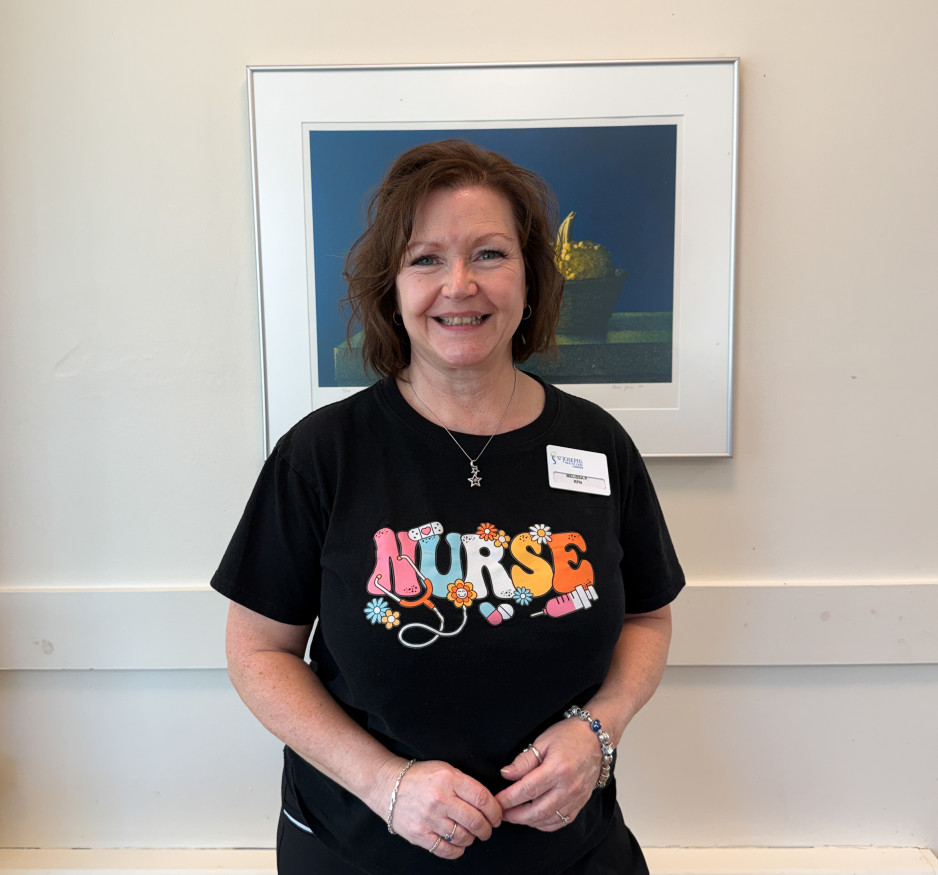
I have called Marian Villa at Mount Hope Centre for Long Term Care (Mount Hope) “home” as a registered practical nurse for over 34 years (that's over half of my life)! When I finished my education, I applied to St. Joseph’s and was called for an interview for the fourth floor. I thought that it was St. Joseph’s fourth floor Urology, where I had consolidated. Surprise – it was not. My intent was to get my 'foot in the door', and transfer to the first hospital job that popped up. Surprise again - the universe put me exactly where I was supposed to be.
When did your interest in nursing begin?
My father was the administrator of a long-term care home. On weekends he would take my sister and I to visit the residents. As a teenager, I worked in the kitchen and participated in many social functions. Through the years I was privileged to observe different disciplines, how everything and everybody is connected for the greater good of serving the older adult population. I never thought about making it my career, however one evening I met a stranger who was in school to be an RNA. Something in our conversation got through my thick teenage skull, and I saw the answer had always been in front of me.
How do you demonstrate the St. Joseph’s values (respect, excellence, compassion) in your practice?
The values of St. Joseph’s really resonate with me. To be respectful and compassionate means to treat people the way you would want to be treated, to be empathetic and to be genuine. I strive to learn and remember everyone's name, a little tidbit, quirk or fun fact, so when we meet again, I can have a relevant personal interaction with them. Perhaps if you feel heard or seen, that's showing excellence.
The Canadian Nurses Association Nursing Week theme is ‘The Power of Nurses to Transform Health’. How do you transform health in your work?
I try to lead by example, advocating for the greatest good by sharing information and learning new or improved ways to contribute to my team. It may involve new medication findings, dietary trends, perhaps a new hobby or crafting item our therapeutic recreation team might try with someone. I offer as many choices as I can when interacting with my residents, respecting their decisions. I exchange thoughts and ideas with them and banter to make them feel valued and included.
Anna Kras Dupuis
What is your role at St. Joseph’s?
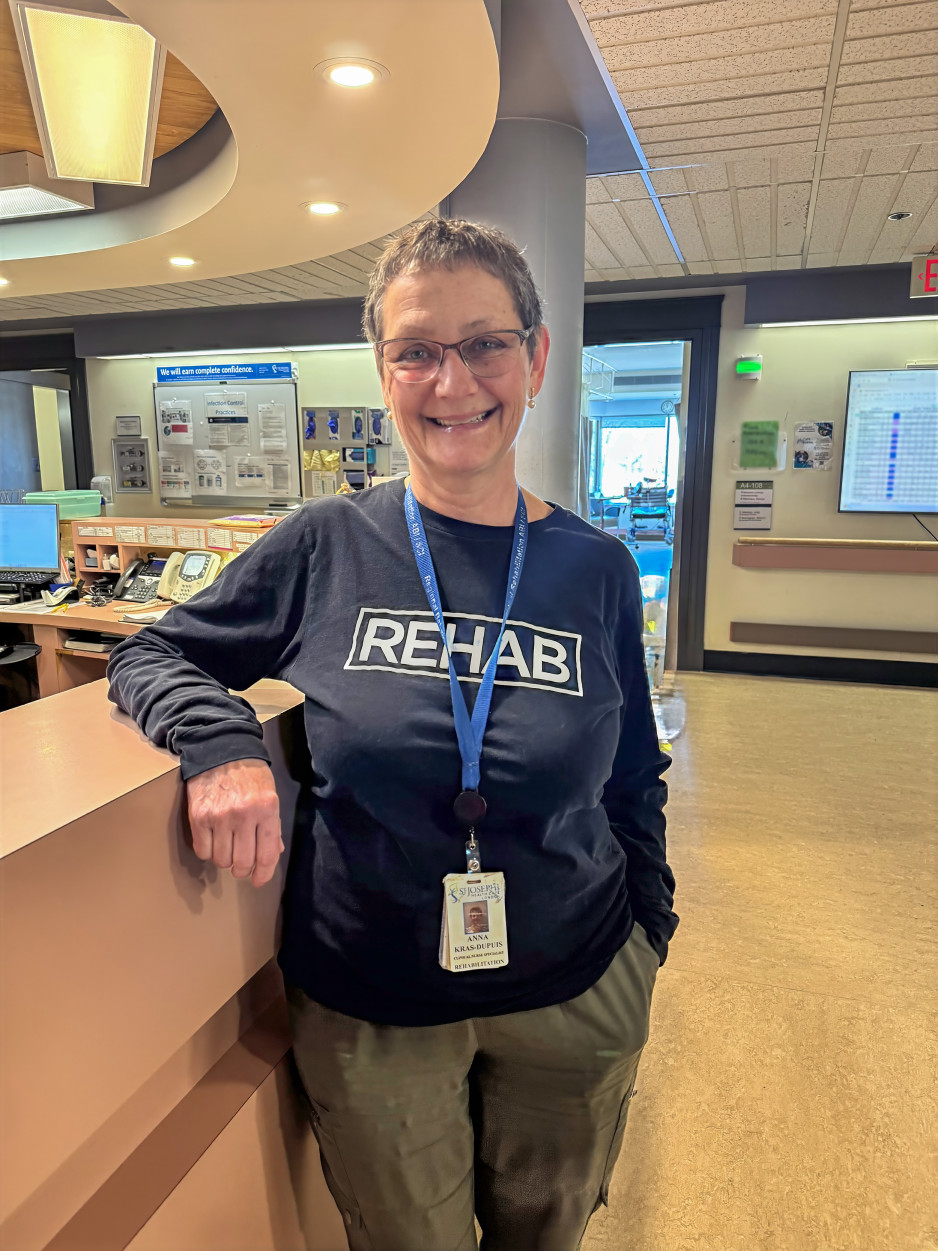
I have been a clinical nurse specialist at St. Joseph’s in the Rehabilitation Program for 20 years. Key parts of my role include supporting teams' learning and skill development, advancing rehabilitation nursing practices, facilitating clinical and research integration and quality improvement.
When did your interest in nursing begin?
I have been in the nursing profession for 40 years! I first became interested in nursing simply because I had a passion for helping others and believed I could make a difference. Over the years my passion for nursing has grown and I fell in love with rehabilitation nursing. Rehabilitation nurses, along with other team members, have such a unique opportunity to form therapeutic relationships and to contribute to patients' recovery journeys. I can honestly say that I have looked forward to coming to work every day because of the patients that we serve and the people I have worked with, and their collective strength and wisdom.
How do you demonstrate the St. Joseph’s values (respect, excellence, compassion) in your practice?
I have had multiple opportunities to lead various change initiatives over the years. In doing so, I have had the privilege of working alongside many teams and health care professionals. By carefully listening to them, hearing, valuing and incorporating their feedback, I have demonstrated respect for their knowledge, expertise, creativity, and ability to put their patients first.
Our teams deliver excellent patient-centered care each and every day. My role has been to support and encourage our staff to follow best practices, to foster a culture of ongoing learning and to strive for meaningful changes resulting in improved patient outcomes. These have been the key ingredients in pursing excellence in care delivery.
Our patients come to our care at the most vulnerable time in their lives. I always try encouraging others to put themselves in their patients’ shoes, to show empathy and compassion, respect their dignity and, as much as possible, give them back some control. While I do not work directly with patients every day, I observe our staff displaying these qualities: empathy, compassion, kindness and humanity. I feel a sense of pride and make an effort to provide that feedback, as these are my core values.
The Canadian Nurses Association Nursing Week theme is ‘The Power of Nurses to Transform Health’. How do you transform health in your work?
Our rehab nurses work collaboratively with other team members and have a unique role in optimizing patients’ independence. They provide a therapeutic environment 24/7 and reinforce patient skill development in day-to-day activities outside of formal therapy time. My role is simply to support their learning and development, to provide necessary tools and resources and help build the capacity of the team, to encourage curiosity and innovation and to celebrate their accomplishments. I learn from our nurses each and every day and am so fortunate to work alongside them. When patients have experienced life altering events, it is so rewarding to see them improve, learn to manage their own health and return home. It is especially rewarding when some patients may feel it is not attainable, and do so, often with family support. Seeing how resilient patients are in overcoming so many challenges makes me feel fortunate to be a part of the team that supports them on this path. This is the essence of transforming health. This is the essence of nurses having the power to transform health. I am deeply grateful for my unique and rewarding nursing journey to date.
Randy Parrack
What is your role at St. Joseph’s?
I have been a clinical manger in the Mental Health Care Program supporting Adult Ambulatory and Concurrent Disorders Services for almost five years now. In my role I support my teams of nurses, allied health staff and physicians to provide treatment and recovery for individuals with severe and persistent mental illness living in the community.

When did your interest in nursing begin?
I completed Pre-Health Sciences at Fanshawe College and wasn’t sure which health care career I should pursue. After weighing my options, nursing seemed to fit with my interpersonal skills the best. It had the most opportunities and offered the ability to work in a variety of different care areas, which really interested me. I started my career in acute medicine and then mental health programs before transitioning to a leadership role in 2018.
How do you demonstrate the St. Joseph’s values (respect, excellence, compassion) in your practice?
To me, respect means always being curious and listening actively. Everyone has their own unique experiences and perspectives, and there is so much I can learn from them while recognizing what they bring to the team and supporting their work.
Excellence within my role has always been about actively supporting and working with my teams to identify opportunities to enhance the quality of care for our patients, particularly through initiatives like our Quality Improvement Committee. Personally, excellence to me is about how I show up every day as approachable and genuine for my team, while recognizing that I don’t know it all, owning my mistakes and looking to improve how I lead my teams.
I demonstrate compassion by displaying empathy and supporting my teams and the work they do. I ask questions when staff are experiencing challenging situations and offer support and guidance when needed. I also support patients and families when concerns arise about their experiences within our programs.
The Canadian Nurses Association Nursing Week theme is ‘The Power of Nurses to Transform Health’. How do you transform health in your work?
I truly am fortunate to be in a leadership position within St. Joseph’s that has allowed me to be part of quality improvement and enabled “the power to transform health.” In my role as a nurse and leader, I work to strengthen our programs by supporting the people who provide care and those who receive it. My focus is on continuous improvement while ensuring a compassionate, supportive environment for everyone involved. We have been making positive strides in improving the care we provide, and I look forward to continuing that.