


Physician peer support program strengthens wellbeing
Image
Image
Re-invigorated peer support program is changing the conversation on physician wellbeing.
Long hours, high demands and heavy responsibility can weigh down even the most resourceful of physicians. That’s when a listening ear from a peer can make all the difference.
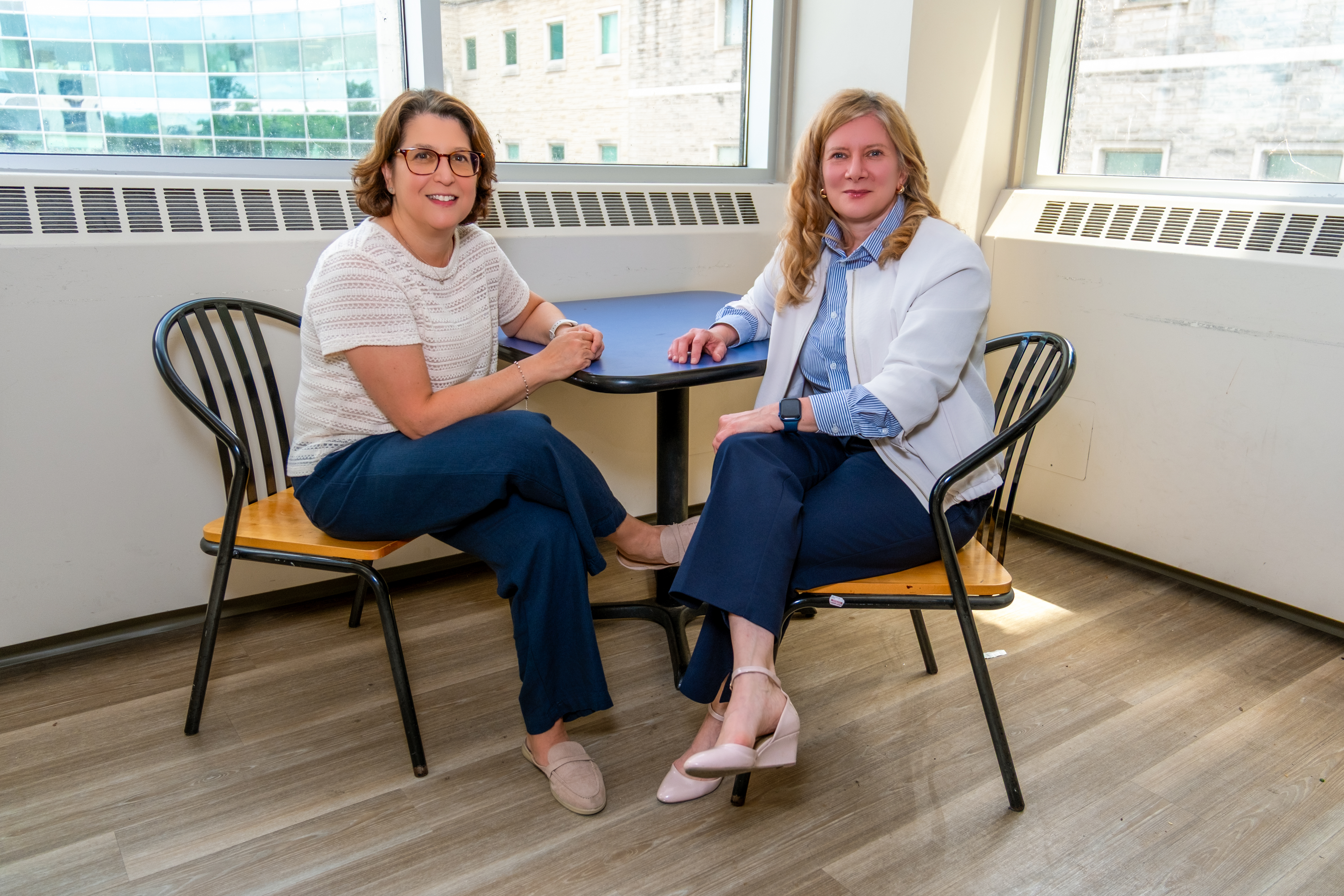
St. Joseph's Health Care London (St. Joseph's) and London Health Sciences Centre (LHSC)’s Peer Support Program brings that evidence to life, one conversation at a time.
"It's really a human-to-human thing," says Dr. Tamara Spaic, endocrinologist and wellbeing lead for St. Joseph's. “It’s about lending a listening ear and saying, yes, I understand what you are going through.”
The Peer Support Program is comprised of physician volunteers who make themselves available for informal colleague-to-colleague conversations. They often act as a first point of contact for wellbeing assistance and connection to available resources.
Dr. Joy Mangel, hematologist and LHSC wellbeing lead, is leading the peer support program efforts, and she and Spaic have spent the past year growing and re-invigorating the program. Together, the two have recruited new volunteers, provided support to current peer supporters, and promoted the work and its many benefits across both organizations.
The true value, Mangel says, lies in the shared experience of physicians. "You're talking to someone who understands what it's like to be in your shoes, to be on call and in clinic, teaching and managing a heavy patient load. You don't have to provide the background - they already get it. It's also about having a place where you can just vent, and a safe space where you can say, ‘I'm struggling.’"
The program initially began as an initiative through Western University’s Schulich School of Medicine and Dentistry to support faculty during the pandemic and has evolved into a hospital-led network of more than 40 volunteer peer supporters spanning every clinical department.
Mangel says potential wellbeing leads are usually identified by their department or division heads. Faculty members who take on this role must have an interest in wellbeing, but do not need to have extensive prior experience. “Wellbeing leads are provided with training in empathetic listening, recognizing crisis situations and knowing when and how to connect a colleague with additional support,” she notes.
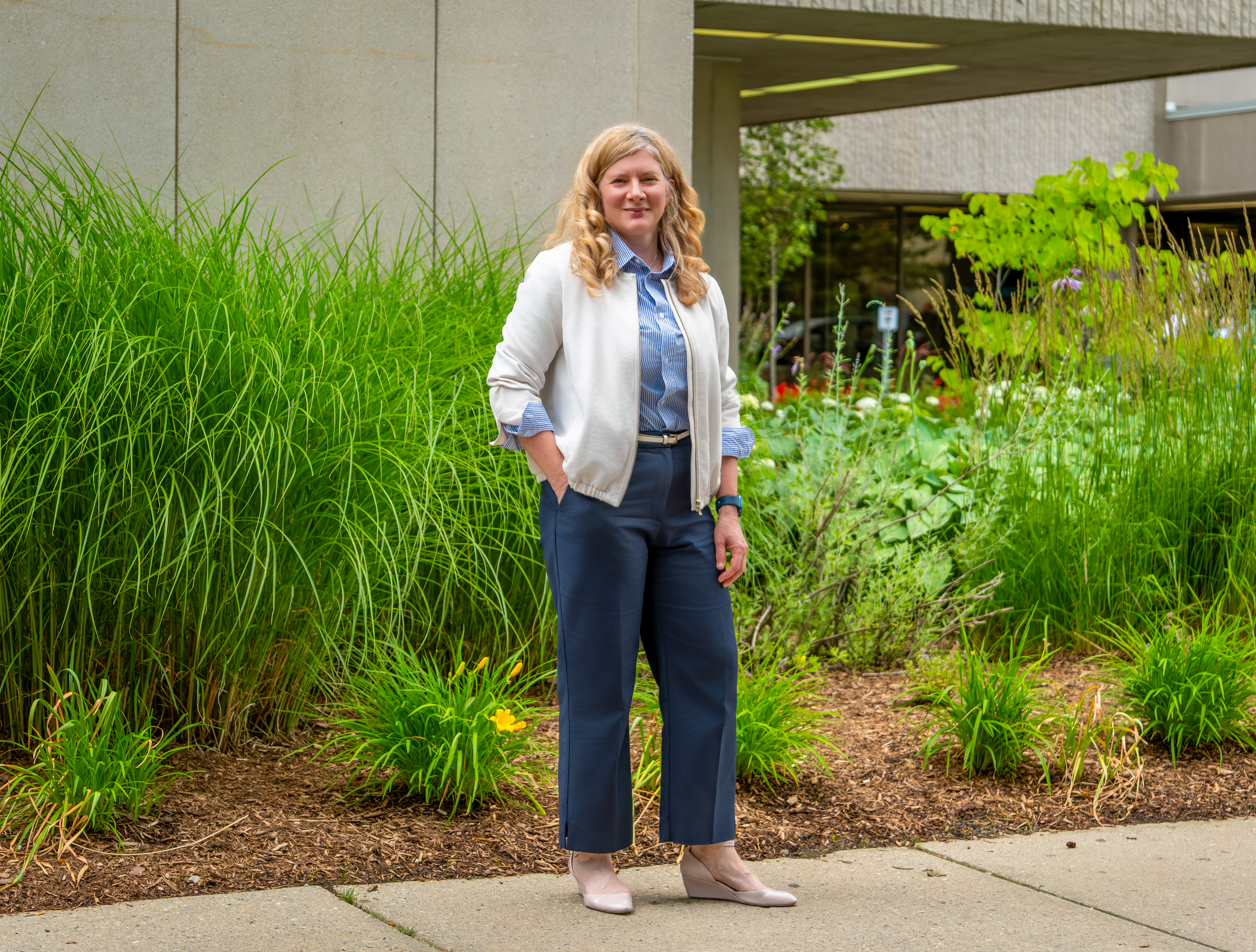
Peer support is just one facet of a more comprehensive physician wellbeing program. When someone is in crisis or peer support isn’t the answer, colleagues are directed to the right place to find support. Spaic and Mangel also collaborate with the wellbeing programs at their respective hospitals and the wellness team at Schulich School of Medicine & Dentistry to ensure alignment with broader wellbeing initiatives.
For Mangel, the role has brought an unexpected sense of renewal. She says the meaningful work has changed how she relates to others in all areas of her life, making her feel more mindful, kind and attuned.
Spaic sees the program as something larger than any one conversation. It's building a structure and community so that no physician falls through the cracks, regardless of whether they have deep roots in the community or are a newcomer with little connections.
It has also caused her to pause and consider her own experience.
"This has kind of turned the tables," she says. "For the first 15 years of my practice, all I wanted to do was look after others. But now I'm starting to realize the value of someone looking out for me."