


Finding a place in the community
Image
Image
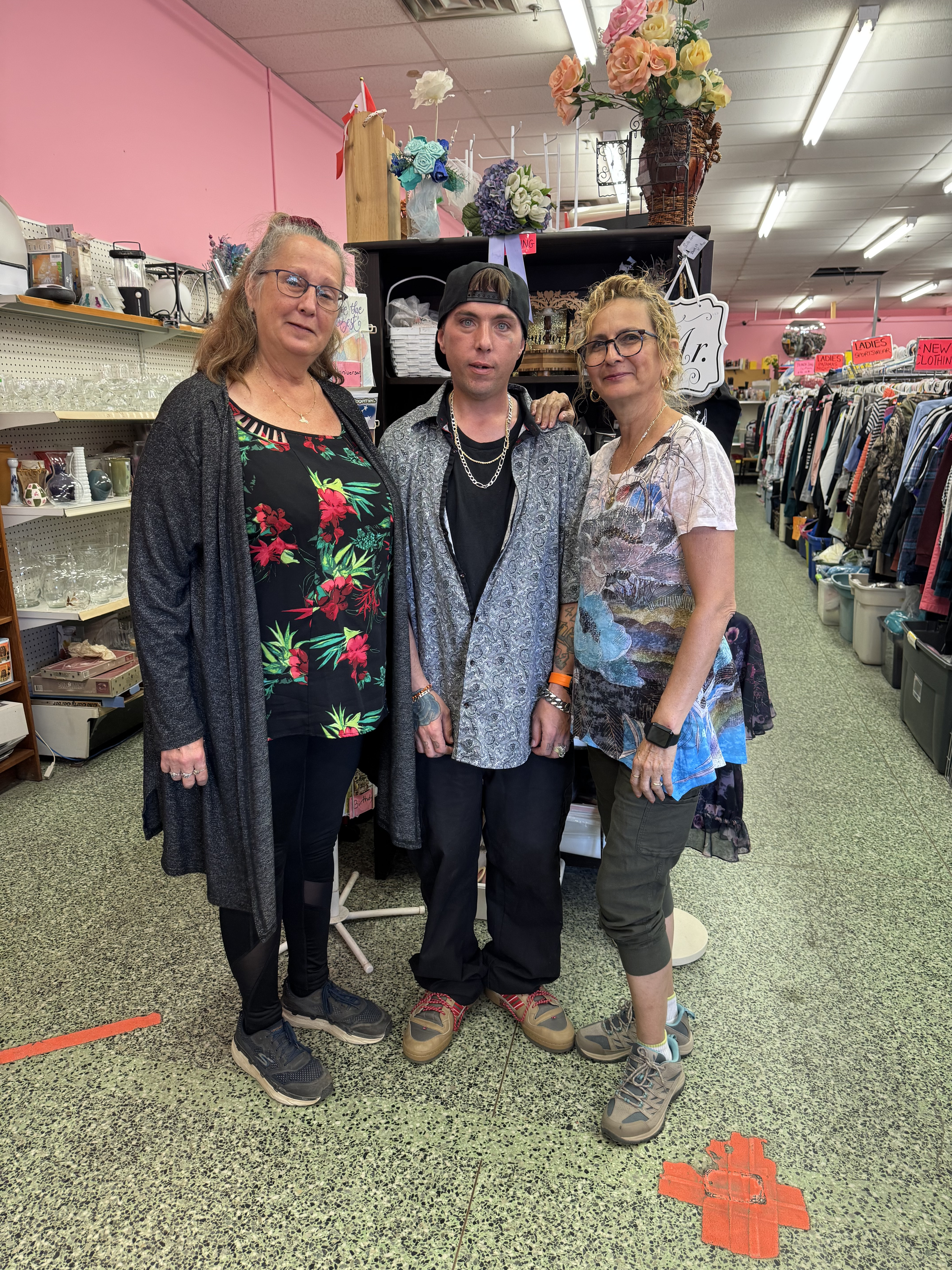
For Jeremy, volunteering at Gisela’s Thrift Shop in St. Thomas became more than a way to gain work experience. It gave him confidence, a sense of belonging and a connection to his community.
Jeremy first started volunteering at the thrift shop as an inpatient of Southwest Centre for Forensic Mental Health Care (Southwest Centre), through a vocational occupational therapy placement. He had the chance to try different jobs around the store, get into a routine and spend time in the community. Before long, he was coming back six days a week.
“It gives me a purpose,” Jeremy says. “It was a second chance. It helps boost my confidence and it’s pretty cool to have these ladies take care of me; they’re like my moms.”
At St. Joseph’s Health Care London’s Southwest Centre, patients receive specialized mental health care with a focus on recovery, rehabilitation and building the skills needed to return to life in the community. For some, that includes working with a vocational occupational therapist or vocational occupational therapy assistant, to explore volunteering, education, training or employment.
For forensic mental health care patients, these opportunities are an important part of rehabilitation and reintegration into the community.
The vocational occupational therapy team at Southwest Centre support patients throughout the placement process; from screening and matching to staff consultation, training, risk management and collaborative planning.
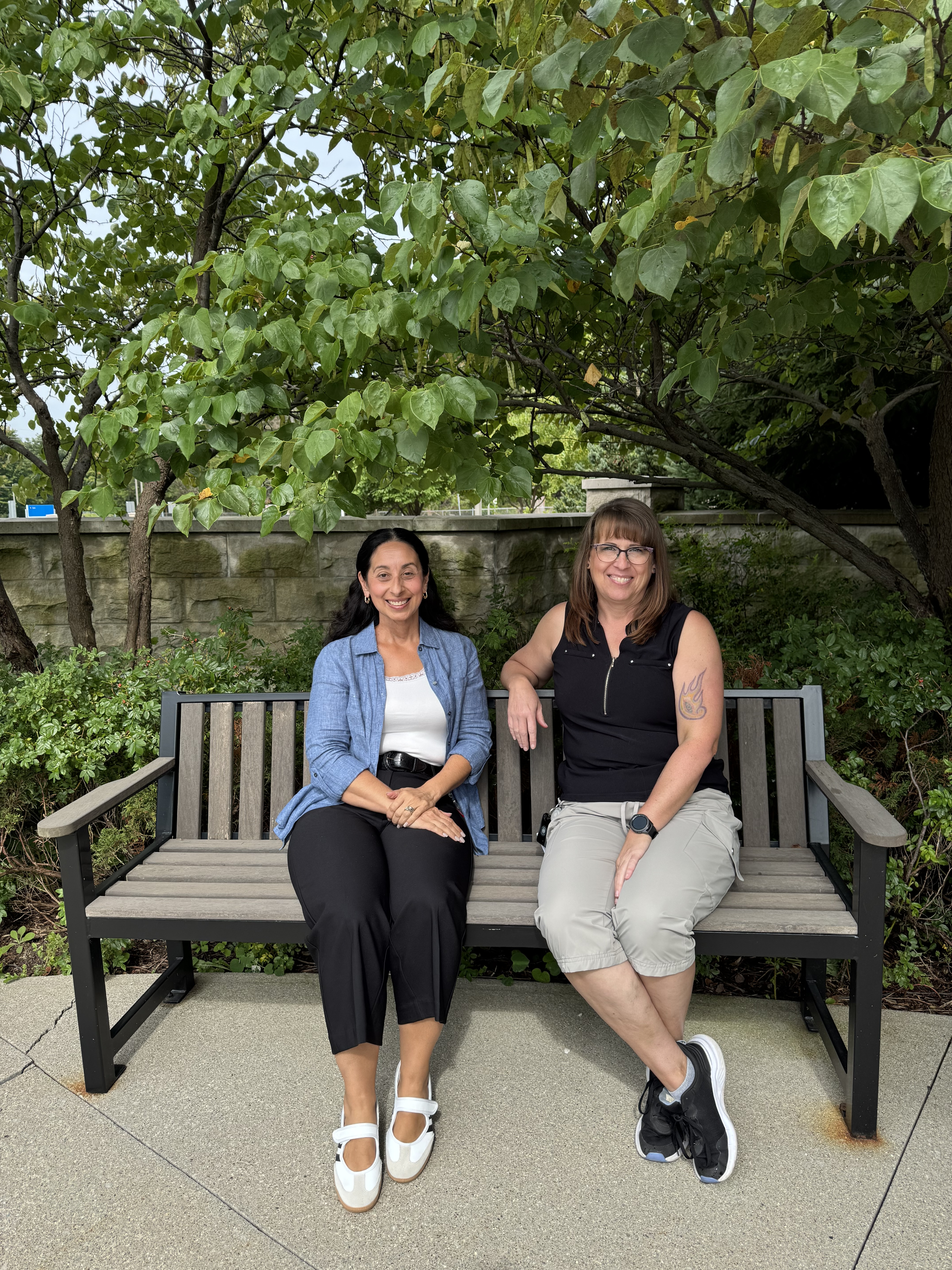
“The goal is to ensure each placement is safe, appropriate and set up for success for both the patient and the community organization,” says Julie Hamden, occupational and physiotherapy assistant at Southwest Centre.
Finding the right opportunity is part of that work. The vocational occupational therapy team at Southwest Centre work with community organizations to understand what they can offer, then match patients with placements that align with their goals, interests and abilities.
At Gisela’s, that means starting small.
When a patient volunteer arrives, staff at the shop take time to get to know them and learn what they might enjoy. Someone interested in books, for example, might start by sorting books and CDs, while someone interested in clothing may begin with pricing and merchandising. Others may start with cleaning or testing products, gradually taking on more responsibilities as they gain confidence and become more comfortable in the store. For Jeremy, the placement became an opportunity to find a routine and become part of the team.
“We try to pair them up with what they like, to keep them interested,” says Gisela Ricardo Arena, owner of Gisela’s Thrift Store. The partnership with Gisela’s began about two years ago, when Southwest Centre staff reached out to ask if the store would be interested in taking on volunteers. For Gisela’s, the decision was an easy yes. It was a fit with the store’s broader mission of supporting others and giving back to the community.
“The whole intention of Gisela’s is to help the public, help the community,” adds Ricardo Arena. “This was a way of reaching out and giving someone a chance.”
For patients, placements provide an opportunity to build on skills they develop as an inpatient and put them into practice in the community.
“These opportunities serve as a critical steppingstone toward greater independence, employment readiness and successful community integration,” adds Hamden. “Gisela’s staff also help patients as they work toward employment by providing references and potential community connections.”
Some participants have gone on to paid employment; others have moved away from St. Thomas – but they all continue to visit the store or stay in touch.
Jeremy has also progressed in his recovery. Today, as an outpatient, he has his own apartment and still chooses to volunteer at Gisela’s. For individuals receiving forensic mental health care, finding opportunities to volunteer or work in the community can be challenging. In addition to navigating mental health challenges, many face additional barriers and may need additional support and structure as they work toward employment.
Stigma can create another barrier. Employers may be hesitant to offer opportunities to people who have experienced mental health challenges or involvement in the justice system. That makes community organizations willing to open their doors especially important.
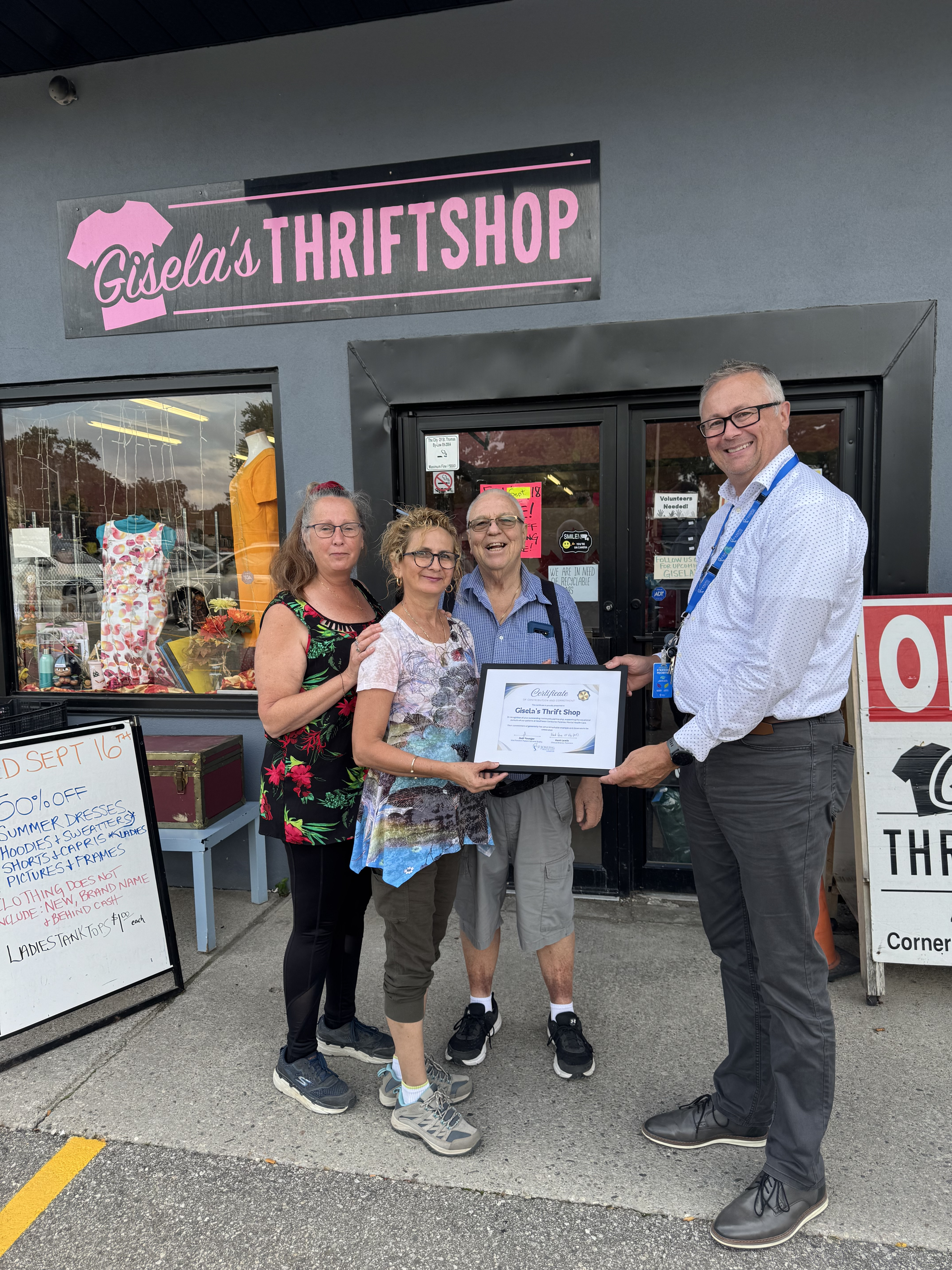
At Gisela’s, they believe in second chances. “They’re respectful and they do the work,” says Ricardo Arena of the patients who volunteer at her shop. “They’re hard workers.”
The partnership between Gisela’s and Southwest Centre was recently recognized when Kent Lewis, Director of Southwest Centre, presented the staff with a certificate of appreciation for their ongoing support of patients and willingness to provide meaningful opportunities in the community.
“We’re incredibly grateful to Gislea’s for opening their doors to our patients and giving them an opportunity to contribute, to feel a sense of purpose and build confidence,” says Lewis. “These experiences make a meaningful difference in an individual’s journey toward recovery and greater independence.”
The vocational occupational therapy team at Southwest Centre know that the impact of community placement extends well past the individual.
“By fostering growth, responsibility and community engagement, Gisela’s directly contributes to rehabilitation outcomes and helps build safer, stronger and more inclusive communities,” says Eliana Caranci, vocational occupational therapist at Southwest Centre. “Their warmth and openness give our clients hope for a future they may not have thought possible.”
Both Hamden and Caranci hope other community organizations will consider creating similar opportunities.
“We would be thrilled to see more community organizations follow the example set by Gisela’s in offering meaningful opportunities to our patients,” adds Caranci. “We are incredibly grateful for everything Gisela’s team has done and continues to do for our patients.”
For Gisela’s, the relationship has been rewarding in both directions.
“We help them just as much as they help us,” says Ricardo Arena. “We’re thankful, very thankful, that Southwest Centre thought of us and gave us the opportunity to help individuals move up in the world.”