


Search
Search
27 Search Results:
2018 Media Releases
$75,000 OTF grant supports innovations in mental health care for transitional-aged youth
November 23, 2018
Media Advisory: Tackling a persistent and “wicked” health challenge in London-Middlesex
November 22, 2018
Cardiac surgery and addictions counselling linked to significantly reduced mortality in injection drug users with heart valve infection, study finds
November 21, 2018
Hospital-based research in London ranked in the top 10 for Canada
November 15, 2018
Oral curcumin shows no benefit in reducing inflammation following vascular surgery
October 29, 2018
New clinical protocol after general surgery cuts opioid prescribing in half
October 24, 2018
High-dose radiation can improve survival in cancer patients once thought incurable, study finds
October 18, 2018
Genetic mutation may increase risk of pancreatic cancer in females
October 4, 2018
Government of Canada takes concrete action to address homelessness in London
September 10, 2018
Media Advisory: PS Vaughan in London, ON, to announce funding for the Lawson Health Research Institute
September 9, 2018
Machine learning could predict medication response in patients with complex mood disorders
August 8, 2018
Blood test can predict optimal treatment for advanced prostate cancer, study finds
July 24, 2018
Youth report improved wellbeing as result of tailored mental health services
July 11, 2018
Synthetic surfactant could ease breathing for patients with lung disease and injury
July 9, 2018
Participants explore equity, diversity and inclusivity in science as part of London Health Research Day
May 7, 2018
Lawson and Western to host free symposium on health through food and microbes
May 3, 2018
Researchers find gut microbiome plays an important role in atherosclerosis
May 2, 2018
How the brain is folded provides researchers with an accurate marker to predict psychosis in high-risk patients
April 25, 2018
Research team develops clinically-validated 3D printed stethoscope
March 14, 2018
Early psychosis programs significantly reduce patient mortality, study finds
March 2, 2018
Media Advisory: New Clinical Research and Chronic Disease Centre to tackle chronic diseases and improve patient care
February 28, 2018
Lawson researchers receive $4.4 million to study personalized medicine at LHSC
February 26, 2018
Study results prove success of project aimed at preventing family homelessness
February 5, 2018
New radiation techniques could improve quality of life for lung cancer patients
January 29, 2018
Family environment influences emotional well-being of children with epilepsy
January 24, 2018
Handover of anesthesia care associated with adverse patient outcomes: study
January 9, 2018
Third clinical trial launched to study whether type 2 diabetes can go into remission
January 3, 2018
2020 Media Releases
Genetic testing could personalize care for patients with Crohn’s disease, particularly women
December 17, 2020
Study identifies biomarkers that could be used in a quick, inexpensive COVID-19 blood screening tool
October 27, 2020
New study to assess pandemic's impact on Canadian Veterans and their spouses
October 15, 2020
New study testing Sudarshan Kriya Yoga breathing technique for improving mental health resilience
September 30, 2020
Gut microbiome may influence how cancer patients respond to oral therapies, study suggests
September 29, 2020
Benchmarking the evaluation process for living kidney donation to improve outcomes
September 24, 2020
New urinary microbiome study could be first step in providing personalized care to patients with ureteral stents
September 22, 2020
Stroke can be the first presenting symptom of younger patients with COVID-19
September 15, 2020
Evaluating virtual symptom tracking for COVID-19 positive patients, new study
September 9, 2020
Examining how the pandemic affects Southwestern Ontario's frontline hospital workers
August 31, 2020
Researchers unravel two mysteries of COVID-19
August 26, 2020
First Contrast Enhanced Spectral Mammography (CESM) guided biopsy in North America
August 24, 2020
Researchers to study inhaled sedatives as solution to COVID-19 drug shortages
August 6, 2020
Study testing benefit of antibodies from people recovered from COVID-19 on severe cases of infection
July 22, 2020
Researchers seek Canadian health care workers for study on moral distress during COVID-19 pandemic
July 21, 2020
Pulmonary surfactant potential treatment for COVID-19-induced respiratory failure
July 7, 2020
Study is first to identify potential therapeutic targets for COVID-19
June 25, 2020
Fecal transplants show promise as treatment for non-alcoholic fatty liver disease
June 9, 2020
Antioxidants in the brain linked to improved treatment results in patients with psychosis
June 4, 2020
Provincial funding enables coronavirus research in London, Ontario
May 26, 2020
Diagnosing COVID-19 using artificial intelligence
May 20, 2020
New device could reduce COVID-19 infection risk and demand for invasive ventilators
May 13, 2020
Canadian team first in world to treat COVID-19 with specialized dialysis
May 7, 2020
Supporting a rapid research response during the pandemic
May 5, 2020
London researchers join global initiative to study loss of smell in COVID-19 patients
April 24, 2020
Expert available to comment on COVID-19 in older adults
April 22, 2020
St. Joseph’s launches Health Crisis Fund to support local COVID-19 research
March 30, 2020
Study to examine inflammatory response in patients with COVID-19
March 27, 2020
London experts will discuss the health effects of vaping at community event
March 9, 2020
Locally developed test found to increase diagnosis of rare hereditary disorders
March 2, 2020
Study validates methods for tracking prevalence and service use of people who experience homelessness
February 18, 2020
Controlled-release opioid may be leading to heart infections in persons who inject drugs
January 22, 2020
Perceptions of confidentiality for Canadian Veterans discussing moral injuries
January 14, 2020
2021 Media Releases
New study will assess fecal transplants in treatment of pancreatic cancer
December 15th, 2021
Global study on heart valve repair surgery will improve patient outcomes around the world
November 16th, 2021
Scientists studying carbon monoxide as possible treatment for sepsis
November 9th, 2021
Study examining moral injury in health care workers is focusing on functional brain changes
October 20, 2021
Biotech Support Group & Lawson Health Research Institute Enter Collaborative Research Agreement to Monitor Protease Inhibitor Function During COVID-19 Infections
September 24, 2021
New form of expanded dialysis improves quality of life, study finds
September 23, 2021
New tool to help multiple sclerosis patients with mental health challenges
July 20, 2021
Research encourages re-evaluation of special nerve treatment for chronic pain
July 8, 2021
A “safety net of relationships” to bridge the gap between hospital and community at discharge
June 23, 2021
Study to examine health impacts of the COVID-19 pandemic for mothers and their new babies
June 16, 2021
Reducing social isolation with new community resource
June 2, 2021
New potential treatment for critically ill COVID-19 patients one step closer to saving lives
May 26, 2021
London researchers team up with Diagnostics Biochem Canada to study COVID-19
May 25, 2021
Getting the data on homelessness
May 19, 2021
Researchers receive over $40,000 to study role of personality and resiliency in Veteran mental heath
May 13, 2021
Children born in Sarnia at higher risk of developing asthma, compared to London and Windsor
May 4, 2021
Simple device improves care after kidney transplantation
April 29, 2021
New research on reducing harm for people who use methamphetamine in hospital
April 23, 2021
Monitoring the effects of COVID-19 quarantine measures on young adults with mood and anxiety disorders
April 15, 2021
COVID-19 shown to leave unique lung fingerprint
March19, 2021
New transportation resource for youth in crisis
March 18, 2021
London scientists clinch $2 million in federal funding to develop better imaging tools for brain disease
March 3, 2021
Pinpointing the role of language disruptions in psychosis
February 18, 2021
Clinical use of EpiSign proven for diagnosing rare heritable disorders
February 17, 2021
Differences in walking patterns could predict type of cognitive decline in older adults
February 16, 2021
Dialysis patients four times more likely to die from COVID-19 infection
February 11, 2021
Smart technology in the home effective for supporting mental health care, study finds
February 10, 2021
Most instructions for inserting COVID-19 nasopharyngeal swabs don't go deep enough, research finds
February 3, 2021
‘Brain training’ may be an effective treatment for post-traumatic stress disorder, clinical trial finds
January 26, 2021
London expands approach to prevent discharge from hospital to homelessness
January 20, 2021
2022 Media Releases
Researchers are combining new technologies to examine blood proteins in COVID-19 patients
Study aims to empower patients with Type 2 diabetes to take control of their health
Largest trial ever done in hemodialysis care examines optimal dialysis temperature
Virtual care associated with significant environmental and patient cost savings
London researchers discover novel method to diagnose long COVID
New study testing whether virtual groups can improve well-being in older adults
Leveraging virtual reality to manage pain in paediatric patients
London researchers adapt MRI technology to image salt within the kidneys
London researchers collaborating on national dementia prevention program
New tool shows promise in helping people manage traumatic brain injuries one pace at a time
Local researchers using artificial intelligence to lead the way in bedside lung imaging
New study aims to improve mental health treatments for stroke patients
Local scientists creates novel test that could easily diagnose repetitive blast injury
April 11, 2022
Study finds high percentage of patients with a severe COVID-19 infection will end up with kidney injury, often fatal
March 15, 2022
Study shows a decline in Veterans’ mental health throughout the pandemic
February 16, 2022
Shocking number of heart attack patients suffer dangerous hemorrhage following lifesaving treatment, study shows
February 10, 2022
Study examines new forms of treatment for those suffering from post-traumatic stress disorder
January 25, 2022
London ranks in top ten of Canada’s research hospitals
January 18, 2022
New study looking at advanced imaging to optimize treatments for prostate cancer patients
January 12, 2022
2023 Media Releases
New study suggests blood plasma proteins hold answers to better understanding long COVID
New study using nuclear medicine and rare isotopes in the fight against cancer
A new study is examining if probiotics can improve outcomes in knee replacement surgeries
Specific type of inflammation may be linked to risk of colorectal cancer
Study aiming to slow cognitive decline in older adults gets $1.5M
Lawson study validates new biopsy method for breast cancer patients|
New study shows technology could play an important role in mental health support
Precise, high-dose radiation safe and effective for inoperable kidney cancer, study suggests
Could online programming reduce barriers for those with mobility impairments?
London researchers working on a proactive approach to inclusiveness in the classroom
New robotic 3D ultrasound may improve accuracy of liver cancer ablation therapy
About Lawson Research
Lawson Research Institute is discovery-driven and patient-focused
Excellent patient care stems from outstanding health research.
At Lawson Research Institute we are revolutionizing health care through discoveries that transform lives and communities.
Contact Lawson Research Work with Us Data Management EDI-B
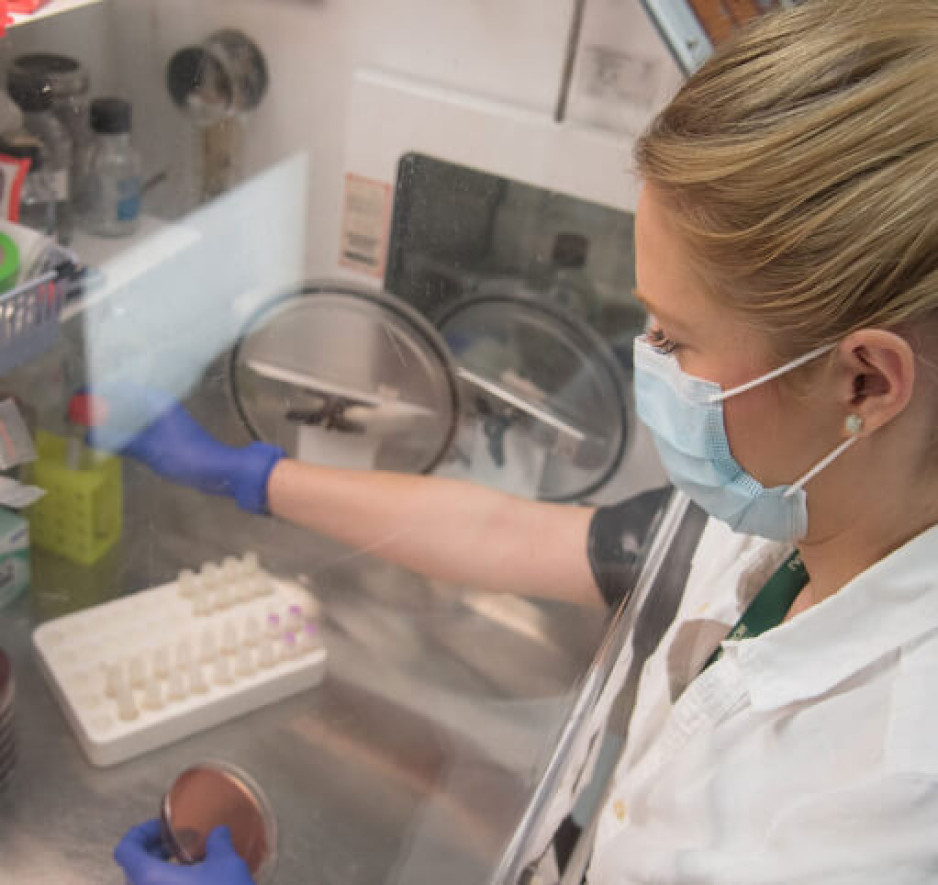
As the research arm of St. Joseph’s Health Care London, Lawson is one of Canada’s premier health research institutes. For more than 40 years, a culture of curiosity and innovation has propelled Lawson to become a renowned leader in research that is making a difference in patient lives here and around the globe:
- We conducted the world’s first non-invasive images measuring blood flow to the brain and were the first research site in Canada with PET/MRI and PET/CT scanners – the latest version now diagnosing complex conditions better and faster than any other in the country.
- We’re international pioneers in the causes and early treatment of dementia.
- Innovators in probiotics for a healthy immune system, diabetes care and surgical interventions.
- Trailblazers in mental health research, and in understanding strokes, brain injury and rehabilitation.
This is Lawson.
We’re driven by the conviction that patient care improves when research includes everyone, everywhere.
That’s why Lawson’s 200 researchers and associate scientists – along with hundreds of other staff members, physicians, students, patients, donors, and academic and funding partners – are laser-focused on embedding research into the work of improving health for all.
Lawson Research Institute leads.
Read more to discover where it can lead you.
Academic Affiliation
Lawson Research Institute of St. Joseph’s Health Care London is proud to be affiliated with Western University. Through shared faculty appointments, collaborative research programs and clinical education, we work together to advance health research and improve patient care. St. Joseph’s plays a key role in training the next generation of health professionals and supporting discoveries that have impact for health care locally and beyond.
Advocacy
Lawson believes that we need to drive discovery while also being strategic in our health research investments, and translate discoveries into practice to create value both for our patients and for our economy.
Lawson partners with both provincial and national advocacy organizations.
CAHO
The Council of Academic Hospitals of Ontario (CAHO) represents Ontario’s 23 research hospitals that play a unique and vital role in the province’s health care system. Collectively, the organization provides advanced patient care services, train the next generation of health care professionals, and conduct leading-edge research to discover tomorrow’s care today. As connectors in the system, CAHO creates capacity and generate a healthier, wealthier, smarter Ontario.
CAHO has four accountabilities of their research hospitals including excellence and innovation in patient care; excellence and innovation in education; research and innovation; and, system role.CAHO advocates on behalf of its members and all of Ontario to achieve strategic objectives and provide for best possible care for patients. Find more about how investment in health research is making Ontario Healthier, Wealthier and Smarter.
- Healthier, Wealthier, Smarter: A Health Research Agenda for Patients, People and Prosperity
- Ontario Research Fund (ORF)
HealthCareCAN
HealthCareCAN is the national voice of healthcare organizations across Canada. It fosters informed and continuous, results oriented discovery and innovation across the continuum of healthcare. The organization acts with others to enhance the health of the people of Canada; to build the capability for high quality care; and, to help ensure value for money in publicly financed, healthcare programs.
Advocating for better health and health care
The increasing complexity of health and healthcare demands an ongoing focus on patients, a recommitment to research and the acceleration of the spread and uptake of research results. The organization is committed to expanding overall research capacity, supporting the spread of innovation and advancing research in support of overall service excellence in health by:
-
Advocating for sufficient funding and favourable policy for the generation and use of research and innovation;
-
Expediting the spread and translation of research and innovation in collaboration with members and partners such as the Canadian Institutes of Health Research; and
-
Advancing national recognition of the leadership, best practice, research excellence and enterprise of members.
Research Canada
Research Canada is a national, broad-based alliance dedicated to advancing health research through collaborative advocacy. The organization engages all sectors – including government – to build support for health research. Research Canada brings greater attention to the critical importance of long-term, sustainable health research funding as an investment in Canada’s future.
Advocacy Program
Research Canada’s Advocacy Program is designed to foster relationships and understanding among Canada’s elected officials and policy makers. Working closely with our members and partners, we strive to build awareness across the federal government and its many departments for the value of Canadian health research as a catalyst to improve health and generate wealth.
- Non-partisan parliamentary Health Research Caucus
- Institute Visit Program
- Initiatives such as the 2015 Election resource “Your Candidates Your Health”
Policy Initiatives
Research Canada is an advocacy organization engaged in influencing the public policy process directly and indirectly. In terms of the latter, the organization undertakes an education program that demonstrates the value proposition of health research through activities such as Public Opinion Polls and the Parliamentary Health Research Caucus.
Research Canada also plays an important role in directly influencing policy through its participation in public policy processes and through the R8 or Research Eight —a group of eight national health organizations dedicated to advancing health research and health innovation through a series of activities focused on creating policy work products and lobbying government directly.
Archive: Lawson Link Magazine
Lawson Link is an annual magazine showcasing the quality and impact of Lawson research, the breadth of areas where we are making a difference in patient care, and the contributions we have made to London’s knowledge economy.
Past Issues of Lawson Link Magazine
Contact Lawson Research Institute
Contact us
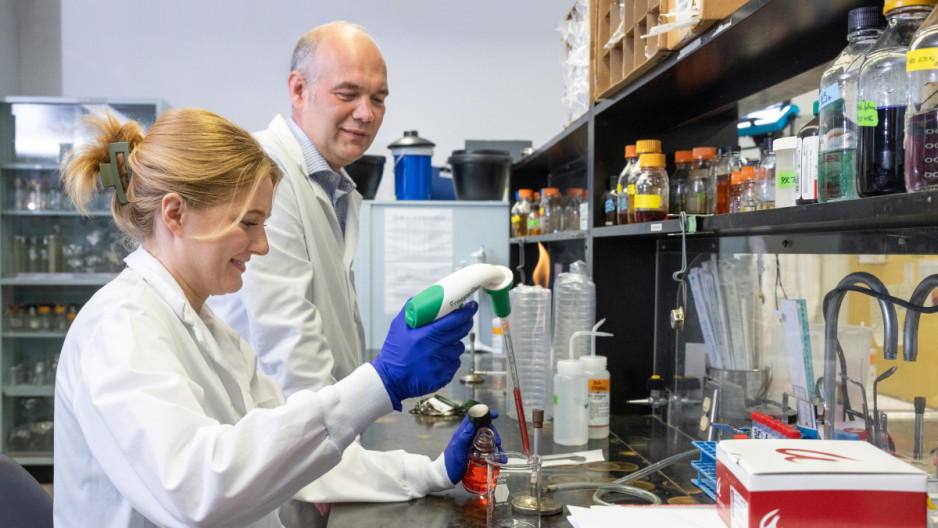
For general information or Lawson-specific questions:
Phone: 519 646-6005
Email: @email
To reach a member of the Lawson/St. Joseph’s Communications team with a story idea or a media-related inquiry, contact:
Communication and Public Affairs
Phone: 519 646-6100 ext. 66034
Fax: 519 646-6215
Email: comdept@sjhc.london.on.ca
If you need to contact a communicator after office hours (Mon to Fri, 8:30 am to 4:30 pm), call Switchboard at 519 646-6100 and ask them to page the communicator on-call.
Directions and parking
The main office of Lawson Research Institute is located within St. Joseph's Hospital. You can find a map to St. Joseph's Hospital along with Parking information below.
Lawson Research Institute inside St. Joseph's Hospital
268 Grosvenor Street
London, Ontario, N6A 4V2
Parking options
For those planning to park at or near St. Joseph’s Hospital, please ensure you leave extra time to do so. Due to the high number of people coming for care at St. Joseph’s Hospital, our two parking garages located on Grosvenor Street and on Cheapside Street are often at capacity Monday to Thursday between 9:30 a.m. and 2 p.m. ‘Lot full’ signs are posted when the parking garage(s) are full. Metered parking is available on the streets around the hospital.
As parking availability isn’t guaranteed at or nearby the hospital, St. Joseph’s encourages patients and family caregivers to consider making alternate travel arrangements when coming to the hospital, such as using public transit, taxi or being dropped off and picked up. Drop off areas are available at Entrance 1 and 2 on Grosvenor Street and Entrance 4 on Cheapside Street.
St. Joseph’s recognizes the frustration the lack of parking availability may cause and apologizes for any inconvenience. Thank you for your patience and understanding while we seek solutions to this issue.
Grosvenor parking garage
Daily rate: Minimum rate of $4 for the first hour and then $2 increments every half hour to a maximum of $8.75 after 2 hours.
Monthly rate: $60.75
There are 989 parking spaces in the Grosvenor Street parking garage.
View a printable map of parking spaces at St. Joseph's Hospital, Grosvenor Street Parking Garage (including accessible spaces).
The parking garage entrance is located on Grosvenor Street, across the street from Grosvenor Entrance 1. The garage is connected to Mount Hope Centre for Long Term Care through the underground tunnel (take elevators at northwest corner of the garage, see below).
Tunnel access at St. Joseph's Hospital
When visiting St. Joseph's Hospital and parking in the parking garage on Grosvenor Street the safest and most accessible route is through the tunnel. You can access the tunnel from the west end of the parking garage (closest to Richmond Street) by taking the elevators or stairs to level "B". When returning to your vehicle from Zone A you will need to push "T" (for tunnel) in the elevator.
Parking pay stations
Parking pay stations are located on the ground floor of both elevator lobbies located at the north-west and north-centre area of garage.
Pay stations only accept coins and credit cards. To purchase a monthly pass visit the Parking Garage office on the Wellington Street side of the Grosvenor Street Parking Garage, ground floor.
For further information, please call the parking office at 519 646-6100 ext. 65113.
Parking office hours are 8 am to 4 pm, Monday to Friday. Outside those hours, calls are directed to Precise ParkLink Inc. at 1-888-783 PARK (7275). The call centre can also be reached by intercom available on the parking pay machines in the garage's elevator lobby.
Accessible parking spaces
Accessible parking is available on each floor of the Grosvenor Street parking garage at the west end of the garage (closest to the Richmond and Grosvenor Street corner.) These parking spots are located close to the elevator that will take you to the wheelchair-accessible ramp on street level (level 1) or the underground tunnel that connects to both Mount Hope Centre for Long Term Care and St. Joseph’s Hospital.
Limited spots for accessible parking is also available on Wellington Street and on Grosvenor Street across from the Urgent Care Centre entrance (Entrance 2).
Cheapside parking garage
There are 132 parking spaces in the Cheapside Street parking garage.
View a printable map to parking spaces at St. Joseph's Hospital, Cheapside Street Parking Garage (including accessible spaces).
This is the closest lot for outpatients with appointments in Zones C and D of the hospital (Medical Imaging, Roth McFarlane Hand and Upper Limb Centre, Hand Therapy, Breast Care Centre, Rheumatology Centre, Physiotherapy Therapy, Occupational Therapy, WSIB Specialty Clinic, Shuttleworth Auditorium).
The entrance to the lot is on Cheapside Street just east of Richmond. It is open from 5:30 am to 5:30 pm, Monday to Friday, and closed on weekends. The elevator in the garage connects directly with the Francis and Madeleine Saul Medical Imaging Centre (Level 0) and the G. A. Huot Surgical Centre (Level 1). For appointments in Zone D, exit the parking garage elevator on Level 0 and walk across the lobby to the west side.
The parking pay station is located by the main elevators next to the gift shop in the Zone C lobby.
Parking meters at St. Joseph's Hospital
There are many city parking meters located within walking distance to St. Joseph's Hospital.
Rates are posted on the meters.
Street parking at St. Joseph's Hospital
Some of the residential streets that are within walking distance to the health centre offer one or two hour parking. Overnight parking is not permitted.
Please be courteous and do not block driveways.
Courteous parking to ensure maximum lot capacity
Please be aware that the City of London enforces parking regulations across all of St. Joseph’s sites to ensure patients, visitors, staff and physicians have adequate parking. All users of our parking facilities are asked to pay attention to parking regulations and how you park your vehicle.
As well, those who park for more than 10 minutes in patient drop-off designated areas, in handicapped parking without a permit, at loading docks, and other restricted areas will also find their vehicles being ticketed.
Thank you for respecting our parking regulations. If you have any parking questions please contact Precise ParkLink Inc.
Email: @email
Phone: 1-888-783 PARK (7275)
Public transit to St. Joseph's Hospital
St. Joseph's Hospital is conveniently located in a central location, with easy access to public transportation. Bus stops are located along Richmond Street and close to the Cheapside Street entrances. Contact the London Transit Commission at 519 451-1347 for rates and times.
The following London Transit bus routes will drop you off near entrances to St. Joseph's, see the London Transit trip planner and route schedules and real time LTC bus route tracking for more information:
- 6 Richmond
- 13 Wellington
- 1 Kipps Lane
- 21 Huron Heights
St. Joseph's is also just a few blocks north of Oxford Street, providing easy access from the Oxford St. bus routes.
For Patients
Research participants are crucial partners in clinical research at HULC. Patients work with our graduate students, surgeons, therapists, engineers and other scientists to conduct clinical research studies that will improve outcomes for people with health problems or injuries affecting their upper limb.
Are you interested in clinical research? There are many opportunities to become involved in clinical research at HULC with studies looking at shoulder, elbow, wrist/hand, nerve and work-related injuries.
Are you already a research participant at HULC? Access information as a current participant, including directions to HULC and contact information.
For Researchers
HULC publishes high-impact clinical research and trains the next generation of clinicians and researchers, to improve management of painful, disabling conditions affecting the arm/hand. Our research leads to new devices, treatments and processes for managing injuries (like fractures and work injuries) or diseases (like arthritis and osteoporosis) that impair the function of the person, their arm and/or hand See links on this page for outputs and summaries of this work, and work in progress. We conduct:
- Measurement of patient outcomes and perspectives
- Clinical trials of new surgery and rehabilitation interventions
- Studies identifying the predictors of health and work outcomes
Learn more about research studies from the HULC clinical research lab:
- Outcome measures
- Tools and Products of Research
- Patient program
- COVID-19 project
- Training Resources
- Open Access Publications
- Lay Summaries
- Past Study Reports
- Media
- Presentations
- Item Perspective Classification framework (IPC) Information Site
Get Involved
Are you interested in contributing to the advancement of patient care through research?
We’re currently recruiting for the following studies:
- Knowledge exchange with injured workers
- Management of complex, work-related disorders
- Gender issues in work disability
- Delineation of clinical methods to assess strength and functional endurance
- Validation of outcome measures
- Validation of outcome measures (self-report and impairment measures)
- Modeling physical, social, environmental contributors to post-fracture disability
For more information on participating in a clinical study, please contact the HULC clinical research lab at 519-646-6100 ext. 64640.
Get Involved
Clinical research participants make medical progress a reality.
Clinical research plays a crucial role in advancing medical knowledge. It is the key to improving health and the quality of care received by Ontarians, Canadians and people worldwide.
Current clinical trials
Visit the following registries to find other current clinical trials being conducted at Lawson Health Research Institute:
- For all types of clinical trials: www.clinicaltrials.gov
- For cancer clinical trials: www.ontariocancertrials.ca
- Clinical Trials Finder by Clinical Trials Ontario: http://trial-finder.ctontario.ca/
Additional resources:
- Health Canada’s clinical trials database
- World Health Organization
- International Standard Registered Clinical/soCialsTudy Number (ISRCTN)
Why should you participate in a clinical research study?
- Contribute to important health research and innovation.
- Help yourself and others by advancing medical knowledge and patient care.
- Access cutting-edge diagnostics and treatments.
- Gain additional support and care from a clinical research team.
Will you help shape the treatments of tomorrow? Watch this video from It Starts With Me to learn more about clinical trials, a type of clinical research:
As it marks its 10-year anniversary, Clinical Trials Ontario recently had Ontario health leaders reflect on the vital role of clinical trials, including Lawson Health Research Institute's Scientific Director David Hill.
And those leaders expressed their thanks to the community, which plays a vital role in advancing health research.
For more information visit our Clinical Research page.
History
Each hospital’s research mission has a rich history. At both hospital organizations, leaders recognized opportunities to leverage in-house experts to conduct research and improve care. However, they also recognized the challenge in supporting these activities without dedicated space and resources.
Through great foresight, our hospitals founded the official research institutes that serve as Lawson's foundation:
- 1983: Supported by Sister Mary Doyle, former Executive Director of St. Joseph's, the Sisters of St. Joseph's establish the hospital's official research institute. LHSC and Upjohn jointly open the Victoria Upjohn Clinical Research Unit at South Street Hospital (formerly Victoria Hospital), focusing on Phase I-III clinical trials.
- 1987: The St. Joseph's research institute is named the Lawson Research Institute (LRI) in honour of London businessman and philanthropist Colonel Tom Lawson and his wife, Miggsie Lawson - close friends of Sister Mary Doyle and major supporters of the research mission.
- 1990: Victoria Hospital takes over the operation of the clinical research unit at South Street, renaming it the Victoria Clinical Trials Centre.
- 1997: The Victoria Clinical Trials Centre is renamed London Health Sciences Centre Research Inc. and becomes a fully incorporated research institute overseeing all hospital-based research within London Health Sciences Centre sites: Victoria Hospital, University Hospital and South Street Hospital.
- 2000: LRI and LHSCRI merge to form a joint venture: Lawson Health Research Institute.
- 2014: Lawson Research Institute (re-)launches as the hospital-based research arm of St. Joseph's with the goal of transforming imagination to innovation to impact; and as LHSCRI is also embedded into LHSC.
Today, partnerships remain strong, allowing researchers to move seamlessly between hospital locations and Western University.
Milestones
Since forming in 2000, Lawson has pioneered breakthroughs across various disciplines of health research and reached several institutional milestones.
- 2019: Lawson led research team is the first in the world to develop a new imaging tool, showed that MRI can be used to measure how the heart uses oxygen.
- 2019: New studies from Lawson and Western University found for the first time that HIV can be transmitted through the sharing of equipment used to prepare drugs before injection and that a simple intervention can destroy the HIV virus, preventing that transmission.
- 2019: In the first genomic analysis of head and neck cancer by smoking status, researchers at Lawson, in collaboration with researchers at the Ontario Institute for Cancer Research and UCLA Cancer Centre, carried out a comprehensive genetic analysis of HPV-negative tumours to better understand the link between smoking and cancer recovery.
- 2019: Lawson scientists develop molecular diagnostic tool to analyze epigenetic patterns, facilitating diagnosis of rare, unknown hereditary disorders. London Health Sciences Centre is the first site in the world to offer this type of testing.
- 2018: Research shows high-dose radiation can improve survival in patients with cancer that has spread to give or less sites. The SABR-COMET study was the first randomized phase II clinical trial of its kind.
- 2018: An international collaborative study between Lawson Health Research Institute, Memorial Sloan Kettering Cancer Center, the Royal Marsden and Epic Sciences is one of the first to demonstrate that a blood test can predict how patients with advanced prostate cancer will respond to specific treatments, leading to improved survival.
- 2018: In collaborative study between Lawson and Stanford University, scientists develop and test a new synthetic surfactant that could lead to improved treatments for lung disease and injury.
- 2018: Scientists use brain MRI to develop first ever method examining young people before they become ill to reliably identify who will develop acute psychosis and who will not.
- 2018: Research team develops clinically-validated, open-source 3D printed stethoscope for areas with limited access to medical supplies.
- 2018: Lawson opens Clinical Research and Chronic Disease Centre (CRCDC) at St. Joseph’s Hospital to tackle chronic disease and improve patient care.
- 2018: Lawson researchers receive $4.4 million to study personalized medicine at LHSC, examining the value of prescribing treatments based on a patient’s genetics.
- 2017: In one of the largest microbiota studies conducted in humans, researchers at Western University, Lawson Health Research Institute and Tianyi Health Science Institute in Zhenjiang, Jiangsu, China have shown a potential link between healthy aging and a healthy gut.
- 2017: Lawson researchers develop transition program to help young adults with type 1 diabetes move from paediatric to adult care.
- 2017: Innovative study brings next-generation genome sequencing to London cancer patients, contributing to province-wide database of genomic and clinical data.
- 2017: Technology developed at Western University and Lawson Health Research Institute can provide a new window into whether or not patients are responding to treatment for advanced ovarian cancer.
- 2017: Dr. Alan Getgood and his team at Western University and Lawson Health Research Institute are the first in Canada to participate in an investigative trial to determine the safety and efficacy of using a patient’s own cartilage cells to repair knee cartilage injuries.
- 2016: Lawson Researchers at Parkwood Institute are the first in Canada to develop clinical practice guidelines for managing neuropathic pain with patients who have experienced a spinal cord injury.
- 2016: Researchers at Lawson are the first in Canada to use a Prostate Specific Membrane Antigen (PSMA) probe in Positron Emissions Tomography (PET) scans to provide improved and highly specific images used for better diagnosis and management of prostate cancer.
- 2015: Lawson scientists, in collaboration with Ceresensa Inc., produce novel PET-transparent MRI head coil, a world first in imaging technology
- 2015: Lawson announces partnership with STEMCELL Technologies for commercialization of tools for Parkinson’s disease research
- 2015: Novare Pharmaceuticals and Lawson announce issuance of a U.S. patent for the composition-of-matter and use of RHAMM-binding peptides with a wide range of potential therapeutic uses. The patent also has claims for the diagnosis and prognosis of cancer, and for prescribing a course of treatment for the diagnosed cancer.
- 2014: Lawson announces licensing agreement with Yabao Pharmaceutical Group in China to develop and test a new life-saving drug to treat sepsis
- 2014: Lawson researchers are part of a Canadian team who have developed a way to produce a key medical isotope, technetium-99m (Tc-99m), using hospital based cyclotrons
- 2013: The Institute for Clinical Evaluative Sciences (ICES) Western opens at Lawson
- 2012: Lawson installs Canada's first PET/MRI at St. Joseph's Hospital
- 2011: Lindros Legacy Research Building officially opens at University Hospital
- 2010: Lawson opens the Cyclotron and PET Radiochemistry facility at St. Joseph's Hospital
- 2009: Lawson receives a record $7 million donation to support the Canadian Research & Development Centre for Probiotics
- 2008: Lawson establishes an experimental anti-thrombolitic clinic to calculate personalized dosage of drugs based on a patient's genetics
- 2007: The first totally endoscopic closed-chest robotic coronary artery bypass surgery on a patient's beating heart is performed at University Hospital
- 2006: Lawson opens the Aging, Rehabilitation & Geriatric Care Research Centre, the first centre of its kind in Canada, at Parkwood Institute
- 2005: Lawson creates the first Ontario Cardiac Rehabilitation Registry
- 2004: Lawson scientists release a three-year study on the effects of the Walkerton water disaster
- 2003: Lawson opens the Victoria Research Laboratories at Victoria Hospital, the first collaboration of its kind in Canada bringing together research from cancer, children's health and vascular biology
- 2002: Lawson installs the first Positron Emission Tomography and Computer Tomography (PET/CT) scanner in Canada at St. Joseph's Hospital
- 2001: St. Joseph's is one of five sites in the world piloting the Diabetes Electronic Management Systems
Institute Team
Administration
Research Administration: responsible for the Lawson Approval process, delivery of Lawson’s Quality Assurance and Education program for clinical research, contract negotiation and approval for research, including industry-sponsored and investigator-initiated contracts, and fee-for-service support through Lawson Clinical Research Services.
Finance: responsible for the ongoing management of all research grants and contracts awarded to Lawson researchers; works closely with researchers, administrative staff, and funding sponsors to ensure adherence to funding guidelines and policies; manages the post-award functions for all research grants and contracts at the institute, including financial reporting, financial analysis and forecasting, cash flow and expenditure monitoring, compliance oversight, audit facilitation, and communicating with funding sponsors.
Research Human Resources: responsible for providing human resource services for Lawson researchers and staff, including acting as liaison between hospital Human Resources (HR) departments and Western faculties; the health and safety component facilitates standardizing safety processes and ensuring relevant legislation and safety standards are being met.
Research Operations & Technical Services: responsible for organizing the operations of Lawson’s vivarium/animal care facilities and services, as well as coordinating laboratory space, renovations, equipment and maintenance aspects of Lawson.
Research Informatics: responsible for supporting clinical researchers who have software development and database requirements by providing robust infrastructure to support their research activities, on a safe, secure IT platform to ensure patient confidentiality for clinical activities; and providing assistance with application development, data collection, data extraction, archiving, collaboration, analysis and reporting.
Strategic Planning and Development
Communications & External Relations: responsible for building and managing the Lawson brand and reputation, including public relations, media relations, marketing, special events, web presence and social media, advocacy, strategic planning and issues management.
Grant Development: responsible for facilitating the full spectrum of research grant submissions, including grant coordination for large government grant applications; development of grantsmanship; dissemination of new information pertaining to research and training grants opportunities; and, institution submissions and sign-off processes for CIHR, CFI, ORF, etc.
Business Development: responsible for providing services to Lawson investigators to facilitate the transfer of medical research from the laboratory to commercial use, including assisting with patenting new discoveries and finding commercial partners for collaborative research and licensing. Expertise is offered in the areas of intellectual property protection, marketing, licensing agreements and formation of start-up companies. Commercialization opportunities at Lawson are managed through WORLDiscoveries®, the business development arm of London’s extensive research network and the bridge between local invention and global industry.
Research Infrastructure: responsible for the development and implementation of a research master plan for all Lawson sites, including identifying potential research space solutions to meet the evolving needs of researchers, and working with the Facilities Planning departments at both hospitals to operationalize research space plans.
Institutional Research Data Management Strategy
Table of Contents
3 Research Data and Importance of Research Data Management. 2
6.1 Awareness-Raising Activities. 4
6.3 Promote and Support RDM Practices. 5
6.4 Access to RDM Tools, Resources, and Infrastructure. 5
6.4.1 Information Technology (IT) Infrastructure. 5
9 Indigenous Data Considerations. 8
10 Other Relevant Strategies and Policies. 9
10.1 London Health Sciences Centre Corporate Policies and Procedures. 9
10.2 St. Joseph’s Health Care London Policies and Procedures. 10
10.3 External Strategies/Policies. 10
11 Acronyms & Abbreviations. 12
Introduction
The federal research funding agencies (Tri-Agency: Canadian Institutes of Health Research (CIHR), Natural Sciences and Engineering Research Council of Canada (NSERC), Social Sciences and Humanities Research Council (SSHRC)) released a Research Data Management Policy in March 2021. They have set a deadline for March 1, 2023, for each postsecondary institution and research hospital eligible to administer CIHR, NSERC, or SSHRC funds to develop an institutional strategy for Research Data Management (RDM), and notify the agencies when it has been completed. Additionally, for specific funding opportunities, the agencies require data management plans (DMPs) to be submitted to the appropriate agency at the time of application. Furthermore, grant recipients are required to deposit into a digital repository all digital research data, metadata, and code that directly support the research conclusions in journal publications and pre-prints that arise from agency-supported research.
Lawson Research Institute is the research arm of St. Joseph’s Health Care London. Lawson recognizes the impact of funding on research, the RDM requirements and obligations implemented by funding agencies, and the importance of research data management. Lawson is fully engaged in developing and implementing the Institutional RDM Strategy.
The Tri-agency is committed to funding research that is conducted to the highest professional and disciplinary standards, is performed ethically, makes effective use of public funds, is verifiable and replicable, and that makes results as accessible as possible. The agencies support the FAIR (Findable, Accessible, Interoperable, and Reusable) guiding principles and accordingly advocate an increased ability for research data to be archived, found, and responsibly reused to fuel discoveries and innovation across multiple disciplines and geographical borders. Research data management is, therefore, a necessary component of achieving research excellence.
Research data is the data used as evidence to support and validate research findings or results and used as input for analysis. Research data is derived from source data. This can include information extracted from original sources such as clinical systems, experiments, simulations, etc. It is to be noted that any data containing identifiable personal information must remain private and confidential.
Research Data Management is the organization and maintenance of research data throughout the entire research project lifecycle. This includes setting up protocols before initiating data collection, and then collecting, tracking, and creating backups of the data during study execution, and eventually, data sharing, archiving, and publishing upon project completion. This is not a new concept. In fact, Lawson researchers have been employing these processes and procedures and performing RDM in varying capacities. However, with the new policy requirements, obligations for regulatory compliance, concerns for privacy and security, initiatives for data sharing and reproducibility, a push for the FAIR principles, the open science movement, and a need to elevate the availability of Canadian data on the world stage, it is imperative for Lawson to implement and support RDM best practices and procedures.
The Lawson institutional RDM strategy is a concise and directive document that outlines how Lawson will increase its capacity to support and foster a culture of effective research data management. This institutional strategy is a collaboration between internal and external key stakeholders. It will support Lawson researchers in managing their data throughout the research lifecycle using appropriate data stewardship and data management practices.
This strategy applies to all research data generated and collected by Lawson researchers, research trainees, and research staff, whether the research was funded by the Tri-agency or other funders, or self-funded.
This strategy does not propose the creation of new or amendment of existing hospital policies.
The RDM Advisory Committee supports establishing and implementing the overall institutional strategy. Drafting of the institutional RDM strategy is being led by the RDM Project Team, comprising Research Informatics, Grants Development, Quality Assurance, and Research Administration team members through Lawson and (jointly with London Health Sciences Centre Research Institute) through a shared Office of Research Services
The RDM Advisory Committee, comprising key institutional stakeholders, acts as a resource to the RDM Project Team on the planning, implementation, and ongoing evaluation of the strategy. These stakeholders include Lawson’s Chief Operating Officer, representatives from the hospital Privacy Offices, Information Technology Services, LHSC Data Governance, Research Ethics Boards, Western Libraries, Lawson Approvals, Grants Development, Quality Assurance, Research Directors, research teams, and research trainees. The RDM Project Team consults with other stakeholders and community partners as needed to support the RDM rights of all stakeholders involved in research.
The Advisory Committee further understands that as the research landscape advances, the RDM requirements and obligations implemented by Tri-agency and other funders may change; as RDM progress is made as outlined in this strategy, the resources and priorities will also change, necessitating re-evaluation of RDM maturity and revision of this RDM strategy. Hence, the strategy will be considered a living document that will be reviewed on an annual basis by the Advisory Committee.
Lawson aims to meet RDM requirements and implement RDM best practices and processes to fully support its researchers and research communities. Through the implementation of the institutional RDM strategy, Lawson will provide sustainable support and solutions by documenting existing support and processes, formalizing responsibilities, and expressing and promoting RDM best practices. Lawson aims to support researchers in establishing and implementing data management practices consistent with ethical, legal, and commercial obligations.
6.1 Awareness-Raising Activities
The Lawson research community was engaged through various means to raise awareness about the Tri-Agency RDM policy requirements and RDM.
Data champions were recruited from different departments to help promote the value of RDM and engage with various communities.
The research community was invited to participate in an anonymous survey to understand the current state of Lawson in developing and allocating human, organizational, infrastructure, and financial resources for Research Data Management within the Lawson research community.
The RDM Maturity Assessment, based on Maturity Assessment Model in Canada (MAMIC), was conducted to take stock of the current services and identify areas for future growth and development. It helped to capture the perceptions of the current RDM service offerings.
Lawson also established an internal RDM website to provide information about research data management, Tri-Agency RDM Policy requirements, data management plans, institutional RDM strategy, frequently asked questions, and resources. This website provides up-to-date information and keeps the research community informed.
The RDM Project team hosted webinars on research data management, data management plan templates, and DMP Assistant.
The objective is to assist the broader research community in understanding the institution’s current and planned RDM capacity, challenges, and needs. Therefore, to facilitate an ongoing dialogue and collaboration on the advancement of RDM on a national level, Lawson has created web pages dedicated to RDM on an external-facing website.
Lawson has research data management expertise and skills within different departments. However, a centralized and integrated approach to support RDM is required. Infrastructure support for large data sets can also generate some human resources issues. New research data management approaches also require the upkeep of skills, techniques, processes, and solutions. Accordingly, appropriate knowledge and skill development will be needed for the team to support RDM.
6.3 Promote and Support RDM Practices
Lawson will continue to support researchers and their staff by encouraging a data management culture and an environment that promotes and facilitates research data management. Lawson’s Research Informatics and Grants Development teams will provide Data Management Plans and data deposit consultation services.
6.4 Access to RDM Tools, Resources, and Infrastructure
6.4.1 Information Technology (IT) Infrastructure
Lawson’s IT infrastructure is managed and supported by the hospitals’ Information Technology Services (ITS) department.
ITS provides access to OneDrive, Teams, SharePoint, Webex, Office 365, MS Project, and many more solutions and platforms available for research purposes.
All systems available to Lawson researchers through ITS are backed up on a nightly and monthly basis. Backups on tapes are also stored at an off-site location for disaster recovery.
Lawson-supported servers are hosted at the secure ITS data centre. These servers are configured and secured as per hospital guidelines.
Various safeguards have been implemented and documented to prevent, detect, and mitigate the effects of computer viruses, worms, or other potentially harmful software code on study data and software.
The virtual servers hosted at the hospitals’ data centre employ vMotion. It allows IT to move running virtual machines from one physical server to another without impacting end-users. vMotion keeps the IT environment up and running, providing unprecedented flexibility and availability. It also decreases downtime and improves reliability by supporting business continuity and disaster recovery procedures.
Lawson researchers have access to many support services through different departments.
The RDM Project team hosts workshops related to RDM and DMPs.
The Research Informatics team hosts workshops to build capacity in researchers to accelerate the build of high-quality data capture projects.
Quality Assurance and Education Program hosts ‘Lunch ‘n Learn’ sessions related to policies and regulations, and educates researchers and staff on compliance requirements and best practices.
ITS has partnered with Microsoft and peer Ontario hospitals to develop Live Virtual Training sessions to allow learning at an individual pace.
Several tools are available to Lawson researchers to support their RDM requirements.
REDCap is a Research Electronic Data Capture web-based tool for creating and managing online database applications and surveys. Hosted at the hospitals’ data centre, Lawson Research Informatics administrates this secure platform to meet the diverse research needs of the Lawson community.
Lawson supports its researchers by providing robust infrastructure to support their research activities on a safe, secure IT platform to ensure patient confidentiality for clinical activities; and by providing hosting for customized web applications for research studies. Lawson manages several research applications on Windows and Linux servers, securely hosted at the London hospitals’ data centre.
File Safe and M365 are the recommended tools available to Lawson researchers to securely transfer files, large and small, including confidential or patient-identifiable information, instead of using email attachments.
DMP Assistant is a national, online, bilingual data management planning tool to assist researchers in preparing data management plans (DMPs). Lawson researchers and their team members can create an account on this platform. They can select ‘Lawson Health Research Institute’ as their organization to develop their discipline or study-specific Data Management Plan through a series of critical data management questions supported by best-practice guidance and examples.
Lawson researchers also have access to the Lawson DMP Template that guides them through all the elements of a data management plan and provides example answers to several questions.
Canadian Repository Options
Borealis, a publicly accessible, secure Canadian data repository system managed by Western Libraries, allows for data to be released and shared openly or privately with precision at the file level using Dataverse software. This is available to Lawson researchers who are faculty members at Western University.
Lawson researchers can utilize the national Federated Research Data Repository (FRDR) platform to deposit data or to search for and download data across Canadian repositories. This platform can efficiently ingest datasets of any size, and preservation processing is done automatically. Research data can be ingested, curated, preserved, discovered, cited, and shared from this single platform.
International Repository Options
The Directory of Open Access Repositories (OpenDOAR) provides a quality-assured list of open-access repositories worldwide. OpenDOAR staff harvest and assign metadata to allow categorization and analysis to assist the wider use and exploitation of repositories. OpenDOAR is based at the University of Nottingham.
Re3data.org is a global registry of research data repositories that covers research data repositories from different academic disciplines. It includes repositories for the permanent storage and access of data sets to researchers, funding bodies, publishers, and scholarly institutions. Re3data.org promotes a culture of sharing, increased access, and better visibility of research data.
Several key stakeholders were identified internally and externally from the organization. The RDM Advisory Committee was formed in March 2022 to include relevant stakeholders who are directly impacted by the implementation of the Institutional Strategy. This committee included stakeholders from Executive Administration, Research Informatics, Grants Development, and representatives from London Health Sciences Centre and St. Joseph’s Privacy Offices, Information Technology Services, LHSC Data Governance, Western University’s Health Sciences Research Ethics Board, Western Libraries, Lawson Approvals, Quality Assurance, Research Directors, Research teams, and a Postdoctoral Fellow. The Advisory Committee meets monthly to help raise awareness, assess institutional readiness, and serve as a communication medium. Appropriate delivery mechanisms for outreach were implemented to engage the Lawson research community. The input and feedback from the research community were solicited through surveys, webinars, online RDM sites, email, ad hoc meetings, etc.
Perceiving the significance of collaboration with external stakeholders and community partners, the RDM Project Team has been reaching out to Indigenous Cancer Care Unit Clinical Institutes & Quality Programs and the Office of Inclusion & Social Accountability (Indigenous Health) at LHSC, and the Knowledge Exchange, Impact & EDI-D in Research office and Indigenous Health Lab at Western University for finding a common intersection of work and continued consultation and consideration concerning RDM training and processes.
Lawson Research Institute supports researchers in adopting and complying with ethical, legal, and commercial obligations through various means. Research oversight and compliance are overseen by Western University’s Health Sciences Research Ethics Board (HSREB), Clinical Trials Ontario (CTO), and Ontario Cancer Research Ethics Board (OCREB). They also oversee the ethical conduct of research studies involving human participants. Additionally, the Tri-Agency’s Tri-Council Policy Statement: Ethical Conduct Involving Humans – TCPS2 (2018) provides guidance to researchers conducting research involving human participants.
Lawson’s Quality Assurance and Education Program (QAEP), which is a part of Lawson’s Quality Management System (QMS), facilitates research compliance across the organization through Standard Operating Procedures, Guidance Documents, Lunch and Learns, Clinical Research Training, Quality Assurance Reviews as well as providing research support to Investigators, research teams and other stakeholders on the regulations, policies and best practices governing clinical research.
Research compliance with legal and commercial obligations falls under the Lawson Research Approval Systems (Contracts) and WORLDiscoveries, a joint business development arm for Lawson, Western University, and Robarts Research Institute. Lawson’s Contracts team is responsible for drafting, reviewing, negotiating, and coordinating all contracts for research under Lawson’s auspices.
Lawson intends to support researchers involved with Indigenous research and ensure that Tri-Agency RDM policy requirements are addressed. We recognize that there are many Indigenous communities, peoples, cultures, languages, and protocols and therefore no singular approach can be applied. We also acknowledge the validity of Indigenous epistemologies and ontologies.
Lawson recognizes, supports, and respects Indigenous data sovereignty and their right to own, control, access, possess, and protect the information collected from these communities, based on free, prior, and informed consent. We are committed to respect and adhere to nation and community specific protocols by following research data management principles developed and approved by these communities, collectives and organizations such as the First Nations Information Governance Centre’s OCAP (Ownership, Control, Access, Possession) principles, the Inuit Tapiriit Kanatami National Inuit Strategy on Research, and Global Indigenous Data Alliance’s CARE principles. These govern data collection, ownership, protection, use and sharing to encourage inclusive development and innovation, and equitable outcomes. Lawson will ensure that the DMPs are co-developed with these communities, collectives, and organizations, in line with RDM principles and DMP formats that they accept. We acknowledge that they have the right to repatriate the data and this could result in exceptions to the data deposit requirement.
Lawson researchers are also guided through TCPS 2 (2018) – Chapter 9: Research Involving the First Nations, Inuit and Métis Peoples of Canada to ensure that research involving Indigenous peoples is postulated on respectful relationships that encourage collaboration and engagement between researchers and participants. It is a policy that serves as a framework for the ethical conduct of research involving Indigenous peoples in Canada.
It is our institutional responsibility to build capacity for doing this work in an effective way. Lawson is working with the Indigenous Cancer Care Unit Clinical Institutes & Quality Programs and the Office of Inclusion & Social Accountability (Indigenous Health) at LHSC. Lawson is also collaborating with the Office of Equity, Diversity, and Inclusion (EDI) and the Indigenous Health Lab at Western University.
Lawson aims to strengthen Indigenous research capacity by facilitating and promoting equitable access and support for Indigenous students and researchers. Lawson Scientists usually have Western faculty appointments and/or have employment as clinicians with St. Joseph’s. Lawson supports Indigenous researchers with these affiliations and encourages non-Indigenous researchers to co-develop new models for Indigenous research and research training with Indigenous communities. This may include co-developing research questions, agendas, respectful relations, and impactful solutions built on trust, respect, and mutual interests. Indigenous researchers and leadership will help non-Indigenous researchers understand Indigenous perspectives, needs, concerns and aspirations for Indigenous research. Indigenous researchers can help foster positive collaboration with Indigenous partners, collect organic responses from Indigenous participants and provide an Indigenous research lens on the collected information and analyzed data.
These efforts will help us create research data management guidelines for our researchers involved in Indigenous research, assuring the best practices reflect the Four R’s - Respect, Relevance, Reciprocity, and Responsibility.
Lawson Research Institute is governed by St. Joseph’s policies, processes, and procedures that are relevant to various aspects of RDM.
The Lawson RDM Strategy is also intended to align with external requirements and guidance, including provincial, federal, and international laws.
The pertinent policies and documents that were reviewed are listed below.
10.1 London Health Sciences Centre Corporate Policies and Procedures
Acceptable Use of Information Technology Resources |
Breach of Privacy |
Privacy |
Confidentiality |
Electronic Mail (Email) Use |
Acceptable Use of Information Technology Resources |
Records Retention and Disposition |
Remote Access to Computer Network Resources |
Security of Confidential Information and Information Technology Systems |
Use of Cellular Phones and Other Wireless Devices |
Use of Personal Health Information for Research, Education, and Quality Improvement |
Invention - Lawson |
Lawson Approval for Clinical Research |
10.2 St. Joseph’s Health Care London Policies and Procedures
Acceptable Use of Information Technology Resources |
Access and Disclosure of Personal Health Information |
Breach of Patient Privacy |
Clinical Trials Involving Investigational Drugs |
Confidentiality |
Disclosure of Patient Information, Samples, and/or Belongings to Law Enforcement Agents |
Electronic Mail (Email) Use |
Freedom of Information and Protection of Privacy Act (FIPPA) |
Health Record Management |
Interpretation and Translation Services |
Patient Requests to Restrict the Use and Disclosure of Personal Health Information |
Privacy |
Records Retention and Destruction |
Remote Access to Computer Network Resources |
Security of Confidential Information and Information Technology Systems |
Use of Personal Health Information for Research, Education, and Quality Assurance |
10.3 External Strategies/Policies
Acronym/Term | Definition |
CARE | Collective Benefit, Authority to Control, Responsibility, and Ethics |
CIHR | Canadian Institutes of Health Research |
DMP | Data Management Plan |
EDI | Equity, Diversity, and Inclusion |
FAIR | Findable, Accessible, Interoperable, and Reusable |
HSREB | Health Sciences Research Ethics Board |
ITS | Information Technology Services |
Lawson | Lawson Research Institute of St. Joseph's Health Care London |
LHSC and LHSCRI | London Health Sciences Centre and its research arm, London Health Sciences Centre Research Institute |
MAMIC | Maturity Assessment Model in Canada |
NSERC | Natural Sciences and Engineering Research Council of Canada |
OCAP | Ownership, Control, Access, and Possession |
OCREB | Ontario Cancer Research Ethics Board |
QAEP | Quality Assurance and Education Program |
QMS | Quality Management System |
RDM | Research Data Management |
SSHRC | Social Sciences and Humanities Research Council |
St. Joseph’s | St. Joseph’s Health Care London |
Tri-Agency | CIHR, NSERC, SSHRC |
WORLDiscoveries | WORLDiscoveries is the commercialization arm of Western University, Robarts, and Lawson and represents our commitment to protecting and transferring technologies developed by our partners to market. |
The definitions below are as per the Tri-Agency Research Data Management Policy, Frequently Asked Questions, and Social Sciences and Humanities Research Council Definition of Terms, 2021, Government of Canada.
Data Deposit
“Data deposit” refers to when the research data collected as part of a research project is transferred to a research data repository. The repository should have easily accessible policies describing deposit and user licenses, access control, preservation procedures, storage and backup practices, and sustainability and succession plans. The deposit of research data into appropriate repositories supports ongoing data-retention and, where appropriate, access to the data.
Data Management Plan
A data management plan (DMP) is a living document, typically associated with an individual research project or program that consists of the practices, processes, and strategies that pertain to a set of specified topics related to data management and curation. DMPs should be modified throughout a research project to reflect changes in project design, methods, or other considerations.
Indigenous Research
Research in any field or discipline that is conducted by, grounded in or engaged with First Nations, Inuit, Métis or other Indigenous nations, communities, societies or individuals, and their wisdom, cultures, experiences or knowledge systems, as expressed in their dynamic forms, past and present. Indigenous research can embrace the intellectual, physical, emotional and/or spiritual dimensions of knowledge in creative and interconnected relationships with people, places and the natural environment.
Metadata
“Metadata” are data about data—data that define and describe the characteristics of other data. Accurate and relevant metadata are essential for making research data findable. A principle to help determine what information should be included in metadata is the open archival information system model criterion that the information be “independently understandable.”
Research Data
Research data are data that are used as primary sources to support technical or scientific enquiry, research, scholarship, or creative practice, and that are used as evidence in the research process and/or are commonly accepted in the research community as necessary to validate research findings and results. Research data may be experimental data, observational data, operational data, third party data, public sector data, monitoring data, processed data, or repurposed data. What is considered relevant research data is often highly contextual, and determining what counts as such should be guided by disciplinary norms.
Research Data Management
Research data management (RDM) refers to the processes applied through the lifecycle of a research project to guide the collection, documentation, storage, sharing, and preservation of research data.
The Lawson Research Data Management Strategy is a living document that will be reviewed and shared on an annual basis. It will be revised and updated as the institutional and researchers’ research data management requirements, practices, and understanding advance.
In the coming years, Lawson will:
evaluate the changes in policy requirements,
assess evolving institutional RDM training needs
gauge availability of the supporting resources
ensure compliance with the RDM policies and requirements by funders, publishers, and legislative bodies
evaluate technological infrastructure and meet expanding storage requirements – this may include assessment of access on platforms like Borealis for Lawson researchers who are not Western faculty members
facilitate capacity-building events for RDM and DMP development
provide training and educational services and support
examine DMP evaluation criteria and guidelines
consider requirements for data deposit certifications
adjudge implications on the involved stakeholders
consult with community stakeholders to confirm Indigenous data sovereignty considerations
It has been clear that implementation of the institutional RDM strategy requires collaboration on a broader scale. To that end, the RDM Project Team will build additional meaningful connections and identify subject matter experts for future RDM projects. Furthermore, the RDM project team is also proposing to establish a Community of Practice to manage RDM requirements in a sustainable method. This Community of Practice may comprise key stakeholders and experts from groups such as Ethics, Privacy, QA, Indigenous wellness group, Office of Inclusion and Social Accountability, research investigators, research coordinators, and research personnel.
Item Perspective Classification (IPC) framework

The Item Perspective Classification framework (IPC) can be used alone, or in conjunction with the International Classification of Functioning Disability & Health framework (ICF) for the purpose of classifying & comparing the content of patient-rated outcome measures.
The ICF is excellent for classifying concepts that are well defined and clinically relevant, and the IPC is good for classifying the relationships that occur among concepts, or for concepts that are poorly defined, unspecific or 'higher order'. Detailed item codes are generated when the two frameworks are used in conjunction, and quantitative data can be used for contrasting/comparing measures and ascertaining content validity.
Feel free to contact for any questions you may have about the IPC framework.
Derek Rosa MPH, RPN, PhD
Email: @email
Cover art by:
Meghan Niittynen
Email: @email
http://www.flickr.com/photos/beautyinmetal/sets
Law Summaries
The HULC Clinical Research Laboratory provides a number of lay summaries every year to share the important findings of our research with public audience. The following are a list of lay summaries that anyone can access to read.
View lay summeries in the following categories:
Neck/Shoulder
- A systematic review of the cross-cultural adaptations and measurement properties of the Shoulder Pain and Disability Index.
- Evaluating the reproducibility of the short version of the Western Ontario Rotator Cuff Index (Short-WORC) prospectively
- A narrative review and content analysis of functional and quality of life measures used to evaluate the outcome after total shoulder arthroplasty (TSA): an ICF linking application.
Elbow
- The use of Patient-Rated Tennis Elbow Evaluation (PRTEE) questionnaire in patients with Tennis Elbow
Wrist/Hand
Meet the Team
The HULC Clinical Research Laboratory includes a multidisciplinary team of surgeons, therapists, engineers, scientists, technicians and graduate students working alongside research participants to improve patient care.
Meet the Research Team
Researchers
Joy C. MacDermid

Location: St. Joseph’s Health Care London
Role: Co-director
Phone: 519-661-2111 EXT: 64636
Degree and Qualifications: BSc, BScPT, MSc, PhD
Email: @email
Academic publication:
Google Scholar Homepage: https://scholar.google.ca/citations?user=O8LegU4AAAAJ&hl=en
PubMed: http://www.ncbi.nlm.nih.gov/pubmed?cmd=PureSearch&term=macdermid+j%5bAu…
My research aims to reduce the burden of musculoskeletal (MSK) pain, injury and chronic disease in studies that:
- Develop and test useful and valid measures of MSK symptoms and work role function.
- Identify modifiable biologic, psychosocial and environmental risk factors; and test how these are mediated by sex/gender.
- Test workplace, surgical and rehabilitation interventions that optimize ability and function.
- Assess musculoskeletal health at a population level
- Conduct knowledge translation research that guides efficient and effective implementation.
I conduct my work in collaboration with HULC researchers and clinicians, trainees and committed research teams that conduct national clinical trials, and research institutes comprised of high-quality researchers including IC/ES, The Bone and Joint Institute, and CIPSRT.
Staff
Katrina Munro
Name: Katrina Munro
Location: St. Joseph’s Health Care London
Role: Clinical Research Coordinator
Phone: 519-646-6100 EXT: 64544
Email: @email

Ze Lu (Steve)
Name: Ze Lu (Steve)
Location: St. Joseph’s Health Care London
Role: Clinical research assistant
Phone: 519-646-6100 EXT: 64544
Email: @email

Bansari Patel
Name: Bansari Patel
Location: St. Joseph’s Health Care London
Role: Clinical research assistant
Phone: 519-646-6100 EXT: 64544
Email: @email

Sahar Johari
Name: Sahar Johari
Location: St. Joseph’s Health Care London
Role: Clinical research assistant
Phone: 519-646-6100 EXT: 64544
Email: @email

Students
The HULC Clinical Research Laboratory provides education and training to the next generation of clinical researchers. Under the direction of Dr. Joy MacDermid, the lab produces high-quality research on measuring, predicting and reducing upper extremity disability with a focus on surgery and rehabilitation. Students and trainees play an important role on our team. They include post-doctoral fellows, Ph.D. and Master’s candidates, co-op students, clinical fellows, residents, medical students, and physiotherapy students.
Trainees
The HULC Clinical Research Laboratory provides education and training to the next generation of clinical researchers. Under the direction of Dr. Joy MacDermid, the lab produces high-quality research on measuring, predicting and reducing upper extremity disability with a focus on surgery and rehabilitation. Students and trainees play an important role on our team. They include post-doctoral fellows, Ph.D. and Master’s candidates, co-op students, clinical fellows, residents, medical students, and physiotherapy students.
Current Trainees
Daniel Briatico
Past Trainees
Aksha Mehta
Bansari Patel
Hajra Batool
Mahdiyeh Shafiezadeh Bafghi
Safa Jamaluddin
Opportunities
All of the HULC labs provide excellent training opportunities. See each of our lab websites for details.
There are about 20-25 trainees in the Clinical Research Lab. The lab has opportunities available for post-doctoral fellows, PhD and master’s candidates, co-op students, clinical fellows, residents, medical students and physiotherapy students.
Students can pursue a master’s or Ph.D. with Dr. MacDermid by enrolling in the Faculty of Health Sciences. Dr. MacDermid supervises students in multiple fields including Physical Therapy, Measurement and Methods, and Health Promotion. For more details on these programs and the admission requirements and process consult with the website and program staff. Funding is available for students who meet program requirements.
https://www.uwo.ca/fhs/programs/hrs/programs.html
Post-docs are individually arranged and dependent on funding.
Medical trainees can take research training by enrolling in the Masters in Surgery:
https://www.schulich.uwo.ca/surgery/education/msc_in_surgery/index.html
Training and Permissions
As a hospital-based clinical research lab, HULC adheres to the policies of St. Joseph’s Health Care London and Lawson Health Research Institute. Students and trainees are required to complete the appropriate training and permissions through Medical Affairs at St. Joseph’s.
Learn more about orientation information at St. Joseph’s, including required learning.
If you have any questions related to training or permissions in your role at HULC, please speak to your supervisor.
Partners
Open Access Publications
The HULC Clinical Research Laboratory publishes a number of papers every year to share the important findings of our studies. The following are a list of open-access publications that anyone can access to read.
View open-access publications in the following categories:
Neck/Shoulder
- Appraisal of Clinical Practice Guideline: Management of Neck Pain
- The Contribution of Health and Psychological Factors in Patients with Chronic Neck Pain and Disability: A Cross-sectional Study
- Appraisal of: Management of neck pain and associated disorders: A clinical practice guideline from the Ontario Protocol for Traffic Injury Management (OPTIMa)
- Design and implementation of the 2012 Canadian shoulder course for senior orthopedic residents
- Efficacy of workplace interventions for shoulder pain: A systematic review and meta-analysis
- A qualitative description of chronic neck pain has implications for outcome assessment and classification
- Does Deep Cervical Flexor Muscle Training Affect Pain Pressure Thresholds of Myofascial Trigger Points in Patients with Chronic Neck Pain? A Prospective Randomized Controlled Trial
- Psychophysical and Patient Factors as Determinants of Pain, Function and Health Status in Shoulder Disorders
- Intra and Inter-Rater Reliability and Convergent Validity of FIT-HaNSA in Individuals with Grade П Whiplash Associated Disorder
- Diagnostic accuracy of ultrasonography, MRI and MR arthrography in the characterisation of rotator cuff disorders: a systematic review and meta-analysis
- Manual therapy with exercise for neck pain
- The effect of pressure pain sensitivity and patient factors on self-reported pain-disability in patients with chronic neck pain
- Validity of pain and motion indicators recorded on a movement diagram of shoulder lateral rotation
- The kinematics of upper extremity reaching: a reliability study on people with and without shoulder impingement syndrome
- What is a successful outcome following reverse total shoulder arthroplasty?
- Rotational strength, range of motion, and function in people with unaffected shoulders from various stages of life
- Validation of a new test that assesses functional performance of the upper extremity and neck (FIT-HaNSA) in patients with shoulder pathology
- Cross-sectional and longitudinal construct validity of two rotator cuff disease-specific outcome measures
- The Shoulder Pain and Disability Index demonstrates factor, construct and longitudinal validity
- Suppl 4: What is the Experience of Receiving Health Care for Neck Pain?
- A Description of the Methodology Used in an Overview of Reviews to Evaluate Evidence on the Treatment, Harms, Diagnosis/Classification, Prognosis and Outcomes Used in the Management of Neck Pain
- What Does ‘Recovery’Mean to People with Neck Pain? Results of a Descriptive Thematic Analysis
- Suppl 4: An Overview of Systematic Reviews on Prognostic Factors in Neck Pain: Results from the International Collaboration on Neck Pain (ICON) Project
- Suppl 4: An ICON Overview on Physical Modalities for Neck Pain and Associated Disorders
- Suppl 4: Editorial: Management of Neck Pain
- Suppl 4: Pharmacological Interventions Including Medical Injections for Neck Pain: An Overview as Part of the ICON Project
- Suppl 4: Knowledge Translation Tools are Emerging to Move Neck Pain Research into Practice
- Suppl 4: The Relationship Between Neck Pain and Physical Activity
- Suppl 4: Psychological Care, Patient Education, Orthotics, Ergonomics and Prevention Strategies for Neck Pain: An Systematic Overview Update as Part of the ICON Project
- Suppl 4: Use of Outcome Measures in Managing Neck Pain: An International Multidisciplinary Survey
- Suppl 4: Results of an International Survey of Practice Patterns for Establishing Prognosis in Neck Pain: The ICON Project
Elbow
- Patient reported pain and disability following a distal radius fracture: a prospective study
- Patient-rated tennis elbow evaluation questionnaire
- Radial nerve mobilization reduces lateral elbow pain and provides short-term relief in computer users
- Pain and disability reported in the year following a distal radius fracture: a cohort study
- The patient-rated elbow evaluation (PREE)
- A survey of practice patterns for rehabilitation post elbow fracture
Wrist/Hand
- The Patient Rated Wrist Evaluation (PRWE) was successfully translated into Tamil
- Provocative maneuvers demonstrate excellent accuracy in the “virtual” diagnosis of carpal tunnel syndrome among people with upper limb conditions—a short technical report
- Rasch Analysis of The Patient-Rated Wrist Evaluation Questionnaire
- The Impact of Sensory, Motor and Pain Impairments on Patient-Reported and Performance Based Function in Carpal Tunnel Syndrome
- Is casting for non-displaced simple scaphoid waist fracture effective? A CT based assessment of union
- Reliability and validity of electro-goniometric range of motion measurements in patients with hand and wrist limitations
- Evaluation of an Image-Based Tool to Examine the Effect of Fracture Alignment and Joint Congruency on Outcomes after Wrist Fracture
- A hand brace improve symptoms and function in carpal tunnel syndrome
Work/Nerve/Other
- Agreement and participants’ preferences comparing: self-rated falls risk questionnaire (FRQ) and activities-specific balance confidence (ABC) scale in community-dwelling older adults using the Bland–Altman method
- Psychometric Properties of The Zephyr Bioharness Device: A Systematic Review
- Clinimetrics: Upper Extremity Functional Index
- Appraisal of Clinical Practice Guideline: American Academy of Orthopaedic Surgeons Clinical Practice Guideline on the Management of Osteoarthritis of the Hip
- Education and Social Support as Key Factors in Osteoarthritis Management Programs: A Scoping Review
- The relationship between physical fitness and simulated firefighting task performance
- Pain-QuILT: A user-friendly tool for the self-report and tracking of pain
- Prevalence and distribution of musculoskeletal disorders in firefighters are influenced by age and length of service
- Development and validation of a new tool to measure the facilitators, barriers and preferences to exercise in people with osteoporosis
- Correction to: Characteristics of therapeutic alliance in musculoskeletal physiotherapy and occupational therapy practice: a scoping review of the literature
- Depicting individual responses to physical therapist led chronic pain self-management support with pain science education and exercise in primary health care: multiple case studies
- Measurement properties of painDETECT: Rasch analysis of responses from community-dwelling adults with neuropathic pain
- A therapist-focused knowledge translation intervention for improving patient adherence in musculoskeletal physiotherapy practice
- Appraisal of: Role of physical therapists in the management of individuals at risk for or diagnosed with venous thromboembolism: Evidence-based clinical practice guideline
- Evaluating the design and reporting of pragmatic trials in osteoarthritis research
- Assessing reading levels of health information: uses and limitations of flesch formula
- Corrigendum to “Risk Factors for Falls and Fragility Fractures in Community-Dwelling Seniors: A One-Year Prospective Study
- Órteses para o paciente com osteoartrite do polegar: o que os terapeutas ocupacionais no Brasil indicam?
- Muscle strength differences in healthy young adults with and without generalized joint hypermobility: a cross-sectional study
- Evaluating and optimizing pragmatic trial design in osteoarthritis research
- Reliability of three landmarking methods for dual inclinometry measurements of lumbar flexion and extension
- Beyond silence: protocol for a randomized parallel-group trial comparing two approaches to workplace mental health education for healthcare employees
- A modified evidence-based practice- knowledge, attitudes, behaviour and decisions/outcomes questionnaire is valid across multiple professions involved in pain management
- Scoping review of patient-centered care approaches in healthcare
- Evidence-informed recommendations for rehabilitation with older adults living with HIV: a knowledge synthesis
- Fall efficacy scale-international (FES-I)
- Too Fit To Fracture
- Knee osteoarthritis
- The reliability and validity of the computerized double inclinometer in measuring lumbar mobility
- Development and initial validation of the Satisfaction and Recovery Index (SRI) for measurement of recovery from musculoskeletal trauma
- Translation of Oswestry Disability Index into Tamil with Cross Cultural Adaptation and Evaluation of Reliability and Validity
- The work limitations questionnaire (WLQ-25)
- Ice-water (cold stress) immersion testing
- Development and validation of the patient-rated ulnar nerve evaluation
- Reliability and validity of the AGREE instrument used by physical therapists in assessment of clinical practice guidelines
- The quality of websites addressing fibromyalgia: an assessment of quality and readability using standardised tools
- The ten test for sensation
- Advanced practice physiotherapy in patients with musculoskeletal disorders: a systematic review