


Search
Search
13 Search Results:
New study shows technology could play an important role in mental health support
In a study published in MDPI Journal, a team of researchers at Lawson Health Research Institute have shown that the use of technology may assist in better outcomes for those living with both mental health and physical disorders.
Dr. Cheryl Forchuk, Assistant Scientific Director at Lawson, and her team embarked on a pilot study that used smart home monitoring solutions to assist those living with both a mental health disorder and other health challenges. The purpose of this pilot study was to see if technology could improve overall lifestyle and wellbeing.
“We began our research by using hospital prototype apartments – apartment style care spaces within hospital settings – that were equipped with smart home technology solutions such as a screen device, activity trackers, weigh scales and medication dispensers,” says Dr. Forchuk who is also the Beryl and Richard Ivey Research Chair in Aging, Mental Health, Rehabilitation and Recovery at St. Joseph’s Health care London. “Once we tested it in a hospital setting, we wanted to find a way to take this idea out into the community in different kinds of housing and living situations to see if it would be beneficial.”
The research team partnered with the Canadian Mental Health Association (CMHA) and the London and Middlesex Community Housing (LMCH) to work together to retrofit the homes of the 13 study participants.
“We worked together with the participants and their care providers to choose what combination of technology they felt would be best for them,” says Dr. Forchuk. “No matter their health condition each participant wanted to be more active and independent, with the goal of staying out of hospital.”
All smart devices were connected to the Lawson Integrated Database, which is a database that can securely collect data from multiple sources such as health devices. This allowed care providers to send reminders to participants, while also tracking usage and results.
“The key benefits we noted was that study participants started to live healthier lives,” says Jonathan Serrato, Lawson Research Associate. “Participants logged going for walks and exercising more often, as well as making healthier food choices. Those who used the medication dispensers did not miss a single dose. The touch screen devices also allowed participants to easily communicate with care providers and support networks, and access more resources.”
Following the pilot study, the research team also published a subsequent paper, as a ‘how-to guide’ for utilizing smart home technology interventions as a health care tool.
“This paper is a helpful resource that outlines implications and considerations when it comes to smart home technologies,” adds Serrato. “There are many areas we touch upon such as security, privacy and feasibility as well as hardware and software information for those who would like to take on their own similar type of smart home technology project.”
$65.75M grant positions Lawson as Canadian leader in workplace-injury research
Massive investment by the Workplace Safety and Insurance Board (WSIB) to St. Joseph’s Health Care London is largest-ever grant to transform occupational illness and injury
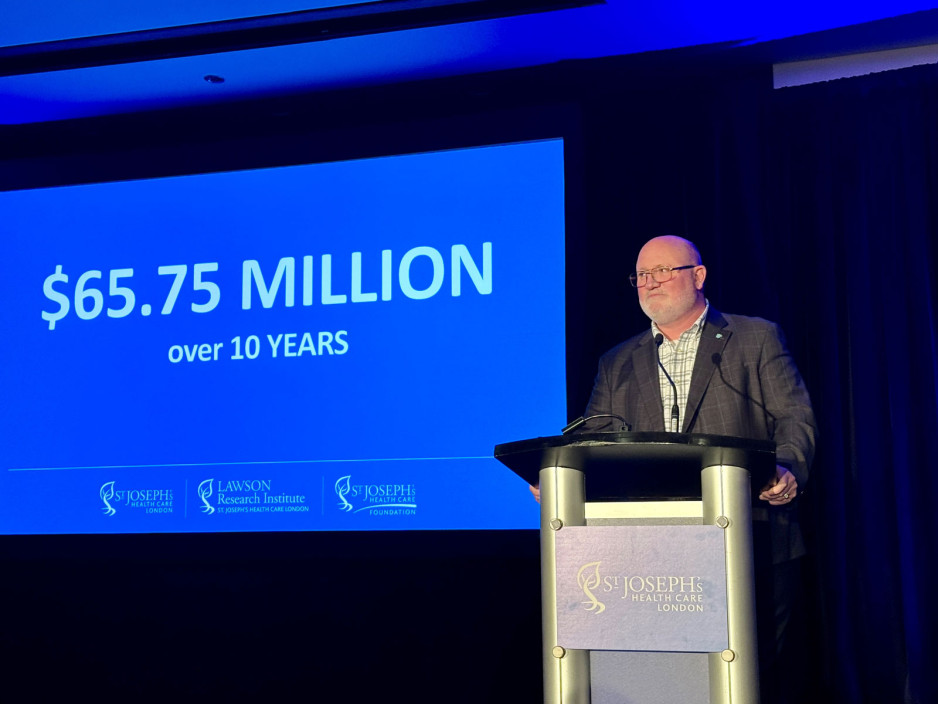
A “game-changer” investment of $65.75 million to Lawson Research Institute of St. Joseph’s Health Care London will transform the prevention, diagnosis and treatment of workplace injuries and illness for Ontarians.
The Workplace Safety and Insurance Board’s visionary 10-year commitment is the WSIB's largest-ever research injection; the largest non-government health research funding in London history; and the biggest single grant received and stewarded by St. Joseph’s Health Care Foundation.
The investment will launch the Occupational Injury Prevention and Treatment Research Network – a first-in-Canada hub where people, technology and science-backed innovation will help solve the human and health costs of occupational injury and illness across Ontario and around the world.
Landmark work, global leadership
“This is a game-changer, something that will transform how we work together to get ahead of work-related injury, pain and mental illness,” says Lisa Porter, PhD, Vice-President Research at St. Joseph’s and Scientific director of Lawson, the research arm of St. Joseph's.
“This investment will propel us to global leadership in finding solutions to some of the most pervasive issues affecting people in workplaces today,” Porter says.
Occupational injuries and illnesses – including chronic pain, physical disability and mental health conditions – accounted for more than 93,000 claims registered through the WSIB last year, with an average lost work time of 63.2 days.
Occupational injuries and illnesses – including chronic pain, physical disability and mental health conditions – have a significant impact on many people, families and businesses in Ontario. Every year they account for almost 250,000 claims registered through the WSIB, with benefit payments of approx. $2.5 billion.
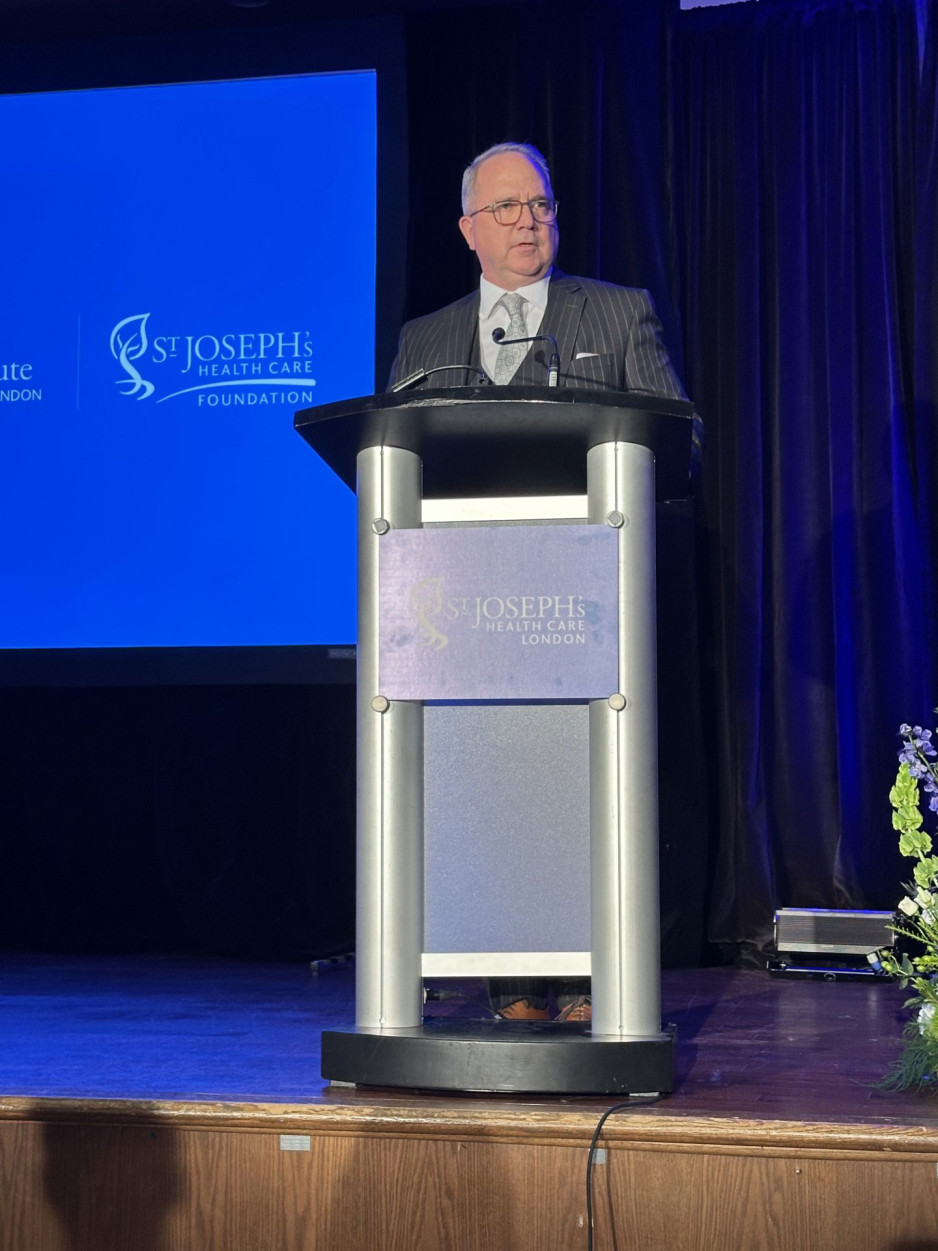
“Too many Ontario families experience the human cost of workplace injury,” says Jeffery Lang, President and CEO of the WSIB. “We want fewer injuries to happen, and if they do, to be able to help people with a safe and faster recovery. This research is going to help get us there and with their established expertise, the St. Joseph’s Health Care and Lawson Research Institute team are a natural partner for this important work.”
Investment and innovation
The network will innovate long-term solutions to prevent mental and physical injuries, accelerate recovery and ensure sustainable health for Ontario workers.
It will feature state-of-the-art infrastructure and expertise including:
- A first-in-Canada positron emission tomography/magnetic resonance imagery (PET/MRI) scanner dedicated to research into rapid and accurate diagnosis of mental health conditions including post-traumatic stress and depression
- A cutting-edge Computer-Assisted Rehabilitation Environment (CAREN), a unique, virtual-reality environment that will test and solve workplace injury, rehabilitation and chronic pain in new ways
- Three new endowed research Chairs and teams of scientists solving the most critical research questions plaguing people injured at work, an investment that will ensure long-term consistency and sustainability of the work
- Deploying technology in data science, artificial intelligence (AI) and virtual reality, making the network accessible by centres and workplaces across Canada
Rapid-access research area to design and test assistive devices such as splints and mobility technology
St. Joseph’s President and CEO Roy Butler says, “We know that discovery-driven, patient-focused research improves lives – that is the focus of our hospital-based research at Lawson, and we’re humbled that the WSIB has entrusted us to expand this vital work to minimize the effects of workplace injury, disease and disability. This significant investment will drive innovation opportunities that will translate into novel new treatments and tools that can be used to battle workplace injury and illness”
“This investment will enable us to leverage the deep expertise St. Joseph’s already has in mental health, chronic pain and rehabilitation, and creates the opportunity to expand our knowledge to support workplace wellness, including for frontline health-care workers,” Butler says.
Butler adds that the network will strengthen existing partnerships and create new collaborations – within St. Joseph’s as well as among a wide range of health professionals, researchers, post-secondary institutions and industry locally, across the province and nationally.
Butler notes St. Joseph’s already excels in research and treatment for related injuries and illnesses.
That includes: preventing and treating chronic pain through the hospital’s Pain Management Program and the Gray Centre for Mobility and Activity hand and upper limb care and injury prevention through the Roth | McFarlane Hand and Upper Limb Centre; advanced imaging expertise; and mental health solutions for veterans and first responders at the MacDonald-Franklin OSI Research Centre. All are specialty research areas of St. Joseph’s with deep roots in addressing occupational injury and illness.
A partnership of promise

Many groundbreaking research initiatives at St. Joseph’s have been made possible by generous supporters of St. Joseph’s, says Michelle Campbell, President and CEO of St. Joseph’s Health Care Foundation.
Medical research in Canada, including the research done in our hospitals, relies heavily on private funding. Donors to our foundation, invest in research because they know that innovation leads to better frontline care, and healthier communities,” Campbell says.
“It’s a partnership of promise, a confident stride toward better outcomes for patients. The WSIB’s gift through St. Joseph’s Health Care Foundation is a whole new level of leadership, and we’re proud to be integral to this transformation in workplace health,” says Campbell.
Earlier this year, the WSIB announced a $20-million gift to Fanshawe College to create a Centre of Excellence in Immersive Technology for Workplace Safety, primarily to help first responders and responders-in-training learn to prevent and treat occupation-related mental health issues such as PTSD, anxiety and depression.
The Network at St. Joseph’s broadens that work to bring research-specific innovation aimed at benefiting the physical and mental wellbeing and safety of workers in all occupations.
The new hub at St. Joseph's will make use of the institution’s vast community and research partnerships throughout London and across Canada, in multiple collaborations across a wide range of health disciplines.
A vision for the future of ICES Western: Q&A with Dr. Kristin Clemens
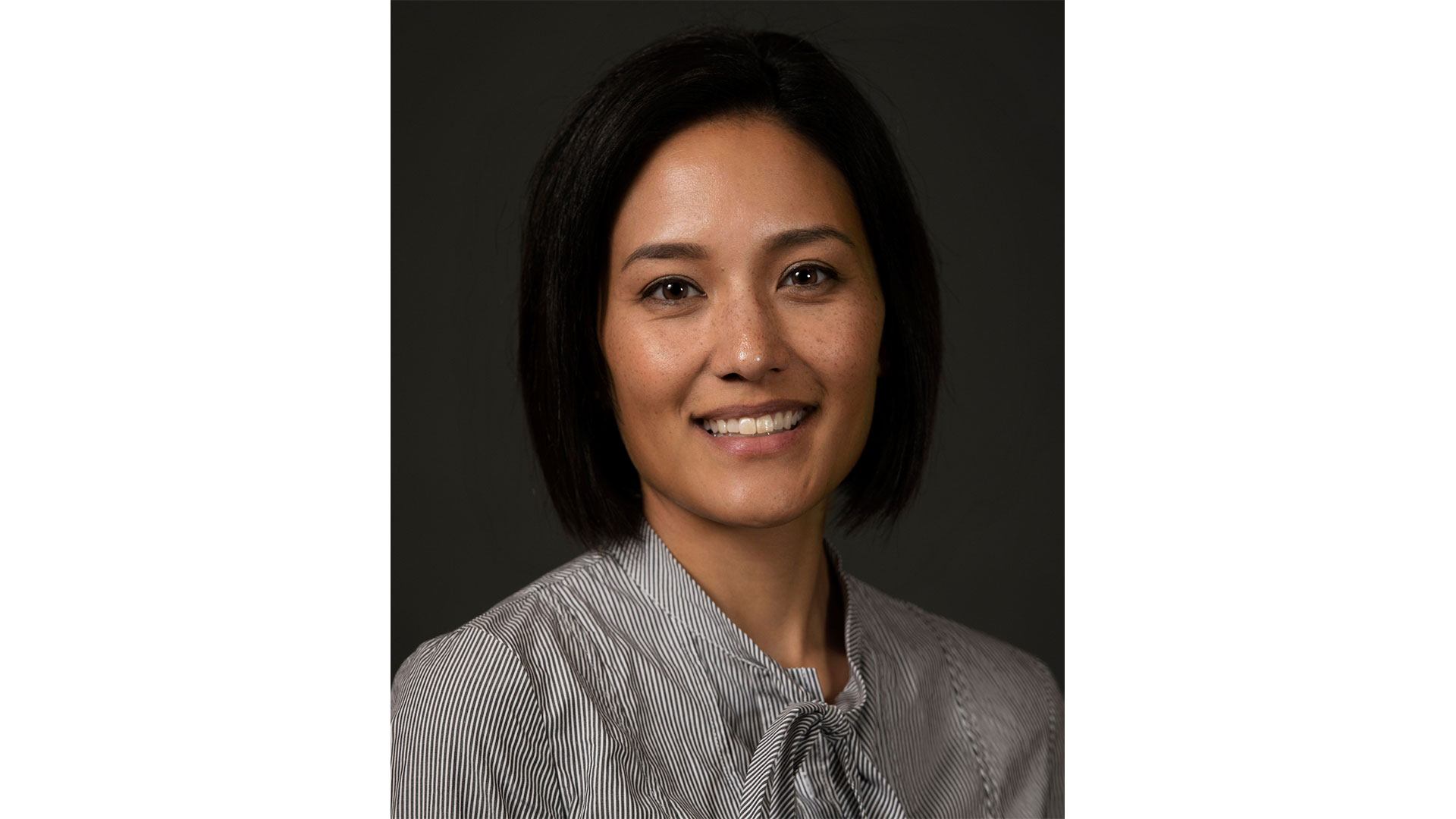
Dr. Kristin Clemens has been selected as the new Site Director for ICES Western, the London, Ontario division of a province-wide non-profit focused on using health-related data to evaluate outcomes. ICES Western is a collaborative initiative between Lawson Health Research Institute, Western University, London Health Sciences Centre (LHSC) and St. Joseph’s Health Care London.
Dr. Clemens is a Scientist at Lawson and an Endocrinologist at St. Joseph’s. She is also an Assistant Professor in epidemiology and biostatistics at Western’s Schulich School of Medicine & Dentistry. Dr. Clemens recently sat down to discuss the impact of the work being done through ICES Western and her hopes for the future.
1. What are you most excited for as ICES Western’s new site director?
I get to continue to work closely with an amazing group of ICES Western staff and scientists. ICES Western is already a well-oiled machine and home to scientific hubs of research in neurological health, homelessness and socioeconomic disparities, surgery, mental health, kidney disease and more. As a leader, I will not only be able to help harness some of our existing strengths, but have a chance to continue to move our institution forward. For example, Dr. Amit Garg (outgoing Site Director) will be advancing new and innovative randomized controlled trials in London, and ICES Western's going to continue to play a major role in that. There is so much more potential for innovation using our data sources; I think it's going to be a really exciting next few years for us.
2. Why did you choose to become involved with ICES Western?
I have been with ICES for about 14 years. I have lived it as an ICES trainee as a Medical Student and Resident/Fellow and became an ICES Adjunct Scientist after completing the inaugural ICES Faculty Scholars program hosted by ICES Western. I became more and more engaged with the community as a member of local ICES committees and then started to lead some of the larger research programs at ICES Western. It was the perfect time and really a natural fit for me to embark on a new leadership journey with the institution.
3. What do you hope to bring to your new position?
I'm an enabling and collaborative researcher and have been fortunate to work with multidisciplinary teams of scientists from across Western and Lawson. What I hope to do is not only support existing ICES staff, scientists, and initiatives, but also attract new researchers to the institution. I think London, Ontario, is such an incredible city for academia. I really want to use my collaborative skills and strong relationships to try to grow and expand our reach.
4. Has the work at ICES played a role in your research?
Yes, absolutely. My clinical and research focus has been on improving the care and outcomes of patients who live with complex comorbidities and disparities. ICES research allows us to focus on real-world gaps in care in Ontario and it gives us an opportunity to study people and patients who have not been able to participate in randomized trials or traditional research studies.
5. What impact does the work at ICES have on research being done in Ontario and across Canada?
ICES is home to one of the world's largest collections of administrative data sets that contain everything from hospital visits and physician encounters to use of medications and long-term care. We also have the unique ability to link data from national surveys or existing cohorts with administrative data. Because of this, ICES is very much at the forefront of improving care and quality for all Ontarians. Our research is shared internationally with both academics and non-academics, and it has changed practice and policy; it's an extremely impactful organization.
6. What do you see in the future for the organization?
I think in the future we will continue to do what we're already great at, like studying the use of health services and existing hubs of research, but also find ways to use our rich data sources, methods and talented staff to really innovate and advance research in London. With new collaborations in the city, we can also continue to grow and contribute.
7. What is the most important thing people should know about ICES?
ICES Western is here for London’s community of researchers, health care providers and decision makers. We have more than 20 scientists and dozens of highly qualified staff who are passionate about advancing high-quality, impactful work. ICES Western is a valuable resource for the community.
Changing our MINDS
Local youth use art and storytelling to illustrate the personal and system challenges in mental health.
The words and images are both heartbreaking and hopeful.
“Nobody likes you if you are sad.”
you are enough. stay strong. let life surprise you.
“Please don’t leave like everyone else.”
1 year sober. 1 year of school. 1 year building a safe home. 1 year loving myself.

Zine-writing, a personal and introspective medium often used by people who have been marginalized, is an important part of local research that is finding solutions to complex mental health challenges among young adults. Its name derives from its magazine (“zine”) format.
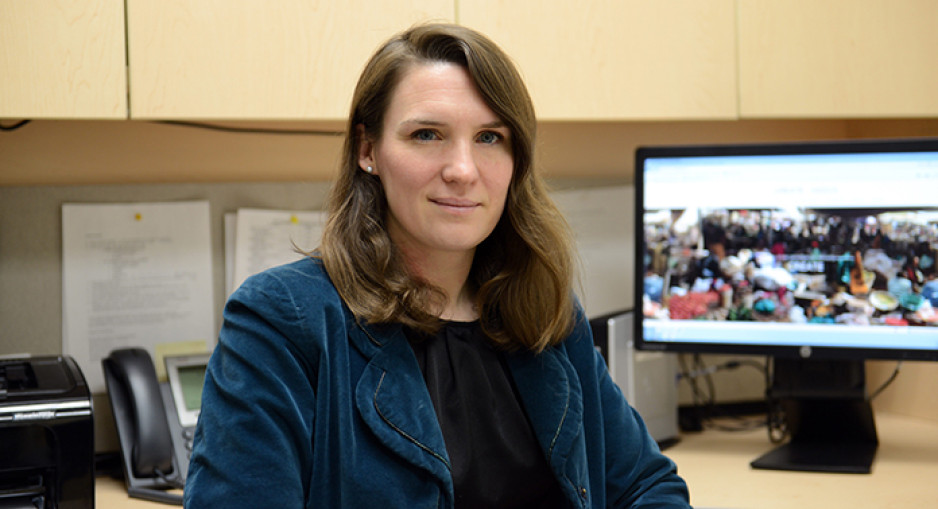
“When we make the voices of people with lived experience central to our research, we can learn from each other and then change the system together,” says Dr. Arlene MacDougall, founder of MINDS of London-Middlesex.
The social innovation and research lab based at St. Joseph’s Health Care London (St. Joseph’s) is dedicated to designing, piloting and testing mental health innovations for teens and young adults. Its recent evolution into MINDS 2.0 adds insights by and for people up to age 35 who have complex, pervasive mental health and addiction issues.
Learning from experts
Rin, a London artist, who has published independent zines for a decade, created three for this project, including one that, with irony, asks the reader to ponder which vulnerable people aren’t worth saving.
“I believe making art can be very healing,” says Rin. “I wanted to share some of my story to help myself and help others. I want to play a part in shaping a mental health system that’s better than the one I encountered.”

The zines weave art, prose and poetry into story:

3 things I would change: affordability, stigma, waitlists.
“If I had a magic wand, I would use it to heal the waters, grow the trees, foster animal growth.”
Look in the mirror, see how far you’ve come.
They also raise and propose solutions to troubling issues among people with mental illness: housing and homelessness, sparse resources for people with addictions, lack of coordination among service providers, and dehumanizing attitudes in health and criminal justice systems.
“Participants experienced catharsis just in telling their stories,” says Renee Hunt PhD, Associate Director of Research and Operations at MINDS. “And because they’re the experts, they’re also playing an important part in changing systems that need an overhaul.”
Adds Rin, “It feels empowering knowing people are listening to us – people who care and are committed to making change to the system.”
MacDougall notes the pivotal role of St. Joseph’s Health Care Foundation – in particular, a groundbreaking $5-million donation towards mental health research from philanthropist Ryan Finch – in advancing mental health innovation through MINDS and MINDS 2.0.
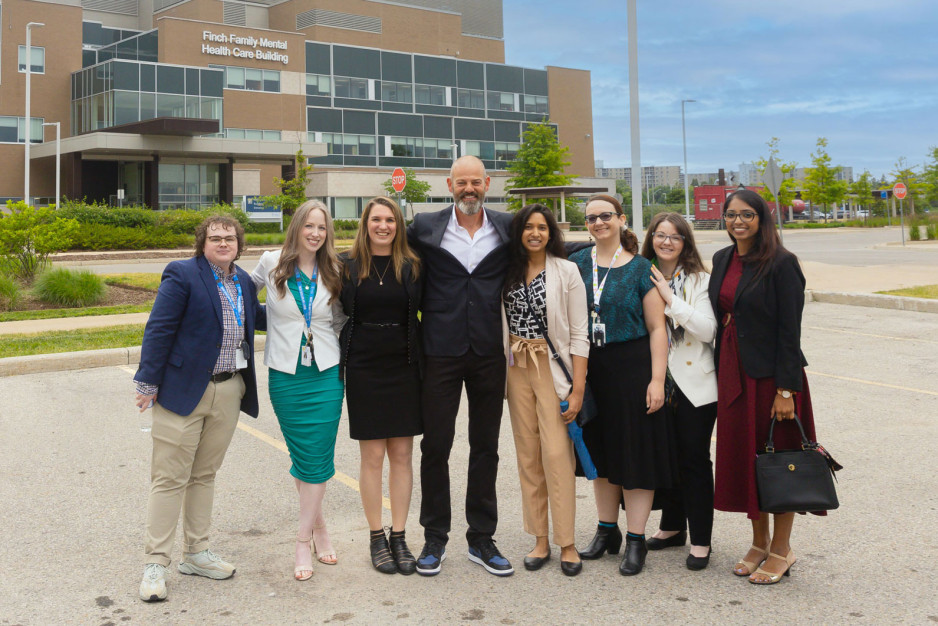
“They’ve been our biggest supporters since day one. This wouldn’t have happened without support from Ryan and the foundation and all the many donors who believe in mental health research,” says MacDougall, who is also Director of Research and Innovation with St. Joseph’s Mental Health Care Program.

“MINDS has been a catalyst for system change,” MacDougall adds. “Research is always about finding answers and generating impact.”
Many findings from MINDS research have been put into practice, among them are the creation of guidebooks for peer support, free taxi service for rural youth needing urban mental health or addiction services, and educational resources to support 2SLGBTQI+ students.
MacDougall says MINDS 2.0 expands that work with new voices and the exploration of more in-depth solutions.
What’s next for MINDS 2.0
- Workshopping ideas and prototypes for mental health systems change. Sessions will be held where people with lived/living experience and service providers propose and develop potential solutions.
- Leadership-building. Twenty mental health practitioners will be trained to become “agents of change” who will collectively create, implement and evaluate mental health programs, technology, interventions and training.
- Imaginarium conference. In 2025, a first-of-its-kind national conference will take place to share system innovations in mental health and addiction.
Harm reduction research is improving care for patients who use substances
Research from Lawson Health Research Institute is helping to advance harm reduction strategies in hospitals for people who use substances. In an announcement today, Arielle Kayabaga, Member of Parliament for London West, on behalf of the Honourable Ya’ara Saks, Canada’s Minister of Mental Health and Addictions, announced how $72,768 in funding from Health Canada’s Substance Use and Addictions Program is supporting this ongoing work at London Health Sciences Centre (LHSC) and St. Joseph’s Health Care London (St. Joseph’s).
“Here in London, just like many other cities across Canada, we’re seeing substance use harms continue to take a tragic toll on our families and friends,” says MP Kayabaga. “We are committed to supporting organizations who are on the ground in communities, helping to keep people who use substances safe.”
Research from Lawson has found patients who use methamphetamine reported stigma and a lack of understanding about addiction among health-care providers and hospital staff. This can sometimes result in patients not seeking care, experiencing withdrawal while receiving care or leaving a hospital against medical advice.

Building on those findings, a team led by Lawson researchers, Drs. Cheryl Forchuk and Michael Silverman, has been working to implement and study harm reduction strategies at LHSC and St. Joseph’s, including those aimed at facilitating changes in attitude, knowledge, organizational support and safety approaches.
“There’s a lot of stigma and misunderstanding about substance use,” says Dr. Forchuk, Scientist and Assistant Scientific Director at Lawson. “This project aims to embed education on substance use and harm reduction as a foundational way to improve care and outcomes.”

As part of the research project, Darren Scott, a Peer Harm Reduction Worker with Regional HIV/AIDS Connection who has lived experience with substance use, and Tammy Fischer, a Clinical Nursing Educator in LHSC’s Mental Health and Addictions Program, have been working to educate health-care workers about harm reduction practices.
“I am able to share with patient caregivers how I was treated while I was in active addiction,” shares Scott. “I can let them know what people are going through from the other side and provide advice on how to care for them. The health-care teams have been fantastic and very open-minded throughout this project. I have received feedback that it is vital to include people with lived experience in this education.”
One area of focus from this study has been education around sharps boxes in inpatient hospital rooms. Sharps boxes allow for the safe disposal of sharps like needles to protect the health and safety of patients and health-care teams. Through this study, the research team identified that when sharps boxes are removed from the rooms of patients suspected of using substances to discourage substance use it leads to harm.
“About half of patients who use substances are still using in-hospital, since suddenly stopping use is often not feasible nor safe. Access to sharps boxes decreases the risk of injury to health-care teams and patients,” Fischer explains. “People who use any injection must have safe means to dispose of used equipment.”
The team launched a campaign to educate health-care teams on the importance of keeping sharps boxes in patient rooms. Preliminary data from interviews with patients who use substances found they noticed a difference after this education. Patients felt more comfortable speaking to health-care teams and noted they could be more open about discussing their addiction.
Government of Canada funding is critically important to this work and builds on just over $1 million in previously announced funding. The project is one of several harm reduction research initiatives being explored collaboratively through LHSC and St. Joseph’s to ensure people who use substances receive the highest quality of equitable care.
“This investment is part of our comprehensive and compassionate approach to reducing harms as a result of substance use. We will continue to use every tool at our disposal to build a safer, healthier and more caring future for all Canadians,” says Minister Saks. “Supporting local organizations who have deep roots in their communities and have the trust of their patients is making a real difference in people’s lives in the community of London, Ontario.”
Investing in life-changing research
Through donor support, endowed research chairs are exploring and answering some of the most profound and complex research questions of our time.
Among cherished family photos and special mementos in the office of Jeremy Burton, PhD, is a slightly faded photo of a young woman. Burton points out the framed photo as he enthusiastically talks about his work. It’s a young Miriam Burnett, after whom the Miriam Burnett Chair in Urological Sciences is named. It’s also the first endowed research chair position Burton held at St. Joseph’s Health Care London (St. Joseph’s).
As the research chair for seven years, Burton speaks fondly about the relationship he has with the Burnett family and the crucial role their support has played in advancing his research.
“Thanks to their funding, we became one of the world leaders in urological microbiome research,” he says.
Endowed research chairs at St. Joseph’s receive consistent and sustainable funding so that research leaders and their teams can answer the most profound and complex health questions of our time.
For decades, donors have been inspired by the clinical research taking place at St. Joseph’s and have heavily invested in endowed research chairs. Today, St. Joseph’s Health Care Foundation manages seven endowed chairs focused on several areas, including molecular imaging, fetal and newborn growth and diabetes. Working in partnership with Western University, and with donor support, the foundation recently established four new endowed chairs in mobility, medical biophysics, medical imaging and ophthalmology.
“Medical research in Canada is chronically underfunded, and there is almost no sustainable funding for hospital-based research positions,” says Michelle Campbell, President & CEO, St. Joseph’s Health Care Foundation. “Private philanthropy has filled that gap for years. When a donor gives to an endowed research chair, they are building capacity in the present day and creating future value and opportunity. An endowed gift has a multiplier effect.”
Burton, now the endowed Research Chair in Human Microbiome and Probiotics, has many reasons to be grateful for this support. Not only does the endowed fund pay for Burton’s research salary, it also partially supports the salaries of a lab manager and technical team – all vital for a sophisticated lab to be successful.
The funding also provides the gift of time – a diminishing commodity for any busy research team.
“Scientists need more time to think,” says Burton, a Lawson Research Institute (Lawson) scientist. “We are incrementally being stretched in multiple directions, and the funding gives us the time to do what we are meant to do – find answers to important clinical questions and find solutions to medical problems.”
Distinguished Lawson scientist and university professor Cheryl Forchuk, PhD, wholeheartedly agrees. She recently completed her final term as The Beryl and Richard Ivey Research Chair in Aging, Mental Health, Rehabilitation & Recovery, another endowed position. As Chair, Forchuk provided scientific and administrative leadership to a large group of researchers based at St. Joseph’s Parkwood Institute focused on mental health, activity and mobility, and cognitive vitality and brain health.
Many research leaders, she explains, can afford to spend only two days a week on their own research projects. Endowed chair positions change that.
“Imagine travelling across the country to create a national study focused on homelessness, two days a week at a time,” she suggests candidly. “You couldn’t.”
Forchuk is referring to her landmark project to better understand how many people in Canada are homeless and who they are. The goal was to develop more accurate sources of data and recommend appropriate support and services. Her work is already resulting in important changes.
Today, Forchuk is embarking on another cross-country research project to find solutions related to homelessness for Canadian veterans who are women.
Like Forchuk, Burton’s Chair position requires him to provide operational and research leadership, including developing research networks and partnerships nationally and internationally to advance studies that will revolutionize care.
“As the Chair, I think it is important that I have wide-ranging projects that benefit people in our own community and beyond,” says Burton, who is optimistic about the outcomes of several of his team’s studies.
He recently partnered with London’s First Episode Mood and Anxiety Program to study the impact of fermented foods on the microbiome of young people taking medications for mental health conditions.
One of the side effects of these medications is weight gain, which deters some patients from taking it. By providing patients with slow-release apple cider capsules, which have similar properties to fermented foods and positively affect the microbiome, they have seen an overall improvement in participants’ mental health and cholesterol after just a few months.
Reflecting on his team’s research achievements to date and the potential of what’s to come, Burton emphasizes how vital endowed chairs are to the sustainability of research and the hope to translate newly discovered knowledge into medical practice.
“Research funding from other sources comes and goes,” he says, “but endowed chair positions that are focused on improving human health provide continuity, build research and create change benefiting all of us.”
Lawson researchers elected to Royal Society of Canada
Drs. Cheryl Forchuk and Ruth Lanius have been elected as Fellows with the Royal Society of Canada (RSC) in recognition of their significant contributions to mental health research.
Dr. Forchuk, Assistant Scientific Director at Lawson and the Beryl and Richard Ivey Research Chair in Aging, Mental Health, Rehabilitation and Recovery at St. Joseph Health Care London’s Parkwood Institute, has worked tirelessly to advance research that has resulted in improved hospital discharge models, harm reduction strategies and support for those living without housing, among other concerns. Most recently she has hosted forums across Canada in an effort to better understand homelessness and the number of people experiencing it.
“It’s an honour to be included among such a talented group and alongside my mental health colleague,” says Dr. Forchuk, who is also a Distinguished University Professor at Western University. “A lot of important work remains to be done to better support those living with mental health challenges.”
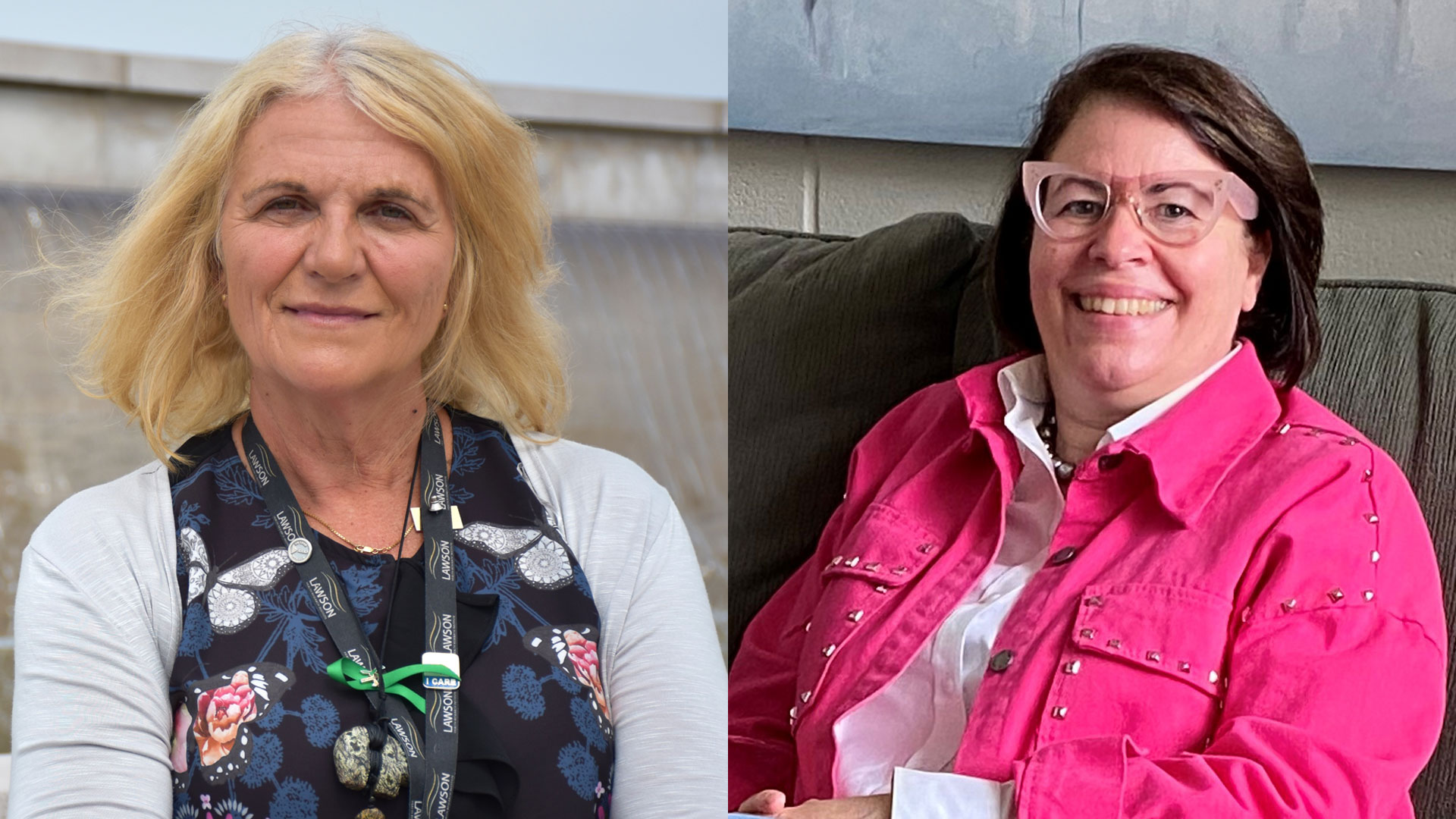
Dr. Lanius, Associate Scientist at Lawson and Psychiatrist at London Health Sciences Centre, is world-renowned for advancing the understanding and treatment of post-traumatic stress disorder (PTSD) through her research. She has been instrumental in defining different types of PTSD and combining imaging and psychiatry to develop new therapies that use neurofeedback or sensory processing to ‘train the brain.’
“Advancing knowledge is crucial to improving quality of life,” notes Dr. Lanius, who is also the Harris Woodman Chair in Mind-Body Medicine and a Professor at Western’s Schulich School of Medicine & Dentistry. “I’m very excited to be recognized with such a distinguished group of contributors to research and academics.”
RSC fellows are elected by peers for their outstanding scholarly, scientific and artistic achievement. This year’s 101 new fellows will be inducted into the RSC on November 17.
London researchers working on a proactive approach to inclusiveness in the classroom
Researchers at Lawson Health Research Institute have launched a pilot study and pilot project called Queer in the Classroom, to examine the benefits of a proactive, inclusive approach within the education system for those who are part of the 2SLBTGQIA+ student community.
“The Queer in the Classroom initiative is so important because when we look at the data, youth in the 2SLGBTQIA+ community are 14 times more likely to die by suicide,” says Dr. Arlene MacDougall, Lawson Scientist, Director of MINDS and Psychiatrist at St. Joseph’s Health Care London. “We need to be focusing on this population who are also experiencing a higher degree of isolation, stigma and substance use.”
The pilot project focuses on professional development for teachers and staff to help create an environment that is tailored to best support 2SLGBTQIA+ students through the additional stress they face as a minority group.
“This project is about connecting with school boards and teachers to help develop the knowledge and skills to create spaces that go beyond tolerating differences,” explains MacDougall. “The focus is to create an environment that is more affirming, that is more responsive and more proactive rather than reactive.”
The foundation for the pilot project came from a scoping review of existing research on this topic conducted by the research team through the Mental Health INcubator for Disruptive Solutions (MINDS), that looked extensively at how teachers themselves can create a classroom that embraces all students.
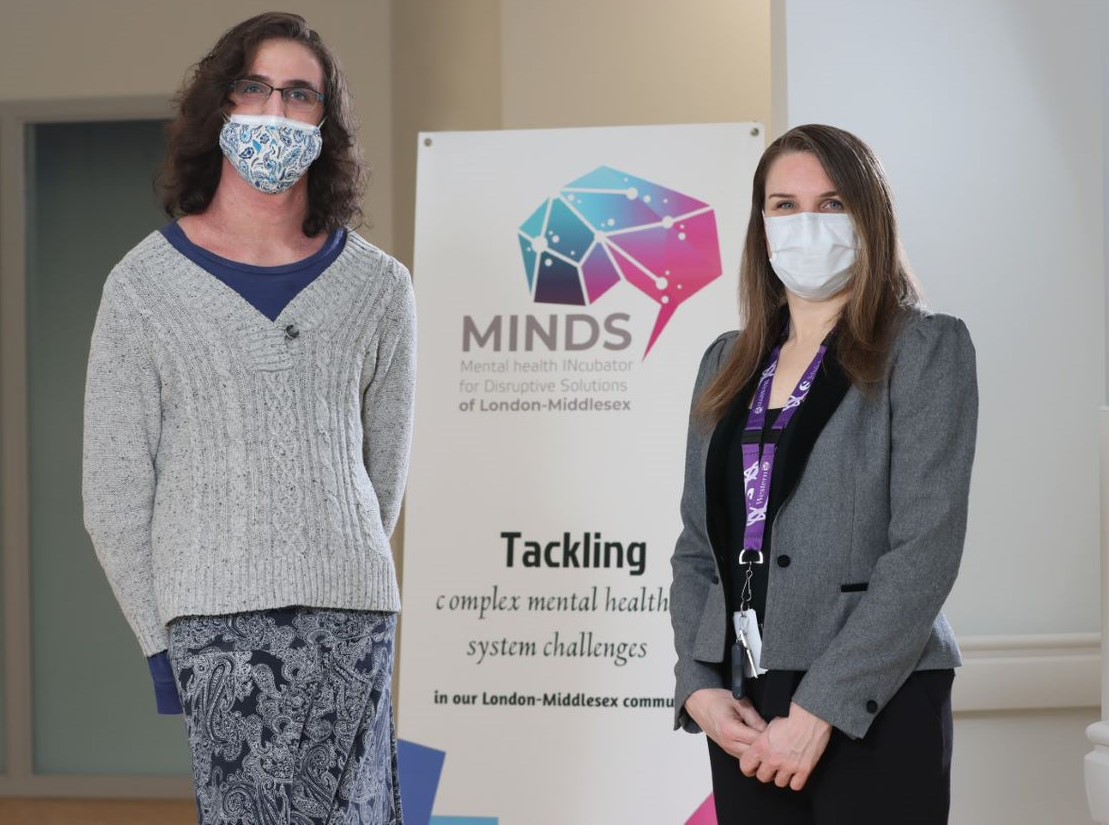
“We further conducted our own research based on a series of interviews of 2SLGBTQIA+ students at both elementary and secondary schools in Ontario, and their parents and teachers. We focused on not only their safety in school, but also being celebrated for who they are,” says Iylah Neves, Lawson Research Assistant through MINDS. “We drew on all of this research to best inform the practices we are using with the Queer in the Classroom initiative.”
Currently the Queer in the Classroom project is being rolled out on a ‘by-request’ basis. However, the research team is working with a couple of school boards within Ontario to discuss the possibility of wider implementation.
“Queer in the Classroom has been driven by the voices of students with personal experiences who feel there is a deep need for this type of innovation,” says Neves. “It is our responsibility to make those changes so that students can access a safe, inclusive and nurturing environment.”
National award honours innovator Frank Prato’s excellence in medical physics
Dr. Frank Prato is a man of many firsts:
First in Canada to conduct magnetic resonance brain imaging. A pioneer in magnetic resonance cardiac imaging. Driving force behind the installation of Canada’s first PET/MR scanner. Founder of the Canadian Organization of Medical Physicists (COMP) while president of the Canadian College of Medical Physicists.
And while Dr. Prato admits to a competitive streak that constantly propels him to break new ground in medical physics, the renowned, prolific researcher is keen to note these innovations have been part of a larger team effort.
“My career has been filled with opportunities to work with and train some spectacular scientists who have made major contributions across Canada and around the world,” he says. “I’m proud of the whole group that has developed over the years and the support St. Joseph’s has provided.”
Chief Medical Physicist at St. Joseph’s Health Care London (St. Joseph’s), Dr. Prato has been awarded the 2024 COMP Gold Medal, the organization’s highest award for outstanding career achievement.
“Dr. Prato’s ground-breaking work in the field of medical physics has not only advanced the scientific community but also significantly impacted patient care in Canada and beyond,” says COMP President Boyd McCurdy, “His pursuit of innovation and excellence exemplifies the highest standards of our profession, and we celebrate his outstanding contributions to medical physics with admiration and gratitude.”

Dr. Prato is also Assistant Scientific Director and Imaging Program Leader at Lawson Health Research Institute (Lawson) and professor of medical imaging and medical biophysics at Western University.
“I have worked with Frank for 36 years now and have come to recognize him as one of the finest people I know,” says Dr. Ting-Yim Lee, Director of PET/CT Research at Lawson, medical physicist at St. Joseph’s Hospital, and one of the nominators of Dr. Prato for the award.
“Frank is unfailingly helpful and authentic, a great listener and a tenacious problem-solver. He demonstrates excellence and professionalism in medical physics locally, nationally and internationally.”
Dr. Lee cites Dr. Prato’s leadership in being “at the forefront of numerous international innovations in nuclear medicine and diagnostic radiology.”
Throughout his 48 years as a medical physicist, Dr. Prato has been inspired by the potential of technology’s reach into human health.
“I’ve always wanted to work in an area where we can do research, with a vision of what’s going to be important in patient health. I get excited about being on the leading edge of discovery that’s embedded in patient care.”
Critical advancements in nuclear medicine and diagnostic radiology, thanks to the work of Dr. Prato and his St. Joseph’s/Lawson team, have included:
- Introducing the first bone mineral density imaging procedure on a patient in Canada, a tool now essential for managing osteoporosis.
- Performing the first magnetic resonance brain imaging in Canada, setting a national standard.
- Pioneering magnetic resonance cardiac imaging techniques, enhancing the understanding of myocardial scarring and blood flow assessment.
- Introducing the first PET/CT and PET/MR scanners in Canada, revolutionizing molecular imaging and proving the economic value of advanced imaging technologies.
- Imaging the brains of premature infants, a world first.
- Developing Canada’s first self-sustaining cyclotron infrastructure.
- Conducting the world’s first MRI-compatible, high-resolution brain PET scan.
- Early diagnosis and treatment of dementia, mental illness and prostate cancer.
Dr. Prato’s leadership extends beyond his technical achievements. As the founder of COMP, an organization that now includes more than 800 professionals, he played a crucial role in establishing the organization, advocating for medical physicists' independent voice and professional growth.
His tenure as President and board member of the Canadian College of Physicists in Medicine (CCPM) was marked by significant advancements, including enhancing certification processes and establishing reciprocity with the American Board of Medical Physics. Dr. Prato also received the Valuable Service Award from CCPM in 2002 and was named a Fellow of COMP in 2013.
Earlier this spring, Dr. Prato received a Dean’s Award of Excellence for Research Faculty from Western University’s Schulich School of Medicine & Dentistry. He is also the sole Canadian to have won the d'Arsonval Award, an international honour from the Bioelectromagnetics Society.
A dedicated mentor, Dr. Prato has guided more than 60 Masters of Science students, PhD students and Post-Doctoral Fellows, many of whom have won awards and secured prominent positions in the field. His mentorship has been instrumental in the success of numerous scientists within the Imaging Program at Lawson, contributing to a legacy of innovation for years to come.
“At 78 years old,” he says, “I am pleased to say I have achieved things at St. Joseph’s that will far outlast me.”
Nature's healing power
Using virtual technology, St. Joseph’s Health Care London is bringing the outdoors in for forensic mental health care patients.

Imagine sitting on a white sandy beach in a tropical location. The sun warms your face and a gentle breeze ripples across the water when, out of the corner of your eye, you spot a sea turtle slowly and curiously approaching.
You turn your gaze towards this beautiful creature and watch in wonder. You’ve never seen a sea turtle up close like this before.
For some, this type of experience is part of a dream vacation, attainable with enough money or imagination. But for many patients at St. Joseph’s Health Care London’s Southwest Centre for Forensic Mental Health Care (Southwest Centre) – including those not yet well enough to leave the facility – a new virtual-reality connection to nature offers a missing link in their journey towards recovery.
Immersive experiences in nature have been linked to positive mental health outcomes and a healthier sense of self – a benefit that staff researchers at Southwest Centre call eco-spirituality.
Occupational therapists Jared Scott, Clark Heard, and spiritual care practitioner Stephen Yeo, have explored just what this means for patients. Through a novel study published in 2022, Southwest Centre patients were provided with opportunities to become immersed in nature in the community, with tremendous therapeutic results.
The patients experienced a stronger connection with nature, a chance for open reflection and relaxation, and a restorative experience that provided a sense of peace and personal significance.
"There's something very human about connecting with, or in, nature ... It offers a sense of connectedness, whether to creativity, to beauty or the transcendent." spiritual care practitioner Stephen Yeo
The research team wondered if these experiences could be replicated in a virtual reality (VR) environment for patients who aren’t yet able to leave the facility.
“We realized we can translate these types of experiences through VR goggles where the patient has the ability to make their choices on how to engage,” says Heard. “This enables someone to experience something that's a little harder to touch in real life.”
For example, if the patient wishes to sit and reflect on a beach, they can. If they wish to be immersed in the jungle and experience giraffes and elephants walking among them, the choice is theirs.
“There’s something very human about connecting with, or in, nature,” adds Yeo. “True, virtual reality is not the same as the real thing, but we believe it offers a sense of connectedness, whether to creativity, to beauty or the transcendent. We see how it enlivens patients, even in sometimes very simple, subtle ways.”
Heard believes that this type of immersive experience nurtures the innate intellectual curiosity present in everyone.
“The first time people try it and look over their shoulder, they realize it's a full 360-degree experience. They look above and there are birds flying over them the same as anywhere else,” he explains.
Ultimately, Heard and Yeo believe the power and innovative experience of eco-VR is encouraging discovery in patients, energizing them at an intellectual and spiritual level.
With the purchase of VR equipment made possible through community support from donors to St. Joseph’s Health Care Foundation, the team has embarked on an eco-VR study, looking at what patients experience via VR and how that participation impacts their care journey. They are exploring with patients whether VR immersion in nature helps them cope with being in hospital at a difficult time in their lives.
Far beyond forensic mental health care, the answer just may open the door to a world out of reach for many others receiving care in various settings.
Psychiatry at Southwest Centre for Forensic Mental Health Care
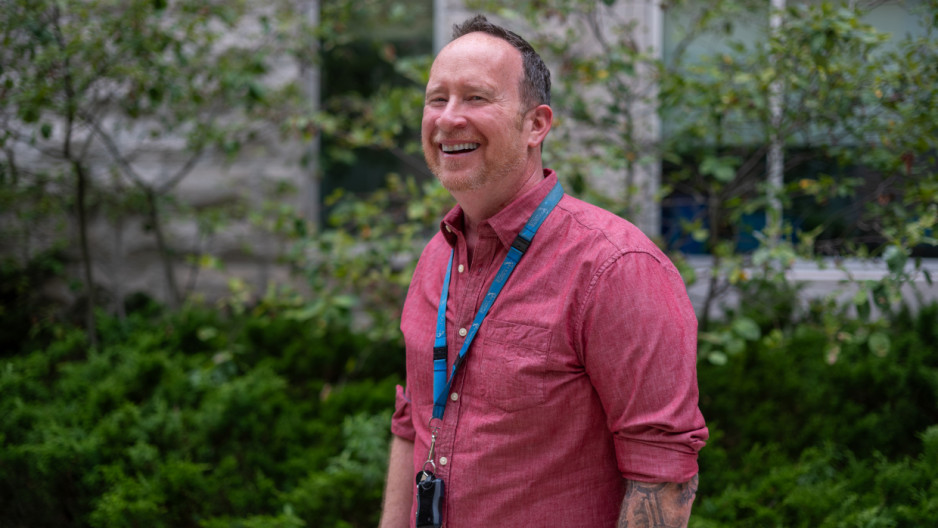
St. Joseph’s Health Care London’s Southwest Centre for Forensic Mental Health Care (Southwest Centre), located in Elgin County, is devoted to caring for people with a mental illness who have also come into contact with the criminal justice system.
Encompassing a recovery philosophy of care, the state-of-the-art building provides a healing environment that promotes each individual’s journey of recovery.
The Forensic Psychiatry Program at Southwest Centre includes assessment, treatment and rehabilitation programs, and an outpatient Forensic Outreach Team that serves Southwestern Ontario. Through intensive work with their care teams, patients develop new skills needed to successfully reintegrate back into their communities.
New study finds exercise, cognitive training combo boosts mental sharpness in seniors
In a ground-breaking discovery that could reshape the approach to elderly cognitive care, Western University and Lawson Health Research Institute researchers have found that a combination of computerized cognitive training and aerobic-resistance exercises (such as walking and cycling along with weight training) can significantly improve cognitive functions, such as memory, attention, recognition and orientation, in older adults with Mild Cognitive Impairment (MCI).
The researchers found the effect of the combined intervention was larger than the individual effects of exercise or cognitive training alone, suggesting a synergism in the sequential combination. They also found Vitamin D supplements, on the other hand, did not appear to contribute to improvement.
According to the latest data published by the Alzheimer’s Association, the global prevalence of dementia is on the rise, impacting over 50 million individuals and costing more than $800 billion. These alarming statistics underscore the imperative to identify new and effective strategies to address neurodegenerative diseases.
The study, led by Western Professor and Lawson Scientist Dr. Manuel Montero-Odasso, offers a new pathway to address declining mental sharpness in the aging population by incorporating aerobic-resistance exercises along with computer-based cognitive training.
“This trial opens new doors in the realm of nonpharmacological interventions for MCI,” said Dr. Montero-Odasso, professor in the departments of medicine, and epidemiology and biostatistics at Schulich School of Medicine & Dentistry and director of Lawson’s Gait & Brain Lab.
“We found through a multidomain approach that pairs aerobic and resistance exercises with computerized cognitive training, there may be hope in delaying the progression from MCI to dementia.” Dr. Montero-Odasso is also a Geriatrician at St. Joseph’s Health Care London and co-lead of the Canadian Therapeutic Platform Trial for Multidomain Interventions to Prevent Dementia (CAN-THUMBS UP) at the Canadian Consortium on Neurodegeneration in Aging (CCNA).
The multi-city clinical trial, published in JAMA Network Open, included 175 participants aged between 60 and 85 with MCI – an intermediate state between normal cognitive aging and early dementia – which is also considered a critical period for early treatments and preventive strategies to address cognitive decline. The 20-week study was structured into five arms, focusing on the combination of different interventions.
The findings show that aerobic-resistance exercises did contribute to improvements in cognition, but it was the addition of cognitive training that truly made a difference. Notably, the addition of vitamin D supplementation did not show any significant benefit. Though previously argued to enhance cognition due to its neuroprotective attributes, the vitamin did not contribute to the overall success of the interventions.
The study, known as the SYNERGIC Trial (Synchronizing Exercises, Remedies in Gait and Cognition), was conducted across five Canadian academic institutions with core of the interventions at the London site – exercise and cognitive training – completed at Western’s Laboratory for Brain and Heart Health.
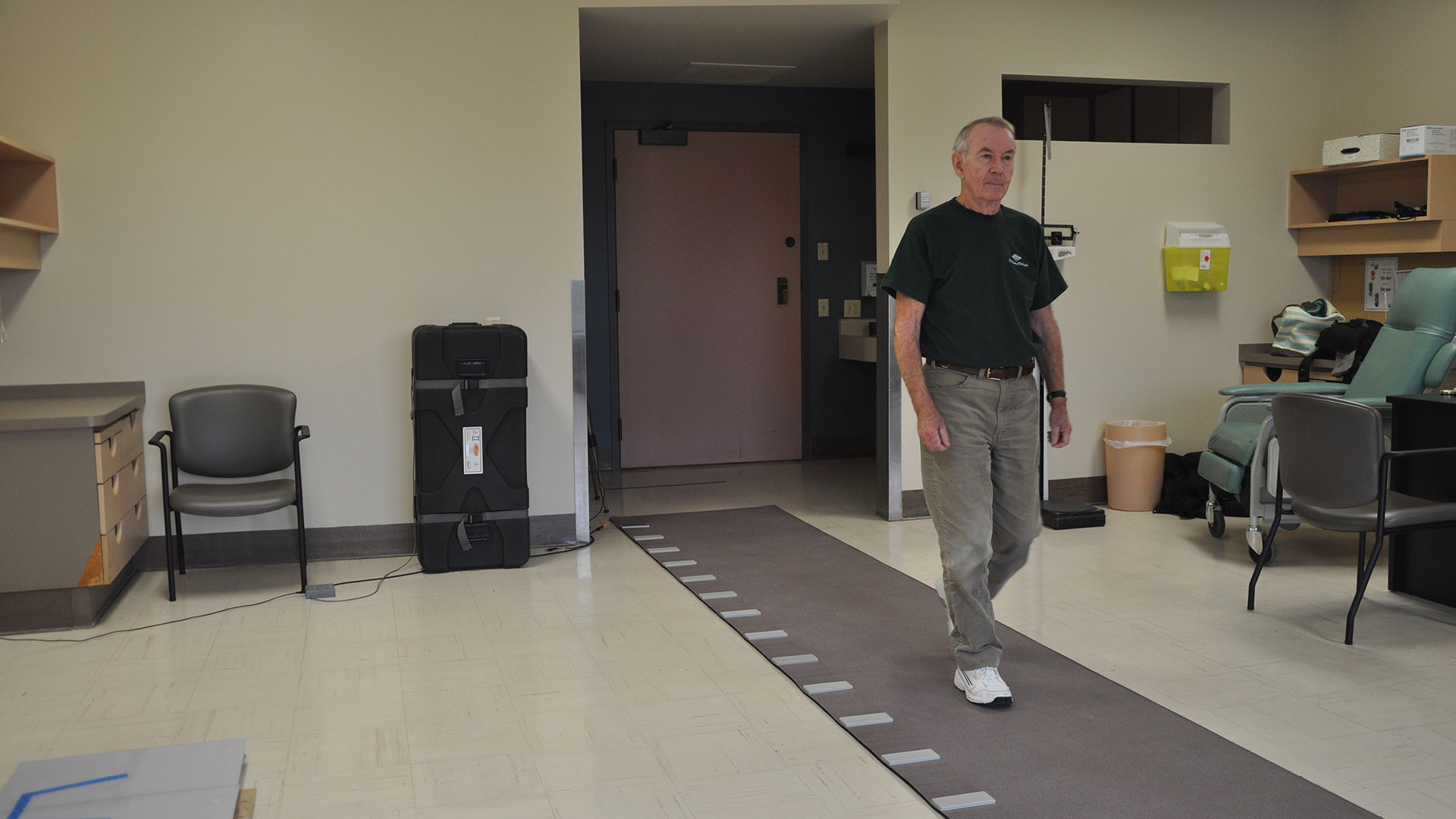
“The SYNERGIC Trial goes beyond mere numbers and statistics; it’s about understanding the many sides of cognitive health,” said Dr. Kevin Shoemaker, co-author of the study. Dr. Shoemaker is a professor in the School of Kinesiology at Western and Canada Research Chair in the Integrative Physiology of Exercise and Health.
“By bringing together various interventions, we are creating a comprehensive view of well-being that reaches beyond pills and conventional treatments. These findings could lead to real, significant improvements in the lives of people with mild cognitive impairment, changes that could genuinely enhance their quality of life,” said Dr. Shoemaker.
“This is an important advance from a national CCNA team led by Dr. Montero-Odasso. The study shows clearly that intense exercise and cognitive training is an effective and feasible lifestyle intervention that clearly slows the decline in brain function in people with Mild Cognitive Impairment. We are proud that Canadian scientists have shown this to the world,” said Dr. Howard Chertkow, Scientific Director, CCNA, and Chair in Cognitive Neurology and Innovation and Senior Scientist, Baycrest Health Sciences and Rotman Research Institute.
The next phase of the trials
The researchers are now conducting the next phase of the trial. The SYNERGIC-2 trial will provide virtual, at-home interventions to 550 study participants with MCI, including personalized one-on-one coaching, to help make lifestyle and behavioural changes. This trial is being conducted by the Mobility, Exercise and Cognition (MEC) Team which is part of the CCNA.
The SYNERGIC Trial is part of the Canadian Therapeutic Platform Trial for Multidomain Interventions to Prevent Dementia (CAN-THUMBS UP) CCNA’s platform dedicated to dementia prevention and risk reduction research. This work was supported by CCNA, which receives funding from the Canadian Institutes of Health Research (CIHR) and other partner organizations.
The team of researchers involved in the study led by Dr. Montero-Odasso also included Western professors Guangyong Zou and Mark Speechley, Lawson researcher and adjunct professor Frederico Pieruccini-Faria and London Health Sciences Centre statistician Surim Son.
The trial was conducted at five Canadian academic institutions: Western (sponsor site), University of Waterloo, Wilfrid Laurier University, University of Montreal and University of British Columbia.
Order of Canada honour for mental health researcher Cheryl Forchuk
Lawson Research Institute scientist Cheryl Forchuk focuses on ‘giving value and voice’
Renowned mental health and homelessness researcher Cheryl Forchuk, a Lawson Research Institute scientist and Distinguished University Professor, has been appointed an officer of the Order of Canada.
The award, one of Canada’s highest honours, was announced June 30 by Governor-General Mary Simon.
Forchuk has dedicated her career to driving change on complex issues, including addiction, homelessness and mental health challenges, emphasizing relationships and participation from the populations she studies.
“We’re talking about people that generally experience a lot of discrimination in society. When I started working in this field, it was really hard to get things funded because the groups themselves were not valued. Their opinion was not valued. A lot of my work is trying to give value and voice to these populations,” Forchuk said.
She said she was surprised and humbled by the appointment to the Order of Canada.
“I feel humbled, because all the research I do is part of a team effort. I have always had great support from community partners, people with lived experience, other researchers and my staff at the office.”
In addition to her role as Lawson scientist, Forchuk is a Distinguished University Professor in the Arthur Labatt Family School of Nursing in Western's Faculty of Health Sciences, with a cross-appointment in the department of psychiatry at Schulich School of Medicine & Dentistry.
Forchuk has published 200 articles and 12 books, delivered more than 600 conference presentations or workshops and supervised more than 60 graduate students.
Forchuk is known nationally and internationally for her work improving systems of recovery and community integration. Her team created the “transitional discharge model” to ensure people released from hospital maintain connections with service providers in hospital or in the community while receiving peer support from someone with lived experience. It was repeatedly shown to reduce the length of hospital stays while improving outcomes for patients.
The model has since been adopted in parts of Canada, the U.S. and Europe and was included as an example of mental health practice by the World Health Organization in its guidance on mental health services that respect human rights. Forchuk is currently conducting research on women veterans experiencing homelessness.
“A trailblazer in mental health and homelessness research, Dr. Forchuk has spent more than four decades advancing our understanding of these complex issues and shaping policies that have improved the lives of the unhoused,” said Jayne Garland, former dean of the Faculty of Health Sciences, and Forchuk’s nominator for the Order of Canada.
“She is a respected researcher, an influential leader and a passionate advocate for some of the most vulnerable members of our society. This recognition reflects the profound and lasting impact of her work.”
Forchuk’s studies have reduced crises and improved quality of life for hundreds of people, saving millions of dollars in health care and social service spending as a result.
“Dr. Forchuk is an innovative, forward-thinking leader in mental health, housing and homelessness,” said Victoria Smye, director of the Arthur Labatt Family School of Nursing.
“Her contributions in Canada and beyond to the mental well-being of some of the most vulnerable people in our society – people who have been highly marginalized by inequity – have made a real impact. She has truly changed lives.”
Forchuk said her appointment to the Order of Canada is meaningful, but not because of the personal or reputational benefits.
“Receiving this honour shows me there’s a recognition that these are important issues and these approaches to finding solutions – including people who are the experts, people with lived experience and those working on the frontlines – are valued,” Forchuk said.
“It tells me to keep going, and that it’s working, which we know. It solidifies that this is the right approach to address very complex societal issues, and to make sure we include the right voices.”
Those invested into the Order of Canada fall into three levels. Members of the Order of Canada are recognized for their service to a particular community or field, officers are appointed for their high degree of achievement or merit, especially for service to the entire country or humanity at large, and companions of the Order of Canada – the highest recognition – are those deemed to have made contributions of the highest degree to Canada or the world.
World Labyrinth Days highlight how this form of ‘walking meditation’ can benefit everyone
Following a labyrinth is a spiritual practice that’s good for body, mind and spirit.
It leads to increased calm, reduced blood pressure and stress, and improved mental health and well-being, say researchers and patient care experts at St. Joseph’s Southwest Centre for Forensic Mental Health Care (Southwest Centre).
On World Labyrinth Days - May 3 and May 4, staff, patients and residents at St. Joseph’s are invited to join thousands across the globe who “walk as one at 1 pm.”
While books and movie culture often show labyrinths as places where people get hopelessly lost, ground-breaking studies conducted through Lawson Health Research Institute show labyrinths can be just the opposite: they’re places people can find hope and find themselves.
Unlike mazes that are puzzles with many choices and many dead ends, labyrinths have continuous lines that lead to and from the centre.
“Walking a labyrinth is a form of walking mediation,” says Rev. Stephen Yeo, spiritual care practitioner at Southwest Centre and a Lawson researcher. “It is a wonderful way to look after one’s body, mind and spirit. It is a very inclusive practice, regardless of how you engage the sacred in your life and in the world.”
There are two permanent labyrinths at Southwest Centre – one indoors and one outdoors. In addition, this spiritual tradition is available at all St. Joseph’s sites. The Parkwood Institute Mental Health Care Building has an indoor labyrinth in the Multifaith Room and an outdoor labyrinth as well—all of them suitable for people who walk or wheel.
In addition, Mount Hope and St. Joseph’s Hospital each have finger labyrinths available for meditation in their multifaith rooms. Other labyrinth opportunities exist across sites including an opportunity to walk a portable labyrinth at the Parkwood Institute Main Building in the Multifaith Room every Friday at noon.
Southwest Centre in Elgin County also has a portable labyrinth, with lines painted on canvas, that’s often used at other locations. “Have labyrinth, will travel,” Stephen quips.
For nearly a decade, he has facilitated walking labyrinths at Southwest Centre with larger groups during seasonal times of solstice and equinox, as a purposeful step that’s also part of truth and reconciliation practices with Indigenous peoples.
“While it may be world labyrinth day this weekend, it’s labyrinth day here at Southwest Centre regularly as something that’s incorporated into our care and practice,” Stephen says.
The research team’s work examining the benefits of labyrinth-walking in a forensic mental health care setting has been cited globally.
Says principal investigator Clark Heard, “I see significant benefit in labyrinth-walking in settings such as mental health care facilities, although I would stress that these benefits could also be generalized to any participant in a community setting.”
“Walking a labyrinth is a regenerative and restorative experience that helps people connect with the personally sacred,” says Clark, who is an occupational therapist at Southwest Centre and is an Associate Scientist at Lawson.
They promote self-care, hope, resilience and coping. They help connect people to the spiritual side of themselves and to relationships sacred to ourselves and the environment.
“Our team’s work identified that labyrinth participation can support meaning-making in the most difficult of circumstances, while at the same time making room for important aspects of mental wellness such as the quest for hope and search for meaning,” Clark says.
Stephen first walked a labyrinth three decades ago during a retreat at a monastery in Winnipeg. It became part of his regular practice of engaging the sacred in his life, and he is now a certified labyrinth facilitator.
“A labyrinth is so simple that you don’t need someone to lead you through. Whether it's facilitated or not, a person inevitably benefits from walking one,” he says.