


Search
Search
1376 Search Results:
Dr. Giuseppe Guaiana
Full Name
Dr. Giuseppe Guaiana
Role
Research Overview
- Schizophrenia
- Depression and anxiety
- Psychiatric epidemiology
Dr. Graham King
Full Name
Dr. Graham King
Role
Research Overview
- Development of upper limb stimulator
- Joint arthroplasty design & fixation upper limb
- Flexor tendon repair
- Upper limb joint arthroplasty design
- Computer and image-assisted orthopaedic surgery
- Upper limb fracture fixation and ligament reconstruction
Dr. Gregor Reid elected to Royal Society of Canada
From crafting a global definition of probiotics to developing novel therapies used by millions, Dr. Gregor Reid has significantly advanced our knowledge of how beneficial microbes, especially bacteria, contribute to health. Recognizing his role as a world leader in probiotics research, Dr. Reid has now been elected to the Fellowship of the Royal Society of Canada.
The Royal Society of Canada was established in 1883 as Canada’s National Academy of distinguished scholars, artists and scientists. With over 2,000 fellows, the primary objective of the Society is to promote learning and research through its three Academies – the Academy of Arts and Humanities, the Academy of Social Sciences and the Academy of Science. Dr. Reid has been elected by his peers to the Life Sciences division of the Academy of Science.
“Being elected to the Royal Society of Canada is a huge honour and a recognition that the concepts of probiotics and beneficial microbes, and the work we are doing, are appreciated by distinguished Canadians,” said Dr. Reid, Endowed Chair in Human Microbiome and Probiotics at Lawson Health Research Institute (Lawson) and Professor of Microbiology and Immunology and Surgery at Schulich School of Medicine & Dentistry at Western University.
Probiotics are live microorganisms that, when administered in adequate amounts, provide health benefits to their host. Dr. Reid’s research in probiotics has made a global impact. He has held 28 patents, published 473 peer-reviewed papers and given over 560 talks in 54 countries.
In addition to his current role as Director of the Canadian Centre for Human Microbiome and Probiotics Research, located at Lawson in St. Joseph’s Hospital, Dr. Reid has previously acted as President for the International Scientific Association for Probiotics and Prebiotics. In 2001 and 2002, he chaired a United Nations/World Health Organization (WHO) Expert Panel and Working Group on Probiotics.
Dr. Reid is especially interested in how his research can benefit those in need. He helped to establish Western Heads East, a Western University program that has established community kitchens in Tanzania, Kenya, and Rwanda, and through partnerships has expanded this in Uganda to reach over 40,000 people each day. The community kitchens are owned and operated mostly by local women and youth where they produce a probiotic yogurt that helps counter malnutrition, side effects of infectious diseases including HIV/AIDS and enhances immunity. The yogurt was developed by Dr. Reid and Dr. Sharareh Hekmat of Western's Brescia University College.
“My research was not mainstream until very recently, so being inducted to the Society signifies that they recognize what I have achieved first and foremost,” said Dr. Reid, “but I hope my appointment helps to further bring the concepts of beneficial microbes to the forefront of research.”
An induction ceremony will take place in Kingston, Ontario on November 17 and 18, 2016. To learn more about Dr. Reid’s research, please visit his Scientist Profile and Google Scholar.
Scientist
Dr. Gregory Garvin
Full Name
Dr. Gregory Garvin
Role
Research Overview
- Musculoskeletal radiology
- Magnetic resonance imaging
- Digital imaging
- Paleoradiology
Dr. Hassan Razvi
Full Name
Dr. Hassan Razvi
Role
Research Overview
- Endourology
- Medical and surgical aspects of urinary stone disease
- Benign prostate disorders
Dr. Ian McWhinney Lecture Series: Will People have a Personal Physician Anymore?
5:00pm - 8:00pm
Join us for the annual Dr. Ian McWhinney Lecture Series in memory of the founding chair of the Department and one of the leading thinkers in the discipline of Family Medicine.
Will People have a Personal Physician Anymore?
Lecture presented by Dr. Larry Green
Wednesday, September 20
Western Centre for Public Health and Family Medicine,
Room 1150
1:00 - 4:00 p.m.
CSFM Reseach Review – 1:00 - 2:00 p.m.
Opening Remarks and Lecture – 2:30 - 4:00 p.m.
Celebratory reception to follow
REGISTER ONLINE TODAY
www.schulich.uwo.ca/familymedicine
Hosted by the Department of Family Medicine
Dr. J Don Richardson
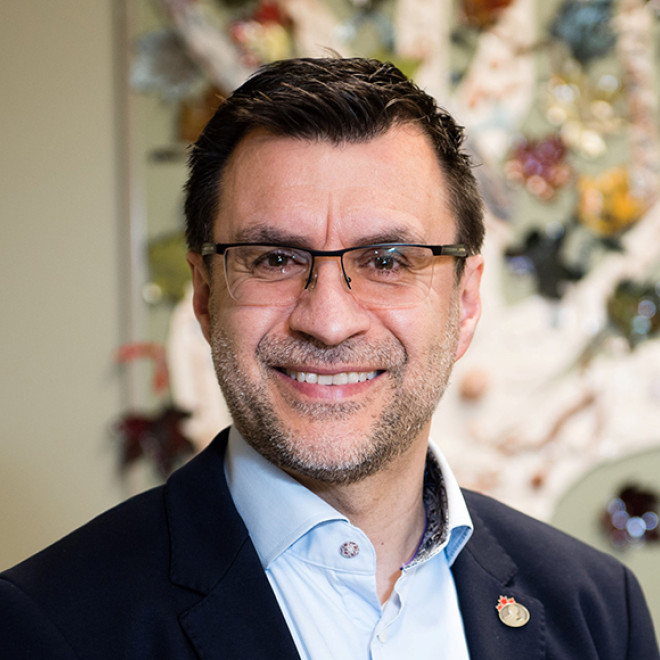
Full Name
Dr. J Don Richardson
Role
Location
Degrees and Qualifications
MD, FRCPC
Research Overview
- Advanced Analytics to Understand Military Related PTSD: Canadian Armed Forces (CAF) members and veterans are at risk of developing PTSD and other mental health conditions resulting from trauma exposure during their military service. The proposed study utilizes natural language processing (NLP) to identify key features related to 1) suicide attempts and 2) moral injury using unstructured data. Additionally, we propose using IBM SPSS Modeler or other technology available through IBM via Southern Ontario Smart Computing Innovative Platform (SOSCIP) to: 1) identify patterns of comorbidity; and 2) predict treatment trajectories amongst a cohort of treatment-seeking CAF members and veterans.
- Develop algorithms that can be utilized in the screening of CAF members and veterans for PTSD, MDD, and suicidal ideation (SI): Research indicates that military personnel are at increased risk of developing PTSD, major depressive disorder, and suicidal ideation as a result of events experienced during their military service. The proposed study utilizes machine learning to develop assistive diagnostic algorithms to aid in the early identification of PTSD and MDD among CAF members and veterans.
- Statistics Canada Canadian Armed Forces Longitudinal Health Survey: In 2018, a follow-up assessment was completed of the large, representative sample of individuals who, 13 year earlier (2002), were employed by CAF and, at that time, participated in the Canadian Forces Supplement of the 1st Canadian Survey of Mental Health & Wellbeing. The plan is to investigate the incidence of new mental health (MH) problems and the persistence of the MH problems identified in 2002. The research will focus determining the incidence rate of new-onset MH problems during the 13 years since 2002 and identify characteristics associated with risk factors and protective factors to developing a new-onset MH outcome.
- Statistics Canada 2013 CAF Mental Health Survey: The 2013 CAF Mental Health Survey is a nationally representative sample of 8180 active CAF members. Using this nationally representative sample the plan is to examine the association between Psychiatric Illness, sleep disturbances and Suicidal Ideation in order to increase our understanding of military-specific factors that are associated with the development of PTSD among CF members who are deployed on combat missions.
- Posttraumatic Stress Disorder and Comorbidity in Treatment Seeking CAF Members and Veterans: The objective of the current study is to retroactively use information provided by former and current CF members presenting to Parkwood Hospital’s Operational Stress Injury Clinic for treatment in order to investigate (1) The relationship between events experienced during deployment and suicidal ideation (i.e., to determine whether certain combat experiences are more related to suicidal ideation than others), (2) The relationship between PTSD symptom clusters and health-related quality of life (i.e., to determine whether certain PTSD symptom clusters have a greater impact on wellbeing), and (3) The relationship between PTSD and comorbid disorders .
- Posttraumatic Stress Disorder (PTSD) and Comorbidity in Canadian Veterans Patients attending the Parkwood Operational Stress Injury Clinic complete a standardized assessment and treatment protocol. The standardized questionnaires at intake include PHQ-9 and GAD-7 for depression and anxiety, the PHQ-15 for somatic symptoms, the Alcohol Use Identification Test (AUDIT) for alcohol use, the PCL-M and PCL-5 for PTSD, the Deployment Experience Questionnaire, and the SF-36 to assess health-related quality-of-life. Prior to being seen for follow-up care, patients complete the PHQ-9, GAD-7, the PCL-5 and the OQ 45. Using a retrospective chart review design, the plan is to examining PTSD and comorbidity as well as examining predictors treatment outcome, including recovery.
Publications:

Biography
Dr. Richardson is consultant psychiatrist and Medical Director of the Parkwood Operational Stress Injury (OSI) Clinic in London, Ontario. He is also the Scientific Director of the MacDonald Franklin OSI research Centre at the Parkwood Institute and a fellow with the Canadian Institute for Military and Veteran Health. He has a Social Work degree from McGill University and completed his medical degree at Queen’s University and his fellowship in psychiatry at the University of Ottawa. He has more than 25 years of experience in the assessment and treatment of Veterans and Canadian forces members with PTSD and other operational stress injuries. Dr. Richardson has more than 50 published articles and book chapters in the area of Military and Veteran Mental Health including risk factors for PTSD and suicidal ideation, sleep disturbances, health care utilization, treatment outcomes and the impact of PTSD on quality-of-life.
Dr. Janet Pope
Full Name
Dr. Janet Pope
Role
Research Overview
- Scleroderma
- Lupus
- Early rheumatoid arthritis,
- Investigator initiated trials in RA and psoriatic arthritis
- Targeted biologics in the rheumatic diseases
- Data base research including above diseases and wirth the biologics and clinical trial design in the rheumatic diseases
Dr. Janice DeMoor recognized for her outstanding contributions to health research
Dr. Janice DeMoor is the 2020 recipient of the Staff Award of Excellence. Dr. DeMoor began working with Lawson in 2007 as a Scientific Writer on Dr. Frank Prato’s research team, helping to develop grant applications. Although funding for this role eventually ran out, it was obvious that Dr. DeMoor was extremely valuable to researchers and to the institute as a whole. She joined Lawson’s Administration team in 2013 and has established an outstanding Grant Development team, supporting all of Lawson’s researchers.
Dr. DeMoor now serves as the Manager of Lawson’s Grant Development team where she is responsible for the review and institutional approval of grant submissions. With the goal of increasing grant success, her team works with Lawson researchers to identify grant and award opportunities, develops grant-writing tools and resources, and assists in the preparation of external grant applications. Throughout her time in this role, Dr. DeMoor has been devoted to supporting Lawson scientists, trainees, and residents in advancing their research career, and ensures that her team operates with the same level of drive and efficiency as herself.
“Dr. DeMoor is a leader who makes a difference. She has molded her team to become more and more efficient in dealing with an ever-increasing load of grant applications,” says Dr. Prato, Lawson Scientist and Dr. DeMoor’s nominator.
Dr. DeMoor serves as an excellent role model and mentor, openly sharing her knowledge and experience with peers from across the industry. She is a generous manager and has greatly enriched collaborative efforts across the organization, including the establishment of a patient engagement initiative at Lawson.
“I am honoured to have received this award. Working with Lawson’s researchers and seeing how we can add value is extremely rewarding. The hard work of my entire team has led to our success, and their dedication is integral to us meeting our goals,” says Dr. DeMoor.
Dr. DeMoor is highly respected within the research community due to her knowledge of funding opportunities and grantsmanship, her dedication to her work, and commitment to her team. She is an exemplary and supportive manager, fostering her team in developing their skills, finding their passion in the field, and supporting them in related projects. She is a great leader, exemplified by her team’s attitude and work ethic.
“I thank Janice for all the support she has given Lawson’s Imaging Research Program, and the amazing contribution she has made for all Lawson Scientists,” adds Dr. Prato.
Dr. Jatinder Takhar
Full Name
Dr. Jatinder Takhar
Role
Research Overview
- Early intervention psychosis
- Education
- Shared care models
- Continuing professional development
Dr. Jean Théberge
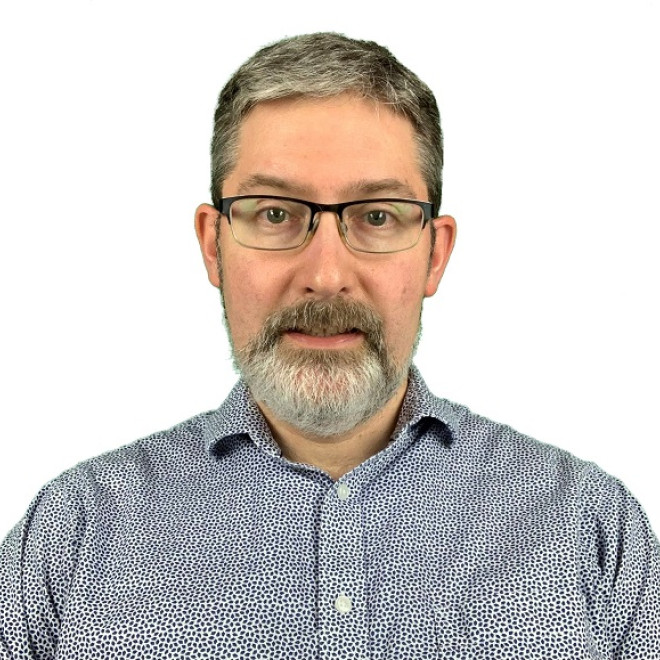
Full Name
Dr. Jean Théberge
Role
Location
Degrees and Qualifications
Ph.D., FCCPM
Website
Research Overview
The NeuroPsychiatry Imaging Lab (NeuroPIL), lead by Dr. Jean Théberge, is a research group dedicated to the development, implementation and application of brain imaging methodologies in psychiatry research.
Publications:

Biography
Dr. Théberge is a certified Medical Physicist specialized in magnetic resonance. His current work involves providing support to the clinical MRI programs of St. Joseph’s Health Care and LHSC, teaching MRI at the graduate level in the Medical Biophysics program of the University of Western Ontario and conducting MR imaging research within the Lawson Health Research Institute’s Imaging Division.
With a solid background in physics, significant computer programming skills and knowledge and experience of neuropsychiatry, Dr. Théberge has been able to forge several alliances with clinical collaborators that allow him to conduct a wide range of brain imaging research, methodological developments and applications centered around the theme of neuropsychiatric disorders.
His current research in this area includes investigations of progressive changes in brain chemistry in schizophrenia using magnetic resonance spectroscopy, investigations of brain functional connectivity in major depression in youth as well as in individuals with schizophrenia or post-traumatic stress disorder. Most recently, his group is applying functional MRS methods to the study of glutamate dynamics during the performance of a cognitive task in these disorders.
Dr. Jennie Wells
Research Overview
- Dementia/Alzheimer's disease
- Geriatric rehabilitation
Dr. Jennifer Fogarty
Research Overview
- Coping with symptoms in schizophrenia and its relationship to cognitive function (Psychology)
Dr. John Denstedt
Full Name
Dr. John Denstedt
Role
Research Overview
- Endourology
- Urolithiasis, lasers & biofilms
- Robotics and minimally invasive techniques in urology
- Surgical education
Dr. John R. Gonder
Full Name
Dr. John R. Gonder
Role
Research Overview
- Vitreoretinal surgery
- Diabetes
- Age related macular degeneration
- Macular disease
Dr. Joy C. MacDermid
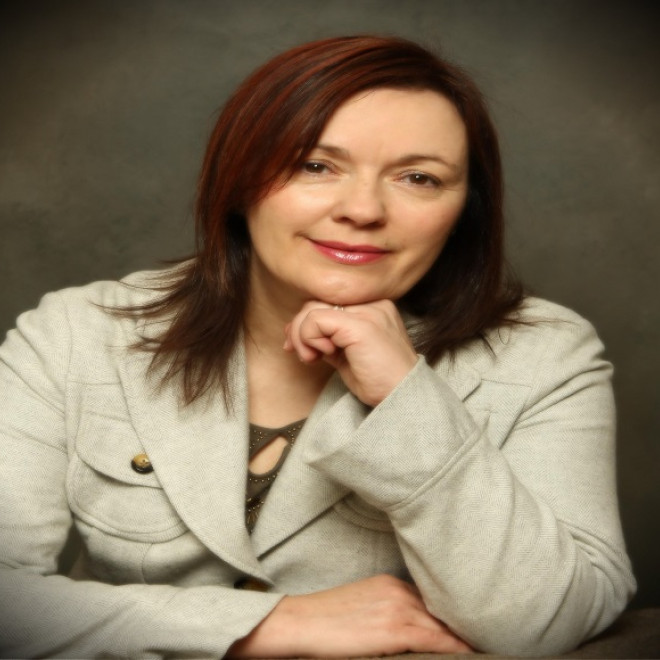
Research Overview
- Upper extremity
- Surgery/Rehabilitation
- Epidemiology
- Clinical trials/clinical measurement/systematic reviews
- Psychometric analysis
- Outcome studies
- Evidence-based practice
- Knowledge translation
- Disability
Dr. Justin Hicks
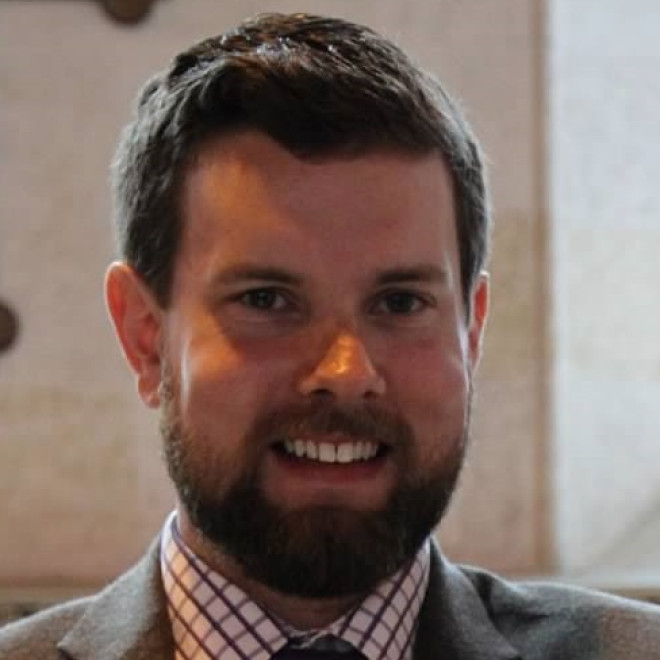
Full Name
Dr. Justin Hicks
Role
Location
Degrees and Qualifications
PhD
Research Overview
Working closely with clinicians and fellow researchers, we are currently focused on developing radiochemical methods to facilitate the preparation of PET radiopharmaceuticals within Health Canada Guidelines. Due to the short half-lives of the isotopes, these radiopharmaceuticals must be made to order and used the same day with production and quality testing completed in 40 to 90 minutes. Once routine production has been established, we can supply Saint Joseph's London as well as remote sites in Windsor and the GTA. Through expanding the catalogue of made-to-order PET probes, our capabilities to answer questions about diseases with non-invasive imaging can be expanded here in London and beyond. Further de novo probe development shall also be undertaken.