


Search
Search
1376 Search Results:
… process for PS to achieve Associate Professor and promotion Dr Laura Foxcroft 1. Be familiar with the current Conditions … members may have. Thursday April 1, 2021 UH C3-170 Boardroom 4. 2 Structure • Mandatory for all new Professional … process for PS to achieve Associate Professor and promotion Dr Laura Foxcroft 1. Be familiar with the current Conditions …
Structure Mandatory for all new Professional Staff (PS) entering from Residency/Clinical Fellowships and for PS new to the Ontario healthcare system Voluntary participation/selective options for experienced PS transferring from another Ontario hospital Sessions will be held at alternating sites ...
Prostate cancer imaging research could bring big benefits
LONDON, ON – With newly announced studies, Lawson Health Research Institute continues to lead the way in advancing prostate cancer imaging.
Scientists at Lawson are at the forefront of research that uses imaging agents that bind to a protein on the surface of prostate cancer cells called prostate specific membrane antigen (PSMA). Advanced imaging technology called PET/CT (positron emission tomography/computed tomography) and PET/MRI (magnetic resonance imaging) is then used to capture clear images of the location and extent of the cancer.
The first scan of its kind in Canada was captured at St. Joseph’s Health Care London in 2016 by Dr. Glenn Bauman, a Radiation Oncologist at the London Regional Cancer Program at London Health Sciences Centre and Scientist with Lawson.
“We started out with mainly MRI imaging but we've developed this very rigorous pipeline that allows us to put the imaging and digitized pathology together,” explains Dr. Bauman.
Early evidence indicates that PSMA PET scans have changed how prostate cancer is being treated, but more work is underway to understand the impact of those treatment changes. Working with imaging specialists there is hope that registries of these scans that are in development could even lead to automated detection of prostate cancer.
The Canadian Cancer Society recently committed $125,000 in funding for the creation of a database of PET/CT prostate cancer scans. Led by Dr. Katherine Zukotynski, an Adjunct Scientist at Lawson, the idea is to make annotated findings accessible to a wider community of medical and research professionals.
“If you have an idea of the amount of disease detected, correlated with what kind of prognosis, then this could be very helpful. It would allow oncologists to compare patients with similar cases, which may help determine the best therapies to try,” Dr. Zukotynski says.
![MRI and [18F]-DCFPyL PET images of six trial participants with prostate cancer.](/sites/default/files/research/inline-images/1920_PET_MRI_18F-DCFPyL_prostate_cancer_imaging.jpg)
Lawson has also become the first in Canada to enter a sublicense agreement to produce a new PET imaging agent called PSMA-1007 - that may produce even clearer images, especially when there’s a recurrence of cancer.
“PSMA-1007 allows us to detect where the cancer is a lot sooner and take action, whether that’s through surgery or delivering radiation to exactly where the cancer is located,” says Dr. Michael Kovacs, Director of the Lawson Cyclotron & PET Radiochemistry Facility.
Clinical trials have already begun to test PSMA-1007’s efficacy with an ultimate goal of obtaining Health Canada approval.
A three-part series on prostate cancer imaging at Lawson is also available:
About Lawson Health Research Institute
Lawson Health Research Institute is one of Canada’s top hospital-based research institutes, tackling the most pressing challenges in health care. As the research institute of London Health Sciences Centre and St. Joseph’s Health Care London, our innovation happens where care is delivered. Lawson research teams are at the leading-edge of science with the goal of improving health and the delivery of care for patients. Working in partnership with Western University, our researchers are encouraged to pursue their curiosity, collaborate often and share their discoveries widely. Research conducted through Lawson makes a difference in the lives of patients, families and communities around the world. To learn more, visit www.lawsonresearch.ca.
Media Contacts
Amanda Taccone
Communications Consultant & External Relations
Lawson Health Research Institute
T: 519-685-8500 ext. ext. 64059
C: 226-919-4748
@email
Provincial funding enables coronavirus research in London, Ontario
LONDON, ON – Three studies investigating a range of important COVID-19 questions led by teams from Lawson Health Research Institute and Western University are among an initial 15 projects funded through the Government of Ontario’s COVID-19 Rapid Research Fund.
Studying a human protein in the treatment of critically ill COVID-19 patients
A team from Lawson will be the first in the world to study a human protein called annexin A5 as a potential therapy for COVID-19 patients with sepsis. The randomized controlled trial will enroll up to 60 critically ill patients from London Health Sciences Centre (LHSC).
“There are no proven therapies to treat COVID-19,” says Dr. Claudio Martin, Associate Scientist at Lawson and Intensive Care Physician at LHSC. “In the most severe cases, it’s complicated by hyperinflammation that can lead to sepsis, acute respiratory distress syndrome (ARDS) and multi-organ failure.”
Sepsis is a life-threatening condition. It occurs when the body’s response to an infection is out of balance, triggering hyperinflammation that can damage multiple organs. Many critically ill COVID-19 patients develop sepsis one to two days before ARDS, suggesting that sepsis is a major contributor to the development of respiratory and multi-organ failure.
Led by Dr. Martin, this clinical trial aims to fight sepsis in COVID-19 patients with a manufactured form of annexin A5 – a human protein that has strong anti-inflammatory properties. Patients will be randomized to receive either the drug at two different doses or a placebo.
“The ultimate goal is to determine whether this drug reduces hyperinflammation associated with sepsis in order to prevent respiratory and multi-organ failure,” explains Dr. Martin, who is also a Professor at Western’s Schulich School of Medicine & Dentistry.
The team also believes the drug will prevent cell death and blood clots associated with COVID-19 through annexin A5’s anti-apoptotic (cell death prevention) and anti-coagulant (blood clot prevention) properties.
This is the first time annexin A5 will be tested as a potential sepsis treatment in humans. The research builds on findings of a preclinical study from Dr. Qingping Feng, Lawson Scientist and Ivey Chair in Molecular Toxicology at Schulich Medicine & Dentistry. His team previously found that annexin A5 can inhibit inflammation and improve organ function and survival when treating sepsis in animal models.
“Annexin A5 is a naturally-occurring protein with great potential as a therapy for sepsis, whether caused by COVID-19 or a different infection,” says Dr. Feng, co-investigator on the project. “If our initial trial is successful, we hope to run a large multi-centre trial to further examine the drug’s potential as a sepsis treatment.”
Developing point-of-care blood test for COVID-19
A team at Western will be using a novel strategy to rapidly develop a blood test for COVID-19 using epitopes – a peptide fragment on the virus that evokes an immune response in humans.
“The antibody test enabled by multiple epitopes is potentially more sensitive and specific than tests that rely on a single viral protein. Serologic testing plays a pivotal role in charting the landscape of the COVID-19 pandemic and guiding return-to-work decisions,” said Shawn Li, PhD, Professor at Schulich Medicine & Dentistry and Scientist at Lawson. “This funding allows us to put together a team of basic researchers and clinician scientists, including Dr. Ian Chin-Yee and his colleagues at the Department of Pathology and Laboratory Medicine, to work on the various aspects of the project with the common goal of developing a serologic test suitable for point-of-care use as quickly as possible.”
To curb the COVID-19 outbreak caused by the SARS-CoV-2 virus, researchers are looking to solve three critical challenges as quickly as possible – detection, treatment and vaccination. Li says the identification of these epitopes are also the necessary first step to devise strategies for the production of virus-neutralizing antibodies to treat those who are severely ill and also to inform epitope-vaccine development for COVID-19.
Studying the impact of modified operating conditions for retail food outlets
With the aim of understanding how the pandemic has affected the well-being of businesses and their employees, Jason Gilliland, PhD, Professor in the Faculties of Social Sciences, Health Sciences, and Schulich Medicine & Dentistry at Western, has begun the Food Retail Environment Study for Health & Economic Resiliency (FRESHER) project.
“The project is a rapid response to the widespread closures of, and modified operating conditions for, many retail food outlets,” said Gilliland, who is also a Scientist at Lawson. “The project outputs are expected to help inform policies and programs that will maintain Ontario’s food security, incentivize economic growth during the recovery period, and improve health and economic resiliency among businesses and employees to future pandemics and emergencies.”
Gilliland and his team will examine the economic and social impacts of COVID-19 in southwestern Ontario by identifying what businesses modified their operations, temporarily closed or permanently closed during the outbreak, and how it has affected businesses and their employees.
“The retail food sector is already facing massive job losses which in turn will have negative economic and health impacts on owners and employees,” he said. “As the project is intended to be a rapid response, we needed to quickly mobilize a large team of research assistants to rapidly collect and continuously update the data. This funding is critical as it allowed us to put together an impressive team of student research assistants, most of whom would otherwise have been out of work due to COVID-19.”
More information on the project and links to the surveys can be found at: fresher.theheal.ca.
-30-
About Lawson Health Research Institute
Lawson Health Research Institute is one of Canada’s top hospital-based research institutes, tackling the most pressing challenges in health care. As the research institute of London Health Sciences Centre and St. Joseph’s Health Care London, our innovation happens where care is delivered. Lawson research teams are at the leading-edge of science with the goal of improving health and the delivery of care for patients. Working in partnership with Western University, our researchers are encouraged to pursue their curiosity, collaborate often and share their discoveries widely. Research conducted through Lawson makes a difference in the lives of patients, families and communities around the world. To learn more, visit www.lawsonresearch.ca.
About Western
Western delivers an academic experience second to none. Since 1878, The Western Experience has combined academic excellence with life-long opportunities for intellectual, social and cultural growth in order to better serve our communities. Our research excellence expands knowledge and drives discovery with real-world application. Western attracts individuals with a broad worldview, seeking to study, influence and lead in the international community.
About The Schulich School of Medicine & Dentistry
The Schulich School of Medicine & Dentistry at Western University is one of Canada’s preeminent medical and dental schools. Established in 1881, it was one of the founding schools of Western University and is known for being the birthplace of family medicine in Canada. For more than 130 years, the School has demonstrated a commitment to academic excellence and a passion for scientific discovery.
Media Contacts
Celine Zadorsky
Senior Media Relations Consultant
Communications & Public Engagement
T: 519-685-8500 ext. 73502
Celine.zadorsky@lhsc.on.ca
Provincial grant supports innovations in mental health care for youth
On Friday, November 23, 2018, the Mental Health INcubator for Disruptive Solutions (MINDS) of London-Middlesex welcomed community members and stakeholders at Innovation Works for an update on the work of the MINDS team and announced the generous contributions of the Ontario Trillium Foundation.
Local MPPs Peggy Sattler (London West) and Terence Kernaghan (London North Centre), with OTF Grant Review Team member Chris Harding were on hand to congratulate the MINDS members, including Pillar Nonprofit Network, and hear more about how the $75,000 OTF Grant will contribute to the mental health of transitional aged youth in the London and Middlesex region.
As a research project through Lawson Health Research Institute, MINDS is taking a unique approach to improving the mental health of the community’s transitional age youth – people ages 17 to 25.
A key aspect is to successfully work in partnership with youth to make sense of and address this complex challenge.
“Today’s youth are unlike any generation before,” explains Dr. Arlene MacDougall, Director and Principal Investigator for MINDS. “Many of our processes, structures, models and concepts that we have used to serve, educate, employ, care for and communicate with youth in the past are no longer appropriate, relevant or effective for the youth of today.”
Dr. MacDougall is also Director of Research and Innovation for mental health care at St. Joseph’s Health Care London and Assistant Director for mental health research at Lawson.
Youth today are more diverse, connected and educated. Although many are reaping benefits from these qualities, others are facing significant challenges such as finding a full time job, being social excluded, negative effects of digital life including cyberbullying and physical health challenges like rising obesity.
“Evidence from acute care and community sectors shows an increase in the number and acuity of mental health and addiction challenges experienced by our local transitional age youth,” states Dr. MacDougall. “We see this as a persistent and ‘wicked’ challenge – it is difficult to define and many factors contribute to it.”
Over the last few years, across Canada and locally, there have been higher rates of emergency visits and inpatient hospitalizations for youth with mental disorders; an increase in the number of youth seeking help for mental illnesses; and, youth experiencing increased rates of anxiety, depression and suicidal thoughts and attempts.
“We have been listening to local youth and their adult allies. We are hearing from youth with lived experience of mental illness and those who do not have a lived experience. And we are working on making sense of the upstream social drivers and components of poor mental health for transitional age youth,” explains Dr. MacDougall.
“On the flip side, we are exploring the potential action areas, levers and opportunities for shifting our community and our system to promote youth mental and emotional wellbeing – reaching them sooner and in the way they need.”
As a social innovation lab, MINDS will use a collective impact framework to develop and test high impact solutions. This provides a structured process and creative environment where the team can prototype radical but possible innovations, while merging with youth-led participatory action research.
“The collective impact framework enables us to can tackle deeply entrenched and complex social problems. It is an innovative yet structured approach to making collaboration work across government, business, philanthropy, non-profit organizations and citizens to achieve significant and lasting social change.”
MINDS has the support of a diverse network of key individuals and partnering organizations including cross-sectoral service providers, community leaders, mental health advocates and youth from the region. This includes Lawson, St. Joseph’s, London Health Sciences Centre, Western University, mindyourmind, Goodwill Industries and CMHA Middlesex. The project has also received funding support from St. Joseph’s Health Care Foundation.
“We are thrilled that many partners in the community are coming together to look for disruptive solutions that will create a lasting impact for youth,” explains Dr. MacDougall. “To the best of our knowledge, this is the first social innovation lab dedicated to improving community mental health to be established in Canada.
The Ontario Trillium Foundation (OTF) is an agency of the Government of Ontario, and one of Canada’s leading granting foundations. OTF awarded more than $120 million to some 700 projects last year to build healthy and vibrant communities in Ontario.
Scientist
… and staff is a new, four-year strategic plan shaped by hundreds of people at St. Joseph’s and throughout Southwestern … in the photographs and stories on these pages. The backdrop of our annual report is one of ongoing work with the … particularly meaningful were activities that involved children for the opportunity it presented to educate young …
Illuminating a vision of care 2005-2006 AnnuAl RepoRt Strategic Plan Creation of our new four-year strategic plan began in the summer of 2004 with the formation of a Board-appointed Strategic Planning Steering Committee. In the months that followed, a highly consultative process was used to gain inp...
… a thor- ough strategic planning exercise, which involved hundreds of staff and other vital stakeholders. This plan will … while its London counterpart is known in full as the Andrews Resource Centre. In real work settings, ACE and ARC … registered nurses and registered practical nurses. Dr. Don Gutoski applies a cast to the arm of nine-year-old …
S T. J O S E P H S H E A LT H C A R E , LO N D O N 2 0 0 4 / 2 0 0 5 care is at our core STAND TALL AND PROUD SINK YOUR ROOTS DEEPLY INTO THE EARTH REFLECT THE LIGHT OF A GREATER SOURCE THINK LONG TERM GO OUT ON A LIMB REMEMBER YOUR PLACE AMONG ALL LIVING BEINGS EMBRACE WITH JOY THE CHANGING SEASON...
Pulmonary surfactant potential treatment for COVID-19-induced respiratory failure
LONDON, ON – Researchers at Lawson Health Research Institute (Lawson) have launched a new study to investigate the use of bovine lipid extract surfactant suspension (BLES®) for treating severe cases of COVID-19.
Surfactant is made of lipids and proteins. Its primary function is to reduce surface tension in the alveoli in the lungs, helping us to exchange gases and breathe more efficiently. Alveoli can be described as tiny, balloon-like air sacs that exchange oxygen and carbon dioxide to and from the blood stream. When there is less surfactant being produced, or the surfactant is dysfunctional, alveolar walls can stick together, making it difficult to breathe.
Lung analyses from patients with severe COVID-19-induced respiratory failure indicate there is a change in their alveolar type-II cells; the cells which secrete surfactant. This suggests a change to the surfactant being produced, and a decrease in its functional efficacy.
Dr. Jim Lewis, Lawson Scientist and Respirologist at St. Joseph’s Health Care London, and his colleague, Lawson Scientist Dr. Ruud Veldhuizen, are studying whether the use of BLES®, an exogenous surfactant, given at the time of intubation, will help improve outcomes such as gas exchange, need for mechanical ventilation, systemic inflammatory response, and length of ICU and hospital stay in patients with severe COVID-19.
BLES® is a pulmonary surfactant, manufactured in London, Ontario. It is currently used worldwide to help improve lung function in premature babies. Researchers are confident that it can help adults who develop lung disease and acute respiratory distress syndrome (ARDS).
Dr. Jim Lewis explains, “BLES® has been studied in pediatric and adult populations with ARDS, and we have found that it improves outcomes in patients with direct lung injury when compared to patients receiving standard treatment. We have proven this treatment effective in the past, and COVID-19 seems to be another prototypic case that we think will respond well.”
“Mechanical ventilation, while sometimes necessary, can cause damage to the lungs,” says Dr. Veldhuizen. “In previous studies, we’ve been able to show that if you give the surfactant early, prior to ventilation, you can prevent some of this damage from occurring.”
“The world is focused on finding good treatments for COVID-19. This kind of research is only possible through strong partnerships, and we are thankful for the collaboration that is possible here in London. Many different experts are involved in this study, including scientists and research staff, physicians, nurses, respiratory therapists, pharmacists, and staff at BLES® Biochemicals,” adds Dr. Veldhuizen.
Researchers hope to recruit ten patients to receive the exogenous surfactant, with another ten serving as the control group.
-30-
About Lawson Health Research Institute
Lawson Health Research Institute is one of Canada’s top hospital-based research institutes, tackling the most pressing challenges in health care. As the research institute of London Health Sciences Centre and St. Joseph’s Health Care London, our innovation happens where care is delivered. Lawson research teams are at the leading-edge of science with the goal of improving health and the delivery of care for patients. Working in partnership with Western University, our researchers are encouraged to pursue their curiosity, collaborate often and share their discoveries widely. Research conducted through Lawson makes a difference in the lives of patients, families and communities around the world. To learn more, visit www.lawsonresearch.ca.
Media Contacts
Celine Zadorsky
Senior Media Relations Consultant
Communications & Public Engagement
T: 519-685-8500 ext. 73502
Celine.zadorsky@lhsc.on.ca
Pulmonary surfactant potential treatment for COVID-19-induced respiratory failure
Researchers at Lawson Health Research Institute (Lawson) have launched a new study to investigate the use of bovine lipid extract surfactant suspension (BLES®) for treating severe cases of COVID-19. They hope to improve COVID-19 outcomes, and reduce the time needed on mechanical ventilation for severe cases.
Surfactant is made of lipids and proteins. Its primary function is to reduce surface tension in the alveoli in the lungs, helping us to exchange gases and breathe more efficiently. Alveoli can be described as tiny, balloon-like air sacs that exchange oxygen and carbon dioxide to and from the blood stream. When there is less surfactant being produced, or the surfactant is dysfunctional, alveolar walls can stick together, making it difficult to breathe.
Lung analyses from patients with severe COVID-19-induced respiratory failure indicate there is a change in their alveolar type-II cells; the cells which secrete surfactant. This suggests a change to the surfactant being produced, and a decrease in its functional efficacy.
Dr. Jim Lewis, Lawson Scientist and Respirologist at St. Joseph’s Health Care London, and his colleague, Lawson Scientist Dr. Ruud Veldhuizen, are studying whether the use of BLES®, an exogenous surfactant, given at the time of intubation, will help improve outcomes such as gas exchange, need for mechanical ventilation, systemic inflammatory response, and length of ICU and hospital stay in patients with severe COVID-19.
Image

BLES® is a pulmonary surfactant, manufactured in London, Ontario. It is currently used worldwide to help improve lung function in premature babies. Researchers are confident that it can help adults who develop lung disease and acute respiratory distress syndrome (ARDS).
Dr. Jim Lewis explains, “BLES® has been studied in pediatric and adult populations with ARDS, and we have found that it improves outcomes in patients with direct lung injury when compared to patients receiving standard treatment. We have proven this treatment effective in the past, and COVID-19 seems to be another prototypic case that we think will respond well.”
“Mechanical ventilation, while sometimes necessary, can cause damage to the lungs,” says Dr. Veldhuizen. “In previous studies, we’ve been able to show that if you give the surfactant early, prior to ventilation, you can prevent some of this damage from occurring.”
“The world is focused on finding good treatments for COVID-19. This kind of research is only possible through strong partnerships, and we are thankful for the collaboration that is possible here in London. Many different experts are involved in this study, including scientists and research staff, physicians, nurses, respiratory therapists, pharmacists, and staff at BLES® Biochemicals,” adds Dr. Veldhuizen.
Researchers hope to recruit ten patients to receive the exogenous surfactant, with another ten serving as the control group.
… Workbook Page | 1 Pulmonary Rehabilitation Program Dr. Michael Nicholson, Medical Director Tajana Jokic, … MPH Karen Unsworth, MSc Lia Kutzscher, RN (EC) MScN CRE Andraena Tilgner, RRT CRE Alia El Kubbe, RD Contributors Cathy … level Clear sputum with the cough and huff technique Drink extra fluids Eat small amounts of nourishing food …
Pulmonary Rehabilitation Program Lifestyle Change and Self-Management Workbook Page | 1 Pulmonary Rehabilitation Program Dr. Michael Nicholson, Medical Director Tajana Jokic, Program Coordinator Authors Megan Graat, R. Kin, MPH Karen Unsworth, MSc Lia Kutzscher, RN (EC) MScN CRE Andraena Tilgner, RR...
… Board Chair Margaret Kellow Quality Committee Chair Dr. Gillian Kernaghan President and Chief Executive Officer … Pharmacist will complete audits on regular basis on 3 month drug and diet review and put forward recommendations and … Board Chair Margaret Kellow Quality Committee Chair Dr. Gillian Kernaghan President and Chief Executive Officer …
1 Quality Improvement Plan (QIP) Narrative for St. Josephs Health Care London Mount Hope Centre for Long Term Care Marian Villa 9/3/2015 This document is intended to provide health care organizations in Ontario with guidance as to how they can develop a Quality Improvement Plan. While much effort ...
… pursuit of safety, we will aim to reach zero wrong drug medication errors in 2016-17, with continued focus on … pursuing strategies such as leader rounding on patients to drive our percent excellent survey scores in all programs … in medication errors involving wrong patient / wrong drug Compensation will be awarded as follows: o The three …
1 Quality Improvement Plan (QIP) Narrative for St. Josephs Health Care London 04/01/2016 2 Overview St. Josephs Health Care Londons (St. Josephs) Strategic Plan for 2015-2018 has three strategic priorities related to enhancing the quality and safety of the care we provide to our patients, residents ...
Rates of depression and substance use higher for pregnant teens, study finds
LONDON, ON – Researchers from Lawson Health Research Institute and Brescia University College found that teenage pregnant women are more likely to live in poverty, have poorer mental health and have higher rates of substance use.
There are limited Canadian studies on teenage pregnancies, in particular looking at risk factors and birth outcomes compared to women who became pregnant during adulthood. London researchers were able to take advantage of a large sample of pregnant women from Southwestern Ontario by accessing data from patients at London Health Sciences Centre. Of the 25,363 pregnant women making up the total sample of the retrospective cohort study, 4.3 per cent (1080) were 19 years old or younger.
Teenage pregnant women were much more likely than older pregnant women to live in poor, disadvantaged neighbourhoods across Southwestern Ontario. They were also more likely to have a history of depression and had higher rates of depression during pregnancy, with 10 per cent on medication while pregnant. Looking at substance use, 41 per cent of teenage women smoked cigarettes, 13 per cent used cannabis and 7 per cent drank alcohol during pregnancy, which was significantly higher than rates for older pregnant women.
Once adjusted for other medical, behavioural and economic factors, teenage pregnancy was not associated with a higher risk for preterm birth or low birth weight compared to pregnancy for women ages 20-34 years. However, the infants had a higher risk of low Apgar scores.
An Apgar score, a test given to newborns soon after birth, indicates how well the baby is doing outside of the womb. Babies with very low Apgar scores are more likely to need assistance with breathing. However, Apgar scores have little correlation with the long-term health of the baby.
“Although teenage pregnancy has been declining in Canada over the past few decades, this does not mean that we have solved this social issue. The majority, 70 per cent, of teenage pregnancies in this country are unintended,” says Dr. Seabrook, Scientist at Children’s Health Research Institute, a program of Lawson, and Associate Professor at Brescia University College. “Unfortunately, declining rates of teenage pregnancy means that the issue has received minimal attention in recent years with respect to social policy.”
Contrary to findings in the United States, where teenage pregnancy is associated with a higher risk for preterm birth and low birth weight, these recent results suggest that geographical context, differences in social inequality and type of health care system are important. It’s possible that Canada’s universal health care system provides a stronger safety net.
“There are so many factors associated with poor birth outcomes, and the advantage of our sample size and statistical modelling was that we were able to include key medical and behavioural factors which play a larger role than age,” says Dr. Jasna Twynstra, Associate Professor at Brescia University College.
“Although our study adds to the limited research on teenage pregnancy and birth outcomes, the findings are only from Southwestern Ontario,” adds Dr. Seabrook. “We are currently working on a systematic review and meta-analysis of all studies conducted in Canada on the relationship between teenage pregnancies and adverse birth outcomes to determine whether our findings here are consistent with what’s happening across the country.”
He hopes the study reopens discussion on this important issue so that work can be done to improve the overall health of teenage pregnant women and their children. “We need to target teenage mental illness, as well as their high substance use during pregnancy, to minimize the impact on their overall health and wellbeing.”
The study, “Risk Factors and Birth Outcomes Associated with Teenage Pregnancy: A Canadian Sample,” was published in the Journal of Pediatric and Adolescent Gynecology.
-30-
Media Contacts
Celine Zadorsky
Senior Media Relations Consultant
Communications & Public Engagement
T: 519-685-8500 ext. 73502
Celine.zadorsky@lhsc.on.ca
… so the scene presented a colourful picture representing hundreds of interested citizens who witnessed the opening … 4X3 519-432-3781 ext 404 lperrie@csj.london.on.ca 2 “Dr. E.I. Loughlin spoke for the Medical Profession in … so the scene presented a colourful picture representing hundreds of interested citizens who witnessed the opening …
Sisters of St. Joseph of London Archives PO Box 487 London ON N6A 4X3 519-432-3781 ext 404 lperrie@csj.london.on.ca Sisters of St. Joseph of London St. Marys Hospital Basic facts 1869: Mount Hope established as an Orphanage, Motherhouse, and Home for the Aged. 1900: Motherhouse, Novitiate and Orp...
Recent Advances in Clinical Dementia Research
8:00pm - 9:00pm
Hear Dr. Michael Borrie, one of the world’s foremost leaders in Dementia research, talk about non-drug approaches to maintain brain health and ongoing research for cognitive impairment.
Research Bites is a series presented by Parkwood Institute Research (PIR). These informative and interactive talks focus on specific illnesses, their prevention and related health research being conducted by researchers in London and area. PIR is a program of Lawson, the research institute of London Health Sciences Centre and St. Joseph’s Health Care London.
This is a free learning series open to the community.
Register today before spots fill up!
About this event:
Image

Date: Tuesday, January 21, 2020
Time: 4 - 5 p.m.
Location:
Parkwood Institute, Main Building
WCW Auditorium (Room E1-130)
550 Wellington Road, London, ON N6A 4V2
Maps and Directions for Parkwood Institute.
Parking: The lot rate is $5.00 when you enter. $1 and $2 coins and credit card accepted (press the start button then insert payment)
Register Today
Reddit AMA: How does the gut microbiome relate to healthy aging?
Drs. Greg Gloor, Gregor Reid, Jeremy Burton and Jean Macklaim participated in a Science AMA (Ask Me Anything) Series following the publication of their “The Gut Microbiota of Healthy Aged Chinese Is Similar to That of the Healthy Young” study.
Their study, one of the largest microbiota studies conducted in humans, has shown a potential link between healthy aging and a healthy gut.
During the AMA, the team of researchers answered over 30 questions relating to the study as well as other questions relating to probiotics and the human microbiome. Diet, environment, and fecal transplants were some of the topics reddit users wanted to discuss.
Each of the researchers also weighed in on the medical breakthroughs in microbiome and probiotic research in the future:
Dr. Greg Gloor: My prediction is that we will begin to understand the inter-relationships between the microbiota and the host. Right now the microbiome community and the human genetic community are not well connected. For example, the particular strains from a single donor that engraft following a fecal transplant differ between different recipients. We don’t understand how or why this happens, but the that the host genetic makeup and immunological response affects engraftment is an obvious starting point. We really can’t start to think about true precision medicine until we understand all the moving parts in play, we can’t just look at the host genetics, nor can we look only at the microbiota, or the broader environment - we need to synthesize all this information in order to truly deliver person-specific advice.
Dr. Gregor Reid: Sample a person’s microbiota and metabolomic read-out, know what drugs they are taking and what toxins they are being exposed to (mercury, pesticides, aflatoxins etc) and ‘design’ a probiotic that gets closer to being ‘personalized’ for whatever purpose is believed to be important to improve their health status. That would require having many probiotic strains available as options, and foods that could promote their influence in the host. Another challenge will be ethically doing this in early life; and another is to apply the intervention to impact distant sites like the brain. Furthermore, we need to know to what extent the intervention helps the person. For example, probiotics can reduce cholesterol, and this might reduce by 12.5% the risk of a cardiac event in the next ten years, while statins may reduce the risk by 25%. Depending on the actual risk of disease, the probiotic approach may not be sufficient. So, we should not promote something that endangers the life of the recipient in any way. Having said that, the side effects of high statin levels are extremely concerning, and we need to be looking at alternatives. If probiotics could reduce the need for high levels of statins, that might be a win-win.
Dr. Jeremy Burton: The gut microbiome composition has been shown to be predictive of certain conditions (T2 diabetes, some kidney stones etc), so the hospital of the future will likely analyse your microbiome, as well as your own genetics. Once a condition has been diagnosed and if there is a microbial link, some kind of microbial therapeutics will be administered in different ways. In a less severe microbial disruption, patients may only receive a dietary intervention, but where a more dramatic shift in the microbiome is required, a faecal transplant may be administered from the hospital “bank” or the person’s own microbiome maybe taken out and put in a gut model to grow and restore their bacterial populations in the laboratory before putting the “restored” microbiome back in the patient as an “auto” transplant.
Dr. Jean Macklaim: One of the things I hope we’ll be better able to understand in the future is how our early exposure to microbes sets the course of our immune response for the rest of our lives. There is a lot of evidence that the bacteria you are exposed to at birth and early in your childhood affects allergies, susceptibility to the common cold, chronic immune disorders, etc. Additionally, it’s very difficult to change your established microbiome and immune function in adulthood. If we are better able to prime our early microbiome, it could affect a lot of these disorders that change the quality of our lives during aging.
More information about the study and the full AMA can be found on Reddit.
Scientist
Reduce the swelling: Why does chronic inflammation matter?
11:00pm - 1:00am
Inflammation is becoming increasingly popular as a “buzzword” for health claims and advice. It has been implicated in a number of chronic and age-related conditions, including diabetes, rheumatoid arthritis, cardiovascular disease, neurodegenerative diseases, and even depression and cancer. On the other hand, inflammation is part of the body’s natural response to infection and tissue damage, and it is crucial to the healing process.
You are invited to the Lawson’s Café Scientifique, a free community event providing an informal opportunity to get involved with science. Hear a panel of expert researchers explore how inflammation affects our health and how this knowledge can be applied to improve health care. Guests are then encouraged to ask questions as part of an open-forum discussion to gain insights from the speakers, and from one another.
Presented Talks
- “Molecular signatures: How do we listen to the music of inflammation?”
Dr. Chris McIntyre - “The effects of chronic inflammation on cancer”
Dr. Samuel Asfaha - “Coming to grips with curling fingers: A cause and potential treatment for fibrosis of the hand”
Dr. David O’Gorman - MODERATOR – Dr. David Hill
Registration
Free community event hosted by Lawson Health Research Institute.
PLEASE NOTE: Registration for this event is now full.
Email @email to be added to the event wait list. Please include the names of all individuals who wish to be added to the wait list. We apperciate your interest in Café Scientifique.
Event Information
Date: Wednesday, October 12, 2016
Time: 7 to 9 p.m.
Location: Windermere Manor (The Grand Hall), 200 Collip Circle, London, ON N6G 4X8
Speaker Biographies
Image
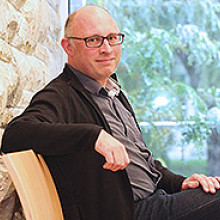
In 1999 he was appointed as Consultant Nephrologist at the Royal Derby Hospital and subsequently as Reader in Vascular Medicine and then Professor of Nephrology at Nottingham University, becoming Head of the Division of Graduate Entry Medicine and Medical Sciences. Dr McIntyre led a team of multidisciplinary researchers focused largely on the pathophysiology of the widespread abnormalities of cardiovascular function and body composition in CKD patients. These studies included basic clinical science, natural history studies and the development and application of novel therapeutic strategies. These studies have increasingly focussed on the adverse consequences resulting from dialysis therapy itself and the improvement in outcomes by the reduction of preventable harm.
He has recently moved to his new role in Canada as Professor of Medicine and was awarded the inaugural Robert Lindsay Chair of Dialysis Research and Innovation at Western University, London Ontario. He also serves as Director of the Lilibeth Caberto Kidney Clinical Research Unit at London Health Sciences Centre, as Assistant Director of the Lawson Health Research Institute and is cross appointed as full Professor in the Department of Medical Biophysics at Western.
Image
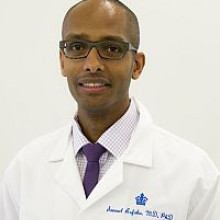
His research focuses on the intestinal stem cells of the gut and aims to identify the cellular origin of colorectal cancer.
See Dr. Asfaha’s full scientist profile.
Image
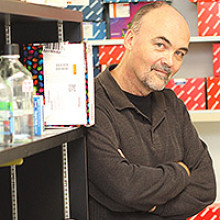
See Dr. O’Gorman’s full scientist profile.
Moderator Biography
Image

Reducing social isolation with new community resource
Researchers in London are sharing a new resource that can help municipalities and other organizations better understand social isolation and implement solutions proven to be effective. With input from over 35 community partners and people with lived experience, the research team hopes this tool can be used to support community-based initiatives that counteract poverty and homelessness while promoting mental health and social inclusion.
“The pandemic has highlighted the issues of isolation and homelessness, and we know there is a connection between mental health and poverty. Unfortunately, right now, many people don’t see solutions in sight,” explains Dr. Cheryl Forchuk, Assistant Scientific Director at Lawson Health Research Institute.
“Our new resource offers an expanded understanding of isolation and homelessness based on a very broad view and many different perspectives. We have taken it a step further and given examples of solutions that are working.” She is the lead researcher for CURA (Community-University Research Alliance): Poverty, Mental Health and Social Inclusion.
Today during a virtual book launch, the team from the CURA discussed details of a new publication from Canadian Scholars: Poverty, Mental Health, and Social Inclusion, edited by Drs. Forchuk and Rick Csiernik. Community partners from Connect for Mental Health (peer support), Impact Junk Solutions from CMHA Elgin-Middlesex, and Goodwill Industries shared more about their successful programs.
The book brings together research, real stories and information about programs from the London and area community that are working to address these issues. Most of the chapters includes a wide range of co-authors, including psychiatric consumer-survivors, academics, students, front-line service providers and leadership from community partners.
“In order to find real solutions, the voices of people using the services must be at the centre. Their stories and experiences have been a very important part of producing this book,” says Betty Edwards, Executive Director at Can-Voice, a consumer-survivor group, and Community Director for CURA. "For us to move the needle, we need collaboration across different sectors, for example health, income support, housing and social services. No one sector can solve these issues on their own.”
The book summarizes the foundational work by the CURA to better understand the inter-relationships between poverty and social inclusion for psychiatric survivors. Social inclusion involves the full participation of marginalized groups in the social and economic benefits of society which can be difficult to achieve for people with the “double jeopardy” of poverty and mental illness.
“After five years of funding and several published research papers, we wanted to pull the findings together as a whole so that it would be more easily accessed and implemented by a wide range of people and organizations,” adds Dr. Forchuk. “Our hope is that other cities and service providers can pick up this book to see what we’re doing in London, and consider ways that they may reach out to their citizens to address social exclusion. It is also an academic tool to prepare the next generation as they continue to tackle the wicked problem of homelessness.”
“I reflect back on the past 15 months of the pandemic and know how isolated I have felt at times. Imagine the feelings of isolation or being forgotten that would come with experiencing homelessness? And for some, it’s been most of their adult lives,” shares Dr. Csiernik, Professor at King’s University College at Western University. “We know that many people during the pandemic have lost homes, jobs and food security. Some may have new or worsening mental health disorders. The learnings and solutions like the ones presented in the book are needed now more than ever.”
Poverty, Mental Health, and Social Inclusion is available for purchase from Canadian Scholars with print and digital options.
Social Inclusion Art
Incorporating an arts-based approach, the book also features photographs taken by photographer Justin Langille who would spend about a month with each of the programs offering solutions and partnered with consumer survivors to capture accurate depictions of what they considered important messages.
Image

Impact Junk Solutions employee Allan is reflected in a mirror attached to a dresser being taken away from the home of an individual who recently passed away in the northwest end of London, Ontario in March 2014. (Photo credit: Justin Langille Photography)
Image

A supported housing unit rendered uninhabitable by an individual suffering from mental illness, which was a challenge for Impact Junk Solutions to de-clutter. (Photo credit: Justin Langille Photography)
Image
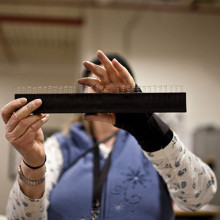
Diane assembles parts on the floor of the Goodwill’s RMHC Social Enterprise program in St.Thomas in April 2014. (Photo credit: Justin Langille Photography)
Image

A participant pauses for a moment during a Connect group sharing session in October 2014. Connect facilitates peer sessions where individuals experiencing mental illness can learn and share strategies to help their recovery. (Photo credit: Justin Langille Photography)
Image

Steve helps a co-worker navigate a couch out from a basement in the Blackfriars neighbourhood in London, Ontario in April 2014. Returning to work has been essential for Steve’s successful recovery from mental illness and substance abuse. (Photo credit: Justin Langille Photography)
Image

Connect member Tammy makes breakfast at home in her kitchen. If there is one thing she can do habitually to set herself up for success in her mental health recovery, Tammy says it’s having a good breakfast. (Photo credit: Justin Langille Photography)
Image

Goodwill RMHC Social Enterprise program employee Donald applies reflective tape to a stack of pylons in March 2014. (Photo credit: Justin Langille Photography)
Image
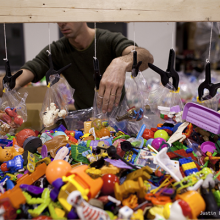
The Goodwill Social Enterprise program includes a successful toy-recycling component that bags and re-sells used toys at a low-cost for low-income families. (Photo credit: Justin Langille Photography)
Scientist
Reducing social isolation with new community resource
LONDON, ON – Researchers in London are sharing a new resource that can help municipalities and other organizations better understand social isolation and implement solutions proven to be effective. With input from over 35 community partners and people with lived experience, the research team hopes this tool can be used to support community-based initiatives that counteract poverty and homelessness while promoting mental health and social inclusion.
“The pandemic has highlighted the issues of isolation and homelessness, and we know there is a connection between mental health and poverty. Unfortunately, right now, many people don’t see solutions in sight,” explains Dr. Cheryl Forchuk, Assistant Scientific Director at Lawson Health Research Institute. “Our new resource offers an expanded understanding of isolation and homelessness based on a very broad view and many different perspectives. We have taken it a step further and given examples of solutions that are working.” She is the lead researcher for CURA (Community-University Research Alliance): Poverty, Mental Health and Social Inclusion.
Today during a virtual book launch, the team from the CURA discussed details of a new publication from Canadian Scholars: Poverty, Mental Health, and Social Inclusion, edited by Drs. Forchuk and Rick Csiernik. Community partners from Connect for Mental Health (peer support), Impact Junk Solutions from CMHA Elgin-Middlesex, and Goodwill Industries shared more about their successful programs.
The book brings together research, real stories and information about programs from the London and area community that are working to address these issues. Most of the chapters includes a wide range of co-authors, including psychiatric consumer-survivors, academics, students, front-line service providers and leadership from community partners.
“In order to find real solutions, the voices of people using the services must be at the centre. Their stories and experiences have been a very important part of producing this book,” says Betty Edwards, Executive Director at Can-Voice, a consumer-survivor group, and Community Director for CURA. “For us to move the needle, we need collaboration across different sectors, for example health, income support, housing and social services. No one sector can solve these issues on their own.”
The book summarizes the foundational work by the CURA to better understand the inter-relationships between poverty and social inclusion for psychiatric survivors. Social inclusion involves the full participation of marginalized groups in the social and economic benefits of society which can be difficult to achieve for people with the “double jeopardy” of poverty and mental illness.
“After five years of funding and several published research papers, we wanted to pull the findings together as a whole so that it would be more easily accessed and implemented by a wide range of people and organizations,” adds Dr. Forchuk. “Our hope is that other cities and service providers can pick up this book to see what we’re doing in London, and consider ways that they may reach out to their citizens to address social exclusion. It is also an academic tool to prepare the next generation as they continue to tackle the wicked problem of homelessness.”
Incorporating an arts-based approach, the book also features photographs taken by photographer Justin Langille who would spend about a month with each of the programs offering solutions and partnered with consumer survivors to capture accurate depictions of what they considered important messages.
“I reflect back on the past 15 months of the pandemic and know how isolated I have felt at times. Imagine the feelings of isolation or being forgotten that would come with experiencing homelessness? And for some, it’s been most of their adult lives,” shares Dr. Csiernik, Professor at King’s University College at Western University. “We know that many people during the pandemic have lost homes, jobs and food security. Some may have new or worsening mental health disorders. The learnings and solutions like the ones presented in the book are needed now more than ever.”
A central focus of the CURA team has been understanding homelessness – what lead someone to experience homelessness and how do we as a society respond? By bringing together different perspectives, the CURA team uncovered the issue of hospital discharge to homelessness, leading to research projects at London Health Sciences Centre and St. Joseph’s Health Care London that integrates the City of London’s housing and homeless approach. They have been better able to tailor youth specific homeless interventions after more awareness of the unique challenges of homeless youth. Driven by an information gap identified by the CURA, Dr. Forchuk’s team recently announced a research project testing data algorithms to track and identify who is homeless and where they are located.
-30-
DOWNLOADABLE MEDIA
Photo credit for all images: Justin Langille Photography
Image

A supported housing unit rendered uninhabitable by an individual suffering from mental illness, which was a challenge for Impact Junk Solutions to de-clutter. (Photo credit: Justin Langille Photography)
Image
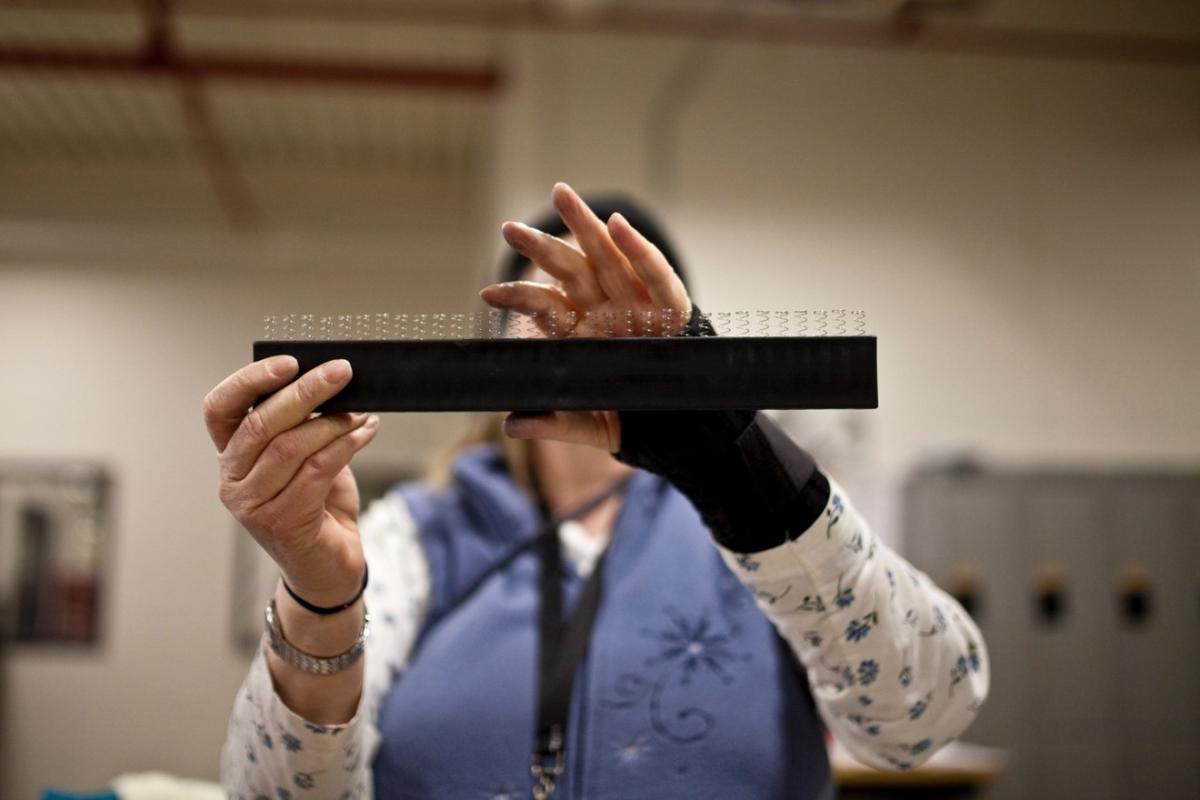
Diane assembles parts on the floor of the Goodwill’s RMHC Social Enterprise program in St.Thomas in April 2014. (Photo credit: Justin Langille Photography)
Image

Steve helps a co-worker navigate a couch out from a basement in the Blackfriars neighbourhood in London, Ontario in April 2014. Returning to work has been essential for Steve’s successful recovery from mental illness and substance abuse. (Photo credit: Justin Langille Photography)
Image

Goodwill RMHC Social Enterprise program employee Donald applies reflective tape to a stack of pylons in March 2014. (Photo credit: Justin Langille Photography)
About Lawson Health Research Institute
Lawson Health Research Institute is one of Canada’s top hospital-based research institutes, tackling the most pressing challenges in health care. As the research institute of London Health Sciences Centre and St. Joseph’s Health Care London, our innovation happens where care is delivered. Lawson research teams are at the leading-edge of science with the goal of improving health and the delivery of care for patients. Working in partnership with Western University, our researchers are encouraged to pursue their curiosity, collaborate often and share their discoveries widely. Research conducted through Lawson makes a difference in the lives of patients, families and communities around the world. To learn more, visit www.lawsonresearch.ca.
Media Contacts
Celine Zadorsky
Senior Media Relations Consultant
Communications & Public Engagement
T: 519-685-8500 ext. 73502
Celine.zadorsky@lhsc.on.ca
… PLEASE CHECK THE APPROPRIATE BOX Dr. Kristin Clemens 519-646-6316 FAX: 519-646-6212 Dr. Ruth McManus 519-646-6371 FAX: 519-646-6372 Dr. Rob Hegele (at LHSC) 519-931-5774 FAX: 519-931-5218 … PLEASE CHECK THE APPROPRIATE BOX Dr. Kristin Clemens 519-646-6316 FAX: 519-646-6212 Dr. …
FOR OFFICE USE ONLY Date received Appointment with Appointment date Appointment time Patient notified Referring physician notified \\lhdat12\vol5\Users\BRUCEDA\Windows\Desktop\Diabetes Endocrinology OPD Referral Form 2017 03 01cv2.docx OUTPATIENT DIABETES & ENDOCRINOLOGY REFERRAL FORM Copies of this...
… PLEASE CHECK THE APPROPRIATE BOX Dr. Kristin Clemens 519-646-6316 FAX: 519-646-6212 Dr. Ruth McManus 519-646-6371 FAX: 519-646-6372 Dr. Rob Hegele (at LHSC) 519-931-5774 FAX: 519-931-5218 … PLEASE CHECK THE APPROPRIATE BOX Dr. Kristin Clemens 519-646-6316 FAX: 519-646-6212 Dr. …
FOR OFFICE USE ONLY Date received Appointment with Appointment date Appointment time Patient notified Referring physician notified \\lhdat12\vol5\users\BRUCEDA\Windows\Desktop\DIA -referral form - Diabetes Endocrinology OPD Referral Form 2017 03 01c.docx OUTPATIENT DIABETES & ENDOCRINOLOGY REFERRAL ...