


Search
Search
1348 Search Results:
… acid. IF YOU TAKE INSULIN Avoid injecting insulin into areas over exercising muscle (E.g. avoid injecting into your … acid. IF YOU TAKE INSULIN Avoid injecting insulin into areas over exercising muscle (E.g. avoid injecting into your …
Diabetes and Exercise Type I Diabetes TYPE I Diabetes occurs when your body makes too little or no insulin. Individuals take insulin to control blood sugar levels. Type II Diabetes TYPE II Diabetes occurs when your body either cannot produce enough insulin or does not use the insulin it makes pro...
… with diabetes Purpose Tools Diabetes-specific •Problem Areas in Diabetes (PAID) Scale •Diabetes Distress Scale … of gaining weight • May be preoccupied/hypervigilant about areas such as bowel regularity, wt goals • May be fearful of … with diabetes Purpose Tools Diabetes-specific •Problem Areas in Diabetes (PAID) Scale •Diabetes Distress Scale …
Nutrition Interventions in Patients Living with Diabetes and Mental Illness Christina Seely, BSc, RD, CDE Clinical Dietitian Parkwood Institute Mental Health Care Diabetes Update May 4, 2018 http://www.google.ca/url?sa=i&rct=j&q=&esrc=s&source=images&cd=&cad=rja&uact=8&ved=0ahUKEwjA8uXUq7rQAhWM7YMKH...
Differences in walking patterns could predict type of cognitive decline in older adults
LONDON, ON - Canadian researchers are the first to study how different patterns in the way older adults walk could more accurately diagnose different types of dementia and identify Alzheimer’s disease.
A new study by a Canadian research team, led by London researchers from Lawson Health Research Institute and Western University, evaluated the walking patterns and brain function of 500 participants currently enrolled in clinical trials. Their findings are published today in Alzheimer's & Dementia: The Journal of the Alzheimer's Association.
“We have longstanding evidence showing that cognitive problems, such as poor memory and executive dysfunction, can be predictors of dementia. Now, we’re seeing that motor performance, specifically the way you walk, can help diagnose different types of neurodegenerative conditions,” says Dr. Manuel Montero-Odasso, Scientist at Lawson and Professor at Western’s Schulich School of Medicine & Dentistry.
Dr. Montero-Odasso is world renowned for his research on the relationship between mobility and cognitive decline in aging. Leading the Mobility, Exercise and Cognition (MEC) team in London, he is pioneering novel diagnostic approaches and treatments to prevent and combat early dementia.
This study compared gait impairments across the cognitive spectrum, including people with Subjective Cognitive Impairment, Parkinson’s Disease, Mild Cognitive Impairment, Alzheimer’s disease, Lewy body dementia and Frontotemporal dementia, as well as cognitively healthy controls.
Four independent gait patterns were identified: rhythm, pace, variability and postural control. Only high gait variability was associated with lower cognitive performance and it identified Alzheimer’s disease with 70 per cent accuracy. Gait variability means the stride-to-stride fluctuations in distance and timing that happen when we walk.
“This is the first strong evidence showing that gait variability is an important marker for processes happening in areas of the brain that are linked to both cognitive impairment and motor control,” notes Dr. Frederico Perruccini-Faria, Research Assistant at Lawson and Postdoctoral Associate at Western’s Schulich School of Medicine & Dentistry, who is first author on the paper. “We’ve shown that high gait variability as a marker of this cognitive-cortical dysfunction can reliably identify Alzheimer’s disease compared to other neurodegenerative disorders.”
When cognitive-cortical dysfunction is happening, the person’s ability to perform multiple tasks at the same time is impacted, such as talking while walking or chopping vegetables while chatting with family.
Having gait variability as a motor marker for cognitive decline and different types of conditions could allow for gait assessment to be used as a clinical test, for example having patients use wearable technology. “We see gait variability being similar to an arrhythmia. Health care providers could measure it with patients in the clinic, similar to how we assess heart rhythm with electrocardiograms,” adds Dr. Montero-Odasso.
This study was primarily funded by the Canadian Consortium on Neurodegeneration in Aging (CCNA), a collaborative research program tackling the challenge of dementia and other neurodegenerative illnesses. The CCNA was supported by a grant from the Canadian Institutes of Health Research
-30-
About Lawson Health Research Institute
Lawson Health Research Institute is one of Canada’s top hospital-based research institutes, tackling the most pressing challenges in health care. As the research institute of London Health Sciences Centre and St. Joseph’s Health Care London, our innovation happens where care is delivered. Lawson research teams are at the leading-edge of science with the goal of improving health and the delivery of care for patients. Working in partnership with Western University, our researchers are encouraged to pursue their curiosity, collaborate often and share their discoveries widely. Research conducted through Lawson makes a difference in the lives of patients, families and communities around the world. To learn more, visit www.lawsonresearch.ca.
About Western
Western delivers an academic experience second to none. Since 1878, The Western Experience has combined academic excellence with life-long opportunities for intellectual, social and cultural growth in order to better serve our communities. Our research excellence expands knowledge and drives discovery with real-world application. Western attracts individuals with a broad worldview, seeking to study, influence and lead in the international community.
About The Schulich School of Medicine & Dentistry
The Schulich School of Medicine & Dentistry at Western University is one of Canada’s preeminent medical and dental schools. Established in 1881, it was one of the founding schools of Western University and is known for being the birthplace of family medicine in Canada. For more than 130 years, the School has demonstrated a commitment to academic excellence and a passion for scientific discovery.
Media Contacts
Celine Zadorsky
Senior Media Relations Consultant
Communications & Public Engagement
T: 519-685-8500 ext. 73502
Celine.zadorsky@lhsc.on.ca
Differences in walking patterns could predict type of cognitive decline in older adults
Canadian researchers are the first to study how patterns in the way older adults walk could more accurately diagnose different types of dementia and identify Alzheimer’s disease.
A new study by a Canadian research team, led by London researchers from Lawson Health Research Institute and Western University, evaluated the walking patterns and brain function of 500 participants currently enrolled in clinical trials. Their findings are published in Alzheimer's & Dementia: The Journal of the Alzheimer's Association.
Image
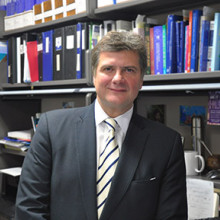
Dr. Montero-Odasso is world renowned for his research on the relationship between mobility and cognitive decline in aging. Leading the Mobility, Exercise and Cognition (MEC) team in London, he is pioneering novel diagnostic approaches and treatments to prevent and combat early dementia. Dr. Montero-Odasso is also co-lead of the Mobility, Exercise and Cognition Team at CCNA, a team composed of 22 researchers and 6 trainees.
This study compared gait impairments across the cognitive spectrum, including people with Subjective Cognitive Impairment, Parkinson’s Disease, Mild Cognitive Impairment, Alzheimer’s disease, Lewy body dementia and Frontotemporal dementia, as well as cognitively healthy controls. The study used data from the COMPASS-ND Cohort and the Gait and Brain Study Cohort.
Image
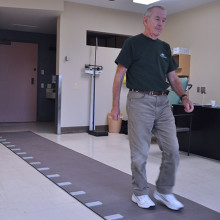
Gait assessment looks at the way in which we move our whole body from one point to another, helping to analyze mobility and the brain processes involved.
Four independent gait patterns were identified: rhythm, pace, variability and postural control. Only high gait variability was associated with lower cognitive performance and it identified Alzheimer’s disease with 70 per cent accuracy. Gait variability means the stride-to-stride fluctuations in distance and timing that happen when we walk.
“This is the first strong evidence showing that gait variability is an important marker for processes happening in areas of the brain that are linked to both cognitive impairment and motor control,” notes Dr. Frederico Perruccini-Faria, Research Assistant at Lawson and Postdoctoral Associate at Western’s Schulich School of Medicine & Dentistry, who is first author on the paper.
“We’ve shown that high gait variability as a marker of this cognitive-cortical dysfunction can reliably identify Alzheimer’s disease compared to other neurodegenerative disorders.”
When cognitive-cortical dysfunction is happening, the person’s ability to perform multiple tasks at the same time is impacted, such as talking while walking or chopping vegetables while chatting with family.
“Having gait variability as a motor marker for cognitive decline and different types of conditions could allow for gait assessment to be used as a clinical test, for example having patients use wearable technology,” says Dr. Richard Camicioli, Professor at the University of Alberta and co-senior author on the paper.
The London team collaborated with researchers at the University of Toronto, University of Calgary and University of Alberta. They are part of the Canadian Consortium on Neurodegeneration of Aging (CCNA), a collaborative research program tackling the challenge of dementia and other neurodegenerative illnesses.
Dr. Montero-Odasso adds that this gait variability could be perceived as similar to an arrhythmia. Health care providers could potentially measure it in clinical settings, like how heart rhythm is assessed with electrocardiograms.
This study was primarily funded by CCNA, supported by a grant from the Canadian Institutes of Health Research.
Scientist
REQUEST FOR RADIATION BADGE NS7407 (Rev. 2019/12/30) SECTION A: Applicant Information Applicants Surname: First Name: Middle Name: Date of Birth (YYYY/MM/DD): Sex: Female Male Social Insurance Number: Country of Birth: Province of Birth: Phone or Email: Employed by: Facility / Department: Job Titl...
REQUEST FOR RADIATION BADGE SECTION A: Applicant Information Applicants Surname: First Name: Middle Name: Date of Birth (YYYY/MM/DD): Sex: Female Male Social Insurance Number: Country of Birth: Province of Birth: Phone or Email: Employed by: Facility / Department: Job Title: Facility Location(s) f...
REQUEST FOR RADIATION BADGE NS7407 (Rev. 2019/12/30) SECTION A: Applicant Information Applicants Surname: First Name: Middle Name: Date of Birth (YYYY/MM/DD): Sex: Female Male Social Insurance Number: Country of Birth: Province of Birth: Phone or Email: Employed by: Facility / Department: Job Titl...
37th Annual Geriatric Medicine Refresher Day Current and Practical Knowledge To Inspire and Advance Care Wednesday, May 1, 2024 . RBC Place, London, Ontario . 7:30 a.m. - 4:00 p.m. Overall Learning Objectives: By the end of this program, participants will be able to: 1. Apply current literature in c...
CARING FOR THE BODY, MIND & SPIRIT SINCE 1869 Renowned for compassionate care, St. Josephs is one of the best academic health care organizations in Canada dedicated to helping people live to their fullest by minimizing the effects of injury, disease and disability through excellence in care, teachin...
Because we all need St. Josephs. www.sjhc.london.on.cawww.sjhc.london.on.cawww.sjhc.london.on.ca Safe and successful transition back into the community. RMHC Regional Mental Health Care Who We Are The Forensic Psychiatry Program at St. Josephs Regional Mental Health Care (RMHC) St. Thomas provides s...
~------...... ........._ LAWSON HEALTH RESEARCH INSTITUTE Public Information and Disclosure Protocol Cyclotron & PET Radiochemistry Facility located at St. Josephs Health Care London Updated September 2021 LAWSON HEALTH RESEARCH INSTITUTE Public Information and Disclosure Protocol Cyclotron & PET Ra...
… there are specific initiatives and plans in three key areas: patient satisfaction, human resource plan (learning, … dialogue with our local roman Catholic diocese in all areas of difficult discernment. in today’s society, it is … such as statues and crucifixes are placed in common areas, particularly at our st. Joseph’s hospital and Mount …
A Future Nurtured in Histories of Faith & Compassion A Future Nurtured in Histories of Faith & Compassion Like the tree that takes root & then bears fruit, st. Josephs health Care, London continues to grow from the humble and compassionate beginnings of our founders, the sisters of st. Joseph, ...
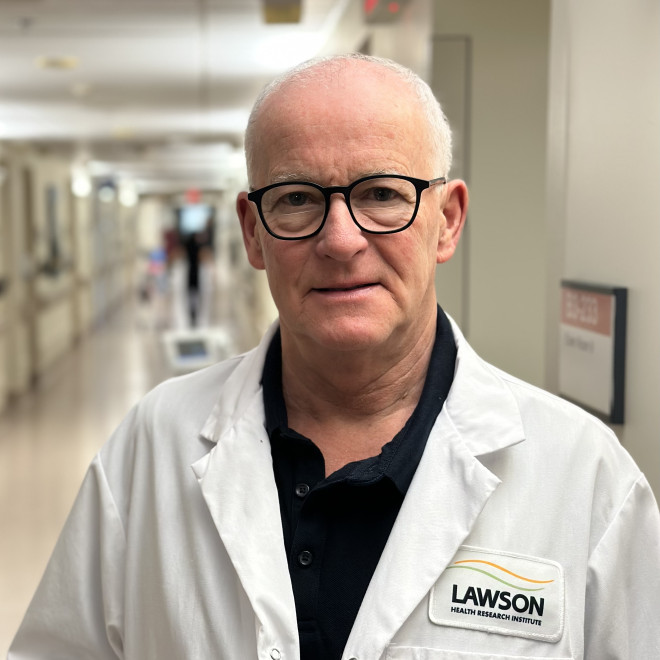
Dr. Gregor Reid
Full Name
Dr. Gregor Reid
Role
Location
Degrees and Qualifications
BSc Hons, PhD, MBA, ARM CCM, Dr HS, FCAHS, FRSC
Contact Information
Phone
519-646-6100
Extension
65256
Email
Administrative Support
Lesley Carmichael (x65755)
Research Area
Research Overview
My career has mostly been spent studying how beneficial microbes, especially bacteria, contribute to the health of women and children.
The use of probiotics, as dried or food forms, is designed to help restore and maintain a healthy or homeostatic state. My focus has always been on translating science to human or other life forms (animals, honeybees, fish), though work on mechanisms was also rewarding. I was determined that breakthrough technologies and treatments should benefit everyone, particularly those most in need in developing countries whose access to healthcare and remedies is often limited.
I have been a strong advocate for empowering everyone who has come through out research group. Progress comes from the ideas and talents of these students, fellows, technicians and collaborators and it is our responsibility to mentor and encourage them.
Research areas: Microbiome and probiotics; Women's health; Environmental influences on health; probiotic effects on the urogenital tract, the gut, breast, heart and use of probiotics to detoxify environmental pollutants.
Publications:
Biography
Dr. Gregor Reid is a Distinguished Professor Emeritus of Western University, and Scientist in Human Microbiome and Probiotics at the Lawson Health Research Institute. He retired from laboratory research in 2020 and is no longer taking students.
Dr. Reid’s legacy comes from his focus on beneficial microbes, starting in 1982 when only 12 papers had been published on ‘probiotics’. As of February 2024, this number exceeds 47,000 papers by authors around the world. Dr. Reid's contribution cannot be understated. In 2001 and 2002, he chaired the United Nations - World Health Organization Expert Panel and Working Group on Probiotics that defined the modern term probiotics and set the standard for a field of science and commerce, the latter now exceeding $60 billion per annum.
Evidence for him being one of the world’s foremost experts on probiotics comes in many forms. Along with Canadian Urologist Dr. Andrew Bruce he developed novel probiotic therapies now used by several million people in over 35 countries. He helped acquire Canada’s largest ever donation for microbiology, $7 million for the endowed chair at Lawson. He has held 32 patents and published over 609 peer-reviewed publications in highly prestigious academic journals including Science, Lancet, JAMA, PNAS and various Nature journals. He has been highly sought for his lecturing skills, with over 650 talks in 54 countries. His Google Scholar H factor is 125 with over 61,000 citations as of February 2024. He was ranked the #3 microbiologist in Canada by research.com in 2022.
He has been President of the International Scientific Association for Probiotics and Prebiotics, the leading organization on the science of these areas. His recognitions include: recipient of the Hellmuth Prize, the highest research honour conferred by The University of Western Ontario; the Distinguished Alumni Award presented by New Zealand’s leading institution, Massey University; an Honorary Doctorate in Biology from Orebro University in Sweden; the highest honour of the Canadian Society for Microbiologists for Career Achievement; Western University’s highest honour as Distinguished Professor. He is a member of the Canadian Academy of Health Sciences and the Royal Society of Canada, the latter being an honour bestowed upon Canada’s distinguished scholars, artists and scientists, since the establishment of the society as Canada’s National Academy in 1883. His impact on Complementary and Alternative Medicine has been substantial, in Canada and beyond, illustrated by receipt of the prestigious Dr Rogers Prize.
The expansion of beneficial microbes to One Health illustrates the importance of pioneers like him, who so early on and long before the Human Microbiome Project, recognized the importance of these organisms. His commitment to stewardship and excellence in appropriately documenting probiotics and in helping to define fermented foods and prebiotics, and differentiate them from probiotics, is recognized the world over.
Dr. Reid was instrumental in the establishment of Western Heads East (WHE), an experiential learning program based out of Western University. The program, led by Bob Gough, launched probiotic yogurt in rural Tanzanian communities in 2004 to help address the malnutrition and HIV/AIDS crises in the continent. It was recognized by the awarding of the AUCC Scotiabank Prize for Internationalization in 2010. The program expanded beyond HIV recipients to reach over 260,000 beneficiaries in Uganda, Tanzania and Kenya. This was made possible by funding from the Canadian International Food Security Research Fund and the creation of a novel sachet by Yoba-for-Life, a Dutch not-for-profit foundation. The sachet, costing under $1, contains two bacterial strains that ferment up to 100L of probiotic-rich yogurt or cereal or fruit. Yoba-for-Life continues to bring sachets to Africa, and in 2024, The Gregor Reid Award for Outstanding Scholars in Developing Nations was established by ISAPP to encourage young researchers to translate probiotics into tangible benefits for their countries.
Dr. Reid's sphere of influence has widened through efforts to reduce the problem of honeybee colony collapse that endangers the world's food supply. The creation of a probiotic intervention to boost the insect's defenses and fight pathogens as well as offset the damage done by pesticides, has implications for beekeeping in North America and around the world. His final PhD student, Brendan Daisley is now pioneering this work at the University of Guelph.
Though officially retired, Professor Reid has published a book, “Probiotics: A story about hope,” which reached #1 on Amazon for women’s health, and he continues to support his successor, Dr. Jeremy Burton, and students doing outstanding work through the lab at St. Joseph’s Hospital.
Partners
Numerous collaborators around the world.
International Scientific Association for Probiotics and Prebiotics - current board member
Fermented Food for Life (FFFL) book on success stories!
Read it here!
Read it here!
Dr. Jeremy Burton

Full Name
Dr. Jeremy Burton
Role
Location
Degrees and Qualifications
BSc, MSc, PhD, dBA
Contact Information
Phone
519-646-6100
Extension
61365
Email
Administrative Support
Lesley Carmichael x65755
Website
Research Overview
We conduct research on the role of microbes in various human conditions. Our primary focus is the microbiome which influences urological conditions. The microbiome at distal sites is now the most intriguing, as it is thought to have an influence on systemic health well beyond the primary mucosal sites they occupy.
Biography
Dr. Burton's appreciation of the microbial ecology of humans as a student was sparked by Professors Gerald Tannock and John Tagg at University of Otago in New Zealand.
In the early 2000s, he was fortunate enough to study the vaginal microbiota with then-emerging non-culture-based techniques. These showed that difficult-to-culture organisms, such as Lactobacillus iners, were frequent inhabitants of woman, but were not often detected by bacteriological culture-based methods.
After spending time in Industry he returned to the Lawson Health Research Institute and the Canadian Centre for Human Microbiome and Probiotics to continue working on the exciting area of translating microbial ecological research into real-world applications.
Partners
Our primary collaborators are with clinicians within the Division of Urology and Scientists within the Department of Microbiology and Immunology and wider Western University.
We also have collaborations with the J. Craig Venter Institute (US), University of Otago (NZ), University of British Columbia and Sichuan University (China).
Dr. Dalton L. Wolfe
Research Overview
- Spinal Cord and Acquired Brain Injury Rehabilitation
- Implementation Science
- Activity-based therapies to promote neurorecovery
Biography
Dr. Dalton Wolfe is a Scientist at Parkwood Institute (SJHC London) and the leader of the R2P (Research 2 Practice) team that integrates clinical and research efforts to improve care and clinical outcomes. His primary research interest is in the area of knowledge mobilization and best practice implementation with a focus on physical activity and activity-based therapies in spinal cord injury and brain injury rehabilitation. He co-leads the Ontario SCI Implementation, Evaluation and Quality Care Consortium which focuses on implementation of quality indicators towards the enhancement of care across the 5-academic health centres involved in SCI rehabilitation in the province of Ontario. As part of the Parkwood Rehabilitation Innovations in Mobility Enhancement (PRIME) initiative he is focused on enhancing clinical decision-making to improve locomotor and other movement-related outcomes with activity-based therapies such as robotic, manual and FES-assisted therapies. As with many of the R2P initiatives this involves implementation science and participatory research methods to put in place practice-based research infrastructure that enables iterative knowledge generation as well as implementation. Dr. Wolfe Is currently accepting students at the Masters, Doctoral, and post-doctoral levels.
Latest News: https://www.lawsonresearch.ca/lawsonlink/prime-team
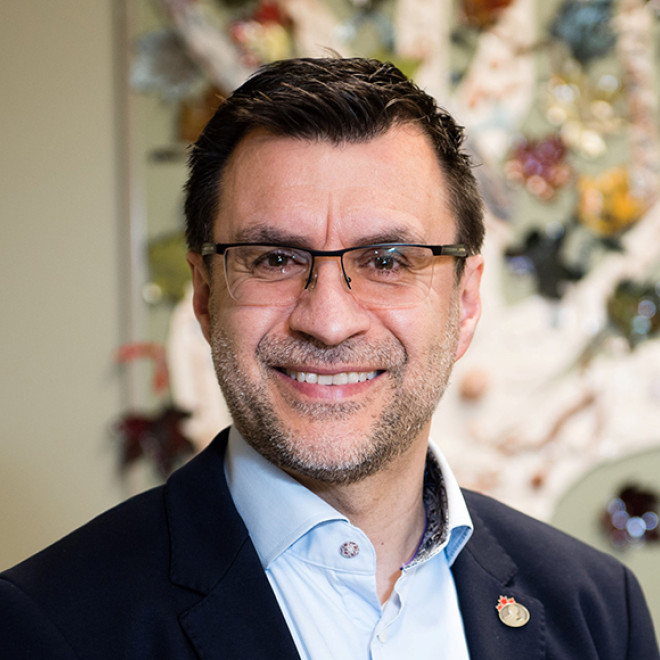
Dr. J Don Richardson
Full Name
Dr. J Don Richardson
Role
Location
Degrees and Qualifications
MD, FRCPC
Research Overview
- Advanced Analytics to Understand Military Related PTSD: Canadian Armed Forces (CAF) members and veterans are at risk of developing PTSD and other mental health conditions resulting from trauma exposure during their military service. The proposed study utilizes natural language processing (NLP) to identify key features related to 1) suicide attempts and 2) moral injury using unstructured data. Additionally, we propose using IBM SPSS Modeler or other technology available through IBM via Southern Ontario Smart Computing Innovative Platform (SOSCIP) to: 1) identify patterns of comorbidity; and 2) predict treatment trajectories amongst a cohort of treatment-seeking CAF members and veterans.
- Develop algorithms that can be utilized in the screening of CAF members and veterans for PTSD, MDD, and suicidal ideation (SI): Research indicates that military personnel are at increased risk of developing PTSD, major depressive disorder, and suicidal ideation as a result of events experienced during their military service. The proposed study utilizes machine learning to develop assistive diagnostic algorithms to aid in the early identification of PTSD and MDD among CAF members and veterans.
- Statistics Canada Canadian Armed Forces Longitudinal Health Survey: In 2018, a follow-up assessment was completed of the large, representative sample of individuals who, 13 year earlier (2002), were employed by CAF and, at that time, participated in the Canadian Forces Supplement of the 1st Canadian Survey of Mental Health & Wellbeing. The plan is to investigate the incidence of new mental health (MH) problems and the persistence of the MH problems identified in 2002. The research will focus determining the incidence rate of new-onset MH problems during the 13 years since 2002 and identify characteristics associated with risk factors and protective factors to developing a new-onset MH outcome.
- Statistics Canada 2013 CAF Mental Health Survey: The 2013 CAF Mental Health Survey is a nationally representative sample of 8180 active CAF members. Using this nationally representative sample the plan is to examine the association between Psychiatric Illness, sleep disturbances and Suicidal Ideation in order to increase our understanding of military-specific factors that are associated with the development of PTSD among CF members who are deployed on combat missions.
- Posttraumatic Stress Disorder and Comorbidity in Treatment Seeking CAF Members and Veterans: The objective of the current study is to retroactively use information provided by former and current CF members presenting to Parkwood Hospital’s Operational Stress Injury Clinic for treatment in order to investigate (1) The relationship between events experienced during deployment and suicidal ideation (i.e., to determine whether certain combat experiences are more related to suicidal ideation than others), (2) The relationship between PTSD symptom clusters and health-related quality of life (i.e., to determine whether certain PTSD symptom clusters have a greater impact on wellbeing), and (3) The relationship between PTSD and comorbid disorders .
- Posttraumatic Stress Disorder (PTSD) and Comorbidity in Canadian Veterans Patients attending the Parkwood Operational Stress Injury Clinic complete a standardized assessment and treatment protocol. The standardized questionnaires at intake include PHQ-9 and GAD-7 for depression and anxiety, the PHQ-15 for somatic symptoms, the Alcohol Use Identification Test (AUDIT) for alcohol use, the PCL-M and PCL-5 for PTSD, the Deployment Experience Questionnaire, and the SF-36 to assess health-related quality-of-life. Prior to being seen for follow-up care, patients complete the PHQ-9, GAD-7, the PCL-5 and the OQ 45. Using a retrospective chart review design, the plan is to examining PTSD and comorbidity as well as examining predictors treatment outcome, including recovery.
Publications:

Biography
Dr. Richardson is consultant psychiatrist and Medical Director of the Parkwood Operational Stress Injury (OSI) Clinic in London, Ontario. He is also the Scientific Director of the MacDonald Franklin OSI research Centre at the Parkwood Institute and a fellow with the Canadian Institute for Military and Veteran Health. He has a Social Work degree from McGill University and completed his medical degree at Queen’s University and his fellowship in psychiatry at the University of Ottawa. He has more than 25 years of experience in the assessment and treatment of Veterans and Canadian forces members with PTSD and other operational stress injuries. Dr. Richardson has more than 50 published articles and book chapters in the area of Military and Veteran Mental Health including risk factors for PTSD and suicidal ideation, sleep disturbances, health care utilization, treatment outcomes and the impact of PTSD on quality-of-life.
Dr. Jean Théberge
Full Name
Dr. Jean Théberge
Role
Location
Degrees and Qualifications
Ph.D., FCCPM
Website
Research Overview
The NeuroPsychiatry Imaging Lab (NeuroPIL), lead by Dr. Jean Théberge, is a research group dedicated to the development, implementation and application of brain imaging methodologies in psychiatry research.
Publications:

Biography
Dr. Théberge is a certified Medical Physicist specialized in magnetic resonance. His current work involves providing support to the clinical MRI programs of St. Joseph’s Health Care and LHSC, teaching MRI at the graduate level in the Medical Biophysics program of the University of Western Ontario and conducting MR imaging research within the Lawson Health Research Institute’s Imaging Division.
With a solid background in physics, significant computer programming skills and knowledge and experience of neuropsychiatry, Dr. Théberge has been able to forge several alliances with clinical collaborators that allow him to conduct a wide range of brain imaging research, methodological developments and applications centered around the theme of neuropsychiatric disorders.
His current research in this area includes investigations of progressive changes in brain chemistry in schizophrenia using magnetic resonance spectroscopy, investigations of brain functional connectivity in major depression in youth as well as in individuals with schizophrenia or post-traumatic stress disorder. Most recently, his group is applying functional MRS methods to the study of glutamate dynamics during the performance of a cognitive task in these disorders.
Dr. Lena Palaniyappan recognized for research using brain imaging to develop treatments for mental illness
Lawson associate scientist Dr. Lena Palaniyappan has won the Canadian College of Neuropsychopharmacology (CCNP)’s 2017 Young Investigator Award for outstanding contributions to the field of neuropsychopharmacology.
The Young Investigator Award is given for basic research or clinical research in alternating years. This year’s award was presented for clinical research. Scientists who have completed their post-doctoral or residency training 10 years ago or less are considered for the award.
Dr. Palaniyappan uses neuroimaging tools to study the processes that operate in the brain when patients experience symptoms of mental illness, including psychosis – repeated voices or visions (hallucinations) and disturbing thoughts (delusions). For many patients, it is not possible to prevent psychosis or reverse the condition fully. Through their research, Dr. Palaniyappan and his team are working to fully characterize the illness and create new treatments.
Recently he led a study that showed it is possible to use information from the brain’s connectivity maps to alter the chemistry of selected brain regions. The hope is that this approach can be used to target precise areas of dysfunction rather than altering the properties of the entire brain to treat psychiatric symptoms.
“Receiving this award highlights the importance of brain imaging in discovering new therapies for brain-based disorders,” says Dr. Palaniyappan. “I feel very inspired looking at the achievements of past recipients as many of them have gone on to change how we think about the brain and mind.”
Dr. Palaniyappan is the medical director of the Prevention and Early Intervention Program for Psychoses (PEPP), a community-focused mental health program located at London Health Sciences Centre (LHSC). He is also an associate professor at Western University’s Schulich School of Medicine & Dentistry.
“With the increasing sophistication of tools to understand the mysteries of the human brain and the world-renowned expertise available in London, there has never been a better time to study psychiatric disorders,” adds Dr. Palaniyappan. “I hope we will soon be able to use brain scans to provide patient-specific information on prognosis and monitor the effects of treatments.”
Dr. Manuel Montero-Odasso named as one of most influential Hispanic Canadians
Dr. Manuel Montero-Odasso, Clinician Scientist at Lawson Health Research Institute and Director of the Gait and Brain Lab, has been named as one of the 10 most influential Hispanic Canadians for 2019. Presented by TD Bank, those on the list were honoured at an awards ceremony in Toronto, Ontario in November.
A geriatrician at St. Joseph’s Health Care London, Dr. Montero-Odasso is recognized as a world expert in dementia and gait disorders. The main focus of his research is on the interaction of mobility and cognitive decline in aging. He is the team leader for the Canadian Consortium on Neurodegeneration in Aging (CCNA), a collaborative research program advancing dementia research, and leads the Mobility, Exercise and Cognition (MEC) Team in London, comprised of top researchers in the area of mobility, exercise and brain health.
Dr. Montero-Odasso says that one aspect of his career that he is most proud of is being able to collaborate with other researchers in his field and “contribute to new approaches to combat mobility and cognitive decline in aging.” This is evident through the clinical trials he pioneered by implementing an approach of “improving cognition to improve mobility.”
TD Bank’s “10 Most Influential Hispanic Canadians” is awarded to individuals from the Hispanic community across Canada to recognize their outstanding achievements. Dr. Montero-Odasso’s influence is displayed on a global scale as he has received over 100 invitations to give international lectures and has published over 200 manuscripts and book chapters. He has a close relationship with the Spanish-speaking community and has hosted visiting scientists from Argentina and Spain.
“I feel honoured and privileged, particularly this kind of award where you are nominated by your peers. I am also glad my work is reflecting the role that my Hispanic background plays,” says Dr. Montero-Odasso, who is also a professor of Medicine, Epidemiology, and Biostatistics at Western University. “Additionally when you look at the other nominees, and those who have received the award in the past, it really gives you a sense of the amazing things Hispanics who live and work in this country are contributing to Canadian society.”
Dr. Montero-Odasso emphasizes the value of diversity and learning from different backgrounds when seeking solutions. As he continues working in this important field as a physician and researcher, Dr. Montero-Odasso’s goal is to, “find effective ways to treat and delay aging disability in order to add, as they say, life to the years, and not only years to the life.”
Scientist
… is able to compensate for minor deficits. If several skill areas are affected, or there is a sudden change in abilities … or confused �� Frequently gets lost, even in familiar areas �� Inappropriate driving speeds (too fast or too slow) … is able to compensate for minor deficits. If several skill areas are affected, or there is a sudden change in abilities …
Parkwood Hospital Driver Assessment and Rehabilitation Program 801 Commissioners Road East London, Ontario N6C 5J1 Phone: (519) 685-4070 Fax: (519) 685-4576 Aging and Driving As we all age, changes occur in physical functioning, vision, perception, and processing abilities that could make driving un...