


Search
Search
3186 Search Results:
… ST. JOSEPH’S HEALTH CARE LONDON | ANNUAL REPORT TO THE COMMUNITY | 2002/2003 2 … to the Community is dedicated to the St. Joseph’s Health Care, London staff members and volunteers who continue to … Nordal, taken at Parkwood Hospital 3 St. Joseph’s Health Care London | Annual Report to the Community | June 2003 2. …
ST. JOSEPHS HEALTH CARE LONDON | ANNUAL REPORT TO THE COMMUNITY | 2002/2003 2 Dedication This years Annual Report to the Community is dedicated to the St. Josephs Health Care, London staff members and volunteers who continue to give so much of themselves to help manage SARS restrictions. Thank you t...
… St. Joseph’s Health Care London Annual Report 1 care 2 3 At St. Joseph’s Health Care, London, there are so many ways to care, all stemming … St. Joseph’s Health Care London Annual Report 1 care 2 3 At St. Joseph’s Health Care, London, there are so …
St. Josephs Health Care London Annual Report 1 care 2 3 At St. Josephs Health Care, London, there are so many ways to care, all stemming from one vision to be a respected source of excellent health care. Uniting an organization of such diversity, embodying programs in rehabilitation, acute/ambulato...
… St. Joseph’s Health Care London ORTHOPTIST - IVEY EYE INSTITUTE 268 Grosvenor … NS0914 (Rev. 2010/01/25) St. Joseph’s Health Care London ORTHOPTIST - IVEY EYE INSTITUTE 268 Grosvenor … St. Joseph’s Health Care London ORTHOPTIST - IVEY EYE INSTITUTE 268 Grosvenor …
St. Josephs Health Care London ORTHOPTIST - IVEY EYE INSTITUTE 268 Grosvenor Street, Room B1-409 London, Ontario, Canada N6A 4V2 Telephone: 519 646-6018 Fax: 519 646-6052 REQUEST FOR ORTHOPTIC ASSESSMENT PATIENT: _________________________________________________________________________ DATE OF APPO...
… Echo Technician Ethics Food & Nutrition Management Healthcare/ Medical Admin Health Records Health Sciences … Worker Social Worker Speech Language Pathology Spiritual Care Sterile Processing Supply Chain Logistics Therapeutic … X X X X X X X X Musculoskeletal Injury Prevention - PATIENT CARE X X X X X X X X X X X X X X X X X X Musculoskeletal …
Assigned Learning Student Affairs Learning Modules Advanced Law Enforcement Anesthesia Assistant Clinical Nutrition/ Dietitics Clinical Science Wound Healing (Masters) Clinical Trials Dental Hygiene Development Services Worker ECG Technician Echo Technician Ethics Food & Nutrition Management Healthc...
… Echo Technician Ethics Food & Nutrition Management Healthcare/ Medical Admin Health Records Health Sciences … Worker Social Worker Speech Language Pathology Spiritual Care Sterile Processing Supply Chain Logistics Therapeutic … X X X X X X X X Musculoskeletal Injury Prevention - PATIENT CARE X X X X X X X X X X X X X X X X X X Musculoskeletal …
Student Affairs Learning Modules Advanced Law Enforcement Anesthesia Assistant Clinical Nutrition/ Dietitics Clinical Science Wound Healing (Masters) Clinical Trials Dental Hygiene Development Services Worker ECG Technician Echo Technician Ethics Food & Nutrition Management Healthcare/ Medical Admin...
… Echo Technician Ethics Food & Nutrition Management Healthcare/ Medical Admin Health Records Health Sciences … Worker Social Worker Speech Language Pathology Spiritual Care Sterile Processing Supply Chain Logistics Therapeutic … X X X X X X X X Musculoskeletal Injury Prevention - PATIENT CARE X X X X X X X X X X X X X X X X X Musculoskeletal …
Student Affairs Learning Modules Advanced Law Enforcement Anesthesia Assistant Clinical Nutrition/ Dietitics Clinical Science Wound Healing (Masters) Clinical Trials Dental Hygiene Development Services Worker ECG Technician Echo Technician Ethics Food & Nutrition Management Healthcare/ Medical Admin...
Research Data Management
Research data management (RDM) is the organization and maintenance of research data throughout the entire research project life cycle. This includes setting up protocols before initiating data collection, and then collecting, tracking, and creating backups of the data during study execution. It also includes data sharing, archiving and publishing upon project completion.
RDM is not a new concept. Lawson Research Institute (Lawson) of St. Joseph’s Health Care London researchers already employ these processes and procedures, and perform RDM in varying capacities.
Why is it important?
RDM is an essential part of research excellence. Research must be conducted to the highest professional standard by ensuring that it is performed ethically, makes good use of public funds, experiments and studies are replicable, and research results are as accessible as possible. In addition, some journals require certain types of data to be shared or stored in specific repositories as a condition of publication. Concerns around reproducibility of research results have led to increased interest in data sharing so research results can be replicated and confirmed.
There is also a need to elevate the availability of Canadian data on the world stage. This means we need more Canadian datasets to be cited and used in research outputs and acknowledged appropriately. This would also increase the ability for research data to be archived, found, and responsibly reused, to fuel new discoveries and innovation across multiple disciplines and geographical borders.
In short, strong RDM practice is a sign of research excellence and Lawson is committed to the highest quality of research integrity and excellence.
Institutional RDM Strategy
An institutional RDM strategy is a concise and directive document that outlines how an institution will increase its capacity for effective RDM.
The purpose of creating and establishing an institutional RDM strategy is to foster a culture of sustainable and collaborative data stewardship and develop the capacity to support researchers in adopting responsible RDM practices, following FAIR (Findable, Accessible, Interoperable, and Reusable) guiding principles.
Lawson recognizes that efficient research data management is an essential element of research excellence. A Lawson Institutional Research Data Management Strategy has been developed in accordance with the Tri-Agency Research Data Management Policy (Government of Canada, 2021).
For additional information please contact: @email.
Research encourages re-evaluation of special nerve treatment for chronic pain
LONDON, ON – Hospital researchers from Lawson Health Research Institute have published a recent study that assessed the use of a specialized treatment for chronic pain and its impact on health care use and opioid prescribing.
Paravertebral blocks (PVBs) belong to a broader group of procedures called “nerve blocks.” A recent Toronto Star report noted that OHIP has been billed $420 million for nerve block procedures since 2011. PVBs involve injecting medication around the nerves where they exit the bones of the spine, at different locations depending on the patient and the chronic pain they are experiencing.
The regular use of these procedures has been questioned by health care providers due to the high cost and limited evidence of their benefit in reducing chronic pain. While the effectiveness of PVBs has been examined in trauma, cancer pain and regional anesthesia during surgery, they have not been evaluated for use in chronic pain despite widespread use in Ontario.
It is estimated that one in five Canadians live with chronic pain. Pain that persists can affect all aspects of someone’s life and health, particularly when it is not being managed.
This new study from London researchers found that 66,310 patients had a PVB between July 2013 and March 2018, and 47,723 patients were included in the study. In the year after a patient’s first PVB, there was a significant increase in the number of physician visits. Additional PVBs were frequently performed after the first treatment, with over 26 per cent of patients receiving a PVB ten or more times in one year, with almost eight per cent of patients receiving 30 or more. No overall change was found in opioid dosage in the year after PVB was initiated compared to the year before.
“Frequent use of PVB is common. Initiating treatment with PVCs is associated with marked increases in health care utilization, which includes physician visits and other injection procedures,” explains Dr. Eldon Loh, Lawson Associate Scientist and Physiatrist at St. Joseph’s Health Care London.
This research provides a broad perspective on the use of PVBs in Ontario, and on the use of nerve blocking treatments in general. There has been a concern for several years about the over use of these procedures; however, this is the first study to systematically document the impact on health care utilization and opioid use.
"We hope that from this study, the appropriate use of PVBs and other pain interventions will be re-evaluated at a provincial level to ensure the use of health resources is being properly managed and we achieve the best outcome for patients,” Dr. Loh adds.
The study, “A Retrospective Cohort Study of Healthcare Utilization Associated with Paravertebral Blocks for Chronic Pain Management in Ontario,” is published in the Canadian Journal of Pain.
-30-
About Lawson Health Research Institute
Lawson Health Research Institute is one of Canada’s top hospital-based research institutes, tackling the most pressing challenges in health care. As the research institute of London Health Sciences Centre and St. Joseph’s Health Care London, our innovation happens where care is delivered. Lawson research teams are at the leading-edge of science with the goal of improving health and the delivery of care for patients. Working in partnership with Western University, our researchers are encouraged to pursue their curiosity, collaborate often and share their discoveries widely. Research conducted through Lawson makes a difference in the lives of patients, families and communities around the world. To learn more, visit www.lawsonresearch.ca.
Media Contacts
Celine Zadorsky
Senior Media Relations Consultant
Communications & Public Engagement
T: 519-685-8500 ext. 73502
Celine.zadorsky@lhsc.on.ca
Research encourages re-evaluation of special nerve treatment for chronic pain
Hospital researchers from Lawson Health Research Institute have published a recent study that assessed the use of a specialized treatment for chronic pain and its impact on health care use and opioid prescribing.
Paravertebral blocks (PVBs) belong to a broader group of procedures called “nerve blocks.” A recent Toronto Star report noted that OHIP has been billed $420 million for nerve block procedures since 2011. PVBs involve injecting medication around the nerves where they exit the bones of the spine, at different locations depending on the patient and the chronic pain they are experiencing.
The regular use of these procedures has been questioned by health care providers due to the high cost and limited evidence of their benefit in reducing chronic pain. While the effectiveness of PVBs has been examined in trauma, cancer pain and regional anesthesia during surgery, they have not been evaluated for use in chronic pain despite widespread use in Ontario.
It is estimated that one in five Canadians live with chronic pain. Pain that persists can affect all aspects of someone’s life and health, particularly when it is not being managed.
The study, “A Retrospective Cohort Study of Healthcare Utilization Associated with Paravertebral Blocks for Chronic Pain Management in Ontario,” published in the Canadian Journal of Pain, found that 66,310 patients had a PVB between July 2013 and March 2018, and 47,723 patients were included in the study. In the year after a patient’s first PVB, there was a significant increase in the number of physician visits. Additional PVBs were frequently performed after the first treatment, with over 26 per cent of patients receiving a PVB ten or more times in one year, with almost eight per cent of patients receiving 30 or more. No overall change was found in opioid dosage in the year after PVB was initiated compared to the year before.
“Frequent use of PVB is common. Initiating treatment with PVCs is associated with marked increases in health care utilization, which includes physician visits and other injection procedures,” explains Dr. Eldon Loh, Lawson Associate Scientist and Physiatrist at St. Joseph’s Health Care London.
This research provides a broad perspective on the use of PVBs in Ontario, and on the use of nerve blocking treatments in general. There has been a concern for several years about the over use of these procedures; however, this is the first study to systematically document the impact on health care utilization and opioid use.
"We hope that from this study, the appropriate use of PVBs and other pain interventions will be re-evaluated at a provincial level to ensure the use of health resources is being properly managed and we achieve the best outcome for patients,” Dr. Loh adds.
Research has shown that probiotics positively influence honeybee health
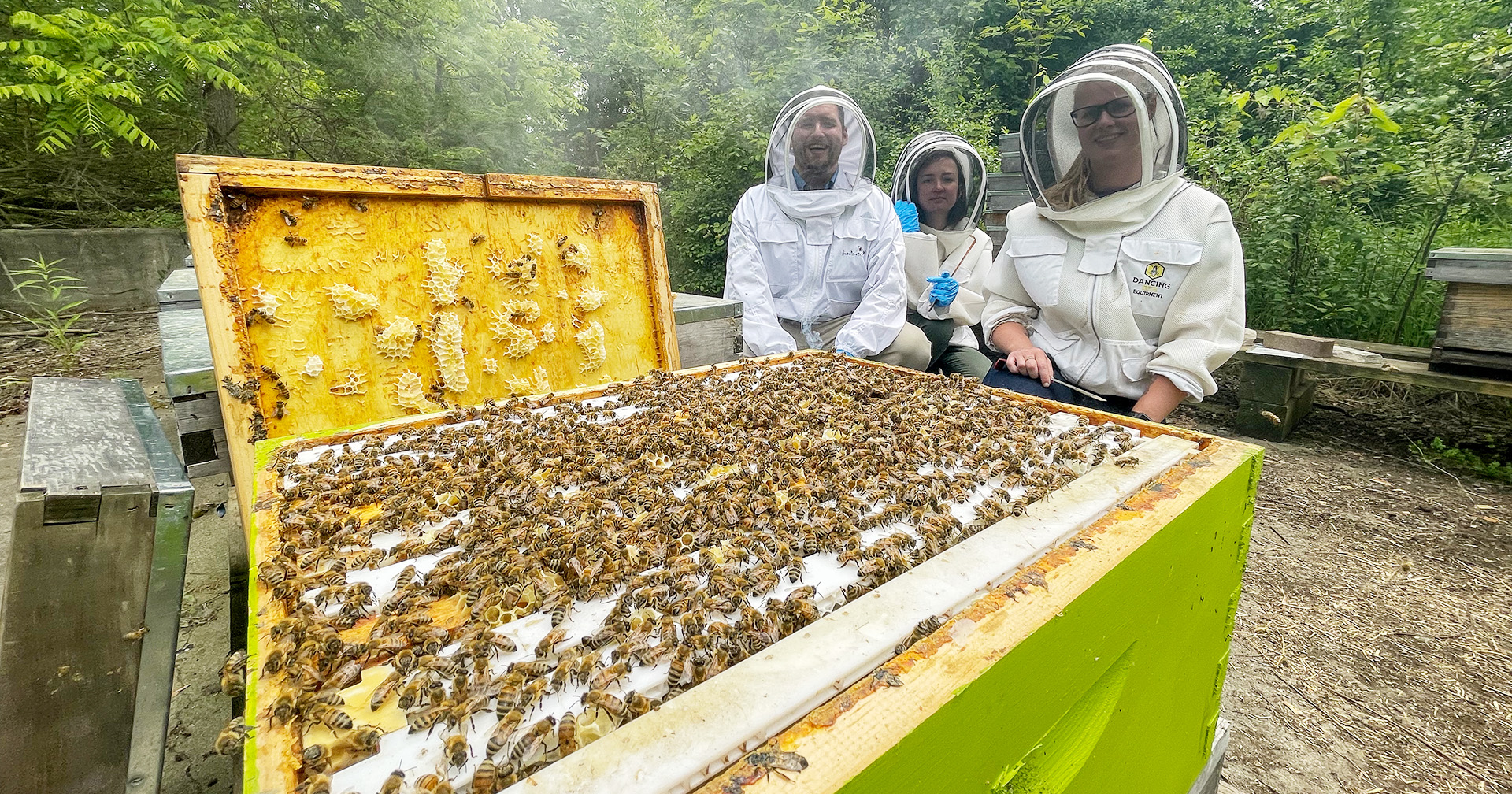
Widespread pesticide-use and diminished floral diversity in the environment have contributed to the worsening susceptibility of honeybees to infectious disease, threatening their support of adequate pollination of food crops. With the aim of tackling honeybee decline, a collaborative team including researchers at Lawson Health Research Institute and Western University have shown certain probiotic bacteria can be used to help ward off disease and promote overall hive health.
A new study published today in the journal ISME used two methods to deliver probiotics to hives within large commercial apiaries in California – a probiotic pollen patty and a spray-based delivery system – demonstrating a range of health benefits associated with the supplementation.
“We tend to think of bees just as organisms in themselves. But actually, bees have co-evolved with a lot of other organisms, the plants they feed on, and the bacteria that live inside their guts,” said Graham Thompson, biology professor at Western who has been studying honeybees for over two decades. “Those bacteria are functionally very important to the bees, for digestion and acquiring nutrients. It’s a symbiotic arrangement.”
Testing in a real-world setting
The teams have led research on three probiotic strains and shown they benefit honeybees, this latest research is the largest field study of its kind to date.
“Seeing an effect in the lab is one thing but seeing it in the real world is quite another,” said Thompson. “After treating the hives with probiotics using a BioPatty and a novel topical spray, we monitored them for all kinds of downstream effects and found lasting effects in their ability to withstand a variety of very common diseases.”
The probiotics developed by the researchers at Lawson and Western are specifically designed to enhance the honeybee’s core gut microbiota to boost their immunity and provide a viable alternative to antibiotics.
“Right now, most beekeepers treat their hives with antibiotics to prevent infectious disease,” said Brendan Daisley, a former PhD student at Western and now a postdoctoral researcher at the University of Guelph. “Unfortunately, there are a lot of negative side effects associated with treating hives with antibiotics, including development of resistance, and off-target health effects due to the drugs harming beneficial microbes, in addition to the pathogens of interest. We need different solutions to improve honeybee health, especially in a sustainable way, and we believe probiotics could be a feasible option.”
The researchers say part of the goal of testing the delivery methods of the probiotics is ensuring the research can be easily translated to the real world.
“A beekeeper has to go to the hive and be able to apply the probiotics, so we’re trying to make it easier for them to do that,” said Gregor Reid, professor emeritus at the Schulich School of Medicine & Dentistry, retired Lawson scientist and an international expert on probiotics. “We aim to make the solution practical, easy to use and proven to work, which is the essence of translational science. Not every bacterial strain works and even some commercial products have not been proven to be effective, so we can’t generalize. The key is selecting the right strains and proving they are effective in the real world.”
The team is working closely with SeedLabs to promote their research with major players in the beekeeping world.
Bee research on campus
The next phase of this research is continuing this summer on Western’s campus in the university’s experimental apiaries. Students Anna Chernyshova and Sophie Killam will be looking at how the probiotics influence the bees’ social behaviour, to understand what is referenced as the ‘gut-brain-axis’. In other words, how probiotic bacteria influence the brain.
“The idea is fascinating because it shows that the gut and the brain are actually communicating with each other through millions of bacteria releasing or inducing specific chemicals and neuro-compounds that influence the activity of the brain, including behaviour such as grooming or cleaning,” said Chernyshova, a PhD student in Biology. “Previously, this has only been studied at the individual level. And as we know, honeybees are social. So, we are looking to see if and how probiotic organisms can improve foraging and hygienic behaviour.”
The researchers are also comparing the hives treated with probiotics to those that have been treated with antibiotics to see which performs better. Using pollen traps, they can assess overall pollen production and determine which hives have bees that go to more diverse flowers.
Killam, a master’s student in Thompson’s lab, is looking specifically at how these manipulations of the bees’ gut microbiomes influence where worker bees detect and remove diseased brood from the hive. She’ll spend the summer alongside the bees using video, radio tags and other observations to monitor the insects’ behaviour.
“I’ve really enjoyed taking care of the colonies here and am excited to do the field work this summer,” said Killam. “Bees are both an economically and ecologically important insect, for plants, animals and humans. And because they live in these large and close-knit colonies close to humans and industry, they are susceptible to disease. Looking at how we can support their health and wellbeing through natural mechanisms is really important.”
Research Area
Partners
… Institute and Southwest Centre for Forensic Mental Health Care of St. Joseph’s Health Care London (which is affiliated with Lawson Health Research … by the subject matter. Parkwood Institute Mental Health Care Building Research and Education Unit 550 Wellington …
ISSN 2368-6294 (Print) ISSN 2368-6308 (Online) DECEMBER 2014 | VOL 11 No. 2 Editor J. D. Mendonca PhD CPsych ACADEMIC DETAILING AS A FOCUSED, ENGAGING AND FEASIBLE METHOD OF QUALITY IMPROVEMENT AMONG PSYCHIATRISTS: A pilot Ontario study Kamini Vasudev, Joel Lamoure, Michael Beyaert, Varinder Dua, Da...
… BRIEF REPORTS The Flip-Side To Readmission: Focussed After-Care Research Insights is a peer-reviewed journal designed … Institute and Southwest Centre for Forensic Mental Health Care of St. Joseph’s Health Care London (which is affiliated with Lawson Health Research …
ISSN 2368-6294 (Print) ISSN 2368-6308 (Online) MAY 2015 | VOL 12 No. 1 Editor J. D. Mendonca, PhD CPsych BRIEF REPORTS The Flip-Side To Readmission: Focussed After-Care Research Insights is a peer-reviewed journal designed to publish reviews, case studies and research articles authored by the mental...
Research shared and celebrated at 17th Annual Mental Health Research Half Day
From falls prevention to depression therapies, scientists at Lawson Health Research Institute are conducting important mental health studies. Held on Thursday, September 15, the 17th Annual Mental Health Research Half Day at the Parkwood Institute Mental Health Program was a chance to share and celebrate this research.
The Mental Health Research Half Day featured poster and oral presentations, as well as the 12th Annual Tony Cerenzia Research Lecture. Clinical, administrative and research staff attended to learn more about research happening at Parkwood Institute and the Southwest Centre for Forensic Mental Health Care, part of the St. Joseph’s Health Care London family.
“The Mental Health Research Half Day provides an opportunity for researchers at Parkwood Institute and the Southwest Centre for Forensic Mental Health Care to present their research findings to clinical and administrative staff,” said Dr. Richard O’Reilly, Director of Psychiatric Research at Parkwood Institute & Southwest Centre and a Scientist at Lawson. “It is important that all clinical staff, who may not be directly involved in research, know what studies are being conducted and their impact on patient care.”
The 12th Annual Tony Cerenzia Research Lecture was delivered by Dr. Nathan Herrmann, Associate Scientist, Evaluative Clinical Sciences, Hurvitz Brain Sciences Research Program, Sunnybrook Research Institute and Head of the Division of Geriatric Psychiatry at Sunnybrook Health Sciences Centre. Dr. Herrmann delivered an engaging lecture titled “Managing Neuropsychiatric Symptoms in Dementia: An Evidence-Based Approach”.
Attendees were engaged not only by this highly informative lecture but also by the poster and oral presentations which covered a broad range of research topics. Presenters were also enthusiastic about the day and the opportunities it provided.
“The Mental Health Research Half Day is a great event which provides networking opportunities here at Parkwood Institute. It allows staff from across St. Joseph’s to learn about different research happening across program areas,” said Erin Finley, an Occupational Therapist (OT) in Geriatric Psychology at Parkwood Institute.
Finley and her colleagues were one of seven poster presentations. Their research project, titled “Fall prevention initiative in geriatric psychiatry”, aimed to reduce the rate of falls with injury among patients with dementia in a behavioural health unit. Within an 18-bed unit, they were able to significantly reduce falls with injury with zero incidences in the last two months of their data collection period.
Scientist
Research Students: Required e-Learning
Lawson Research and Work Study Students can find their education modules below.
Please note that you may not be required to complete all the training on this page.
Please refer to the email you received from Research Health and Safety for detailed instructions on what training to compete.
All health and safety training requirements must be completed before your research placements/positions begin.
A | B | C | D | E | F | G | H | I | J | K | L | M | N | O | P | Q | R | S | T | U | V | W | X | Y | Z | IP students | Site specific
A
B
C
D
E
F
- Fire Safety and Extinguishers
- Infection Control Core Competency: Additional Precautions
- Infection Control Core Competency: Hand Hygiene
- Infection Control Core Competency: Routine Practices
- Influenza Prevention: Understanding Influenza and Influenza Vaccination
- Infomed (NOT required for students placed at Mount Hope)
- Infusion Pump Safety - Baxter module
- Intravenous Infusion
- IP Nursing - CADD Solis Infusion Pump
L
M
- Medical Device Reprocessing Competency Program (search in LearningEdge)
- Musculoskeletal Injury Prevention
O
P
- Preventing Falls and Injuries - Clinical (Inpatient areas)
- Preventing Falls and Injuries - Ambulatory (Outpatient areas)
- Privacy and Confidentiality
R
S
- Safe Delivery and Administration of 0-15 Gas
- Safety for Isotope Handlers
- Sexual Health Practice in Rehabilitation - Introduction
- Sexual Health Practice in Rehabilitation - Application to Clinical Practice
- Sharps Safety
- Slips, Trips and Falls
- Sterile Processing Competency Self-Assessment
- Suicide Risk Assessment and Prevention
T
U
V
W
- Working Safely with Chemicals
- Workplace Hazardous Materials Information System (WHMIS)
- Workplace Violence Prevention
X
Y
Z
Integrated Practicum (IP) students
- Accu-Chek Inform II Glucose Meter training
- Pyxis Competency Checklist
- Level 1 Vascular Access and Infusion Management: Assessment, Care and Maintenance
Site Specific
- Honeywell Personal Staff Alert Device Operation (any mental health care site)
- Prevention and Intervention in Crisis Situations (any mental health care site)
- Eliminating Abuse and Neglect in Long Term Care (Mount Hope only)
- Suicide Risk Assessment (program dependent - check the Required Learning Chart by Student Role)
Please refer to the email you received from Lawson Health and Safety for instructions on what training to complete.
You are required to complete your training before your research placements/positions begin.
Lawson Research Required Learning
SECTION A – Hospital Mandated Training:
- Behaviour Safety Alert
- Civility in the Workplace
- Cybersecurity
- Donning and Doffing of Surgical Masks (video)
- Emergency Colour Codes
- Emergency Eye Wash and Safety Showers
- Fire Safety and Extinguishers
- Honeywell Personal Staff Alert Device Operation (if you are given a device)
- Infection Control Core Competency: Hand Hygiene
- Infection Control Core Competency: Routine Practices
- Infection Control Core Competency: Additional Precautions
- Influenza Prevention
- Musculoskeletal Injury Prevention
- Privacy and Confidentiality
- Sharps Safety
- Slips, Trips and Falls
- Workplace Violence Prevention
Western certificates (OWL) accepted for the training below:
- AODA: Breaking Barriers: Your Guide to Understanding Accessibility
- Occupational Health and Safety Awareness Training
- Workplace Hazardous Materials Information System (WHMIS)
SECTION B – Basic Research Training & Documents/Policies
- Preventing Falls and Injuries - Non-clinical
- The Canadian Biosafety Standard (CBS) Second Edition
- Working Safely with Chemicals
Western certificates (OWL) accepted for the training below:
SECTION C – Clinical Research Specific Training & Documents/Policies
- Standard Operating Procedures for Clinical Research
- TCPS2 (Tri-Council Policy Statement 2)
Create your own account and login. Your affiliation should be with Lawson Health Research Institute.
Additional Documents, Policies and Training
Review if you are 25 years of age or under:
- Ontario Ministry of Labour information and tip sheets:
- Young Workers on the Job information or you can also download
RADIATION: OXYGEN-15 GAS TRAINING
Do not complete this training unless assigned by Lawson Health and Safety
Researchers are combining new technologies to examine blood proteins in COVID-19 patients
LONDON, ON – Published in the Journal of Cellular and Molecular Medicine, a team at Lawson Health Research Institute have discovered unique patterns of blood plasma proteins in critically ill patients that may help develop a more personalized approach to treating severe COVID-19.
Called the plasma proteome, the proteins being studied are released by cells that often play an important role in the body’s immune response to viruses. The research team studied how they adapt and change to a COVID-19 infection.
As part of the study, blood samples were taken from 30 subjects in three patient groups at London Health Sciences Centre (LHSC). One group had patients with COVID-19, another group had patients with severe infection but were negative for COVID-19, and the third was a healthy control group. Blood samples were drawn on the day of critical care admission and again on days three, seven and ten in hospital.
“We collected plasma from these patients and measured well over a thousand proteins with great accuracy using new technology that combines immunology and genomics,” says Dr. Douglas Fraser, Lawson Scientist, Critical Care Physician at Children’s Hospital at LHSC and Professor at Western University’s Schulich School of Medicine & Dentistry. “With the use of this advanced technology, we were able to better analyze the protein patterns and better understand what is happening with COVID-19, especially in critically ill patients.”
The research team found that COVID-19 patients demonstrated changes in immunosuppression pathways, which typically keeps the immune system balanced. In critically ill patients, the changes were heightened. Analyses of the plasma proteome helped researchers determine which cells in the body are active during the disease state and which signaling pathways were activated.
"In-depth analysis of the human plasma proteome helps us capture tissue proteins that can provide us with information regarding organ integrity during infection," says Dr. Cristiana Iosef, Lawson Research Associate PhD. “This is important because it will allow us to search for new blood biomarkers that are specific for COVID-19 patients.”
This research, which used state-of the-art analysis technology, was enabled by existing expertise and technologies through Children’s Health Research Institute (CHRI), a program of Lawson.
“This study has allowed us to understand the progression of the disease processes in very sick patients, providing us clues on the body’s immune system and other systems that were reacting to the severe disease,” says Dr. Victor Han, Lawson Scientist, Director of CHRI and Professor at Schulich Medicine & Dentistry. “We hope that this knowledge will allow us to identify the patients who will become severely ill and develop new therapies to counteract the changes occurring within their bodies.”
Dr. Fraser, who is also a scientist at CHRI, adds that the team can now examine potential new drug therapies with the hopes of improving outcomes for these patients.
The next steps for the research team will be to use this technology to examine plasma biomarkers in long COVID patients to determine why some develop prolonged disease after a COVID-19 infection.
About Lawson Health Research Institute
Lawson Health Research Institute is one of Canada’s top hospital-based research institutes, tackling the most pressing challenges in health care. As the research institute of London Health Sciences Centre and St. Joseph’s Health Care London, our innovation happens where care is delivered. Lawson research teams are at the leading-edge of science with the goal of improving health and the delivery of care for patients. Working in partnership with Western University, our researchers are encouraged to pursue their curiosity, collaborate often and share their discoveries widely. Research conducted through Lawson makes a difference in the lives of patients, families and communities around the world. To learn more, visit www.lawsonresearch.ca.
Media Contacts
Celine Zadorsky
Senior Media Relations Consultant
Communications & Public Engagement
T: 519-685-8500 ext. 73502
Celine.zadorsky@lhsc.on.ca
Researchers developing photoacoustic hand-held probe for tumour detection during breast conserving surgery
Researchers at Lawson Health Research Institute (Lawson) are developing a hand-held photoacoustic imaging probe to be used during breast conserving surgery to quickly and accurately verify if all cancerous tissue has been removed.
Surgeons currently do not have real-time technology to guide tumour removal during surgery.
Using current tools, there is a 20 per cent chance that cancerous cells will be left behind, risking recurrence and repeat surgery.
Breast cancer represents 25 per cent of all new cancer diagnoses in women and 13 per cent of all cancer related deaths in women. Treatment for breast cancer often requires either complete breast removal in severe cases, or surgical removal of the cancerous tumour in combination with other therapies. Removing only the tumour is called breast conserving surgery.
Image

Image
Photoacoustic Screening
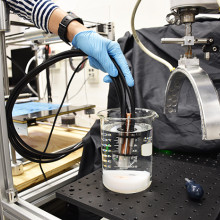
The new device is an extension of the photoacoustic screening (iPAS) technology developed in the laboratory of Dr. Jeffrey Carson, Principal Investigator and Lawson Scientist. The technique uses light and sound to capture 3D images of surgically removed breast tissue. Their studies show that iPAS can catch up to 75 per cent of missed tumour cells, decreasing the odds of failed surgery to five per cent.
Dr. Muriel Brackstone, Associate Scientist at Lawson, Head of the Breast Care Clinic at St. Joseph’s Hospital London, and Surgical Oncologist at London Health Sciences Centre, brings her clinical expertise to the project.
“With the first generation iPAS technology, we would remove the tumour, take it to the lab for imaging and wait to see if there was a rim of normal tissue around the removed tumour so we knew it was removed completely. The wait was anywhere from 20 minutes to an hour. During that time, the patient is under anesthesia, the surgical team is idle and precious OR time is being used,” explains Dr. Brackstone.
A hand-held tool that surgeons can use
Creation of a hand-held probe to be used in the operating room is the next step in the advancement of this new technology. Elina Rascevska, biomedical engineering student at Western University, recently joined the Lawson team to convert lab-based iPAS technology into a hand-held device.
“We have developed a prototype of the iPAS probe, and once we can verify the quality of the images it produces, we will give it to Dr. Brackstone to test in the OR,” says Rascevska.
The iPAS probe does not need a trained operator and would be used by the surgical team. Instead of imaging the removed tissue, it scans the surgical cavity in real time to give the team a faster and more accurate indication as to whether the cancerous tissue has been removed.
“If we can progress this technology to a point where physicians can use it as part of standard protocols, we will have reduced the amount of time each patient needs to spend in the OR, the amount of call-backs and repeat surgeries, and ultimately improve quality of life for patients with breast cancer,” adds Dr. Carson.
Image
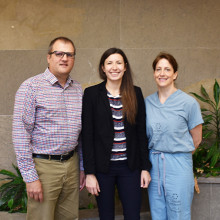
(From left): Dr. Jeffrey Carson, Elina Rascevska, Dr. Muriel Brackstone
Scientist
Researchers investigate a new method of sedation for paediatric patients
Scientists at Children’s Health Research Institute (a program of Lawson Health Research Institute), Sunnybrook Research Institute and The Hospital for Sick Children (SickKids) are working together to study the potential benefits of inhaled sedation as an alternative to keep critically ill children sedated and comfortable.
“Many sick children need support from a ventilator and other life-saving treatments, and may require intravenous (IV) sedatives to tolerate these uncomfortable therapies,” says Dr. Rishi Ganesan, Lawson Associate Scientist and Paediatric Neurocritical Care Physician at Children’s Hospital at London Health Sciences Centre (LHSC). “However, our current sedation options may contribute to a complication called delirium. We are interested in evaluating if delirium and long-term neurological complications are lower in children receiving inhaled sedation compared to those receiving IV sedation, which is the current standard of care.”
Delirium is an acute change in mental state that children in critical care can sometimes develop as a result of their critical illness and the medications and therapies they receive during their hospital stay. Delirium presents as confusion, disorientation, agitation, excessive drowsiness or poor attention. Dr. Marat Slessarev, Lawson Scientist and Critical Care Physician at LHSC, has been researching and comparing inhaled sedation to IV sedation in adults since the pandemic hit in 2020 in a collaborative trial called SAVE-ICU with Dr. Angela Jerath, Anesthesiologist and Scientist at Sunnybrook.
“One of the challenges with IV sedation is that we do not have a way to measure the level of sedatives in the blood,” explains Dr. Slessarev. “Critically ill patients that are sedated can sometimes develop issues with the kidney and liver, which are both important in eliminating the sedatives from the blood stream.”
Through this novel collaborative research, the team is now looking at the potential benefits of inhaled sedation in paediatric patients.
“Inhaled sedatives are an alternative to currently used IV sedatives, and they may reduce delirium and accelerate brain recovery. Inhaled sedatives are used safely every day in operating rooms, widely available and inexpensive,” explains Dr. Jerath. “In contrast to IV sedatives, they do not accumulate in the body, are rapidly eliminated via the lungs, promote faster awakening and discharge from a ventilator, and reduce inflammation – which may be a contributing factor to delirium.”
Enrollment for the ABOVE trial is beginning at Children’s Hospital at LHSC and SickKids. The pilot study will enroll 60 critically ill paediatric patients who will be randomized into two groups; one group will receive inhaled sedation while the other will get standard IV sedation. Once the pilot phase of the trial is complete, the team hopes to expand this trial across the country with more paediatric intensive care units (ICUs) joining the larger trial.
“The field of critical care has made significant strides in life-saving technologies and therapies in recent years, but now we are focused on finding ways to ensure our patients continue to do well after leaving the hospital,” says Dr. Nicole McKinnon, Critical Care Physician and lead investigator at SickKids and a Scientist Track Investigator at SickKids Research Insitute. “This trial is a first step in better understanding the effects of sedative and pain medications on children’s longer-term neurocognitive development. Our research will be key to providing critically ill children with the greatest chance to flourish at home.”
“This has the potential to change how critically ill children are cared for in paediatric ICUs across Canada and the world,” adds Dr. Ganesan. “We hope that inhaled sedation makes a difference in children’s long-term functional outcomes, so they can thrive and achieve their full potential.”
The ABOVE Trial recently received funding through a Canadian Institute for Health Research (CIHR) grant.
About Sunnybrook Research Institute: Sunnybrook Research Institute (SRI) is the research arm of Sunnybrook Health Sciences Centre, an internationally recognized academic health sciences centre fully affiliated with the University of Toronto. With well-established programs in basic and applied sciences which span across three scientific platforms and ten clinical programs, SRI is developing innovations in care for the more than 1.3 million patients the hospital cares for annually. To learn more, visit www.sunnybrook.ca/research
About The Hospital for Sick Children: The Hospital for Sick Children (SickKids) is recognized as one of the world’s foremost paediatric health-care institutions and is Canada’s leading centre dedicated to advancing children’s health through the integration of patient care, research and education. Founded in 1875 and affiliated with the University of Toronto, SickKids is one of Canada’s most research-intensive hospitals and has generated discoveries that have helped children globally. Its mission is to provide the best in complex and specialized family-centred care; pioneer scientific and clinical advancements; share expertise; foster an academic environment that nurtures health-care professionals; and champion an accessible, comprehensive and sustainable child health system. SickKids is a founding member of Kids Health Alliance, a network of partners working to create a high quality, consistent and coordinated approach to paediatric health care that is centred around children, youth and their families. SickKids is proud of its vision for Healthier Children. A Better World.
About Lawson Health Research Institute
Lawson Health Research Institute is one of Canada’s top hospital-based research institutes, tackling the most pressing challenges in health care. As the research institute of London Health Sciences Centre and St. Joseph’s Health Care London, our innovation happens where care is delivered. Lawson research teams are at the leading-edge of science with the goal of improving health and the delivery of care for patients. Working in partnership with Western University, our researchers are encouraged to pursue their curiosity, collaborate often and share their discoveries widely. Research conducted through Lawson makes a difference in the lives of patients, families and communities around the world. To learn more, visit www.lawsonresearch.ca.
Media Contacts
Amanda Taccone
Communications Consultant & External Relations
Lawson Health Research Institute
T: 519-685-8500 ext. ext. 64059
C: 226-919-4748
@email
Researchers seek Canadian health care workers for study on moral distress during COVID-19 pandemic
LONDON, ON - A team from Lawson Health Research Institute is seeking 500 Canadian health care workers to participate in a study on moral distress and psychological wellbeing during the COVID-19 pandemic. Participants will complete online surveys once every three months for a total of 18 months. The goal is to better understand the pandemic’s impact on health care workers in order to minimize moral distress and support wellbeing during future pandemic events.
Moral distress is a form of psychological distress that occurs following an event that conflicts with a person’s moral values or standards. Through previous research with military populations, moral distress has been linked to an increased risk of post-traumatic stress disorder (PTSD) and depression.
“Health care workers are facing unprecedented demands as a result of the pandemic and many may be working under extreme physical and psychological stress,” says Dr. Don Richardson, Lawson Associate Scientist and Director of the MacDonald Franklin Operational Stress Injury (OSI) Research Centre. “Health care workers may face difficult moral-ethical decisions including those around patient care and shortages of personal protective equipment (PPE), which could lead to moral distress.”
The study will consist of a series of surveys to assess moral distress during the pandemic. Participating health care workers will answer questions about moral-ethical dilemmas and symptoms of depression, PTSD, general anxiety, and burnout.
“Moral-ethical dilemmas must be considered in the context of other difficulties faced by health care workers during the pandemic, such as increased workloads, reduced social activities, and evolving work environments and health care delivery models,” explains Dr. Anthony Nazarov, Associate Scientist at Lawson and the MacDonald Franklin OSI Research Centre.
The team hopes that results can be used to cultivate wellness at the outset of future pandemics. This might include guiding emergency preparedness policies and moral-ethical decision-making training modules. They hope that by tracking psychological outcomes over time, they can identify early warning signs of distress that can be targeted with early interventions.
The researchers will also ask questions that explore how the pandemic is impacting health care delivery, such as increased reliance on virtual care appointments, and whether health care workers are satisfied with these changes.
“It is necessary to provide a voice to health care workers during this pandemic,” adds Dr. Richardson. “This is the first study to measure the moral-ethical dilemmas faced in a pandemic and the impacts of such dilemmas on moral distress. It is also the first to measure health care worker perceptions on the virtual migration of patient care.”
This project is in partnership with the Centre of Excellence on PTSD and Related Mental Health Conditions. The focus of the Centre of Excellence is to create knowledge networks across Canada to increase expertise and create the best possible supports and services for Veterans, first responders and their families.
Interested Canadian health care workers can learn more about the study and access the survey at https://participaid.co/studies/bYE4Ob.
-30-
About Lawson Health Research Institute
Lawson Health Research Institute is one of Canada’s top hospital-based research institutes, tackling the most pressing challenges in health care. As the research institute of London Health Sciences Centre and St. Joseph’s Health Care London, our innovation happens where care is delivered. Lawson research teams are at the leading-edge of science with the goal of improving health and the delivery of care for patients. Working in partnership with Western University, our researchers are encouraged to pursue their curiosity, collaborate often and share their discoveries widely. Research conducted through Lawson makes a difference in the lives of patients, families and communities around the world. To learn more, visit www.lawsonresearch.ca.
Media Contacts
Celine Zadorsky
Senior Media Relations Consultant
Communications & Public Engagement
T: 519-685-8500 ext. 73502
Celine.zadorsky@lhsc.on.ca
Researchers seek Canadian health care workers for study on moral distress during COVID-19 pandemic
Researchers from Lawson Health Research Institute and the Centre of Excellence on PTSD and Related Mental Health Conditions are seeking 500 Canadian health care workers to participate in a study on moral distress and psychological wellbeing during the COVID-19 pandemic. Participants will complete online surveys once every three months for a total of 18 months. The goal is to better understand the pandemic’s impact on health care workers in order to minimize moral distress and support wellbeing during future pandemic events.
Moral distress is a form of psychological distress that occurs following an event that conflicts with a person’s moral values or standards. Through previous research with military populations, moral distress has been linked to an increased risk of post-traumatic stress disorder (PTSD) and depression.
“Health care workers are facing unprecedented demands as a result of the pandemic and many may be working under extreme physical and psychological stress,” says Dr. Don Richardson, Lawson Associate Scientist and Director of the MacDonald Franklin Operational Stress Injury (OSI) Research Centre. “Health care workers may face difficult moral-ethical decisions including those around patient care and shortages of personal protective equipment (PPE), which could lead to moral distress.”
The study will consist of a series of surveys to assess moral distress during the pandemic. Participating health care workers will answer questions about moral-ethical dilemmas and symptoms of depression, PTSD, general anxiety, and burnout.
“Moral-ethical dilemmas must be considered in the context of other difficulties faced by health care workers during the pandemic, such as increased workloads, reduced social activities, and evolving work environments and health care delivery models,” explains Dr. Anthony Nazarov, Associate Scientist at Lawson and the MacDonald Franklin OSI Research Centre.
The team hopes that results can be used to cultivate wellness at the outset of future pandemics. This might include guiding emergency preparedness policies and moral-ethical decision-making training modules. They hope that by tracking psychological outcomes over time, they can identify early warning signs of distress that can be targeted with early interventions.
The researchers will also ask questions that explore how the pandemic is impacting health care delivery, such as increased reliance on virtual care appointments, and whether health care workers are satisfied with these changes.
“It is necessary to provide a voice to health care workers during this pandemic,” adds Dr. Richardson. “This is the first study to measure the moral-ethical dilemmas faced in a pandemic and the impacts of such dilemmas on moral distress. It is also the first to measure health care worker perceptions on the virtual migration of patient care.”
Interested Canadian health care workers can learn more about the study and access the survey at https://participaid.co/studies/bYE4Ob.
Scientist
Researchers testing triple intervention to combat dementia
Researchers at Lawson Health Research Institute are the first in the world conducting a clinical trial to test a triple intervention aimed at treating Mild Cognitive Impairment (MCI) and delaying the onset of dementia. The Mobility, Exercise and Cognition (MEC) team will be incorporating physical exercises, cognitive training and vitamin D supplementation to determine the best treatment for improving mobility and cognition.
“We have learned the brain processes involved in motor-control - for example how a person walks - and cognition - for example how that person solves a problem - share similar locations and networks in the brain,” explains Dr. Manuel Montero Odasso, Lawson Scientist and Geriatrician at St. Joseph’s Health Care London. “Problems with mobility are connected to lowering function in the mind, and so can be a good indicator of future progression into dementia.”
Dr. Montero Odasso is also an Associate Professor in the departments of Medicine and Epidemiology and Biostatistics at the Schulich School of Medicine & Dentistry, Western University.
Image
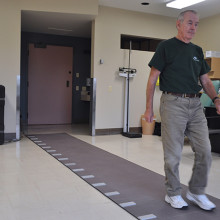
Gait assessment looks at the way in which we move our whole body from one point to another, helping to analyze mobility and the brain processes involved.
MCI is an intermediate stage between the expected cognitive decline of normal aging and the more serious decline of dementia. It can involve problems with memory, language, thinking and judgment. While many older individuals experience decline in both mobility and cognition, each are assessed and treated separately with no specific recommendations available for physicians.
The SYNERGIC Trial will combine physical exercises, cognitive training and vitamin D to test how these interventions work together to improve cognition in older adults at risk for dementia. The trial is targeting cognitive decline at the earliest stage, individuals with MCI, where interventions are more likely to have an effect and can be monitored.
Image
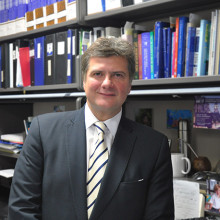
Dr. Manuel Montero Odasso, Lawson Scientist and lead for the SYNERGIC Trial.
Dr. Montero Odasso explains that both physical and cognitive exercises have shown promising effects for maintaining cognition, while vitamin D deficiency is associated with cognitive decline. A key feature of this trial is that participants will receive individualized and progressive training.
“By delaying declines in cognition, we can improve a person’s quality of life. This research will help to support a more comprehensive preventative treatment with clinical guidelines for physicians whose patients are at risk of developing dementia,” states Dr. Montero Odasso. “Even more, each one year delay of progression to dementia in older individuals at risk has the opportunity to save billions of dollars for the Canadian health care system.”
Individuals over 60 years old with mild cognitive impairment without dementia are eligible for this clinical trial. Those interested in participating are encouraged to contact Research Coordinator Alanna Black at 519.685.4292 ext. 42179.
Participants will be asked to complete a routine of exercises and cognitive training three times a week for six months, with one final assessment at 12 months. The main site for the study is Parkwood Institute with physical exercises taking place at the Labatt Health Sciences Building at Western University, in Dr. Kevin Shoemaker’s Laboratory for Brain and Heart Health.
This study has been funded by the Canadian Consortium on Neurodegenerative in Aging (CCNA) which represents Canada-wide research aimed at enhancing the quality of life and services for individuals diagnosed with a neurodegenerative disease. The MEC team in London, led by Dr. Montero Odasso, includes expert researchers in the field of mobility who aim to develop common assessments for the interaction of cognition and mobility for older people to aid as a diagnostic tool for detecting dementia.
Image
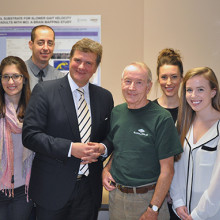
Members of the study’s research team, from left to right: Korbin Blue, Research Assistant (Co-op Student); Yanina Sarquis-Adamson, Lab Research Assistant; Frederico Faria, Post-Doctoral Fellow; Dr. Montero Odasso, Director, Gait and Brain Lab; research participant; Alanna Black, Lab Research Coordinator; Stephanie Cullen, Research Assistant (Undergraduate Student); and, Navena Lingum, Research Assistant (Master Student).
Scientist