

Search
Search
249 Search Results:
1 dr Transitions from Pediatric Care to Adult Health Care Transitional and Lifelong Care Program The transition to adult care for youth with complex health needs can be challenging. This booklet offers resources for caregivers and loved ones making the transition adulthood. Transitional and Lifelong...
Bridging the gap between high school and university
Exposure to professional experiences can help students envision themselves in specific professions and Dr. Donna Goldhawk aims to do just this by introducing medical research to high school science students. As coordinator of Youth Outreach for the Ontario Research Fund (ORF) grant entitled “Heart Failure: Prevention through Early Detection Using New Imaging Methods,” she is pleased to announce the call for applications to the 2019 Summer Studentship program.
This year, a total of three ORF summer scholarships are available at Lawson Health Research Institute (London), University of Ottawa Heart Institute (Ottawa), and Sunnybrook Research Institute (Toronto). Interested applicants can forward their cover letter and resume to @email by May 15, 2019.
Dr. Goldhawk is a Scientist at Lawson Health Research Institute and an Assistant Professor in Medical Biophysics at Western University. Since 2009, she has helped inspire students to pursue research by training them in her lab. In conjunction with secondary schools in the Thames Valley region and the Partners in Experiential Learning (PEL) program, she teaches youth that choosing a scientific career allows for multiple opportunities to fuse interests with a specific area of focus.
The PEL program was introduced in 2004 by Dr. Jim Koropatnick, Lawson Scientist, and Mr. Rodger Dusky, a retired secondary school teacher. PEL has been a long-standing partnership between the Thames Valley District School Board, London District Catholic School Board, Ministry of Education, Western University, London Health Sciences Centre and St. Joseph’s Health Care London.
This unique academic co-op education program identifies high school students interested in research and prepares them for placement in a health research environment. The students earn high school credits and receive training in basic laboratory research. In Dr. Goldhawk’s experience, PEL attracts an excellent caliber of student who is eager to learn, aspiring to pursue further education and capable of contributing to the science of molecular imaging.
Through the ORF, the Ministry of Research and Innovation emphasizes the value of attracting youth to the scientific enterprise. Students can expect experiential learning tailored to their current understanding of science and aimed at expanding this knowledge for a greater appreciation of biomedical research. For example, in Dr. Goldhawk’s laboratory cardiac research is focused on the measurement of iron contrast using MRI.
“Many cells have naturally distinct iron metabolism; however, we are also using genes from magnetic bacteria to improve the magnetic sensitivity of mammalian cells. MRI can then be used to detect disease processes,” states Dr. Goldhawk. “We are particularly interested in reporter gene expression for MRI, a term coined to describe how changes in the pattern of gene activity and its related protein activity may be visualized.”
Her current team not only includes graduate and undergraduate students at various stages in their programs but also an international collaboration with Dr. Weiwei Zhang, a Western Visiting Scholar from China. In this setting, high school students step into a work atmosphere where they can interact with individuals at different levels. As well, molecular imaging research works closely with multiple areas so students acquire training in both biology and physics.
“To retain the interest of talented young scientists, it is essential to provide them with interesting challenges that reward their curiosity and ambition to learn,” explains Dr. Goldhawk. “In hospital-based research institutes, youth are also exposed to the clinical side for which our research is targeted. This is a quality scientific experience for youth interested in expanding their outlook, performance, technical, problem-solving and record-keeping skills. I think it is essential to build these opportunities into our scientific programs.”
Celebrating International Day of Women and Girls in Science
To mark International Day of Women and Girls in Science, Dr. Michelle Barton-Forbes, Associate Scientist at Lawson Health Research Institute and Division Head of Infectious Diseases at Children’s Hospital at London Health Sciences Centre (LHSC), shares her journey and advice for young women who are considering a career in science, technology, engineering and math (STEM).
“As a child I had a curious mind and I was always asking questions, wanting to figure out how things worked. As I got older, I also wanted to know how we could make things better,” she says. “I found a love for math and that had me wanting to solve puzzles and understand statistics from an early age.”
Dr. Barton-Forbes also loved chemistry and considered engineering, but says she was a people person. After spending some time in hospital interacting with doctors and nurses, she decided medicine would be the best way to combine her love of science and helping people.
Today she is using her love of math and science in her work at LHSC.
Growing up in Jamaica she saw first-hand the impact of infectious diseases on children in the developing world, where immunizations like those to prevent bacterial meningitis had not yet been introduced. Now her research focus is on infections in vulnerable patients such as neonates, including congenital and perinatal infections like cytomegalovirus and herpes, preventable diseases like COVID-19 in children, and studies in the Black community that address natural and vaccine immune responses to COVID-19. In her role as Chair of the Canadian Paediatric Society’s Infectious Disease and Immunization Committee, she also contributes to the development of national guidelines addressing treatment and prevention of infections in children.
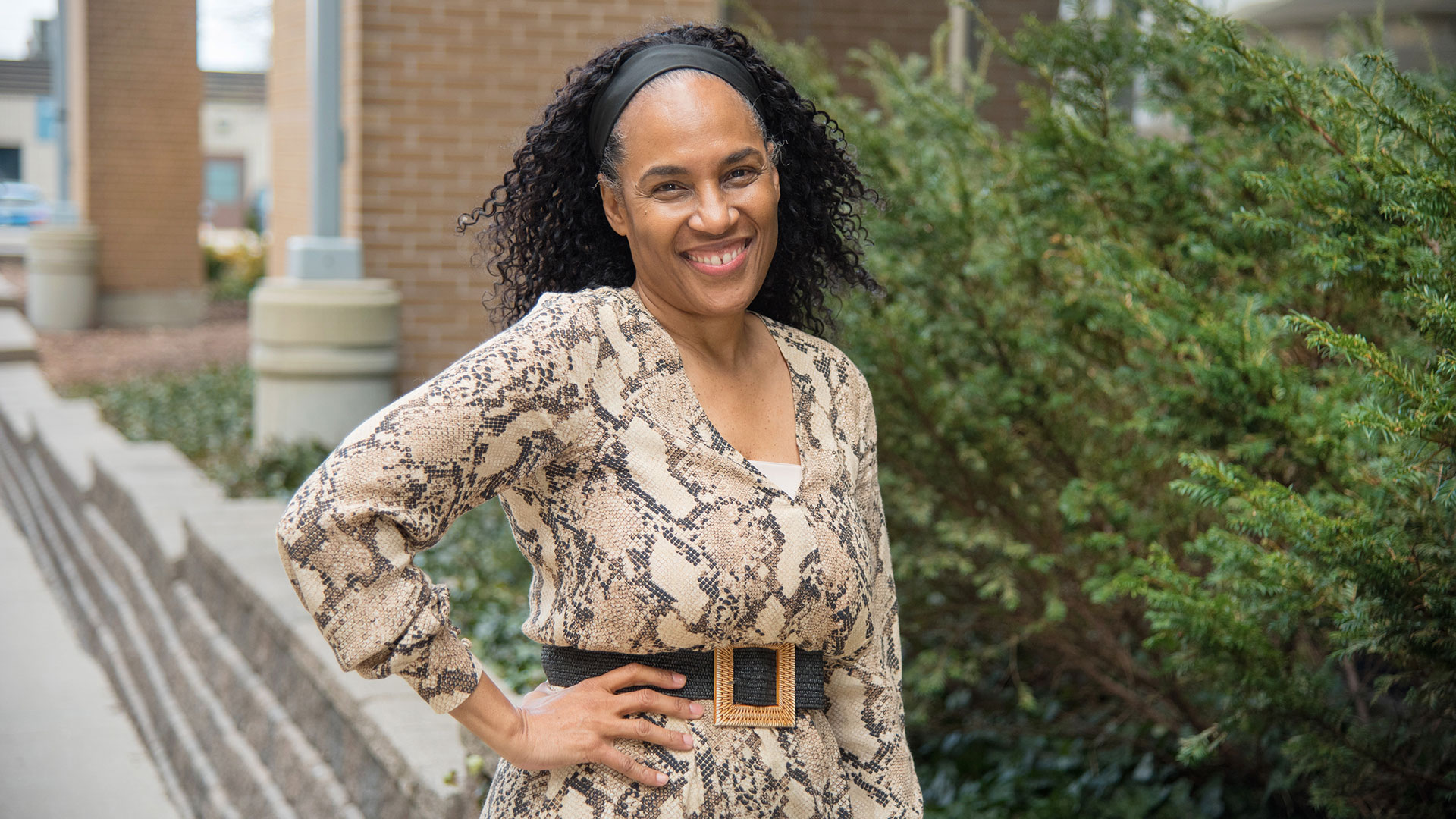
Having women in science is about equity, but also about efficiency says Dr. Barton-Forbes.
“There should be more interest in advancing more women in STEM, otherwise we aren’t maximizing on the talents and capabilities of a significant proportion of our population,” she notes.
Dr. Barton-Forbes points out that women bring unique perspectives to research. While she believes that women already in STEM are crucial in encouraging the younger generation by sharing their energy and passion, more needs to be done.
“I think the approach has to be not just at an individual level, but also at the institutional, national and global level to try to promote interest in STEM,” Dr. Barton-Forbes says.
More STEM programs, starting at the elementary school level, as well as targeted prizes, awards and scholarships are essential, she says, as well as removing additional barriers for equity-deserving populations.
“When we speak about women in science, I think there has to be a greater intentional effort to ensure that ethnic minorities are included and supported.”
And young women need to see representation at the highest levels of leadership as well, she says.
“We need more role models that can encourage at all levels, and we need programs that are deliberate in creating opportunities that improve access and ensure mentorship.”
When asked about advice for women starting a career in science, Dr. Barton-Forbes offers the following:
- Connect to a community of mentors to share ideas and find a sponsor or coach.
- Believe in yourself. Don’t second guess your ability.
- Capitalize on conferences and networks to keep up-to-date on new opportunities.
- Don’t be afraid to stand out and ask questions.
Reflecting on her own journey as a woman in science, Dr. Barton-Forbes is proud of her work.
“The research I do explores risk factors and outcomes, allowing us to identify those most likely to get a disease and predict those likely to do poorly. This helps us target our treatment and prevention to those most in need and therefore make a bigger difference. I get to see the impact of my research on children’s lives. This brings me the greatest joy because it means I am changing their trajectory and improving outcomes. Not only that, I can identify who is at risk and help prevent it from happening.”
Research Area
Partners
Media Contact
Amanda Taccone
Communications Consultant & External Relations
Lawson Health Research Institute
T: 519-685-8500 ext. ext. 64059
C: 226-919-4748
@email
Celebrating International Women’s Day
To mark International Women’s Day, two early career researchers at Lawson Health Research Institute are sharing their experiences as women in STEM (science, technology, engineering and math). They shared the support they’ve experienced in their careers, the importance of women’s voices in medical research and how to encourage more women to pursue careers in STEM.
Early access and mentorship are key: Dr. Funmbi Babalola
Dr. Babalola is a Paediatric Endocrinologist at Children’s Hospital at London Health Sciences Centre (LHSC) and an Associate Scientist at Lawson Health Research Institute. She helped pioneer the start of a Paediatric Rare Bone Disease Clinic at Children’s Hospital in 2022 which provides multi-disciplinary care for patients, so they no longer have to travel outside of London for treatment. As a clinician researcher, her areas of interest are paediatric diabetes and calcium and bone metabolism disorders. She is currently involved in several clinical trials and studies.
She credits mentorship and the support of educators early in her career journey with encouraging her interest in science and says that is key for being more welcoming to women in STEM.
“In Grade 12 my biology teacher recommended I go to an advanced placement school. That was when I had my first experience with research,” says Dr. Babalola. “When I got to my undergraduate work, I found a woman mentor who was a powerhouse and had a vision, and I was able to publish two papers during that time and had such a positive experience. I went straight to medical school after that and continued to do research. I think I’ve been really lucky with all the people that I’ve worked with and who have encouraged me as I built my research career.”
Dr. Babalola says she is fortunate to be a researcher in a time when women’s voices are finally being heard and welcomed.
“I think my perspective is probably different than women who were starting work 10 or 20 years ago,” she notes. “I think I’m very lucky that I entered the medical research world where a lot of women are at the table. They’re great role models and they really support and help each other.”
But she says support for research in hospitals is also crucial.
“It takes both good mentors and a culture of research to make it easier to get studies done.”
Dr. Babalola has already started mentoring new researchers, many of them women, who have approached her.
“I’m all about paying it forward. I’ve been super fortunate to have great mentors that are still continuing to mentor me, so I want to pass that knowledge on.”
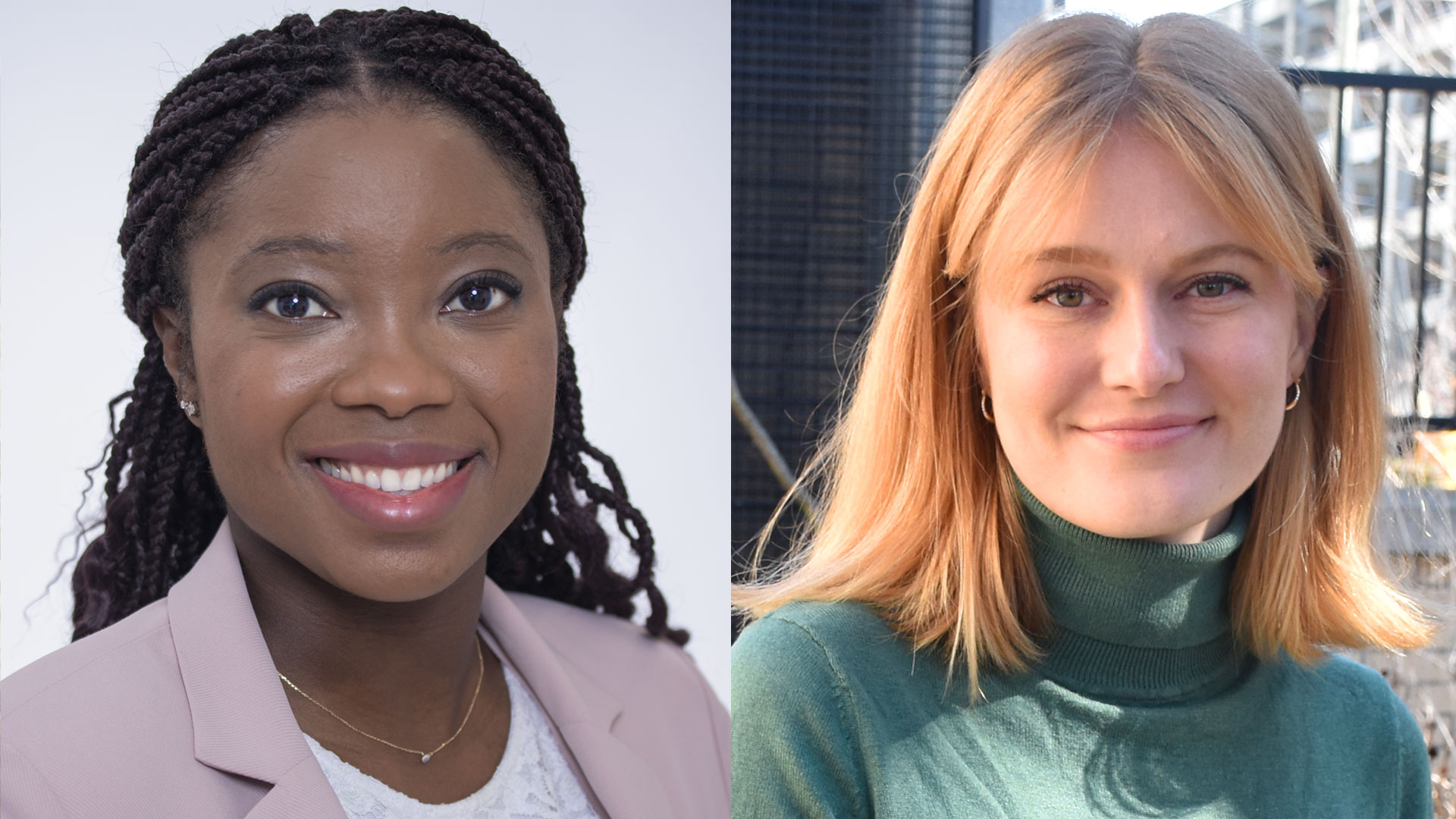
Women in science are inspirational: Dr. Kait Al
Dr. Kait Al is a Postdoctoral Research Fellow at Western University’s Schulich School of Medicine & Dentistry, working in a Lawson Health Research Institute lab at St. Joseph’s Health Care London. Dr. Al’s research focus is the role of the microbiome in urological conditions like kidney stone disease. She’s currently looking at how a microbiome with beneficial microbes could help protect healthy individuals from forming kidney stones and how optimizing the microbiome could help prevent stone recurrence in stone formers.
She believes women’s voices need to be included in research so that it is more representative of the world we live in and better addresses everyone’s health needs.
“Women bring diverse experiences and perspectives that have been historically excluded from research, along with many other underrepresented groups.”
And mentors among those voices are one of the best ways to encourage more women to get interested in science, she says, so women can see themselves in those positions.
“Seeing someone like yourself as a role model in a successful position that is passionate and curious about science can be so influential to young people,” shares Dr. Al. “As scientists, it’s important to share your work widely.”
She notes that organizations that encourage and support mentorship, as well as a flexible work culture and networking opportunities, are likely to be more welcoming to women in STEM and benefit from having them as part of the team.
“It is crucial to prioritize an inclusive and supportive mentorship environment for trainees and professionals,” says Dr. Al. “I believe work that lets you balance professional and personal commitments, which can otherwise be biased against women, is key.”
The theme for International Women’s Day in 2024 is ‘Inspire Inclusion,’ and that’s exactly what Dr. Al says she sees in other women in science.
“I am constantly inspired by women in science, from my direct colleagues to world leaders I’ve never met. I have witnessed firsthand my colleagues breaking down barriers, succeeding in challenging areas, and lifting each other up, and it really creates a culture of empowerment.”
Celebrating remarkable women in science
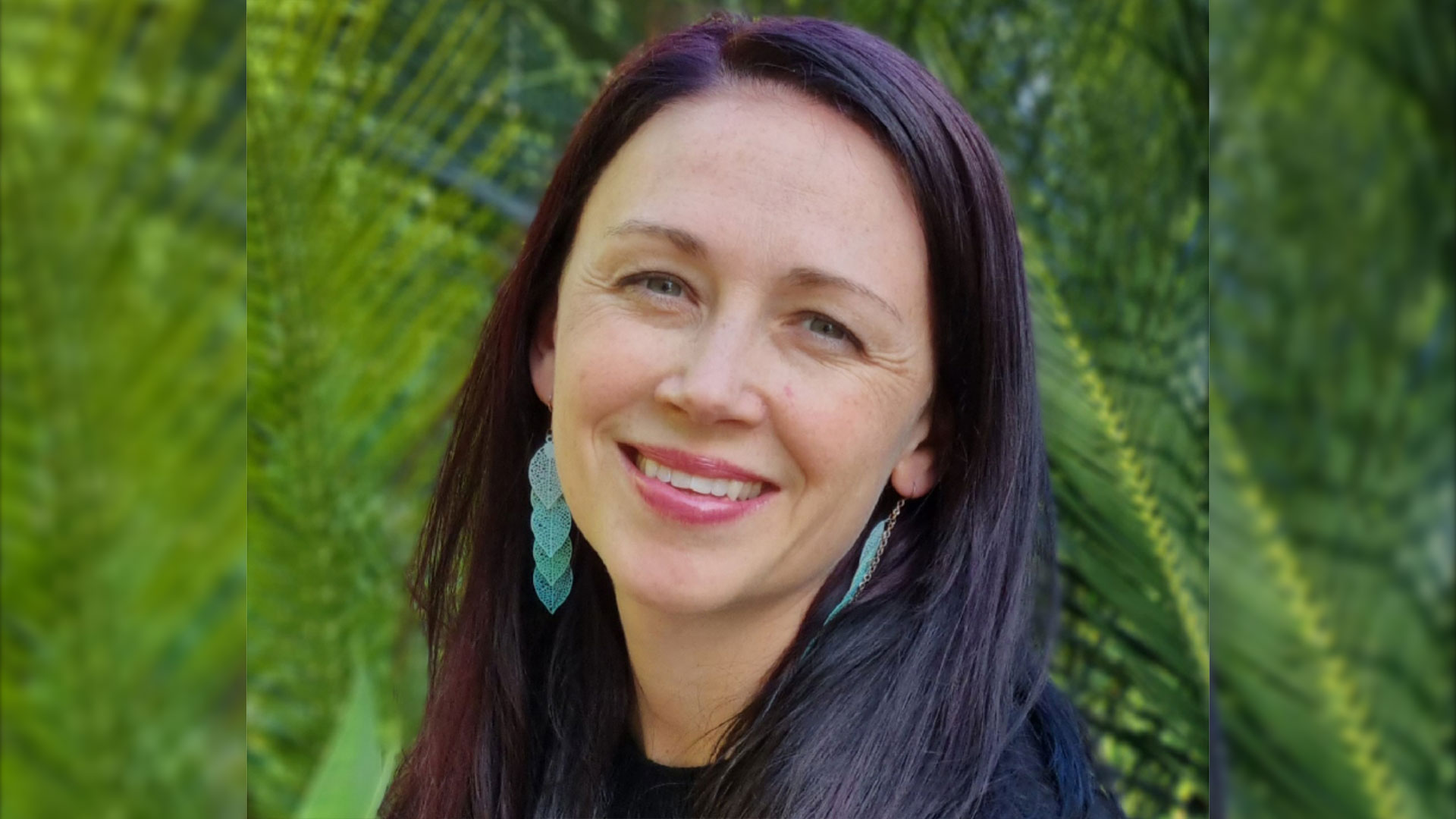
Chronic pain can affect every facet of a person’s life. “When someone is in pain, they can have significant difficulty with activities we all do in our daily life, from getting out of bed to walking to the mailbox. It can also impact their mental wellness,” shares Lawson Health Research Institute Scientist Dr. Siobhan Schabrun, PhD. Dr. Schabrun, who is the first ever William and Lynne Gray Endowed Research Chair in Mobility and Activity at St. Joseph’s Health Care London, has dedicated much of her career to unravelling the complex connection between the body and the mind known as neuroscience, with a focus on persistent pain.
She is currently leading groundbreaking work in understanding, treating and preventing persistent pain, offering hope for enhanced mobility and activity in individuals with musculoskeletal and neurological conditions at St. Joseph’s Gray Centre for Mobility and Activity, located at Parkwood Institute.
Dr. Schabrun’s research program has extended beyond conventional approaches, delving into the use of non-invasive brain stimulation technologies such as repetitive transcranial magnetic stimulation, more commonly known as rTMS, a therapeutic tool used in mental health treatments for decades, to augment neuroplasticity and optimize outcomes in rehabilitation.
Bridging the gap between human pain models and clinical trials, Dr. Schabrun’s work is contributing to the understanding of clinical pain populations and bringing new treatment methods to the forefront to improve patient care and outcomes.
Research Area
Partners
Page 1 of 10 CEO Report to the Board January 24, 2024 1.0 Strategy in Action Reaching Out to Our Community: Lower limb preservation program; A changemaker in reducing stigma; Warm jackets for cold winter months Advancing Excellence in Care Together: Improving access to geriatric care; Nourish Proj...
Career Development Planning Document Colleague Feedback form for Chair Chiefs SECTION A Competencies "Competencies are described as knowledge, skills or behaviours that are essential to the role of Physician, Dentist or Midwife. Please check the appropriate box below on each section and provide evi...
Dr. Gregor Reid
Full Name
Dr. Gregor Reid
Role
Location
Degrees and Qualifications
BSc Hons, PhD, MBA, ARM CCM, Dr HS, FCAHS, FRSC
Contact Information
Phone
519-646-6100
Extension
65256
Email
Administrative Support
Lesley Carmichael (x65755)
Research Area
Research Overview
My career has mostly been spent studying how beneficial microbes, especially bacteria, contribute to the health of women and children.
The use of probiotics, as dried or food forms, is designed to help restore and maintain a healthy or homeostatic state. My focus has always been on translating science to human or other life forms (animals, honeybees, fish), though work on mechanisms was also rewarding. I was determined that breakthrough technologies and treatments should benefit everyone, particularly those most in need in developing countries whose access to healthcare and remedies is often limited.
I have been a strong advocate for empowering everyone who has come through out research group. Progress comes from the ideas and talents of these students, fellows, technicians and collaborators and it is our responsibility to mentor and encourage them.
Research areas: Microbiome and probiotics; Women's health; Environmental influences on health; probiotic effects on the urogenital tract, the gut, breast, heart and use of probiotics to detoxify environmental pollutants.
Publications:
Biography
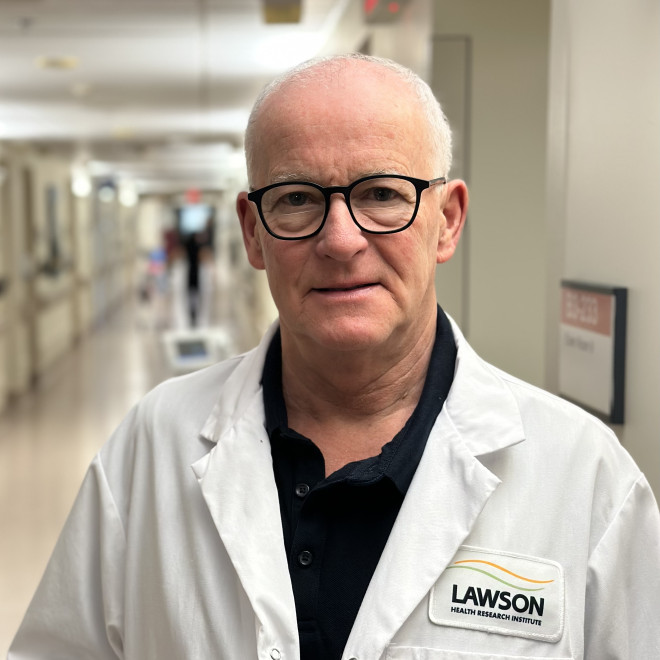
Dr. Gregor Reid is a Distinguished Professor Emeritus of Western University, and Scientist in Human Microbiome and Probiotics at the Lawson Health Research Institute. He retired from laboratory research in 2020 and is no longer taking students.
Dr. Reid’s legacy comes from his focus on beneficial microbes, starting in 1982 when only 12 papers had been published on ‘probiotics’. As of February 2024, this number exceeds 47,000 papers by authors around the world. Dr. Reid's contribution cannot be understated. In 2001 and 2002, he chaired the United Nations - World Health Organization Expert Panel and Working Group on Probiotics that defined the modern term probiotics and set the standard for a field of science and commerce, the latter now exceeding $60 billion per annum.
Evidence for him being one of the world’s foremost experts on probiotics comes in many forms. Along with Canadian Urologist Dr. Andrew Bruce he developed novel probiotic therapies now used by several million people in over 35 countries. He helped acquire Canada’s largest ever donation for microbiology, $7 million for the endowed chair at Lawson. He has held 32 patents and published over 609 peer-reviewed publications in highly prestigious academic journals including Science, Lancet, JAMA, PNAS and various Nature journals. He has been highly sought for his lecturing skills, with over 650 talks in 54 countries. His Google Scholar H factor is 125 with over 61,000 citations as of February 2024. He was ranked the #3 microbiologist in Canada by research.com in 2022.
He has been President of the International Scientific Association for Probiotics and Prebiotics, the leading organization on the science of these areas. His recognitions include: recipient of the Hellmuth Prize, the highest research honour conferred by The University of Western Ontario; the Distinguished Alumni Award presented by New Zealand’s leading institution, Massey University; an Honorary Doctorate in Biology from Orebro University in Sweden; the highest honour of the Canadian Society for Microbiologists for Career Achievement; Western University’s highest honour as Distinguished Professor. He is a member of the Canadian Academy of Health Sciences and the Royal Society of Canada, the latter being an honour bestowed upon Canada’s distinguished scholars, artists and scientists, since the establishment of the society as Canada’s National Academy in 1883. His impact on Complementary and Alternative Medicine has been substantial, in Canada and beyond, illustrated by receipt of the prestigious Dr Rogers Prize.
The expansion of beneficial microbes to One Health illustrates the importance of pioneers like him, who so early on and long before the Human Microbiome Project, recognized the importance of these organisms. His commitment to stewardship and excellence in appropriately documenting probiotics and in helping to define fermented foods and prebiotics, and differentiate them from probiotics, is recognized the world over.
Dr. Reid was instrumental in the establishment of Western Heads East (WHE), an experiential learning program based out of Western University. The program, led by Bob Gough, launched probiotic yogurt in rural Tanzanian communities in 2004 to help address the malnutrition and HIV/AIDS crises in the continent. It was recognized by the awarding of the AUCC Scotiabank Prize for Internationalization in 2010. The program expanded beyond HIV recipients to reach over 260,000 beneficiaries in Uganda, Tanzania and Kenya. This was made possible by funding from the Canadian International Food Security Research Fund and the creation of a novel sachet by Yoba-for-Life, a Dutch not-for-profit foundation. The sachet, costing under $1, contains two bacterial strains that ferment up to 100L of probiotic-rich yogurt or cereal or fruit. Yoba-for-Life continues to bring sachets to Africa, and in 2024, The Gregor Reid Award for Outstanding Scholars in Developing Nations was established by ISAPP to encourage young researchers to translate probiotics into tangible benefits for their countries.
Dr. Reid's sphere of influence has widened through efforts to reduce the problem of honeybee colony collapse that endangers the world's food supply. The creation of a probiotic intervention to boost the insect's defenses and fight pathogens as well as offset the damage done by pesticides, has implications for beekeeping in North America and around the world. His final PhD student, Brendan Daisley is now pioneering this work at the University of Guelph.
Though officially retired, Professor Reid has published a book, “Probiotics: A story about hope,” which reached #1 on Amazon for women’s health, and he continues to support his successor, Dr. Jeremy Burton, and students doing outstanding work through the lab at St. Joseph’s Hospital.
Partners
Numerous collaborators around the world.
International Scientific Association for Probiotics and Prebiotics - current board member
Fermented Food for Life (FFFL) book on success stories!
Read it here!
Read it here!
Dr. Jacobi Elliott
Full Name
Dr. Jacobi Elliott
Role
Location
Degrees and Qualifications
PhD
Research Area
Research Overview
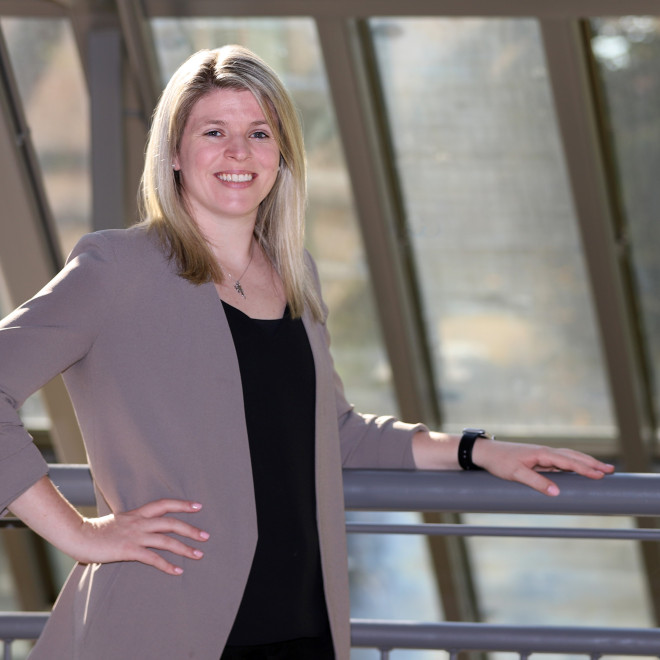
Dr. Elliott has focused on establishing a comprehensive program of research focused around geriatrics and the health care system.

Biography
As an Early Career Researcher (ECR), Dr. Elliott has been involved as Nominated Principal Applicant, co-Principal Applicant or co-Applicant on research funding from tri-council and community grants.
She has more than 35 published papers related to health systems research and patient/family engagement and has been recognized with multiple awards for her conference presentations.
Dr. Elliott is a Scientist with Lawson Research Institute and holds Adjunct Assistant Professor appointments at Western University (Faculty of Health Sciences) and the University of Waterloo (School of Public Health Sciences).
Currently, Dr. Elliott is the Director, Research & Strategy for the Regional Geriatric Program of Southwestern Ontario, hosted by St. Joseph's Health Care London.
Dr. Cheryl Forchuk recognized for health care innovation
Dr. Cheryl Forchuk is the recipient of the 2020 Innovation Award for her work to prevent discharges from hospital to homelessness. Throughout her career, Dr. Forchuk has been investigating potential best practice approaches to prevent homelessness in our community for a wide range of people, including those with severe mental illness, veterans, families, and youth.
Her recent project, ‘Preventing Hospital Discharge into Homelessness: No Fixed Address Version 2 (NFAv2)’ streamlines housing and income services by bringing them into the hospital, and integrating them into a coordinated system of care.
Research shows that when someone is housed, their use of medical and social services decreases. Safe and adequate housing is required for individuals to recover from illness.
Version one of this program was a great success, providing direct access to a housing advocate and Ontario Works from inpatient hospital psychiatric units in London. The No Fixed Address v2 program provides individual inpatients, at risk of becoming homeless, with housing and financial assistance while in hospital. A collaborative approach which includes the local Canadian Mental Health Association, the Salvation Army Rent Stability Bank, Ontario Works, and the City of London brings community supports to the hospital. This enables patients to recover from their illness and reduces the number who may return to the hospital. Dr. Forchuk’s use of in-depth, individual, quantitative interviews, and qualitative focus groups, allows stakeholders to voice their experiences with the program as well as capture traditional outcomes.
“This innovative program has been so successful in London’s hospitals that the City of London has integrated the NFAv2 service within its municipal housing support programs,” explains Dr. Arlene MacDougall, Lawson Scientist and Dr. Forchuk’s nominator. “It also has the potential to be integrated across the province as the best practice in reducing homelessness in communities. Her efforts have been recognized by multiple funding agencies, and it will soon be the model for the rest of the nation to follow. Dr. Forchuk’s commitment to improve the lives and of those in our community makes her truly deserving of this award.”
“The No Fixed Address research project is the first evaluation anywhere of a strategy that aims to reduce the number of hospital patients being discharged into homelessness,” says Dr. Forchuk. “I’m really proud of our collective efforts. We have been able to help a lot of people, and have also learned a lot throughout the course of this study.”
Scientist
Dr. Janice DeMoor recognized for her outstanding contributions to health research
Dr. Janice DeMoor is the 2020 recipient of the Staff Award of Excellence. Dr. DeMoor began working with Lawson in 2007 as a Scientific Writer on Dr. Frank Prato’s research team, helping to develop grant applications. Although funding for this role eventually ran out, it was obvious that Dr. DeMoor was extremely valuable to researchers and to the institute as a whole. She joined Lawson’s Administration team in 2013 and has established an outstanding Grant Development team, supporting all of Lawson’s researchers.
Dr. DeMoor now serves as the Manager of Lawson’s Grant Development team where she is responsible for the review and institutional approval of grant submissions. With the goal of increasing grant success, her team works with Lawson researchers to identify grant and award opportunities, develops grant-writing tools and resources, and assists in the preparation of external grant applications. Throughout her time in this role, Dr. DeMoor has been devoted to supporting Lawson scientists, trainees, and residents in advancing their research career, and ensures that her team operates with the same level of drive and efficiency as herself.
“Dr. DeMoor is a leader who makes a difference. She has molded her team to become more and more efficient in dealing with an ever-increasing load of grant applications,” says Dr. Prato, Lawson Scientist and Dr. DeMoor’s nominator.
Dr. DeMoor serves as an excellent role model and mentor, openly sharing her knowledge and experience with peers from across the industry. She is a generous manager and has greatly enriched collaborative efforts across the organization, including the establishment of a patient engagement initiative at Lawson.
“I am honoured to have received this award. Working with Lawson’s researchers and seeing how we can add value is extremely rewarding. The hard work of my entire team has led to our success, and their dedication is integral to us meeting our goals,” says Dr. DeMoor.
Dr. DeMoor is highly respected within the research community due to her knowledge of funding opportunities and grantsmanship, her dedication to her work, and commitment to her team. She is an exemplary and supportive manager, fostering her team in developing their skills, finding their passion in the field, and supporting them in related projects. She is a great leader, exemplified by her team’s attitude and work ethic.
“I thank Janice for all the support she has given Lawson’s Imaging Research Program, and the amazing contribution she has made for all Lawson Scientists,” adds Dr. Prato.
Dr. Manuel Montero-Odasso named as one of most influential Hispanic Canadians
Dr. Manuel Montero-Odasso, Clinician Scientist at Lawson Health Research Institute and Director of the Gait and Brain Lab, has been named as one of the 10 most influential Hispanic Canadians for 2019. Presented by TD Bank, those on the list were honoured at an awards ceremony in Toronto, Ontario in November.
A geriatrician at St. Joseph’s Health Care London, Dr. Montero-Odasso is recognized as a world expert in dementia and gait disorders. The main focus of his research is on the interaction of mobility and cognitive decline in aging. He is the team leader for the Canadian Consortium on Neurodegeneration in Aging (CCNA), a collaborative research program advancing dementia research, and leads the Mobility, Exercise and Cognition (MEC) Team in London, comprised of top researchers in the area of mobility, exercise and brain health.
Dr. Montero-Odasso says that one aspect of his career that he is most proud of is being able to collaborate with other researchers in his field and “contribute to new approaches to combat mobility and cognitive decline in aging.” This is evident through the clinical trials he pioneered by implementing an approach of “improving cognition to improve mobility.”
TD Bank’s “10 Most Influential Hispanic Canadians” is awarded to individuals from the Hispanic community across Canada to recognize their outstanding achievements. Dr. Montero-Odasso’s influence is displayed on a global scale as he has received over 100 invitations to give international lectures and has published over 200 manuscripts and book chapters. He has a close relationship with the Spanish-speaking community and has hosted visiting scientists from Argentina and Spain.
“I feel honoured and privileged, particularly this kind of award where you are nominated by your peers. I am also glad my work is reflecting the role that my Hispanic background plays,” says Dr. Montero-Odasso, who is also a professor of Medicine, Epidemiology, and Biostatistics at Western University. “Additionally when you look at the other nominees, and those who have received the award in the past, it really gives you a sense of the amazing things Hispanics who live and work in this country are contributing to Canadian society.”
Dr. Montero-Odasso emphasizes the value of diversity and learning from different backgrounds when seeking solutions. As he continues working in this important field as a physician and researcher, Dr. Montero-Odasso’s goal is to, “find effective ways to treat and delay aging disability in order to add, as they say, life to the years, and not only years to the life.”
Scientist
Dr. Mark Chandy
Full Name
Dr. Mark Chandy
Role
Location
Degrees and Qualifications
MD PhD FRCPC
Research Area
Research Overview
Stem cell biology, induced pluripotent stem cells, cardiovascular disease.
Biography
My research employs molecular biology to understand the pathophysiology of cardiovascular disease. Early in my career, I studied the mechanisms of chromatin dynamics, which have broad implications in the influence of the environment in conditions such as diabetes and smoking. I later helped characterize how transcription factors and microRNA direct cardiovascular differentiation and how perturbations of these mechanisms are implicated in cardiovascular disease. My interest in stem cell biology attracted me to Joseph Wu, MD, Ph.D. at Stanford, to learn more about human induced pluripotent stem cell (iPSC) disease modeling endothelial dysfunction.
Advances in next-generation sequencing, bioinformatics, and gene editing make it possible to decipher SNPs contributing to cardiovascular disease and disease-specific transcriptome profiles. More precise diagnostic biomarker-based tests could be developed with a deeper appreciation of an individual’s molecular signature. Additionally, personalized medicine could emerge from iPSC disease and advance precision medicine.
As a recently appointed Assistant Professor at the University of Western Ontario, I am now an independent physician-scientist conducting research using iPSC disease modeling that I developed at Stanford University. My research focuses on cardiovascular disease modeling to 1) investigate the effects of the environment on the vasculature, 2) discover biomarkers to risk stratify cardiovascular disease, and 3) discover druggable target genes for cardiovascular disease. The overarching goal of my research is to use iPSCs to understand mechanisms underlying the relationship between inherited factors and how environmental stress, such as diabetes, e-cigarettes, and marijuana, sensitize an individual to exacerbated cardiovascular disease. The discovery of these gene and environment interactions will facilitate the identification of high-risk individuals who could benefit from therapy that alters disease trajectory. In the future, iPSC disease modeling could guide the discovery of sm! all molec ule agonists or inhibitors that could be used as personalized medical therapy for cardiovascular disease.
Partners
Aleksandra Leligdowicz
Dr. Ting-Yim Lee recognized by WORLDiscoveries for medical imaging innovation
An exceptional career of innovation prowess, influence and leadership has won Dr. Ting-Yim Lee the inaugural Career Achievement Award presented by WorldDiscoveries.
Dr. Lee, Director of PET/CT Research at Lawson Health Research Institute and Medical Physicist at St. Joseph’s Health Care London, is being recognized for the significance of his work in the field of medical imaging and outstanding success in turning innovative ideas into tangible products and services.
Each year, WORLDiscoveries, the technology transfer and business development office for Western University, Lawson, and Robarts Research Institute, hosts the Vanguard Awards. These prestigious awards honour the community’s brightest minds, visionary entrepreneurs, and the exceptional achievements they have made in technology and research. By partnering with WORLDiscoveries, recipients of the Vanguard Awards have reached significant market-readiness milestones, propelling their ideas toward real-world impact. All recipients have made remarkable strides in their respective fields, shaping the future of innovation.
Dr. Lee pioneered use of advanced methods to analyze medical images from machines like CT, MRI and PET to gather important information about diseases. Over the years, he has published 290 research papers, which have been cited nearly 19,000 times – an indication of their impact in the medical community.
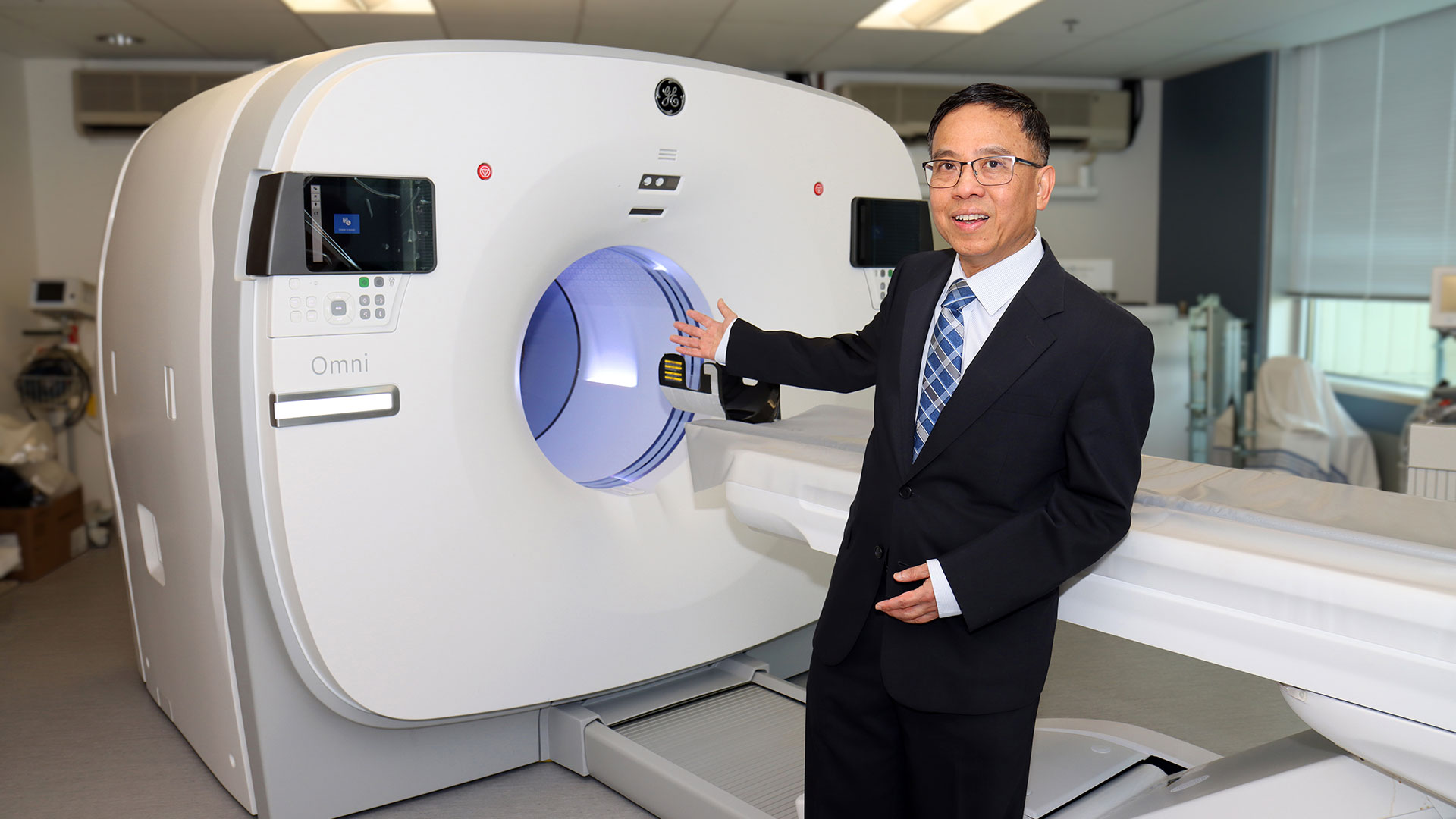
His work initially focused on using dynamic CT scans to study blood flow in stroke and cancer patients and to address challenges related to imaging the heart. With dynamic CT scans, images are taken continuously as change in vessels, organs and other structures is happening. The effect is similar to a real-time video. Dr. Lee also played a role in developing guidelines for using these scans to study the growth of new blood vessels that nourish the proliferation of cancer cells.
More recently, he shifted his focus to PET scans to examine biological processes in the body, demonstrating their effectiveness in detecting prostate cancer in a short, 22-minute scan. One of his notable contributions was the development of CT Perfusion software, which played a crucial role in a U.S. nation-wide ovarian cancer trial involving more than 20 medical centres. This software proved valuable as an early biomarker for assessing treatment response.
In addition to research, this world-renowned researcher has obtained eight patents and has licensed five enhanced versions of the CT Perfusion software to GE HealthCare, making it easier for clinicians to apply his techniques in real-world hospital settings.
Dedicated to creating the next generation of scientists, Dr. Lee has mentored and trained 70 graduate students, post-doctoral fellows, clinicians and research associates, many of them going on to earn prestigious research awards themselves.
“I am grateful for the support received over the decades from colleagues and trainees,” says Dr. Lee. “Without them, the work cannot be done. This award is not just for myself but for all collaborators and contributors on this journey.”
In presenting the award, WORLDiscoveries says Dr. Lee’s work has transformed industries, inspired countless individuals within the field to pursue innovation and entrepreneurship, and has left a lasting impact on society at large.
St. Joseph’s congratulates this remarkable and dedicated scientist on this prestigious and well-deserved award.
More on the Vanguard Awards and the 2023 recipients are available on the WORLDiscoveries website.