


Search
Search
570 Search Results:
Dr. s copy Western Schulich School of Medicine & Dentistrys copy Department of s copy Medical Affairs copy THIS LETTER OF OFFER IS ONLY TO BE ISSUED AFTER CONFIRMATION OF THREE SATISFACTORY REFERENCES FOR THE CANDIDATE. Dear Dr.
… Dr. will provide 50% of the secretarial computer cost. You will be expected to lease/purchase the remaining … “A Guide to Secretarial Support Services for Professional Staff” at https://intra.lhsc.on.ca/medical-affairs/professional-staff/resources/secretarial-support for more information. …
Dr. s copy Western Schulich School of Medicine & Dentistrys copy Department of s copy Medical Affairs copy THIS LETTER OF OFFER IS ONLY TO BE ISSUED AFTER CONFIRMATION OF THREE SATISFACTORY REFERENCES FOR THE CANDIDATE. Dear Dr.
LHSC and St. Joseph’s introduce new research institutes
Lawson Research Institute at St. Joseph’s and London Health Sciences Centre Research Institute will strengthen hospital-based innovation in London, Ontario
LONDON, Ont. – Today, London Health Sciences Centre (LHSC) and St. Joseph’s Health Care London (St. Joseph’s) unveiled new research institutes designed to strengthen hospital-based innovation. Lawson Research Institute (Lawson) at St. Joseph’s and London Health Sciences Centre Research Institute (LHSCRI) will leverage each hospital’s unique areas of clinical focus while further integrating research with care, helping to advance discoveries that lead to improved patient outcomes.
The new institutes were announced at a launch event with guided open house tours taking place across LHSC’s Victoria Hospital, Children’s Hospital and University Hospital, as well as at St. Joseph’s Hospital and Parkwood Institute. Attendees were able to experience signature research areas, including aging, mental health and microbiome research at Lawson, as well as cancer, children’s and mental health research at LHSCRI. The day included demonstrations of discoveries that are reshaping care in Ontario and around the world, including a new robotic, body-weight support for people with mobility difficulties and studies using artificial intelligence (AI) to diagnose rare diseases.
“When research takes place in a hospital context, scientists have more direct connection to the needs of the patients they serve,” said Roy Butler, President and CEO of St. Joseph’s. “There’s data to show that patients treated in research-intensive hospitals live longer because they have access to cutting-edge science. All patients benefit, not just those involved in clinical trials – and that’s the power of health research. That’s why this milestone day and the discoveries to come are real cause for celebration.”
LHSC and St. Joseph’s have been innovating for more than 150 years. The research institutes will build on the legacy of scientific excellence at both organizations. Their launch marks the completion of the transition from Lawson Health Research Institute, a research brand shared between the two organizations since 2000.
“We’re building on our history while introducing the next era in health research excellence, ensuring we will continue to attract the brightest minds in science and that patients will receive world-class, innovative care,” said David Musyj, Supervisor, LHSC. “We will continue to collaborate with each other, Western University, and health research partners across the country and around the world, bolstering London’s position as a national hub for health research.”
Research teams across Lawson and LHSCRI will continue to collaborate closely on projects and large scientific initiatives. LHSC and St. Joseph’s will also continue to share administrative support for research activities.
Learn more about the new research institutes and their transformative work at:
Lawson Research Institute
London Health Sciences Centre Research Institute
-30-
For more information, please contact:
Celine Zadorsky
Senior Media Relations Consultant
London Health Sciences Centre
(226) 927-2309
OR
Debora (Flaherty) Van Brenk
Communications Consultant
St. Joseph’s Health Care London
226-577-1429 or 519-318-0657
About Lawson Research Institute: Lawson Research Institute, the health innovation arm of St. Joseph’s Health Care London, is committed to making and sharing discoveries that improve lives locally and internationally. Every day, Lawson’s 250-plus scientists work to transform imagination to innovation to patient impact. Lawson leads health-care research. Find us online at sjhc.london.on.ca/research and on social media @stjosephslondon
About London Health Sciences Centre Research Institute: At London Health Sciences Centre Research Institute (LHSCRI), our teams pioneer discoveries that transform the health of adult and paediatric patients around the world. As the research institute of London Health Sciences Centre (LHSC), we conduct research where patient care is delivered, working alongside patients, families, health-care providers and academic partners like Western University. We are leaders in advancing the understanding, diagnosis, treatment and management of diseases and health conditions through a diverse research program that ranges from laboratory-based science to clinical trials. Our research has a global impact as we build on LHSC’s 150-year legacy of health innovation and drive forward medical breakthroughs that make a difference in the lives of patients and their families. Find us online at www.lhscri.ca and on social media @LHSCRI.
… CARING FOR THE BODY, MIND & SPIRIT SINCE 1869 ((J~ STJOSEPHs HEALTH CARE LONDON Lithotripsy at St. Joseph’s Hospital CARING FOR THE BODY, MIND & SPIRIT … CARING FOR THE BODY, MIND & SPIRIT SINCE 1869 ((J~ STJOSEPHs HEALTH CARE LONDON Lithotripsy at St. Joseph’s …
CARING FOR THE BODY, MIND & SPIRIT SINCE 1869 ((J~ STJOSEPHs HEALTH CARE LONDON Lithotripsy at St. Josephs Hospital CARING FOR THE BODY, MIND & SPIRIT SINCE 1869 ((J~ STJOSEPHs HEALTH CARE LONDON Extra-Corporeal Shockwave Lithotripsy (ESWL) Lithotripsy defined: Litho = stone Tripsy = to break or to ...
Local COVID-19 research supported by St. Joseph's Health Crisis Fund
St. Joseph’s Health Care London and Lawson Health Research Institute have announced plans to move forward with clinical trials testing a drug that could potentially be used to prevent and treat COVID-19. St. Joseph’s Health Care Foundation will accelerate the creation of the studies by providing seed funding to get the research started through donor support. Based on the immediate need, The St. Joseph’s Health Crisis Fund has been created by St. Joseph’s Health Care Foundation to enable these and other research studies currently in development through Lawson, the research arm of St. Joseph’s.
While supporting urgent COVID-19 clinical trials will be an immediate focus, The St. Joseph’s Health Crisis Fund will also support critical patient care equipment and care and comfort items for healthcare staff and volunteers working on the frontlines of the pandemic across St. Joseph’s.
Led locally by Dr. Michael Silverman, Medical Director of St. Joseph’s Infectious Diseases Care Program, one trial will assess the safety and efficacy of using hydroxychloroquine (HCQ) to prevent COVID-19 in health care workers recently exposed to the virus. This trial will also assess the drug as a treatment for non-hospitalized patients with mild cases of the illness. St. Joseph’s will be one of many participating sites in the trial, which is being led by the Research Institute of the McGill University Health Centre.
“There is much debate surrounding the drug hydroxychloroquine. We do not yet know whether it’s safe or effective, and it should not be routinely recommended until we do,” says Dr. Silverman, also a Lawson Associate Scientist and city-wide Chair/Chief of Infectious Diseases. “We plan to carefully study the drug through a randomized controlled trial and assess whether it can help combat COVID-19.”
Dr. Silverman is also partnering with Dr. Michael Borrie, Geriatrician at St. Joseph’s and Lawson Scientist, on a prevention trial to test the safety and efficacy of the drug for patients and residents at Parkwood Institute who have been exposed to COVID-19. They are at a higher risk of infection, as well as serious complications and potential admission to acute care.
“There are two critical goals with this prophylactic trial,” explains Dr. Borrie. “First, we want to see if the drug, taken for five days, is safe for the participants in the study. We will then look to see whether it is effective to prevent illness or lessen symptoms and complications.”
They are testing whether HCQ may inhibit the coronavirus similar to how the antiviral drug Tamiflu is used to prevent influenza after exposure. The research team will recruit patients and residents who have been accidentally exposed to the virus by a confirmed or presumed case of COVID-19, but who aren’t yet experiencing symptoms. In addition to cardiograms and blood tests for safety, they are collaborating with Dr. Saman Maleki, Lawson Scientist and Immunologist, to analyze the blood for a variety of indicators including the presence of antibodies and immune response. They will collect clinical data and information on common health conditions to gain insights into why some vulnerable individuals get the disease and others don’t.
“We are aware of two small studies that were published rapidly last week, one in France and the other in China, testing the use of chloroquine for potentially treating COVID-19. Further studies are greatly needed,” adds Dr. Borrie. “This study at Parkwood Institute is a good start and we hope to have other Canadian sites join us in recruiting participants so that we can offer statistically significant results as soon as possible.”
Those interested in donating to St. Joseph’s Health Crisis Fund are asked to visit St. Joseph’s Health Care Foundation’s website to learn more at sjhcfoundation.org. Donations can be made online, through direct mail submissions or by calling the Foundation directly at 519-646-6085.
“The Sisters of St. Joseph, who founded our organization, faced contagious diseases and other pandemics at different times in our 150+ year history,” says Michelle Campbell. “Today, it’s a different time, and a new disease. Now, more than ever, we ask our community to help us address the crisis facing us all.”
In the news:
Scientist
London expands approach to prevent discharge from hospital to homelessness
LONDON, ON - During a virtual event for Londoners hosted by Lawson Health Research Institute and the City of London, a multi-sectoral research team announced two projects representing a collaborative approach to preventing homelessness from within hospital walls.
Built on the unique and successful No Fixed Address (NFA) strategy, these projects are being tested as a potential best practice for preventing hospital discharge to homelessness. NFA seeks to stop the cycle between hospital admissions and homelessness by providing timely and accessible supports to patients who would otherwise be discharged into homelessness. It brings housing and financial supports into the health-care system, starting as soon as upon admission, to assist in finding appropriate housing and supports or avoiding a potential eviction.
“Canada lacks a validated and coordinated service model to address the issue of hospital stay to no fixed address, which can often be the beginning of an individual’s experience with homelessness,” explains Dr. Cheryl Forchuk, Beryl and Richard Ivey Research Chair in Aging, Mental Health, Rehabilitation and Recovery, and Assistant Scientific Director at Lawson. “There are multiple factors that cause people to be discharged into homelessness - systemic, organizational and personal. We need a collaborative and coordinated approach that honours housing as a basic human right.”
Several departments at London Health Sciences Centre (LHSC) and St. Joseph’s Health Care London collaborate with staff from the City of London, Canadian Mental Health Association (CMHA) Elgin-Middlesex, Youth Opportunities Unlimited (YOU), Salvation Army’s Housing Stability Bank and Ontario Works in the City of London to provide direct, on-site (or virtual) support for patients at risk of homelessness.
“Implementing a coordinated approach to addressing homelessness allows our staff to actively work alongside our partners in health care to prevent and divert individuals and families from an experience of homelessness by assessing their needs and connecting them to the housing supports.,” says John D’Oria, Coordinated Access Manager, City of London. “Whether it’s financial, social service or mental health support, this partnership and approach allows for a holistic approach to client care at the right time.”
Patients discharged from hospital to homelessness in Canada face many challenges that make recovery more difficult. They often experience higher readmission rates and emergency department visits. This is particularly concerning for youth, who have been found to be the fastest growing segment of the homeless population.
NFA was initially tested with strong success for mental health patients across the city and the second version of the project was extended to medical units at LHSC’s University and Victoria Hospitals.
PROJECT 1: Collaboration to Address Homelessness - Health, Housing and Income (H2I)
This research study will evaluate the City of London’s Coordinated Access Outreach program at hospital sites. A Coordinated Access Outreach worker will support individuals at risk of homelessness to maintain or obtain housing. Ontario Works will assist with the provision of income and employment supports and the Salvation Army Housing Stability Bank may be accessed for needed financial resources to secure or maintain housing.
Over two years, 106 participants will be interviewed in hospital and again six months post-discharge. Focus groups with participants, health care providers and community partners will provide further insight into the effectiveness of NFA. This project is funded by the Canada Mortgage and Housing Corporation (CMHC)’s National Housing Strategy.
PROJECT 2: Preventing discharge to No Fixed Address – Youth (NFA-Y)
This research study will customize, implement and evaluate the NFA strategy for vulnerable youth ages 16-24. The unique health and housing needs of youth at-risk will be explored by streamlining housing and financial support into a coordinated system of care, with additional support provided by Youth Opportunities Unlimited and Children’s Aid Society London and Middlesex.
Over 3-4 years, data to be collected from 93 youth at three time points. Focus groups with youth participants, health care providers, and community agency partners will help enhance the NFA strategy to meet the unique needs of youth. This project is funded by the National Centres of Excellence (NCE) Making the Shift (MtS) Youth Social Innovation Lab.
-30-
About Lawson Health Research Institute
Lawson Health Research Institute is one of Canada’s top hospital-based research institutes, tackling the most pressing challenges in health care. As the research institute of London Health Sciences Centre and St. Joseph’s Health Care London, our innovation happens where care is delivered. Lawson research teams are at the leading-edge of science with the goal of improving health and the delivery of care for patients. Working in partnership with Western University, our researchers are encouraged to pursue their curiosity, collaborate often and share their discoveries widely. Research conducted through Lawson makes a difference in the lives of patients, families and communities around the world. To learn more, visit www.lawsonresearch.ca.
Media Contacts
Celine Zadorsky
Senior Media Relations Consultant
Communications & Public Engagement
T: 519-685-8500 ext. 73502
Celine.zadorsky@lhsc.on.ca
London expands approach to prevent discharge from hospital to homelessness
During a virtual event for Londoners hosted by Lawson Health Research Institute and the City of London, a multi-sectoral research team announced two projects representing a collaborative approach to preventing homelessness from within hospital walls.
Built on the unique and successful No Fixed Address (NFA) strategy, these projects are being tested as a potential best practice for preventing hospital discharge to homelessness.
Led by Dr. Cheryl Forchuk, Beryl and Richard Ivey Research Chair in Aging, Mental Health, Rehabilitation and Recovery, and Assistant Scientific Director at Lawson, NFA seeks to stop the cycle between hospital admissions and homelessness by providing timely and accessible supports to patients who would otherwise be discharged into homelessness. It brings housing and financial supports into the health-care system, starting as soon as upon admission, to assist in finding appropriate housing and supports or avoiding a potential eviction.
Several departments at London Health Sciences Centre (LHSC) and St. Joseph’s Health Care London collaborate with staff from the City of London, Canadian Mental Health Association (CMHA) Elgin-Middlesex, Youth Opportunities Unlimited (YOU), Salvation Army’s Housing Stability Bank and Ontario Works in the City of London to provide direct, on-site (or virtual) support for patients at risk of homelessness.
Patients discharged from hospital to homelessness in Canada face many challenges that make recovery more difficult. They often experience higher readmission rates and emergency department visits. This is particularly concerning for youth, who have been found to be the fastest growing segment of the homeless population.
NFA was initially tested with strong success for mental health patients across the city and the second version of the project was extended to medical units at LHSC’s University and Victoria Hospitals.
PROJECT 1: Collaboration to Address Homelessness - Health, Housing and Income (H2I)
This research study will evaluate the City of London’s Coordinated Access Outreach program at hospital sites. A Coordinated Access Outreach worker will support individuals at risk of homelessness to maintain or obtain housing. Ontario Works will assist with the provision of income and employment supports and the Salvation Army Housing Stability Bank may be accessed for needed financial resources to secure or maintain housing.
Over two years, 106 participants will be interviewed in hospital and again six months post-discharge. Focus groups with participants, health care providers and community partners will provide further insight into the effectiveness of NFA. This project is funded by the Canada Mortgage and Housing Corporation (CMHC)’s National Housing Strategy.
PROJECT 2: Preventing discharge to No Fixed Address – Youth (NFA-Y)
This research study will customize, implement and evaluate the NFA strategy for vulnerable youth agSwitch to plain text editores 16-24. The unique health and housing needs of youth at-risk will be explored by streamlining housing and financial support into a coordinated system of care, with additional support provided by Youth Opportunities Unlimited and Children’s Aid Society London and Middlesex.
Over 3-4 years, data to be collected from 93 youth at three time points. Focus groups with youth participants, health care providers, and community agency partners will help enhance the NFA strategy to meet the unique needs of youth. This project is funded by the National Centres of Excellence (NCE) Making the Shift (MtS) Youth Social Innovation Lab.
Media Coverage
- Could this project keep discharged hospital patients from homelessness? - London Free Press
- London, Ont., expands work to prevent homelessness after hospital stays - Global News
- London expands strategy to curb homelessness after hospital stays - Blackburn News
- What happens to people who are discharged from hospital if they have nowhere to go? - CBC London
Learn more about No Fixed Address
Scientist
London ranks in the top 10 for hospital-based research
Lawson Health Research Institute is ranked eighth in the country according to the 2019 edition of “Canada’s Top 40 Research Hospitals List” by Re$earch Infosource. This strong national position has been maintained by Lawson for the past six years and also keeps the institute within the top five in Ontario.
The results
The research institute of London Health Sciences Centre and St. Joseph’s Health Care London (St. Joseph’s), Lawson has also maintained the top ranking for research intensity among the large tier institutions with $612,800 of research spending per researcher.
“As a hospital-based research institute, our innovation happens where care is delivered,” says Dr. David Hill, Lawson Scientific Director. “Every day, teams of researchers are working directly with clinicians and patients to improve treatments or create entirely new ones. They also find innovative methods of delivering services that drive efficiency and reduce costs.”
Image
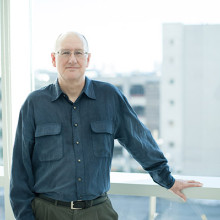
Dr. David Hill, Lawson Scientific Director.
The top 40 list analyzes hospital-based research institutes from across the country on several metrics, including total research income from the previous fiscal year. The ranking looks at funds received from all sources, including both internal and external, to support research at the organization. According to the report, Lawson received $123,790 million in research income in 2018, which represents 0.4 per cent in growth from the previous fiscal year.
“We are known across the country and around the world for our high level of research activity and success, despite our size. London punches well above our weight when it comes to health research,” adds Dr. Hill.
“Our position as a leading research institute is the foundation for brilliant research and worldwide partnerships tackling the most pressing challenges in health care.”
What does this mean for London, Ontario?
There are millions of dollars every year coming in London from elsewhere in Canada and in the world. Approximately 60 per cent of that is spent on jobs. Lawson employs over 2,000 people in hospital-based research. This is a major source of quality employment for Londoners and people in the surrounding region. Dr. Hill notes that this is one of the real benefits of having a strong biomedical industry associated with the city.
“Another real benefit of having research directly in the hospitals is that our researchers focus on gaining knowledge that advances our ability to treat patients and find solutions to wicked problems that have been around for a long time.”
For example, Lawson researchers have been tackling the issue of homelessness from within hospital walls. The No Fixed Address (NFA) strategy reaches and supports patients during the crucial transitional period when they are being discharged from the hospital and re-integrated into the community. Learn more about this successful research initiative.
Image
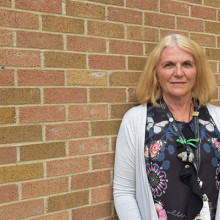
Dr. Cheryl Forchuk, Lawson Scientist leading the NFA strategy in London hospitals.
How are we adapting to the current funding environment?
While federal funding for research in Canada is slowly starting to increase, this sector experienced over a decade of decreasing funding that placed the country far behind other nations in terms of investing in health research.
“We have become better at what we do in competing for grants and other funding sources, in particular from the government,” explains Dr. Hill.
Also, “Lawson has been diversifying our sources of funding. We’ve have engaged in more partnerships with industry and joint research and development projects with companies. Not only does that have the advantage of providing additional resources, but also is often a more practical way of directly delivering our knowledge into salable products”
Strong partnerships
This year, Re$earch Infosource is showcasing “Building Bridges: Pathways to Building Research Capacity and Discovery through Collaboration.” Health researchers in London have collaborations across many sectors that result in big impacts for the people in this region and beyond.
As just one example, a group of scientists from Lawson, Brescia University College and Schulich School of Medicine & Dentistry at Western University provide academic support to London’s Fermented Foods Project that brings together industry partners, the agricultural sector, academic and health institutions, the City of London and the London Economic Development Corporation.
The goals of this group, funded by the Weston Family Microbiome Initiative, are to support new product development and batch production, enhance customer confidence, quantify health benefits and establish a competitive advantage.
Image
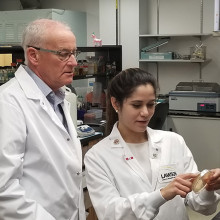
Dr. Gregor Reid, left, is one of the researchers for London's Fermented Foods Project.
Scientist
… OF SERVICES 11 ARTICLE 4.0 – FUNDING 15 ARTICLE 5.0 – ADJUSTMENT AND RECOVERY OF FUNDING 17 ARTICLE 6.0 – PLANNING & … 2019 — MARCH 31, 2022 THIS AGREEMENT effective as of the 1st day of April, 2019 B E T W E E N : (the “LHIN”) AND (the … agreement, entered into pursuant to the Local Health System Integration Act, 2006 (“LHSIA”), reflects and supports …
1/39 LONG-TERM CARE HOME SERVICE ACCOUNTABILITY AGREEMENT APRIL 1, 2019 MARCH 31, 2022 LONG-TERM CARE HOME SERVICE ACCOUNTABILITY AGREEMENT April 1, 2019 to March 31, 2022 SERVICE ACCOUNTABILITY AGREEMENT with Effective Date: April 1, 2019 Index to Agreement ARTICLE 1.0 DEFINITIONS & INTERPRETATIO...
… MIND & SPIRIT SINCE 1869 Renowned for compassionate care, St. Joseph’s is one of the best academic health care organizations in Canada dedicated to helping people live to their fullest by minimizing the effects of injury, disease and … MIND & SPIRIT SINCE 1869 Renowned for compassionate care, St. Joseph’s is one of the best academic health care …
CARING FOR THE BODY, MIND & SPIRIT SINCE 1869 Renowned for compassionate care, St. Josephs is one of the best academic health care organizations in Canada dedicated to helping people live to their fullest by minimizing the effects of injury, disease and disability through excellence in care, teachin...
… Insights of the Regional Mental Health Care London and St. Thomas is a peer-reviewed journal designed to publish reviews, case studies and articles as they pique the interests of our … in steps to reduce identified risks. Limitations & Future Directions The incident reporting system provides an …
MAY 2012 | VOL 9 NO 2 ADVANCING CLINICAL PRACTICE IN PATIENT SAFETY: Linking Incident Reporting to Proactive Practices in a Geriatric Psychiatry Program Ed Black, Lisa VanBussel, Tom Ross, Jennifer Speziale Research Insights of the Regional Mental Health Care London and St. Thomas is a peer-reviewed...
… family medicine. Dr. Lyons is the award recipient for Erie St. Clair and South West. “Dr. Laura Lyons is a well-rounded family physician … marginalized women in our community,” said Dr. Saadia Jan, St. Joseph’s Family Medical Centre. “As an effective leader … family medicine. Dr. Lyons is the award recipient for Erie St. Clair and South West. “Dr. Laura Lyons is a well-rounded …
phone: 416.867.9646 fax: 416.867.9990 toll-free (Ontario): 1.800.670.6237 email: ocfp@ocfp.on.ca 400 University Ave., Suite 2100, Toronto ON M5G 1S5 Ontario College of Family Physicians Leaders for a healthy Ontario ontariofamilyphysicians.ca MEDIA RELEASE Londons Dr. Laura Lyons named Regional Fami...
… (Code Green) on-line review. This site was developed to assist you in complying with an annual review. It is policy to … discover a fire � Identify and respond to 2 fire alarm systems � Identify three main types of fires and follow the … stage, carefully listen to the overhead page and follow directions. What do you do? When hearing an alarm, follow …
Fire Response and Evacuation Review Welcome to the Fire Response (Code Red) and Evacuation (Code Green) on-line review. This site was developed to assist you in complying with an annual review. It is policy to review these codes on a yearly basis. To save you time from attending an in- service, you ...
Meet the Team
The HULC Clinical Research Laboratory includes a multidisciplinary team of surgeons, therapists, engineers, scientists, technicians and graduate students working alongside research participants to improve patient care.
Meet the Research Team
Researchers
Joy C. MacDermid

Location: St. Joseph’s Health Care London
Role: Co-director
Phone: 519-661-2111 EXT: 64636
Degree and Qualifications: BSc, BScPT, MSc, PhD
Email: @email
Academic publication:
Google Scholar Homepage: https://scholar.google.ca/citations?user=O8LegU4AAAAJ&hl=en
PubMed: http://www.ncbi.nlm.nih.gov/pubmed?cmd=PureSearch&term=macdermid+j%5bAu…
My research aims to reduce the burden of musculoskeletal (MSK) pain, injury and chronic disease in studies that:
- Develop and test useful and valid measures of MSK symptoms and work role function.
- Identify modifiable biologic, psychosocial and environmental risk factors; and test how these are mediated by sex/gender.
- Test workplace, surgical and rehabilitation interventions that optimize ability and function.
- Assess musculoskeletal health at a population level
- Conduct knowledge translation research that guides efficient and effective implementation.
I conduct my work in collaboration with HULC researchers and clinicians, trainees and committed research teams that conduct national clinical trials, and research institutes comprised of high-quality researchers including IC/ES, The Bone and Joint Institute, and CIPSRT.
Staff
Katrina Munro
Name: Katrina Munro
Location: St. Joseph’s Health Care London
Role: Clinical Research Coordinator
Phone: 519-646-6100 EXT: 64544
Email: @email

Ze Lu (Steve)
Name: Ze Lu (Steve)
Location: St. Joseph’s Health Care London
Role: Clinical research assistant
Phone: 519-646-6100 EXT: 64544
Email: @email

Bansari Patel
Name: Bansari Patel
Location: St. Joseph’s Health Care London
Role: Clinical research assistant
Phone: 519-646-6100 EXT: 64544
Email: @email

Sahar Johari
Name: Sahar Johari
Location: St. Joseph’s Health Care London
Role: Clinical research assistant
Phone: 519-646-6100 EXT: 64544
Email: @email

Students
The HULC Clinical Research Laboratory provides education and training to the next generation of clinical researchers. Under the direction of Dr. Joy MacDermid, the lab produces high-quality research on measuring, predicting and reducing upper extremity disability with a focus on surgery and rehabilitation. Students and trainees play an important role on our team. They include post-doctoral fellows, Ph.D. and Master’s candidates, co-op students, clinical fellows, residents, medical students, and physiotherapy students.
Trainees
The HULC Clinical Research Laboratory provides education and training to the next generation of clinical researchers. Under the direction of Dr. Joy MacDermid, the lab produces high-quality research on measuring, predicting and reducing upper extremity disability with a focus on surgery and rehabilitation. Students and trainees play an important role on our team. They include post-doctoral fellows, Ph.D. and Master’s candidates, co-op students, clinical fellows, residents, medical students, and physiotherapy students.
Current Trainees
Daniel Briatico
Past Trainees
Aksha Mehta
Bansari Patel
Hajra Batool
Mahdiyeh Shafiezadeh Bafghi
Safa Jamaluddin
Opportunities
All of the HULC labs provide excellent training opportunities. See each of our lab websites for details.
There are about 20-25 trainees in the Clinical Research Lab. The lab has opportunities available for post-doctoral fellows, PhD and master’s candidates, co-op students, clinical fellows, residents, medical students and physiotherapy students.
Students can pursue a master’s or Ph.D. with Dr. MacDermid by enrolling in the Faculty of Health Sciences. Dr. MacDermid supervises students in multiple fields including Physical Therapy, Measurement and Methods, and Health Promotion. For more details on these programs and the admission requirements and process consult with the website and program staff. Funding is available for students who meet program requirements.
https://www.uwo.ca/fhs/programs/hrs/programs.html
Post-docs are individually arranged and dependent on funding.
Medical trainees can take research training by enrolling in the Masters in Surgery:
https://www.schulich.uwo.ca/surgery/education/msc_in_surgery/index.html
Training and Permissions
As a hospital-based clinical research lab, HULC adheres to the policies of St. Joseph’s Health Care London and Lawson Health Research Institute. Students and trainees are required to complete the appropriate training and permissions through Medical Affairs at St. Joseph’s.
Learn more about orientation information at St. Joseph’s, including required learning.
If you have any questions related to training or permissions in your role at HULC, please speak to your supervisor.
Partners
Mobilizing hospital-based research in the battle against COVID-19
The COVID-19 pandemic is proving to be one of the most pressing health challenges of our time. With a rising number of cases and deaths worldwide, there’s a global urgency to finding a solution.
As the research institute of London Health Sciences Centre (LHSC) and St. Joseph’s Health Care London, Lawson Health Research Institute excels in rapid response research and is uniquely positioned to tackle this problem from within hospital walls.
Our researchers belong to a health system at the forefront of the pandemic. With close proximity to patients and access to samples, they are mobilizing to address COVID-19.
“Lawson researchers include clinicians directly involved in the treatment of COVID-19 patients, as well as laboratory-based scientists and those with other expertise related to the pandemic response,” says Dr. David Hill, Scientific Director at Lawson and Integrated Vice President at LHSC and St. Joseph’s. “They are eager to contribute a solution and are combining their knowledge to address this issue from all angles.”
Already, Lawson research teams are initiating projects ranging from pre-clinical studies to clinical trials. They are planning to explore diagnosis, prevention and treatment of the disease, as well as long-term and mental health impacts. An immediate goal is to partner with other research hospitals to improve outcomes for COVID-19 patients around the world.
There are numerous COVID-19 studies underway at Lawson and many more going through the necessary approval processes. Recognizing the importance of a rapid response to this pandemic, Lawson’s Administration team is working to fast-track approval of the studies.
Lawson also offered a special internal COVID-19 funding competition to assist our researchers in their efforts. Lawson’s COVID-19 Pandemic Response Internal Research Fund supports projects that are identified as having the potential to impact the management of this pandemic and those that enhance our understanding of the pathophysiology of COVID-19. See the results of this competition and the 14 funded projects, for a total of more than $202,000 invested.
While there is much to learn about COVID-19 and its impact on human health and our health care system, Lawson researchers are tackling the disease head-on.
How can you support COVID-19 research and clinical care?
Research at Lawson can be supported through three hospital foundations. With an outpouring of support from our community, the foundations are collecting donations to support our hospitals through this challenging time. Learn more about donating:
- St. Joseph’s Health Care Foundation – St. Joseph’s Health Crisis Fund
- London Health Sciences Foundation - COVID-19 Response Fund
- Children’s Health Foundation - COVID-19 Response Fund
Learn more about COVID-19 research at Lawson:
Scientist
… 2019 — MARCH 31, 2022 THIS AGREEMENT effective as of the 1st day of April, 2019 Between: (the “LHIN”) AND (the “HSP”) … agreement, entered into pursuant to the Local Health System Integration Act, 2006 (“LHSIA”), reflects and supports … HSP to, separately, jointly, and in cooperation with other stakeholders, work diligently and collaboratively toward the …
1/41 MULTI-SECTOR SERVICE ACCOUNTABILITY AGREEMENT APRIL 1, 2019 MARCH 31, 2022 MULTI-SECTOR SERVICE ACCOUNTABILITY AGREEMENT April 1, 2019 to March 31, 2022 SERVICE ACCOUNTABILITY AGREEMENT with Effective date: April 1, 2019 Index to Agreement ARTICLE 1.0 DEFINITIONS & INTERPRETATION 3 ARTICLE 2....
… m ST::JOSEPH'S A publication of St. Joseph’s Health Care London WINTER 2020 | ISSUE 01 BORN … 1 201 ISSUE www.sjhc.london.on.ca ~ ~ OSEPH'S 11 C ~~ S!JOSEPHs HEALTH CARE LONDON 01 A publication of St. Joseph’s … m ST::JOSEPH'S A publication of St. Joseph’s Health Care …
m ST::JOSEPH'S A publication of St. Josephs Health Care London WINTER 2020 | ISSUE 01 BORN TO MOVE St. Josephs leads the way for those facing mobility challenges with the creation of The Gray Centre for Mobility and Activity. 1 201 ISSUE www.sjhc.london.on.ca ~ ~ OSEPH'S 11 C ~~ S!JOSEPHs HEALTH CAR...
… ’A publication of St. Joseph s Health Care London FALL 2020 | ISSUE 02 NEW … London, ON. N6A 4V2 519 646-6100 www.sjhc.london.on.ca stjosephslondon stjosephslondon MY ST. JOSEPH’S IS St. … many unknowns, constantly changing information and directions, and a global shortage of personal protective …
A publication of St. Joseph s Health Care London FALL 2020 | ISSUE 02 NEW OPTIONS IN AN OLD BATTLE Pain specialists at St. Joseph's Health Care London are part of a new, collaborative approach to improve care for a growing number of people living with sickle cell disease. 1 ~ ~ OSEPH'S n Cl A public...
… ST::JOSEPH'S A publication of St. Joseph’s Health Care London FALL 2021 | ISSUE 04 A … climbing into her recovery. 1 2 V,l~ OSEPH'S n CJ (yJ~ S!JOSEPHs HEALTH CARE LONDON 04 A publication of St. Joseph’s … ON. N6A 4V2 519 646-6100 ext. 66034 www.sjhc.london.on.ca stjosephslondon stjosephslondon MY ST. JOSEPH’S IS St. …
ST::JOSEPH'S A publication of St. Josephs Health Care London FALL 2021 | ISSUE 04 A LITTLE FALL TO A BIG CLIMB With help from her care team at Parkwood Institute, Miranda Scott was able to reach great heights fguratively and literally by incorporating wall climbing into her recovery. 1 2 V,l~ OSEP...
… ’ m ST.JOSEPH'S ,.., ' , \ .. LAUNr.Y PRQprY L.f'J' O,P.t/300 A publication of St. Joseph s Health Care London SPRING 2022 | ISSUE 05 … ON. N6A 4V2 519 646-6100 ext. 66034 www.sjhc.london.on.ca stjosephslondon stjosephslondon MY ST. JOSEPH’S IS St. …
m ST.JOSEPH'S ,.., ' , \ .. LAUNr.Y PRQprY L.f'J' O,P.t/300 A publication of St. Joseph s Health Care London SPRING 2022 | ISSUE 05 HOVERING HOLOGRAMS HONE SURGEONS' SKILLS Surgical visionary Dr. George Athwal at St. Josephs Hospital has introduced a revolutionary new tool into operating rooms in C...