


Search
Search
1863 Search Results:
… 2022/23 c) 2022/23 Q3 Corporate Scorecard 2.3 Medical Advisory Committee Chair [B. Rotenberg] (5 mins) 2.4 … Board of Directors Meeting of January 30, 2023 B. Medical Advisory Committee of the Board 1) REFERENCE for the … 1) Governance Committee Minutes of February 8, 2023 2) Medical Advisory Committee Minutes of February 8, 2023 3) …
Regrets to Terri-Lynn Cook 519-646-6100 ext. 64202 or terrilynn.cook@sjhc.london.on.ca P a g e | 1 Meeting of the Board of Directors Monday February 27, 2023 3:30 pm start time Via MS Teams video-conference AGENDA REMINDER: At the forefront of our discussions today, we are to ensure that we consider...
Neuropathic Pain Seminar Saturday, February 8, 2020 0800-1600 St. Josephs Hospital Shuttleworth Auditorium, Zone D, Level 0, Room D0-104 List Overall Learning Objectives: 1) Be able to diagnose various forms of neuropathic pain 2) Understand the diverse pathophysiology of neuropathic pain 3) Identi...
… of Medicine and Indiana University School of Medicine Chief Medical Ofcer of Healing Our Village, Inc. Dr. Joe shaban, MD, FRCPC, FACE, DABOM, Ontario Medical Association Chair of the Section of Endocrinology … St. Joseph’s Health Care, London Platt’s Lane Family Medical Centre Dr. Louise moist, MSc, MD, FRCPC Professor of …
Diabetes UpDate 2018 WeDnesDay, november 14, 2018 Best Western Lamplighter Inn & Conference Centre - Crystal Ballroom 591 Wellington Road South, London 7:30 a.m. - 4:00 p.m. AGENDA 7:30 a.m. 8:15a.m. registration & Light breakfast 8:15 a.m. 8:30a.m. Welcome & introduction Dr. Irene Hramiak 8:30 a.m...
Aging
At Lawson’s hub of research into aging and neurogenerative diseases, we weave together world-changing science with clinical practice.
Our determined team of experts seeks to help people live better and more independently throughout their lifespans, and to halt the rising toll that dementia is taking on Canadians.
It’s why we’re national and global leaders in:
- Seeking earlier, faster ways to diagnose and predict dementia and related neurodegenerative diseases through innovative biomarker tests and advanced brain imaging
- Leading rigorous trials of new medications that could delay or halt – or potentially even reverse – cognitive impairment
- Understanding the link between cognition and mobility, osteoporosis and bone health, falls and frailty,
- Helping translate our findings to patients, caregivers, clinicians and allied health professionals.
Our half-century legacy of groundbreaking research is bolstered by major, multi-year grants from national funding agencies and philanthropists, who recognize the depth of our expertise and the breadth of our partnerships.
We lead the world in researching diseases associated with aging. Read on to see where we can lead you.
… University Caregivers Undergraduate and post-graduate medical, nursing and allied health training Family … of memory impairment and change in functional abilities Medical history and medication review Physical and … University Caregivers Undergraduate and post-graduate medical, nursing and allied health training Family …
Aging Brain and Memory Clinic Service, Education, Research Aging Brain and Memory Clinic Contact Parkwood Institute CARING FOR THE BODY, MIND & SPIRIT SINCE 1869 Parkwood Institute Hours: 8 am - 4 pm Monday to Friday Location: Parkwood Institute Main Building 550 Wellington Road London, ON N6C 0A7 T...
Ali Bateman
Ali Bateman, MD
Assistant Professor, Schulich School of Medicine and Dentistry
Key Areas of Focus:
Acquired and Traumatic Brain Injury; Spinal Cord Injury
Phone:
519-685-4080
Accepting Grad Students:
No
About:
Dr. Ali Bateman is a physiatrist at Parkwood Institute and an Assistant Professor in the Department of Physical Medicine and Rehabilitation Schulich School of Medicine & Dentistry at Western University. She is also an Associate Scientist at Lawson Health Research Institute, and the Quality Improvement Lead in the Department of Physical Medicine & Rehabilitation.
Dr. Bateman completed her medical degree and residency training at Western University, and is currently completing a master’s degree in Quality Improvement and Patient Safety through the Institute of Health Policy, Management, and Evaluation at the University of Toronto. She is also certified by the Canadian Society of Clinical Neurophysiologists and holds the designation of CSCN Diplomate (EMG). As a consultant physiatrist, Dr. Bateman provides care in acquired brain injury and spinal cord injury rehabilitation programs and the electrodiagnostic laboratory at Parkwood Institute.
Her research interests centre on quality improvement, patient safety, and knowledge translation with the aim of achieving best practices so that all persons with spinal cord and/or brain injury receive the best quality care.
EVERYTHING YOU WANTED TO KNOW ABOUT DIABETES MEDICATIONS MAY 4, 2018 David Leeson R.Ph., B.Sc., B.Sc.Pharm., CDE St. Josephs Health Care London http://www.google.com/url?sa=i&rct=j&q=&esrc=s&source=images&cd=&cad=rja&uact=8&ved=2ahUKEwiQ3vHf8MjaAhUT0IMKHRP-BWUQjRx6BAgAEAU&url=http://starwars.wikia.c...
June 16, 2020; Page 1 of 2 Amitriptyline (Elavil) Why is this medication prescribed? Amitriptyline: o treats pain by increasing the concentrations of chemical messengers in the nervous system to reduce the pain messages arriving in the brain. o treats pain from damaged nerves. The pain is usually d...
An image of the future: Innovations in imaging research
Lawson Health Research Institute (Lawson) has long been a leader in biomedical imaging. The first Canadian magnetic resonance imaging (MRI) of a human occurred at St. Joseph’s Health Care London (St. Joseph’s). The country’s first positron emission tomography/computed tomography (PET/CT) and positron emission tomography/magnetic resonance imaging (PET/MRI) scanners were also installed at St. Joseph’s. New developments in imaging research continue to enhance the diagnosis, prevention and treatment of a wide range of diseases, from cancer to post-traumatic stress disorder.
On May 23, Lawson hosted a Café Scientifique event where a panel of Lawson Imaging scientists discussed their cutting-edge work. Guests had the opportunity to ask questions as part of an open-forum discussion to gain insights from the speakers, and from one another.
In celebration of Canada’s 150th anniversary as a nation, this event is the first of a two-part series focusing on the future vision for health care in Canada and the legacy that research at Lawson will leave.
Imaging of the heart: Seeing the cause of chest pain more clearly
By Dr. Ting-Yim Lee, Lawson scientist, Medical Physicist at St. Joseph’s, professor at Western University’s Schulich School of Medicine & Dentistry, and scientist at Robarts Research Institute
When patients with chest pain arrive in the emergency department, they are given an electrocardiogram (ECG) and blood test. These diagnostic tests determine if the pain has a non-cardiac cause (such as heart burn), if it is caused by a heart attack, or if the patient has angina (plaque formation in the coronary arteries that either reduces or temporarily cuts off blood flow to the heart) but did not have a heart attack.
If a patient has angina, they are then given additional diagnostic testing to see whether a blood clot has formed and where it is located. This is determined by two different imaging techniques: x-ray imaging (angiogram) and nuclear imaging. This process is invasive and means that patients must be scheduled for two different exam days. Using two techniques also means that there can be image misalignment, and the images often provide poor detail.
Dr. Ting-Yim Lee’s lab has pioneered a Computed Tomography (CT) method for imaging blood flow to the heart muscle (CT Perfusion), which can help patients avoid unnecessary tests and treatment, as well as reduce health care costs.
“CT imaging is a non-invasive imaging technique that uses x-rays to create high-detail cross-sectional images of the body. Using this method, we can evaluate the degree of blockage in coronary arteries – with one diagnostic test instead of two,” says Dr. Lee.
Using light and sound to improve breast surgery
By Dr. Jeffrey Carson, Lawson scientist and associate professor at Western University’s Schulich School of Medicine & Dentistry
“Most women diagnosed with breast cancer undergo surgery, and months of chemotherapy and radiotherapy. They must deal with the discomfort, side-effects, emotional stress and financial burden of treatment. Almost one in four surgeries for breast cancer must be repeated, meaning many women have to go through this all over again,” says Dr. Jeffrey Carson.
In breast conserving surgery, there is a high chance of repeat surgery as the surgeon must see and remove 100 per cent of the tumour in order for it to be successful. They are not able to determine whether the entire tumour was removed until after the surgery has been completed.
Dr. Carson and his team at St. Joseph’s have developed a technology called Intraoperative Photoacoustic Tomography (iPAT), which has the potential to reduce the chance of repeat surgery for breast cancer. The technology is able to image surgery specimens in the operating room during surgery, allowing surgeons to determine whether the whole tumour has been removed before the surgery is complete.
How imaging can improve the management of epilepsy
By Dr. Udunna Anazodo, postdoctoral fellow at Lawson
Most patients with epilepsy are effectively treated with antiepileptic drugs. However, 36 per cent will not respond to the drugs. For these patients, surgery on the area of the brain that is causing seizures is the standard of care – if patients are good surgical candidates.
“If patients with epilepsy are to undergo surgery there must be a good indication of where the seizure focus is and it must be possible to determine that removing this portion of the brain will not affect brain function,” says Dr. Udunna Anazodo.
To see whether they are good candidates for surgery, patients must undergo an invasive procedure called intracranial monitoring, where electrodes are placed on the brain.
Dr. Anazodo has been studying how PET/MRI can be used to map seizures with the goal of minimizing the need for invasive intracranial monitoring. This technique makes it possible to locate areas in the brain that cause seizures and to see if the seizures affect brain functions.
See photos from the event on Lawson’s Facebook page.
Image
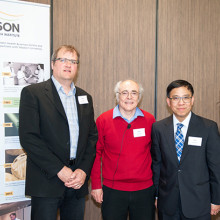
Above: Café Scientifique presenters (from left to right): Drs. Jeffrey Carson, Frank Prato (moderator), Ting-Yim Lee and Udunna Anazodo.
An innovative year: Top 12 research stories of 2023
It’s been another year of transformational research at Lawson Health Research Institute. Our teams have published groundbreaking findings and launched new studies that will have a profound impact on patient care.
The following are 12 highlights of research and innovation from across London Health Sciences Centre (LHSC) and St. Joseph’s Health Care London (St. Joseph’s). From trialing new cancer treatments to advancing understanding of mental health, our research teams have achieved a number of important milestones.
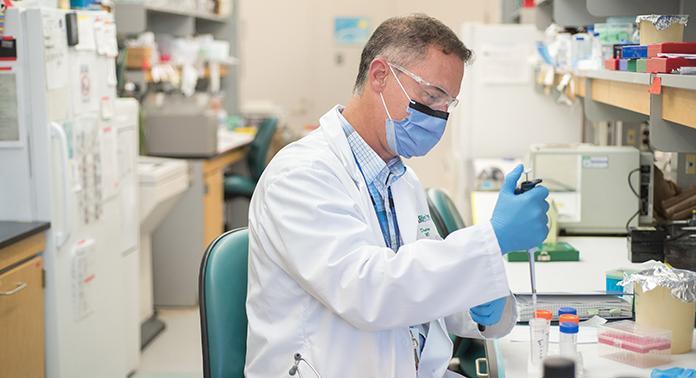
1. New study suggests blood plasma proteins hold answers to better understanding long COVID
Lawson researchers continued to advance understanding of COVID-19 this past year. In one study, researchers found that unique patterns in blood plasma proteins of patients with suspected long COVID could act as a drug target to improve patient outcomes. Read more.
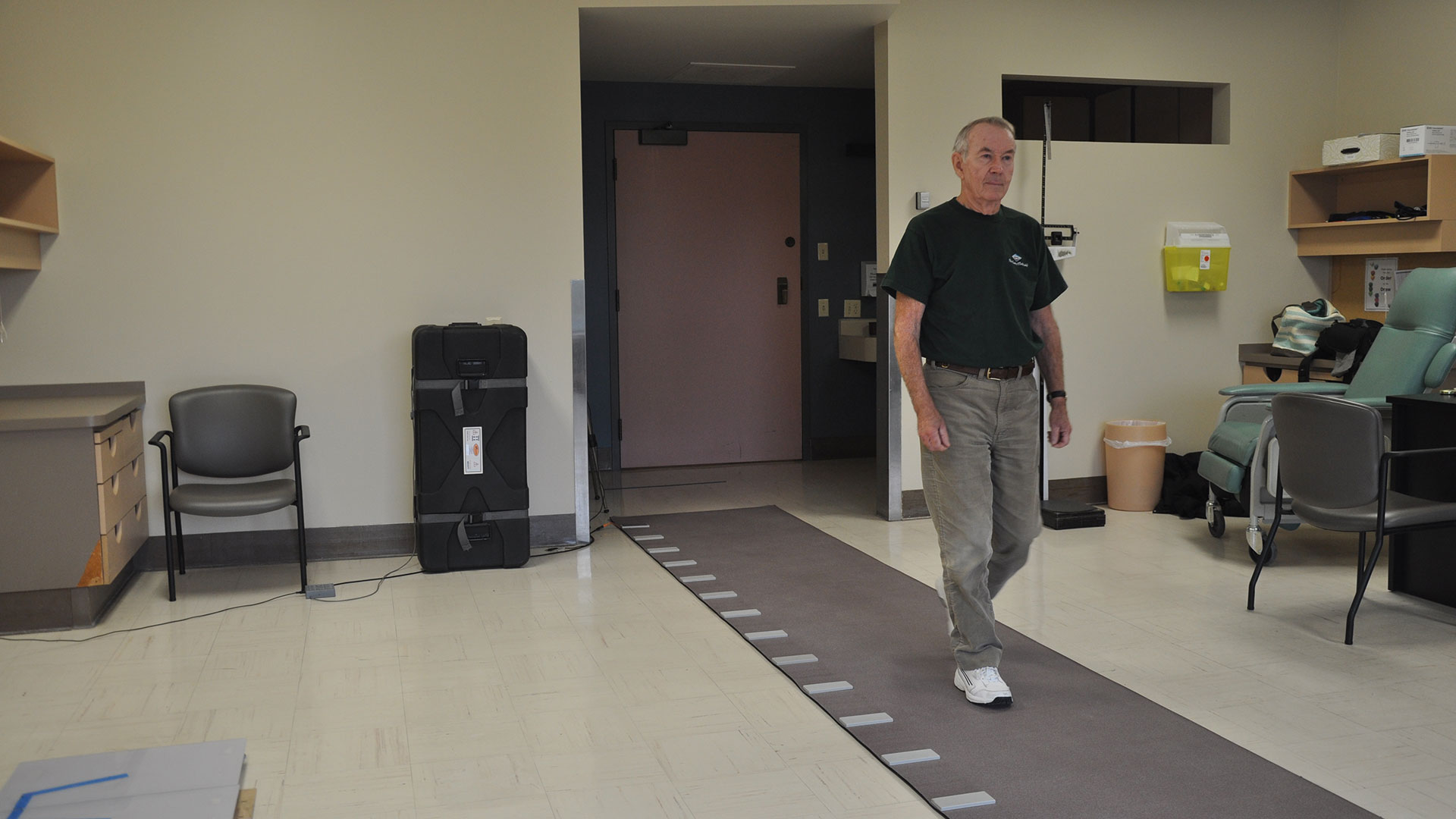
2. New study finds exercise, cognitive training combo boosts mental sharpness in seniors
A study from Lawson and Western University found that a combination of computerized cognitive training and aerobic-resistance exercises can improve functions like memory, attention, recognition and orientation in older adults with mild cognitive impairment. The results suggest a new way to address declining mental sharpness in older adults. Read more.
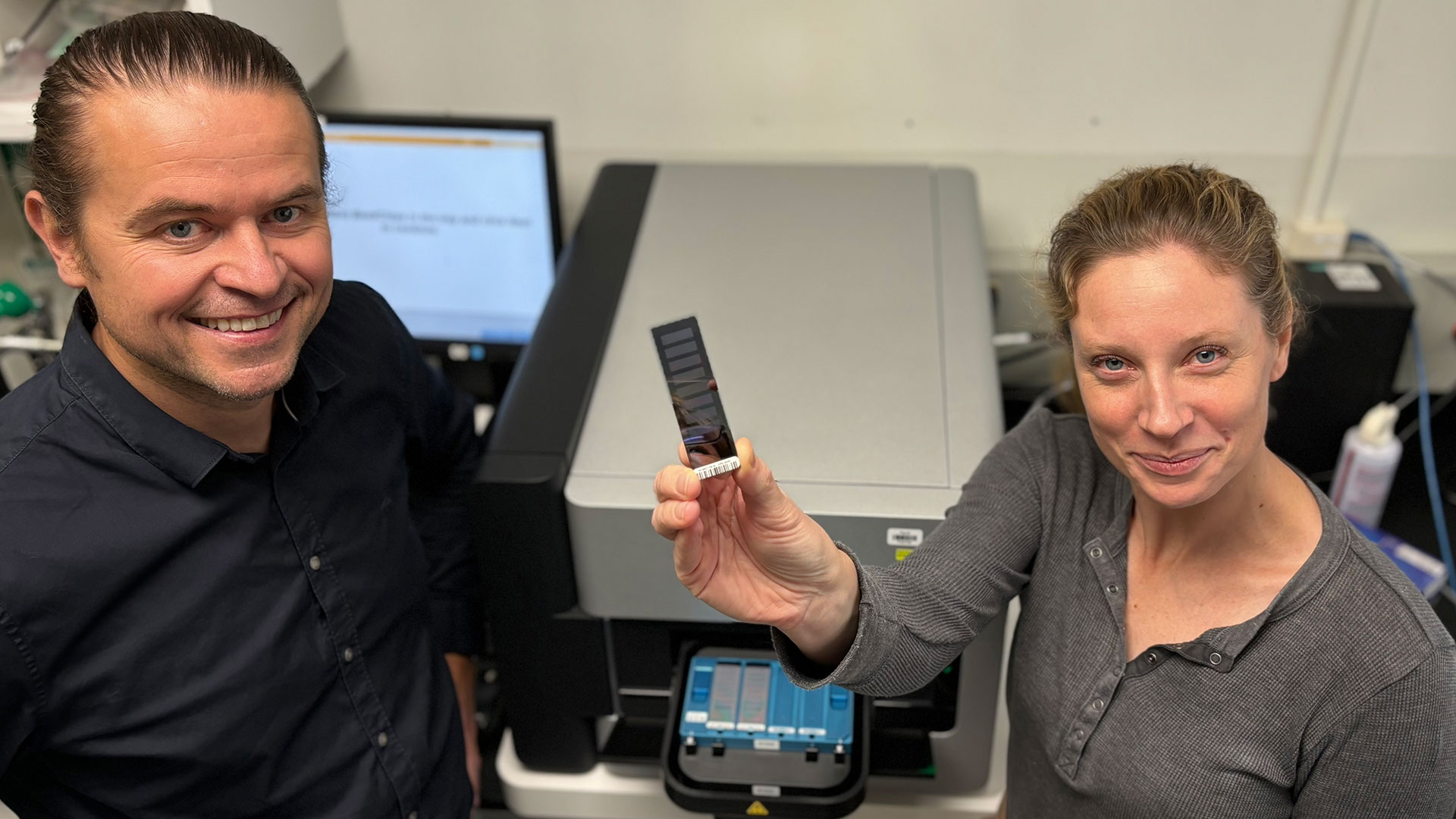
3. $7.55 million in funding to take LHSC-developed technology global
Technology to diagnose rare genetic disorders developed by researchers at Lawson and LHSC will be going global thanks to $7.55 million in funding from Genome Canada grant and Illumina Inc. The new artificial intelligence-led technology could allow rare diseases to be diagnosed with a simple blood test. Read more.
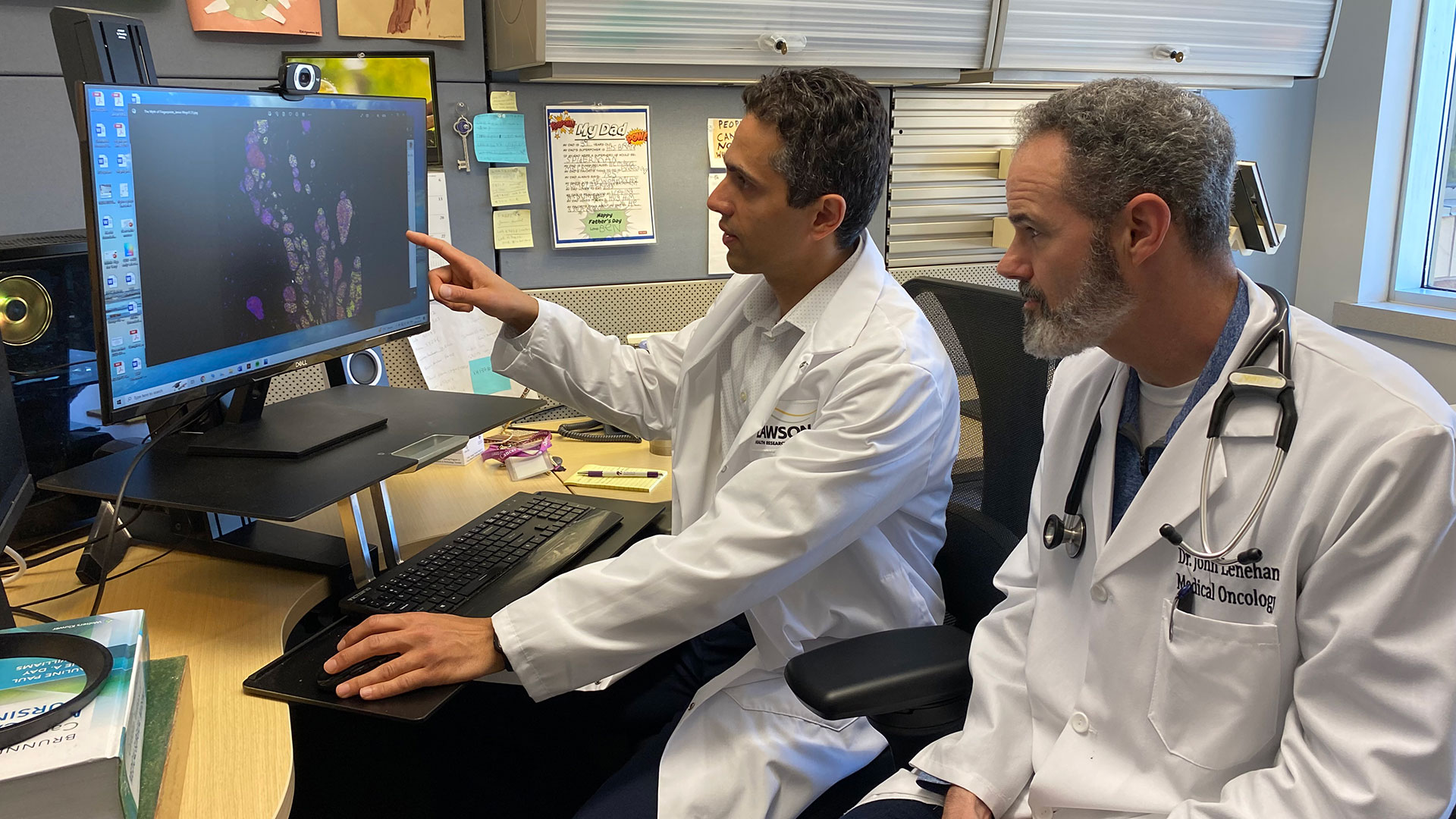
4. Fecal transplants show promise in improving melanoma treatment
Fecal microbiota transplants (FMT) from healthy donors are safe and could improve response to immunotherapy in patients with advanced melanoma, according to results from a world-first multi-centre clinical trial led by Lawson researchers. Read more.

5. New study shows technology could play an important role in mental health support
A team of Lawson researchers found that the use of ‘smart home’ technology like touch screen devices, activity trackers, weigh scales and medication dispensers may lead to better outcomes for those living with both mental health and physical disorders. The study found that participants using the technology started logging more exercise, making healthier food choices and not missing medication doses. Read more.

6. Canadian children’s hospital visits for suicidal thoughts, self-poisoning and self-harm up during pandemic, study finds
A national study with Lawson researchers found that during the first two years of the COVID-19 pandemic, adolescent emergency department (ED) visits and hospitalizations for suicidal thoughts, self-harm and self-poisoning increased across Canada, with the greatest increase occurring among adolescent girls. Read more.
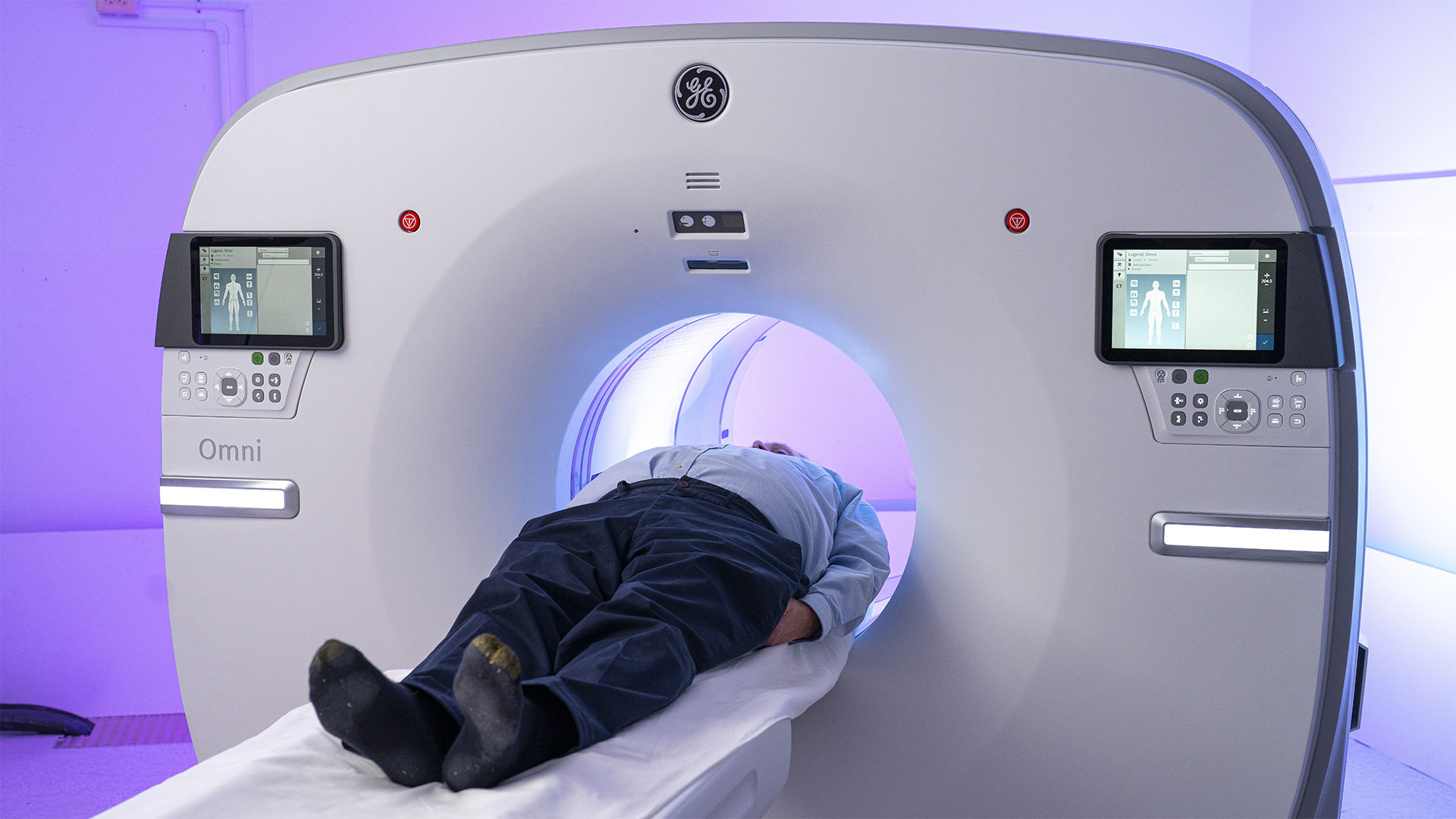
7. St. Joseph’s to become Canada’s first centre of excellence in molecular imaging and theranostics
A partnership between Lawson, St. Joseph’s Health Care London and GE HealthCare will create Canada’s first centre of excellence in molecular imaging and theranostics at St. Joseph’s. The centre will focus on using precision diagnostic imaging and targeted therapy to advance personalized treatment of cancer and other diseases. Read more.
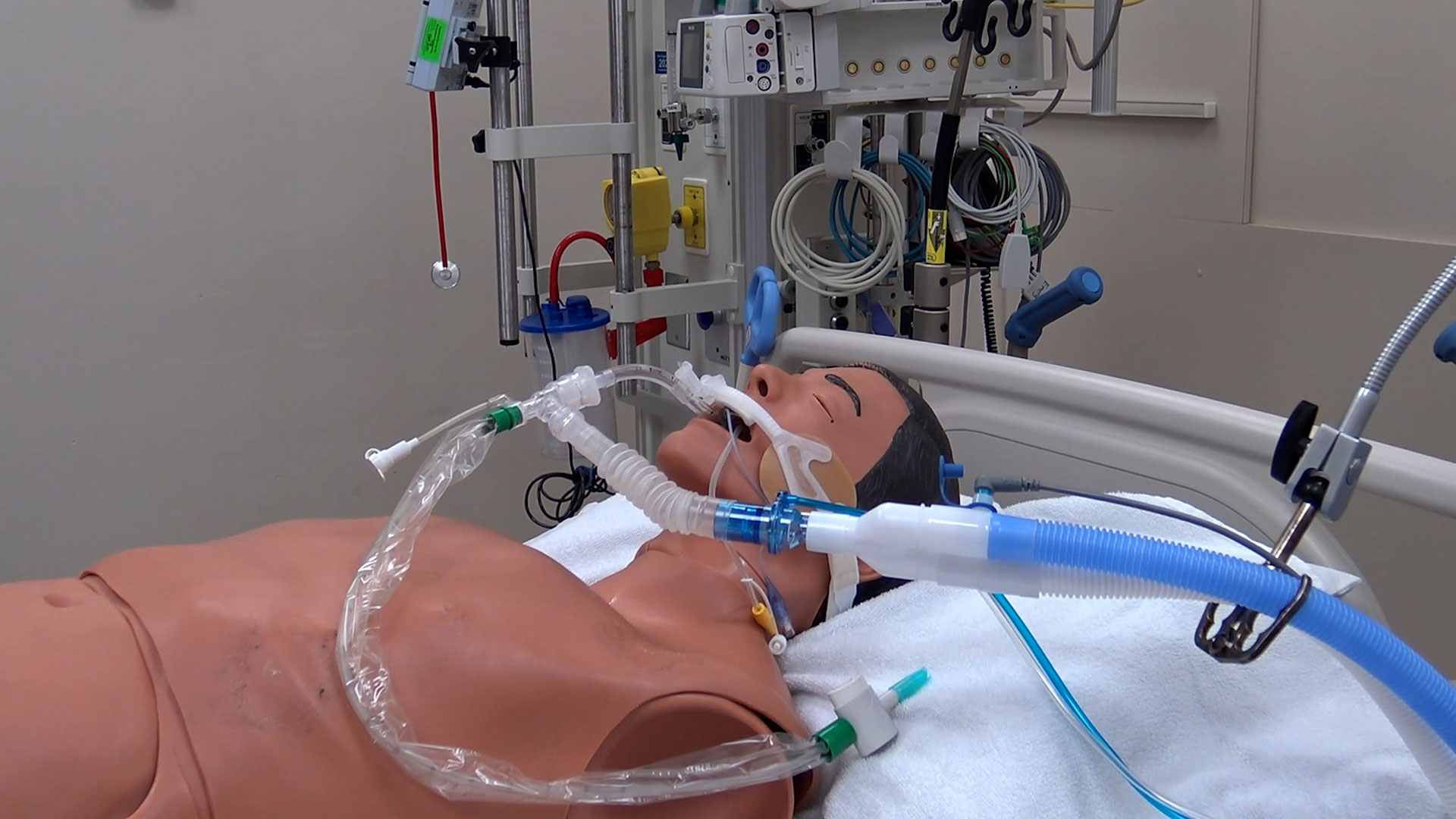
8. Researchers investigate a new method of sedation for paediatric patients
Intravenous sedatives are normally used to sedate critically ill children. However, they can contribute to a complication called delirium, which includes symptoms of confusion, disorientation, agitation, excessive drowsiness and poor attention. To improve outcomes, scientists at Children’s Health Research Institute (a program of Lawson), Sunnybrook Research Institute and The Hospital for Sick Children (SickKids) are collaborating on a pilot study to understand whether inhaled sedation could be a better alternative to keep critically ill children sedated and comfortable. Read more.
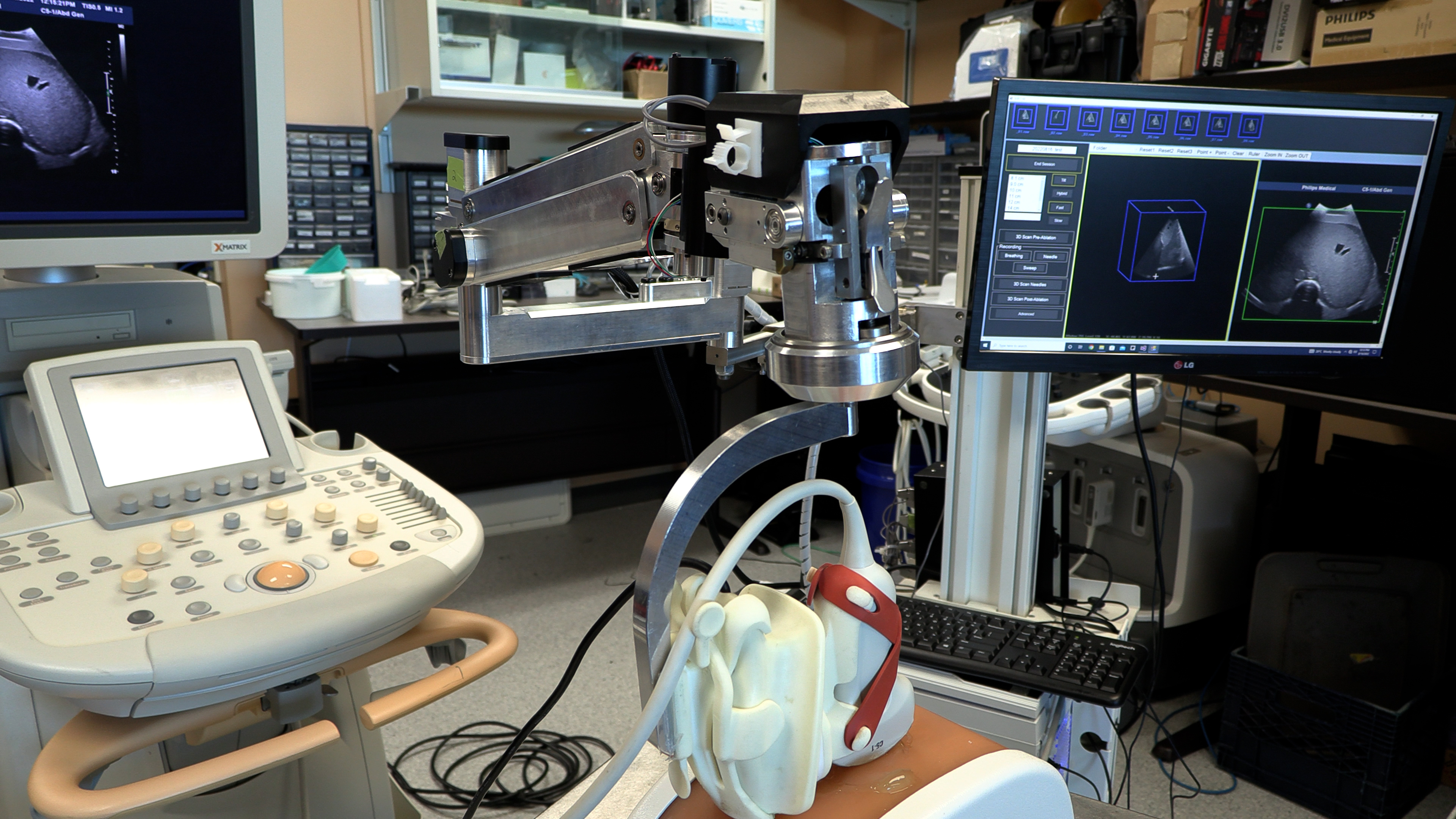
9. New robotic 3D ultrasound may improve accuracy of liver cancer ablation therapy
A technique that turns a normal ultrasound into a 3D image is showing promise in making thermal ablation for liver cancer treatment more accurate in a study from Lawson and Western University. Thermal ablation – using heat to destroy a cancerous tumour – can have fewer complications and a shorter recovery time than surgery. Read more.
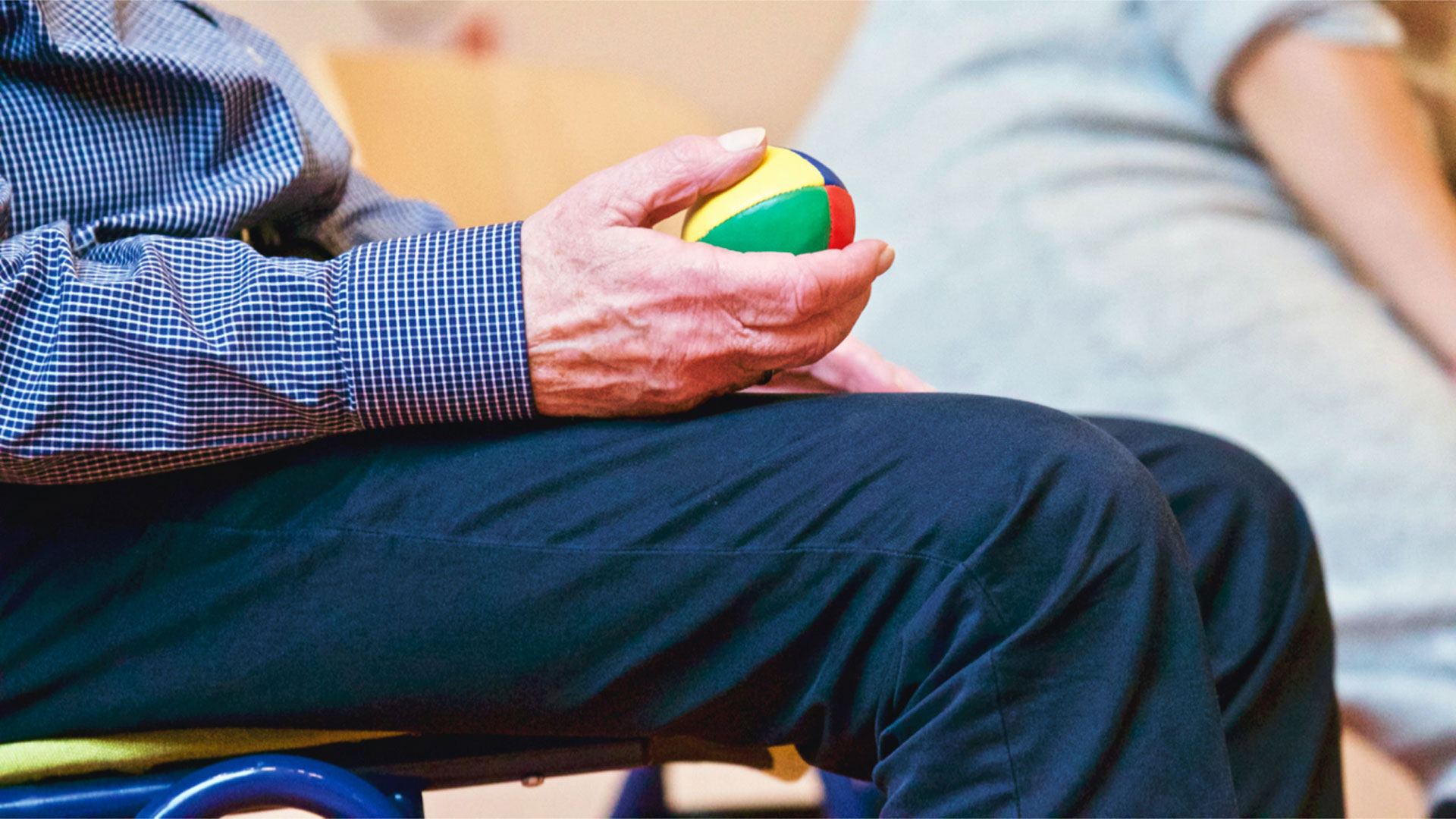
10. Assessing neurofeedback in stroke survivors
Functional near-infrared spectroscopy (fNIRS) is used to detect changes in brain oxygen levels using light, but more recently it has also been used to develop brain-computer interfaces – allowing patients with brain injuries to control a device with their thoughts. Researchers at Lawson launched a new study to assess whether fNIRS can be used to improve patient outcomes during stroke rehabilitation. Read more.
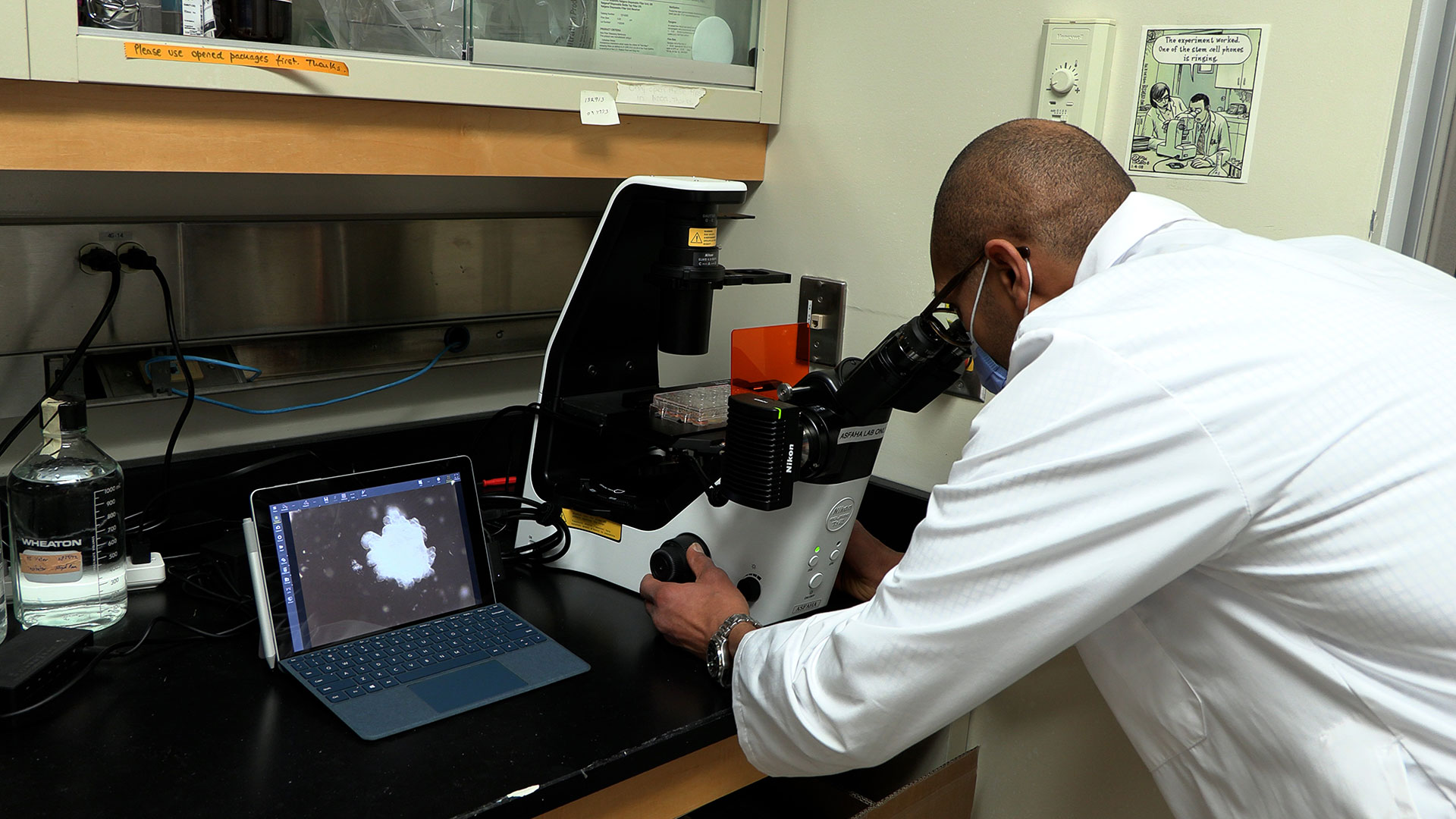
11. Specific type of inflammation may be linked to risk of colorectal cancer
A preclinical study found that a specific type of inflammation may be linked to an increased risk of colorectal cancer. Previously, the degree of inflammation caused by illnesses like colitis, Crohn’s disease and other forms of inflammatory bowel disease were shown to be an important indicator of the development of colorectal cancer. However, this new study found the type of inflammation, rather than the severity and duration, may be more important in determining cancer risk. Read more.
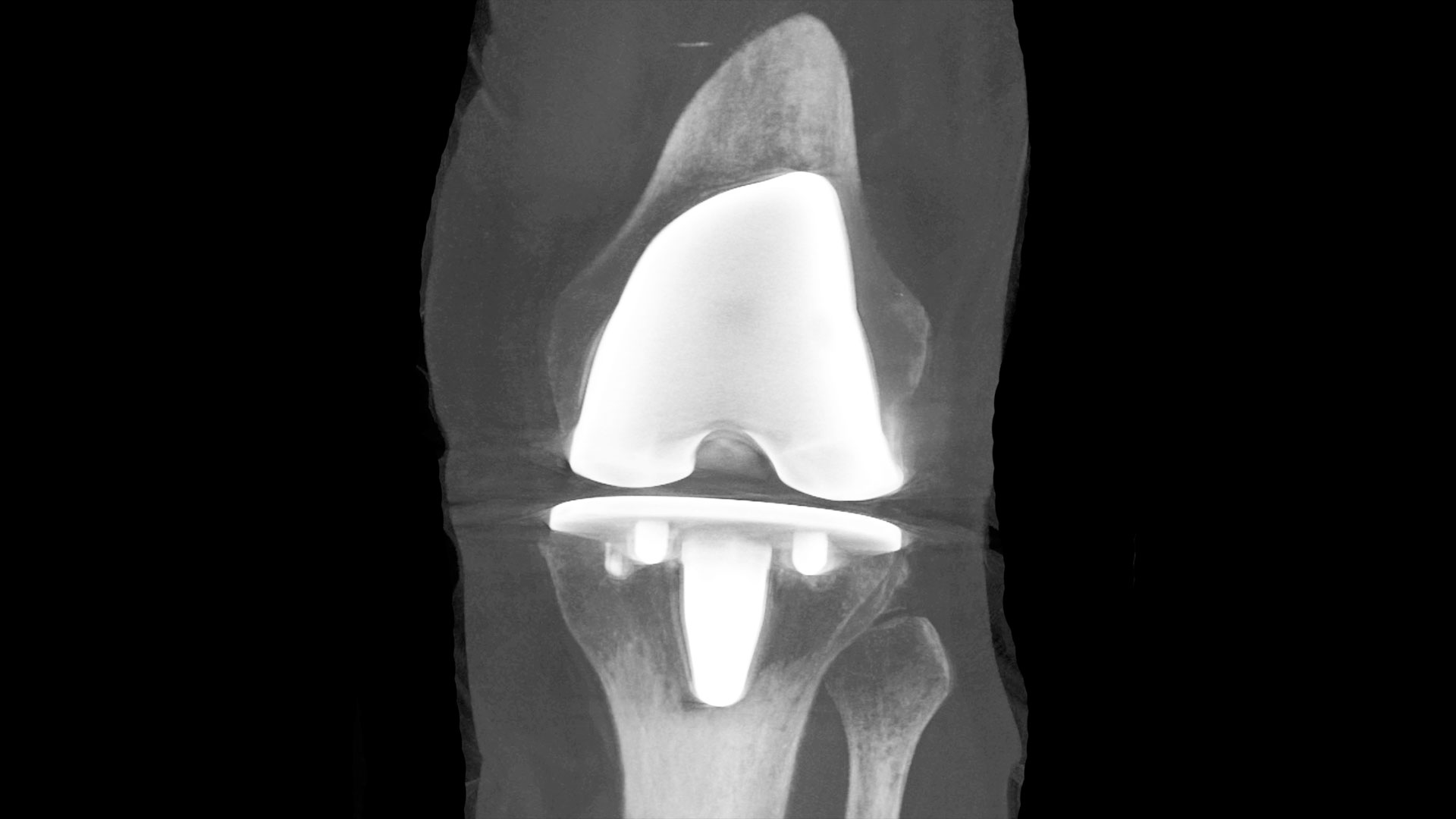
12. New study examining if probiotics can improve outcomes in knee replacement surgeries
Lawson researchers launched a study to assess whether daily probiotics can improve outcomes in patients undergoing a total knee replacement surgery. Of the more than 70,000 knee replacement surgeries in Canada each year, nearly 10 per cent of patients experience complications. With patients who are considered healthy likely to have better outcomes, the research team is interested in improving the gut microbiome as a way to support patients’ overall health. Read more.
Media Contact
Amanda Taccone
Communications Consultant & External Relations
Lawson Health Research Institute
T: 519-685-8500 ext. ext. 64059
C: 226-919-4748
@email
Annual London Imaging Discovery Conference
2:00pm
London Imaging Discovery Day was launched in 2006 as a platform for scientists and residents in radiology and nuclear medicine to share their research with mentors, peers, graduate students, and others. This conference, coordinated by the Department of Medical Imaging at the Schulich School of Medicine & Dentistry, was another brilliant idea conceived by Dr. Aaron Fenster, Director of Imaging Sciences and Dr. Andrea Lum, Chair of Medical Imaging and City-Wide Chief of the Department of Diagnostic Radiology.
The LID conference focuses on Functional, Morphological and Molecular Imaging and targets London’s current and future leaders in Imaging Research, to meet and share their most advanced discoveries. London is a major, leading center for the medical industry and over the past 10 years, the LID conference has grown and now attracts interest from the rest of Canada and from the United States.
Residents and graduate students present their research projects. Their posters and oral presentations are judged every year by our expert panel of judges.
Tuesday June 21, 2016 will mark the 11th Annual London Imaging Discovery, an event showcasing the best and brightest residents, fellows, and scientists Schulich Medicine & Dentistry, Medical Imaging has to offer. This year, the venue will be at The Mercato, Brescia University College, 1285 Western Road.
The objectives of the event are as follows:
- To provide a forum for trainees, residents, and graduate students
- To enable residents and graduate students to learn and experience presenting to an audience
- To facilitate a congregation of knowledge with an extensive poster exhibition of research with the department
- To invite Keynote speakers on education and research to showcase their expertise
- To further develop the CANMEDS roles of Communicator and Collaborator through the focus on leadership development and relationship building
The event is free, open to all, and is a great opportunity to review the research at hand, enjoy refreshments and good company, and celebrate our successes over the past year.
Online registration and abstract submission is now open! For more information, please click here.
… With dedication and insight like this, we offer world-class medical services. SUSTAINING THE SPIRIT Healing from the … their expertise. The Sophomores Nimesh Desai, a third-year medical student, recently completed a study block on … hospitals. Patients can now enjoy the benefits of having medical, diagnostic and therapeutic services, including a …
Annual Report to the Community 2000-2001 June 2001 Dr. Lauren McCurdy Director of Breast Imaging, St. Josephs Health Care, London Associate Professor, UWO Visit our web site: www.sjhc.london.on.ca For additional copies of the report, complete financial statements, salary disclosure information or ot...
… and short stay surgery, and outpatient treatment of complex medical and chronic disease. Expert interdisciplinary teams … breast care team of surgeons, radiologists, medical radiation technologists, nurse navigators, advanced … explains radiologist Dr. Anat Kornecki, Breast Imaging Medical Director and Associate Scientist at Lawson Health …
Annual Report 2012-2013 Welcome to the 2012-2013 Annual Report Contents Annual Report 2012-2013 ......................................................................................................................... 1 Welcome to the 2012-2013 Annual Report ............................................
… knows exactly where to operate, explains Dr. Anat Kornecki, Medical Director, Breast Imaging, St. Joseph’s Breast Care … care provider. The 2013 recipient is Dr. Mohan Merchea, Medical Director and surgeon in the Cataract Suite at the … knows exactly where to operate, explains Dr. Anat Kornecki, Medical Director, Breast Imaging, St. Joseph’s Breast Care …
Annual Report 2013-2014 Welcome to our 2013-2014 Annual Report Contents Annual Report 2013-2014 ............................................................................................................................. 1 Welcome to our 2013-2014 Annual Report ........................................
… 5 CANADA’S FIRST DIABETES-SPECIFIC MEDICAL RECORD … view a video (on YouTube). CANADA’S FIRST DIABETES-SPECIFIC MEDICAL RECORD Diabetes patients of St. Joseph’s Health Care … that allows all those involved in their care to access key medical information anytime, anyplace. Called Web DR …
Annual Report 2014-2015 Welcome to the 2014-2015 Annual Report Contents Annual Report 2014-2015 ............................................................................................................................. 1 Welcome to the 2014-2015 Annual Report ........................................
… service for these patients. It begins with a comprehensive medical assessment for all patients entering CRSP. This … three St. Joseph’s staff members became a mini mobile medical team in response to an urgent request by the South … pushed and pulled a wagon filled to the brim with basic medical supplies along snowy sidewalks to attend to the most …
Annual Report 2015-2016 Welcome to the 2015-2016 Annual Report Contents Welcome to the 2015-2016 Annual Report .............................................................................................. 1 OPENING MESSAGE ...............................................................................
… 3 THE ART OF MEDICAL IMAGING … kept his cool despite a week of endless challenges during a medical mission to Haiti. Invited by Project Haiti, a non-profit organization dedicated to medical care and education, the surgeon spent seven days in … 3 THE ART OF MEDICAL IMAGING …
Annual Report 2016-2017 Welcome to the 2016-2017 Annual Report Contents Annual Report 2016-2017 .......................................................................................................... 1 Welcome to the 2016-2017 Annual Report ...........................................................
… Romagnoli shouts “I can’t see a thing” to fellow first year medical student Sara Cocco as he fits the darkened goggles … at St. Joseph’s Parkwood Institute, where more than 130 medical students participated in activities to help them … Geriatrician Dr. Dr. Laura Diachun chats with first year medical students Tommaso Romagnoli, left, and Sara Cocco, …
Annual Report 2017-2018 Welcome to the 2017-2018 Annual Report Contents Annual Report 2017-2018 .......................................................................................................... 1 Welcome to the 2017-2018 Annual Report ...........................................................
… emerging in London, Lawson Health Research Institute’s medical scientists quickly mobilized, launching studies to … psychiatric treatment. “There is so much missing within the medical system for Indigenous individuals,” explains Liz … registering, a clinician came to talk to her about her medical history and osteoporosis. Within minutes, she was …
STJOSE._, PHs HEA LTH CAR E l ONDON THE YEAR THE WORLD CHANGED TABLE OF CONTENTS THE YEAR THE WORLD CHANGED ..................................................................................................................................................................................... 1 St. Jose...
Antioxidants in the brain linked to improved treatment results in patients with psychosis
LONDON, ON – New research from Western University and Lawson Health Research Institute demonstrates that increased antioxidant levels in the brain may improve outcomes of early intervention in psychosis. In the paper published in Nature Molecular Psychiatry, the research team found that patients with higher levels of an antioxidant called glutathione responded more quickly to medication for psychosis and had improved outcomes.
“Once patients with psychosis start treatment, some get better in weeks while it can take months for others. We wanted to see if we could understand and influence this disparity,” said Dr. Lena Palaniyappan, Associate Professor at Western’s Schulich School of Medicine & Dentistry and Scientist at Lawson Health Research Institute. “We found that the amount of antioxidants that patients have in their brains predicts the time that it takes for them to respond to treatment.”
Previous research has shown that patients who respond early to antipsychotic medications have better overall outcomes in terms of symptoms and daily functioning. The research team has estimated that a 10 per cent increase in antioxidants could lead to a reduction in length of hospital stay by at least seven days.
“This study demonstrates that if we can find a way to boost the amount of antioxidants in the brain, we might be able to help patients transition out of hospital more quickly, reduce their suffering more quickly and help them return earlier to their work and studies,” said Dr. Palaniyappan who is also the Tanna Schulich Endowed Chair in Neuroscience and Mental Health at Western.
Antioxidant levels in the brain vary naturally from person to person and those variations can be attributed to lifestyle choices like exercise and diet. There are also ways to pharmaceutically boost these levels. A supplement called N-Acetyl Cysteine (NAC) as well as broccoli extracts can increase the brain’s antioxidants if given over a long period of time.
Dr. Palaniyappan and his team used high-field MRI imaging to examine antioxidant levels in the brains of 37 new patients to the Prevention and Early Intervention for Psychoses Program (PEPP) at London Health Sciences Centre. Antioxidant levels were studied prior to beginning treatment for psychosis and followed up for six months post-treatment.
The MRI scans were acquired at Western’s Centre for Functional and Metabolic Mapping at the Robarts Research Institute with the support of Western's BrainsCAN and the Canadian Institutes of Health Research.
-30-
About Lawson Health Research Institute
Lawson Health Research Institute is one of Canada’s top hospital-based research institutes, tackling the most pressing challenges in health care. As the research institute of London Health Sciences Centre and St. Joseph’s Health Care London, our innovation happens where care is delivered. Lawson research teams are at the leading-edge of science with the goal of improving health and the delivery of care for patients. Working in partnership with Western University, our researchers are encouraged to pursue their curiosity, collaborate often and share their discoveries widely. Research conducted through Lawson makes a difference in the lives of patients, families and communities around the world. To learn more, visit www.lawsonresearch.ca.
About Western
Western delivers an academic experience second to none. Since 1878, The Western Experience has combined academic excellence with life-long opportunities for intellectual, social and cultural growth in order to better serve our communities. Our research excellence expands knowledge and drives discovery with real-world application. Western attracts individuals with a broad worldview, seeking to study, influence and lead in the international community.
About The Schulich School of Medicine & Dentistry
The Schulich School of Medicine & Dentistry at Western University is one of Canada’s preeminent medical and dental schools. Established in 1881, it was one of the founding schools of Western University and is known for being the birthplace of family medicine in Canada. For more than 130 years, the School has demonstrated a commitment to academic excellence and a passion for scientific discovery.
Media Contacts
Celine Zadorsky
Senior Media Relations Consultant
Communications & Public Engagement
T: 519-685-8500 ext. 73502
Celine.zadorsky@lhsc.on.ca