


Search
Search
1863 Search Results:
… lperrie@csj.london.on.ca 2 “Dr. E.I. Loughlin spoke for the Medical Profession in London. “For the past 30 years I have … Ontario, and have met the ever-increasing demand for medical services,” he said. “They have constantly improved … lperrie@csj.london.on.ca 2 “Dr. E.I. Loughlin spoke for the Medical Profession in London. “For the past 30 years I have …
Sisters of St. Joseph of London Archives PO Box 487 London ON N6A 4X3 519-432-3781 ext 404 lperrie@csj.london.on.ca Sisters of St. Joseph of London St. Marys Hospital Basic facts 1869: Mount Hope established as an Orphanage, Motherhouse, and Home for the Aged. 1900: Motherhouse, Novitiate and Orp...
Recent Advances in Clinical Dementia Research
8:00pm - 9:00pm
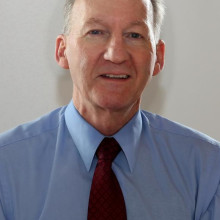
Hear Dr. Michael Borrie, one of the world’s foremost leaders in Dementia research, talk about non-drug approaches to maintain brain health and ongoing research for cognitive impairment.
Research Bites is a series presented by Parkwood Institute Research (PIR). These informative and interactive talks focus on specific illnesses, their prevention and related health research being conducted by researchers in London and area. PIR is a program of Lawson, the research institute of London Health Sciences Centre and St. Joseph’s Health Care London.
This is a free learning series open to the community.
Register today before spots fill up!
About this event:
Image
Date: Tuesday, January 21, 2020
Time: 4 - 5 p.m.
Location:
Parkwood Institute, Main Building
WCW Auditorium (Room E1-130)
550 Wellington Road, London, ON N6A 4V2
Maps and Directions for Parkwood Institute.
Parking: The lot rate is $5.00 when you enter. $1 and $2 coins and credit card accepted (press the start button then insert payment)
Register Today
… be completed and request form submitted by Department to Medical Affairs for the Joint Professional Staff Human … at this stage. JPSHRC approves position for Recruitment. Medical Affairs sends notification to department to proceed … and sends them, along with the three references, to the Medical Affairs Human Resource Planning and Credentialing …
Canadian Trained Professional Staff in an Academic Appointment New positions requires that Part A of the Position/Candidate Impact Summary Form be completed and request form submitted by Department to Medical Affairs for the Joint Professional Staff Human Resource Committee (JPSHRC) to Review. The A...
… be completed and request form submitted by Department to Medical Affairs for the Joint Professional Staff Human … at this stage. JPSHRC approves position for Recruitment. Medical Affairs sends notification to department to proceed … and sends them, along with the three references, to the Medical Affairs Human Resource Planning and Credentialing …
Non-Canadian Trained Professional Staff in an Academic Appointment New positions requires that Part A of the Position/Candidate Impact Summary Form be completed and request form submitted by Department to Medical Affairs for the Joint Professional Staff Human Resource Committee (JPSHRC) to Review. T...
… Consult a qualified health professional regarding specific medical concerns or treatment. University Health Network … Consult a qualified health professional regarding specific medical concerns or treatment. University Health Network … Consult a qualified health professional regarding specific medical concerns or treatment. University Health Network …
Digital Stimulation (Rectal Touches) Contact your Doctor or Nurse for more information. SELF CARE Originally written by: Sharon Ryan. 2015 University Health Network - Toronto Rehab. All rights reserved. Disclaimer: Information is provided for educational purposes only. Consult a qualified health pro...
… Consult a qualified health professional regarding specific medical concerns or treatment. University Health Network … Consult a qualified health professional regarding specific medical concerns or treatment. University Health Network … Consult a qualified health professional regarding specific medical concerns or treatment. University Health Network …
Digital Stimulation (Rectal Touches) Contact your Doctor or Nurse for more information. SELF CARE Originally written by: Sharon Ryan. 2015 University Health Network - Toronto Rehab. All rights reserved. Disclaimer: Information is provided for educational purposes only. Consult a qualified health pro...
Reddit AMA: How does the gut microbiome relate to healthy aging?
Drs. Greg Gloor, Gregor Reid, Jeremy Burton and Jean Macklaim participated in a Science AMA (Ask Me Anything) Series following the publication of their “The Gut Microbiota of Healthy Aged Chinese Is Similar to That of the Healthy Young” study.
Their study, one of the largest microbiota studies conducted in humans, has shown a potential link between healthy aging and a healthy gut.
During the AMA, the team of researchers answered over 30 questions relating to the study as well as other questions relating to probiotics and the human microbiome. Diet, environment, and fecal transplants were some of the topics reddit users wanted to discuss.
Each of the researchers also weighed in on the medical breakthroughs in microbiome and probiotic research in the future:
Dr. Greg Gloor: My prediction is that we will begin to understand the inter-relationships between the microbiota and the host. Right now the microbiome community and the human genetic community are not well connected. For example, the particular strains from a single donor that engraft following a fecal transplant differ between different recipients. We don’t understand how or why this happens, but the that the host genetic makeup and immunological response affects engraftment is an obvious starting point. We really can’t start to think about true precision medicine until we understand all the moving parts in play, we can’t just look at the host genetics, nor can we look only at the microbiota, or the broader environment - we need to synthesize all this information in order to truly deliver person-specific advice.
Dr. Gregor Reid: Sample a person’s microbiota and metabolomic read-out, know what drugs they are taking and what toxins they are being exposed to (mercury, pesticides, aflatoxins etc) and ‘design’ a probiotic that gets closer to being ‘personalized’ for whatever purpose is believed to be important to improve their health status. That would require having many probiotic strains available as options, and foods that could promote their influence in the host. Another challenge will be ethically doing this in early life; and another is to apply the intervention to impact distant sites like the brain. Furthermore, we need to know to what extent the intervention helps the person. For example, probiotics can reduce cholesterol, and this might reduce by 12.5% the risk of a cardiac event in the next ten years, while statins may reduce the risk by 25%. Depending on the actual risk of disease, the probiotic approach may not be sufficient. So, we should not promote something that endangers the life of the recipient in any way. Having said that, the side effects of high statin levels are extremely concerning, and we need to be looking at alternatives. If probiotics could reduce the need for high levels of statins, that might be a win-win.
Dr. Jeremy Burton: The gut microbiome composition has been shown to be predictive of certain conditions (T2 diabetes, some kidney stones etc), so the hospital of the future will likely analyse your microbiome, as well as your own genetics. Once a condition has been diagnosed and if there is a microbial link, some kind of microbial therapeutics will be administered in different ways. In a less severe microbial disruption, patients may only receive a dietary intervention, but where a more dramatic shift in the microbiome is required, a faecal transplant may be administered from the hospital “bank” or the person’s own microbiome maybe taken out and put in a gut model to grow and restore their bacterial populations in the laboratory before putting the “restored” microbiome back in the patient as an “auto” transplant.
Dr. Jean Macklaim: One of the things I hope we’ll be better able to understand in the future is how our early exposure to microbes sets the course of our immune response for the rest of our lives. There is a lot of evidence that the bacteria you are exposed to at birth and early in your childhood affects allergies, susceptibility to the common cold, chronic immune disorders, etc. Additionally, it’s very difficult to change your established microbiome and immune function in adulthood. If we are better able to prime our early microbiome, it could affect a lot of these disorders that change the quality of our lives during aging.
More information about the study and the full AMA can be found on Reddit.
Scientist
Reduce the swelling: Why does chronic inflammation matter?
11:00pm - 1:00am
Inflammation is becoming increasingly popular as a “buzzword” for health claims and advice. It has been implicated in a number of chronic and age-related conditions, including diabetes, rheumatoid arthritis, cardiovascular disease, neurodegenerative diseases, and even depression and cancer. On the other hand, inflammation is part of the body’s natural response to infection and tissue damage, and it is crucial to the healing process.
You are invited to the Lawson’s Café Scientifique, a free community event providing an informal opportunity to get involved with science. Hear a panel of expert researchers explore how inflammation affects our health and how this knowledge can be applied to improve health care. Guests are then encouraged to ask questions as part of an open-forum discussion to gain insights from the speakers, and from one another.
Presented Talks
- “Molecular signatures: How do we listen to the music of inflammation?”
Dr. Chris McIntyre - “The effects of chronic inflammation on cancer”
Dr. Samuel Asfaha - “Coming to grips with curling fingers: A cause and potential treatment for fibrosis of the hand”
Dr. David O’Gorman - MODERATOR – Dr. David Hill
Registration
Free community event hosted by Lawson Health Research Institute.
PLEASE NOTE: Registration for this event is now full.
Email @email to be added to the event wait list. Please include the names of all individuals who wish to be added to the wait list. We apperciate your interest in Café Scientifique.
Event Information
Date: Wednesday, October 12, 2016
Time: 7 to 9 p.m.
Location: Windermere Manor (The Grand Hall), 200 Collip Circle, London, ON N6G 4X8
Speaker Biographies
Image
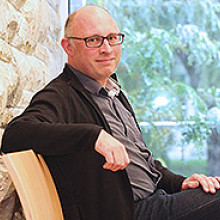
In 1999 he was appointed as Consultant Nephrologist at the Royal Derby Hospital and subsequently as Reader in Vascular Medicine and then Professor of Nephrology at Nottingham University, becoming Head of the Division of Graduate Entry Medicine and Medical Sciences. Dr McIntyre led a team of multidisciplinary researchers focused largely on the pathophysiology of the widespread abnormalities of cardiovascular function and body composition in CKD patients. These studies included basic clinical science, natural history studies and the development and application of novel therapeutic strategies. These studies have increasingly focussed on the adverse consequences resulting from dialysis therapy itself and the improvement in outcomes by the reduction of preventable harm.
He has recently moved to his new role in Canada as Professor of Medicine and was awarded the inaugural Robert Lindsay Chair of Dialysis Research and Innovation at Western University, London Ontario. He also serves as Director of the Lilibeth Caberto Kidney Clinical Research Unit at London Health Sciences Centre, as Assistant Director of the Lawson Health Research Institute and is cross appointed as full Professor in the Department of Medical Biophysics at Western.
Image
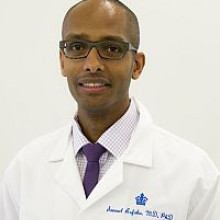
His research focuses on the intestinal stem cells of the gut and aims to identify the cellular origin of colorectal cancer.
See Dr. Asfaha’s full scientist profile.
Image
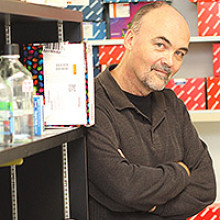
See Dr. O’Gorman’s full scientist profile.
Moderator Biography
Image

… indicate) : DRIVING INFORMATION DRIVING: Please discuss any medical/functional concerns with the patient before … Ministry of Transportation been informed the patient has a medical condition that may affect their ability to drive? □ … INFORMATION Referring Diagnosis: Date of Onset: Relevant Medical History (include if Hx seizures, dementia, …
Comprehensive Outpatient Rehabilitation Program Parkwood Institute, Arthur J. Hobbins Building PO Box 5777 STN B, London, ON, N6A4V2 Tel: 519-685-4578 Fax: 519-685-4802 Referral Form FOR OFFICE USE ONLY Referral Date: MR#: Contact Date: Intake Date: CLIENT INFORMATION Name: DOB (YY/MM/DD): Address: ...
… your patient be transported by Ambulance (or any other medical transportation company), please ensure that there is … information or give informed consent for any potential medical procedures, please ensure they are accompanied by … your patient be transported by Ambulance (or any other medical transportation company), please ensure that there is …
July 2017 Physiatry Outpatient Acquired Brain Injury Referral Form Parkwood Institute 550 Wellington Rd London N6C 0A7 Phone: 519-685-4579 Fax: 519-685-4075 Patient Name: Referring Physician: DOB (YY/MM/DD): Phone: OHIP #: Fax: Address: Billing Number: Referral Date: Contact phone: Physicians Signat...
… Fax: (519) 685-4066 Referral (Please forward any relevant medical consultation notes or reports) Name: … ( Improve ( Remain Stable ( Deteriorate 4. Has a change in medical condition been reported to the Ministry of … Fax: (519) 685-4066 Referral (Please forward any relevant medical consultation notes or reports) Name: …
Parkwood Institute Driver Assessment and Rehabilitation Centre Driver Assessment and Rehabilitation Program/DriveABLE Mailing address Location PO BOX 5777, STN B 550 Wellington Road London, ON N6A 4V2 London ON N6C 0A7 Tel: (519) 685-4070 Fax: (519) 685-4066 Referral (Please forward any relevant med...
… nutritious and palatable food, in accordance with medical and religious requirements, and with consideration … nutritious and palatable food, in accordance with medical and religious requirements, and with consideration …
Mental Health Care Patient Bill of Rights Respect = Excellence = Compassion St. Josephs Mental Health Care Patient Bill of Rights Acknowledgements: St. Josephs Health Care London (St. Josephs) and the mental health care Patient Council acknowledges, with appreciation, the work of the Centre for Addi...
Regulation of AI in Healthcare
5:00pm
Image

Register for the webinar
N.B. This webinar will be presented in English. A recording will be available with English and French subtitles.
This webinar is part of the INOVAIT Lecture Series: Big Data Analytics, Artificial Intelligence & Image-guided Therapy. This online lecture series addresses the role of big data in the field of IGT, and the integration of AI data handling into IGT technologies.
Relieving the pain: Current research on pain and its management
11:00pm - 1:00am
There has been an explosion of scientific knowledge that is helping us to uncover the changes that happen when an individual develops pain, giving millions of people the hope that they will be better able to manage their own pain.
Pain is one of the most common reasons people seek medical attention. In Canada, 25 per cent of adults are affected by chronic pain and that statistic moves up to 50 per cent in the elderly.
Acute and ongoing pain have traditionally been hard to understand and there has isn’t always a clear answer for tackling these issues. We do know that ongoing pain can have significant impacts on one’s wellbeing.
Join Lawson Health Research Institute for our next Café Scientifique to hear a panel of experts share more about local research in the areas of:
- The role of opioid and cannabis analgesics in the management of pain.
- The impact of pain for individuals and families, including children experiencing pain, and some of the barriers to its management.
- The growing understanding of the mechanisms of pain to create the best long-term results for patients.
- Educational tools for patients and caregivers.
Speakers
Image
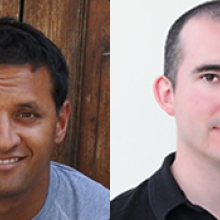
- Dr. Dwight Moulin, Clinical Neurological Sciences and Oncology
- Dr. Naveen Poonai, Paediatric Emergency Medicine
- Dr. Dave Walton, School of Physical Therapy
- MODERATOR – Dr. Kathy Speechley, Epidemiology & Biostatistics
Event Details
Date: Tuesday, November 20, 2018
Time: 7-9 pm (doors open at 6:30 pm)
Location: Best Western Plus Lamplighter Inn & Conference Centre, 591 Wellington Rd, London, ON N6C 4R3
Map and directions
Parking: Ample free parking on-site
This is a free community event and online registration is REQUIRED.
Click here to register.
Lawson is the research institute of London Health Sciences Centre and St. Joseph’s Health Care London.
… to termination of life and has a grievous and irremediable medical condition that causes enduring intolerable suffering … Another important distinction is that refusal to begin a medical procedure or treatment (or refusal to continue a … pushed and pulled a wagon fi lled to the brim with basic medical supplies along snowy sidewalks to attend to the most …
Leadership in Mission Report on Mission, Spiritual Care and Health Care Ethics 2015/2016 Report on Governance and Leadership As we approached 2015/16 we knew the year would provide opportunities and challenges. We would fi nally be through all our restructuring and construction and would have the op...
… to termination of life and has a grievous and irremediable medical condition that causes enduring intolerable suffering … Another important distinction is that refusal to begin a medical procedure or treatment (or refusal to continue a … pushed and pulled a wagon fi lled to the brim with basic medical supplies along snowy sidewalks to attend to the most …
Leadership in Mission Report on Mission, Spiritual Care and Health Care Ethics 2015/2016 Report on Governance and Leadership As we approached 2015/16 we knew the year would provide opportunities and challenges. We would fi nally be through all our restructuring and construction and would have the op...
… care provider. The 2013 recipient was Dr. Mohan Merchea, Medical Director and surgeon in the Cataract Suite at the … it is a safe environment for their specific medical condition. In mental health the focus is now on … viewed as a transitional program, providing the required medical needs to help a person regain strength and then …
Leadership in Mission Report on Mission, Spiritual Care and Health Care Ethics St. Josephs Health Care London 2013/2014 Report to St. Josephs Health Care Society 2 Contents Page 3 Report on Governance and Leadership Page 8 Report on Heath Care Ethics Page 13 Report on Spiritual Care Page 18 Living o...
… be touched by so many health care providers from numerous medical institutions across the city. Janet is shown with … Health Care, London acts as a training ground for many medical disciplines. In its new role as an ambulatory care … McManus, right, is one of many local clinicians who welcome medical students, residents and fellows into their inpatient …
ST. JOSEPHS HEALTH CARE LONDON | ANNUAL REPORT TO THE COMMUNITY | 2002/2003 2 Dedication This years Annual Report to the Community is dedicated to the St. Josephs Health Care, London staff members and volunteers who continue to give so much of themselves to help manage SARS restrictions. Thank you t...
… Parsons – Nurse, Dr. Gillian Kernaghan – Vice President Medical and Professional Affairs, Dr. Rob McFadden – … patient’s test images, such as MRIs and x-rays, and related medical reports from any location connected through the … a diagnosis to the originating hospital, is 21st century medical care,” says Paul Collins, CEO of St. Thomas Elgin …
St. Josephs Health Care London Annual Report 1 care 2 3 At St. Josephs Health Care, London, there are so many ways to care, all stemming from one vision to be a respected source of excellent health care. Uniting an organization of such diversity, embodying programs in rehabilitation, acute/ambulato...
… Types of Personal Information: Name, contact information, medical record number of individual to whom the personal … Types of Personal Information: Name, contact information, medical record number of individual to whom the personal …
Personal Information Bank (PIB) Details Title: Requests Under Personal Health Information Protection Act Location of Records: Health Records Description: Records relating to requests for access to personal health information. Legal Authority for PIB: Personal Health Information Protection Act, 2004,...