


Search
Search
1863 Search Results:
… there is no strong evidence to suggest whether surgery or medical management is better for treating smell loss. As … for their loss of smell report improvements after both medical and surgical treatments. Patients with a loss of … suffer from loss of smell or taste are encouraged to seek medical attention. It is best to be seen as soon as possible …
SMELL AND TASTE DISORDERS INTRODUCTION Olfaction (the sense of smell) is an important function of the sinonasal cavity. It is increasingly being investigated as it contributes to behavior, cognition, quality of life (QOL), and sinonasal disease. Smelling is critical and important to our daily lives....
… 29 General Practitioner, Nurse Practitioner and Medical Specialist .................................. 29 … often adding key details about a patient/resident’s medical history or situation; and • your pressence can … for families: • Tell the nurse about your family member’s medical history or of any changes in their condition. • Tell …
i~ SIJOSEPHs HEALTH CARE LONDON *Due to the COVID-19 pandemic, some of the information in this handbook is subject to change and may not reflect current restrictions, processes, or guidelines. Please speak to your care team if you have any questions. Southwest Centre for Forensic Mental Health Care ...
… a charitable gift in your Will to advance patient care and medical research at St. Joseph’s Health Care London. Taxes … future gift to go all at once to advancing patient care and medical research. We’re here to help you meet your giving … a charitable gift in your Will to advance patient care and medical research at St. Joseph’s Health Care London. Taxes …
St. Josephs Health Care Foundation You want to leave a charitable gift in your Will to advance patient care and medical research at St. Josephs Health Care London. Taxes are likely the last thing on your mind. But you may be surprised to learn that Canada has some of the most generous tax incentives...
Specialized diabetes care may help prevent recurrent emergency department visits
One in three Canadians is living with diabetes or prediabetes. When they experience complications like severe hyperglycemia (high blood sugar), they require emergency care. For many, one emergency department (ED) visit leads to multiple others.
“There’s an increasing prevalence of diabetes in our population. It’s imperative that we support patients in managing the disease to prevent adverse outcomes and optimize health,” says Dr. Justin Yan, Associate Scientist at Lawson Health Research Institute and Emergency Department Physician at London Health Sciences Centre (LHSC). “In our research, we wanted to see whether specialized diabetes care was associated with a reduction in recurrent ED visits and hospitalizations.”
Dr. Yan and his colleagues studied de-identified data from patients who presented with hyperglycemia to the EDs at LHSC’s Victoria and University Hospitals over a one-year period. They compared those patients who had been followed by specialized diabetes care at St. Joseph’s Health Care London (250 patients) to those who had not (206 patients).
At St. Joseph’s Centre for Diabetes, Endocrinology and Metabolism, patients with diabetes are supported by a dedicated team of endocrinologists, family physician diabetologists, certified diabetes educators (registered nurses and dietitians), nurse practitioners, pharmacists, social workers and social service workers. The multidisciplinary team provides specialized care and comprehensive teaching which includes diet and lifestyle management advice, exercise programs, help with medications and more.
“Our team provides patient-centered multidisciplinary support to patients with diabetes” says Dr. Selina Liu, Associate Scientist at Lawson, Endocrinologist at St. Joseph’s and co-investigator on the study. “We work with patients to empower them to manage their diabetes with a goal of preventing serious complications, both acute and chronic, including those that can lead to ambulance calls, ED visits and hospitalizations.”
The research team found that patients who had received specialized diabetes care were less likely to revisit the ED due to hyperglycemia (9.6 per cent versus 32.5 per cent) and to be hospitalized due to hyperglycemia (5.2 per cent versus 14.1 per cent) within 30 days of their initial ED visit.
“While further research is needed, our findings are important for a number of reasons,” notes Dr. Yan. “They suggest that follow-up with specialized diabetes care may prevent recurrent ED visits and hospitalizations. In addition to improving patient outcomes, this could equate to significant cost savings for the health care system.”
The team hopes this knowledge can be used to develop targeted interventions for patients who are at higher risk of returning to hospital for hyperglycemia. They are planning future studies to look at what factors contribute to a patient being at higher risk of adverse outcomes and what interventions are most effective in preventing them.
The study, “Do adult patients with type 1 or 2 diabetes who present to the emergency department with hyperglycemia have improved outcomes if they have access to specialized diabetes care?,” is published in the Canadian Journal of Diabetes. It was funded by Lawson Health Research Institute’s Internal Research Fund.
Scientist
… at the person holistically. The team considers the person’s medical history and present health conditions. The team also … Recreation Specialists • Speech-Language Pathologists Medical Stability Parkwood Institute does not have the medical support necessary to care for patients with acute …
Renowned for compassionate care, St. Josephs is one of the best academic health care organizations in Canada dedicated to helping people live to their fullest by minimizing the effects of injury, disease and disability through excellence in care, teaching and research. sjhc.london.on.ca CARING FOR T...
… Valid OHIP Card Yes No Restorative potential Yes No Medically/Surgically Stable Yes No Identified goals Yes No … (SELECT ONE) Complex Continuing Care Short Term Complex Medical Long Term Complex Medical Rehab Acquired Brain Injury Spinal Cord Injury … Valid OHIP Card Yes No Restorative potential Yes No Medically/Surgically Stable Yes No Identified goals Yes No …
Language of Preference / Cultural Preferences: Smoke free policy has been reviewed with patient Most recent/updated progress notes available in Cerner (if no, please send) History & Physical notes updated in Cerner (if no, please send ower or Attorney for Personal Care (if not in place identify SDM ...
… for Spirituality, Theology and Health Duke University Medical Center, Durham, North Carolina Friday, October 15, … for Spirituality, Theology and Health Duke University Medical Center, Durham, North Carolina Friday, October 15, …
Spiritual Care Awareness Week OVERCOMING BARRIERS TO SPIRITUAL HEALTH St. Josephs Health Care London & St. Josephs Health Care Society are proud to present a special virtual event: Harold Koenig, M.D. Professor of Psychiatry & Behavioral Sciences Associate Professor of Medicine Director, Center for ...
… for Spirituality, Theology and Health Duke University Medical Center, Durham, North Carolina Friday, October 15, … for Spirituality, Theology and Health Duke University Medical Center, Durham, North Carolina Friday, October 15, …
CARING FOR THE BODY, MIND & SPIRIT SINCE 1869 Renowned for compassionate care, St. Joseph's is one of the best academic health care organizations in Canada dedicated to helping people live to their fullest by minimizing the effects of injury, disease and disability through excellence in care, teachi...
… To Inspire and Advance Care. Our conference provides medical professionals with the opportunity to broaden their … conference which highlights knowledge translation, medical updates and best practice strategies in geriatric … To Inspire and Advance Care. Our conference provides medical professionals with the opportunity to broaden their …
37th Annual Geriatric Medicine Refresher Day DETAILS OF CONFERENCE SPONSORSHIP OPPORTUNITIES Geriatric Medicine Refresher Day is the largest multidisciplinary gathering in Southwestern Ontario of physicians, nurse practitioners, nurses, therapists, social workers, personal care workers, educators, m...
… and CEO, Roy Butler. “These specialists have a wealth of medical knowledge to share and our DocTalks Podcast is a … 10 years ago,” explains Howard Hansford, Director of Medical Imaging. “A solution was needed to keep technology … of MRI: Magnetic resonance imaging (MRI) is a sophisticated medical imaging technique that uses a magnetic field and …
SPRING 2023 A publication of St. Josephs Health Care London A Space to Call Home All faiths and spiritual practices are welcome in a new multi-faith room at Mount Hope Centre for Long Term Care. 2 A publication of St. Josephs Health Care London Spring 2023 | Issue 07 CONTRIBUTORS Dahlia Reich Alliso...
… lperrie@csj.london.on.ca 2 “Dr. E.I. Loughlin spoke for the Medical Profession in London. “For the past 30 years I have … Ontario, and have met the ever-increasing demand for medical services,” he said. “They have constantly improved … lperrie@csj.london.on.ca 2 “Dr. E.I. Loughlin spoke for the Medical Profession in London. “For the past 30 years I have …
Sisters of St. Joseph of London Archives PO Box 487 London ON N6A 4X3 519-432-3781 ext 404 lperrie@csj.london.on.ca Sisters of St. Joseph of London St. Marys Hospital Basic facts 1869: Mount Hope established as an Orphanage, Motherhouse, and Home for the Aged. 1900: Motherhouse, Novitiate and Orp...
… Health Care St. Joseph’s Hospital, Mount Hope & Family Medical Centre ACT teams/ Steele Street A Photo ID * * * B … Health Care St. Joseph’s Hospital, Mount Hope & Family Medical Centre ACT teams/ Steele Street A Photo ID * * * B …
Student Placement Checklist CARING FOR THE BODY, MIND & SPIRIT SINCE 1869 Renowned for compassionate care, St. Josephs is one of the best academic health care organizations in Canada dedicated to helping people live to their fullest by minimizing the effects of injury, disease and disability through...
… President Patient Care and Risk Management Sandy Jansen - Medical Imaging - Pathology and Laboratory Medicine (PALM) - Medical & Academic Affairs - Medical/Dental Departments - Medical Quality (St. Joseph’s) … President Patient Care and Risk Management Sandy Jansen - Medical Imaging - Pathology and Laboratory Medicine (PALM) - …
St. Josephs Health Care London Corporate Organizational Chart Effective July 2022 Board of Directors St. Josephs Health Care London President & Chief Executive Officer Roy Butler Vice President Clinical Support and Chief Financial Officer Lori Higgs Integrated Vice President Research & Scientific Di...
… Family Medical Centre PLATT’S LA N E Staff & Visitors Parking … Family Medical Centre PLATT’S LA N E Staff & Visitors Parking … St. Joseph's Family Medical and Dental Centre printable map …
Family Medical Centre PLATTS LA N E Staff & Visitors Parking Visitors Parking A Parking Legend Entrance Zone
… - nil) to the Hospital, which was remitted to the London Medical Innovation and Commercialization Network (LMICN). … - nil) to the Hospital, which was remitted to the London Medical Innovation and Commercialization Network (LMICN). …
St. Josephs Health Care London Financial Statements Financial Statements of ST. JOSEPHS HEALTH CARE LONDON Year ended March 31, 2016 St. Josephs Health Care London Financial Statements 1 | P a g e original signed original signed MANAGEMENTS REPORT The accompanying financial statements of St. Josephs...
… Southwest Centre St. Joseph’s Hospital Mount Hope Family Medical Center ACT teams & Steele Street A Photo ID * * * * … Southwest Centre St. Joseph’s Hospital Mount Hope Family Medical Center ACT teams & Steele Street A Photo ID * * * * …
i~ SI JOSEPHs HEALTH CARE LONDON Student Placement Checklist PRIOR TO THE START OF PLACEMENT check () as applicable Corporate Network Login: You will receive your corporate login directly from your school. Student Requirements: Ensure you have obtained all of your requirements two weeks prior to th...
St. Joseph’s in partnership with Lawson to become Canada’s first centre of excellence in molecular imaging and theranostics
In a Canadian first, Lawson Health Research Institute (Lawson) and St. Joseph’s Health Care London (St. Joseph’s), in partnership with GE HealthCare, will become a centre of excellence in personalized treatment of cancer and other diseases by advancing the powerful blend of precision diagnostic imaging and targeted therapy.
This rapidly emerging field of medicine is called molecular imaging and theranostics (MIT). Molecular imaging provides detailed imaging at the molecular level and theranostics is a term that combines the words therapeutics and diagnostics. Together, MIT is a two-pronged approach to diagnosing and treating cancers and other diseases that merges imaging with the use of radiotracers that can not only identify the location and extent of diseased tissues but also selectively destroy the abnormal cells while leaving surrounding healthy cells undamaged.

“The centre will confirm St. Joseph’s and the wider London medical and scientific community as national and international leaders in advancing MIT in the diagnosis of disease, for instance in the identification of cancer and its sub-types, to allow more treatment options for patients,” says Dr. Narinder Paul, Lawson Scientist, Chief, Medical Imaging at St. Joseph’s and Physician Executive, Medical Imaging at London Health Sciences Centre (LHSC). “It will also allow for an expansion of scientific collaborations, increased numbers of scientific and medical learners, and access to the latest software to acquire and integrate imaging science with other patient information.”
The partnership with GE HealthCare will see St. Joseph’s become the first hospital in Canada to install the latest generation, state-of-the-art PET-CT from GE, which will be delivered to St. Joseph’s Hospital by September 2023. The new PET-CT will mean faster exams, better patient experience, more detailed images and increased accuracy in diagnosing disease at a lower dose of radiation for patients. It will also expand clinical care at St. Joseph’s by significantly enhancing research through the Imaging Research Group at Lawson, working together with researchers at LHSC, the London Regional Cancer Program, and Western University.

“We will leverage the combined scientific expertise and innovation of scientists from GE HealthCare and Lawson to maximize the future opportunities of molecular imaging theranostics made possible through PET- CT imaging and be leaders in Canada in this area of medical science,” says Dr. David Hill (D.Phil), Lawson’s Scientific Director.
As a dedicated MIT centre of excellence, St. Joseph’s will…
• Advance innovation and expand the science in precision imaging of disease through Lawson, and broaden the potential of PET-CT imaging
• Develop new treatment options for patients with cancer and other diseases
• Examine how to maximize the opportunities of digital health technologies to improve access for patients across Canada and optimize their treatment journeys
• Create a knowledge dissemination hub for Canada to educate and train others in the use of advanced imaging technologies, including how to organize hospital services to maximize access to patients and improve the health care system for all Canadians.
“St. Joseph’s is proud to be in partnership with GE HealthCare on this exciting opportunity to transform the care journey and outcomes for patients with cancer and other diseases, not only locally and regionally, but also nationally,” says Roy Butler (PhD), President and CEO of St. Joseph’s.
For patients seen in London, the benefits will include expanded use of PET-CT, the ability to extract more information from their diagnostic images more rapidly and with less radiation exposure compared to current procedures, greater diagnostic and treatment accuracy, and new options for treatment, particularly for cancers that are more difficult to treat.
“A personalized approach to medical care requires a very detailed understanding of the localization of disease and potential response to different treatment options,” says Dr. Paul who is also the Chair of Medical Imaging at Schulich School of Medicine & Dentistry at Western University. “We will be able to offer patients across our region access to the latest therapeutic options based on a deeper understanding of the nature of their individual disease conditions gained through next generation medical imaging.”
At its core, theranostics is about treating each patient as an individual, “recognizing that the same treatment plan doesn’t work for everyone – with the goal of providing more efficient and effective medical care,” adds says Mike Hamilton, President, GE HealthCare Canada. “This collaboration aims to advance this practice for the benefit of clinicians and patients around the world.”
St. Joseph’s and Lawson have invested in critical MIT infrastructure for more than two decades with an on-site cyclotron at St. Joseph’s Hospital, a radiochemistry laboratory, scientists to make the clinical grade reagents, Canada’s first PET-CT (2002), Canada’s first whole body PET-MRI (2012), and now Canada’s first next-generation PET-CT from GE HealthCare, says Dr. Ting-Yim Lee (PhD), Lawson’s Director of PET/CT Research and medical physicist at St. Joseph’s Hospital. There are also clinical trials research teams and state-of-the-art PET-CT cameras across London’s hospitals and Western, dedicated facilities at Western to develop new probes used to detect and diagnose disease, and the London Regional Cancer Program at LHSC.
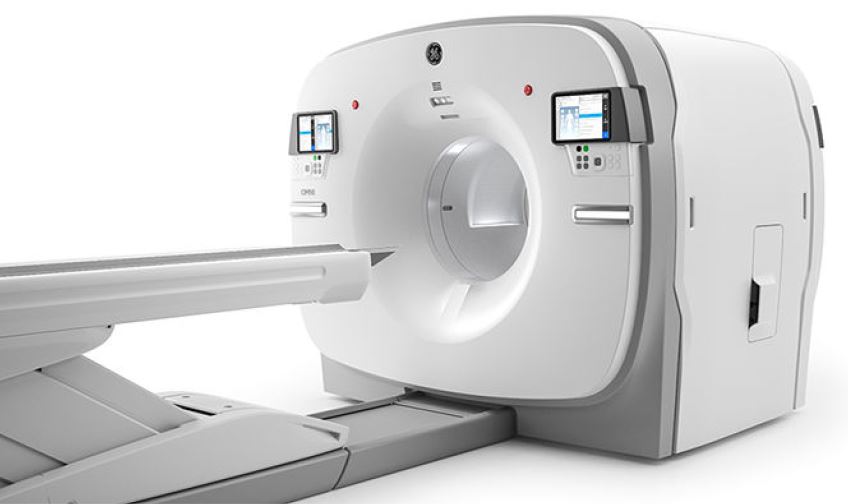
In addition, there has been investment in research leadership roles through St. Joseph’s Health Care Foundation. Three donor-funded research chairs will be contributing to this important work.
“This makes the city the obvious location to maximize the development of this exciting new science for the benefit of patients,” says Dr. Lee. “London has an established record of working in partnership with global companies in the field of medical imaging and have together generated many discoveries that are now made available as best patient care.”
The new PET-CT at St. Joseph’s will replace an aging machine and has been made possible in part through the generosity of donors to St. Joseph’s Health Care Foundation, which is contributing $1 million to state-of-the-art machine.
St. Joseph’s in partnership with Lawson will become Canada’s first centre of excellence in molecular imaging and theranostics
London, Ontario – In a Canadian first, St. Joseph’s Health Care London (St. Joseph’s) and Lawson Health Research Institute (Lawson), in partnership with GE HealthCare, will become a centre of excellence in personalized treatment of cancer and other diseases by advancing the powerful blend of precision diagnostic imaging and targeted therapy.
This rapidly emerging field of medicine is called molecular imaging and theranostics (MIT). Molecular imaging provides detailed imaging at the molecular level and theranostics is a term that combines the words therapeutics and diagnostics. Together, MIT is a two-pronged approach to diagnosing and treating cancers and other diseases that merges imaging with the use of radiotracers that can not only identify the location and extent of diseased tissues but also selectively destroy the abnormal cells while leaving surrounding healthy cells undamaged.
“The centre will confirm St. Joseph’s and the wider London medical and scientific community as national and international leaders in advancing MIT in the diagnosis of disease, for instance in the identification of cancer and its sub-types, to allow more treatment options for patients,” says Dr. Narinder Paul, Lawson Scientist, Chief, Medical Imaging at St. Joseph’s and Physician Executive, Medical Imaging at London Health Sciences Centre (LHSC). “It will also allow for an expansion of scientific collaborations, increased numbers of scientific and medical learners, and access to the latest software to acquire and integrate imaging science with other patient information.”
The partnership with GE HealthCare will see St. Joseph’s become the first hospital in Canada to install the latest generation, state-of-the-art PET-CT from GE, which will be delivered to St. Joseph’s Hospital by September 2023. The new PET-CT will mean faster exams, better patient experience, more detailed images and increased accuracy in diagnosing disease at a lower dose of radiation for patients. It will also expand clinical care at St. Joseph’s by significantly enhancing research through the Imaging Research Group at Lawson, working together with researchers at LHSC, the London Regional Cancer Program, and Western University.
“We will leverage the combined scientific expertise and innovation of scientists from GE HealthCare and Lawson to maximize the future opportunities of molecular imaging theranostics made possible through PET- CT imaging and be leaders in Canada in this area of medical science,” says Dr. David Hill (D.Phil), Lawson’s Scientific Director.
As a dedicated MIT centre of excellence, St. Joseph’s will…
• Advance innovation and expand the science in precision imaging of disease through Lawson, and broaden the potential of PET-CT imaging
• Develop new treatment options for patients with cancer and other diseases
• Examine how to maximize the opportunities of digital health technologies to improve access for patients across Canada and optimize their treatment journeys
• Create a knowledge dissemination hub for Canada to educate and train others in the use of advanced imaging technologies, including how to organize hospital services to maximize access to patients and improve the health care system for all Canadians.
“St. Joseph’s is proud to be in partnership with GE HealthCare on this exciting opportunity to transform the care journey and outcomes for patients with cancer and other diseases, not only locally and regionally, but also nationally,” says Roy Butler (PhD), President and CEO of St. Joseph’s.
For patients seen in London, the benefits will include expanded use of PET-CT, the ability to extract more information from their diagnostic images more rapidly and with less radiation exposure compared to current procedures, greater diagnostic and treatment accuracy, and new options for treatment, particularly for cancers that are more difficult to treat.
“A personalized approach to medical care requires a very detailed understanding of the localization of disease and potential response to different treatment options,” says Dr. Paul who is also the Chair of Medical Imaging at Schulich School of Medicine & Dentistry at Western University. “We will be able to offer patients across our region access to the latest therapeutic options based on a deeper understanding of the nature of their individual disease conditions gained through next generation medical imaging.”
At its core, theranostics is about treating each patient as an individual, “recognizing that the same treatment plan doesn’t work for everyone – with the goal of providing more efficient and effective medical care,” adds says Mike Hamilton, President, GE HealthCare Canada. “This collaboration aims to advance this practice for the benefit of clinicians and patients around the world.”
The new PET-CT at St. Joseph’s will replace an aging machine and has been made possible in part through the generosity of donors to St. Joseph’s Health Care Foundation, which is contributing $1 million to state-of-the-art machine.
Additional details on this exciting partnership are available on St. Joseph’s website
About Lawson Health Research Institute
Lawson Health Research Institute is one of Canada’s top hospital-based research institutes, tackling the most pressing challenges in health care. As the research institute of London Health Sciences Centre and St. Joseph’s Health Care London, our innovation happens where care is delivered. Lawson research teams are at the leading-edge of science with the goal of improving health and the delivery of care for patients. Working in partnership with Western University, our researchers are encouraged to pursue their curiosity, collaborate often and share their discoveries widely. Research conducted through Lawson makes a difference in the lives of patients, families and communities around the world. To learn more, visit www.lawsonresearch.ca.
About St. Joseph’s Health Care London
Renowned for compassionate care, St. Joseph’s Health Care London is a leading academic health care centre in Canada dedicated to helping people live to their fullest by minimizing the effects of injury, disease and disability through excellence in care, teaching and research. Through partnership with Lawson Health Research Institute and our collaborative engagement with other health care and academic partners, St. Joseph’s has become an international leader in the areas of: chronic disease management; medical imaging; specialized mental health care; rehabilitation and specialized geriatrics; and surgery. St. Joseph’s operates through a wide range of hospital, clinic and long-term and community-based settings, including: St. Joseph’s Hospital; Parkwood Institute; Mount Hope Centre for Long Term Care; and the Southwest Centre for Forensic Mental Health Care. www.sjhc.london.on.ca
Media Contacts
Celine Zadorsky
Senior Media Relations Consultant
Communications & Public Engagement
T: 519-685-8500 ext. 73502
Celine.zadorsky@lhsc.on.ca
St. Joseph’s launches Health Crisis Fund to support local COVID-19 research
LONDON, ON – St. Joseph’s Health Care London and Lawson Health Research Institute have announced plans to move forward with clinical trials testing a drug that could potentially be used to prevent and treat COVID-19. St. Joseph’s Health Care Foundation will accelerate the creation of the studies by providing seed funding to get the research started through donor support. Based on the immediate need, The St. Joseph’s Health Crisis Fund has been created by St. Joseph’s Health Care Foundation to enable these and other research studies currently in development through Lawson, the research arm of St. Joseph’s.
While supporting urgent COVID-19 clinical trials will be an immediate focus, The St. Joseph’s Health Crisis Fund will also support critical patient care equipment and care and comfort items for healthcare staff and volunteers working on the frontlines of the pandemic across St. Joseph’s.
The initial clinical trials aim to study the use of hydroxychloroquine as a preventative medication and treatment for COVID-19. Led locally by Dr. Michael Silverman, Medical Director of St. Joseph’s Infectious Diseases Care Program, one trial will assess the safety and efficacy of using the drug to prevent COVID-19 in health care workers recently exposed to the virus. This trial will also assess the drug as a treatment for non-hospitalized patients with mild cases of the illness. St. Joseph’s will be one of many participating sites in the trial, which is being led by the Research Institute of the McGill University Health Centre.
“There is much debate surrounding the drug hydroxychloroquine. We do not yet know whether it’s safe or effective, and it should not be routinely recommended until we do,” says Dr. Silverman, also a Lawson Associate Scientist and city-wide Chair/Chief of Infectious Diseases. “We plan to carefully study the drug through a randomized controlled trial and assess whether it can help combat COVID-19.”
Dr. Silverman is also partnering with Dr. Michael Borrie, Geriatrician at St. Joseph’s and Lawson Scientist, on a prevention trial to test the safety and efficacy of the drug for patients and residents at Parkwood Institute who have been exposed to COVID-19. They are at a higher risk of infection, as well as serious complications and potential admission to acute care.
“Lawson researchers like Drs. Silverman and Borrie excel in rapid response research,” says Dr. David Hill, Lawson Scientific Director. “Hospital-based research is uniquely positioned to handle these types of studies, as close proximity to patients and sample collection is essential.”
St. Joseph’s Infectious Diseases Program is the only program of its kind in the region. Dr. Silverman, head of St. Joseph’s Infectious Disease program, has worked with communities in crisis in Zambia, Zimbabwe, Uganda and the rainforests of Guyana. He is working closely with other health care partners in the London and surrounding area to coordinate the region’s response to the COVID-19 pandemic.
“The Sisters of St. Joseph, who founded our organization, faced contagious diseases and other pandemics at different times in our 150+ year history,” says Michelle Campbell. “Today, it’s a different time, and a new disease. Now, more than ever, we ask our community to help us address the crisis facing us all.”
Those interested in donating to St. Joseph’s Health Crisis Fund are asked to visit St. Joseph’s Health Care Foundation’s website to learn more at sjhcfoundation.org. Donations can be made online, through direct mail submissions or by calling the Foundation directly at 519-646-6085.
-30-
About St. Joseph’s Health Care London
Renowned for compassionate care, St. Joseph’s Health Care London is a leading academic health care centre in Canada dedicated to helping people live to their fullest by minimizing the effects of injury, disease and disability through excellence in care, teaching and research. Through partnership with Lawson Health Research Institute and our collaborative engagement with other health care and academic partners, St. Joseph’s has become an international leader in the areas of: chronic disease management; medical imaging; specialized mental health care; rehabilitation and specialized geriatrics; and surgery. St. Joseph’s operates through a wide range of hospital, clinic and long-term and community-based settings, including: St. Joseph’s Hospital; Parkwood Institute; Mount Hope Centre for Long Term Care; and the Southwest Centre for Forensic Mental Health Care. www.sjhc.london.on.ca
About Lawson Health Research Institute
Lawson Health Research Institute is one of Canada’s top hospital-based research institutes, tackling the most pressing challenges in health care. As the research institute of London Health Sciences Centre and St. Joseph’s Health Care London, our innovation happens where care is delivered. Lawson research teams are at the leading-edge of science with the goal of improving health and the delivery of care for patients. Working in partnership with Western University, our researchers are encouraged to pursue their curiosity, collaborate often and share their discoveries widely. Research conducted through Lawson makes a difference in the lives of patients, families and communities around the world. To learn more, visit www.lawsonresearch.ca.
About St. Joseph’s Health Care Foundation
St. Joseph’s Health Care Foundation gathers, grows and grants philanthropic funds to enable St. Joseph’s Health Care London to pursue excellence in care, teaching and research. Through donor support, the foundation contributes to advances in the delivery of patient care, specialized equipment, research initiatives and capital funds at St. Joseph’s Hospital, Parkwood Hospital, Mount Hope Centre for Long Term Care, Regional Mental Health Care London and Southwest Centre for Forensic Mental Health Care and Lawson Health Research Institute. As one of the largest charitable organizations in Southwestern Ontario, St. Joseph’s Health Care Foundation is an accredited member of Imagine Canada’s Ethical Trustmark Program, which recognizes the foundation’s commitment to ethical fundraising and donor accountability. www.sjhcfoundation.org
Media Contacts
Celine Zadorsky
Senior Media Relations Consultant
Communications & Public Engagement
T: 519-685-8500 ext. 73502
Celine.zadorsky@lhsc.on.ca