


Search
Search
1883 Search Results:
Dr. Gregor Reid elected to Royal Society of Canada
From crafting a global definition of probiotics to developing novel therapies used by millions, Dr. Gregor Reid has significantly advanced our knowledge of how beneficial microbes, especially bacteria, contribute to health. Recognizing his role as a world leader in probiotics research, Dr. Reid has now been elected to the Fellowship of the Royal Society of Canada.
The Royal Society of Canada was established in 1883 as Canada’s National Academy of distinguished scholars, artists and scientists. With over 2,000 fellows, the primary objective of the Society is to promote learning and research through its three Academies – the Academy of Arts and Humanities, the Academy of Social Sciences and the Academy of Science. Dr. Reid has been elected by his peers to the Life Sciences division of the Academy of Science.
“Being elected to the Royal Society of Canada is a huge honour and a recognition that the concepts of probiotics and beneficial microbes, and the work we are doing, are appreciated by distinguished Canadians,” said Dr. Reid, Endowed Chair in Human Microbiome and Probiotics at Lawson Health Research Institute (Lawson) and Professor of Microbiology and Immunology and Surgery at Schulich School of Medicine & Dentistry at Western University.
Probiotics are live microorganisms that, when administered in adequate amounts, provide health benefits to their host. Dr. Reid’s research in probiotics has made a global impact. He has held 28 patents, published 473 peer-reviewed papers and given over 560 talks in 54 countries.
In addition to his current role as Director of the Canadian Centre for Human Microbiome and Probiotics Research, located at Lawson in St. Joseph’s Hospital, Dr. Reid has previously acted as President for the International Scientific Association for Probiotics and Prebiotics. In 2001 and 2002, he chaired a United Nations/World Health Organization (WHO) Expert Panel and Working Group on Probiotics.
Dr. Reid is especially interested in how his research can benefit those in need. He helped to establish Western Heads East, a Western University program that has established community kitchens in Tanzania, Kenya, and Rwanda, and through partnerships has expanded this in Uganda to reach over 40,000 people each day. The community kitchens are owned and operated mostly by local women and youth where they produce a probiotic yogurt that helps counter malnutrition, side effects of infectious diseases including HIV/AIDS and enhances immunity. The yogurt was developed by Dr. Reid and Dr. Sharareh Hekmat of Western's Brescia University College.
“My research was not mainstream until very recently, so being inducted to the Society signifies that they recognize what I have achieved first and foremost,” said Dr. Reid, “but I hope my appointment helps to further bring the concepts of beneficial microbes to the forefront of research.”
An induction ceremony will take place in Kingston, Ontario on November 17 and 18, 2016. To learn more about Dr. Reid’s research, please visit his Scientist Profile and Google Scholar.
Scientist
Dr. Janice DeMoor recognized for her outstanding contributions to health research
Dr. Janice DeMoor is the 2020 recipient of the Staff Award of Excellence. Dr. DeMoor began working with Lawson in 2007 as a Scientific Writer on Dr. Frank Prato’s research team, helping to develop grant applications. Although funding for this role eventually ran out, it was obvious that Dr. DeMoor was extremely valuable to researchers and to the institute as a whole. She joined Lawson’s Administration team in 2013 and has established an outstanding Grant Development team, supporting all of Lawson’s researchers.
Dr. DeMoor now serves as the Manager of Lawson’s Grant Development team where she is responsible for the review and institutional approval of grant submissions. With the goal of increasing grant success, her team works with Lawson researchers to identify grant and award opportunities, develops grant-writing tools and resources, and assists in the preparation of external grant applications. Throughout her time in this role, Dr. DeMoor has been devoted to supporting Lawson scientists, trainees, and residents in advancing their research career, and ensures that her team operates with the same level of drive and efficiency as herself.
“Dr. DeMoor is a leader who makes a difference. She has molded her team to become more and more efficient in dealing with an ever-increasing load of grant applications,” says Dr. Prato, Lawson Scientist and Dr. DeMoor’s nominator.
Dr. DeMoor serves as an excellent role model and mentor, openly sharing her knowledge and experience with peers from across the industry. She is a generous manager and has greatly enriched collaborative efforts across the organization, including the establishment of a patient engagement initiative at Lawson.
“I am honoured to have received this award. Working with Lawson’s researchers and seeing how we can add value is extremely rewarding. The hard work of my entire team has led to our success, and their dedication is integral to us meeting our goals,” says Dr. DeMoor.
Dr. DeMoor is highly respected within the research community due to her knowledge of funding opportunities and grantsmanship, her dedication to her work, and commitment to her team. She is an exemplary and supportive manager, fostering her team in developing their skills, finding their passion in the field, and supporting them in related projects. She is a great leader, exemplified by her team’s attitude and work ethic.
“I thank Janice for all the support she has given Lawson’s Imaging Research Program, and the amazing contribution she has made for all Lawson Scientists,” adds Dr. Prato.
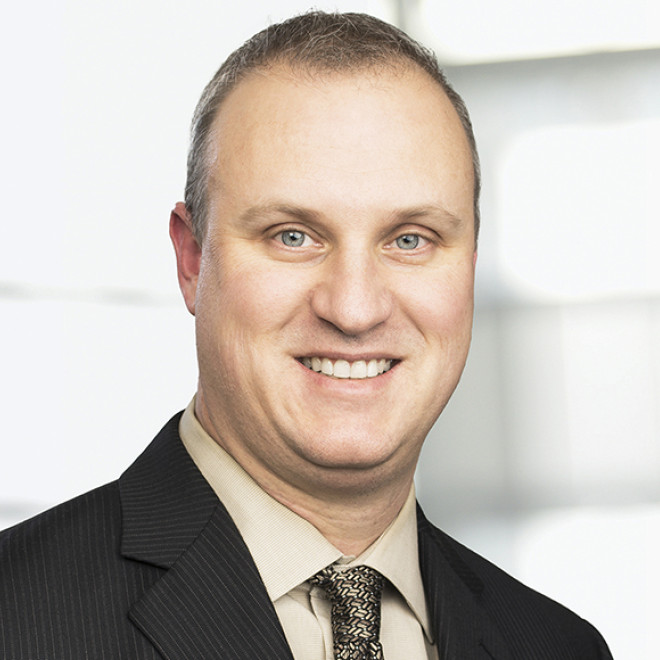
Dr. Michael S. Kovacs
Full Name
Dr. Michael S. Kovacs
Role
Location
Degrees and Qualifications
Ph.D.
Research Overview
- Position Emission Tomography (PET)
- Radiochemistry
- Radioisotope Production
- Medicinal inorganic chemistry
- Duchenne Muscular Dystrophy
Biography
As Director of the Lawson Cyclotron and PET Radiochemistry Facility, I lead a self-funded, multi-faceted clinical research program by producing Positron Emitting Radiopharmaceuticals (PERs) for clinical imaging procedures and to support our clinical and pre-clinical PET imaging research programs. As a Scientist working within a hospital setting, our research program has become adept at translating PERs truly from bench to bedside. Our facility holds a Health Canada Establishment License which certifies that we are GMP compliant, and permitted to manufacture and distribute PERs throughout Southern Ontario. In addition to holding our own market authorization for [18F]FDG, we were the first site (of 2 currently) in Canada to produce Florbetapir and Flortaucapir as a contract manufacture for Avid Radiopharmaceuticals Inc. for Alzheimer’s Disease imaging with PET. In addition, we currently support a number of clinical PET imaging studies with the PERs [18]FEPPA (neuro inflammation), [18F]sodium fluoride (bone imaging), [13N]ammonia (myocardial perfusion imaging), [15O]water (perfusion imaging). We produce a larger number of PERs for preclinical use such as [11C]HED, [11C]PHNO, [11C]DTBZ, [15O]Oxygen gas, and many more. Since opening in 2010, we have demonstrated excellent competency of developing new PERs, getting them into preclinical imaging models, and ultimately translating them into clinical studies in human subjects.
My research program is focused on radionuclide production utilizing solid phase cyclotron targets. We have developed a high current, solid phase target system for the GE PETtrace cyclotron that includes automated target transfer, dissolution, and separation chemistry in a GMP compliant manner for [99mTc]NaTcO4. With the clinical trials data we collected from a total of 60 patients on two different sites, we are in the process of submitting a New Drug Submission to Health Canada for market authorization of cyclotron produced pertechnetate. This project, along with our partners in Hamilton ON and Vancouver BC, was awarded the Brockhouse Prize by the Governor General in 2015 for the best interdisciplinary research collaboration in the Canada. Our current efforts are focused on expanding the utility of this target system, in particular the production of the PET radiometals 68Ga and 89Zr.
Dr. Miho Iijima delivers talk on role of PTEN in cancer
Dr. Miho Iijima, Associate Professor at John Hopkins School of Medicine, visited St. Joseph’s Hospital on Friday, November 17 to deliver a talk on the role of a protein called “phosphatase and tensin homolog” (PTEN) in cancer.
The talk was organized by the Department of Ophthalmology. Dr. Sunil Parapuram, scientist at Lawson who invited Dr. Iijima, has been collaborating with her to study the role of PTEN in fibrosis.
Dr. Iijima’s talk focused specifically on controlling PTEN localization and function in cancer. Mutations and deletions in the gene encoding PTEN are associated with many cancers and autism. Dr. Iijima’s laboratory recently discovered a new class of cancer and autism-associated PTEN mutations that specifically interfere with membrane association. During her talk, Dr. Iijima discussed how PTEN is recruited to the plasma membrane and how enhancing the membrane recruitment of PTEN suppresses oncogenic signaling in cancer.
"Dr. Miho Iijima gave a very informative talk about the meticulous work her laboratory is doing about controlling the location and function of PTEN,” said Dr. Parapuram. “Her visit also provided an opportunity to reinvigorate the collaboration between our labs on the role of PTEN in fibrosis.”
To learn more about Dr. Iijima’s research, please visit the John Hopkins School of Medicine’s website.
Dr. Qingping Feng named Innovator of the Year for potential sepsis treatment
WORLDiscoveries, the technology transfer and business development office for Western University, Lawson Health Research Institute and Robarts Research Institute, recently announced the recipients of the 2020 Vanguard Awards.
Vanguard Awards recognize local researchers who, through partnership with WORLDiscoveries, have achieved various market-readiness milestones.
Lawson’s Dr. Qingping Feng was named as the Innovator of the Year. He is being recognized for his research and intellectual property related to Annexin and its use to treat inflammatory disorders. He holds patents issued in Canada, United States, Europe, China and Japan.
This award is given to individuals who demonstrate excellence in innovation within their field. It highlights the achievements of those who contribute to the culture of commercialization and entrepreneurship by creating a product or service that is beneficial to society.
Congratulations to Dr. Feng and all of the 2020 Vanguard Award recipients.
As the research institute of LHSC and St. Joseph’s, our researchers work in the lab and directly with clinicians, patients, families and other partners to enhance diagnostics and treatments. They also address care at a system level by improving delivery of services for people in London and beyond.
For any pressing health question, our work does not stop once the research is done. Commercialization and business development are vital components in driving innovation and transforming health care, all while supporting Canada’s knowledge economy.
Learn more about Dr. Feng’s research:
… Improvement Plan (QIP), specifically as it relates to your performance-based compensation for the 2014/15 fiscal year. As communicated to you 1.5% of your annual base salary is based on St. Joseph's achieving the four targets outlined in our QIP. These four indicators carry …
June 10, 2015 Robin Walker Integrated Vice President Medical Affairs and Medical Education Personal and Confidential Dear Robin: Office of the President 268 Grosvenor Street, PO Box 5777 London, ON N6A 4V2 T: 519 646-6100 ext. 64200 F: 519 646-6054 www.sjhc.london.on.ca The purpose of this letter is...
Dr. Vladimir Hachinski receives Canadian Medical Association’s highest honour
World-renowned brain researcher, Dr. Vladimir Hachinski, is named as this year’s recipient of the Canadian Medical Association’s (CMA) F.N.G. Starr Award for his contributions in stroke research and patient care. This prestigious award is the highest available to CMA members and is intended to recognize outstanding and inspiring lifetime achievement.
Dr. Hachinski, Lawson Scientist and Neurologist at London Health Sciences Centre is the co-founder of the world’s first successful stroke unit. Two earlier centres in the United States were deemed unsuccessful and eventually closed. Dr. Hachinski and his colleague, Dr. John W. Norris, applied their knowledge and fresh perspectives, and opened a stroke centre at Sunnybrook Hospital, Toronto, in 1975.
“We had a tremendous team of volunteer nurses, physiotherapists and other professionals who were very keen to have an impact,” explains Dr. Hachinski. “We implemented the A, B, C, protocol which focused on Accurate diagnosis, Balance and homeostasis in the patient’s physiology, and avoiding Complication. Dr. Josephine Somerville pioneered early rehabilitation in the stroke unit.”
At the time, stroke was still commonly misunderstood in medicine, until Dr. Hachinski coined the term “brain attack” in 1993, describing the similarities in urgency of strokes and heart attacks.
Realizing the success of their protocols on stroke patients, Dr. Hachinski and his colleagues also noticed improved outcomes for dementia rates in the stroke patients they saw. There is still no treatment for dementia, however they were confident they could delay onset through similar stroke prevention and treatment protocols.
After several studies on both animal models and humans, Dr. David Cechetto from Western University and Dr. Hachinski discovered that the region of the brain, known as the insula, is involved in regulating the parasympathetic and sympathetic nervous systems - evidence that there is an important connection in how the brain impacts the heart.
Today there are several stroke centres operating in Ontario. “We were able to prove that our model was successful at improving the lives of stroke patients, so the government facilitated the opening of these centres across the province. We can now say that we have improved outcomes not just for individuals, but at a population level, where public health policy has its true impact,” says Dr. Hachinski.
Currently Dr. Hachinski and his team are seeking funding for a nation-wide study to examine stroke and dementia outcomes across the country, including how several environmental factors play a role in the development of stroke and dementia with the aim of preventing both. “Since this research is multi-disciplinary, it is challenging to find a funding agency as most of them tend to invest in very specific fields of research,” he explains. “We are hopeful that someone will recognize the importance of this research, and we will be able to move forward with our study.”
“I am extremely appreciative and proud to be recognized with the F.N.G. Starr Award, however I am just the face of this honour. Behind me stands an amazing team. I feel that my greatest strength is to recognize and work with talent.”
Drug Therapy Day
12:00pm
This year's Drug Therapy Day sponsored by the Division of Clinical Pharmacology at the University of Western Ontario, will be held on Wednesday June 7, 2017 at the Lamplighter Inn London. This conference has been held annually for the past 38 years. Many physicians and pharmacists from Southwestern Ontario have attended this conference on a regular basis and the feedback is that the conference provides important and timely information regarding optimal drug therapy. As in previous years, our goal is to cover emerging areas of interest to the practicing physicians and pharmacists, by bringing in expert physicians and pharmacists as speakers.
OBJECTIVES
- To describe therapeutic issues of relevance for drug treatments for women and children.
- To outline current therapeutic updates relating to infectious diseases including sexually transmitted infections (STIs), drug trafficking and its impact to STIs, HIV, and antimicrobial prescribing.
- To describe new advances in the treatment of hepatitis C.
- Outline treatment guidelines related to opioids, psychoactive drugs in the elderly, de-prescribing strategies, menopause associated hot flash, and ADHD in adults.
For more information on Drug Therapy Day, visit the event website.
Easing the pressure for patients with chronic wounds
Chronic wounds represent a significant burden in Canada. Between four and 30 per cent of patients develop a chronic wound, depending on the health care setting. Over 85 per cent of all Spinal Cord Injury (SCI) survivors will experience health complications related to pressure ulcers, injuries to the skin and underlying tissue resulting from prolonged pressure. These types of wounds can significantly reduce participation in meaningful activities and overall quality of life.
Research from around the world shows that electrical stimulation can help speed the healing of pressure ulcers. This therapy is currently done by a trained health care provider and is not readily available for people across Canada.Electrical stimulation therapy (E-Stim) is a wound treatment that involves applying low levels of electrical current to the wound bed and surrounding tissues. It stimulates several healing processes, promotes local circulation and prevents infections.
The E-Stim Collaboration: A Best Practice Implementation Project for Better Pressure Ulcer Care aims to improve the coordination of pressure ulcer care and promote the use of evidence-informed wound treatments for people living with SCI. In particular, the research project is studying how to best provide E-Stim to people with pressure ulcers, in their own communities.
“Over the years I’ve seen the serious impact pressure ulcers have on the lives of people with spinal cord injury and other health challenges. This is what drives my commitment to not only develop best practice guidelines, but also to ensure they are put into action,” says Dr. Pamela Houghton, Associate Scientist, Lawson and Professor, School of Physical Therapy at Western University. “Advances in technology make it possible for more people with care needs to live at home.”
The pilot project in the South West LHIN has a unique model that builds capacity in the community and taps into the lived experience of people with pressure ulcers and SCI. It brings together the expertise of researchers, clinicians and managers from academia, hospital centres and community care.
Partners include the Parkwood Institute Research program at Lawson Health Research Institute, Western University, Saint Elizabeth’s Health Care Research Centre, Sunnybrook Health Sciences Centre and the South West Community Care Access Centre. An interdisciplinary specialized team, called SCIPUT, has been established within the Spinal Cord Injury Rehabilitation program provided at Parkwood Institute, St. Joseph’s Health Care London.
“Our collaborative team is using the PLAN-DO-STUDY-ACT quality improvement model. This allows us to learn from each cycle and make adjustments as we go,” says Dr. Houghton. “We have just completed the first cycle and are reporting on lessons learned.” Funded by the Rick Hansen Foundation, the team hopes this will set the stage for a larger cross-country initiative.
Those interested in participating can contact phoughto@uwo.ca. The study is open to:
- Individuals with an open pressure ulcer and with a condition that causes limited mobility and/or requires a wheelchair;
- Those who are able and willing to participate in treatment plan, and communicate feedback; and,
- People who are eligible to receive services from South West CCAC.
|
Image
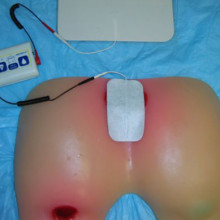
Electrical stimulation (E-Stim) directly stimulates several wound healing processes, promotes local circulation and prevents wound infections. It produces faster healing and wound closure. A trained health care provider applies low levels of electrical current to the pressure ulcer using specialized equipment. |
Embracing health research this holiday season
Community members, patients and families, and those working in the health field attended a special open house on November 28 by research groups at Lawson Health Research Institute. Together, they celebrated the holiday spirit and the gift of hope that is made possible through hospital-based research.
A part of St. Joseph’s Health Care London, Parkwood Institute represents the next era in care, recovery and rehabilitation. Across the site, clinical and research teams in different disciplines and specialties collaborate not only with each other but also with patients and families.
“Many people in the community know the high-quality and compassionate care that is supported by the various clinical teams at Parkwood Institute, but aren’t aware of the research happening at this site,” says Dr. Cheryl Forchuk, Beryl and Richard Ivey Research Chair in Aging, Mental Health, Rehabilitation and Recovery, and Assistant Scientific Director at Lawson.
“Lawson researchers at Parkwood are tackling important challenges with highly innovative and meaningful solutions that help improve care and quality of life.”
For the past three years, the open house gives guests a more in-depth understanding of hospital-based research and its impact. Dr. Forchuk notes that it is a great chance to talk to the researchers and their teams, and to learn about research in a really fun and interactive way. Guests may also learn about opportunities to participate in studies, as the research teams rely on people in the community getting involved.
Image
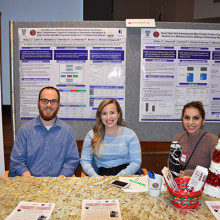
There were 12 interactive program displays from Parkwood Institute Research, a Lawson program, in the areas of cognitive vitality and brain health, mobility and activity and mental health:
- Cognitive Clinical Trials Group (CCTG)
- Collaboration of Rehabilitation Research Evidence (CORRE)
- Gait and Brain Lab
- Geriatric Mood Disorders Lab
- MacDonald Franklin OSI Research Centre (Occupational Stress Injury)
- Mental Health Nursing Research Alliance (MHNRA)
- Mental Health INcubator for Disruptive Solutions (MINDS) of London
- Neuropsychiatry and Therapeutic Brain Stimulation Research Group
- Occupational Therapy and Spiritual Care Research Lab
- R2P (Research to Practice)
- Rehabilitation Mental Health
- Wound Care
The open house had a festive theme and many of the exhibits involved a problem solving or interactive elements to encourage learning and foster teamwork.
Karen Vecchio, federal Member of Parliament for Elgin-Middlesex-London, was among the over 200 people in attendance.
Image
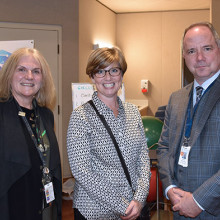
At the open house, from left: Dr. Cheryl Forchuk, MP Karen Vecchio and Roy Butler, St. Joseph's Vice President.
“London is a great community to conduct research,” explains Dr. Forchuk. “We are a mid-size city surrounded by rural areas, in many ways reflecting Canada as a whole. A lot of our projects cover the country with multiple sites and results found here by our leading experts are being implemented in health centres and national strategies in this country and around the world.”
Scientist
… decisions about end-of-life care long before the Supreme Court of Canada decision and medical assistance in dying … you may benefit from conversations with family, friends or your care team. At St. Joseph’s, we have committed and compassionate staff who can help you reflect on your situation and speak to you about your needs. In addition …
End-of-Life Care Contact St. Josephs Health Care London St. Josephs supports individuals making informed decisions about their end-of-life care. This includes talking with family, planning ahead when possible, and deciding when to decline or withdraw treatment (to allow natural death). Patients and ...
… corresponds to the regulatory requirements for submitting our energy consumption and greenhouse gas emission report … parking garages) Hospital description: The majority of our services are across five major sites as follows: St. … disease, illness prevention, research and education. Our interdisciplinary teams provide comprehensive …
Energy Conservation and Demand Management Plan Made for Ontario Regulation 397/11 Green Energy Act, 2009 Authored by: Mark Read June 18, 2014 2 The Green Energy Act - Regulation 397 The Energy Conservation and Demand Management Plan outlined in the following report is the second component of a two p...
… of patient care includes acting responsibly with energy resources and minimizing the negative impact that the organization has on the environment. It is our vision to consider energy efficiency from the design and … to engaging the end user in energy efficient behaviour at work. This practice follows the “First Do No Harm” …
Energy Conservation and Demand Management Plan St. Josephs Health Care London ENERGY CONSERVATION AND DEMAND MANAGEMENT (CDM) PLAN Made for Ontario Regulation 507/18 The Electricity Act Prepared by Facilities Management 2019-2024 Page 1 of 9 Table of Contents IntroductionPage 3 Past CDM Results Sum...
… Health Care, London is required to prepare and make public our Year Seven accessibility plan and report on Year Six … in 2009 to establish the implementation in plan and resource impact of the customer service requirements. The … long term and community-based settings. We work with our partners to create a better health care system. …
Annual Accessibility Plan for St. Josephs Health Care, London September 2008 - August 2009 Submitted to Cliff Nordal Chief Executive Officer 30 September 2008 Prepared by SJHC Accessibility Working Group Chair, Derek Lall This publication is available on the St. Josephs Heath Care, Londons website a...
… Ontarians with disabilities. Both Acts are consistent with our values of respect and compassion; they use the same … for disabilities and barriers; and both have fines to encourage compliance. However the section of the ODA that … with an outside agency to customize and provide three two-hour awareness and education sessions for staff. Sessions …
Annual Accessibility Plan October 2009 March 31, 2011 Submitted to the St. Josephs Board of Directors, September 28, 2009 Prepared and Submitted by St. Josephs Accessibility Working Group St. Josephs Accessibility Plan September 28, 2009 2 Executive Summary St. Josephs Health Care, London, (St. Jos...
… Health Care, London is required to prepare and make public our Year Four accessibility plan and report on Year Three achievements … long term and community-based settings. We work with our partners to create a better health care system. … Health Care, London is required to prepare and make public our Year Four accessibility plan and report on Year Three …
Annual Accessibility Plan for St. Josephs Health Care, London September 2007 - August 2008 Submitted to Cliff Nordal Chief Executive Officer 30 September 2007 Prepared by SJHC Accessibility Working Group Co-ordinator, Derek Lall This publication is available on the St. Josephs Heath Care, Londons we...
… 2013 to December 2015 Page 1 Introduction In fulfilling our mission and in alignment with our values of respect, compassion and excellence; St. … have an equal opportunity to obtain, use, and benefit from our programs and services. This plan summarizes: The …
Accessibility Plan January 2013 December 2015 Submitted to St. Josephs Senior Leadership Team on January 8, 2013 Prepared and Submitted by St. Josephs Accessibility Advisory Committee Table of Contents St. Josephs Mission Statement. ...... 1 Introduction.. .............................................
… is repealed, SJHC is required to prepare and make public our Year Three accessibility plan in accordance with ODA … The most significant findings were accessibility of our facilities and the need to increase awareness of … long term and community-based settings. We work with our partners to create a better health care system. …
Annual Accessibility Plan for the St. Joseph Health Care, London September 2005 - August 2006 Submitted to Cliff Nordal Chief Executive Officer 30 September 2005 Prepared by SJHC Accessibility Working Group Co-ordinator, Derek Lall This publication is available on the hospitals website and in altern...
… reduction of energy usage, the preservation of natural resources and effective waste diversion solutions. LHSC and St. … visitors. “This award recognizes the accomplishments of our facilities management teams in lowering our impact on the environment,” said Cliff Nordal, President …
MEDIA RELEASE For Immediate Release: June 20, 2008 LHSC and St. Josephs win national award for energy and environmental stewardship (LONDON, Ontario) London Health Sciences Centre (LHSC) and St. Josephs Health Care, London (St. Josephs) are the recipients of the 2008 Energy and Environmental Stewar...
… View eT4 Slips View ePay Statements How to access your electronic Pay Statement or Tax slips For additional … page, select Staff Central > ePay or eT4 On the Human Resources web page, select My HR > Employee Services > ePay … Select the Launch Button Type https://hr.lhsc.on.ca into your web browser Select Launch myHR (eCareers, ePay, eT4 …
View eT4 Slips View ePay Statements How to access your electronic Pay Statement or Tax slips For additional information see https://intra.lhsc.on.ca/hr/employee-services 1. Access myHR using one of the following methods: On the LHSC Intranet page, select Staff Central > ePay or eT4 On the Human Re...