


Search
Search
1663 Search Results:
… Diabetes UpDate 2018 WeDnesDay, november 14, 2018 Best Western Lamplighter Inn & Conference Centre - Crystal … Betty Harvey, Heidi Smith & Kandus Wainman summary & adjournment Dr. Stewart Harris 3:30p.m. – 3:45p.m. evaluation … Western University. You may claim a maximum of 5.75 hours (credits are automatically calculated). This …
Diabetes UpDate 2018 WeDnesDay, november 14, 2018 Best Western Lamplighter Inn & Conference Centre - Crystal Ballroom 591 Wellington Road South, London 7:30 a.m. - 4:00 p.m. AGENDA 7:30 a.m. 8:15a.m. registration & Light breakfast 8:15 a.m. 8:30a.m. Welcome & introduction Dr. Irene Hramiak 8:30 a.m...
… MAY 4, 2018 David Leeson R.Ph., B.Sc., B.Sc.Pharm., CDE St. Joseph’s Health Care London … i/File:X-wing_Fathead.png&psig=AOvVaw3X46TtdRDuzojjUoEttL5s&ust=1524314653226697 Objectives Discuss the indications, … used in patients with T1DM & T2DM Discuss medication cost/coverage issues as they impact patient care Key …
EVERYTHING YOU WANTED TO KNOW ABOUT DIABETES MEDICATIONS MAY 4, 2018 David Leeson R.Ph., B.Sc., B.Sc.Pharm., CDE St. Josephs Health Care London http://www.google.com/url?sa=i&rct=j&q=&esrc=s&source=images&cd=&cad=rja&uact=8&ved=2ahUKEwiQ3vHf8MjaAhUT0IMKHRP-BWUQjRx6BAgAEAU&url=http://starwars.wikia.c...
An image of the future: Innovations in imaging research
11:00pm - 1:00am
Lawson Health Research Institute has long been a leader in biomedical imaging. The first MRI images in Canada were captured at St. Joseph’s Hospital and we were the first in the country to install PET/CT and PET/MRI scanners. New developments in imaging research continue to enhance the diagnosis, prevention and treatment of a wide range of diseases, from cancer to PTSD.
You are invited to Lawson’s Café Scientifique, a free community event providing an informal opportunity to get involved with science. Hear a panel of Lawson Imaging scientists discuss their cutting-edge work and have the opportunity ask questions as part of an open-forum discussion to gain insights from the speakers, and from one another.
In celebration of Canada’s 150th anniversary as a nation, this event is the first of a two-part series focusing on the future vision for health care in our country and the legacy our research will leave.
Presented Talks
- “Imaging of the heart: Seeing the cause of chest pain more clearly”
Dr. Ting-Yim Lee - “Using light and sound to improve breast surgery”
Dr. Jeff Carson - “How imaging can improve the management of epilepsy”
Dr. Udunna Anazodo - MODERATOR – Dr. Frank Prato
Registration
To register, please complete our registration form. To sign up to our email list for notification of future events, please email @email.
Event Information
Date: Tuesday, May 23, 2017
Time: 7 to 9 p.m.
Location: Mercato at Brescia University College, Clare Hall, 271 Ramsay Road, London ON, N6G 0S2
An innovative year: Top 12 research stories of 2023
It’s been another year of transformational research at Lawson Health Research Institute. Our teams have published groundbreaking findings and launched new studies that will have a profound impact on patient care.
The following are 12 highlights of research and innovation from across London Health Sciences Centre (LHSC) and St. Joseph’s Health Care London (St. Joseph’s). From trialing new cancer treatments to advancing understanding of mental health, our research teams have achieved a number of important milestones.
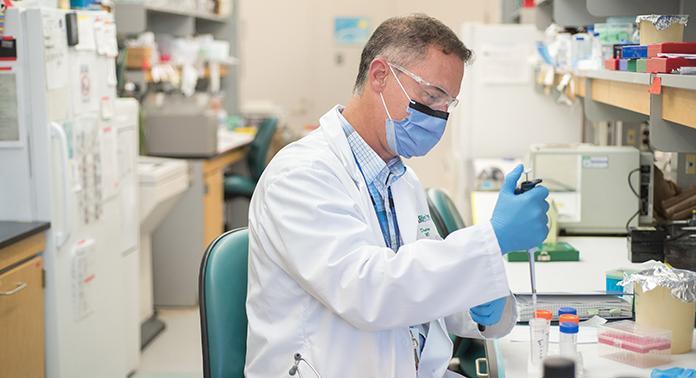
1. New study suggests blood plasma proteins hold answers to better understanding long COVID
Lawson researchers continued to advance understanding of COVID-19 this past year. In one study, researchers found that unique patterns in blood plasma proteins of patients with suspected long COVID could act as a drug target to improve patient outcomes. Read more.
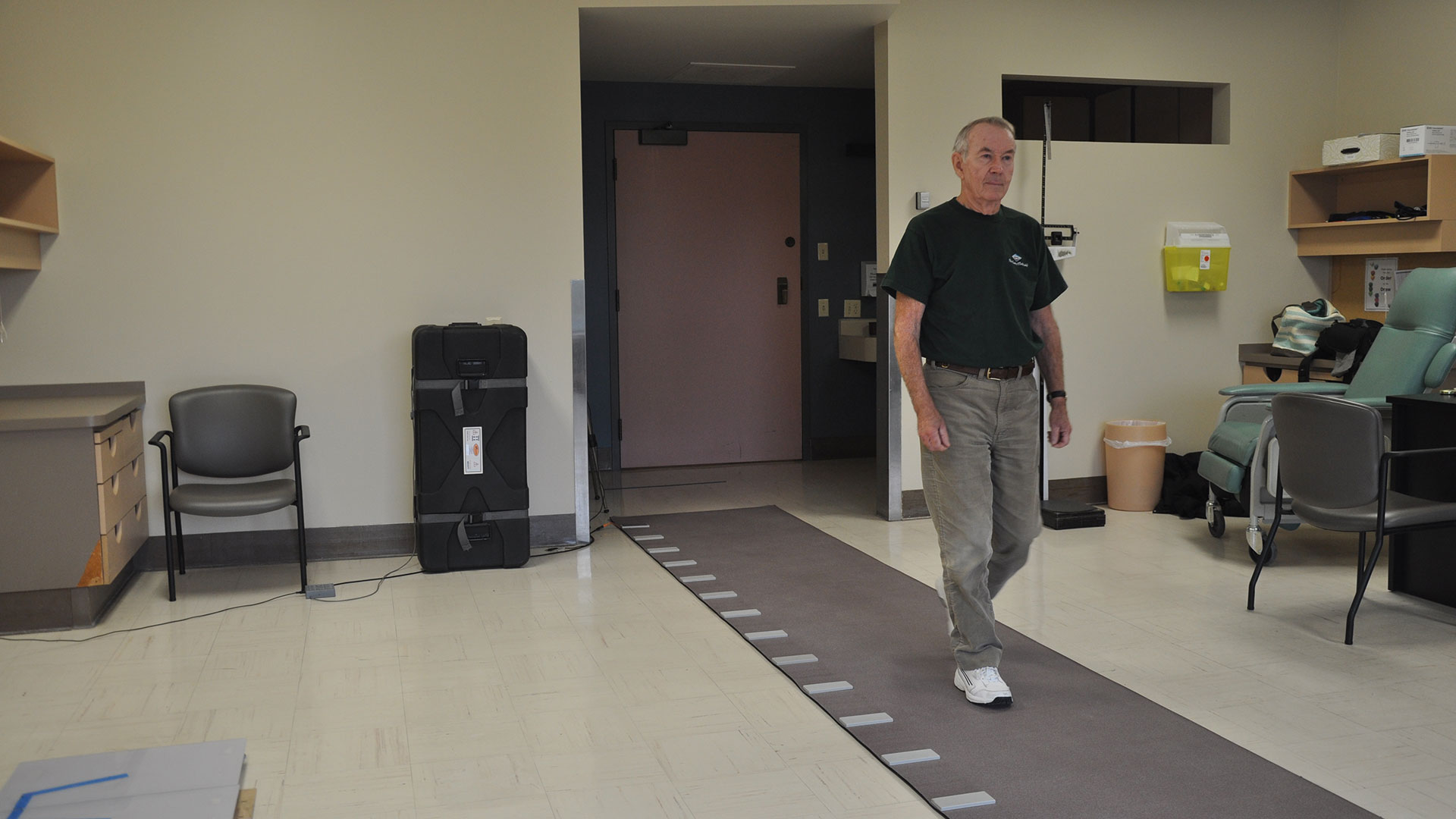
2. New study finds exercise, cognitive training combo boosts mental sharpness in seniors
A study from Lawson and Western University found that a combination of computerized cognitive training and aerobic-resistance exercises can improve functions like memory, attention, recognition and orientation in older adults with mild cognitive impairment. The results suggest a new way to address declining mental sharpness in older adults. Read more.
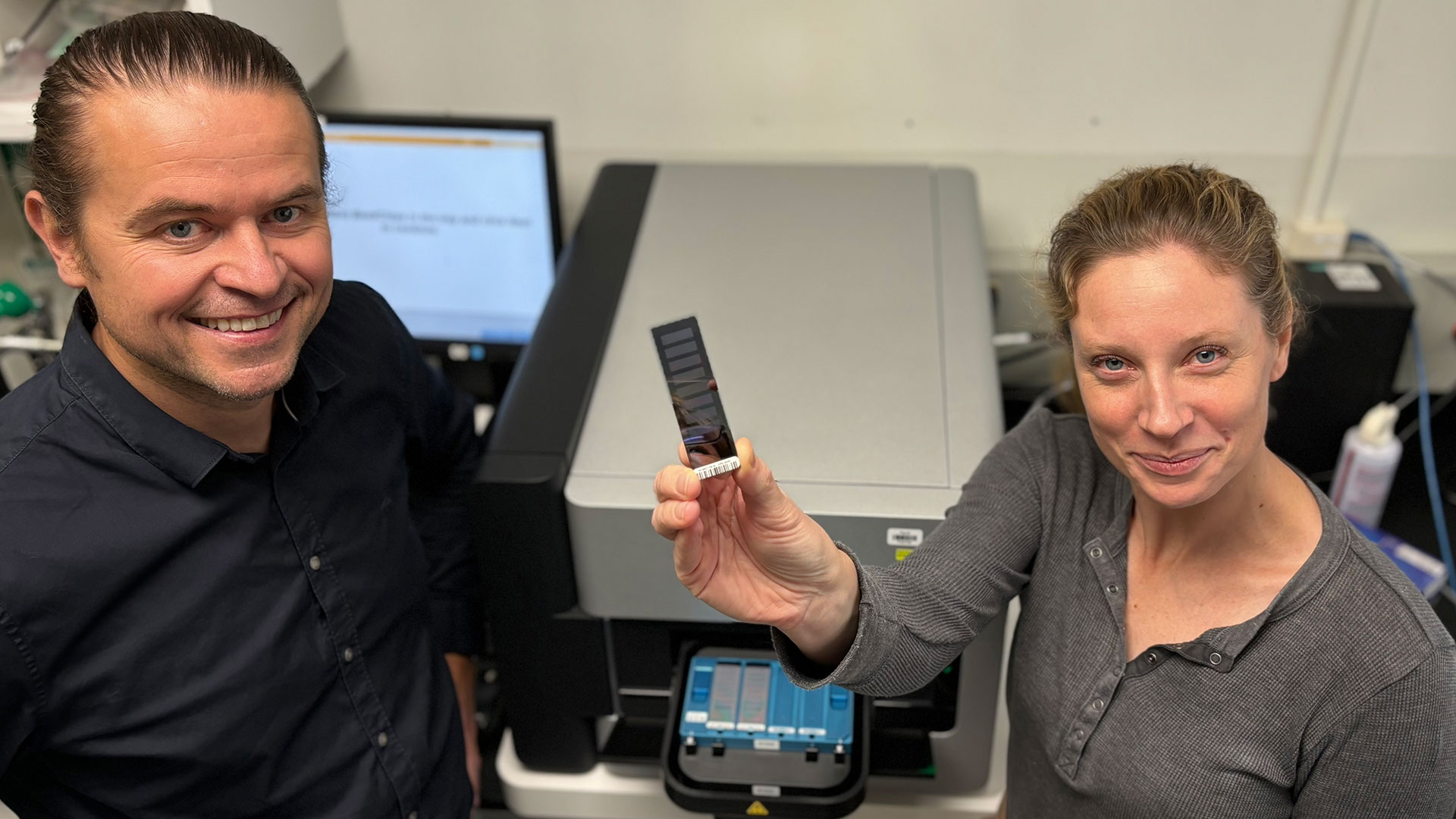
3. $7.55 million in funding to take LHSC-developed technology global
Technology to diagnose rare genetic disorders developed by researchers at Lawson and LHSC will be going global thanks to $7.55 million in funding from Genome Canada grant and Illumina Inc. The new artificial intelligence-led technology could allow rare diseases to be diagnosed with a simple blood test. Read more.
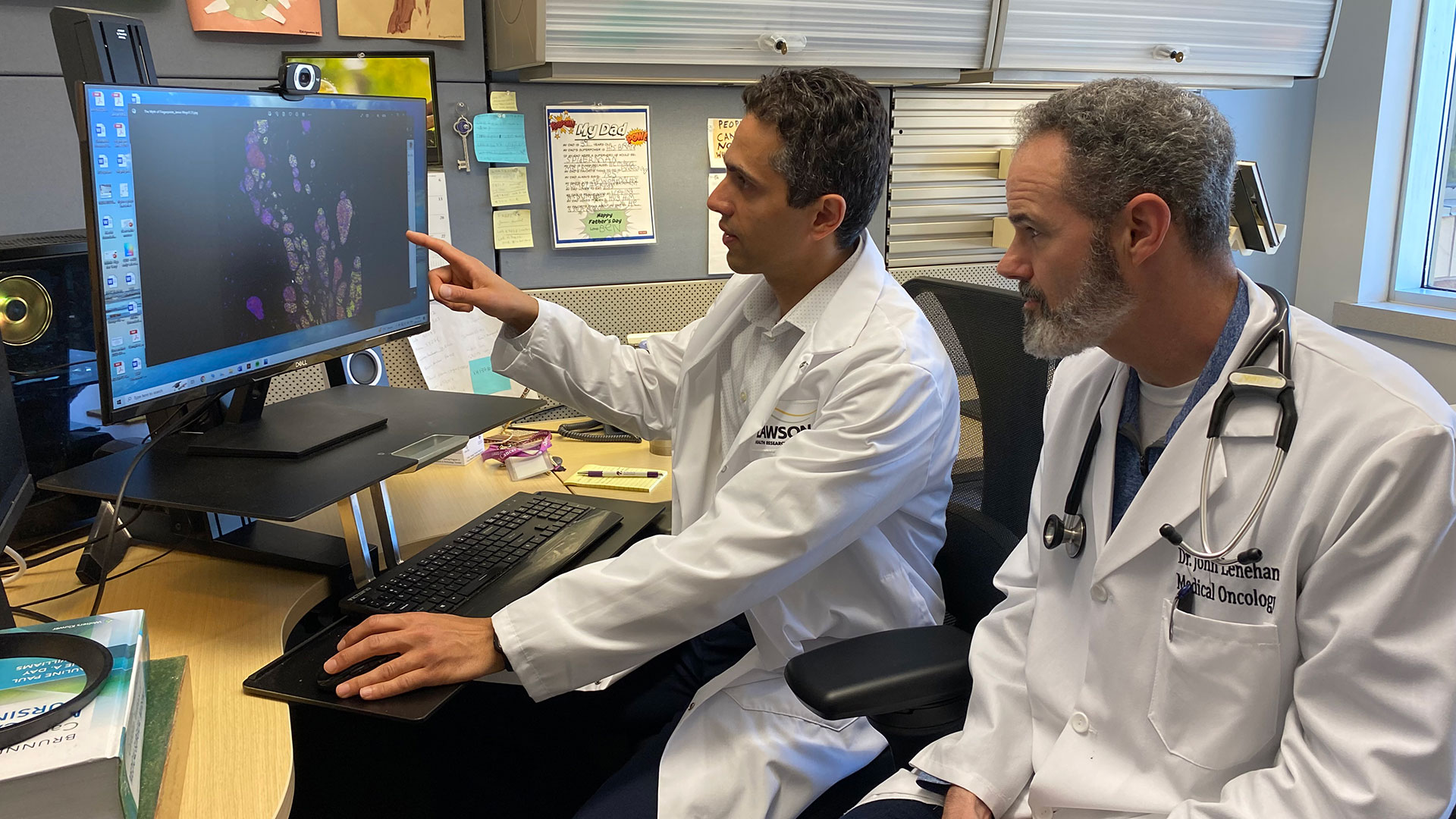
4. Fecal transplants show promise in improving melanoma treatment
Fecal microbiota transplants (FMT) from healthy donors are safe and could improve response to immunotherapy in patients with advanced melanoma, according to results from a world-first multi-centre clinical trial led by Lawson researchers. Read more.

5. New study shows technology could play an important role in mental health support
A team of Lawson researchers found that the use of ‘smart home’ technology like touch screen devices, activity trackers, weigh scales and medication dispensers may lead to better outcomes for those living with both mental health and physical disorders. The study found that participants using the technology started logging more exercise, making healthier food choices and not missing medication doses. Read more.

6. Canadian children’s hospital visits for suicidal thoughts, self-poisoning and self-harm up during pandemic, study finds
A national study with Lawson researchers found that during the first two years of the COVID-19 pandemic, adolescent emergency department (ED) visits and hospitalizations for suicidal thoughts, self-harm and self-poisoning increased across Canada, with the greatest increase occurring among adolescent girls. Read more.
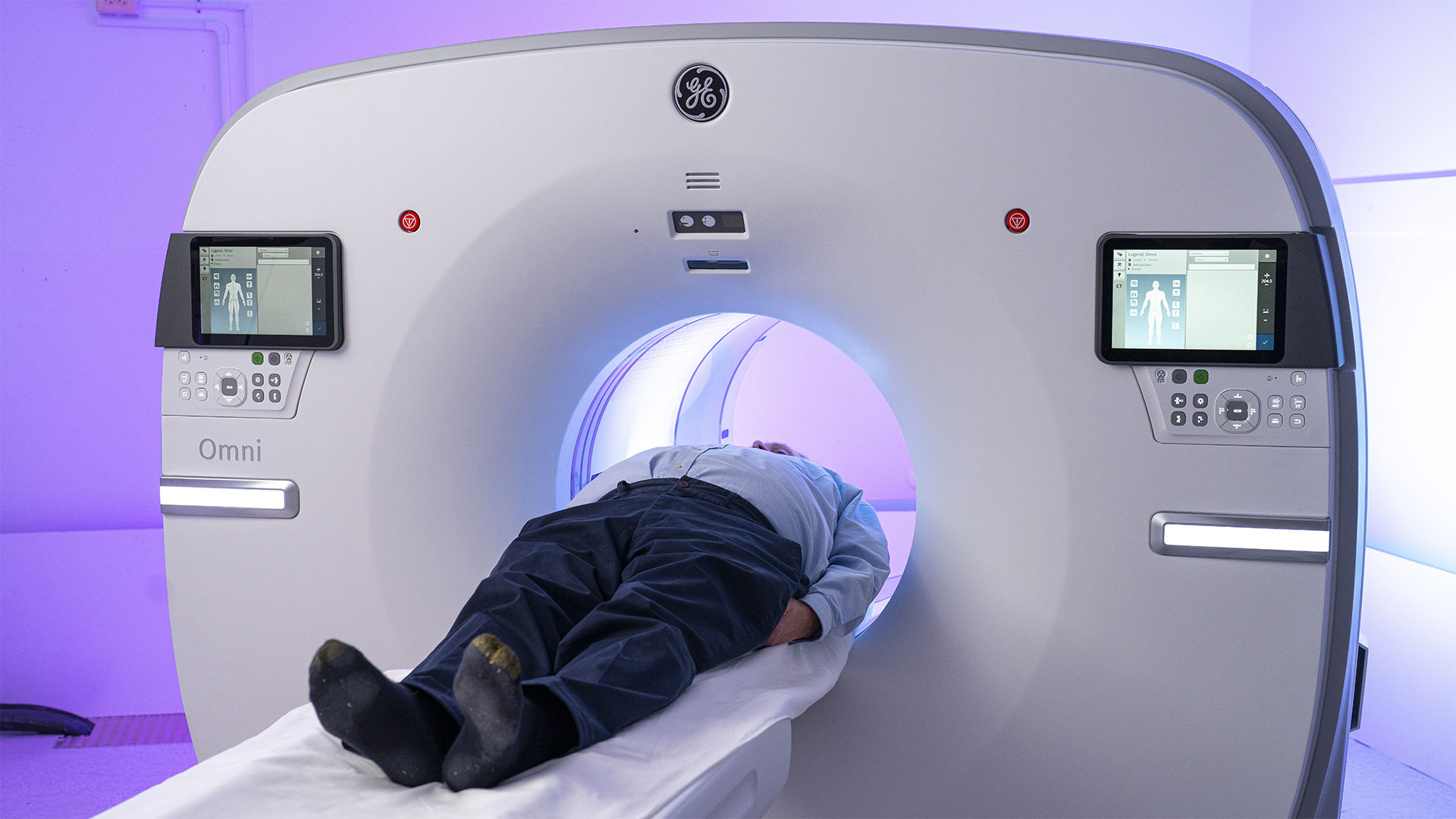
7. St. Joseph’s to become Canada’s first centre of excellence in molecular imaging and theranostics
A partnership between Lawson, St. Joseph’s Health Care London and GE HealthCare will create Canada’s first centre of excellence in molecular imaging and theranostics at St. Joseph’s. The centre will focus on using precision diagnostic imaging and targeted therapy to advance personalized treatment of cancer and other diseases. Read more.
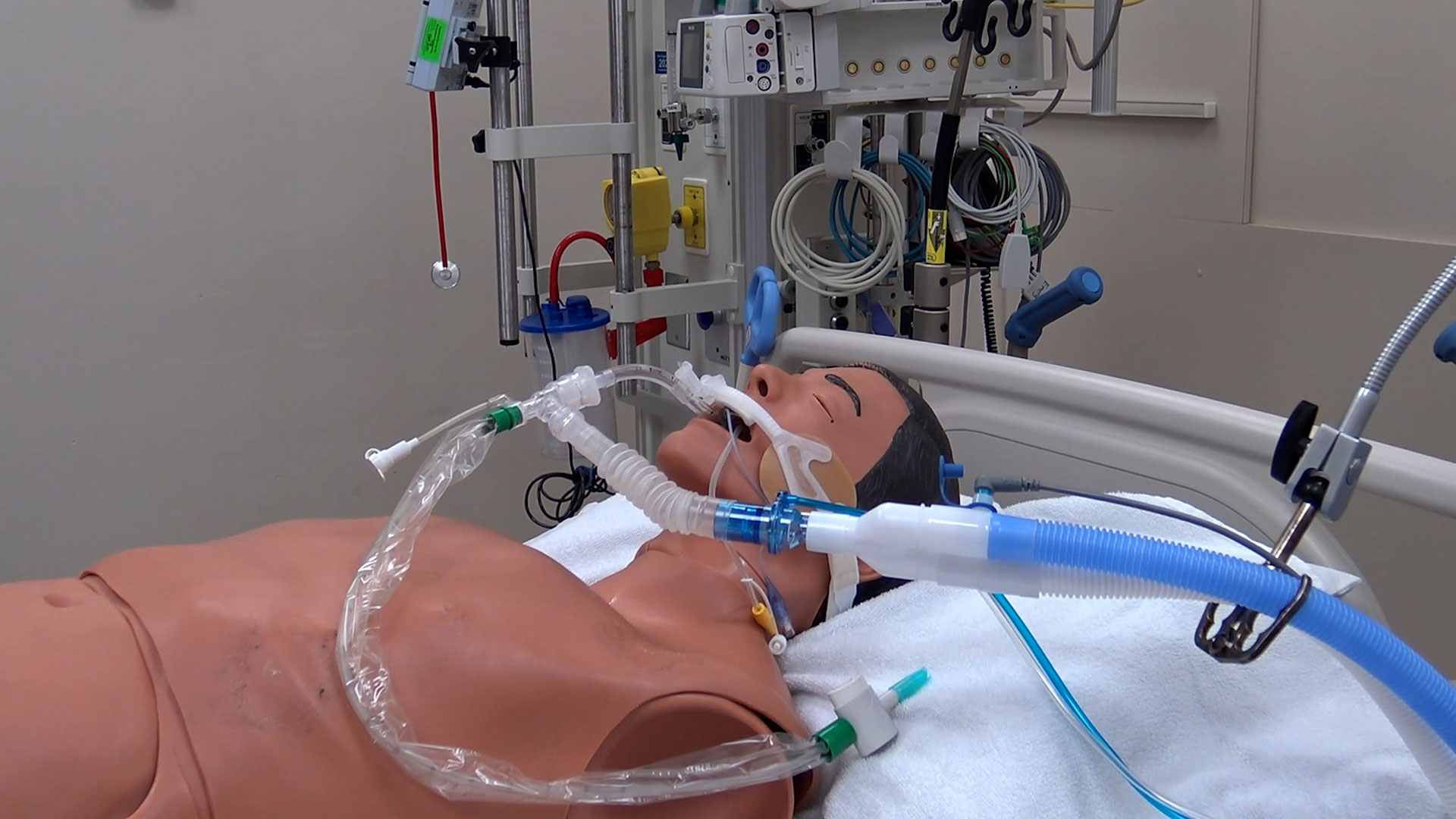
8. Researchers investigate a new method of sedation for paediatric patients
Intravenous sedatives are normally used to sedate critically ill children. However, they can contribute to a complication called delirium, which includes symptoms of confusion, disorientation, agitation, excessive drowsiness and poor attention. To improve outcomes, scientists at Children’s Health Research Institute (a program of Lawson), Sunnybrook Research Institute and The Hospital for Sick Children (SickKids) are collaborating on a pilot study to understand whether inhaled sedation could be a better alternative to keep critically ill children sedated and comfortable. Read more.
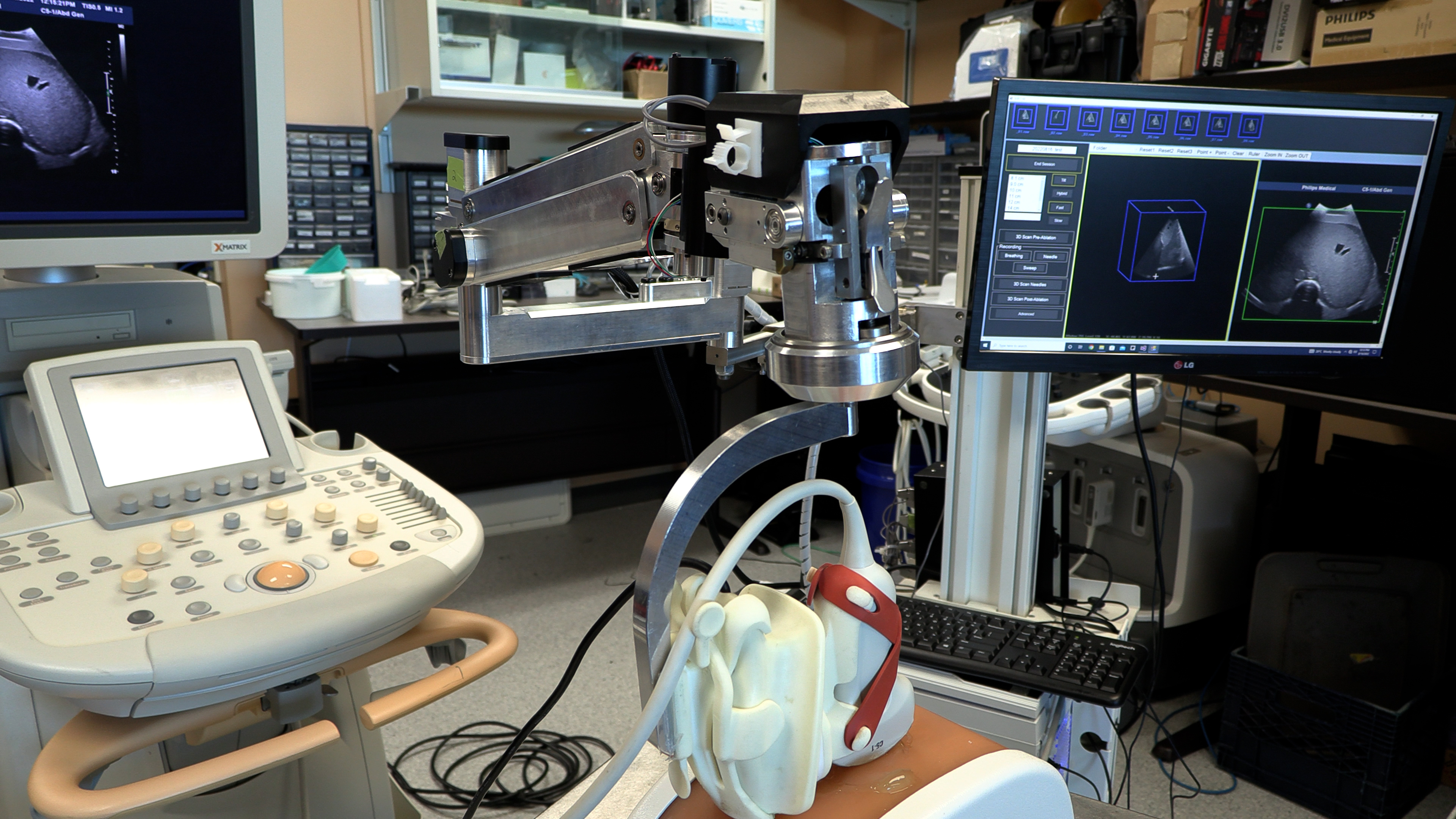
9. New robotic 3D ultrasound may improve accuracy of liver cancer ablation therapy
A technique that turns a normal ultrasound into a 3D image is showing promise in making thermal ablation for liver cancer treatment more accurate in a study from Lawson and Western University. Thermal ablation – using heat to destroy a cancerous tumour – can have fewer complications and a shorter recovery time than surgery. Read more.
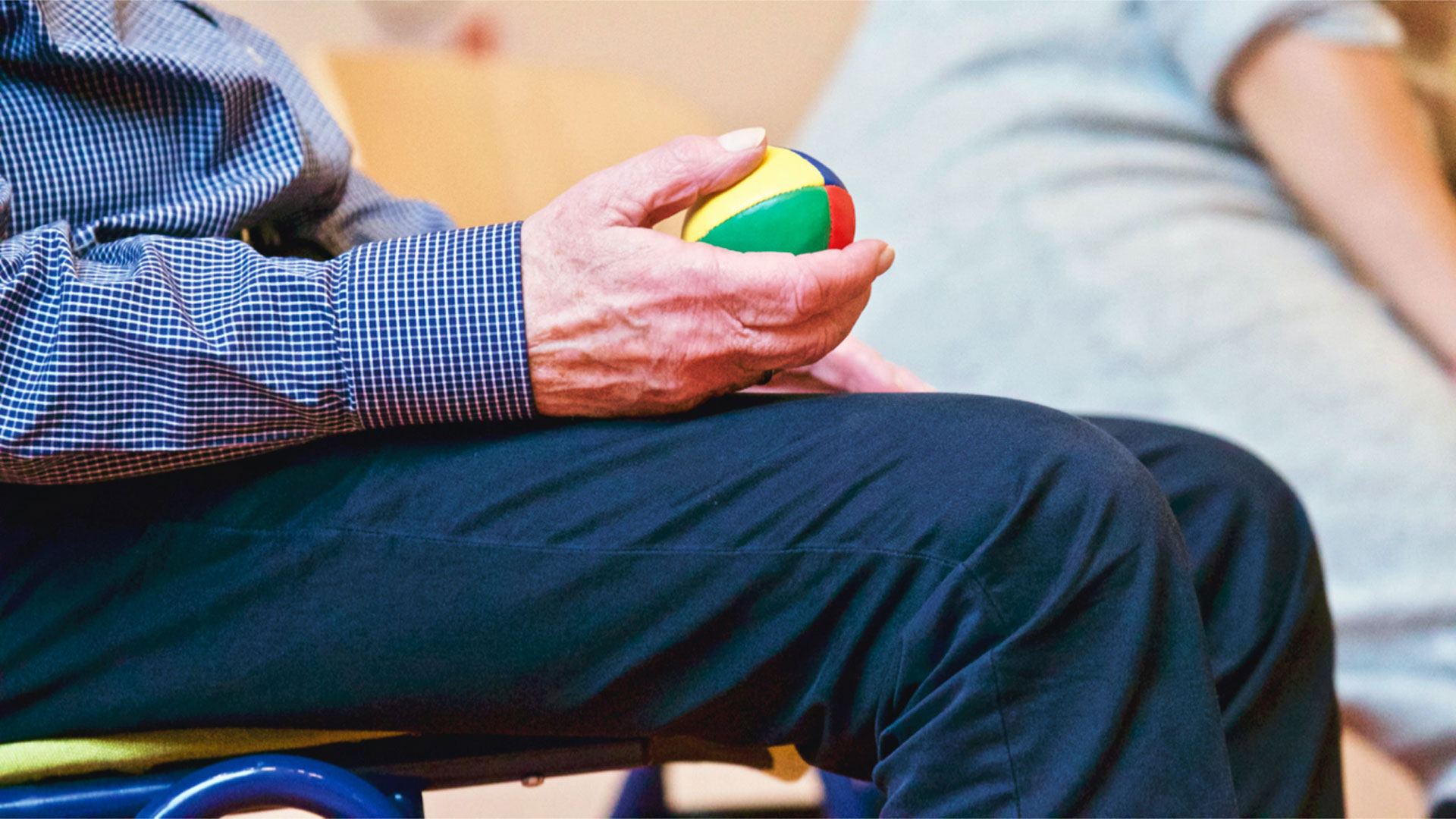
10. Assessing neurofeedback in stroke survivors
Functional near-infrared spectroscopy (fNIRS) is used to detect changes in brain oxygen levels using light, but more recently it has also been used to develop brain-computer interfaces – allowing patients with brain injuries to control a device with their thoughts. Researchers at Lawson launched a new study to assess whether fNIRS can be used to improve patient outcomes during stroke rehabilitation. Read more.
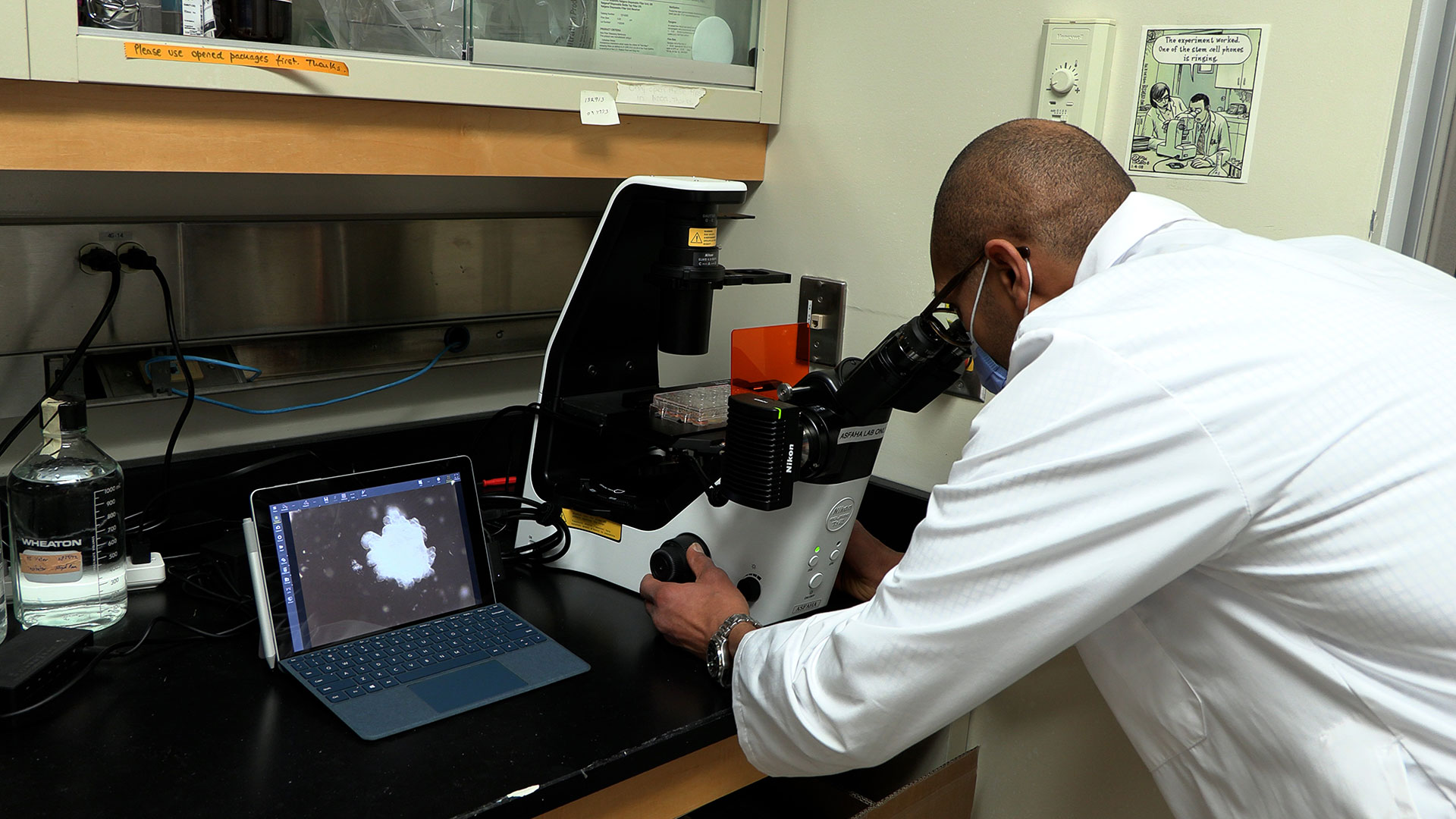
11. Specific type of inflammation may be linked to risk of colorectal cancer
A preclinical study found that a specific type of inflammation may be linked to an increased risk of colorectal cancer. Previously, the degree of inflammation caused by illnesses like colitis, Crohn’s disease and other forms of inflammatory bowel disease were shown to be an important indicator of the development of colorectal cancer. However, this new study found the type of inflammation, rather than the severity and duration, may be more important in determining cancer risk. Read more.
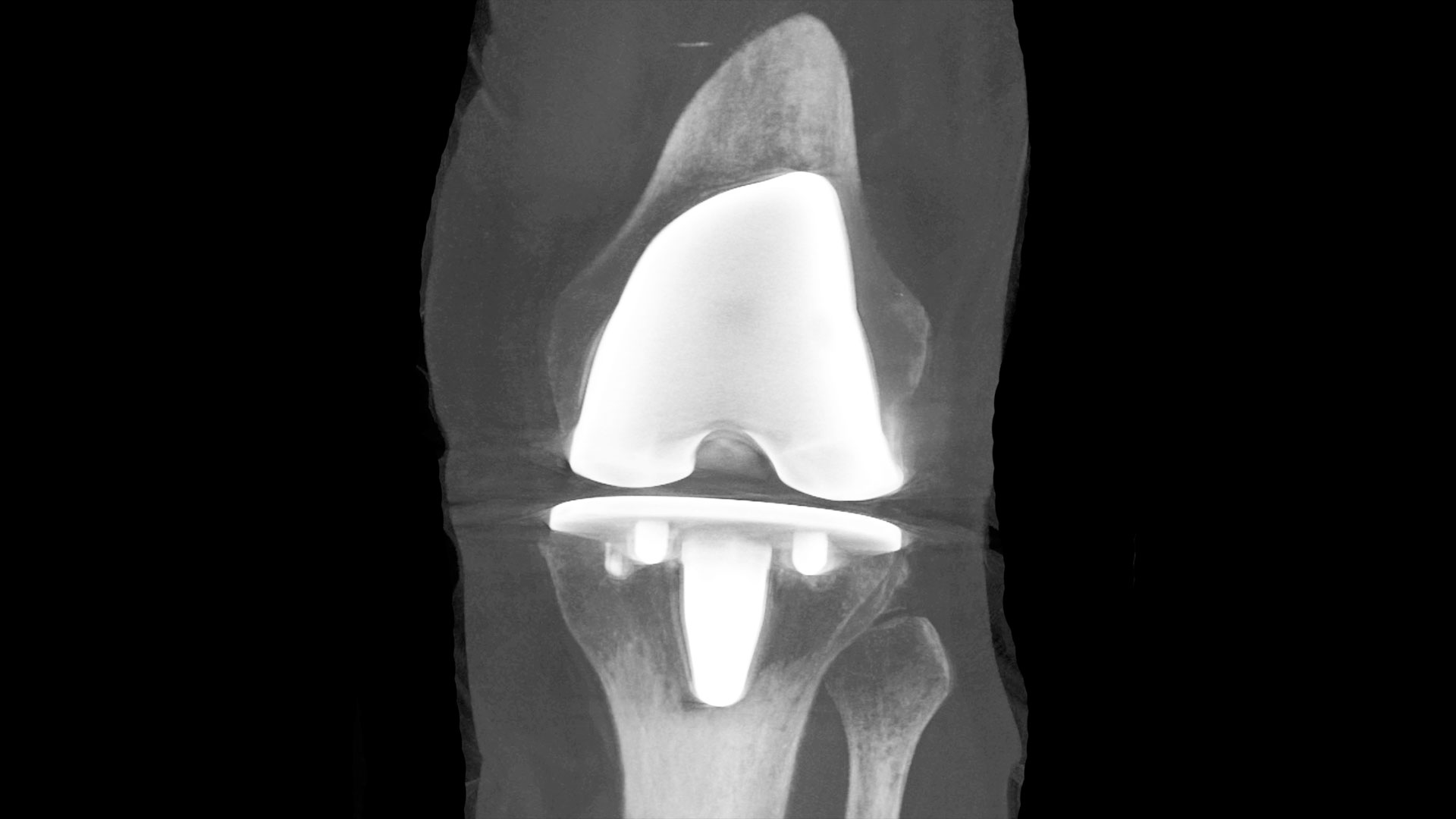
12. New study examining if probiotics can improve outcomes in knee replacement surgeries
Lawson researchers launched a study to assess whether daily probiotics can improve outcomes in patients undergoing a total knee replacement surgery. Of the more than 70,000 knee replacement surgeries in Canada each year, nearly 10 per cent of patients experience complications. With patients who are considered healthy likely to have better outcomes, the research team is interested in improving the gut microbiome as a way to support patients’ overall health. Read more.
Media Contact
Amanda Taccone
Communications Consultant & External Relations
Lawson Health Research Institute
T: 519-685-8500 ext. ext. 64059
C: 226-919-4748
@email
Lawson homelessness researcher Cheryl Forchuk to receive Coronation Medal
Prestigious award will honour the national impact of Forchuk and her research into health and homelessness
Lawson Research Institute scientist Cheryl Forchuk, PhD, will be awarded the prestigious King Charles III Coronation Medal in honour of her groundbreaking health care research in the region and across the country.
Forchuk, who is also a Distinguished University Professor of Nursing in the Faculty of Health Sciences and in the Department of Psychiatry at Western University, will receive the medal in a special presentation ceremony in London on April 23.
In nominating Forchuk, London North Centre MPP Terence Kernaghan said the medal “recognizes outstanding individuals for their profound and lasting contribution to Ontario and to Canada.”
He said Forchuk has shown “exemplary leadership and ground-breaking work in mental health, homelessness, and the systems and models of care you’ve developed.”
Her important work has helped shape national perspectives and treatments for people experiencing homelessness – in particular, people with experiencing homelessness and mental health and/or homelessness and addiction.
Forchuk’s research studies have also influenced national policy in understanding and redressing veterans’ homelessness, in London and across Canada. She is currently conducting nation-wide research into specific issues experienced by women veterans who are homeless.
Forchuk said she was honoured to be nominated and selected for the medal, and that her work related to improving homelessness and mental health challenges including addiction could not have been possible without the assistance of many others. This assistance includes people with lived experience, multiple community and hospital partners, and her team of research coordinators, research assistants and students. Forchuk recently completed her term as The Beryl and Richard Ivey Research Chair in Aging, Mental Health, Rehabilitation & Recovery, an endowed position supported by the St. Joseph’s Health Care Foundation.
The Coronation Medal program was created to mark the Coronation of His Majesty King Charles III. It recognizes individuals who have made a significant contribution to a particular province, territory, region or community in Canada, or attained an outstanding achievement abroad that brings credit to our country.
The award will be presented by London-area MPPs on behalf of the Right Honourable Mary Simon, Governor General of Canada and Premier Doug Ford.
An update to the community
The animal research conducted at Lawson Research Institute, St. Joseph’s Health Care London (St. Joseph’s) adheres to the highest standards of, and is in compliance with, all scientific and ethics protocols. The Canadian Council on Animal Care (CCAC) and the Western Animal Care Committee provide valued third-party oversight and ensure our commitment to ethical research at every stage of the discovery and innovation process.
The Government of Ontario is an important partner in every aspect of our work. Following consultations with the province, St. Joseph’s will immediately cease research studies involving dogs.
We acknowledge that this will have a significant impact on the ground-breaking research that has resulted in major strides in cardiac care and treatment, and on the dedicated teams involved in this work.
More details will be forthcoming.
… 2000-2001 June 2001 Dr. Lauren McCurdy Director of Breast Imaging, St. Joseph’s Health Care, London Associate Professor, UWO Visit our web site: www.sjhc.london.on.ca For additional copies of … contact and the unwavering commitment to superior care put our nursing staff on the front lines of service. LEADING …
Annual Report to the Community 2000-2001 June 2001 Dr. Lauren McCurdy Director of Breast Imaging, St. Josephs Health Care, London Associate Professor, UWO Visit our web site: www.sjhc.london.on.ca For additional copies of the report, complete financial statements, salary disclosure information or ot...
… 3 Our Stories … 6 WAIT TIMES CUT FOR WOMEN FACING BREAST CANCER … 11 THE PIT STOP … 24 CHANGING LIVES — ONE STEP AT A TIME … 35 Our People … 35 Our Patients … 51 Living Our Mission … Report to the Community. This year, for the first time, our annual report to you is exclusively through our internet …
Annual Report 2012-2013 Welcome to the 2012-2013 Annual Report Contents Annual Report 2012-2013 ......................................................................................................................... 1 Welcome to the 2012-2013 Annual Report ............................................
… Annual Report 2013-2014 Welcome to our 2013-2014 Annual Report Contents Annual Report 2013-2014 … 1 Welcome to our 2013-2014 Annual Report … 2 Our Stories … 4 FROM THREE DAYS TO 23 HOURS: ST. JOSEPH’S SHORTENS HOSPITAL STAY FOR PROSTATE CANCER SURGERY PATIENTS … Annual Report 2013-2014 Welcome to our 2013-2014 Annual Report Contents Annual Report 2013-2014 …
Annual Report 2013-2014 Welcome to our 2013-2014 Annual Report Contents Annual Report 2013-2014 ............................................................................................................................. 1 Welcome to our 2013-2014 Annual Report ........................................
… 5 CANADA’S FIRST DIABETES-SPECIFIC MEDICAL RECORD … ........................................ 8 PARTNER OF DISTINCTION … 8 IS IT REALLY JUST A FRACTURE? … 18 Our Stories … 34 CONFIDENCE, COURAGE AND COMMUNITY … 41 SOUTHWEST CENTRE WINS TOPS DESIGN HONOURS … 43 Take a virtual tour …
Annual Report 2014-2015 Welcome to the 2014-2015 Annual Report Contents Annual Report 2014-2015 ............................................................................................................................. 1 Welcome to the 2014-2015 Annual Report ........................................
… 2 Our People … 7 Our Excellence … 13 WORLD FIRST IN IMAGING TECHNOLOGY DEVELOPED AT LAWSON … 17 Our Patients … 30 OPENING MESSAGE Welcome to St. Joseph’s Annual Report to the Community. Please read the stories of our staff, physicians, researchers, patients and … 2 Our People …
Annual Report 2015-2016 Welcome to the 2015-2016 Annual Report Contents Welcome to the 2015-2016 Annual Report .............................................................................................. 1 OPENING MESSAGE ...............................................................................
… 2 Our People … 3 MASTERFUL HANDS GUIDE THEIR … 8 Our … ...........................................11 A WORLD-FIRST APPROACH TO COMBAT DEMENTIA … NEW IMAGING RESEARCH CHAIRS MAKE HISTORY … PROVIDES EARLY SCREENING, SUPPORT FOR DEMENTIA ....20 Our Patients … EASING THE JOURNEY FOR PROSTATE CANCER PATIENTS …
Annual Report 2016-2017 Welcome to the 2016-2017 Annual Report Contents Annual Report 2016-2017 .......................................................................................................... 1 Welcome to the 2016-2017 Annual Report ...........................................................
… 4 Investing in better patient care … 4 Commitment to our patients … 6 Our Stories … St. Joseph’s expands mental health services for veterans, … to become actively involved in the work and planning of our organization; where innovation, education and research … 4 Commitment to our patients …
Annual Report 2017-2018 Welcome to the 2017-2018 Annual Report Contents Annual Report 2017-2018 .......................................................................................................... 1 Welcome to the 2017-2018 Annual Report ...........................................................
… STJOSE._, PHs HEA LTH CAR E l ONDON THE YEAR THE WORLD … 1 St. Joseph's Report to the Community … 2 OUR HIGHLIGHTS … 17 Message from our Board Chair and CEO … by the numbers” created to capture a mere snapshot of our pandemic response. In reality, COVID-19 is affecting so …
STJOSE._, PHs HEA LTH CAR E l ONDON THE YEAR THE WORLD CHANGED TABLE OF CONTENTS THE YEAR THE WORLD CHANGED ..................................................................................................................................................................................... 1 St. Jose...
… Moving forward together St. Joseph's Report to the Community 2021-2022 An … tremendous accomplishment - a testament to the tenacity of our staff, physicians and volunteers and their unwavering focus on those we serve. Each year in our Annual Report to the Community, we share the …
Moving forward together St. Joseph's Report to the Community 2021-2022 An unrelenting pandemic has meant another historic year for St. Joseph's Health Care London. Yet it has also been a year of tremendous accomplishment - a testament to the tenacity of our staff, physicians and volunteers and their...
… Application for Appointment To the Credentialed Professional Staff of London Health Sciences Centre (LHSC) and St. … - If address will change prior to or upon commencement of your start date, please update your records with Medical Affairs. Postal Code Telephone …
Application for Appointment To the Credentialed Professional Staff of London Health Sciences Centre (LHSC) and St. Josephs Health Care London (St. Josephs) DEMOGRAPHIC INFORMATION Last Name First Name and Init. Birth date (mm/dd/yyyy) Birthplace Citizenship Business Name/Address Postal Code Phone (E...
… Application for Appointment To the Credentialed Professional Staff of London Health Sciences Centre (LHSC) and St. … - If address will change prior to or upon commencement of your start date, please update your records with Medical Affairs. Postal Code Telephone …
Application for Appointment To the Credentialed Professional Staff of London Health Sciences Centre (LHSC) and St. Josephs Health Care London (St. Josephs) DEMOGRAPHIC INFORMATION Last Name First Name and Init. Birth date (mm/dd/yyyy) Birthplace Citizenship Business Name/Address Postal Code Phone (E...
… Application for Appointment To the Credentialed Professional Staff of London Health Sciences Centre (LHSC) and St. … - If address will change prior to or upon commencement of your start date, please update your records with Medical Affairs. Postal Code Telephone …
Application for Appointment To the Credentialed Professional Staff of London Health Sciences Centre (LHSC) and St. Josephs Health Care London (St. Josephs) Note: Medical Affairs will announce the arrival of all new professional staff members that have joined LHSC and St. Josephs (The Page LHSC; Imp...
… for Appointment To the Credentialed Professional Staff of London Health Sciences Centre (LHSC) and St. … - If address will change prior to or upon commencement of your start date, please update your records with Medical Affairs. Postal Code Telephone … - If address will change prior to or upon commencement of your start date, please update your records with Medical …
February 2017 Page 1 Application for Appointment To the Credentialed Professional Staff of London Health Sciences Centre (LHSC) and St. Josephs Health Care London (St. Josephs) DEMOGRAPHIC INFORMATION Last Name First Name and Init. Birth date (mm/dd/yyyy) Gender Birthplace Citizenship Business Name/...
… Application for Appointment To the Credentialed Professional Staff of London Health Sciences Centre (LHSC) and St. … - If address will change prior to or upon commencement of your start date, please update your records with Medical Affairs. Postal Code Telephone …
Application for Appointment To the Credentialed Professional Staff of London Health Sciences Centre (LHSC) and St. Josephs Health Care London (St. Josephs) DEMOGRAPHIC INFORMATION Last Name First Name and Init. Birth date (mm/dd/yyyy) Gender Birthplace Citizenship Business Name/Address Postal Code P...