


Search
Search
625 Search Results:
Jamie Fleet
Jamie Fleet, MD
Assistant Professor, Schulich School of Medicine and Dentistry
Key Areas of Focus:
Stroke
Phone:
519-685-4559
Social:
Accepting Grad Students:
No
About:
Dr. Jamie Fleet is a physiatrist at Parkwood Institute and an Assistant Professor in the Department of Physical Medicine and Rehabilitation at the Schulich School of Medicine and Dentistry at Western University. Dr. Fleet completed medical school as well as residency training in Physical Medicine and Rehabilitation at McMaster University. She is currently enrolled in a Master’s program in Clinical Epidemiology through the Health Research Methodology program at McMaster University with a focus on fracture treatment and prevention in older patients after stroke. Her primary clinical area of focus is in stroke rehabilitation.
Though still early in her career, Dr. Fleet has developed a strong research background, primarily focusing on drug safety studies in older adults using large data through ICES. Her other research interests include exercise and health promotion/prevention strategies in patients after stroke, as well as fall prevention strategies and pain management. "

… Psychotherapy for Biaxial Diagnoses Autism Opioids, Pain, and Addiction Developmental Disabilities and … 36.88 90.00 53.13 44.23 to 62.02 12.18 0.000 32 Opioids, Pain and Addiction 50.00 73.44 23.44 -0.13 to 47.00 2.12 … Psychotherapy for Biaxial Diagnoses Autism Opioids, Pain, and Addiction Developmental Disabilities and …
Participant Learning at Psychiatry CME Sessions A Follow-up Evaluation at the University of Western Ontario Laeeq Tahir, MD, FRCP(C)1 , Nicole Tsang, MD2, Marnin Jori Heisel, PhD, CPsych3 *, Jatinder Takhar, MD, FRCP(C)4 Key Words: continuing medical education, CME, knowledge transfer, professional ...
… of bipolar disorder can be staggering but the emotional pain and suffering that the patients and their families … of bipolar disorder can be staggering but the emotional pain and suffering that the patients and their families …
_______________________________________________________________________________________________________________ Case Report CONSEQUENCES OF THE MISDIAGNOSIS OF BIPOLAR DISORDER AS BORDERLINE PERSONALITY DISORDER by Hyacinth John, MD1, Verinder Sharma, MB, BS, FRCP(C) 2, 3 1 Resident, Department of P...
… disorder. • Lamotrigine can be used to treat chronic pain by blocking sodium channels. It is most commonly used to treat central post-stroke pain but may be used to manage nerve pain resulting from a spinal cord injury or trigeminal … disorder. • Lamotrigine can be used to treat chronic pain by blocking sodium channels. It is most commonly used …
CARING FOR THE BODY, MIND & SPIRIT SINCE 1869 Renowned for compassionate care, St. Joseph's is one of the best academic health care organizations in Canada dedicated to helping people live to their fullest by minimizing the effects of injury, disease and disability through excellence in care, teachi...
Laura Brunton
Laura Brunton, PT, PhD
Assistant Professor, School of Physical Therapy
Key Areas of Focus:
Childhood Onset Conditions
Phone:
519-661-2111 ext. 88845
Email:
Website:
Social:
Accepting Grad Students:
Yes
About:
Laura Brunton is an Assistant Professor in the School of Physical Therapy at Western University and is a registered Physiotherapist. Professor Brunton's current research focus is exploring and understanding fatigue and pain experienced by individuals with cerebral palsy and the possible relationships with physical activity, sleep, pain and mental health. Professor Brunton has an interest in developing novel approaches to increase and support the self-management skills for youth and adults with childhood-onset conditions. A secondary interest of Professor Brunton’s is the development and validation of clinical measures to support comprehensive assessment of clients in clinical practice.

Law Summaries
The HULC Clinical Research Laboratory provides a number of lay summaries every year to share the important findings of our research with public audience. The following are a list of lay summaries that anyone can access to read.
View lay summeries in the following categories:
Neck/Shoulder
- A systematic review of the cross-cultural adaptations and measurement properties of the Shoulder Pain and Disability Index.
- Evaluating the reproducibility of the short version of the Western Ontario Rotator Cuff Index (Short-WORC) prospectively
- A narrative review and content analysis of functional and quality of life measures used to evaluate the outcome after total shoulder arthroplasty (TSA): an ICF linking application.
Elbow
- The use of Patient-Rated Tennis Elbow Evaluation (PRTEE) questionnaire in patients with Tennis Elbow
Wrist/Hand
Lawson researchers win American Shoulder and Elbow Surgeons’ Neer Award
The American Shoulder and Elbow Surgeons association has awarded a team of London researchers the 2017 Charles S. Neer Award for Clinical Science, one of the most prestigious awards in the areas of shoulder and elbow surgical research in North America.
The award recognizes the scientists’ development of the PCR-RFLP (polymerase chain reaction restriction fragment length polymorphism) assay, a test that can accurately identify Propionibacterium acnes (P acnes) infection of the shoulder within 24 hours. Current methods take an average of six or more days, and are prone to sample contamination and false-positive results.
“We are incredibly honoured to receive this award,” says Dr. David O’Gorman, Lawson scientist, Co-Director of Molecular and Cellular Research at the Roth McFarlane Hand and Upper Limb Centre (HULC) at St. Joseph’s Health Care London, and senior author of the publication. “We believe it illustrates the high quality of research being done at Lawson and marks the beginning of another clinically relevant research program at HULC.”
P acnes is a type of bacteria typically found deep in the hair follicles and sebaceous pores of the skin. A P acnes infection of the shoulder is a common and serious complication that occurs after arthroplasty (surgery to replace a damaged joint, most commonly with artificial material). It can cause pain in the shoulder joint and often loosens the implant. In most cases, the patient requires additional surgery to remove the infection and replace the implant.
It can be difficult to diagnose a P acnes infection as it often presents without symptoms that would be characteristic of an infection, such as pain, skin reddening or wound drainage. The prevalence of P acnes in the deeper layers of the skin also increases the chance of sample contamination and false-positive results making it hard to isolate and identify in a pathology lab.
Currently P acnes infection is identified by administering a tissue swab for anaerobic culture, which takes an average of six or more days but could take up to three weeks. This technique also carries substantial risk of contamination from the adjacent skin and other sites where P acnes is present.
The PCR-RFLP assay can identify P acnes in tissue from a shoulder biopsy within a 24-hour period. The extremely sensitive technology also has the ability to detect fewer than ten P acnes cells in the sample, which may decrease the false-positive rate in cultures caused by swab contamination.
“The accuracy of this test and the shorter period of time needed for identification can help with treatment decision making, targeted antibiotic therapy, and monitoring to minimize implant failure and revision surgery,” explains Dr. O’Gorman, who is also an Assistant Professor in the Departments of Surgery and Biochemistry at Western University’s Schulich School of Medicine & Dentistry. “We hope that the test can be further developed into a ‘point of case’ assay that can detect P acnes in tissue samples in real time while the patient is undergoing shoulder surgery.”
Since the PCR and RFLP mapping used for the assay are techniques routinely performed in many clinical microbiology and pathology labs, the test would be a cost-efficient approach not restricted to highly specialized research labs.
Other scientists who were part of the study include Dr. George Athwal and Dr. Kenneth Faber, HULC orthopaedic surgeons, Lawson scientists and Schulich professors; Ana Pena Diaz, research technician for the HULC Molecular and Cellular Biology Research Lab; and Scott Holmes, a medical student and Schulich Research Opportunities Program participant who was primarily responsible for designing and optimizing the assay.
Both Dr. O’Gorman and Dr. Faber are also members of Western’s Bone and Joint Institute.
“A rapid method for detecting Propionibacterium acnes in surgical biopsy specimens from the shoulder” was published in the Journal of Shoulder and Elbow Surgery (JSES).
Scientist
Lawson's Top 12 Research Stories from 2020
Image

Image
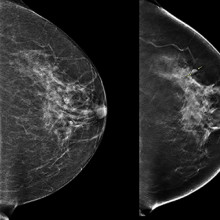
3D imaging technology could improve outcomes for patients with breast cancer
During a conventional digital 2D mammogram, two x-ray images are taken of the breast, one from top-to-bottom and another from side-to-side at an angle. This technology is limited by the overlapping breast tissue that occurs from the required compression of the breast, and breast abnormalities may be hidden. A study at Lawson is looking to determine if digital breast tomosynthesis, a type of 3D imaging, is better at detecting breast tissue abnormalities than the 2D mammography regularly used today. Read more.
Image
Image
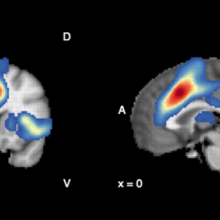
Antioxidants in the brain linked to improved treatment results in patients with psychosis
Once patients with psychosis start treatment, some get better in weeks while it can take months for others. A research team from Lawson and Western University studied antioxidant levels in the brain, and found that these chemicals, which rid the body of normal metabolic biproducts called free radicals, may improve outcomes of early intervention in psychosis. Read more.
Image
Image
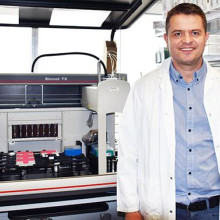
Researchers awarded $4.8 million to validate locally developed test, EpiSign, for first-line diagnostic testing of rare hereditary disorders
A clinical trial named “EpiSign-CAN,” led by researchers at Lawson was awarded $4.8 million to measure the clinical impact of a new molecular genomics test for diagnosing genetic neurodevelopmental conditions. The diagnostic test, called EpiSign, uses machine learning to analyze the EpiSign Knowledge Database. This database compiles information on rare genetic diseases using laboratory analyses of the entire genome, referred to as the epigenome, from patients with suspected genetic abnormalities. Read more.
Image
Image

Perceptions of confidentiality for Canadian Veterans discussing moral injuries
Lawson researchers are exploring Canadian Veterans’ beliefs about confidentiality in mental health care and whether those beliefs act as a barrier to seeking treatment for a type of trauma known as moral injury. Moral injury describes psychological distress following events where a person performs, witnesses or fails to prevent acts that conflict with deeply held moral standards. Evidence suggests that moral injuries are on the rise among deployed members of the Canadian Armed Forces, and that those exposed to such events are at a higher risk of developing post-traumatic stress disorder and depression. Read more.
Image
Image
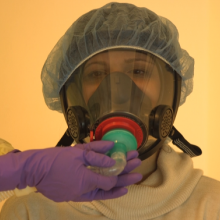
New device could reduce COVID-19 infection risk and demand for invasive ventilators
Researchers designed a non-invasive ventilation mask that could significantly reduce aerosolization – the production of airborne respiratory droplets that may contain viruses or bacteria – when treating patients with COVID-19. The new device aims to reduce infection risks associated with non-invasive ventilation and lessen the demand for invasive ventilators. It is currently being tested through a clinical trial with patients at London Health Sciences Centre (LHSC). Read more.
Image
Image
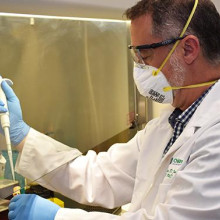
Researchers first in world to profile the body’s immune response to COVID-19
By studying blood samples from critically ill patients at LHSC, researchers identified a unique pattern of six molecules that could be used as therapeutic targets to treat COVID-19. Studies show that part of what makes the virus so deadly is that the body mounts an overreactive immune response as the virus grows and replicates. This response releases inflammatory molecules in order to fight the virus, but also destroys healthy cells and organs in the process. Read more.
Image
Image
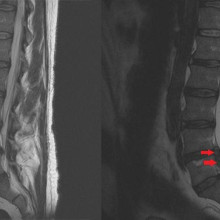
Study suggests that surgery may be superior treatment for chronic sciatica
In a randomized controlled trial, surgery was found to be superior to non-operative therapy in the treatment of chronic sciatica. Chronic sciatica can be caused by a disc herniation which compresses a nerve in the lumbar spine causing pain from the lower back to the leg. The primary treatment options for sciatica are surgery or non-operative care. Researchers conducted this study to test if a surgical treatment called microdiscectomy results in better patient outcomes for those with chronic sciatica compared to non-operative care. Read more.
Image
Image
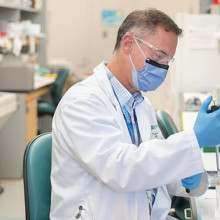
Researchers unravel two mysteries of COVID-19
A team from Lawson and Western University made significant steps forward in understanding COVID-19 through two back-to-back studies. In one study, the team identified six molecules that can be used as biomarkers to predict how severely ill a patient will become. In the other study, they were the first to reveal a mechanism causing blood clots in COVID-19 patients and potential ways to treat them. The studies were conducted by analyzing blood samples from critically ill patients at LHSC. Read more.
Image
Image
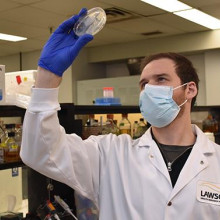
Gut microbiome may influence how cancer patients respond to oral therapies, study suggests
A study from Lawson and Western illustrated how the gut microbiome interacts with an oral medication in prostate cancer patients, suggesting bacteria in the gut play a role in treatment outcomes. The findings highlight how the drug abiraterone acetate is metabolized by bacteria in the gut to reduce harmful organisms while promoting those that fight cancer. The research team suspects this is one of many examples of how the microbiome influences our response to medications. Read more.
Image
Image

First Contrast Enhanced Spectral Mammography guided biopsy in North America
Researchers at Lawson performed the first breast biopsy guided by Contrast Enhanced Spectral Mammography (CESM) in North America on June 12, 2020. CESM is a novel diagnostic imaging tool that is able to detect cancerous lesions at a greater rate than standard mammography, and at close rate to MRI. The procedure is faster and more accurate, comfortable and cost effective than an MRI biopsy. Read more.
Image
Image

Assessing the pandemic's impact on Canadian Veterans and their spouses
A project from Lawson and the Centre of Excellence on Post-Traumatic Stress Disorder (PTSD) hopes to discover the impact the COVID-19 pandemic is having on the mental health of Canadian Veterans and their spouses. They are partnering with up to 1,000 Canadian Veterans and 250 spouses of Canadian Veterans. Through online surveys, the project will hear directly from Veterans and their spouses to assess the pandemic’s effects on their well-being over time. Read more.
Image
Image
Fecal transplants show promise as treatment for non-alcoholic fatty liver disease
A randomized controlled trial found that fecal transplants in patients with non-alcoholic fatty liver disease (NAFLD) results in a reduction in how easily pathogens and other unwanted molecules pass through the human gut and into circulation, known as intestinal permeability. The results could have implications for the treatment of numerous conditions including metabolic syndrome and autoimmune diseases. Read more.
Lawson's top 12 research stories of 2021
Lawson researchers impact the lives of people not just locally, but around the world with groundbreaking studies and translational research that enhances care, health and wellbeing.
Here are some of the research highlights of 2021.
Differences in walking patterns could predict type of cognative decline in older adults
Image

Canadian researchers are the first to study how patterns in the way older adults walk could more accurately diagnose different types of dementia and identify Alzheimer’s disease. A new study by a Canadian research team, led by London researchers from Lawson Health Research Institute and Western University, evaluated the walking patterns and brain function of 500 participants currently enrolled in clinical trials. Read more.
COVID-19 shown to leave a unique lung fingerprint
Image
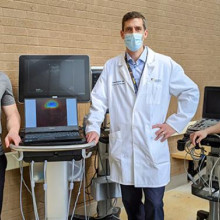
Researchers at Lawson Health Research Institute have developed and tested an artificial neural network for diagnosing COVID-19. The AI system was trained to learn and recognize patterns in ultrasound lung scans of patients with confirmed COVID-19 infection at London Health Sciences Centre (LHSC) and compared them to ultrasound scans of patients with other types of lung diseases and infections. Read more.
Kidney transplant patient experiences positive recovery with the help of a simple device
Image
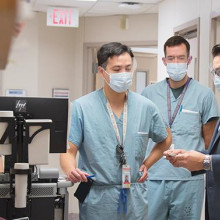
Getting the gift of life was an amazing moment for 68-year-old Ruben Garcia who was in late-stage kidney disease and starting dialysis when his daughter Ruby donated one of her kidneys to him. The father of four underwent transplant surgery this past March and remained in hospital for nine days recovering. Following his surgery, Garcia found it difficult to get out of bed due to pain and swelling, leaving the function of his new kidney at a very low level. Read more.
Air pollution exposures contributes to childhood asthma, population-based study shows
Image

New findings from Ontario have shown that children born in Sarnia have a higher risk of developing asthma compared to neighboring cities. A research team from Lawson Health Research Institute and Western University, using provincial data from ICES, found that higher air pollution exposure in the first year of life very likely contributed to this higher risk. Read more.
Getting the data on homelessness
Image

At a virtual event, a research team led by Lawson Health Research Institute announced details of a new project aimed at better understanding how many people in Canada are homeless and who they are. Developing more accurate sources of data related to homelessness helps ensure the proper supports and services are available. Read more.
Clinical trials begin to treat COVID-19 patients with sepsis
Image
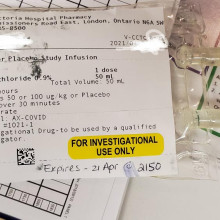
It’s a discovery that has been more than ten years in the making: the use of a human protein to potentially treat patients with sepsis. Lawson Scientist Dr. Qingping Feng noticed that a human protein called annexin A5 showed positive results with sepsis back in 2007. Fast forward 14 years later to now, and this discovery could very well be the first ever viable treatment for sepsis patients, including severe COVID-19 patients who develop sepsis. Read more.
Examining the health impact the COVID-19 pandemic is having on mothers and their new babies
Image

It has been a challenging year for many with the ongoing COVID-19 pandemic creating changes to people’s lifestyles, education, employment and health care. The impacts of these changes may be posing a health risk to women who have given birth during this trying time, and for their babies. Read more.
New therapeutic tool proven effective for MS patients with mental health challenges
Image

It was a diagnosis that came as a shock for 28-year-old Mitch Kuska who found out he had Multiple Sclerosis (MS) at the age of 26. “I went from being a young 26-year-old doing regular things, to having to learn about this disease and everything that goes along with it and how it will affect my life.” Kuska, an avid cyclist, says knowing that one day he may not be able to physically do the things he loves has been the hardest part of his MS journey so far. Read more.
Researchers using MRI scans to pinpoint moral injury effects in health care workers
Image

Image

Moral injury refers to an injury to an individual’s moral conscious, which can produce profound emotional guilt and shame. Recognizing this is a growing concern, a London research team from Lawson Health Research Institute and Western University’s Schulich School of Medicine & Dentistry is examining moral injury amongst health care workers by imaging the effects on the brain. Read More.
Scientists studying carbon monoxide as a possible treatment for sepsis
Image
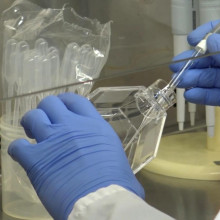
Sepsis is a life-threatening condition that occurs when the body’s response to an infection triggers excessive inflammation. The inflammatory response can cause damage to organs such as the heart, liver, lungs and brain. While there are currently limited treatments for sepsis, researchers at Lawson Health Research Institute are working to change that by examining the use of carbon monoxide-releasing molecules to treat patients. Read more.
Global study on heart valve repair surgery will improve patient outcomes around the world
Image
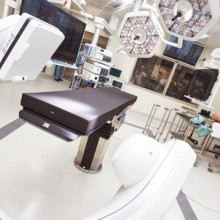
Researchers at Lawson Health Research Institute and Western University had a leading role in a new global study that will change the way surgeons repair leaky valves in the heart. It’s one of the most common heart valve conditions, affecting around two per cent of the population, where many patients don’t even realize they have a leaky valve and are asymptomatic, often presenting to doctors once they are late stage into the disease. Read more.
New study will assess fecal transplants in treatment of pancreatic cancer
Image
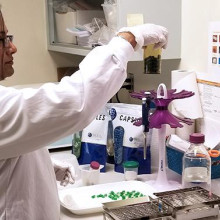
Pancreatic cancer is an aggressive disease that affects up to six-thousand Canadians a year and is the third leading cause of cancer deaths. In a new study a multidisciplinary team of scientists at Lawson Health Research Institute are examining the microbiome in the gut, as a possible gateway to improving treatment outcomes. Read more.
Leveraging virtual reality to manage pain in paediatric patients
London - A new study underway through Lawson Health Research Institute and Children’s Hospital at London Health Sciences Centre (LHSC), using virtual reality (VR) to help pediatric patients during painful and distressing procedures.
“Technology holds immense potential for improving the experience of our young patients and their families,” explains Dr. Naveen Poonai, Lawson Scientist, principal investigator and Emergency Department Physician at Children’s Hospital. “VR is becoming increasingly popular amongst young people and some early research shows VR has been helpful in painful procedures, even in adults.”
The study is focusing on pediatric patients who need port access. A port is a little reservoir that sits underneath the skin that allows access to blood or medication with the use of a needle. Ports are most commonly used in pediatric cancer patients.
“This can be very distressing for a patient and it can set the tone for their entire clinic day and course of treatment,” says Dr. Alexandra Zorzi, Lawson Associate Scientist and Pediatric Oncologist at Children’s Hospital. “Minimizing the stress, anxiety, and pain of the procedure is key to avoiding a negative experience.”
The study team is recruiting 90 pediatric patients with existing medical ports. Participants will be randomized into three groups. One group will be using a VR headset that will allow them to play interactive games. The second group will have access to tablet technology, and the final group will be provided with non-technology distractions. Each procedure and the patient’s response will be recorded. Responses will then be compared using a tool called the ‘Observational Scale of Behavioral Distress’ to determine which intervention leads to the best outcomes.
“My hopes are that we develop a variety of skills we can tailor to patients,” adds Dr. Zorzi. “There are patients who receive all kinds of support but still struggle, so having a variety of techniques available to see what works best is a positive step forward.”
The study is expected to be completed by the end of this year. The research team is already collaborating with Children’s Hospital staff and leadership to use VR as a clinical tool if the study proves the technology to be effective.
“We have plans in place to allow whatever we find as the best option to be part of routine care for kids needing port access,” notes Dr. Poonai. “We are also speaking with various medical teams to determine how we can incorporate this into practices across the hospital.”
The use of the VR devices has been made possible with generous support from the Children’s Health Foundation.
About Lawson Health Research Institute
Lawson Health Research Institute is one of Canada’s top hospital-based research institutes, tackling the most pressing challenges in health care. As the research institute of London Health Sciences Centre and St. Joseph’s Health Care London, our innovation happens where care is delivered. Lawson research teams are at the leading-edge of science with the goal of improving health and the delivery of care for patients. Working in partnership with Western University, our researchers are encouraged to pursue their curiosity, collaborate often and share their discoveries widely. Research conducted through Lawson makes a difference in the lives of patients, families and communities around the world. To learn more, visit www.lawsonresearch.ca.
Media Contacts
Celine Zadorsky
Senior Media Relations Consultant
Communications & Public Engagement
T: 519-685-8500 ext. 73502
Celine.zadorsky@lhsc.on.ca
… your bladder It serves three purposes 1. To prevent severe pain caused by blockage of a kidney stone 2. To maintain … your bladder It serves three purposes 1. To prevent severe pain caused by blockage of a kidney stone 2. To maintain …
CARING FOR THE BODY, MIND & SPIRIT SINCE 1869 ((J~ STJOSEPHs HEALTH CARE LONDON Lithotripsy at St. Josephs Hospital CARING FOR THE BODY, MIND & SPIRIT SINCE 1869 ((J~ STJOSEPHs HEALTH CARE LONDON Extra-Corporeal Shockwave Lithotripsy (ESWL) Lithotripsy defined: Litho = stone Tripsy = to break or to ...
… (eg. Heart disease, osteoporosis, wounds, contractures, pain, autonomic dysreflexia) Yes No If Yes please explain … (eg. Heart disease, osteoporosis, wounds, contractures, pain, autonomic dysreflexia) Yes No If Yes please explain …
S!JOSEPHs -IE T C R L I I I I I I I I Locomotor Training Application Please complete form and return to our Intake Coordinator via fax (519) 685-4066 or email ntrinfo@sjhc.london.on.ca APPLICANT INFORMATION MR# Last Name First Date Street Address City Province Postal Code Phone Cell E-ma...
London researchers adapt MRI technology to image salt within the kidneys
LONDON, ON – In a newly published study, scientists at Lawson Health Research Institute have adapted PET/MRI technology to accurately image salt within the kidneys of patients with kidney disease.
“Salt is very difficult to image in an MRI because the signal is much weaker than water,” explains Dr. Christopher McIntyre, Lawson Scientist and Nephrologist at London Health Sciences Centre (LHSC). “We wanted to find a way to look at the fundamental role of the kidney in getting rid of salt and water by using a functional MRI.”
Imaging salt within the kidneys has never been accurately accomplished in patients with kidney disease, but Dr. McIntyre and his team developed new technology and software that was adaptable to a PET/MRI machine at St. Joseph’s Health Care London. The new technology allowed the machine to image salt and water levels within the kidney.
“Salt within the kidneys have only been imaged in pre-clinical models, and low weight, healthy volunteers,” says Dr. McIntyre. “Since the kidney is further away from the MRI coils, and the organ moves when a person breathes, it is definitely very hard to image.”
This was the first study to use MRI to look at salt within the kidneys with a wide range of participant with different body types (10 healthy volunteers), as well as patients with kidney disease (five patients). The research team also imaged patients who had a combination of kidney disease and heart failure, because it is especially important for those patients specifically to be able to release salt and water as part of their treatments.
Currently clinicians rely on kidney biopsies to measure salt levels, but Dr. McIntyre says that method isn’t as accurate or effective as it could be.
“The problem is that the biopsies are painful, they have risks, and because it is a small sample of the kidney, we don’t get an accurate perspective of the kidney as a whole,” Dr. McIntyre explains.
The study, which is published in Radiology has now opened the door to new possibilities when it comes to clinical care for patients with kidney disease.
“Salt is very toxic in patients with kidney failure,” adds Dr. McIntyre. “This will now allow us to diagnose and manage both chronic and acute kidney disease. It is a significant step forward.”
The next steps for the research team will be to compare salt MRI’s to biopsies, while also examining potential new therapy developments.
“We are hoping we will have a higher degree of certainty moving forward to predict what will happen within the kidneys of these patients, with the possibility of using new targeted and effective treatments in the future,” notes Dr. McIntyre.
About Lawson Health Research Institute
Lawson Health Research Institute is one of Canada’s top hospital-based research institutes, tackling the most pressing challenges in health care. As the research institute of London Health Sciences Centre and St. Joseph’s Health Care London, our innovation happens where care is delivered. Lawson research teams are at the leading-edge of science with the goal of improving health and the delivery of care for patients. Working in partnership with Western University, our researchers are encouraged to pursue their curiosity, collaborate often and share their discoveries widely. Research conducted through Lawson makes a difference in the lives of patients, families and communities around the world. To learn more, visit www.lawsonresearch.ca.
Media Contacts
Celine Zadorsky
Senior Media Relations Consultant
Communications & Public Engagement
T: 519-685-8500 ext. 73502
Celine.zadorsky@lhsc.on.ca
… limitations? Yes No Please describe any: Contractures/Pain/Oedema: Muscle tone: Functional Increased … limitations? Yes No Please describe any: Contractures/Pain/Oedema: Muscle tone: Functional Increased …
Page 1 of 7 Complex Care Program Admission Application (Ventilator Dependent Client) VENTILATOR DEPENDENT CLIENT APPLICATION Parkwood Institute - Complex Care Program FAX completed form to (519) 685-4804 ------- Please ensure that you have included all pertinent patient information. In addition to ...
… it is NOT Health Canada approved) to treat certain chronic pain disorders such as fibromyalgia, complex regional pain syndrome (CRPS), multiple sclerosis and abdominal pain/inflammatory bowel conditions. • Low-dose naltrexone … it is NOT Health Canada approved) to treat certain chronic pain disorders such as fibromyalgia, complex regional pain …
August 11, 2022; Page 1 of 2 Low-Dose Naltrexone What is naltrexone? Naltrexone is an opioid antagonist, which means it blocks the effects of opioids such as codeine, morphine, oxycodone, etc. Naltrexone was developed to treat opioid addiction. A standard dose to treat opioid addiction is typicall...
… spine. • This procedure can be used to diagnose and treat pain facilitated by the sympathetic nervous system. • The … blood flow and sweating and can be involved in maintaining pain sensations. • A lumbar sympathetic block can be used to manage pain in the legs resulting from complex regional pain …
CARING FOR THE BODY, MIND & SPIRIT SINCE 1869 Renowned for compassionate care, St. Joseph's is one of the best academic health care organizations in Canada dedicated to helping people live to their fullest by minimizing the effects of injury, disease and disability through excellence in care, teachi...
… Rehabilitation, Cardio Vascular Investigative Unit (CVIU) Pain Management Program and Infectious Diseases Care. • … such as the Pulmonary Function Lab, Cardiac Rehabilitation, Pain Management Program and Infectious Diseases Care. For … Rehabilitation, Cardio Vascular Investigative Unit (CVIU) Pain Management Program and Infectious Diseases Care. • …
Sister Genevieve wrote: No sooner had the public been informed that the Sisters were prepared for the reception of patients, then many persons sought admission. Mrs. Wells had been working around her little shanty when she slipped on an onion, fell and fractured her hip. Since there were no ambulanc...
… Managing Breast Pain …
… Managing Pain During Sentinel Lymph Node Mapping (Applying Numbing …
Regional Mental Health Care London and St. Thomas 10th Annual Research Half Day, May 13, 2009 BOOK OF ABSTRACTS & RESEARCH REPORT 2008 by RMHC RESEARCH COMMITTEE 1 Book of Abstracts RMHC 10th Annual Research Half Day May 13, 2009 and Research Report 2008 RESEARCH INSIGHTS of the Regional Mental Heal...