


Search
Search
2194 Search Results:
… team What about Medical Emergencies? • Admitted adult patients • PCCOT is the Paediatric team Who do we see? Core … Notes Early Identification: consultation and care of patients at risk of deterioration which also includes stabilization of patients before transfer to the ICU Prophylactic …
Critical Care Outreach Team (CCOT) Ministry of Health Initiative since 2006 Goals: -Critical Care to the bedside -Aim to reduce Cardiac arrests -Aim to reduce ICU length of stay Team: ICU consultant, ICU RN and RT. is a Background We dont replace the Code Blue or Pre- arrest team What about Medica...
… ready every day – Standards and ROPs Partner with patients and families and include them as part of the team … ready every day – Standards and ROPs Partner with patients and families and include them as part of the team …
Patient Safety Through the Eyes of the Patient Cathy Litwin, BScN, Patient Safety Specialist Jeffrey Preston, Phd, Patient Advisor June 30, 2016 Objectives Culture of safety Importance of reporting Jeffs story Vital behaviors Summary Organization's structures and control systems Values Beliefs ...
… setting, closest to home: Timely access to acute care for patients across all services Patients are at the right place at the right time for the … occupancy LHSC has a no refusal policy for “Life or Limb” patients regardless of bed availability ONE NUMBER PROTOCOL …
PATIENT ACCESS Resident Orientation June 29, 2018 Sherri Lawson, Director Patient Access Pat Jewell, Coordinator Patient Access Patient Access and Flow Guiding Principles Improving flow requires an integrated, hospital-wide approach..Inpatient services have an important stake in this work (Jensen ...
… – Risky Business ▪ Additional Considerations – Pediatric Patients ▪ Risks are magnified ▪ Mortality risk for … benefits, harms and costs. ▪ We are all here to help patients. Radiology exists to help you. Let’s be good to … – Risky Business ▪ Additional Considerations – Pediatric Patients ▪ Risks are magnified ▪ Mortality risk for …
Radiology On Call A Primer for New Residents Jon Chung, MD FRCPC Goals 1. Put a face to a name 2. Provide a residents point of view 3. Offer a basic framework of issues to consider when ordering imaging Outline Introduction to the Radiology Residents - AKA The Outsiders Getting what you need on ca...
A golden age in microbiome research
According to Dr. Jeremy Burton, we’re in a golden age of microbiome and probiotics research.
“Thanks to advancements in next-generation sequencing, we’re learning more and more every day about the impacts of the microbiome on the human body,” states Dr. Burton.
Effective September 1, 2020, Dr. Burton has been appointed as Research Chair in Human Microbiome and Probiotics at Lawson Health Research Institute for a five-year term. As part of the Chair’s responsibilities, Dr. Burton will also assume the title of Director for the Canadian Centre for Human Microbiome and Probiotics Research, which is located at Lawson.
Funded by an endowment through St. Joseph’s Health Care Foundation, the position is responsible for leading Lawson’s Human Microbiome and Probiotics research program. The specialized research chair was established at St. Joseph’s in 2007 as a result of a significant investment by Danone International, in recognition of groundbreaking microbiome research by Dr. Gregor Reid, the inaugural holder of the Chair.
With extensive experience in both academia and industry, Dr. Burton is a world-renowned scientist specializing in urinary microbiome research. He points to the diversity of microbiome research at Lawson as a strength to be leveraged.
“Our program is conducting a diverse array of microbiota-related research from probiotic studies to fecal transplants to the investigation of drug-microbiome interactions,” explains Dr. Burton. “There’s a lot of interest in conducting microbiome research as it’s become clear how it affects so many human systems. We are also working with a number of other groups across the city – both clinical and basic sciences – to meet their microbiota-related research needs.”
There are two pillars to Dr. Burton’s vision for microbiome and probiotics research at Lawson. The first is advancing translational research that leads to improved patient outcomes, such as new microbial therapies. The second is improving our understanding of the microbiome by studying its function in real-time.
“In most studies, we collect patient samples, put them in the freezer and then analyze them later. We now want to follow people in real-time to get a better understanding of how the microbiome functions inside the human body,” notes Dr. Burton. “We hope to accomplish this by harnessing technologies already available at Lawson. For example, we’ve been collaborating with the Lawson Imaging program to look at bacteria in real-time using the Institute’s imaging technology.”
Image
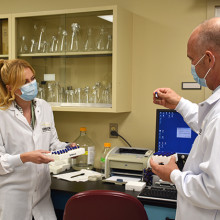
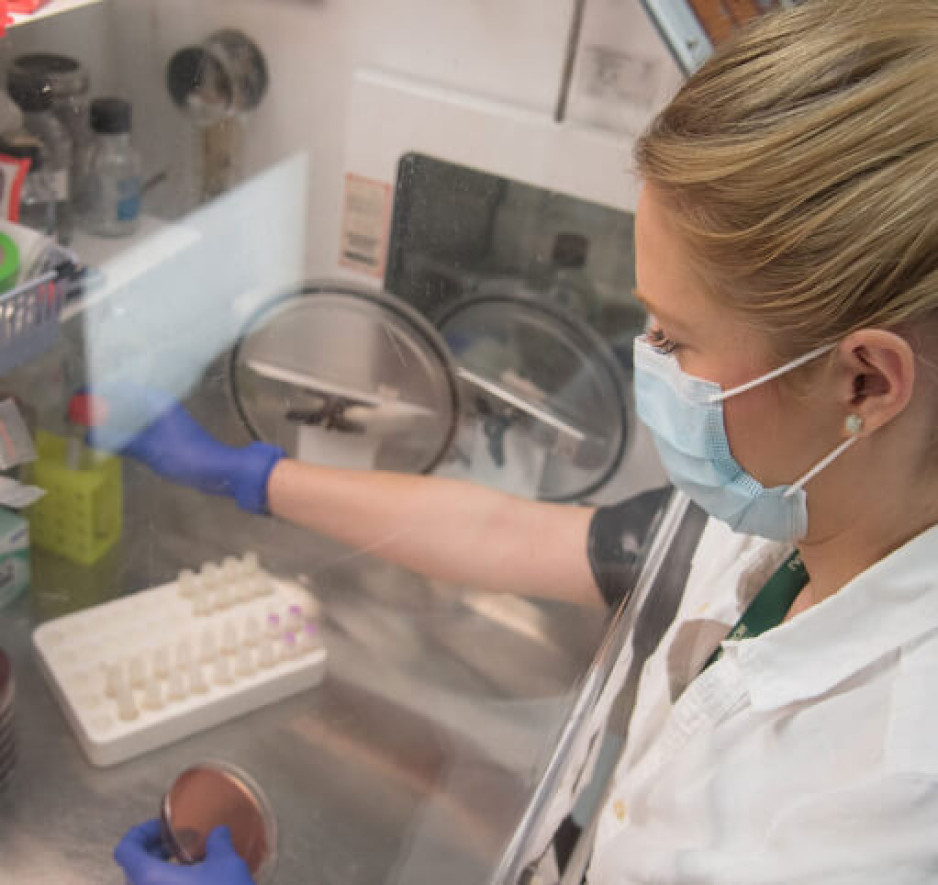
Above: Dr. Jeremy Burton (right) in the lab with Dr. Kait Al (left), Postdoctoral Fellow
Dr. Burton is known for forging strong interdisciplinary relationships to enhance knowledge translation, especially within the Division of Urology.
“Dr. Burton has established a robust academic laboratory and strategic partnerships that are advancing the Institute’s scientific mandate. He is a natural leader,” says Dr. David Hill, Lawson Scientific Director. “As Research Chair in Human Microbiome and Probiotics, Dr. Burton will further Lawson’s reputation in the field.”
Dr. Burton will build on a 30-year legacy of microbiome research.
“There’s a long history of microbiome research at Lawson and St. Joseph’s,” he says. “We were lucky to have visionaries like Dr. Gregor Reid – my predecessor in this position – who have helped revolutionize the field.”
For Dr. Burton, this is the next step in an illustrious career with Lawson. He first joined the Institute and Western University’s Schulich School of Medicine & Dentistry as a Postdoctoral Fellow in 2001 after completing his BSc, MSc and PhD at the University of Otago in New Zealand.
“I had a very productive time as a Fellow, publishing something like 15 manuscripts in two years. It was an amazing experience and a time that I really relished.”
He was then recruited to industry in 2003 where he developed a strong background in clinical trials and global business development.
“Working in industry helped shape me into the principal investigator that I am today. But there were so many questions about the microbiome that I wanted to answer and I ultimately found myself back in academia.”
Dr. Burton rejoined Lawson as a Scientist in 2011. Prior to his appointment as Lawson Research Chair in Human Microbiome and Probiotics, he held the title of Deputy Director of the Canadian Centre for Human Microbiome and Probiotics Research since 2011 and Miriam Burnett Chair in Urological Sciences since 2013. He is also an Associate Professor in the Departments of Surgery and Microbiology and Immunology at Schulich Medicine & Dentistry.
“What brought me back to London is the people and the collaborative environment. Researchers cross departmental and divisional borders with ease. As a scientist, I can walk from my lab to a clinic, and clinician-researchers can do the same in reverse. Everyone has a ‘can do’ attitude and they are willing to test big ideas with one another.”
Learn about recent microbiome and probiotics research at Lawson:
- Gut microbiome may influence how cancer patients respond to oral therapies, study suggests
- New urinary microbiome study could be first step in providing personalized care to patients with ureteral stents
- Fecal transplants show promise as treatment for non-alcoholic fatty liver disease
- Café Scientifique: The invisible world inside us
- Using probiotics to protect honey bees against fatal disease
- Could microorganisms in poop help treat the deadliest form of skin cancer?
- Researchers find gut microbiome plays an important role in atherosclerosis
- Probiotics for respiratory tract infections could save Canada nearly $100 million a year
Scientist
… At this time, our ability to provide in- person services to patients is limited. We thank you for your patience as we … practice our relaxation and stress management skills. Some patients may be seen in clinic in the next few months. How … appointments (e.g. hands-on assessment / diagnosis for new patients, injections, orthotics etc.). These appointments …
A guide to managing your pain during COVID-19 Our services Hospitals across Ontario are doing everything they can to limit the spread of COVID-19, including rescheduling non- urgent outpatient clinic appointments for the time being. What does this mean for the Pain Management Program? For now, our g...
A new study is examining if probiotics can improve outcomes in knee replacement surgeries
LONDON, ON - Researchers at Lawson Health Research Institute are examining whether the use of a daily probiotic can improve outcomes in patients who undergo a total knee replacement surgery.
There are more than 70,000 knee replacement surgeries in Canada each year, and up to 10 per cent of patients experience complications following the procedure.
“One in five patients are dissatisfied after surgery due to pain and discomfort, and some patients need a repeat surgery because there is complication, infection or loosening of the joint,” says Dr. Matthew Teeter, Lawson Scientist at London Health Sciences Centre (LHSC).
Dr. Teeter and the research team are focused on improving patient outcomes. Recognizing that knee replacement patients who are considered healthy tend to have better outcomes, they are interested in how they can better support patients’ overall health as one way to optimize their outcomes.
“The knee replacement patients I see in clinic are very diverse - from young healthy active patients to medically complex to socioeconomically disadvantaged,” says Dr. Brent Lanting, Lawson Scientist and Orthopaedic Surgeon at LHSC. “We know those with poor health do not do as well as those with good health, good diet, and good supports. This study is profound in that it investigates a core aspect of our health – the gut microbiome.”
The research team will recruit 30 participants who are scheduled for a knee replacement surgery. Half of the participants will receive a daily probiotic for six-weeks ahead of the surgery, and the other half will act as a control group.
“Our microbiome is a large part of why we are healthy. A healthy person has a microbiome that produces vitamins and other things which cross over to our system and helps promote healing,” says Dr. Jeremy Burton, Lawson Scientist and Research Chair of Human Microbiome and Probiotics at St. Joseph’s Health Care London. “We are hoping it will improve more deep healing and prevention of the rejection of the joint by improving the microbiota by giving probiotics.”
The team will assess outcomes using CT imaging, looking at the bone and implant and how it is fixing into place. They will also use PET/MRI to look at the cellular activity around the joint and inflammation.
“This should give us a sharp focus of what is going on with the joint and help us determine if there was a positive effect by using probiotics,” explains Dr. Teeter.
If the pilot study proves to be promising, the team will then work towards a larger clinical trial, combining probiotics into pre-surgical care.
“Ultimately, we want better patient outcomes with a simple treatment,” adds Dr. Burton. “If we can help improve outcomes with the use of a daily probiotic, that is a great win.”
The research team received a New Frontiers in Research Fund (NFRF) of $250,000 over three years to conduct this study.
About Lawson Health Research Institute
Lawson Health Research Institute is one of Canada’s top hospital-based research institutes, tackling the most pressing challenges in health care. As the research institute of London Health Sciences Centre and St. Joseph’s Health Care London, our innovation happens where care is delivered. Lawson research teams are at the leading-edge of science with the goal of improving health and the delivery of care for patients. Working in partnership with Western University, our researchers are encouraged to pursue their curiosity, collaborate often and share their discoveries widely. Research conducted through Lawson makes a difference in the lives of patients, families and communities around the world. To learn more, visit www.lawsonresearch.ca.
Media Contacts
Celine Zadorsky
Senior Media Relations Consultant
Communications & Public Engagement
T: 519-685-8500 ext. 73502
Celine.zadorsky@lhsc.on.ca
A reinvigorated Lawson Association of Fellows and Students
A highly engaged group of trainees has brought considerable energy and organizational ability to connecting with each other for academic, personal, social and career development. The Lawson Association of Fellows and Students (LAFS) facilitates opportunities for trainees to learn more about the London research community, interdisciplinary collaboration and idea exchange so that members are exposed to research from inception to implementation and evaluation.

The group has been host to numerous events in recent months, including monthly academic seminars "Talks on Fridays," social events such as bowling and a holiday meet-and-greet. Their most ambitious event of the year took place April 10 with a “Leading the Future” cocktail reception that featured St. Joseph's President and CEO Roy Butler as keynote speaker highlighting the important current and future roles of trainees in the ecosystem of Lawson and St. Joseph’s.
The 100-plus attendees also heard from four panelists – Emma Wardhaugh, a third-year medical student at Schulich School of Medicine and Dentistry; Dr. Edith Arany, a Lawson scientist from the imaging department; Phivos Phylactou, a neuroscientist and postdoctoral fellow in Mobility and Activity; and Stephanie Marrocco, a PhD candidate who holds a Health Systems Impact Fellowship. The panelists shared their insights on how St. Joseph's and Lawson support their professional journeys, as well as their passion for learning, research and improving patient care. With several Lawson scientists in attendance, it proved to be an excellent opportunity for networking and encouragement.

A vision for the future of ICES Western: Q&A with Dr. Kristin Clemens
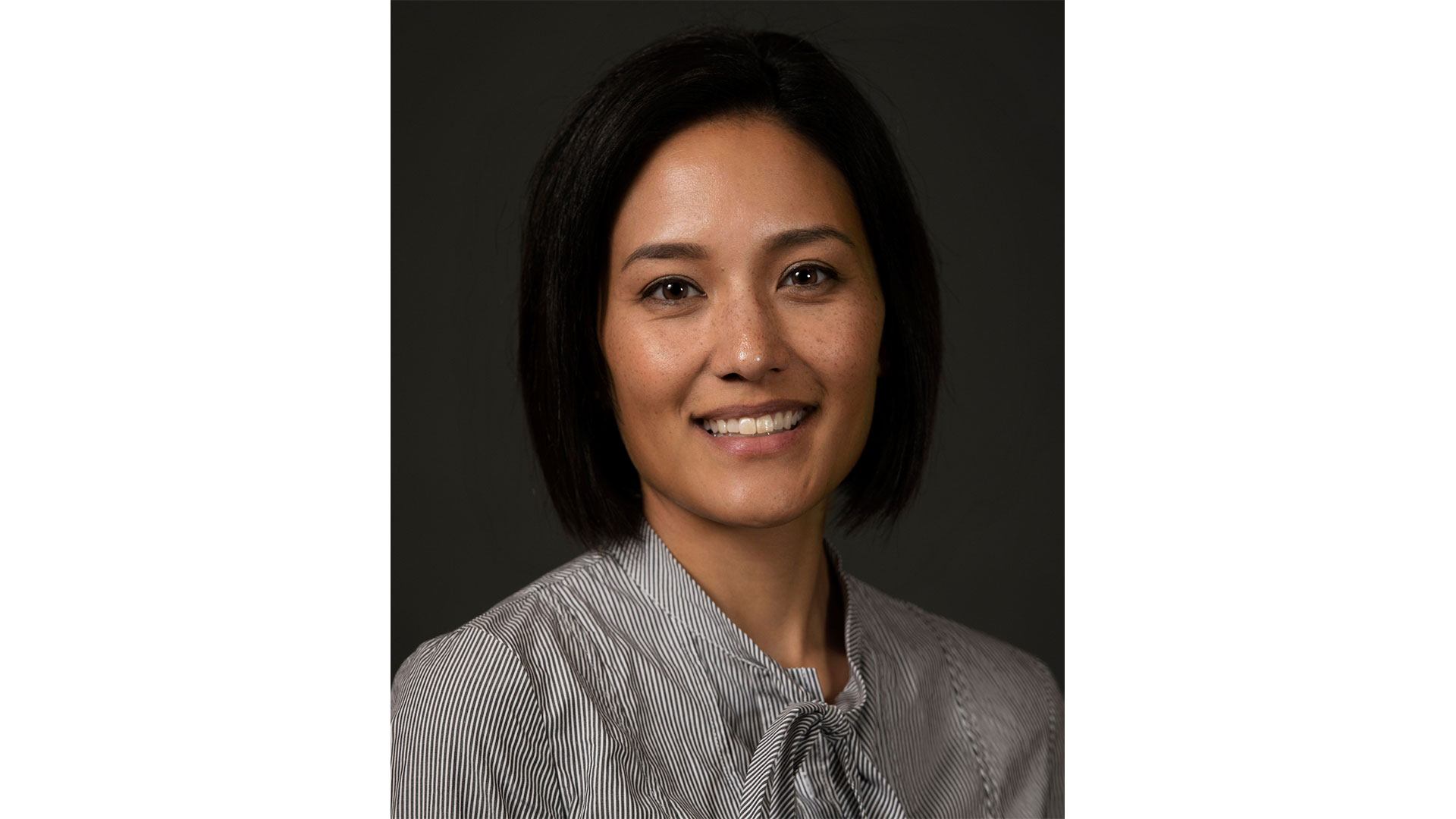
Dr. Kristin Clemens has been selected as the new Site Director for ICES Western, the London, Ontario division of a province-wide non-profit focused on using health-related data to evaluate outcomes. ICES Western is a collaborative initiative between Lawson Health Research Institute, Western University, London Health Sciences Centre (LHSC) and St. Joseph’s Health Care London.
Dr. Clemens is a Scientist at Lawson and an Endocrinologist at St. Joseph’s. She is also an Assistant Professor in epidemiology and biostatistics at Western’s Schulich School of Medicine & Dentistry. Dr. Clemens recently sat down to discuss the impact of the work being done through ICES Western and her hopes for the future.
1. What are you most excited for as ICES Western’s new site director?
I get to continue to work closely with an amazing group of ICES Western staff and scientists. ICES Western is already a well-oiled machine and home to scientific hubs of research in neurological health, homelessness and socioeconomic disparities, surgery, mental health, kidney disease and more. As a leader, I will not only be able to help harness some of our existing strengths, but have a chance to continue to move our institution forward. For example, Dr. Amit Garg (outgoing Site Director) will be advancing new and innovative randomized controlled trials in London, and ICES Western's going to continue to play a major role in that. There is so much more potential for innovation using our data sources; I think it's going to be a really exciting next few years for us.
2. Why did you choose to become involved with ICES Western?
I have been with ICES for about 14 years. I have lived it as an ICES trainee as a Medical Student and Resident/Fellow and became an ICES Adjunct Scientist after completing the inaugural ICES Faculty Scholars program hosted by ICES Western. I became more and more engaged with the community as a member of local ICES committees and then started to lead some of the larger research programs at ICES Western. It was the perfect time and really a natural fit for me to embark on a new leadership journey with the institution.
3. What do you hope to bring to your new position?
I'm an enabling and collaborative researcher and have been fortunate to work with multidisciplinary teams of scientists from across Western and Lawson. What I hope to do is not only support existing ICES staff, scientists, and initiatives, but also attract new researchers to the institution. I think London, Ontario, is such an incredible city for academia. I really want to use my collaborative skills and strong relationships to try to grow and expand our reach.
4. Has the work at ICES played a role in your research?
Yes, absolutely. My clinical and research focus has been on improving the care and outcomes of patients who live with complex comorbidities and disparities. ICES research allows us to focus on real-world gaps in care in Ontario and it gives us an opportunity to study people and patients who have not been able to participate in randomized trials or traditional research studies.
5. What impact does the work at ICES have on research being done in Ontario and across Canada?
ICES is home to one of the world's largest collections of administrative data sets that contain everything from hospital visits and physician encounters to use of medications and long-term care. We also have the unique ability to link data from national surveys or existing cohorts with administrative data. Because of this, ICES is very much at the forefront of improving care and quality for all Ontarians. Our research is shared internationally with both academics and non-academics, and it has changed practice and policy; it's an extremely impactful organization.
6. What do you see in the future for the organization?
I think in the future we will continue to do what we're already great at, like studying the use of health services and existing hubs of research, but also find ways to use our rich data sources, methods and talented staff to really innovate and advance research in London. With new collaborations in the city, we can also continue to grow and contribute.
7. What is the most important thing people should know about ICES?
ICES Western is here for London’s community of researchers, health care providers and decision makers. We have more than 20 scientists and dozens of highly qualified staff who are passionate about advancing high-quality, impactful work. ICES Western is a valuable resource for the community.
A year in review: Lawson research highlights from 2018
New clinical protocol after general surgery cuts opioid prescribing in half
Recognizing the role that opioid prescribing plays in the national opioid crisis, a team of researchers at Lawson and Western University have developed a new clinical protocol called STOP Narcotics. The protocol includes a combination of patient and health care provider education and an emphasis on non-opioid pain control. The study found that they were able to reduce the overall amount of opioids being prescribed after general surgery by 50 per cent while still adequately treating a patient’s post-operative pain. Read more.
Image

Probiotics for respiratory tract infections could save Canada nearly $100 million a year
A recent study suggests the use of probiotics to prevent respiratory tract infections in Canada could result in nearly $100 million per year in savings. There is growing evidence that probiotics can reduce the risk of respiratory tract infections and lower their frequency, as well as reduce the duration of an infection, antibiotic use and absences from work. Replicating a research model used in France, researchers examined the potential clinical and economic impacts in Canada. Read more.
Image

Blood test can predict optimal treatment for advanced prostate cancer, study finds
An international collaborative study between Lawson, Memorial Sloan Kettering Cancer Center, the Royal Marsden and Epic Sciences is one of the first to demonstrate that a blood test can predict how patients with advanced prostate cancer will respond to specific treatments, leading to improved survival. The study used a liquid biopsy test that examines circulating tumour cells (CTCs) in blood samples from patients with advanced prostate cancer who are deciding whether to switch from hormone-targeting therapy to chemotherapy. Read more.
Image
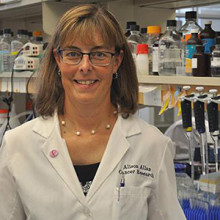
Machine learning could predict medication response in patients with complex mood disorders
Mood disorders like major depressive disorder (MDD) and bipolar disorder are often complex and hard to diagnose, especially among youth when the illness is just evolving. This can make decisions about medication difficult. In a collaborative study by Lawson, The Mind Research Network and Brainnetome Center, researchers have developed an artificial intelligence (AI) algorithm that analyzes brain scans to better classify illness in patients with a complex mood disorder and help predict their response to medication. Read more.
Image
Lawson researchers receive $4.4 million to study personalized medicine at LHSC
Personalized medicine is the analysis of a patient’s DNA to predict how they will respond to medications. Led by Dr. Richard Kim, scientist at Lawson and clinical pharmacologist at London Health Sciences Centre (LHSC), researchers at Lawson have received $4.4 million to study an expanded personalized medicine program at LHSC that involves full integration of research into patient care. Read more.
Image
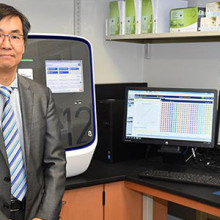
Drinking more water does not slow decline of kidney function for patients with kidney disease clinical trial shows
A study published in JAMA (Journal of the American Medical Association) by researchers at Lawson and Western University found that coaching patients with Chronic Kidney Disease to drink more water does not slow down the decline of their kidney function. Read more.
Image

Funding for unique strategy to prevent homelessness after hospital discharge
On September 10, the Ministry of Families, Children and Social Development, announced that Lawson will receive $223,572 from the Homelessness Partnering Strategy’s Innovative Solutions to Homelessness funding stream to support the project “No Fixed Address Version 2 Expansion” research project. This research will further refine the No Fixed Address strategy for reaching and supporting patients during the crucial transitional period when they are being discharged from the hospital and re-integrated into the community. Read more.
Image
Synthetic surfactant could ease breathing for patients with lung disease and injury
Human lungs are coated with a substance called surfactant which allows us to breathe easily. When lung surfactant is missing or depleted, which can happen with premature birth or lung injury, breathing becomes difficult. In a collaborative study between Lawson and Stanford University, scientists have developed and tested a new synthetic surfactant that could lead to improved treatments for lung disease and injury. Read more.
Image
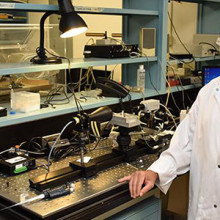
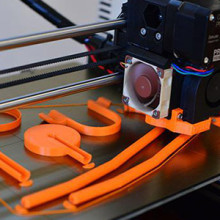
Research team develops clinically-validated 3D printed stethoscope
A team of researchers have developed an open-source, clinically validated template for a 3D printed stethoscope for use in areas of the world with limited access to medical supplies – places where a stethoscope could mean the difference between life and death. Read more.
Image
Family environment influences emotional well-being of children with epilepsy
Children with epilepsy have a higher risk of developing emotional and behavioural disorders, including depression, anxiety and poor self-esteem, yet it has been difficult for researchers to pinpoint why this occurs. Researchers at Children’s Health Research Institute, a Lawson program, have found that family environment influences the relationship between clinical characteristics of epilepsy at diagnosis and children’s emotional well-being two years later. Read more.
Image
How the brain is folded provides researchers with an accurate marker to predict psychosis in high-risk patients
By using images of the brain to look at how its outer surface is folded on itself, researchers can predict which high-risk patients will develop psychosis with more than 80 per cent accuracy. Before now, there has been no way to examine young people before they become ill to reliably identify who will develop acute psychosis and who will not. Read more.
Image

High-dose radiation can improve survival in cancer patients once thought incurable
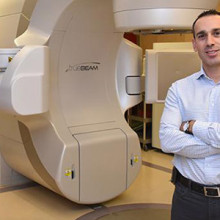
Cancer that spreads from an original tumour to other parts of the body is generally considered incurable. In an international study led by Lawson, researchers challenged this idea by showing that high-dose radiation can improve survival in patients with cancer that has spread to five or less sites. The study called SABR-COMET was the first randomized phase II clinical trial of its kind. Read more.
Image
… activities and incorporating rest into the day is key. Many patients try to ignore their symptoms and end up in the … activities and incorporating rest into the day is key. Many patients try to ignore their symptoms and end up in the …
Developed by the Acquired Brain Injury Outpatient Program, Parkwood lnstitute. The first 48 hours after concussionREST! Experiencing effects of a concussion? What is a concussion? A concussion is a mild brain injury caused typically, but not always, by an impact to the head, with or without loss of ...
… Injury Outpatient Program Tip sheet Meal planning Many patients report difficulties with grocery shopping and … Injury Outpatient Program Tip sheet Meal planning Many patients report difficulties with grocery shopping and …
CARING FOR THE BODY, MIND & SPIRIT SINCE 1869 Renowned for compassionate care, St. Josephs is one of the best academic health care organizations in Canada dedicated to helping people live to their fullest by minimizing the effects of injury, disease and disability through excellence in care, teachin...
… Injury Outpatient Program Tip sheet Meal planning Many patients report difficulties with grocery shopping and … Injury Outpatient Program Tip sheet Meal planning Many patients report difficulties with grocery shopping and …
CARING FOR THE BODY, MIND & SPIRIT SINCE 1869 Renowned for compassionate care, St. Josephs is one of the best academic health care organizations in Canada dedicated to helping people live to their fullest by minimizing the effects of injury, disease and disability through excellence in care, teachin...
About Lawson Research
Lawson Research Institute is discovery-driven and patient-focused
Excellent patient care stems from outstanding health research.
At Lawson Research Institute we are revolutionizing health care through discoveries that transform lives and communities.
Contact Lawson Research Work with Us Data Management EDI-B
As the research arm of St. Joseph’s Health Care London, Lawson is one of Canada’s premier health research institutes. For more than 40 years, a culture of curiosity and innovation has propelled Lawson to become a renowned leader in research that is making a difference in patient lives here and around the globe:
- We conducted the world’s first non-invasive images measuring blood flow to the brain and were the first research site in Canada with PET/MRI and PET/CT scanners – the latest version now diagnosing complex conditions better and faster than any other in the country.
- We’re international pioneers in the causes and early treatment of dementia.
- Innovators in probiotics for a healthy immune system, diabetes care and surgical interventions.
- Trailblazers in mental health research, and in understanding strokes, brain injury and rehabilitation.
This is Lawson.
We’re driven by the conviction that patient care improves when research includes everyone, everywhere.
That’s why Lawson’s 200 researchers and associate scientists – along with hundreds of other staff members, physicians, students, patients, donors, and academic and funding partners – are laser-focused on embedding research into the work of improving health for all.
Lawson Research Institute leads.
Read more to discover where it can lead you.
Academic Affiliation
Lawson Research Institute of St. Joseph’s Health Care London is proud to be affiliated with Western University. Through shared faculty appointments, collaborative research programs and clinical education, we work together to advance health research and improve patient care. St. Joseph’s plays a key role in training the next generation of health professionals and supporting discoveries that have impact for health care locally and beyond.
Facts about Osteoporosis What is osteoporosis? Osteoporosis means porous or brittle bones. Weak bones can break easily; fractures of the hip, wrist and spine are commonly associated with osteoporosis. Bone is surprisingly dynamic. It is constantly remodelled; bits of bone are eaten away or resorbed,...
… standards in many areas. They speak with and observe patients, staff, volunteers and leadership. Accreditation … have personal discussions with frontline staff, volunteers, patients and caregivers, and will also observe how staff and volunteers interact with patients and visitors, and offer feedback based on best …
Accreditation 2019 Information for Volunteers WHAT IS ACCREDITATION? Through a peer review process every four years, accreditation allows an organization to see what is going well and which areas within the organization need improvement. Accreditation enables an organization to demonstrate its comm...
… a manner that respects the dignity and independence of all patients with disabilities. The provision of care is in the spirit of integration as we strive to provide patients with disabilities with the same or similar … Assistive Devices When accessing care or services, patients are requested to bring with them assistive devices …
2014_01_07 accessibility policy for internet SG Accessibility for Persons with Disabilities Policy, 2013 Policy St. Josephs Health Care, Londons (St. Josephs) Accessibility for Persons with Disabilities Policy was initially approved in 2009 and has since under gone several revisions. This policy ref...
… St. Joseph’s is also committed to ensuring that all patients have an equal opportunity to obtain, use, and … access, policies, programs, practices and services for patients and their family members, staff members, health … plan; and the provision of quality services to patients and their family members and members of the …
St. Josephs Accessibility Plan Status Report: 2014 Page 1 Accessibility Plan January 2013 December 2015 Status Report February 2014 Submitted to St. Josephs Accessibility Advisory Committee February 21, 2014 Submitted to St. Josephs Senior Leadership Team on March 11, 2014 St. Josephs Accessibility...
… St. Joseph’s is also committed to ensuring that all patients have an equal opportunity to obtain, use, and … access, policies, programs, practices and services for patients and their family members, staff members, health … plan; and the provision of quality services to patients and their family members and members of the …
St. Josephs Accessibility Plan 2016-2019 Page 1 Accessibility Plan January 2016 December 2019 Submitted to St. Josephs Accessibility Advisory Committee December 24, 2015 Submitted to St. Josephs Senior Leadership Team January 26, 2016 St. Josephs Accessibility Plan 2016-2019 Page 2 Introduction In ...