


Search
Search
2194 Search Results:
Dialysis patients four times more likely to die from COVID-19 infection
LONDON, ON - Patients in Ontario with chronic kidney conditions who require dialysis have a significantly increased likelihood of contracting and dying from COVID-19, new research from Western University and Lawson Health Research Institute has shown. Study author Dr. Peter Blake says the research emphasizes the need to prioritize dialysis patients for vaccination.
Published in CMAJ, the study shows that of the more than 12,000 patients undergoing long-term dialysis in Ontario, 187 patients became infected with SARS-CoV-2 between March and August 2020. Of the patients who were infected, 60 per cent needed to be hospitalized and nearly 30 per cent died. That’s almost four times the mortality rate from COVID-19 than the general population.
The researchers continued to collect data into the second wave of the pandemic, and report that as of the end of January 2021, a further 424 dialysis patients were diagnosed with COVID-19, equivalent to 4.5 per cent of all dialysis patients in the province, and that 130 have now died.
“Early reports from Wuhan and Milan showed chronic dialysis patients were vulnerable to COVID-19, and that’s why we decided to undertake this study,” said Dr. Blake, Professor at Western’s Schulich School of Medicine & Dentistry and Associate Scientist at Lawson. “We were surprised to see that both the mortality rate and hospitalization rate were so high here in Ontario.”
The researchers also found that patients who regularly underwent dialysis at the hospital, rather than at home, were at far greater risk of COVID-19 infection; and point out that only a quarter of dialysis patients in Ontario currently have at-home dialysis.
“As the pandemic proceeds, focused efforts should be made to protect this vulnerable group of individuals from infection,” said Dr. Blake. “We also encourage patients to take at-home dialysis whenever possible to reduce the risk of exposure to COVID-19.”
The data for the study was collected by the Ontario Renal Network, which developed a weekly surveillance data collection tool to gather key information about chronic dialysis patients during the pandemic.
-30-
About Lawson Health Research Institute
Lawson Health Research Institute is one of Canada’s top hospital-based research institutes, tackling the most pressing challenges in health care. As the research institute of London Health Sciences Centre and St. Joseph’s Health Care London, our innovation happens where care is delivered. Lawson research teams are at the leading-edge of science with the goal of improving health and the delivery of care for patients. Working in partnership with Western University, our researchers are encouraged to pursue their curiosity, collaborate often and share their discoveries widely. Research conducted through Lawson makes a difference in the lives of patients, families and communities around the world. To learn more, visit www.lawsonresearch.ca.
About Western
Western delivers an academic experience second to none. Since 1878, The Western Experience has combined academic excellence with life-long opportunities for intellectual, social and cultural growth in order to better serve our communities. Our research excellence expands knowledge and drives discovery with real-world application. Western attracts individuals with a broad worldview, seeking to study, influence and lead in the international community.
About The Schulich School of Medicine & Dentistry
The Schulich School of Medicine & Dentistry at Western University is one of Canada’s preeminent medical and dental schools. Established in 1881, it was one of the founding schools of Western University and is known for being the birthplace of family medicine in Canada. For more than 130 years, the School has demonstrated a commitment to academic excellence and a passion for scientific discovery.
Media Contacts
Celine Zadorsky
Senior Media Relations Consultant
Communications & Public Engagement
T: 519-685-8500 ext. 73502
Celine.zadorsky@lhsc.on.ca
… Step 1: How to create a patient account 12-34567 For patients Need support? Contact us at support@diasend.com or … Step 1: How to create a patient account 12-34567 For patients Need support? Contact us at support@diasend.com or … Diasend1 pager for patients …
1 2 3 5 Enter your email address, which will be your username, as well as a password of your choosing for your diasend Personal account. Click continue. You will receive an e-mail from your nurse/doctor with the title Your care provider invites you to join diasend. Click on the link in this e-mail t...
Dictation System - LHSC and St. Joseph's You must have your own personal and confidential dictating User ID number. To have your personal dictating user ID number arranged, please contact Transcription Services at: London Health Sciences Centre - 519-685-8500 extension 35131 St. Joseph's Health Ca...
Differences in walking patterns could predict type of cognitive decline in older adults
LONDON, ON - Canadian researchers are the first to study how different patterns in the way older adults walk could more accurately diagnose different types of dementia and identify Alzheimer’s disease.
A new study by a Canadian research team, led by London researchers from Lawson Health Research Institute and Western University, evaluated the walking patterns and brain function of 500 participants currently enrolled in clinical trials. Their findings are published today in Alzheimer's & Dementia: The Journal of the Alzheimer's Association.
“We have longstanding evidence showing that cognitive problems, such as poor memory and executive dysfunction, can be predictors of dementia. Now, we’re seeing that motor performance, specifically the way you walk, can help diagnose different types of neurodegenerative conditions,” says Dr. Manuel Montero-Odasso, Scientist at Lawson and Professor at Western’s Schulich School of Medicine & Dentistry.
Dr. Montero-Odasso is world renowned for his research on the relationship between mobility and cognitive decline in aging. Leading the Mobility, Exercise and Cognition (MEC) team in London, he is pioneering novel diagnostic approaches and treatments to prevent and combat early dementia.
This study compared gait impairments across the cognitive spectrum, including people with Subjective Cognitive Impairment, Parkinson’s Disease, Mild Cognitive Impairment, Alzheimer’s disease, Lewy body dementia and Frontotemporal dementia, as well as cognitively healthy controls.
Four independent gait patterns were identified: rhythm, pace, variability and postural control. Only high gait variability was associated with lower cognitive performance and it identified Alzheimer’s disease with 70 per cent accuracy. Gait variability means the stride-to-stride fluctuations in distance and timing that happen when we walk.
“This is the first strong evidence showing that gait variability is an important marker for processes happening in areas of the brain that are linked to both cognitive impairment and motor control,” notes Dr. Frederico Perruccini-Faria, Research Assistant at Lawson and Postdoctoral Associate at Western’s Schulich School of Medicine & Dentistry, who is first author on the paper. “We’ve shown that high gait variability as a marker of this cognitive-cortical dysfunction can reliably identify Alzheimer’s disease compared to other neurodegenerative disorders.”
When cognitive-cortical dysfunction is happening, the person’s ability to perform multiple tasks at the same time is impacted, such as talking while walking or chopping vegetables while chatting with family.
Having gait variability as a motor marker for cognitive decline and different types of conditions could allow for gait assessment to be used as a clinical test, for example having patients use wearable technology. “We see gait variability being similar to an arrhythmia. Health care providers could measure it with patients in the clinic, similar to how we assess heart rhythm with electrocardiograms,” adds Dr. Montero-Odasso.
This study was primarily funded by the Canadian Consortium on Neurodegeneration in Aging (CCNA), a collaborative research program tackling the challenge of dementia and other neurodegenerative illnesses. The CCNA was supported by a grant from the Canadian Institutes of Health Research
-30-
About Lawson Health Research Institute
Lawson Health Research Institute is one of Canada’s top hospital-based research institutes, tackling the most pressing challenges in health care. As the research institute of London Health Sciences Centre and St. Joseph’s Health Care London, our innovation happens where care is delivered. Lawson research teams are at the leading-edge of science with the goal of improving health and the delivery of care for patients. Working in partnership with Western University, our researchers are encouraged to pursue their curiosity, collaborate often and share their discoveries widely. Research conducted through Lawson makes a difference in the lives of patients, families and communities around the world. To learn more, visit www.lawsonresearch.ca.
About Western
Western delivers an academic experience second to none. Since 1878, The Western Experience has combined academic excellence with life-long opportunities for intellectual, social and cultural growth in order to better serve our communities. Our research excellence expands knowledge and drives discovery with real-world application. Western attracts individuals with a broad worldview, seeking to study, influence and lead in the international community.
About The Schulich School of Medicine & Dentistry
The Schulich School of Medicine & Dentistry at Western University is one of Canada’s preeminent medical and dental schools. Established in 1881, it was one of the founding schools of Western University and is known for being the birthplace of family medicine in Canada. For more than 130 years, the School has demonstrated a commitment to academic excellence and a passion for scientific discovery.
Media Contacts
Celine Zadorsky
Senior Media Relations Consultant
Communications & Public Engagement
T: 519-685-8500 ext. 73502
Celine.zadorsky@lhsc.on.ca
Differences in walking patterns could predict type of cognitive decline in older adults
Canadian researchers are the first to study how patterns in the way older adults walk could more accurately diagnose different types of dementia and identify Alzheimer’s disease.
A new study by a Canadian research team, led by London researchers from Lawson Health Research Institute and Western University, evaluated the walking patterns and brain function of 500 participants currently enrolled in clinical trials. Their findings are published in Alzheimer's & Dementia: The Journal of the Alzheimer's Association.
Image
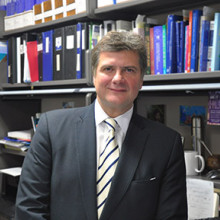
Dr. Montero-Odasso is world renowned for his research on the relationship between mobility and cognitive decline in aging. Leading the Mobility, Exercise and Cognition (MEC) team in London, he is pioneering novel diagnostic approaches and treatments to prevent and combat early dementia. Dr. Montero-Odasso is also co-lead of the Mobility, Exercise and Cognition Team at CCNA, a team composed of 22 researchers and 6 trainees.
This study compared gait impairments across the cognitive spectrum, including people with Subjective Cognitive Impairment, Parkinson’s Disease, Mild Cognitive Impairment, Alzheimer’s disease, Lewy body dementia and Frontotemporal dementia, as well as cognitively healthy controls. The study used data from the COMPASS-ND Cohort and the Gait and Brain Study Cohort.
Image
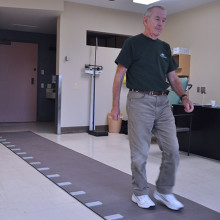
Gait assessment looks at the way in which we move our whole body from one point to another, helping to analyze mobility and the brain processes involved.
Four independent gait patterns were identified: rhythm, pace, variability and postural control. Only high gait variability was associated with lower cognitive performance and it identified Alzheimer’s disease with 70 per cent accuracy. Gait variability means the stride-to-stride fluctuations in distance and timing that happen when we walk.
“This is the first strong evidence showing that gait variability is an important marker for processes happening in areas of the brain that are linked to both cognitive impairment and motor control,” notes Dr. Frederico Perruccini-Faria, Research Assistant at Lawson and Postdoctoral Associate at Western’s Schulich School of Medicine & Dentistry, who is first author on the paper.
“We’ve shown that high gait variability as a marker of this cognitive-cortical dysfunction can reliably identify Alzheimer’s disease compared to other neurodegenerative disorders.”
When cognitive-cortical dysfunction is happening, the person’s ability to perform multiple tasks at the same time is impacted, such as talking while walking or chopping vegetables while chatting with family.
“Having gait variability as a motor marker for cognitive decline and different types of conditions could allow for gait assessment to be used as a clinical test, for example having patients use wearable technology,” says Dr. Richard Camicioli, Professor at the University of Alberta and co-senior author on the paper.
The London team collaborated with researchers at the University of Toronto, University of Calgary and University of Alberta. They are part of the Canadian Consortium on Neurodegeneration of Aging (CCNA), a collaborative research program tackling the challenge of dementia and other neurodegenerative illnesses.
Dr. Montero-Odasso adds that this gait variability could be perceived as similar to an arrhythmia. Health care providers could potentially measure it in clinical settings, like how heart rhythm is assessed with electrocardiograms.
This study was primarily funded by CCNA, supported by a grant from the Canadian Institutes of Health Research.
Scientist
Discovery shows promise for treatment of glaucoma
In a new study from Lawson Health Research Institute (Lawson), scientists have discovered that a specific protein has the potential to be used to treat some patients with primary open-angle glaucoma.
Primary open-angle glaucoma is the most common type of glaucoma, which is a group of diseases that affect nearly 70 million people worldwide. Glaucoma is characterized by progressive damage to the optic nerve which ultimately leads to blindness. In this new study, led by Dr. Sunil Parapuram, researchers examined the role of a protein called “phosphatase and tensin homolog” (PTEN) in the trabecular meshwork. The trabecular meshwork is a porous tissue in the eye through which the clear fluid that fills the eye drains out.
In some primary open-angle glaucoma patients, the structure of the trabecular meshwork is damaged by fibrosis. Fibrosis is a thickening or scarring of tissue which is caused by an excess amount of matrix molecules such as collagen. Fibrosis of the trabecular meshwork prevents the fluid in the eye from draining out normally, which leads to increased pressure in the eye and damage to the optic nerve.
Dr. Parapuram’s team found that the inactivation of the protein PTEN can cause too many matrix molecules to be deposited in the trabecular meshwork, leading to fibrosis. On the other hand, when PTEN activity was increased, it reduced the amount of matrix molecules being deposited in the trabecular meshwork. These results indicate that drugs that can activate PTEN have high potential to be used as a treatment for open-angle glaucoma.
“There’s an immediate need for a new generation of therapeutic drugs for more effective treatment of glaucoma,” says Dr. Parapuram, a Lawson scientist at St. Joseph’s Health Care London and an assistant professor in the Departments of Ophthalmology and Pathology at the Schulich School of Medicine & Dentistry, Western University. “While further research is needed, drugs that activate PTEN could be the answer.”
Dr. Parapuram’s team will continue to study the function of PTEN in the trabecular meshwork in more detail and test the role of drugs that activate the protein as a potential treatment for primary open angle glaucoma.
Image
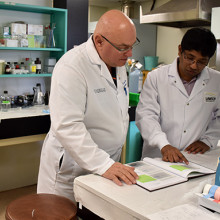
Dr. Michael Motolko (left), Chair/Chief, Department of Ophthalmology, and Dr. Sunil Parapuram (right).
“This study highlights the expansion of our department’s research activities into basic science application and its findings are relevant to many other fibrotic diseases,” says Dr. Michael Motolko, Chair/Chief, Department of Ophthalmology, Schulich School of Medicine & Dentistry,Western University, London Health Sciences Centre and St. Joseph’s Health Care London.
The study, “TGF-β induces phosphorylation of phosphatase and tensin homolog: implications for fibrosis of the trabecular meshwork tissue in glaucoma,” is published in Nature’s Scientific Reports.
Scientist
St. Josephs Health Care Foundation Page 1 of 3 Donor Complaint and/or Concerns Policy #200-3 Board Policy Subject: Donor Complaint and/or Concerns Policy No.: #200-3 Section: Donor Relations Approved by: Board of Directors Date Approved: June 20, 2018 June 18, 2014 Reviewed by: Executive Committee D...
… including the option to limit or opt out of future contact. Patients who do not opt out may receive correspondence from … philanthropic support for the Hospital’s mission. Patients may opt out of receiving any form of communication … and lawful means. The Foundation does not have access to patients’ medical information, and only St. Joseph’s Health …
St. Josephs Health Care Foundation page 1 of 9 Privacy Policy #500-9 Board Policy Subject: Privacy Policy No.: #500-9 Section: General Administration Approved by: Board of Directors Date Approved: June 20, 2018 September 19, 2015 March 30, 2011 May 26, 2005 Reviewed by: Executive Committee Date Revi...
… Predictors of disease severity in ulcerative colitis patients from Southwestern Ontario. World Journal of … Predictors of disease severity in ulcerative colitis patients from Southwestern Ontario. World Journal of …
~ SIJOSEPHs HEALTH CARE LONDON RECENT PSYCHOLOGY STAFF PUBLICATIONS St. JOSEPHS HEALTH CARE LONDON (Updated December 2021) Bevis, B., Hudson, M., Knafo, R., Baron, M. Nielson, W.R., Hill, M., Thumbs, B. (2012). Sexual activity and impairment in women with systemic sclerosis. Arthritis Care and Resea...
… exceeds the current Smoke-Free Ontario Act and applies to patients, residents, staff, and all those who visit St. … • St. Joseph’s offers education and supports for patients, staff and volunteers who wish to reduce or stop … exceeds the current Smoke-Free Ontario Act and applies to patients, residents, staff, and all those who visit St. …
CARING FOR THE BODY, MIND & SPIRIT SINCE 1869 Renowned for compassionate care, St. Josephs is one of the best academic health care organizations in Canada dedicated to helping people live to their fullest by minimizing the effects of injury, disease and disability through excellence in care, teachin...
June 2 3, 2023 HAND AND UPPER LIMB SYMPOSIUM SURGERY & REHABILITATION OF THE UPPER LIMB Back t o Basics NOVEMBER 22ND & 23RD, 2019 SYMPOSIUM DESCRIPTION This 2 day symposium for health professionals will focus on rehabilitation of the elbow, wrist and hand. The Roth|McFarlane Hand & Upper Limb surg...
Parkwood Access Admission Process Flow Questions? Call 519-685-4809 or e-mail parkwoodaccess@sjhc.london.on.ca or fax 519-685-4804 Step 1 Go to http://www.sjhc.london.on.ca/parkwoodaccess and read the General Program Information and Admission Criteria and then identify the most appropriate program ...
… across the Southwestern Ontario catchment area to link patients to the appropriate ongoing supports (e.g. ACT … back into their communities. Our Role We work to enable our patients to improve their functioning so they can be … supports necessary to ensure the safety and security of patients, sta� , and the public. Our Team Interdisciplinary …
Because we all need St. Josephs. www.sjhc.london.on.cawww.sjhc.london.on.cawww.sjhc.london.on.ca Safe and successful transition back into the community. RMHC Regional Mental Health Care Who We Are The Forensic Psychiatry Program at St. Josephs Regional Mental Health Care (RMHC) St. Thomas provides s...
… Security, Health and Safety Environmental Services Staff, patients and visitors Senior Leadership PSA Website Emails … radiopharmaceuticals are used for imaging procedures on patients called positron emission tomography or PET. PET is … Security, Health and Safety Environmental Services Staff, patients and visitors Senior Leadership PSA Website Emails …
~------...... ........._ LAWSON HEALTH RESEARCH INSTITUTE Public Information and Disclosure Protocol Cyclotron & PET Radiochemistry Facility located at St. Josephs Health Care London Updated September 2021 LAWSON HEALTH RESEARCH INSTITUTE Public Information and Disclosure Protocol Cyclotron & PET Ra...
… care department that effectively meets the need of patients of all religious convictions” and “to ensure that … to the board, the administration and health care staff, the patients and the broader community. as such, the committee … ethical issues and provide ethics consultation to support patients/ residents/clients, their families and care …
A Future Nurtured in Histories of Faith & Compassion A Future Nurtured in Histories of Faith & Compassion Like the tree that takes root & then bears fruit, st. Josephs health Care, London continues to grow from the humble and compassionate beginnings of our founders, the sisters of st. Joseph, ...
Parkwood Access Admission Process Flow Questions? Call 519-685-4809 or e-mail parkwoodaccess@sjhc.london.on.ca or fax 519-685-4804 Step 1 Go to http://www.sjhc.london.on.ca/parkwoodaccess and read the General Program Information and Admission Criteria and then identify the most appropriate program ...
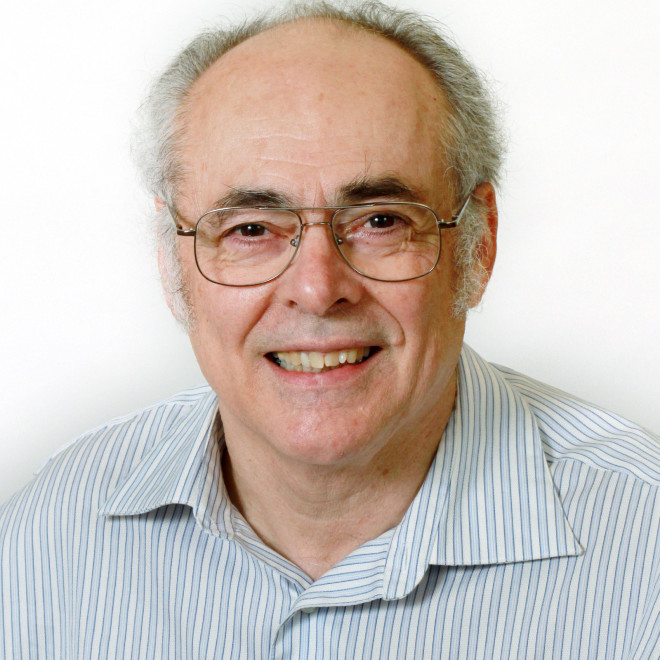
Dr. Frank S. Prato
Full Name
Dr. Frank S. Prato
Role
Location
Degrees and Qualifications
PhD, FCCPM, ABMP, FCOMP, FURSI, FCAHS
Research Overview
Over the last 30 years I have founded a research imaging program at Lawson that currently includes 23 Ph.Ds. and 7 MDs. The focus is to provide leading edge medical imaging technology to the patients of Southwestern Ontario, to citywide researchers and to foster what is needed for clinical trials. We have had a rich history including: first MRI in Canada (1982), first perfusion CT in the world (2000), first PET/CT in Canada (2002), first PET/MRI in Canada (2012).
In the last decade we have introduced PET technology to London including a medical cyclotron and radiochemistry facility that supplies Health Canada approved products to London, Toronto and Windsor. We are a hospital based research program and as such we have a stewardship responsibility to our patients to provide the best medical imaging facilities to guide their treatment and when they reach the limits of proven treatment methods they have the option to enroll in clinical trials that explore new treatment approaches.
Publications:


Biography
Since founding the Lawson Imaging Research Program in the 1980s Frank Prato has led the introduction of a number of new imaging technologies here in London. For example in 1982 his laboratory produced the first human MRI in Canada. Since 2002 Frank has focused on the introduction of new molecular imaging methods including the establishment of advanced positron emission tomography (PET) facilities in combination with magnetic resonance imaging (MRI). In 2012 the Lawson Imaging Research team installed Canada’s first human hybrid PET/MRI at Lawson’s St. Joseph’s Hospital site. Currently Frank is involved in the PET/MRI imaging of neuro-degenerative diseases caused by dementia and mental illness as well as in the study of cardiac diseases that lead to heart failure. Frank’s focus is to improve early diagnosis of disease to limit disability caused by chronic disease/conditions. Frank’s program is located within the hospital/patient environment as Imaging research is an essential part of the patient care continuum.
Scientific Record
- 6113 life time citations, h-index = 45 (Scopus)
- 10,624 life time citations, h-index = 58 (Google Scholar)
- 300+ peer-reviewed publications (222 papers)
- 700+ conference abstracts
- 184 invited presentations
- 67 graduate students and PDFs
- 14 patents and 4 spin-off companies
Dr. Jacobi Elliott
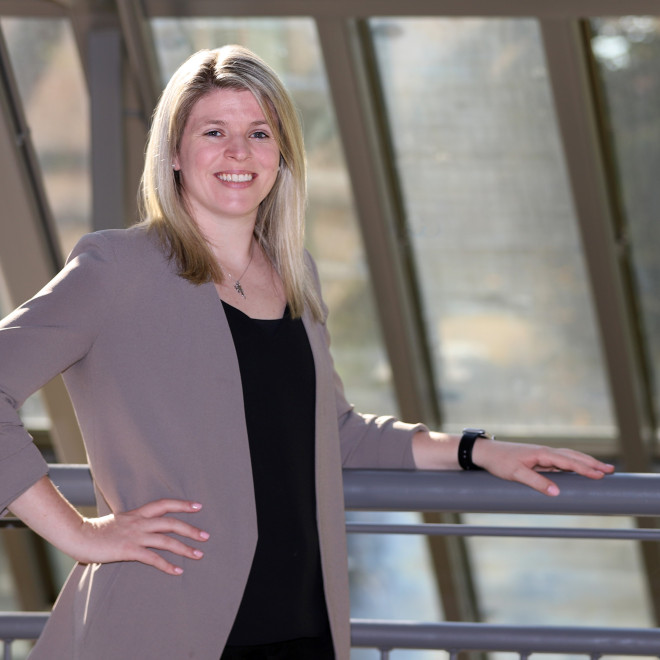
Full Name
Dr. Jacobi Elliott
Role
Location
Degrees and Qualifications
PhD
Research Area
Research Overview
Dr. Elliott has focused on establishing a comprehensive program of research focused around geriatrics and the health care system.
Biography
As an Early Career Researcher (ECR), Dr. Elliott has been involved as Nominated Principal Applicant, co-Principal Applicant or co-Applicant on research funding from tri-council and community grants.
She has more than 35 published papers related to health systems research and patient/family engagement and has been recognized with multiple awards for her conference presentations.
Dr. Elliott is a Scientist with Lawson Research Institute and holds Adjunct Assistant Professor appointments at Western University (Faculty of Health Sciences) and the University of Waterloo (School of Public Health Sciences).
Currently, Dr. Elliott is the Director, Research & Strategy for the Regional Geriatric Program of Southwestern Ontario, hosted by St. Joseph's Health Care London.
Dr. Alexandre Legros
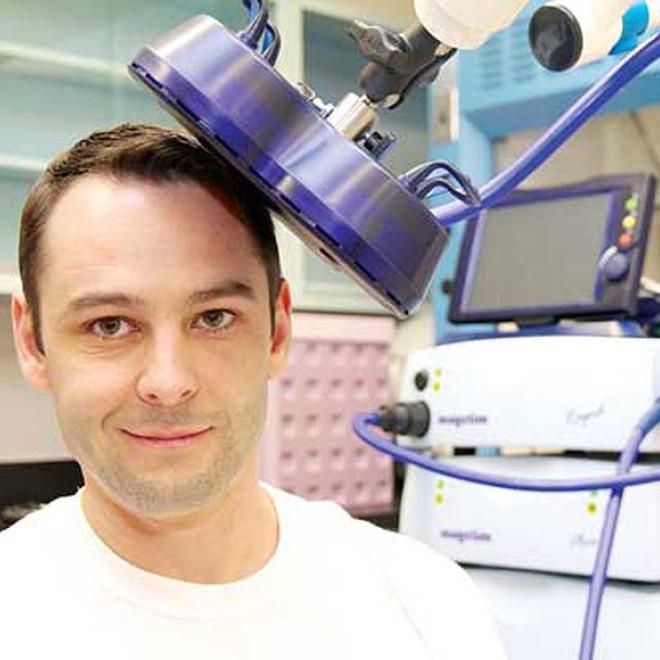
Full Name
Dr. Alexandre Legros
Role
Location
Degrees and Qualifications
PhD
Website
Research Overview
His background mainly relates to the effects of specific electromagnetic stimuli (from DBS to power-frequency magnetic fields) on human brain processing, motor control and cognitive functions. Dr Legros is managing an international industrial and scientific collaborations through industry-partnered academic support from the Canadian Institute of Health Research (CIHR).
He has expertise in acquisition and analysis of brain electric and metabolic signals (EEG, fMRI), subtle movement quantification and characterization (e.g. physiological tremor, standing balance), cognitive performances quantification, physiological monitoring (cardiovascular parameters).
Biography
Dr. Alexandre Legros is a full time scientist in the Imaging Program at Lawson, where he is the director of Human Threshold Research Group and Testing Facility. He is also an Associate Professor in the Departments of Medical Biophysics and Medical Imaging within the Schulich School of Medicine and Dentistry, and in the School of Kinesiology from within the Faculty of Health Sciences at Western University.
He received his PhD in Kinesiology in 2004 (University of Montpellier, France) and completed a first postdoctoral fellowship in neuroscience studying the impact of Deep Brain electric Stimulation (DBS) on patients implanted with electrodes suffering from dystonic syndromes (Neurosurgical Unit, University of Montpellier, France). He started a second postdoctoral fellowship in the BEMS group at Lawson in 2005 before being recruited as a young scientist in September 2007.
Dr. Legros has expertise in the fields of neuroscience, kinesiology, biophysics, and he his currently promoting the use of mathematical neuroscience to study the interaction between time-varying magnetic fields and neuronal assemblies/networks.
Dr. Arlene MacDougall appointed Director of Research and Innovation for St. Joseph’s Mental Health Care
Dr. Arlene MacDougall has been appointed as Director of Research and Innovation for mental health care at St. Joseph’s Health Care London and Lawson Health Research Institute.
She will oversee and facilitate all mental health care research at both Parkwood Institute and Southwest Centre for Forensic Mental Health Care, working to develop strong local and global partnerships, engage patients and their caregivers in research activities, and foster trans-disciplinary approaches to research.
Her goal is to build on existing research strengths in mood disorders, suicide and smart technology. She also will look to develop research links between Mental Health and Parkwood Institute’s other major research programs, Cognitive Vitality and Brain Health, and Mobility and Activity.
Dr. MacDougall joined Lawson and the Department of Psychiatry at the Schulich School of Medicine & Dentistry, Western University in 2013 working with the Prevention and Early Intervention Program for Psychoses at London Health Sciences Centre. Last year she was cross appointed to the Department of Epidemiology and Biostatistics at Schulich.
“I come to this new role with a great deal of optimism, energy and enthusiasm. Parkwood Institute Research has a number of established strengths in the mental health care field as well as potential for new streams of research and innovation,” says Dr. MacDougall. “I look forward to working with researchers, staff, and patients and their supporters, as well as academic and community partners, to make Parkwood Institute a leading centre in Canada for mental health research.”
Parkwood Institute Research is a Lawson program that represents inter-disciplinary clinical research and focuses on the advancement of innovations and discoveries that directly improve patient care.
Dr. MacDougall will continue her own program of research, which includes recovery-oriented interventions for people with serious mental illness locally and in Africa. She is leading local studies on the use of mindfulness meditation and participatory video interventions to promote recovery among youth with early psychosis. She is also leading a project based in Kenya using social businesses and a low cost psychosocial rehabilitation toolkit to create meaningful employment, promote social inclusion and support the overall functioning and recovery of people with serious mental illness in low income settings.
Most recently she has been involved in developing and leading initiatives that use social innovation approaches to tackle complex mental health system challenges both locally and globally.
At Western, she is the Director of Global MINDS (Mental Health Incubator for Disruptive Solutions) @ Western, an educational and research initiative that supports students, faculty and community stakeholders to create solutions that will reduce the global burden of mental disorders. Global MINDS is focused on innovating for low and middle income countries and for marginalized communities in Canada. Another initiative, MINDS of London-Middlesex, is working with multiple local stakeholders to collaboratively establish a social innovation lab and use collective impact approaches that will lead to solutions that address complex challenges in the local mental health system.
Dr. MacDougall began her new role on February 1, 2017 and joins Drs. Michael Borrie and Tim Doherty as Joint/Acting Beryl and Richard Ivey Research Chair in Aging, Mental Health, Rehabilitation and Recovery. She also joins Lawson’s Research Executive Committee as Assistant Director (interim) for Parkwood Institute Research, Mental Health.
Scientist