


Search
Search
2194 Search Results:
Lawson Impact Awards celebrates research making a difference
With nearly 300 guests in attendance, health research was celebrated at the fourth annual Lawson Impact Awards on Wednesday, April 19 at the London Convention Centre.
The Lawson Impact Awards celebrates hospital-based research that makes a difference by advancing scientific knowledge and applying it directly to patient care. With awards in seven categories, the annual event honours Lawson scientists, staff, trainees and partners who demonstrate excellence.
“The Lawson Impact Awards recognizes those who have made exceptional contributions to science and innovation. This year's winners include individuals, groups and partners who work tirelessly to improve our understanding of health and disease in Canada and around the world,” says Dr. David Hill, Scientific Director, Lawson Health Research Institute.
This year’s Lawson Impact Awards winners include:
- Dr. Peeyush Lala - Scientist Career Award
- Drs. Glenn Bauman and Aaron Ward - Innovation Award
- Dr. Gediminas Cepinskas - Dr. Joseph Gilbert Research Contribution of the Year Award
- IDB Holland bv - Industry Partner of the Year Award
- Helen and Andy Spriet - Community Partner of the Year Award
- Arthroplasty Clinical Research Team (Dr. Lyndsay Somerville, Codie Primeau and Bryn Zomar) - Staff Award of Excellence
- Charles Ishak - Leadership Award (Student & Trainee)
The recipients of Lawson’s 2017 Strategic Research Fund (SRF) were also revealed at the Lawson Impact Awards. The Lawson SRF is an annual competition that supports projects that will advance science in alignment with Lawson’s strategic research goals, as outlined in the Lawson Strategic Plan 2014-2018. For the second year in a row, the 2017 competition was focused on “inflammation”. The following two projects were awarded $50,000 over a two-year period:
- “Re-setting the breast microbiome to lower inflammation and risk of cancer” – Drs. Muriel Brackstone and Gregor Reid
- “Assessing acute cardiac inflammation after left-sided breast cancer radiotherapy with hybrid PET/MRI” – Drs. Stewart Gaede and Gerald Wisenberg
A highlight of the event was a keynote presentation from record-breaking Canadian astronaut, aquanaut and researcher, Dr. Dave Williams, titled “The Art of the Possible: Innovation Transforming Healthcare”. Dr. Williams provided an inspiring talk that used examples from his space shuttle missions and health research to illustrate how the impossible can be made possible.
In addition, this year’s event honoured Canada’s 150th year as a nation by paying tribute to Canadian scientists and the contributions they’ve made on the world stage. Acknowledging the role of Lawson scientists in continuing this legacy, attendees were also asked to provide their feedback about the future of innovation. These insightful ideas will be shared in the months to come as Lawson continues to celebrate Canada 150.
To view videos of each award winner, visit the Lawson YouTube page. To see more photos from the event, visit Lawson's Facebook page.
Lawson Impact Awards Community Partner of the Year Award: Archie Verspeeten
A London philanthropist and his family are helping advance genomic cancer research to improve patient care
After being personally touched by cancer, Archie Verspeeten and his family have dedicated their philanthropy towards supporting advancements in cancer research through the London Health Sciences Foundation (LHSF).
Through generous support, the Verspeeten’s have helped create the Archie and Irene Verspeeten Clinical Genome Centre at London Health Sciences Centre (LHSC), a first of its kind in Canada.
Media Contact
Celine Zadorsky
Senior Media Relations Consultant
Communications & Public Engagement
T: 519-685-8500 ext. 73502
Celine.zadorsky@lhsc.on.ca
Lawson Impact Awards honours research excellence and innovation
On April 11, in a full room at the London Convention Centre, almost 350 guests celebrated the sixth annual Lawson Impact Awards. The event honours research that is making a difference both locally and globally, and recognizes the remarkable accomplishments of Lawson scientists, staff, trainees and partners.
“This event gives us the opportunity to reflect on the importance of the work we do here at Lawson, and how everyone’s contributions ultimately improve patient care,” says David Hill, Scientific Director, Lawson Health Research Institute. “Throughout the organization, individuals regularly go above and beyond to drive innovative new discoveries.”
This year’s Lawson Impact Award winners are:
• Dr. Guido Filler – Scientist of the Year Award
• Dr. Don Richardson – Innovation Award
• Dr. Sarah Morrow – Dr. Joseph Gilbert Research Contribution of the Year Award
• Saagar Walia – Staff Award of Excellence
• Laura Craven – Leadership Award for Fellows and Students
• Lawrence Yip – Leadership Award for Fellows and Students
• GE Healthcare – Industry Partner of the Year
• Breast Cancer Society of Canada – Community Partner of the Year Award (LHSF)
• Legate Personal Injury Lawyers – Community Partner of the Year Award (CHF)
• 3M Canada – Community Partner of the Year Award (SJHCF)
Two Children’s Health Research Institute (CHRI) award recipients were also recognized at the event. As a program of Lawson, CHRI awards a Scientist and Trainee of the Year annually, sponsored by the Children’s Health Foundation. CHRI’s 2019 award recipients are: Dr. Craig Campbell (CHRI Scientist of the Year), and Dr. Mohamed Gatie (CHRI Deb Comuzzi Trainee of the Year).
An engaging keynote was delivered by Dr. Dorin Comaniciu, Senior Vice President for Artificial Intelligence and Digital Innovation at Siemens Healthineers, titled “Artificial Intelligence for Health Care: The Road Ahead.” Dr. Comaniciu spoke about the wide application for artificial intelligence in health care, focusing on the fields of diagnostic imaging, image-guided therapy and personalized medicine. Sharing his own digital avatar, guests were treated to a glimpse of what the future of care will look like with the advancement of this technology.
If you attended the event, you are encouraged to complete this short survey. Your feedback is important in helping make improvements for next year’s event.
Visit the Lawson YouTube channel to watch videos highlighting each of the award recipients. To see photos from the event, visit Lawson’s Facebook album.
Lawson Impact Awards Innovation Award: Dr. Dalton Wolfe
For more than 30 years, Dr. Dalton Wolfe has been conducting innovative research to improve mobility for those who are facing long-term injuries, such as spinal cord and brain injuries. He is being recognized with the 2022 Lawson Innovation Award for this work.
“We want to help people impacted by these conditions right now, developing innovations that can immediately be implemented into patient care,” says Dr. Wolfe, Lawson Scientist at St. Joseph’s Health Care London’s Parkwood Institute.
One of the most recent studies surrounds a new tool for those living with a mild traumatic brain injury (mTBI) called MyBrainPacer™ App. The app is an online tool that tracks and assigns values to everyday tasks such as driving, grocery shopping and exercising to help users pace their daily activities. The user is then given a total number of points per day that will keep their mTBI symptoms in a safe range.
Scientist
Media Contact
Celine Zadorsky
Senior Media Relations Consultant
Communications & Public Engagement
T: 519-685-8500 ext. 73502
Celine.zadorsky@lhsc.on.ca
Lawson Impact Awards Staff Award of Excellence: Dr. Jeff Weiler
Dr. Jeff Weiler is being recognized for his role in helping launch the Gray Centre for Mobility and Activity.
Dedicated to helping enhance research to improve patient care, Dr. Jeff Weiler has won the 2022 Lawson Staff Award of Excellence.
Dr. Weiler began his career with Lawson in 2020 and has been instrumental in helping launch the Gray Centre for Mobility and Activity as the coordinator of the program.
Established in 2020, The Gray Centre at St. Joseph’s Health Care London is expanding and advancing mobility and rehabilitation treatment and prevention solutions through research and collaborations. The Centre uses the latest technology to improve the lives of those living with disease, disability or injury.
Media Contact
Celine Zadorsky
Senior Media Relations Consultant
Communications & Public Engagement
T: 519-685-8500 ext. 73502
Celine.zadorsky@lhsc.on.ca
Lawson Impact Awards: Strategic Research Fund Award 2022
Lawson Strategic Research Fund winners are using imaging to improve patient care and outcomes
Scientists at Lawson Health Research Institute are being recognized for their advanced imaging work by winning two Strategic Research Funds which will supports projects that advance science and generate high impact health solutions for patients.
Using advanced imaging to improve hip replacement outcomes
Dr. Matthew Teeter, Lawson Scientist, and Dr. Jonathan Thiessen, Lawson Imaging Scientist at St. Joseph’s Health Care London are using PET/MRI to better understand negative reactions in patients who have had total hip replacement surgery.
Improving outcomes for stroke patients
PET/MRI technology is also being used by another group of Lawson researchers to study inflammation that sometimes occurs in the heart following a stroke, headed by Dr. Luciano Sposato, Lawson Scientist and Neurologist at London Health Sciences Centre (LHSC) and Dr. Frank Prato, Scientist at Lawson and Lead for the Lawson Imaging research program.
Lawson ranks in top ten among Canada's research hospitals
Lawson Health Research Institute – the research institute of London Health Sciences Centre (LHSC) and St. Joseph’s Health Care London – is ranked seventh in the country in Re$earch Infosource’s 2023 list of Canada’s Top 40 Research Hospitals.
This is the 13th year in a row that Lawson has ranked top ten in the country, and the seventh-place ranking is up two spots from 2022 – highlighting continued dedication to hospital-based research at LHSC and St. Joseph’s.
Lawson also ranked second for research intensity among the large tier institutions with more than $776,000 of research spending per researcher.
“These rankings help LHSC and St. Joseph’s assess how we compare to similar hospitals across the country,” says Dr. David Hill, Scientific Director at Lawson and Integrated Vice President, Research at LHSC and St. Joseph’s. “Our continuous placement in the top 10 of all research hospitals shows we are doing important and relevant medical research that is making a difference to patient care.”
Lawson has been at the forefront of research in a wide range of specializations, making advances in areas from cancer care and mental health supports to molecular imaging and theranostics in recent years.
“Conducting research in hospitals means it can go from bench to bedside much more quickly,” says Dr. Hill. “Things move much faster now than they ever did. Our top 10 ranking shows we are leading the way, and that funders are confident in London’s hospital-based researchers.”
The top 40 list analyzes hospital-based research institutes from across the country on several metrics, including total research expenditure from the previous fiscal year. The ranking looks at funds from all sources, including both internal and external, to support research in hospitals.
Media Contact
Amanda Taccone
Communications Consultant & External Relations
Lawson Health Research Institute
T: 519-685-8500 ext. ext. 64059
C: 226-919-4748
@email
Lawson ranks in top ten of Canada’s research hospitals
LONDON, ON – Lawson Health Research Institute (Lawson) is ranked eighth in the country according to the 2017 edition of “Canada’s Top 40 Research Hospitals List” by Research Infosource. This strong position has been maintained by Lawson for the past four years.
The research institute of London Health Sciences Centre and St. Joseph’s Health Care London, Lawson also posted the highest research intensity (spending per researcher) among large institutions ($562,500 per researcher). “In a challenging funding environment, Lawson and our two hospital partners continue to enable our researchers in their pursuit of scientific knowledge that can be applied directly to patient care,” says Dr. David Hill, Scientific Director, Lawson.
The top 40 list analyzes hospital-based research institutes from across the country on several metrics, including total research income from the previous fiscal year. The ranking looks at funds received from all sources, including both internal and external, to support research at the organization. According to the report, Lawson received $124,304 million in research income in 2016, a 7.3 per cent increase from the previous fiscal year.
Dr. David Hill advocates for increased scientific funding nationally. “Despite our own modest increase in funding in 2016, Canada as a whole requires significant investment in scientific discovery to increase the well-being of Canadians and build a robust economy. Support for health research makes Canada healthier, wealthier and smarter.”
Lawson is a key part of London’s life sciences sector which has a rich history of medical firsts and generates significant economic benefits. At the institute there are over 1,700 people including researchers, support staff, and trainees who work at hospital sites across London. Lawson partners on over 600 research projects annually with approximately 8,000 clinical subjects enrolled in over 2,500 active clinical trials.
In the past year alone, research teams at Lawson have identified a protein that could be used to treat glaucoma; launched a second clinical trial to put type 2 diabetes into remission; demonstrated that walking and talking can be an effective predictor of dementia; and used smart technology to help patients with mental health issues. “One of Lawson’s strengths is the diversity of our research. Our research expands the continuum of life – from birth to death – and people in this region are among the first to benefit from the advances we are making across the health spectrum,” asserts Dr. Hill.
Research Infosource Inc., a division of The Impact Group, is Canada’s source of R&D Intelligence.
-30-
See all Lawson Media Releases
About Lawson Health Research Institute
Lawson Health Research Institute is one of Canada’s top hospital-based research institutes, tackling the most pressing challenges in health care. As the research institute of London Health Sciences Centre and St. Joseph’s Health Care London, our innovation happens where care is delivered. Lawson research teams are at the leading-edge of science with the goal of improving health and the delivery of care for patients. Working in partnership with Western University, our researchers are encouraged to pursue their curiosity, collaborate often and share their discoveries widely. Research conducted through Lawson makes a difference in the lives of patients, families and communities around the world. To learn more, visit www.lawsonresearch.ca.
Media Contacts
Celine Zadorsky
Senior Media Relations Consultant
Communications & Public Engagement
T: 519-685-8500 ext. 73502
Celine.zadorsky@lhsc.on.ca
Lawson ranks in top ten of Canada’s research institutes
For the 12th year in a row, Lawson Health Research Institute has ranked top ten in the country for the 2022 edition of Canada’s Top 40 Research Hospitals List by Re$earch Infosource.
Lawson, the research institute of London Health Sciences Centre (LHSC) and St. Joseph’s Health Care London, has ranked in ninth place, and has also maintained the top ranking for research intensity among the large tier institutions with more than $700,000 of research spending per researcher.
“The most important metric is how we are growing year by year as an effective hospital research community,” says Dr. David Hill, Scientific Director at Lawson and Integrated Vice President, Research at LHSC and St. Joseph’s. “The rankings give us a measure of how we are comparing to peer hospitals across the country.”
Hospital-based research has been at the forefront since the COVID-19 pandemic began. The hard work and innovation to take research from bench to bedside during such a critical time has made a difference in patient outcomes around the world.
“Today’s research innovation is tomorrow’s health care. We need to maximize the former while shortening the gap between the two as much as possible. Being recognized in the top 10 reflects confidence research funders have in London’s hospital-based scientists.” says Dr. Hill.
The top 40 list analyzes hospital-based research institutes from across the country on several metrics, including total research income from the previous fiscal year. Lawson received $129,832 million in research income in 2022. The ranking looks at funds received from all sources, including both internal and external, to support research at LHSC and St. Joseph’s.
Media Contact
Celine Zadorsky
Senior Media Relations Consultant
Communications & Public Engagement
T: 519-685-8500 ext. 73502
Celine.zadorsky@lhsc.on.ca
Lawson researchers win American Shoulder and Elbow Surgeons’ Neer Award
The American Shoulder and Elbow Surgeons association has awarded a team of London researchers the 2017 Charles S. Neer Award for Clinical Science, one of the most prestigious awards in the areas of shoulder and elbow surgical research in North America.
The award recognizes the scientists’ development of the PCR-RFLP (polymerase chain reaction restriction fragment length polymorphism) assay, a test that can accurately identify Propionibacterium acnes (P acnes) infection of the shoulder within 24 hours. Current methods take an average of six or more days, and are prone to sample contamination and false-positive results.
“We are incredibly honoured to receive this award,” says Dr. David O’Gorman, Lawson scientist, Co-Director of Molecular and Cellular Research at the Roth McFarlane Hand and Upper Limb Centre (HULC) at St. Joseph’s Health Care London, and senior author of the publication. “We believe it illustrates the high quality of research being done at Lawson and marks the beginning of another clinically relevant research program at HULC.”
P acnes is a type of bacteria typically found deep in the hair follicles and sebaceous pores of the skin. A P acnes infection of the shoulder is a common and serious complication that occurs after arthroplasty (surgery to replace a damaged joint, most commonly with artificial material). It can cause pain in the shoulder joint and often loosens the implant. In most cases, the patient requires additional surgery to remove the infection and replace the implant.
It can be difficult to diagnose a P acnes infection as it often presents without symptoms that would be characteristic of an infection, such as pain, skin reddening or wound drainage. The prevalence of P acnes in the deeper layers of the skin also increases the chance of sample contamination and false-positive results making it hard to isolate and identify in a pathology lab.
Currently P acnes infection is identified by administering a tissue swab for anaerobic culture, which takes an average of six or more days but could take up to three weeks. This technique also carries substantial risk of contamination from the adjacent skin and other sites where P acnes is present.
The PCR-RFLP assay can identify P acnes in tissue from a shoulder biopsy within a 24-hour period. The extremely sensitive technology also has the ability to detect fewer than ten P acnes cells in the sample, which may decrease the false-positive rate in cultures caused by swab contamination.
“The accuracy of this test and the shorter period of time needed for identification can help with treatment decision making, targeted antibiotic therapy, and monitoring to minimize implant failure and revision surgery,” explains Dr. O’Gorman, who is also an Assistant Professor in the Departments of Surgery and Biochemistry at Western University’s Schulich School of Medicine & Dentistry. “We hope that the test can be further developed into a ‘point of case’ assay that can detect P acnes in tissue samples in real time while the patient is undergoing shoulder surgery.”
Since the PCR and RFLP mapping used for the assay are techniques routinely performed in many clinical microbiology and pathology labs, the test would be a cost-efficient approach not restricted to highly specialized research labs.
Other scientists who were part of the study include Dr. George Athwal and Dr. Kenneth Faber, HULC orthopaedic surgeons, Lawson scientists and Schulich professors; Ana Pena Diaz, research technician for the HULC Molecular and Cellular Biology Research Lab; and Scott Holmes, a medical student and Schulich Research Opportunities Program participant who was primarily responsible for designing and optimizing the assay.
Both Dr. O’Gorman and Dr. Faber are also members of Western’s Bone and Joint Institute.
“A rapid method for detecting Propionibacterium acnes in surgical biopsy specimens from the shoulder” was published in the Journal of Shoulder and Elbow Surgery (JSES).
Scientist
Lawson study validates new biopsy method for breast cancer patients
In a newly published study in the American Journal of Roentgenology, a team at Lawson Health Research Institute was the first in North America to find that a new breast cancer biopsy method may offer a more accurate and comfortable option for patients.
The method is a new form of mammography software that combines contrast enhanced mammography (CEM) with mammography guided biopsy technology at St. Joseph’s Health Care London’s Breast Care Program. These tools were combined in an effort to make the biopsy procedure more streamlined, accurate, and easier for patients and technicians.
CEM is a relatively new form of mammography that uses contrast iodine injected intravenously, which acts like a dye that allows radiologists to spot potential cancerous lesions more effectively. If potential lesions are found, a biopsy is often the next step.
Before this option was made available to patients through this research, suspicious lesion detection that was only seen on contrast enhanced mammography were biopsied under MRI. This meant longer procedures, and working with limited MRI availability.
“If a lesion is detected only by CEM we usually offer an MRI guided biopsy, but we first need to find the same lesion on an MRI,” says Dr. Anat Kornecki, Lawson Associate Scientist and Breast Radiologist Lead at St. Joseph’s Health Care London. “The problem is that it is sometimes hard to find the same lesion and the MRI itself can be uncomfortable for the patient. Also, some lesions that are close to implants or chest walls cannot be reached with MRI guided biopsy.”
Dr. Kornecki and her research team therefore decided to study this new method. They were the first in North America to trial CESM-guided biopsies by using new technology created by GE HeathCare. This software means that patients can have the biopsy done with the exact same modality, avoiding the need for an MRI.
The study included 50 patients through St. Joseph’s Breast Care Program. The research team found 51 potentially cancerous breast lesions. Biopsies were successfully performed for 46 of the lesions. The results showed that 11 were breast cancer, 10 were high-risk lesions, and the remaining were benign lesions.
“These are very similar results that were reported through MRI-guided biopsies, which means that this new method can replace the MRI,” explains Dr. Kornecki.
Patients also reported having a more comfortable experience with the CEM-guided biopsy method.
Researchers in London and at two other centres in Europe were the first to pilot this technique which has now been cleared by Health Canada and the FDA commercially. St. Joseph’s Breast Care Program was the first site in North America to offer this procedure as a clinical standard of care.
“It is a game changer with certainty,” adds Dr. Kornecki. “This is now a great added component for patients, which makes it a very good tool.”
Currently, CEM- guided biopsy can be offered to patients with lesions that were initially detected by MRI where a biopsy is not feasible due to the lesion location. While it is currently being used as a diagnostic tool only, Dr. Kornecki is hopeful that eventually CEM-guided biopsies will be approved as an initial breast cancer screening tool as well.
About Lawson Health Research Institute
Lawson Health Research Institute is one of Canada’s top hospital-based research institutes, tackling the most pressing challenges in health care. As the research institute of London Health Sciences Centre and St. Joseph’s Health Care London, our innovation happens where care is delivered. Lawson research teams are at the leading-edge of science with the goal of improving health and the delivery of care for patients. Working in partnership with Western University, our researchers are encouraged to pursue their curiosity, collaborate often and share their discoveries widely. Research conducted through Lawson makes a difference in the lives of patients, families and communities around the world. To learn more, visit www.lawsonresearch.ca.
Media Contacts
Celine Zadorsky
Senior Media Relations Consultant
Communications & Public Engagement
T: 519-685-8500 ext. 73502
Celine.zadorsky@lhsc.on.ca
Lawson study validates new biopsy method for breast cancer patients
In a newly published study in the American Journal of Roentgenology, a team at Lawson Health Research Institute was the first in North America to find that a new breast cancer biopsy method may offer a more accurate and comfortable option for patients.
The method is a new form of mammography software that combines contrast enhanced mammography (CEM) with mammography guided biopsy technology at St. Joseph’s Health Care London’s Breast Care Program. These tools were combined in an effort to make the biopsy procedure more streamlined, accurate, and easier for patients and technicians.
CEM is a relatively new form of mammography that uses contrast iodine injected intravenously, which acts like a dye that allows radiologists to spot potential cancerous lesions more effectively. If potential lesions are found, a biopsy is often the next step.
Before this option was made available to patients through this research, suspicious lesion detection that was only seen on contrast enhanced mammography were biopsied under MRI. This meant longer procedures, and working with limited MRI availability.
“If a lesion is detected only by CEM we usually offer an MRI guided biopsy, but we first need to find the same lesion on an MRI,” says Dr. Anat Kornecki, Lawson Associate Scientist and Breast Radiologist Lead at St. Joseph’s Health Care London. “The problem is that it is sometimes hard to find the same lesion and the MRI itself can be uncomfortable for the patient. Also, some lesions that are close to implants or chest walls cannot be reached with MRI guided biopsy.”
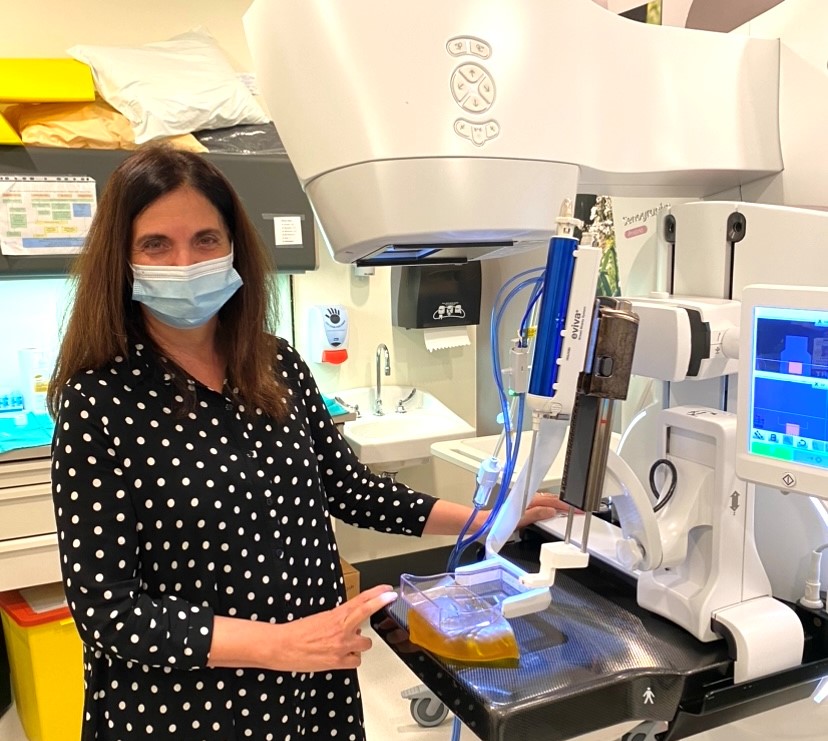
Dr. Kornecki and her research team therefore decided to study this new method. They were the first in North America to trial CESM-guided biopsies by using new technology created by GE HeathCare.This software means that patients can have the biopsy done with the exact same modality, avoiding the need for an MRI.
The study included 50 patients through St. Joseph’s Breast Care Program. The research team found 51 potentially cancerous breast lesions. Biopsies were successfully performed for 46 of the lesions. The results showed that 11 were breast cancer, 10 were high-risk lesions, and the remaining were benign lesions.
“These are very similar results that were reported through MRI-guided biopsies, which means that this new method can replace the MRI,” explains Dr. Kornecki.
Patients also reported having a more comfortable experience with the CEM-guided biopsy method.
Researchers in London and at two other centres in Europe were the first to pilot this technique which has now been cleared by Health Canada and the FDA commercially. St. Joseph’s Breast Care Program was the first site in North America to offer this procedure as a clinical standard of care.
“It is a game changer with certainty,” adds Dr. Kornecki. “This is now a great added component for patients, which makes it a very good tool.”
Currently, CEM- guided biopsy can be offered to patients with lesions that were initially detected by MRI where a biopsy is not feasible due to the lesion location. While it is currently being used as a diagnostic tool only, Dr. Kornecki is hopeful that eventually CEM-guided biopsies will be approved as an initial breast cancer screening tool as well.
Lawson teams respond rapidly to call for research
When cases of COVID-19 began spreading in the London region, Lawson Health Research Institute (Lawson) had to rapidly adjust to a new environment.
As a hospital based research institute, Lawson is uniquely positioned to address the medical questions posed by a new virus. The expertise and infrastructure to begin these investigations was already in place. The global shortage of supplies, as well as physical distancing measures, forced many research projects to be put on hold. Other areas, however, were ramping up their work to support the scientists and physicians eager to figure out how we can better prevent, detect, and treat patients with COVID-19.
Lawson Clinical Research Services (LCRS) and the Center for Clinical Investigation and Therapeutics (CCIT) got to work immediately. The teams responded rapidly to research requests, getting new studies up and running within days.
Image
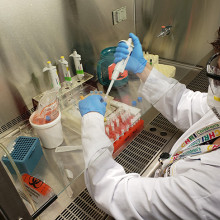
Carolina Gillio Meina, Research Associate
Dr. Douglas Fraser, Lawson Scientist and Paediatric Critical Care Physician at London Health Sciences Centre (LHSC), initiated a study to examine the immune response in patients with COVID-19. Reports from other parts of the world identified a heightened immune response in more severe cases of the infection, also labeled the ‘cytokine storm’. Laboratories at Lawson were ready to handle this type of research, as close proximity to patients and sample collection is essential.
Image
“Our world changed almost overnight,” adds Tereschyn. “We had to pivot on a dime and change the entire way we do business. Our staff have really risen to the challenge.”
Image
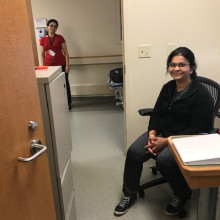
Mala Ramu (left) and Sangeetha Balaji (right), Lawson Clinical Research Services
The LCRS and CCIT teams are supporting essential research in other ways as well, including logistics and administrative support, and supply sharing.
“We’ve developed many new partnerships throughout this pandemic, and figured out in very short order how to work efficiently together,” says Tereschyn. “While COVID-19 has presented us with many challenges, it has also been a great opportunity for us to support one another in ways that I don’t believe would have transpired otherwise.”
Lawson welcomes nursing students from South Korea
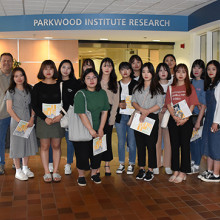
Dr. Dalton Wolfe, scientist, Lawson Health Research Institute, led a tour of the physiotherapy gym at St. Joseph Health Care London’s Parkwood Institute for 14 nursing students from Kyungil University in South Korea.
The nursing students have spent six weeks in Canada as part of the Health Care and English as a Second Language Program at King’s University College, during which they focused on English as a language instruction with a focus on medical terminology.
Dr. Wolfe showcased various physiotherapy tools, including a locomat and exoskeleton and explained how holistic and practice-based research can lead to better patient outcomes.
Image
Scientist
Lawson's Top 12 Research Stories from 2020
Image

Image
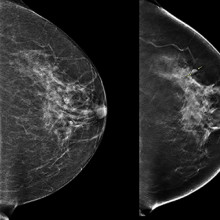
3D imaging technology could improve outcomes for patients with breast cancer
During a conventional digital 2D mammogram, two x-ray images are taken of the breast, one from top-to-bottom and another from side-to-side at an angle. This technology is limited by the overlapping breast tissue that occurs from the required compression of the breast, and breast abnormalities may be hidden. A study at Lawson is looking to determine if digital breast tomosynthesis, a type of 3D imaging, is better at detecting breast tissue abnormalities than the 2D mammography regularly used today. Read more.
Image
Image
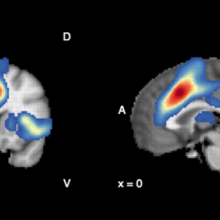
Antioxidants in the brain linked to improved treatment results in patients with psychosis
Once patients with psychosis start treatment, some get better in weeks while it can take months for others. A research team from Lawson and Western University studied antioxidant levels in the brain, and found that these chemicals, which rid the body of normal metabolic biproducts called free radicals, may improve outcomes of early intervention in psychosis. Read more.
Image
Image
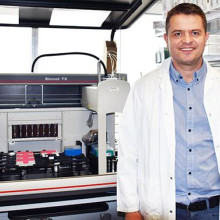
Researchers awarded $4.8 million to validate locally developed test, EpiSign, for first-line diagnostic testing of rare hereditary disorders
A clinical trial named “EpiSign-CAN,” led by researchers at Lawson was awarded $4.8 million to measure the clinical impact of a new molecular genomics test for diagnosing genetic neurodevelopmental conditions. The diagnostic test, called EpiSign, uses machine learning to analyze the EpiSign Knowledge Database. This database compiles information on rare genetic diseases using laboratory analyses of the entire genome, referred to as the epigenome, from patients with suspected genetic abnormalities. Read more.
Image
Image

Perceptions of confidentiality for Canadian Veterans discussing moral injuries
Lawson researchers are exploring Canadian Veterans’ beliefs about confidentiality in mental health care and whether those beliefs act as a barrier to seeking treatment for a type of trauma known as moral injury. Moral injury describes psychological distress following events where a person performs, witnesses or fails to prevent acts that conflict with deeply held moral standards. Evidence suggests that moral injuries are on the rise among deployed members of the Canadian Armed Forces, and that those exposed to such events are at a higher risk of developing post-traumatic stress disorder and depression. Read more.
Image
Image
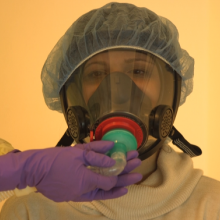
New device could reduce COVID-19 infection risk and demand for invasive ventilators
Researchers designed a non-invasive ventilation mask that could significantly reduce aerosolization – the production of airborne respiratory droplets that may contain viruses or bacteria – when treating patients with COVID-19. The new device aims to reduce infection risks associated with non-invasive ventilation and lessen the demand for invasive ventilators. It is currently being tested through a clinical trial with patients at London Health Sciences Centre (LHSC). Read more.
Image
Image
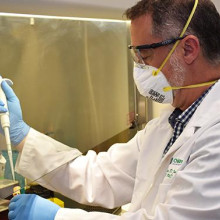
Researchers first in world to profile the body’s immune response to COVID-19
By studying blood samples from critically ill patients at LHSC, researchers identified a unique pattern of six molecules that could be used as therapeutic targets to treat COVID-19. Studies show that part of what makes the virus so deadly is that the body mounts an overreactive immune response as the virus grows and replicates. This response releases inflammatory molecules in order to fight the virus, but also destroys healthy cells and organs in the process. Read more.
Image
Image
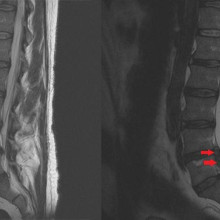
Study suggests that surgery may be superior treatment for chronic sciatica
In a randomized controlled trial, surgery was found to be superior to non-operative therapy in the treatment of chronic sciatica. Chronic sciatica can be caused by a disc herniation which compresses a nerve in the lumbar spine causing pain from the lower back to the leg. The primary treatment options for sciatica are surgery or non-operative care. Researchers conducted this study to test if a surgical treatment called microdiscectomy results in better patient outcomes for those with chronic sciatica compared to non-operative care. Read more.
Image
Image
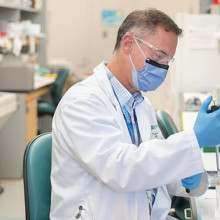
Researchers unravel two mysteries of COVID-19
A team from Lawson and Western University made significant steps forward in understanding COVID-19 through two back-to-back studies. In one study, the team identified six molecules that can be used as biomarkers to predict how severely ill a patient will become. In the other study, they were the first to reveal a mechanism causing blood clots in COVID-19 patients and potential ways to treat them. The studies were conducted by analyzing blood samples from critically ill patients at LHSC. Read more.
Image
Image
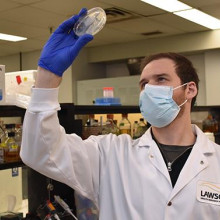
Gut microbiome may influence how cancer patients respond to oral therapies, study suggests
A study from Lawson and Western illustrated how the gut microbiome interacts with an oral medication in prostate cancer patients, suggesting bacteria in the gut play a role in treatment outcomes. The findings highlight how the drug abiraterone acetate is metabolized by bacteria in the gut to reduce harmful organisms while promoting those that fight cancer. The research team suspects this is one of many examples of how the microbiome influences our response to medications. Read more.
Image
Image

First Contrast Enhanced Spectral Mammography guided biopsy in North America
Researchers at Lawson performed the first breast biopsy guided by Contrast Enhanced Spectral Mammography (CESM) in North America on June 12, 2020. CESM is a novel diagnostic imaging tool that is able to detect cancerous lesions at a greater rate than standard mammography, and at close rate to MRI. The procedure is faster and more accurate, comfortable and cost effective than an MRI biopsy. Read more.
Image
Image

Assessing the pandemic's impact on Canadian Veterans and their spouses
A project from Lawson and the Centre of Excellence on Post-Traumatic Stress Disorder (PTSD) hopes to discover the impact the COVID-19 pandemic is having on the mental health of Canadian Veterans and their spouses. They are partnering with up to 1,000 Canadian Veterans and 250 spouses of Canadian Veterans. Through online surveys, the project will hear directly from Veterans and their spouses to assess the pandemic’s effects on their well-being over time. Read more.
Image
Image
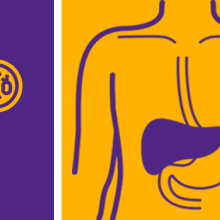
Fecal transplants show promise as treatment for non-alcoholic fatty liver disease
A randomized controlled trial found that fecal transplants in patients with non-alcoholic fatty liver disease (NAFLD) results in a reduction in how easily pathogens and other unwanted molecules pass through the human gut and into circulation, known as intestinal permeability. The results could have implications for the treatment of numerous conditions including metabolic syndrome and autoimmune diseases. Read more.
Lawson's top 12 research stories of 2021
Lawson researchers impact the lives of people not just locally, but around the world with groundbreaking studies and translational research that enhances care, health and wellbeing.
Here are some of the research highlights of 2021.
Differences in walking patterns could predict type of cognative decline in older adults
Image

Canadian researchers are the first to study how patterns in the way older adults walk could more accurately diagnose different types of dementia and identify Alzheimer’s disease. A new study by a Canadian research team, led by London researchers from Lawson Health Research Institute and Western University, evaluated the walking patterns and brain function of 500 participants currently enrolled in clinical trials. Read more.
COVID-19 shown to leave a unique lung fingerprint
Image
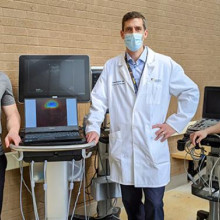
Researchers at Lawson Health Research Institute have developed and tested an artificial neural network for diagnosing COVID-19. The AI system was trained to learn and recognize patterns in ultrasound lung scans of patients with confirmed COVID-19 infection at London Health Sciences Centre (LHSC) and compared them to ultrasound scans of patients with other types of lung diseases and infections. Read more.
Kidney transplant patient experiences positive recovery with the help of a simple device
Image
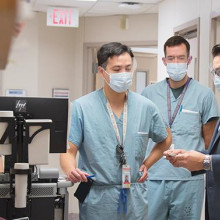
Getting the gift of life was an amazing moment for 68-year-old Ruben Garcia who was in late-stage kidney disease and starting dialysis when his daughter Ruby donated one of her kidneys to him. The father of four underwent transplant surgery this past March and remained in hospital for nine days recovering. Following his surgery, Garcia found it difficult to get out of bed due to pain and swelling, leaving the function of his new kidney at a very low level. Read more.
Air pollution exposures contributes to childhood asthma, population-based study shows
Image

New findings from Ontario have shown that children born in Sarnia have a higher risk of developing asthma compared to neighboring cities. A research team from Lawson Health Research Institute and Western University, using provincial data from ICES, found that higher air pollution exposure in the first year of life very likely contributed to this higher risk. Read more.
Getting the data on homelessness
Image
At a virtual event, a research team led by Lawson Health Research Institute announced details of a new project aimed at better understanding how many people in Canada are homeless and who they are. Developing more accurate sources of data related to homelessness helps ensure the proper supports and services are available. Read more.
Clinical trials begin to treat COVID-19 patients with sepsis
Image
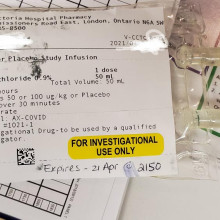
It’s a discovery that has been more than ten years in the making: the use of a human protein to potentially treat patients with sepsis. Lawson Scientist Dr. Qingping Feng noticed that a human protein called annexin A5 showed positive results with sepsis back in 2007. Fast forward 14 years later to now, and this discovery could very well be the first ever viable treatment for sepsis patients, including severe COVID-19 patients who develop sepsis. Read more.
Examining the health impact the COVID-19 pandemic is having on mothers and their new babies
Image

It has been a challenging year for many with the ongoing COVID-19 pandemic creating changes to people’s lifestyles, education, employment and health care. The impacts of these changes may be posing a health risk to women who have given birth during this trying time, and for their babies. Read more.
New therapeutic tool proven effective for MS patients with mental health challenges
Image

It was a diagnosis that came as a shock for 28-year-old Mitch Kuska who found out he had Multiple Sclerosis (MS) at the age of 26. “I went from being a young 26-year-old doing regular things, to having to learn about this disease and everything that goes along with it and how it will affect my life.” Kuska, an avid cyclist, says knowing that one day he may not be able to physically do the things he loves has been the hardest part of his MS journey so far. Read more.
Researchers using MRI scans to pinpoint moral injury effects in health care workers
Image

Image

Moral injury refers to an injury to an individual’s moral conscious, which can produce profound emotional guilt and shame. Recognizing this is a growing concern, a London research team from Lawson Health Research Institute and Western University’s Schulich School of Medicine & Dentistry is examining moral injury amongst health care workers by imaging the effects on the brain. Read More.
Scientists studying carbon monoxide as a possible treatment for sepsis
Image
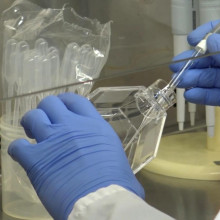
Sepsis is a life-threatening condition that occurs when the body’s response to an infection triggers excessive inflammation. The inflammatory response can cause damage to organs such as the heart, liver, lungs and brain. While there are currently limited treatments for sepsis, researchers at Lawson Health Research Institute are working to change that by examining the use of carbon monoxide-releasing molecules to treat patients. Read more.
Global study on heart valve repair surgery will improve patient outcomes around the world
Image
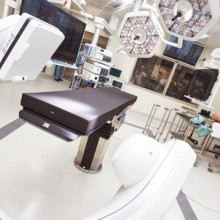
Researchers at Lawson Health Research Institute and Western University had a leading role in a new global study that will change the way surgeons repair leaky valves in the heart. It’s one of the most common heart valve conditions, affecting around two per cent of the population, where many patients don’t even realize they have a leaky valve and are asymptomatic, often presenting to doctors once they are late stage into the disease. Read more.
New study will assess fecal transplants in treatment of pancreatic cancer
Image
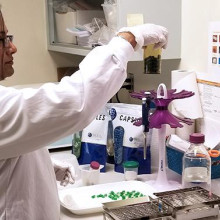
Pancreatic cancer is an aggressive disease that affects up to six-thousand Canadians a year and is the third leading cause of cancer deaths. In a new study a multidisciplinary team of scientists at Lawson Health Research Institute are examining the microbiome in the gut, as a possible gateway to improving treatment outcomes. Read more.
Leading the conversation on equity, diversity and inclusivity
The city of London, Ontario is home to a vibrant health research community. On Wednesday, May 9, researchers from across the city gathered to discuss the importance of equity, diversity and inclusivity (EDI) in the careers of health researchers. Through participation at Exchange: A London Health Research Day Forum on Diversity & Inclusivity, guests discussed the challenges associated with EDI and potential solutions for the future.
Exchange was held the evening before London Health Research Day, the region’s premier research showcase event which features nearly 400 trainee presentations. Trainees are the future of Canadian science and EDI is crucial to that future. This is a topic of national importance that has garnered attention and action from the federal government, funding agencies and scientists across the country.
Recognizing the importance of this topic, Canada’s Minister of Science, The Honorable Kirsty Duncan, and local Member of Parliament for London North Centre, MP Peter Fragiskatos, shared video greetings with Exchange guests.
“The Exchange event highlights a vital area of discussion. It is important to not only recognize but embrace the differences between scientists and the diverse perspectives they bring to research,” said Rebecca Sullivan, a third year PhD candidate at Western University’s Schulich School of Medicine & Dentistry, training in Savita Dhanvantari’s lab at Lawson Health Research Institute, and one of the organizers of the event. “Becoming aware of our own unconscious biases and trying to change these culturally ingrained implicit associations is the only way to make active change in science!”
Image
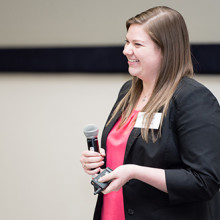
Above: Rebecca Sullivan, a third year PhD candidate, leading a scenario-based group activity at Exchange
The evening’s first presenter was Dr. Janet Smylie, Director of the Well Living House Applied Research Centre for Indigenous Infant, Child and Family Health at St. Michael’s Hospital and CIHR Applied Public Health Research Chair in Indigenous Health Knowledge and Information. Dr. Smylie, who also delivered the keynote presentation at London Health Research Day, spoke about the role of anti-Indigenous racism and discrimination within health care professions, including its impact on research. This included a discussion of Dr. Smylie’s own research in the field of Indigenous health.
Image
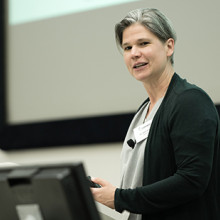
Above: Dr. Janet Smylie presenting on "Addressing anti-Indigenous racism and discrimination within health care professions"
Greta Bauer, PhD, a professor in the Department of Epidemiology and Biostatistics at Schulich Medicine & Dentistry, spoke about the role of epidemiology as a toolkit for building equity in health research. This included a discussion on incorporating intersectionality and multidimensionality into population health research methodology.
“The purpose of this work is to give researchers the measurement and statistical tools they need to shift the focus from studying broad population average effects to more heterogeneity within populations,” said Greta. “The whole point is to better study not only diversity in health outcomes, but in the processes that generate those outcomes.”
Image
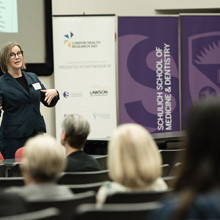
Above: Greta Bauer, PhD, presenting on "Epidemiology as a toolkit for building equity"
This talk was followed by a presentation on Gender-Based Analysis Plus (GBA+). GBA+ is an analytical tool used to assess how diverse groups of women, men and gender-diverse people may experience policies, programs and initiatives. The “plus” in GBA+ acknowledges that GBA goes beyond biological (sex) and socio-cultural (gender) differences. We all have multiple identity factors that intersect to make us who we are; GBA+ also considers many other identity factors, like race, ethnicity, religion, age, and mental or physical disability. GBA+ is a method for collecting and reviewing data in an unbiased manner, one that leaves aside many of the assumptions that can mask the GBA+ impacts of a given initiative. Alysha Croker, PhD, Manager, Tri-Agency Institutional Program Secretariat, discussed how GBA+ is being used in research and grant funding, including at the federal funding agencies.
“Diverse research teams can lead to more innovation, greater collective intelligence and an increased capacity to tackle complex issues,” said Alysha, when discussing the importance of EDI in the careers of health researchers.
Image
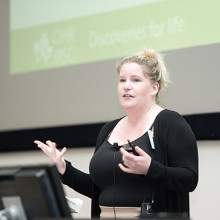
Above: Alysha Croker, PhD, presenting on "Incorporating Gender-Based Analysis Plus (GBA+) in research and beyond"
The evening also included a presentation from Shantal Feltham, founder and CEO of Stiris Research, a North American clinical trials management company based in London. Shantal discussed the importance of ensuring that clinical trials are designed to recruit diverse research participants that represent real patient populations. She also discussed her own experiences and perspectives as a female entrepreneur.
Image
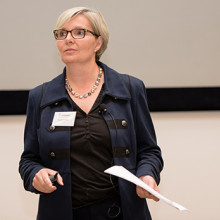
Above: Shantal Feltham delivering a presentation titled "That’s a great idea – It’ll never work"
A group of health research trainees concluded the night with a scenario-based presentation and activity. Audience members were divided into small groups and given a diversity scenario to discuss. Topics ranged from the experiences of LGBTQ+ researchers, racial diversity, physical ability barriers in research labs and more. Notes and ideas from these conversations were recorded and displayed the next day at London Health Research Day.
“Exchange highlighted EDI in health research in action. It featured talks by leading female researchers on issues in Indigenous health and LGBTQ health, implementation of equity in the Canada Research Chairs program, and female entrepreneurship in the field of health research,” said Savita Dhavantari, PhD, assistant director and scientist at Lawson and assistant professor at Schulich Medicine & Dentistry. Savita was also one of the Exchange organizers and the facilitator for the event. “Above all, I hope attendees were encouraged to be fearless in advocating for equity, diversity and inclusivity in health research.”
Image
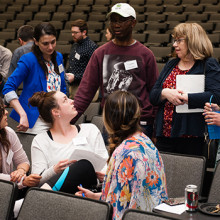
Above: Guests at Exchange discussing a diversity scenario
Image
Above: Savita Dhanvantari, PhD, facilitating the Exchange event
To see more photos from Exchange and London Health Research Day, visit the London Health Research Day website.
Exchange and London Health Research Day are presented in partnership by Lawson Health Research Institute and Western University’s Schulich School of Medicine and Dentistry.
Scientist
Lens of compassion improves health care
Keynote speaker at joint mental health research day says compassion in action has proven benefit
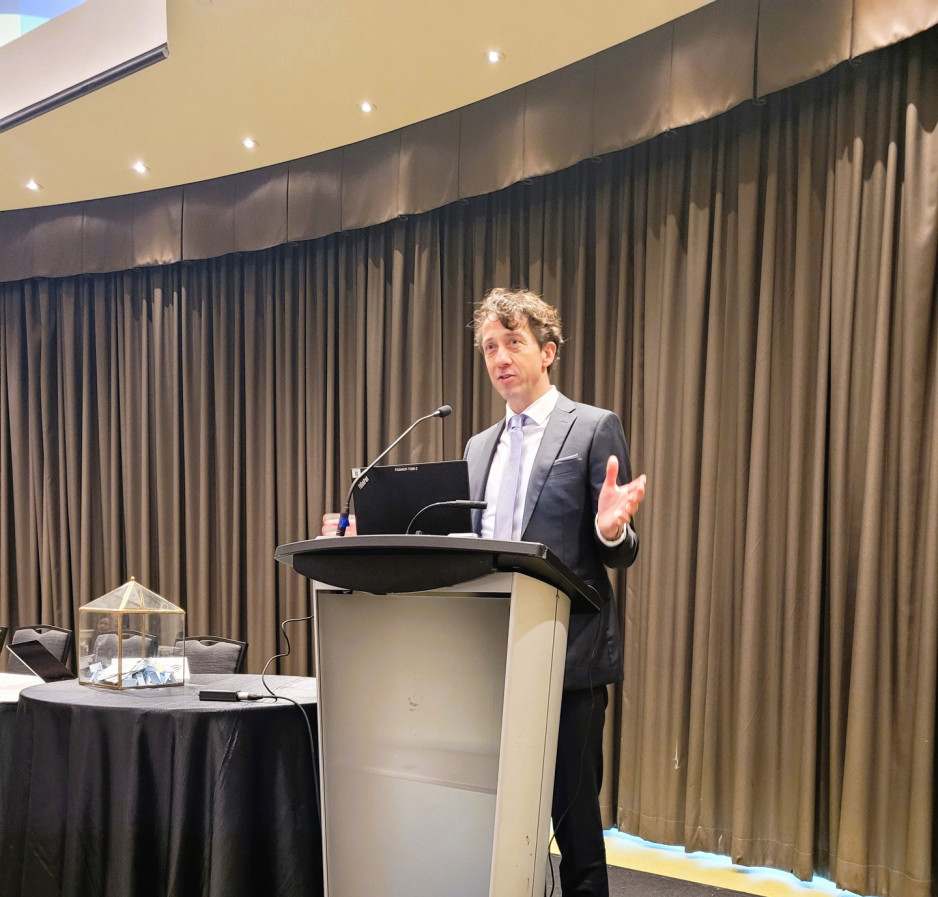
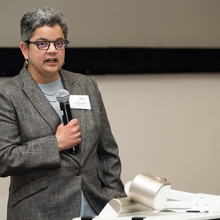
Compassion in mental health care – and in all health care – is “what separates good from really great” patient outcomes, Calgary-based researcher Shane Sinclair, PhD, told mental health researchers during a conference Oct. 30, 2024, in London.
Sinclair, who heads the Compassion Research Lab at the University of Calgary, was the invited keynote speaker at the Joint Mental Health Research and Innovation Day, attended by about 130 people.
The event was hosted by Lawson Research Institute, London Health Sciences Centre Research Institute and Schulich School of Medicine & Dentistry.
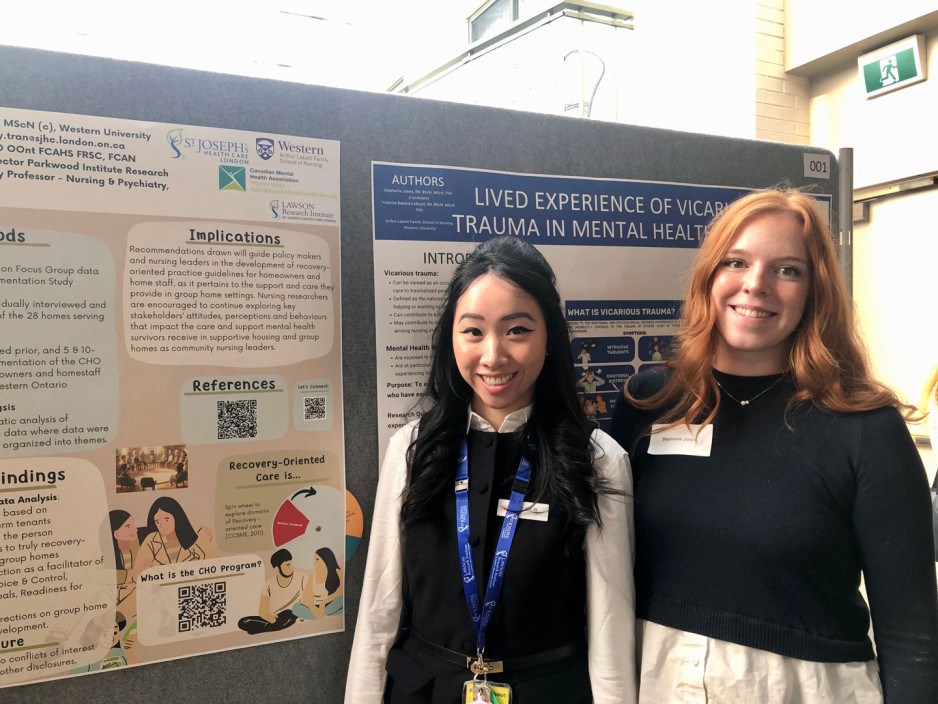
The day also featured 17 poster presentations and 17 oral presentations on different aspects of mental health research. It’s one of the premier annual education-and-development events in mental health science regionally.
This year’s event showcased how compassion could transform health policy, partnerships, systems, care, research and service delivery.
Compassion, respect and excellence are core values of St. Joseph’s Health Care London.
Sinclair noted that the key role of compassion – responding to someone’s suffering with understanding and action – is evidence-based.
“We do patient-informed and patient-targeted research. And we’ve found compassion makes a difference in how people heal.”
-Shane Sinclair, PhD, compassion researcher
His lab examined the outcomes and satisfaction among patients at 14 emergency rooms across Alberta and found compassion to be the greatest predictor of quality care ratings.

“What separates good from really great comes down to compassion. These things matter,” Sinclair said.
“It improves their health and their quality of life. It reduces health-care costs, reduces adverse medical outcomes and helps build patients’ trust in the medical information and direction they receive,” he said.
… Clinical Service Responsibilities · full assessment of new patients, and determination of an appropriate diagnostic and … of Hematology Oncology services. · assessment of follow-up patients, and initiation of appropriate tests and … dictating stat notes when and where appropriate · assessing patients in the adjuvant and metastatic chemotherapy clinic, …
Dr. Candidates copy Western Schulich School of Medicine & Dentistrys copy Department of Oncologys copy Medical Affairs copy DATE Dear Dr. Re: Letter of Understanding It gives us great pleasure to offer you a position as a General Practitioner in Oncology (GPO) in the Depart...
Dr. s copy Western Schulich School of Medicine & Dentistrys copy Department of s copy Medical Affairs copy THIS LETTER OF OFFER IS ONLY TO BE ISSUED AFTER CONFIRMATION OF THREE SATISFACTORY REFERENCES FOR THE CANDIDATE. Dear Dr.