


Search
Search
2194 Search Results:
London expands approach to prevent discharge from hospital to homelessness
During a virtual event for Londoners hosted by Lawson Health Research Institute and the City of London, a multi-sectoral research team announced two projects representing a collaborative approach to preventing homelessness from within hospital walls.
Built on the unique and successful No Fixed Address (NFA) strategy, these projects are being tested as a potential best practice for preventing hospital discharge to homelessness.
Led by Dr. Cheryl Forchuk, Beryl and Richard Ivey Research Chair in Aging, Mental Health, Rehabilitation and Recovery, and Assistant Scientific Director at Lawson, NFA seeks to stop the cycle between hospital admissions and homelessness by providing timely and accessible supports to patients who would otherwise be discharged into homelessness. It brings housing and financial supports into the health-care system, starting as soon as upon admission, to assist in finding appropriate housing and supports or avoiding a potential eviction.
Several departments at London Health Sciences Centre (LHSC) and St. Joseph’s Health Care London collaborate with staff from the City of London, Canadian Mental Health Association (CMHA) Elgin-Middlesex, Youth Opportunities Unlimited (YOU), Salvation Army’s Housing Stability Bank and Ontario Works in the City of London to provide direct, on-site (or virtual) support for patients at risk of homelessness.
Patients discharged from hospital to homelessness in Canada face many challenges that make recovery more difficult. They often experience higher readmission rates and emergency department visits. This is particularly concerning for youth, who have been found to be the fastest growing segment of the homeless population.
NFA was initially tested with strong success for mental health patients across the city and the second version of the project was extended to medical units at LHSC’s University and Victoria Hospitals.
PROJECT 1: Collaboration to Address Homelessness - Health, Housing and Income (H2I)
This research study will evaluate the City of London’s Coordinated Access Outreach program at hospital sites. A Coordinated Access Outreach worker will support individuals at risk of homelessness to maintain or obtain housing. Ontario Works will assist with the provision of income and employment supports and the Salvation Army Housing Stability Bank may be accessed for needed financial resources to secure or maintain housing.
Over two years, 106 participants will be interviewed in hospital and again six months post-discharge. Focus groups with participants, health care providers and community partners will provide further insight into the effectiveness of NFA. This project is funded by the Canada Mortgage and Housing Corporation (CMHC)’s National Housing Strategy.
PROJECT 2: Preventing discharge to No Fixed Address – Youth (NFA-Y)
This research study will customize, implement and evaluate the NFA strategy for vulnerable youth agSwitch to plain text editores 16-24. The unique health and housing needs of youth at-risk will be explored by streamlining housing and financial support into a coordinated system of care, with additional support provided by Youth Opportunities Unlimited and Children’s Aid Society London and Middlesex.
Over 3-4 years, data to be collected from 93 youth at three time points. Focus groups with youth participants, health care providers, and community agency partners will help enhance the NFA strategy to meet the unique needs of youth. This project is funded by the National Centres of Excellence (NCE) Making the Shift (MtS) Youth Social Innovation Lab.
Media Coverage
- Could this project keep discharged hospital patients from homelessness? - London Free Press
- London, Ont., expands work to prevent homelessness after hospital stays - Global News
- London expands strategy to curb homelessness after hospital stays - Blackburn News
- What happens to people who are discharged from hospital if they have nowhere to go? - CBC London
Learn more about No Fixed Address
Scientist
London Health Research Day 2021 - VIRTUAL
2:00pm
Discover London's health research community by joining learners and researchers virtually at the 2021 London Health Research Day scheduled for May 11.
London Health Research Day is an opportunity to learn about research happening in labs and clinics across the city while engaging in scientific discussion.
LHRD 2021 is going virtual, offering a wide range of workshops, a keynote lecture, and several days dedicated to research presentations.
Registration
Register now for an opportunity to review research presentations or to take part in the workshops or keynote lecture. Due to a limited attendance capacity, pre-registration is required. Don’t miss your opportunity to take part in LHRD 2021!
Please note: If you are a poster presenter, you will receive an email from Janelle Pritchard with instruction on your pre-registration. Please follow directions as outlined in her communication for registration and to sign up for the sessions taking place on May 11.
Registration deadline is May 5, 2021.
Event Day Agenda
View the full event schedule here.
Morning Workshops
10:15 – 11:45 a.m. – Workshop options:
Science to Business Network Presents (S2BN): Insights into Industry- Exploring Careers for Graduate Students
Hosted by S2BN London, this workshop features a panel of esteemed industry professionals who will discuss their unique career journeys, the skills and knowledge needed to excel in their positions, and steps graduate students can take to enter these industries and succeed. This 90-min session will consist of a panel discussion moderated by Dr. Bruce Seet, Director of Medical Affairs at Sanofi Pasteur and President of S2BN. The panel discussion will be followed by an opportunity to network and interact with the panelists.
Reforming Equity, Diversity and Inclusion in Academic and Professional Health Settings: Fundamentals, Gaps and Accountability
In this 90-minute interactive workshop, learn directly from advisors, experts, and trainees on how to adopt equity, diversity, and inclusion practices in academic and health research health settings.
The Lucille & Norton Wolf Health Research Lecture Series – featuring Andrew Au
12:00 – 1:30 p.m.
Image

Afternoon Workshops
1:30 – 3:30 p.m. - Workshop options:
Knowledge Mobilization via The Conversation Canada
The Conversation Canada is a daily independent online publication, delivering analysis and explanatory journalism from the academic and research community directly to the public. Deputy Editor Hannah Hoag and Editor-in-Chief Scott White will explain the mission of The Conversation Canada, offer some background on how it helps academics with knowledge mobilization and give some tips on how to pitch a really great story idea. This is an interactive workshop where participants are encouraged to bring story ideas to discuss.
Interview Skills/Strategies for Academic and Non-academic Positions
This workshop consists of two concurrent sessions focused on interview skills/strategies needed for academic and non-academic job positions. During the workshop, a panel of speakers who have vast proficiency in the recruitment process will share their experiences with attendees.
Academic Program for Learners
Abstract submissions:
LHRD) showcases the incredible work done by learners — graduate students, trainees, clinical fellows and postdoctoral scholars. Abstract submission is now closed.
Go to the LHRD website for more information for participants.
The Lucille & Norton Wolf London Health Research Day Trainee Publication Awards:
Thanks to the personal generosity of Lucille and Norton Wolf, we are pleased to issue a call for The Lucille & Norton Wolf London Health Research Day Trainee Publication Awards.
Learn more about the eligibility criteria and how to apply.
London Health Research Day is presented in partnership by Lawson Health Research Institute and the Schulich School of Medicine & Dentistry.
London holds 8th place ranking in Canada's Top 40 for hospital-based research
Lawson Health Research Institute is again ranked eighth in the country according to the 2020 edition of “Canada’s Top 40 Research Hospitals List” by Re$earch Infosource. This strong national position has been maintained by Lawson for the past seven consecutive years and keeps the Institute within the top five in Ontario.
Lawson, the research institute of London Health Sciences Centre and St. Joseph’s Health Care London, has also maintained the top ranking for research intensity among the large tier institutions with $600,000 of research spending per researcher.
“Now, more than ever, people are understanding the critical importance of hospital-based research and its impact on health care,” says Dr. David Hill, Lawson Scientific Director and VP, Research for London Health Sciences Centre and St. Joseph’s Health Care London.
“We have remarkable people right here in London working on solutions for health challenges that have a worldwide impact. Their knowledge, creativity and dedication never fail to astound.”
The top 40 list analyzes hospital-based research institutes from across the country on several metrics, including total research income from the previous fiscal year. The ranking looks at funds received from all sources, including both internal and external, to support research at the organization. According to the report, Lawson received $118,796 million in research income in 2019. Despite representing a 4.0 per cent drop from the previous fiscal year, Lawson has maintained its rankings on the national list.
Hospital-based researchers belong to a health system at the forefront of the COVID-19 pandemic. With close proximity to patients and access to samples, they have mobilized to address COVID-19. Many Lawson research teams are implementing pre-clinical, clinical observational and clinical trial studies to prevent or soften the worst effects for patients with COVID-19. They are also studying the long-term and mental health impacts related to the pandemic.
“The COVID-19 pandemic is proving to be one of the most pressing health challenges of our time,” notes Dr. Hill. “Lawson excels in rapid response research and is uniquely positioned to tackle health problems from within hospital walls.”
Quick summary of Lawson's ranking
-
Rank in Top 40 Research Hospitals 2020: 8 (same as 2019)
-
FY2019 research spending: $118,776 million
-
FY2018 research spending: $123,790 million
-
Percentage change 2018-2019: -4.0%
-
Research intensity: $600,000 per researcher
-
Research intensity - percentage of total hospital spending: 7.0%
London ranks in the top 10 for hospital-based research
Lawson Health Research Institute is ranked eighth in the country according to the 2019 edition of “Canada’s Top 40 Research Hospitals List” by Re$earch Infosource. This strong national position has been maintained by Lawson for the past six years and also keeps the institute within the top five in Ontario.
The results
The research institute of London Health Sciences Centre and St. Joseph’s Health Care London (St. Joseph’s), Lawson has also maintained the top ranking for research intensity among the large tier institutions with $612,800 of research spending per researcher.
“As a hospital-based research institute, our innovation happens where care is delivered,” says Dr. David Hill, Lawson Scientific Director. “Every day, teams of researchers are working directly with clinicians and patients to improve treatments or create entirely new ones. They also find innovative methods of delivering services that drive efficiency and reduce costs.”
Image
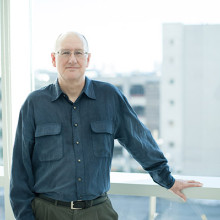
Dr. David Hill, Lawson Scientific Director.
The top 40 list analyzes hospital-based research institutes from across the country on several metrics, including total research income from the previous fiscal year. The ranking looks at funds received from all sources, including both internal and external, to support research at the organization. According to the report, Lawson received $123,790 million in research income in 2018, which represents 0.4 per cent in growth from the previous fiscal year.
“We are known across the country and around the world for our high level of research activity and success, despite our size. London punches well above our weight when it comes to health research,” adds Dr. Hill.
“Our position as a leading research institute is the foundation for brilliant research and worldwide partnerships tackling the most pressing challenges in health care.”
What does this mean for London, Ontario?
There are millions of dollars every year coming in London from elsewhere in Canada and in the world. Approximately 60 per cent of that is spent on jobs. Lawson employs over 2,000 people in hospital-based research. This is a major source of quality employment for Londoners and people in the surrounding region. Dr. Hill notes that this is one of the real benefits of having a strong biomedical industry associated with the city.
“Another real benefit of having research directly in the hospitals is that our researchers focus on gaining knowledge that advances our ability to treat patients and find solutions to wicked problems that have been around for a long time.”
For example, Lawson researchers have been tackling the issue of homelessness from within hospital walls. The No Fixed Address (NFA) strategy reaches and supports patients during the crucial transitional period when they are being discharged from the hospital and re-integrated into the community. Learn more about this successful research initiative.
Image
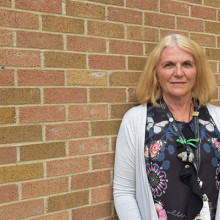
Dr. Cheryl Forchuk, Lawson Scientist leading the NFA strategy in London hospitals.
How are we adapting to the current funding environment?
While federal funding for research in Canada is slowly starting to increase, this sector experienced over a decade of decreasing funding that placed the country far behind other nations in terms of investing in health research.
“We have become better at what we do in competing for grants and other funding sources, in particular from the government,” explains Dr. Hill.
Also, “Lawson has been diversifying our sources of funding. We’ve have engaged in more partnerships with industry and joint research and development projects with companies. Not only does that have the advantage of providing additional resources, but also is often a more practical way of directly delivering our knowledge into salable products”
Strong partnerships
This year, Re$earch Infosource is showcasing “Building Bridges: Pathways to Building Research Capacity and Discovery through Collaboration.” Health researchers in London have collaborations across many sectors that result in big impacts for the people in this region and beyond.
As just one example, a group of scientists from Lawson, Brescia University College and Schulich School of Medicine & Dentistry at Western University provide academic support to London’s Fermented Foods Project that brings together industry partners, the agricultural sector, academic and health institutions, the City of London and the London Economic Development Corporation.
The goals of this group, funded by the Weston Family Microbiome Initiative, are to support new product development and batch production, enhance customer confidence, quantify health benefits and establish a competitive advantage.
Image
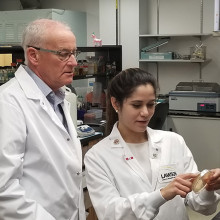
Dr. Gregor Reid, left, is one of the researchers for London's Fermented Foods Project.
Scientist
London ranks in top ten of Canada’s research hospitals
MEDIA RELEASE
For immediate release
January 18th, 2022
LONDON, ON – Lawson Health Research Institute has ranked eighth in the country for the 2021 edition of Canada’s Top 40 Research Hospitals List by Re$earch Infosource. This is the eighth consecutive year that Lawson has maintained this strong national position, which puts the institute within the top five in Ontario.
Lawson, the research institute of London Health Sciences Centre (LHSC) and St. Joseph’s Health Care London, has also maintained the top ranking for research intensity among the large tier institutions with a little more than $600,000 of research spending per researcher.
“This is a validation of the extensive support from LHSC and St. Joseph’s, our hospital foundations, Western University and our staff and physicians,” says Lawson’s Scientific Director Dr. David Hill. “These strong partnerships make the hospital environment in London a nationally recognized centre of discovery and knowledge translation.”
Hospital-based researchers belong to a health system at the forefront of the ongoing COVID-19 pandemic. With close proximity to patients and access to samples, they have mobilized to address COVID-19 in many different ways, and are making a difference around the world when it comes to advances and discoveries.
“The Province of Ontario designated health research as an essential service early in the pandemic,” explains Dr. Hill. “They understood that only science can get us through this, be it through vaccine development, surveillance and testing, evaluating new drugs to help patients in ICU survive, or studying the long-term health impacts. We have made substantial contributions of new knowledge through Lawson.”
The top 40 list analyzes hospital-based research institutes from across the country on several metrics, including total research income from the previous fiscal year. According to the report, Lawson received $121,888 million in research income in 2021.The ranking looks at funds received from all sources, including both internal and external, to support research at LHSC and St. Joseph’s.
Quick summary of Lawson’s ranking
- Rank in Top 40 Research Hospitals 2021: 8 (same as 2020)
- FY2020 research spending: $121,888 million
- Percentage change 2019-2020: 2.6%
- Research intensity: $618,700 thousand per researcher
- Research intensity - percentage of total hospital spending: 7.0%
-30-
About Lawson Health Research Institute: Lawson Health Research Institute is one of Canada’s top hospital-based research institutes, tackling the most pressing challenges in health care. As the research institute of London Health Sciences Centre and St. Joseph’s Health Care London, our innovation happens where care is delivered. Lawson research teams are at the leading-edge of science with the goal of improving health and the delivery of care for patients. Working in partnership with Western University, our researchers are encouraged to pursue their curiosity, collaborate often and share their discoveries widely. Research conducted through Lawson makes a difference in the lives of patients, families and communities around the world. To learn more, visit www.lawsonresearch.ca.
For more information, please contact:
Celine Zadorsky
Communications & External Relations
Lawson Health Research Institute
T: 519-685-8500 ext. 75664
C: 519-619-3872
@email
www.lawsonresearch.ca/news-events
Media Contacts
Celine Zadorsky
Senior Media Relations Consultant
Communications & Public Engagement
T: 519-685-8500 ext. 73502
Celine.zadorsky@lhsc.on.ca
London researchers adapt MRI technology to image salt within the kidneys
LONDON, ON – In a newly published study, scientists at Lawson Health Research Institute have adapted PET/MRI technology to accurately image salt within the kidneys of patients with kidney disease.
“Salt is very difficult to image in an MRI because the signal is much weaker than water,” explains Dr. Christopher McIntyre, Lawson Scientist and Nephrologist at London Health Sciences Centre (LHSC). “We wanted to find a way to look at the fundamental role of the kidney in getting rid of salt and water by using a functional MRI.”
Imaging salt within the kidneys has never been accurately accomplished in patients with kidney disease, but Dr. McIntyre and his team developed new technology and software that was adaptable to a PET/MRI machine at St. Joseph’s Health Care London. The new technology allowed the machine to image salt and water levels within the kidney.
“Salt within the kidneys have only been imaged in pre-clinical models, and low weight, healthy volunteers,” says Dr. McIntyre. “Since the kidney is further away from the MRI coils, and the organ moves when a person breathes, it is definitely very hard to image.”
This was the first study to use MRI to look at salt within the kidneys with a wide range of participant with different body types (10 healthy volunteers), as well as patients with kidney disease (five patients). The research team also imaged patients who had a combination of kidney disease and heart failure, because it is especially important for those patients specifically to be able to release salt and water as part of their treatments.
Currently clinicians rely on kidney biopsies to measure salt levels, but Dr. McIntyre says that method isn’t as accurate or effective as it could be.
“The problem is that the biopsies are painful, they have risks, and because it is a small sample of the kidney, we don’t get an accurate perspective of the kidney as a whole,” Dr. McIntyre explains.
The study, which is published in Radiology has now opened the door to new possibilities when it comes to clinical care for patients with kidney disease.
“Salt is very toxic in patients with kidney failure,” adds Dr. McIntyre. “This will now allow us to diagnose and manage both chronic and acute kidney disease. It is a significant step forward.”
The next steps for the research team will be to compare salt MRI’s to biopsies, while also examining potential new therapy developments.
“We are hoping we will have a higher degree of certainty moving forward to predict what will happen within the kidneys of these patients, with the possibility of using new targeted and effective treatments in the future,” notes Dr. McIntyre.
About Lawson Health Research Institute
Lawson Health Research Institute is one of Canada’s top hospital-based research institutes, tackling the most pressing challenges in health care. As the research institute of London Health Sciences Centre and St. Joseph’s Health Care London, our innovation happens where care is delivered. Lawson research teams are at the leading-edge of science with the goal of improving health and the delivery of care for patients. Working in partnership with Western University, our researchers are encouraged to pursue their curiosity, collaborate often and share their discoveries widely. Research conducted through Lawson makes a difference in the lives of patients, families and communities around the world. To learn more, visit www.lawsonresearch.ca.
Media Contacts
Celine Zadorsky
Senior Media Relations Consultant
Communications & Public Engagement
T: 519-685-8500 ext. 73502
Celine.zadorsky@lhsc.on.ca
London researchers discover novel method to diagnose long COVID
Study found unique blood biomarkers in patients with post-COVID-19 condition
LONDON, ON – Published this week in Molecular Medicine, researchers at Lawson Health Research Institute have found that patients with post-COVID-19 condition (long COVID) have unique biomarkers in their blood. The team is now working on developing a first of its kind blood test that could be used to diagnose long COVID. The discovery could also lead to new therapeutics for this condition.
Long COVID occurs when someone experiences symptoms like fatigue, cognitive issues, shortness of breath and gastrointestinal issues after an initial COVID-19 diagnosis. It can sometimes take up to 12 months for the condition to occur.
“It’s estimated that 30 to 40 per cent of patients with COVID-19 will develop long COVID,” says Dr. Douglas Fraser, Lawson Scientist and Critical Care Physician at London Health Sciences Centre (LHSC). “Physicians currently rely on symptoms alone to diagnose the condition, but our research offers a unique profile of blood biomarkers that could be used in a clinical test.”
The researchers studied 140 blood samples from participants at LHSC and St. Joseph’s Health Care London, including St. Joseph’s Post-Acute COVID-19 Program. Participants were those with presumed long COVID, hospital inpatients with acute COVID-19 infection and healthy control subjects.
“We chose to study blood vessels that link all the body systems together to look for changes after an acute infection,” explains Dr. Fraser, who is also a Professor at Western University’s Schulich School of Medicine & Dentistry.
The team found that blood vessels of those with presumed long COVID were changing rapidly after a confirmed COVID-19 infection. They also found that patients with long COVID had 14 elevated blood biomarkers associate with blood vessels. With the help of machine learning, they discovered that two biomarkers called ANG-1 and P-SEL could be used to classify long COVID with 96 per cent accuracy.
“Long COVID is a relatively new condition and we have much to learn about it,” says Dr. Michael Nicholson, Associate Scientist at Lawson, Respirologist at St. Joseph’s and Associate Professor at Schulich Medicine & Dentistry. “This research advances our understanding of long COVID with the potential to improve diagnosis and patient care.”
The advantage of biomarkers is that they not only help diagnose a disease but also provide insight into potential treatments. The team is now focused on using their findings to create a clinical diagnostic test with a goal of also exploring therapeutics.
“With a point-of-care diagnostic test, we could confidently diagnose long COVID and eventually develop targeted therapeutics against these blood vessel changes that we have discovered,” says Dr. Fraser. “The ultimate goal is to improve patient outcomes following a long COVID diagnosis.”
This research was supported by funding from London Health Sciences Foundation, London Community Foundation and the AMOSO Innovation Fund. It builds on a growing body of COVID-19 research from scientists at Lawson Health Research Institute.
About Lawson Health Research Institute
Lawson Health Research Institute is one of Canada’s top hospital-based research institutes, tackling the most pressing challenges in health care. As the research institute of London Health Sciences Centre and St. Joseph’s Health Care London, our innovation happens where care is delivered. Lawson research teams are at the leading-edge of science with the goal of improving health and the delivery of care for patients. Working in partnership with Western University, our researchers are encouraged to pursue their curiosity, collaborate often and share their discoveries widely. Research conducted through Lawson makes a difference in the lives of patients, families and communities around the world. To learn more, visit www.lawsonresearch.ca.
Media Contacts
Celine Zadorsky
Senior Media Relations Consultant
Communications & Public Engagement
T: 519-685-8500 ext. 73502
Celine.zadorsky@lhsc.on.ca
London researchers discover novel method to diagnose long COVID
Study found unique blood biomarkers in patients with post-COVID-19 condition
Published this week in Molecular Medicine, researchers at Lawson Health Research Institute have found that patients with post-COVID-19 condition (long COVID) have unique biomarkers in their blood. The team is now working on developing a first of its kind blood test that could be used to diagnose long COVID. The discovery could also lead to new therapeutics for this condition.
Long COVID occurs when someone experiences symptoms like fatigue, cognitive issues, shortness of breath and gastrointestinal issues after an initial COVID-19 diagnosis. It can sometimes take up to 12 months for the condition to occur.
“It’s estimated that 30 to 40 per cent of patients with COVID-19 will develop long COVID,” says Dr. Douglas Fraser, Lawson Scientist and Critical Care Physician at London Health Sciences Centre (LHSC). “Physicians currently rely on symptoms alone to diagnose the condition, but our research offers a unique profile of blood biomarkers that could be used in a clinical test.”
The researchers studied 140 blood samples from participants at LHSC and St. Joseph’s Health Care London, including St. Joseph’s Post-Acute COVID-19 Program. Participants were those with presumed long COVID, hospital inpatients with acute COVID-19 infection and healthy control subjects.
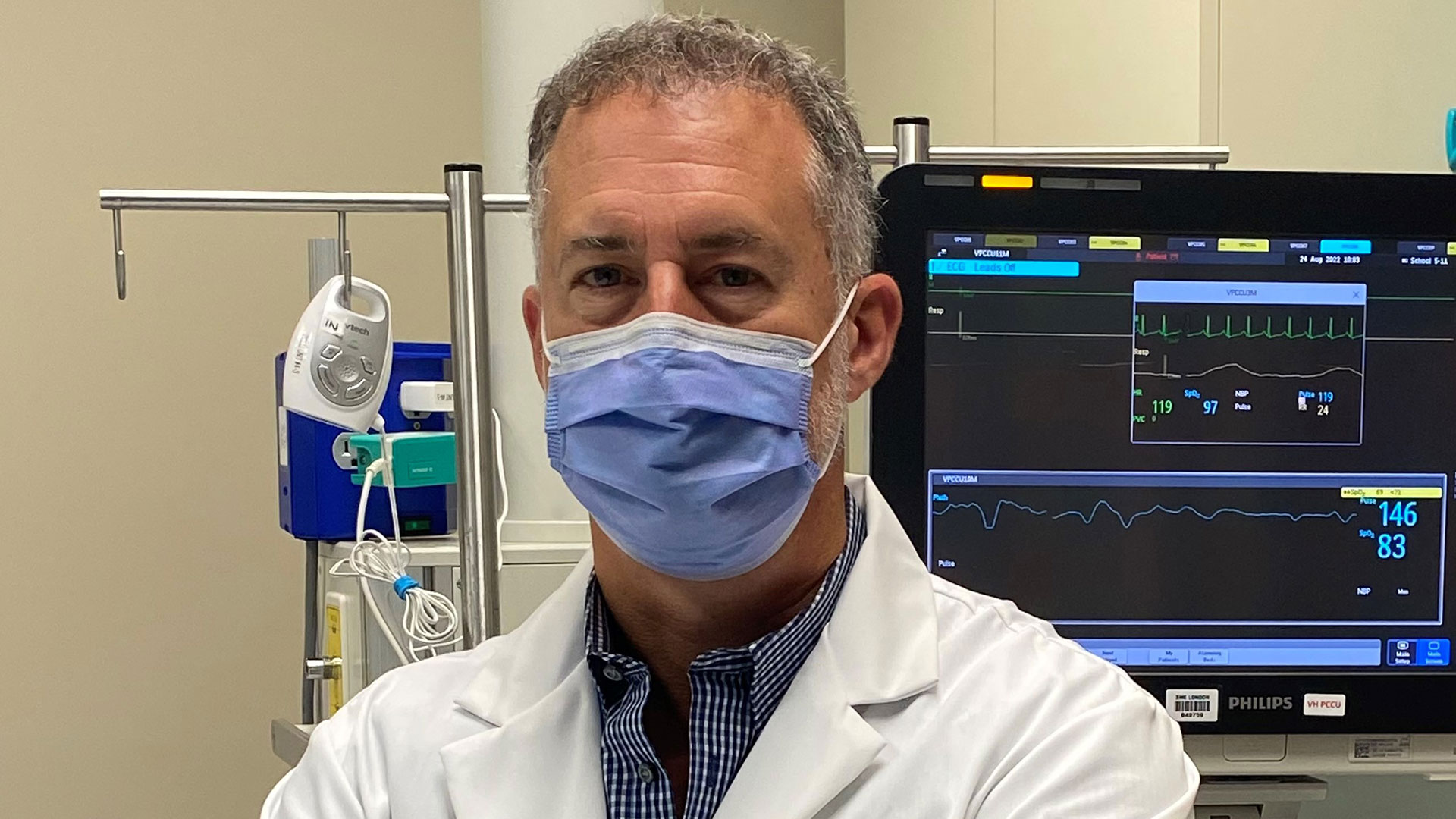
“We chose to study blood vessels that link all the body systems together to look for changes after an acute infection,” explains Dr. Fraser, who is also a Professor at Western University’s Schulich School of Medicine & Dentistry.
The team found that blood vessels of those with presumed long COVID were changing rapidly after a confirmed COVID-19 infection. They also found that patients with long COVID had 14 elevated blood biomarkers associate with blood vessels. With the help of machine learning, they discovered that two biomarkers called ANG-1 and P-SEL could be used to classify long COVID with 96 per cent accuracy.
“Long COVID is a relatively new condition and we have much to learn about it,” says Dr. Michael Nicholson, Associate Scientist at Lawson, Respirologist at St. Joseph’s and Associate Professor at Schulich Medicine & Dentistry. “This research advances our understanding of long COVID with the potential to improve diagnosis and patient care.”
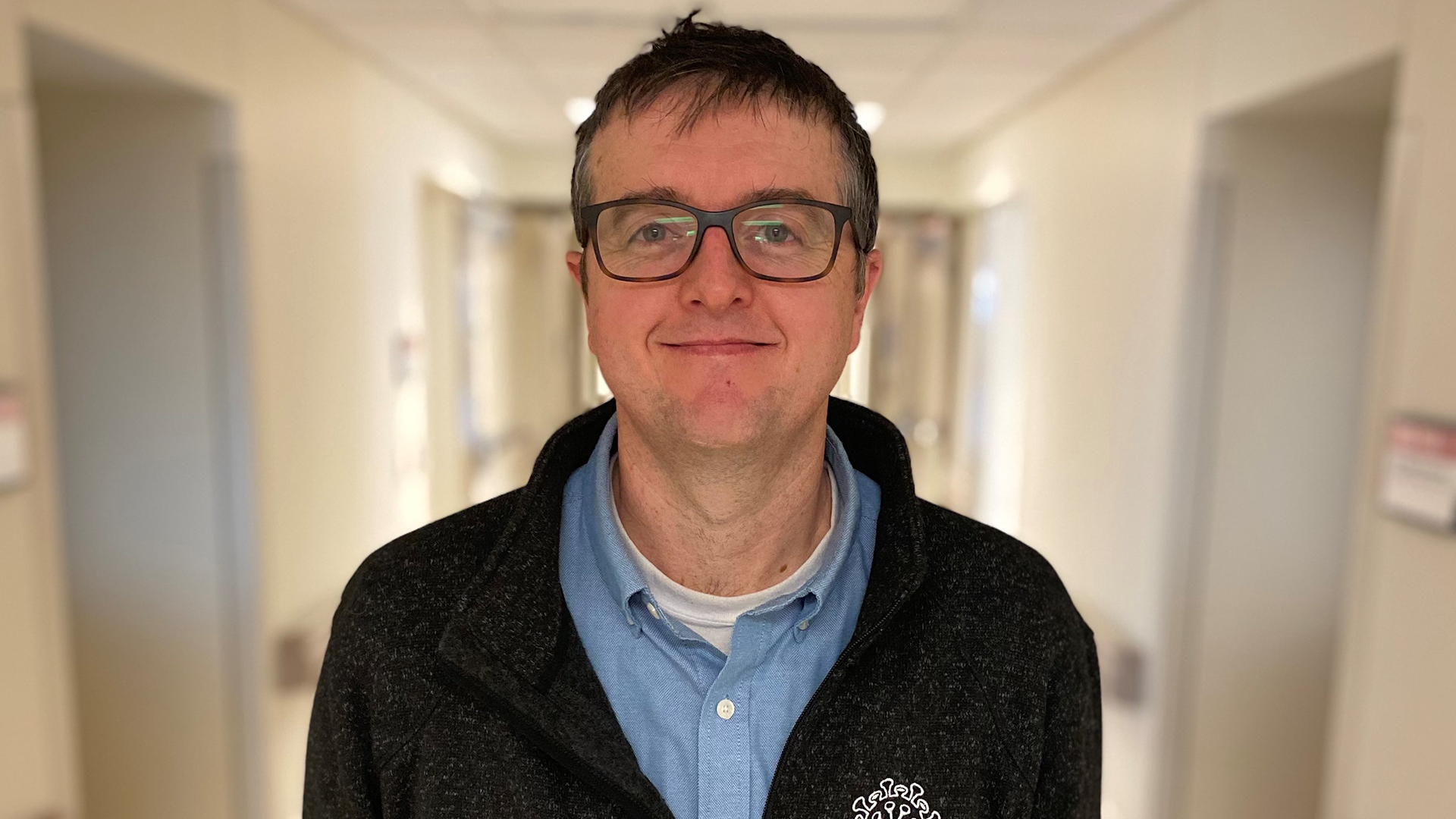
The advantage of biomarkers is that they not only help diagnose a disease but also provide insight into potential treatments. The team is now focused on using their findings to create a clinical diagnostic test with a goal of also exploring therapeutics.
“With a point-of-care diagnostic test, we could confidently diagnose long COVID and eventually develop targeted therapeutics against these blood vessel changes that we have discovered,” says Dr. Fraser. “The ultimate goal is to improve patient outcomes following a long COVID diagnosis.”
This research was supported by funding from London Health Sciences Foundation, London Community Foundation and the AMOSO Innovation Fund. It builds on a growing body of COVID-19 research from scientists at Lawson Health Research Institute.
The study’s first author Maitray Patel, is a MD/PhD candidate from Western’s Schulich Medicine & Dentistry. Patel worked on blood analysis under the supervision of Drs. Doug Fraser and Mark Daley.
Media Contact
Celine Zadorsky
Senior Media Relations Consultant
Communications & Public Engagement
T: 519-685-8500 ext. 73502
Celine.zadorsky@lhsc.on.ca
London researchers join global initiative to study loss of smell in COVID-19 patients
LONDON, ON – As part of an initiative called the Global Consortium for Chemosensory Research (GCCR), scientists at Lawson Health Research Institute and Western University are studying the sudden loss of smell in COVID-19 patients. They are asking individuals with confirmed or presumptive cases of COVID-19 worldwide to participate in a survey to better understand this symptom.
A sudden loss of smell, called anosmia, has been widely reported as a marker of COVID-19. More research is needed but emerging evidence suggests that more than 60 per cent of COVID-19 patients experience anosmia and that it is often the first symptom of the disease.
“While a sudden loss of smell is relatively rare, it is most commonly caused by an upper respiratory tract infection. It therefore stands to reason that COVID-19 could be causing anosmia,” says Dr. Leigh Sowerby, Associate Scientist at Lawson and Associate Professor at Western University’s Schulich School of Medicine & Dentistry. “Colleagues in the United Kingdom first made note of this with a surge of patients presenting with sudden loss of smell and many of these patients went on to develop COVID-19.”
In the new study, patients with loss of smell will answer questions through a publicly accessible survey. They will be asked about their experiences with COVID-19 and other respiratory illnesses. An immediate goal is to better understand the association between anosmia and COVID-19, and determine if loss of smell is the same in symptomatic and asymptomatic patients. The team also hopes to determine if loss of smell happens before other symptoms of COVID-19 as it could allow for earlier self-isolation advice.
“As a sinus surgeon, I see many patients who have lost their sense of smell. It really is the forgotten sense; we don’t appreciate smell until it’s gone,” explains Dr. Sowerby, who is also an Otolaryngologist at St. Joseph’s Health Care London. “Smell is a very important part of taste. Imagine if all food tasted like cardboard, and all you could do was make that cardboard taste spicy, salty, sweet or bitter. It can also be a safety concern if you cannot smell a gas leak, burning food or smoke.”
While there are existing therapies that can aid in regaining a sense of smell, it’s currently unknown whether they are effective for COVID-19 patients.
“We don’t yet know the long-term consequences of anosmia in COVID-19 patients and that’s why this research is important,” adds Dr. Sowerby. “I encourage anyone who has been diagnosed with COVID-19 or another respiratory illness to complete our survey if able.”
The GCCR survey is currently available in 10 languages at www.covidandsmell.com.
-30-
DOWNLOADABLE MEDIA
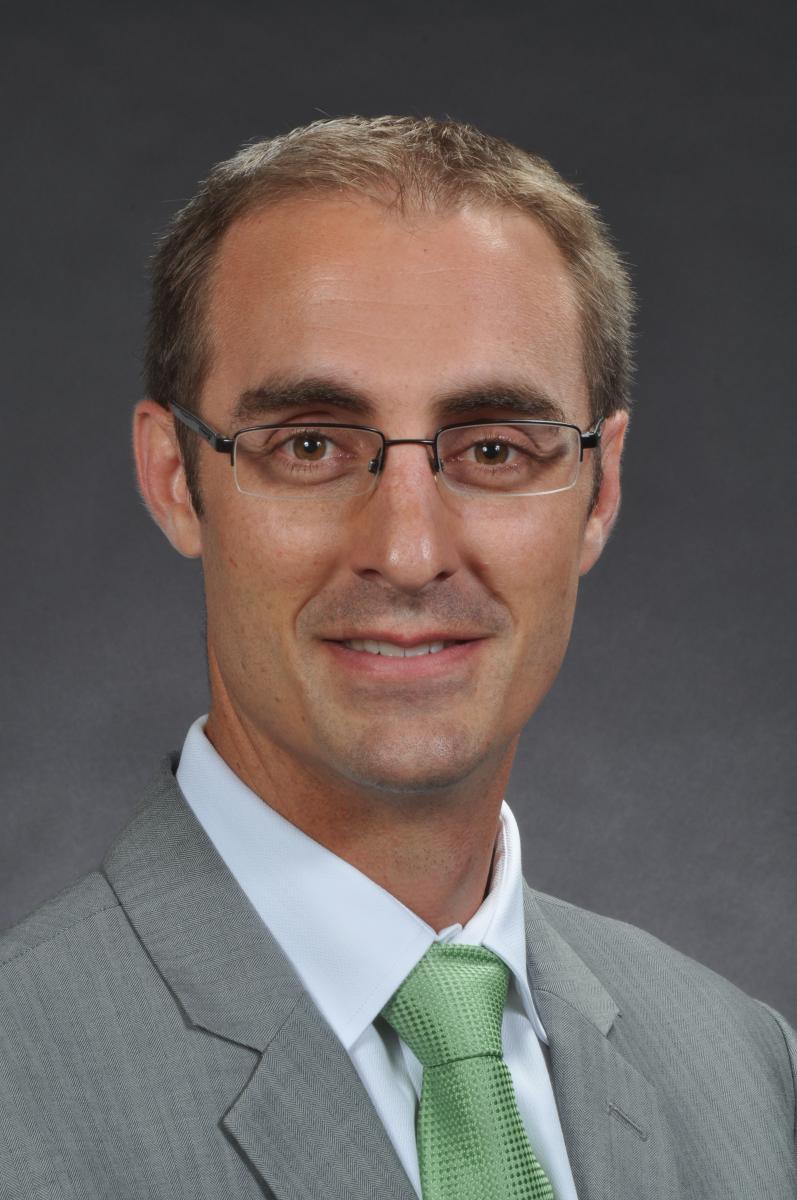
Image
About Lawson Health Research Institute
Lawson Health Research Institute is one of Canada’s top hospital-based research institutes, tackling the most pressing challenges in health care. As the research institute of London Health Sciences Centre and St. Joseph’s Health Care London, our innovation happens where care is delivered. Lawson research teams are at the leading-edge of science with the goal of improving health and the delivery of care for patients. Working in partnership with Western University, our researchers are encouraged to pursue their curiosity, collaborate often and share their discoveries widely. Research conducted through Lawson makes a difference in the lives of patients, families and communities around the world. To learn more, visit www.lawsonresearch.ca.
About Western
Western delivers an academic experience second to none. Since 1878, The Western Experience has combined academic excellence with life-long opportunities for intellectual, social and cultural growth in order to better serve our communities. Our research excellence expands knowledge and drives discovery with real-world application. Western attracts individuals with a broad worldview, seeking to study, influence and lead in the international community.
About Global Consortium for Chemosensory Research
The Global Consortium for Chemosensory Research (GCCR) is a group of global transdisciplinary scientists, clinicians, and patient advocates founded in response to the COVID-19 pandemic. With more than 500 members in 30 countries, the GCCR will harness their reach to conduct and analyze worldwide evidence-based research to combat the spread of COVID-19.
Media Contacts
Celine Zadorsky
Senior Media Relations Consultant
Communications & Public Engagement
T: 519-685-8500 ext. 73502
Celine.zadorsky@lhsc.on.ca
London researchers join global initiative to study loss of smell in COVID-19 patients
As part of an initiative called the Global Consortium for Chemosensory Research (GCCR), scientists at Lawson Health Research Institute and Western University are studying the sudden loss of smell in COVID-19 patients. They are asking individuals with confirmed or presumptive cases of COVID-19 worldwide to participate in a survey to better understand this symptom.
A sudden loss of smell, called anosmia, has been widely reported as a marker of COVID-19. More research is needed but emerging evidence suggests that more than 60 per cent of COVID-19 patients experience anosmia and that it is often the first symptom of the disease.
“While a sudden loss of smell is relatively rare, it is most commonly caused by an upper respiratory tract infection. It therefore stands to reason that COVID-19 could be causing anosmia,” says Dr. Leigh Sowerby, Associate Scientist at Lawson and Associate Professor at Western University’s Schulich School of Medicine & Dentistry. “Colleagues in the United Kingdom first made note of this with a surge of patients presenting with sudden loss of smell and many of these patients went on to develop COVID-19.”
In the new study, patients with loss of smell will answer questions through a publicly accessible survey. They will be asked about their experiences with COVID-19 and other respiratory illnesses. An immediate goal is to better understand the association between anosmia and COVID-19, and determine if loss of smell is the same in symptomatic and asymptomatic patients. The team also hopes to determine if loss of smell happens before other symptoms of COVID-19 as it could allow for earlier self-isolation advice.
“As a sinus surgeon, I see many patients who have lost their sense of smell. It really is the forgotten sense; we don’t appreciate smell until it’s gone,” explains Dr. Sowerby, who is also an Otolaryngologist at St. Joseph’s Health Care London. “Smell is a very important part of taste. Imagine if all food tasted like cardboard, and all you could do was make that cardboard taste spicy, salty, sweet or bitter. It can also be a safety concern if you cannot smell a gas leak, burning food or smoke.”
While there are existing therapies that can aid in regaining a sense of smell, it’s currently unknown whether they are effective for COVID-19 patients.
“We don’t yet know the long-term consequences of anosmia in COVID-19 patients and that’s why this research is important,” adds Dr. Sowerby. “I encourage anyone who has been diagnosed with COVID-19 or another respiratory illness to complete our survey if able.”
The GCCR survey is currently available in 10 languages at www.covidandsmell.com.
Scientist
London researchers part of a federal funding boost to enhance transition in care research
How can we improve health care for Canadians experiencing “transitions in care” to ensure they don’t fall through the cracks as they move through the health care system?
That’s the question two London researchers are aiming to answer, with the support of nearly $1.5 million in federal funding announced today at Western University's Schulich School of Medicine & Dentistry.
Peter Fragiskatos, MP for London North Centre, announced the funding boost on behalf of Federal Health Minister Jean-Yves Duclos, alongside Dr. Jane Rylett, Scientific Director of the Institute of Aging with the Canadian Institutes of Health Research (CIHR).

“When a person experiences a transition in care, whether moving from surgery to rehabilitation or aging out of pediatric care, the quality of their care and their health can be at risk,” said Bryan Neff, Western’s acting vice president of research, who hosted the funding announcement. “With federal investments like this, Western will continue to lead the way in identifying how to provide the best possible care for Canadians while improving efficiency in the health-care system.”
Transitions in care happen when responsibility for a person’s care shifts between providers, institutions or sectors. Some groups, such as patients with complex medical conditions, Indigenous peoples, and new immigrants, are particularly vulnerable to poor outcomes during transitions.
People with diabetes – a complex, typically life-long condition – fall into this category, which is why London’s Primary Care Diabetes Support Program (PCDSP) was developed. The clinic, which is part of the Centre for Diabetes, Endocrinology and Metabolism at St. Joseph’s Health Care London, is based at St. Joseph’s Family Medical and Dental Centre. The program provides diabetes support and management for individuals with type 2 diabetes who don’t have a family doctor or who may have additional medical and social issues that make diabetes management particularly challenging.
Maria Mathews, PhD, and her team at Schulich Medicine will evaluate the program to determine its impact on patient health, and on health-care providers, diabetes-related complications, and health system costs.
“While this program has already been shown to deliver high-quality care, my team is examining its overall impact to determine whether this model could be expanded to other sites and to support other chronic conditions,” said Mathews, a professor in the department of family medicine. With the $895,000 investment in her research, Mathews will determine “how we can best provide high- quality care for people with chronic conditions in a way that supports their health, eases strain on family doctors, and creates efficiencies in the health care system.”
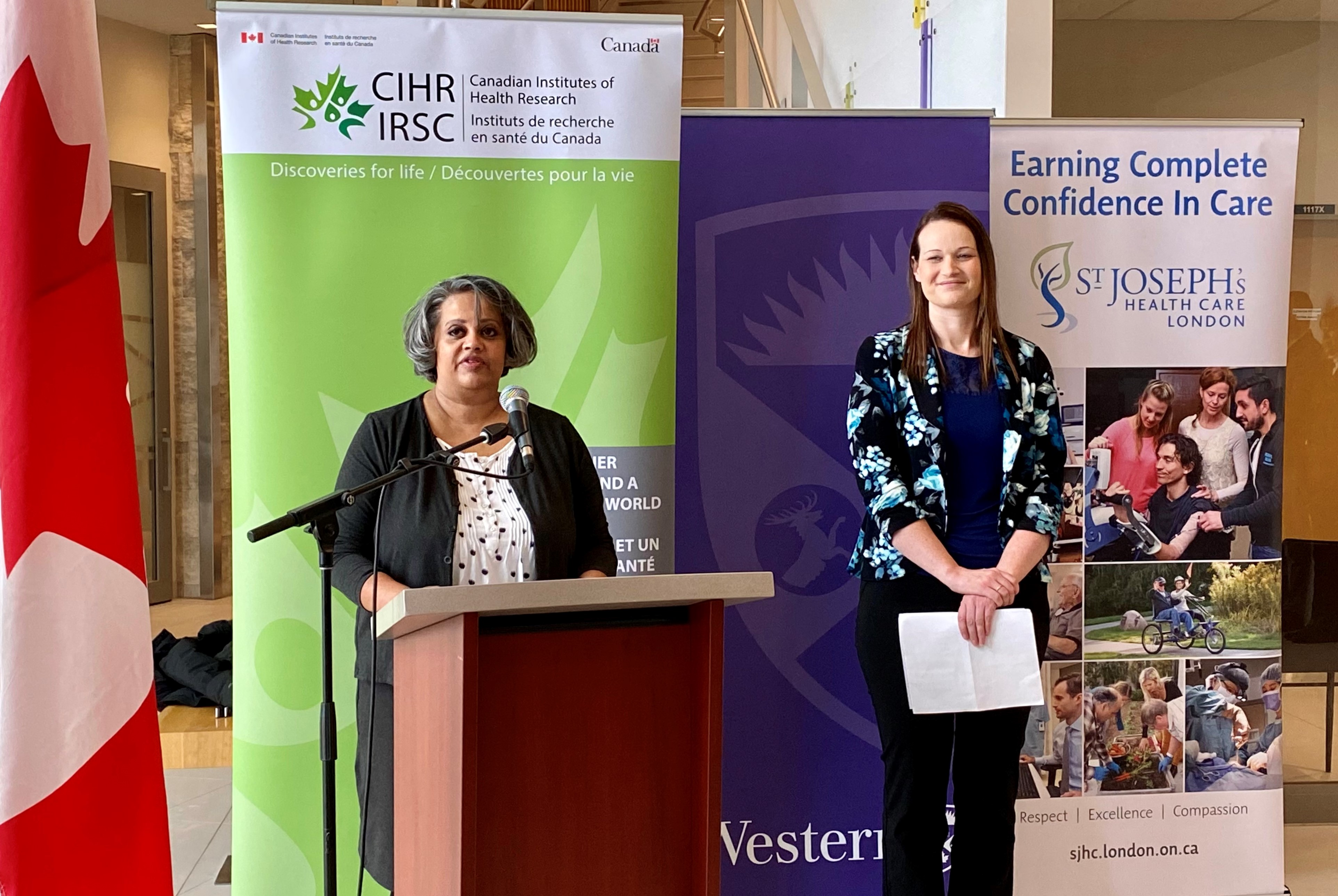
Laura Brunton, PhD, an assistant professor at the School of Physical Therapy in Western’s Faculty of Health Sciences, received more than half a million dollars in CIHR funding.
Her team will examine a local program based at St. Joseph’s Parkwood Institute – called the Transitional and Lifelong Care Program (TLC) – that supports people with childhood-onset disabilities as they transition to adult care. This includes many patients with brain-based, neurodevelopmental conditions, such as cerebral palsy, spina bifida and developmental disabilities, as they move into adult care.
“Many of these patients have experienced severe health inequities because of the gaps in care when transitioning from pediatric care to the adult sector,” said Brunton, also a physiotherapist at St. Joseph’s Health Care London and affiliate scientist at Lawson Health Research Institute. “We’re going to evaluate the TLC model as an intervention that provides transitional, lifelong care and reduces the barriers experienced.”
Roy Butler, president of St. Joseph’s Health Care London, said today’s announcement highlights the synergy and collaboration among these organizations.
“We are happy to hear that work being done by both Laura Brunton and Maria Mathews to improve patient care is being recognized through this funding announcement. The two areas these talented researchers will be studying are innovative and ground-breaking with compassionate, forward-thinking teams who provide highly acclaimed care to vulnerable patients.”

Fragiskatos emphasized the vital importance of funding this field of research, given that most Canadians will experience a ‘transition in care’ at some point.
“People living in Canada routinely experience transitions in care as they navigate the health system. The important research that will be done here in London and at institutions across the country will help develop meaningful approaches to make these transitions easier for patients and caregivers,” he said.
Local researchers were among 14 groups across Canada that received approximately $12 million in federal funding to improve continuity of care for Canadians through the “Transitions in Care” initiative, which is provided in partnership with the Azrieli Foundation, Mitacs, and the Rossy Family Foundation.
London researchers team up with Diagnostics Biochem Canada to study COVID-19
LONDON, ON – Researchers at Lawson Health Research Institute (Lawson) and Western University have teamed up with local biotech company, Diagnostics Biochem Canada Inc. (DBC), to help us better understand COVID-19 and the body’s immune response to the infection.
A recently published study followed 28 critically ill patients at London Health Sciences Centre (LHSC); 14 who tested positive for COVID-19 and 14 who tested negative. They also followed 14 mildly ill non-hospitalized patients with COVID-19 and 14 healthy controls. The researchers tracked their body’s immune responses and found that all COVID-19 positive patients had a robust antibody response to the infection, even those with poorer outcomes.
“Our previous research showed that in severe cases of COVID-19, the body produces what’s called a cytokine storm, or an intense, initial immune response. However, in this new study, we observed that after a few days and weeks in critical care, the body produced a later, humoral antibody response that is equivalent to what we would expect with any similar infection,” explains Dr. Douglas Fraser, lead researcher and Critical Care Physician at LHSC.
Patients with COVID-19 reacted to the infection and produced ample anti-SARS-CoV-2 antibodies, including those who passed away. This finding suggests that blunted immune responses – when there is a lack of antibody production - did not contribute to mortality. Dr. Fraser says that based on their data, the focus of treatment should shift to combatting the viral load a person receives, and the body’s more immediate reaction to the infection.
This research was made possible through a collaboration between Lawson, Western and DBC, with DBC providing the serological testing kits.
“DBC was the first Canadian company to launch Health Canada-authorized serological tests for COVID-19 and we are happy that our scientists have been working with Lawson on this important study. We look forward to continuing this collaboration and supplying Canadian labs with much needed serological tests,” says Manon Hogue, CEO at DBC.
Analyzing serum antibody levels using a blood test could help improve patient outcomes by allowing early identification of who may require certain treatments, and guide decisions around patient cohorting. In addition, serological testing allows for viral surveillance and its immunity in the community.
London West MP, Kate Young adds, “London is once again showing the world that we are leading the way in scientific research into our most pressing health issues. It’s great to see a local business, Diagnostics Biochem Canada Inc., team up with the Lawson Health Research Institute to help better understand Covid-19. Working together they will help us unlock the keys to how Covid-19 impacts the body’s immune system.”
The study, “Critically Ill COVID-19 Patients Exhibit Anti-SARS-CoV-2 Serological Responses,” is published in the journal Pathophysiology.
-30-
About Lawson Health Research Institute
Lawson Health Research Institute is one of Canada’s top hospital-based research institutes, tackling the most pressing challenges in health care. As the research institute of London Health Sciences Centre and St. Joseph’s Health Care London, our innovation happens where care is delivered. Lawson research teams are at the leading-edge of science with the goal of improving health and the delivery of care for patients. Working in partnership with Western University, our researchers are encouraged to pursue their curiosity, collaborate often and share their discoveries widely. Research conducted through Lawson makes a difference in the lives of patients, families and communities around the world. To learn more, visit www.lawsonresearch.ca.
About Diagnostics Biochem Canada Inc.
We have been exporting our products around the globe for over 47 years. As a leader in the industry, it has always been our goal to offer a wide range of test kits and continually introduce new and unique products to the marketplace. It is our strong commitment to research, development, and manufacture that has enabled us to offer our customers ongoing, unique, and quality products.
About The Schulich School of Medicine & Dentistry
The Schulich School of Medicine & Dentistry at Western University is one of Canada’s preeminent medical and dental schools. Established in 1881, it was one of the founding schools of Western University and is known for being the birthplace of family medicine in Canada. For more than 130 years, the School has demonstrated a commitment to academic excellence and a passion for scientific discovery.
Media Contacts
Celine Zadorsky
Senior Media Relations Consultant
Communications & Public Engagement
T: 519-685-8500 ext. 73502
Celine.zadorsky@lhsc.on.ca
London scientists clinch $2 million in federal funding to develop better imaging tools for brain disease
LONDON, ON – Lawson Health Research Institute has been awarded over $2 million in federal funding for a project focusing on two unique medical imaging systems designed to give unparalleled insight into brain function and disease.
Today, the Right Honourable Justin Trudeau, Prime Minister of Canada, announced more than $518 million in research infrastructure support through the Canada Foundation for Innovation (CFI). In a live conversation today at 1 p.m., the Honourable François-Philippe Champagne, Minister of Innovation, Science and Industry, will share more about how the funding will support 102 state-of-the-art projects at 35 post-secondary institutions and research hospitals across the country - helping Canada remain at the forefront of exploration, innovation and discovery.
“Imaging technologies, such as MRI and PET scanners, have revolutionized our understanding and treatment of major neurological diseases, including dementia and mental illness, by allowing us to study disease mechanisms and their impact on brain health,” says Dr. Keith St. Lawrence, Lawson Scientist and project co-lead. “We are developing and testing two leading-edge systems that will enable imaging of key vascular, metabolic and molecular factors linked to disease.”
The first system is a head-only PET (positron emission tomography) insert that can be placed in any clinical MRI machine. Combining the molecular specificity of PET with the structural and functional capabilities of MRI, the possibilities for brain imaging will be greatly enhanced. The head-only PET insert being tested in London has been developed by Cubresa Inc., located in Winnipeg, Manitoba.
“Combined with deep-learning approaches, we could achieve a highly improved sensitivity of the PET insert and reduce the radiation dose by up to 50 times compared to whole-body imaging,” explains Dr. Jonathan Thiessen, Lawson Scientist and project co-lead. “This will be the first commercially available high-resolution brain PET/MRI installed in the world.”
For example, better diagnosis of different forms of dementias would be possible and researchers could closely compare protein abnormalities in the brain with cognitive function. The low radiation dose allows for long-term studies investigating changes in the brain and neuroinflammation that can lead to major psychiatric diseases and cognitive degeneration or disability.
The second system uses portable, state-of-the-art optical imaging to increase the reliability of bedside brain monitoring to provide rapid assessment of brain health in restrictive environments.
“We believe this technology will demonstrate how biomedical optics can improve neurological outcome for surgery and patients in intensive care, provide an accessible technology for assessing neurovascular health, and become a clinically relevant tool for monitoring changes in brain function,” says Dr. St. Lawrence.
With current systems, the type of data is limited and extremely vulnerable to signal contamination from the scalp which can overshadow signals from the brain. Using the team’s specialized detection approach, the scalp signal contributions could be greatly reduced to get more accurate information on markers of brain activity, such as cerebral blood flow and energy metabolism.
The team will study use of the system in surgical and intensive-care settings to monitor for cerebral ischemia and metabolic stress, which are the major causes of brain injury. They will also monitor treatment in patients with schizophrenia and study dysfunction in the brain associated with negative symptoms, as cognitive impairment deteriorates with age for some people with the disease. Another goal is to develop a brain-computer interface for patients who are incapable of physical communication.
“With this funding, we can develop a truly unique advancement that has the potential to test the limits of optics for brain applications,” adds Dr. Thiessen. These two imaging platforms build on previous investments in Lawson Imaging that now exceed over $40 million in research funds since the initial CFI support in hybrid imaging in 2007.
-30-
About Lawson Health Research Institute
Lawson Health Research Institute is one of Canada’s top hospital-based research institutes, tackling the most pressing challenges in health care. As the research institute of London Health Sciences Centre and St. Joseph’s Health Care London, our innovation happens where care is delivered. Lawson research teams are at the leading-edge of science with the goal of improving health and the delivery of care for patients. Working in partnership with Western University, our researchers are encouraged to pursue their curiosity, collaborate often and share their discoveries widely. Research conducted through Lawson makes a difference in the lives of patients, families and communities around the world. To learn more, visit www.lawsonresearch.ca.
Media Contacts
Celine Zadorsky
Senior Media Relations Consultant
Communications & Public Engagement
T: 519-685-8500 ext. 73502
Celine.zadorsky@lhsc.on.ca
London scientists clinch $2 million in federal funding to develop better imaging tools for brain disease
Lawson Health Research Institute has been awarded over $2 million in federal funding for a project focusing on two unique medical imaging systems designed to give unparalleled insight into brain function and disease.
The Right Honourable Justin Trudeau, Prime Minister of Canada, announced more than $518 million in research infrastructure support through the Canada Foundation for Innovation (CFI).
“Canada's researchers and scientists are some of the brightest and most skilled in the world. These investments will ensure that they have the cutting-edge laboratories and equipment needed to help us build a Canada that is healthier, greener, and more competitive," says The Rt. Hon. Justin Trudeau, Prime Minister of Canada.
In a live conversation, the Honourable François-Philippe Champagne, Minister of Innovation, Science and Industry, shared more about how the funding will support 102 state-of-the-art projects at 35 post-secondary institutions and research hospitals across the country - helping Canada remain at the forefront of exploration, innovation and discovery.
Image
The first system is a head-only PET (positron emission tomography) insert that can be placed in any clinical MRI machine. Combining the molecular specificity of PET with the structural and functional capabilities of MRI, the possibilities for brain imaging will be greatly enhanced. The head-only PET insert being tested in London has been developed by Cubresa Inc., located in Winnipeg, Manitoba.
Image

For example, better diagnosis of different forms of dementias would be possible and researchers could closely compare protein abnormalities in the brain with cognitive function. The low radiation dose allows for long-term studies investigating changes in the brain and neuroinflammation that can lead to major psychiatric diseases and cognitive degeneration or disability.
The second system uses portable, state-of-the-art optical imaging to increase the reliability of bedside brain monitoring to provide rapid assessment of brain health in restrictive environments.
“We believe this technology will demonstrate how biomedical optics can improve neurological outcome for surgery and patients in intensive care, provide an accessible technology for assessing neurovascular health, and become a clinically relevant tool for monitoring changes in brain function,” says Dr. St. Lawrence.
With current systems, the type of data is limited and extremely vulnerable to signal contamination from the scalp which can overshadow signals from the brain. Using the team’s specialized detection approach, the scalp signal contributions could be greatly reduced to get more accurate information on markers of brain activity, such as cerebral blood flow and energy metabolism.
The team will study use of the system in surgical and intensive-care settings to monitor for cerebral ischemia and metabolic stress, which are the major causes of brain injury. They will also monitor treatment in patients with schizophrenia and study dysfunction in the brain associated with negative symptoms, as cognitive impairment deteriorates with age for some people with the disease. Another goal is to develop a brain-computer interface for patients who are incapable of physical communication.
“With this funding, we can develop a truly unique advancement that has the potential to test the limits of optics for brain applications,” adds Dr. Thiessen.
These two imaging platforms build on previous investments in Lawson Imaging that now exceed over $40 million in research funds since the initial CFI support in hybrid imaging in 2007. London is home to Canada’s first whole body PET/MRI scanner that was installed at St. Joseph’s Hospital, part of St. Joseph’s Health Care London.
Scientist
London scientists key players in national dementia strategy
LONDON, ON – Researchers in London have been awarded $1.345 million over five years through the second phase of the Canadian Consortium on Neurodegeneration in Aging (CCNA), announced today as part of Canada’s national dementia strategy. CCNA is a collaborative research program tackling the challenge of dementia and other neurodegenerative illnesses.
Dr. Manuel Montero-Odasso, Scientist at Lawson Health Research Institute, is world renowned for his findings on the relationship between cognition and mobility in the elderly, and gait as a predictor of frailty and dementia. He leads the Mobility, Exercise and Cognition (MEC) Team in London, comprised of top researchers in the areas of mobility, exercise and brain health.
“Evidence from other countries with national dementia strategies shows that coordinated, targeted efforts at the national level improves results for all aspects of dementia care and also for research,” says Dr. Montero-Odasso, also a geriatrician and Director of the Gait and Brain Lab at Parkwood Institute, a part of St. Joseph’s Health Care London.
CCNA was purpose-built to synergize dementia research within the Canadian context. Phase I saw the creation of infrastructure fostering collaboration amongst Canadian researchers, and there are now 20 teams built around important research topics.
“This kind of effective national collaboration by scientists and clinicians from many disciplines gives the CCNA a cutting edge in research, prevention, treatment and management of all forms of dementia,” explains Dr. Montero-ODasso. “We created a national network of researchers form west to east coast with a high level of expertise to deliver lifestyle interventions to improve cognition and slow down progression to dementia. I feel privileged working with such excellent investigators and leading this important endeavour locally.”
The MEC team has several projects in the works, but the majority of the new funding is to complete the SYNERGIC Trial, SYNchronizing Exercises and Remedies on Gait and Cognition.
This first-in-the-world clinical study is testing a triple intervention aimed at treating Mild Cognitive Impairment (MCI) and delaying the onset of dementia. The SYNERGIC Trial incorporates physical exercises and cognitive training, along with vitamin D supplementation to determine the best treatment for improving mobility and cognition.
“We are looking at how interventions will work together and targeting cognitive decline at its earliest stage – individuals with MIC,” explains Dr. Montero-Odasso. “Both physical and cognitive exercises have shown promising effects for maintaining cognition, while vitamin D deficiency is associated with cognitive decline.”
A professor at Western University’s Schulich Medicine & Dentistry, Dr. Montero-Odasso partners with researchers from across the city including Dr. Rob Bartha, imaging scientist at Schulich Medicine & Dentistry and Robarts Research Institute at Western University, and Dr. Kevin Schoemaker who leads the Laboratory for Brain and Heart Health.
Study participants in the SYNERGIC Trial are asked to complete an individualized and progressive routine of exercises and cognitive training three times a week for six months, with one final assessment at 12 months. The main site for the study is Parkwood Institute with the physical exercises taking place at the Labatt Health Sciences Building on the Western campus.
“Our preliminary analysis is giving us a strong indication that a multimodal approach, combining physical exercise, cognitive training and supplementation, has a synergistic effect. It seems the whole is greater than the sum of its parts,” says Dr. Montero-Odasso.
To date, 138 research patients has been recruited across multiple sites in Canada. Individuals over 60 years old with mild cognitive impairment without dementia are eligible for this clinical trial. Those interested in participating are encouraged to contact a Lawson research coordinator at 519-685-4292 ext. 42910.
Dr. Montero-Odasso adds that “as our population ages, a comprehensive strategy is vital to ensure the growing number of those living with dementia receive the care and support they deserve. Over half a million Canadians are currently living with dementia. By 2031, this number is expected to nearly double.” More than one third of dementia cases might be preventable.
'In CCNA’s Phase II, researchers are working on analyzing the overall health of every patient in a large clinical cohort study, COMPASS-ND. This information will be used to enhance understanding of how changes in the brain affect dementia severity and ways to reduce and prevent this through lifestyle changes. Lawson is the leading recruitment site for COMPASS-ND and the London team will be instrumental in the larger lifestyle interventions moving forward.
CCNA is funded by the Government of Canada, Canadian Institutes of Health Research (CIHR) and other funding partners.
-30-
About Lawson Health Research Institute
Lawson Health Research Institute is one of Canada’s top hospital-based research institutes, tackling the most pressing challenges in health care. As the research institute of London Health Sciences Centre and St. Joseph’s Health Care London, our innovation happens where care is delivered. Lawson research teams are at the leading-edge of science with the goal of improving health and the delivery of care for patients. Working in partnership with Western University, our researchers are encouraged to pursue their curiosity, collaborate often and share their discoveries widely. Research conducted through Lawson makes a difference in the lives of patients, families and communities around the world. To learn more, visit www.lawsonresearch.ca.
Media Contacts
Celine Zadorsky
Senior Media Relations Consultant
Communications & Public Engagement
T: 519-685-8500 ext. 73502
Celine.zadorsky@lhsc.on.ca
London’s health community announces partnership with Canon Medical
Building on established excellence in medical imaging, Western University and London’s academic teaching hospitals, London Health Sciences Centre (LHSC), and St. Joseph’s Health Care London announced today a unique partnership with Canon Medical Systems Canada in advanced Computed Tomography (CT) that will advance patient care, research and teaching in Southwestern Ontario.
This new partnership includes the investment of a $4.5 million dedicated research CT, Angio Suite and portable ultrasound machine to be used for medical imaging research. London will also become home to the world’s largest installation of the most advanced CT platform from Canon Medical.
“London has an international reputation as a leader in medical imaging, and today we are celebrating a partnership that will build on that foundation of imaging excellence,” said Dr. Narinder Paul, Chair/Chief of the Department of Medical Imaging at Western’s Schulich School of Medicine & Dentistry, LHSC and St. Joseph’s. “Thanks to Canon’s investment, we will, for the first time, have the same CT equipment being used for patient care as we are using for research.”
CT is used to provide critical diagnostic information through combination of thousands of ultralow dose, high resolution X-ray images to create cross-sectional images of the brain, the heart, lungs, abdominal and pelvic organs, and of the blood vessels. CT provides essential imaging for most medical and surgical emergencies and is the standard of care for routine assessment and evaluation of patients with a wide range of conditions including many cancers. CT is also used to guide interventions for diagnosis through obtaining tissue biopsies, and is used to guide minimally invasive treatment.
Because the research CT will exactly mirror the equipment used clinically, it will allow researchers to more quickly and readily apply their research findings to patient care. The research in London will focus on improving patient safety by finding ways to lower radiation dose, developing faster and more detailed imaging techniques, and personalizing the patient experience.
Image
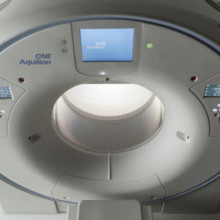
This partnership includes the investment of a dedicated research CT, Angio Suite and portable ultrasound machine.
The partnership with Canon Medical also provides the opportunity to establish a training academy and a Canon Medical National Centre of Excellence in London. As new advanced CT protocols are developed and validated here, hands-on training will be provided for medical imaging teams from across the province, the country and the world.
“As Southwestern Ontario’s only medical school, we are very pleased that the partnership also provides for the establishment of a training academy,” said Dr. Davy Cheng, Acting Dean, Schulich School of Medicine & Dentistry, Western University. “We expect this training to attract interest from medical learners and professionals internationally, and we will welcome them to London to learn from our clinical and research leaders.”
In addition, LHSC and St. Joseph’s are acquiring six clinical CTs to be used for patient care, which will standardize all of the CT equipment at London’s hospitals. Two will be installed at University Hospital, three at Victoria Hospital and one at St. Joseph’s.
“The investment in these six new machines means a standardization of all CT equipment at London’s hospitals, and more importantly, ensures we will have the best available technology for patients – offering lower radiation doses with each scan, and producing higher resolution images enabling more precise detection and diagnosis,” said Dr. Paul Woods, President and CEO, London Health Sciences Centre.
“London is renowned for its excellence in imaging and has been at the forefront of significant advancements in technology, clinical translation and training over many years. We have been a city of numerous national firsts in imaging dating back decades. Today we take that excellence to a new level with an exciting and innovative partnership that will advance health care, teaching and research in our city,” said Dr. Gillian Kernaghan, President and CEO, St. Joseph’s Health Care London.
Following installation, further research to validate use and drive innovations can be done effectively and efficiently within the clinical setting, done by hospital-based researchers through Lawson Health Research Institute, the research institute of LHSC and St. Joseph’s.
“London’s integrated health care and research community is well-positioned to make the most of this opportunity, which ultimately means we can continually improve care for the patients and families that we serve,” said Dr. David Hill, Lawson Scientific Director and Integrated Vice President, Research for London’s hospitals.
Scientist
… breaking down silos that inhibit the seamless transition of patients within the health care system; striving for the … and utilize, effective mechanisms for engaging families and patients to help inform the HSP plans, including the HSP’s … breaking down silos that inhibit the seamless transition of patients within the health care system; striving for the …
1/39 LONG-TERM CARE HOME SERVICE ACCOUNTABILITY AGREEMENT APRIL 1, 2019 MARCH 31, 2022 LONG-TERM CARE HOME SERVICE ACCOUNTABILITY AGREEMENT April 1, 2019 to March 31, 2022 SERVICE ACCOUNTABILITY AGREEMENT with Effective Date: April 1, 2019 Index to Agreement ARTICLE 1.0 DEFINITIONS & INTERPRETATIO...
… __________cm Complex Care Program does not provide care to patients who require Total Parenteral Nutrition (TPN). SKIN … at home or in long-term care facilities. CCC provides patients with room, board and other basic necessities in addition to medical care. All patients in Complex Continuing Care are charged a “Complex …
Page 1 of 7 Complex Care Program Admission Application (Ventilator Dependent Client) VENTILATOR DEPENDENT CLIENT APPLICATION Parkwood Institute - Complex Care Program FAX completed form to (519) 685-4804 ------- Please ensure that you have included all pertinent patient information. In addition to ...
… avoid adverse drug events in older persons 4. What Can Your Patients Learn From You? (A, N, P) Cathy Parsons, RN, St. … and optimism • Integrate the strategies to enhance your patients’ achievement of their defined goals for recovery … Care London • Describe the consequences of fracture for patients, caregivers and the health system • Interpret …
LEGEND - WORKSHOP SUITED FOR: (A) - Allied Health, (N) - Nurses, PSWs, (P) - Physicians, Pharmacists 32nd Annual Geriatric Medicine Refresher Day Current and Practical Knowledge to Inspire and Advance Care Wednesday, May 2, 2018 7:30 a.m. - 4:00 p.m. London Convention Centre, London, Ontario 7:30 - ...
… The goal of the procedure is to temporarily relieve pain so patients can participate in restorative therapies … The goal of the procedure is to temporarily relieve pain so patients can participate in restorative therapies …
CARING FOR THE BODY, MIND & SPIRIT SINCE 1869 Renowned for compassionate care, St. Joseph's is one of the best academic health care organizations in Canada dedicated to helping people live to their fullest by minimizing the effects of injury, disease and disability through excellence in care, teachi...