


Search
Search
2194 Search Results:
… Consent for Photography, Video and/or Sound Recording of Patients Location of Files: Patient Health Record … consent for photography, video and/or sound recording of patients Legal Authority for PIB: Public Hospitals Act R.S.0 … consent for photography, video and/or sound recording of patients Individuals in Bank: Patients Retention Period: …
Personal Information Bank (PIB) Details Title: Consent for Photography, Video and/or Sound Recording of Patients Location of Files: Patient Health Record Description: To document consent for photography, video and/or sound recording of patients Legal Authority for PIB: Public Hospitals Act R.S.0 199...
… providers, we hope to increase access to our clinic for new patients, decrease wait times, and improve the availability … providers, we hope to increase access to our clinic for new patients, decrease wait times, and improve the availability …
Pain Management ProgramPatient Name: Patient Health Card Number: Patient Date of Birth: St. Josephs Hospital 268 Grosvenor Street London, Ontario N6A 4V2 519-646-6019 519-646-6292 PHYSICIAN AGREEMENT LETTER Dear Doctor: Your patient has been referred to the Pain Management Clinic of St. Josephs Heal...
Pinpointing the role of language disruptions in psychosis
LONDON, ON - The ability of humans to use language may also be what puts us at the unique risk of developing psychosis, a subset of mental illness characterized by changes in emotions, impaired functioning, and a disconnection from reality.
Difficulties with communication – both the ability to use language and to comprehend what others are saying – are some of the earliest symptoms. New research from Western University and Lawson Health Research Institute has shown that this may be because in patients with psychosis parts of the brain not meant to process language are trying to perform this complex job. Like a small airport trying to handle all the air traffic from a big hub like Pearson International Airport, some brain regions may be overloaded in psychosis.
“The language system seems to be key to understanding this illness,” said Dr. Lena Palaniyappan, the Tanna Schulich Chair in Neuroscience and Mental Health at Western’s Schulich School of Medicine & Dentistry and Scientist at Lawson and Robarts Research Institute. “We don’t yet fully understand how the disorganization of language takes place in patients affected by psychosis.”
Embarking on a mission to find out, Dr. Palaniyappan worked with a team of imaging scientists at Robarts to perform MRI scans on the brains of patients with acute psychosis. Patients were recruited from the Prevention and Early Intervention Program for Psychoses (PEPP) at London Health Sciences Centre, a flagship clinic that supports young individuals from a very early stage of psychosis.
The team divided the patients into two groups – those with severe language disturbances, and those whose language symptoms were less pronounced. They found that both groups had weakening of connectivity, or ‘hubness,’ in the part of the brain generally associated with language -- the superior temporal area. The group with more severe language symptoms also showed an emergence of higher hubness in some unexpected regions of the brain that may be compensating for some of the lost connectivity elsewhere.
“This finding led us to believe that the language problems may occur because the main hubs that are supposed to conduct language are now retired, and so these peripheral hubs, which have no business of orchestrating language as their main function, are picking up the job and aren’t doing it very well,” said Dr. Palaniyappan.
The researchers hope that by understanding how language becomes disorganized in psychosis, the data can inform new interventions to focus on strengthening the language systems in the brain to reduce or delay psychotic symptoms.
Using ultra-high-field magnetic resonance imaging at Robarts Research Institute, they were able to look at the entire brain of patients with acute psychosis. Instead of homing in on one specific area, the team looked at 3-D pixels of the brain (voxels) to get a full picture of what was happening in the whole brain and how different areas were interacting.
Using the airport analogy, Palaniyappan said that if they had only looked at the language area it would have been like only walking into one airport, and not understanding how the reduced traffic in that airport was influencing the air traffic at other surrounding airports.
“We went in without any expectations, and searched the whole brain,” said Palaniyappan. “This unique approach allowed us to get a picture of the forest rather than a picture of the tree.”
The study was funded through an early-career foundation grant from the Canadian Institutes of Health Research and was supported by PEPP.
-30-
About Lawson Health Research Institute
Lawson Health Research Institute is one of Canada’s top hospital-based research institutes, tackling the most pressing challenges in health care. As the research institute of London Health Sciences Centre and St. Joseph’s Health Care London, our innovation happens where care is delivered. Lawson research teams are at the leading-edge of science with the goal of improving health and the delivery of care for patients. Working in partnership with Western University, our researchers are encouraged to pursue their curiosity, collaborate often and share their discoveries widely. Research conducted through Lawson makes a difference in the lives of patients, families and communities around the world. To learn more, visit www.lawsonresearch.ca.
About Western
Western delivers an academic experience second to none. Since 1878, The Western Experience has combined academic excellence with life-long opportunities for intellectual, social and cultural growth in order to better serve our communities. Our research excellence expands knowledge and drives discovery with real-world application. Western attracts individuals with a broad worldview, seeking to study, influence and lead in the international community.
About The Schulich School of Medicine & Dentistry
The Schulich School of Medicine & Dentistry at Western University is one of Canada’s preeminent medical and dental schools. Established in 1881, it was one of the founding schools of Western University and is known for being the birthplace of family medicine in Canada. For more than 130 years, the School has demonstrated a commitment to academic excellence and a passion for scientific discovery.
Media Contacts
Celine Zadorsky
Senior Media Relations Consultant
Communications & Public Engagement
T: 519-685-8500 ext. 73502
Celine.zadorsky@lhsc.on.ca
… why nature-based interventions might benefit rehabilitation patients. 2. Appreciate the evidence for nature-based … of local nature-based interventions for rehabilitation inpatients and outpatients. This event is an Accredited Group Learning … why nature-based interventions might benefit rehabilitation patients. 2. Appreciate the evidence for nature-based …
Department of Physical Medicine & Rehabilitation Grand Rounds Please e-mail debra.benton@sjhc.london.on.ca if you require information in a different format or if other arrangements can make this event accessible to you. Campus Accessibility Map at www.accessibility.uwo.ca/maps.htm Going Green: The R...
… why nature-based interventions might benefit rehabilitation patients. 2. Appreciate the evidence for nature-based … of local nature-based interventions for rehabilitation inpatients and outpatients. This event is an Accredited Group Learning … why nature-based interventions might benefit rehabilitation patients. 2. Appreciate the evidence for nature-based …
Department of Physical Medicine & Rehabilitation Grand Rounds Please e-mail debra.benton@sjhc.london.on.ca if you require information in a different format or if other arrangements can make this event accessible to you. Campus Accessibility Map at www.accessibility.uwo.ca/maps.htm Going Green: The R...
… Type of PPE Inpatient Facilities Providing direct care to patients with suspect or confirmed COVID-19 Droplet and … procedures performed on suspect or confirmed COVID-19 patients Airborne, Droplet and Contact precaution • N95 … Primary Care/Ambulatory Settings Providing direct care to patients with suspect or confirmed COVID-19 Droplet and …
Point of Care Risk Assessment for COVID-19 A risk assessment must be performed with every patient interaction to determine appropriate infection control measures. Risk Assessment with every patient/resident interaction includes: contamination of skin or clothing by microorganisms in the patient/res...
Poop in a pill helping advance cancer care
Lawson Research Institute scientists have perfected the delivery of fecal transplants via patient-friendly capsules now central in ground-breaking cancer treatment studies.
It’s one of the most exciting areas of research in cancer care.
Description
Making waves in scientific and health care circles worldwide, it holds the potent potential to “jazz up” cells that attack cancer and boost the body’s response to treatment.
So what is this powerful ally? It’s poop in a pill – home-grown right here at St. Joseph’s Health Care London and Lawson Research Institute.
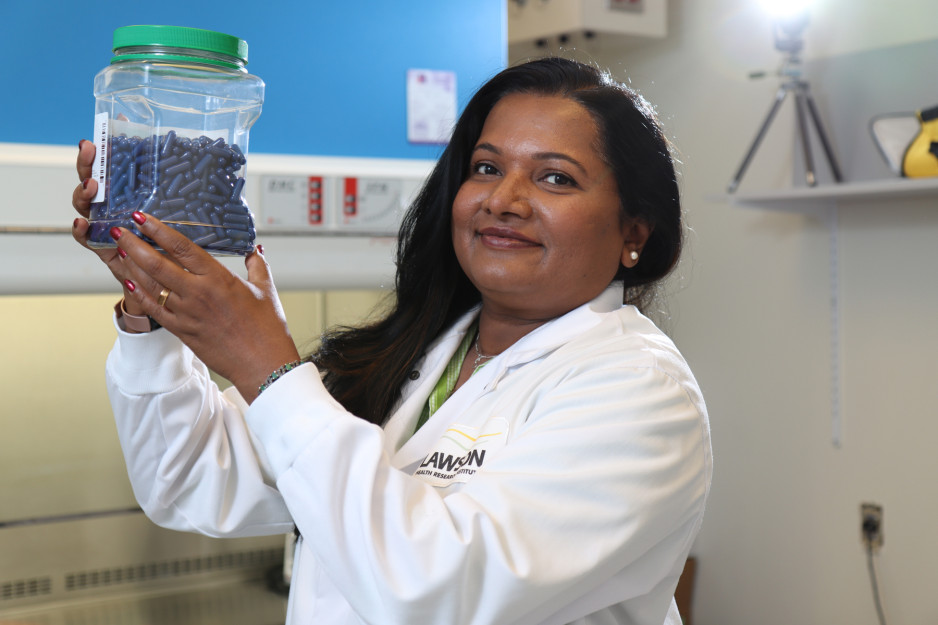
In fact, Lawson scientists Dr. Michael Silverman, Seema Nair Parvathy, PhD and their team are considered poop pill pioneers, having perfected the delivery of fecal transplantation by way of patient-friendly capsules that can be easily swallowed. These capsules contain healthy gut microbes that have become pivotal in many landmark cancer treatment studies.
Triggering an immune response
Understanding the role of poop in cancer treatment requires grasping the wonders of the human microbiome and its key role in influencing health and well-being.
The human microbiome consists of trillions of microorganisms that live inside and outside of the body, including bacteria, viruses and yeasts. While some bacteria are associated with disease, others are vital to the human immune system – the body’s main protective and disease-fighting tool – and many other aspects of health. Over the past decade, microbiome research has led to a revolution in medicine as scientists unravel just how an imbalance of these microorganisms interferes with many aspects of good health.
"(Fecal microbial transplants) allows us to harness the immune system to mount a stronger defence." Dr. Michael Silverman
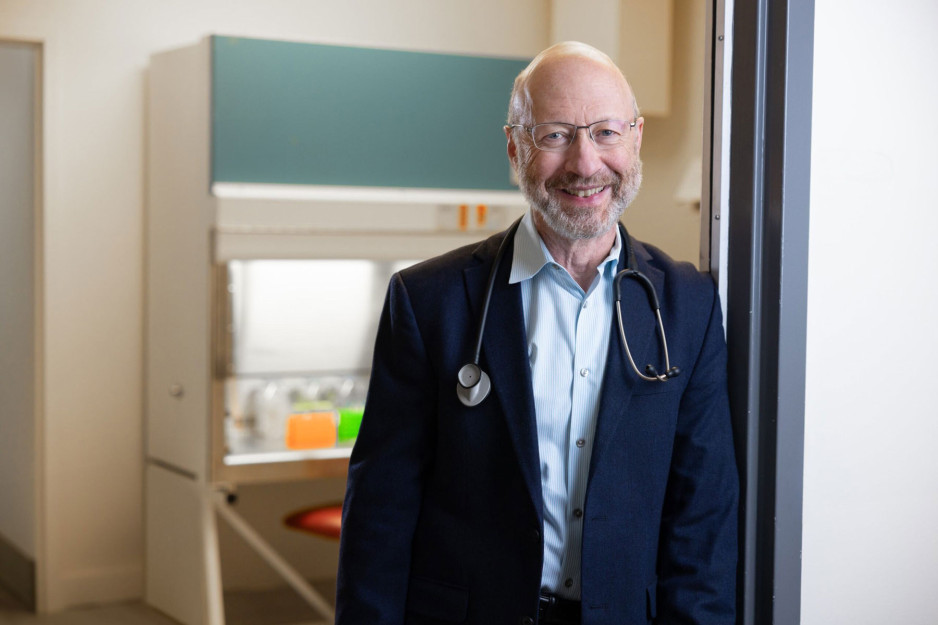
The goal of fecal microbiota transplants (FMT) is to transfer healthy gut microbes from donors into patients with cancer and other diseases so that healthy bacteria will colonize in the patient’s gut and improve the microbiome, explains Silverman, Medical Director of St. Joseph’s Infectious Diseases Care Program and citywide Chief of Infectious Diseases for London’s hospitals.
To do so, stools are collected from carefully screened healthy donors, prepared in a lab into capsule format, and introduced into a patient’s gastrointestinal tract.
“What is so exciting when it comes to cancer treatment is the evidence we now have showing how a healthy microbiome activates the immune response to tumours to make the treatment more effective,” Silverman adds. “It allows us to harness the immune system to mount a stronger defense.”
St. Joseph’s capsules are central to several significant studies currently underway aimed at improving treatment for lung, kidney, breast, renal, pancreatic and other cancers.
Among the most notable is the London team’s lead role in a ground-breaking national study – one of the world’s largest randomized controlled clinical trials using FMT to improve the effectiveness of the standard of care for advanced melanoma, a type of skin cancer.
Improving melanoma survival rates
About 11,300 Canadians will be diagnosed with melanoma in 2024 and, even with standard treatment, about half that number will experience disease progression and die.
The 16-site Canadian trial builds off the work of Silverman, Parvathy and their team, in partnership with Saman Maleki, PhD, and Dr. John Lenehan at London Health Sciences Centre. Together, they were the first to demonstrate the safety and therapeutic potential of using the capsules produced at St Joseph’s to influence a patient’s gut microbiota to enhance immunotherapy and increase the odds of surviving advanced melanoma.
“London is seen as having the most expertise in use of FMT in cancer care in the world and is a driving force in moving this forward,” says Silverman. “Immunotherapy is rapidly expanding the number of treatable cancers and our FMT therapy is helping to accelerate this progress.”
Poor sleep linked to multiple chronic conditions
When clinicians are focusing on lifestyle changes for the management and prevention of multiple chronic conditions, they will often ask patients about their alcohol consumption, smoking habits, exercise regime and diet. But what about the quality and duration of their sleep?
Researchers at Lawson Health Research Institute and Western University’s Schulich School of Medicine & Dentistry have shown that how well you sleep and for how long is linked to increased odds of living with multiple chronic conditions, and argue that promotion of good sleep habits should be given greater focus in clinical practice and public health.
The study, “Sleep behaviours and multimorbidity occurrence in middle-aged and older adults,” was recently published in the journal Sleep Medicine. Funded through Lawson’s Internal Research Fund, it used data from more than 30,000 adults over the age of 45 who were part of the Canadian Longitudinal Study on Aging (CLSA).
“Sleep is still a neglected clinical and public health issue, and this study provides additional evidence of the potential role of sleep for the prevention and management of several chronic conditions,” said Dr. Saverio Stranges, principal investigator on the study, Professor and Chair of the Department of Epidemiology and Biostatistics at Schulich Medicine & Dentistry, and Lawson Associate Scientist.
The team looked specifically at the occurrence of multimorbidity, which is defined as having multiple chronic conditions (two or more) that have been diagnosed in a single individual. The conditions can include relatively common chronic disease such as diabetes and hypertension, to depression and cancer, among others.
The study found that there was a consistent relationship between the odds of multimorbidity and self-reported poor sleep quality and altered sleep duration, which includes both too much and too little sleep.
Specifically, male participants who were dissatisfied or very dissatisfied with their sleep had a 20 per cent increase in the odds of multimorbidity. And participants aged 65 to 74 years of age who self-reported dissatisfaction with their sleep quality had a 43 per cent increase in the odds of multimorbidity.
When looking at sleep duration, while the study found a link between multimorbidity and getting too little sleep, the researchers actually found that too much sleep had a much stronger link.
Female participants who self-reported short sleep duration (less than 6 hours a night) had a 16 per cent increase in the odds of multimorbidity and those who self-reported long sleep duration (more than 8 hours a night) had a 44 per cent increase in the odds of multimorbidity. Male participants who self-reported long sleep duration had a 45 per cent increase in the odds of multimorbidity.
Previous international research has shown an association between sleep and a range of chronic conditions, but this is the first Canadian study to look specifically at the relationship between sleep and multimorbidity among middle-aged and older adults.
“This study highlighted an important relationship between self-reported sleep patterns, both duration and satisfaction, and the odds of multimorbidity among older female and male adults in Canada,” said Dr. Kathryn Nicholson, Adjunct Assistant Professor at Schulich Medicine & Dentistry, who was the lead author on the study. “Although it is important to acknowledge that this relationship was cross-sectional and causation cannot be determined from this study, we were fortunate to utilize a comprehensive data source like the CLSA, which allowed us to examine both the self-reported patterns of sleep and the occurrence of multimorbidity.”
The authors point out in the paper that there is already established evidence showing that lack of sleep has negative effects on the cardio-metabolic, endocrine, immune and inflammatory systems, and that over the past several decades the population has been experiencing poorer quality of sleep.
“This is concerning because if poor quality of sleep can increase the risk of a range of chronic conditions, then we should be concerned about sleep hygiene and put that at the centre of our focus both as clinicians and as public health scientists,” said Dr. Stranges.
The researchers will be continuing their research by using the first set of follow-up data from the CLSA to begin to explore longitudinal patterns between multimorbidity and other health indicators.
“High-quality sleep can be very beneficial, but achieving this high-quality sleep can sometimes be a challenge. We hope that this study will continue to emphasize the importance of focusing on sleep as a key health indicator and ideally, this assessment of sleep will include a focus on sleep quality and sleep duration and be a point of conversation during a clinical encounter for all patients living with multimorbidity,” said Nicholson.
Additional study authors are Rebecca Rodrigues, Dr. Kelly K. Anderson, Dr. Piotr Wilk and Dr. Giuseppe Guaiana.
Position Request / Candidate Review Impact Summary Form Please retain a copy of this form when you submit for a position request so that it can be used when submitting the candidate information. PART A POSITION REQUEST INFORMATION (Complete PART A when submitting a request for a position) PART B CAN...
Position Request / Candidate Review Impact Summary Form Please retain a copy of this form when you submit for a position request so that it can be used when submitting the candidate information. PART A POSITION REQUEST INFORMATION (Complete PART A when submitting a request for a position) PART B CAN...
Position Request / Candidate Review Impact Summary Form Please retain a copy of this form when you submit for a position request so that it can be used when submitting the candidate information. PART A POSITION REQUEST INFORMATION (Complete PART A when submitting a request for a position) PART B CAN...
Position Request / Candidate Review Impact Summary Form Please retain a copy of this form when you submit for a position request so that it can be used when submitting the candidate information. PART A POSITION REQUEST INFORMATION (Complete PART A when submitting a request for a position) PART B CAN...
Position Request / Candidate Review Impact Summary Form Please retain a copy of this form when you submit for a position request so that it can be used when submitting the candidate information. PART A POSITION REQUEST INFORMATION (Complete PART A when submitting a request for a position) PART B CAN...
… Pre-admission Information Short Stay Medical/Rehabilitation Patients to Complex Care Contact Important information … Parkwood Institute For your stay HOW YOU CAN HELP • We ask patients and family refrain from bringing their own fans due … care beds located on two units, 3A East and 3B West. Patients on 3B West are short stay patients in need of …
CARING FOR THE BODY, MIND & SPIRIT SINCE 1869 Renowned for compassionate care, St. Josephs is one of the best academic health care organizations in Canada dedicated to helping people live to their fullest by minimizing the effects of injury, disease and disability through excellence in care, teachin...
… Pre-admission Information Short Stay Medical/Rehabilitation Patients to Complex Care Contact Important information … Parkwood Institute For your stay HOW YOU CAN HELP • We ask patients and family refrain from bringing their own fans due … care beds located on two units, 3A East and 3B West. Patients on 3B West are short stay patients in need of …
CARING FOR THE BODY, MIND & SPIRIT SINCE 1869 Renowned for compassionate care, St. Josephs is one of the best academic health care organizations in Canada dedicated to helping people live to their fullest by minimizing the effects of injury, disease and disability through excellence in care, teachin...
Precise, high-dose radiation safe and effective for inoperable kidney cancer, study suggests
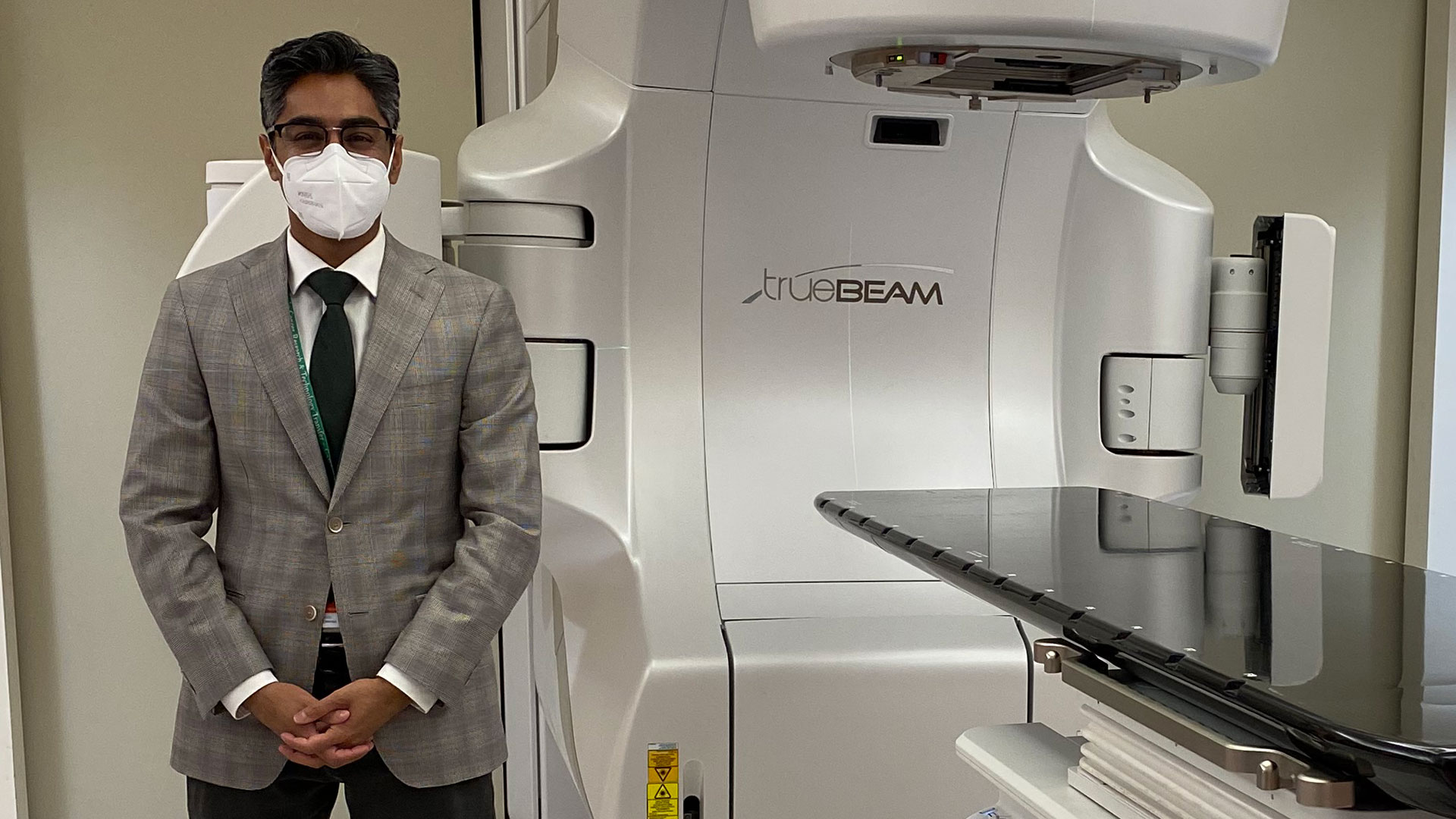
LONDON, ON – A new study published in The Lancet Oncology suggests that a very precise, high-dose form of radiotherapy called stereotactic ablative radiotherapy (SABR) may be a new treatment option for patients with inoperable kidney cancer. Lawson Health Research Institute was one of 12 participating centres from around the world with patients recruited from London Health Sciences Centre’s (LHSC) London Regional Cancer Program (LRCP).
The analysis, among the first to look at the long-term impact across multiple centres, included 190 patients with primary renal cell carcinoma, the most common type of kidney cancer. It found SABR to be effective and safe with a low rate of cancer recurrence and acceptable impact on renal function. Five years after treatment, kidney function was largely maintained and only 5.5 per cent saw their cancer return in the treated kidney.
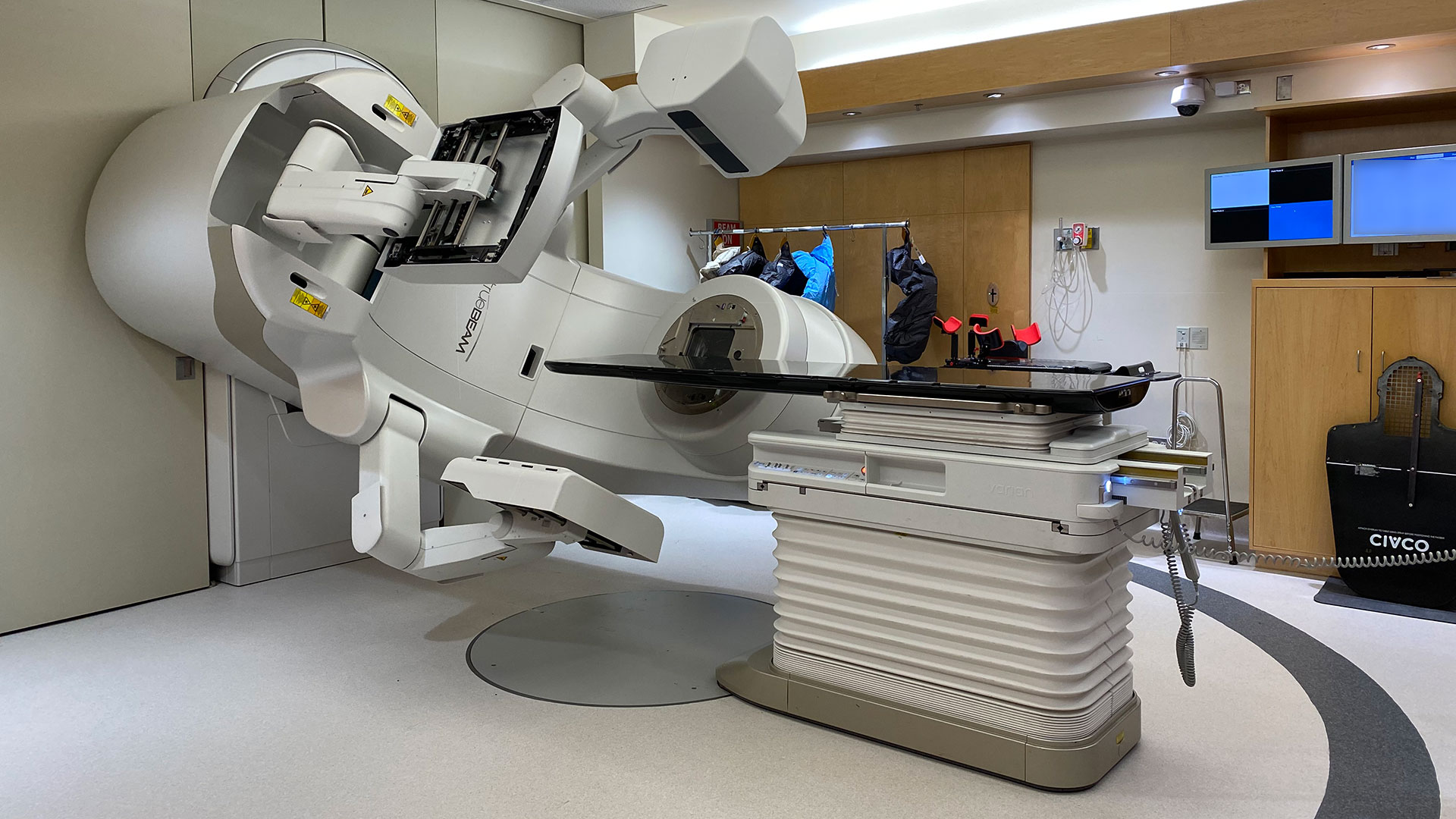
SABR directs highly accurate and intense radiation to eradicate tumours while limiting the impact on surrounding tissues. The treatment is offered to patients who are unable or unwilling for various reasons to have surgical treatment.
Previous studies on the use of SABR for primary renal cell carcinoma have been encouraging, but this publication represents the first report of long-term follow-up from a large, international group of patients.
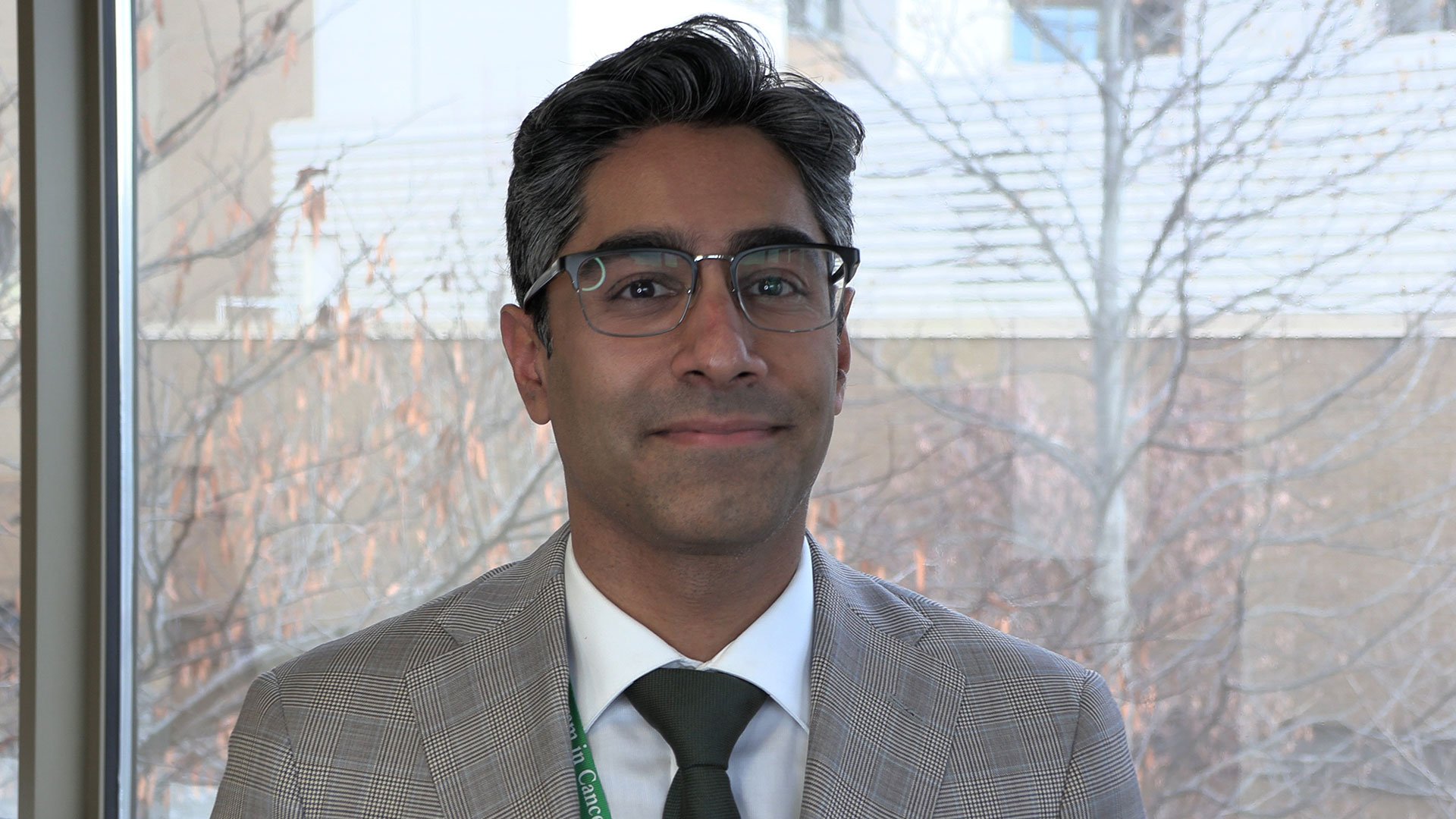
“This study suggests that the positive outcomes seen in our prior studies are long-lasting,” says Dr. Rohann Correa. “It shows that this non-invasive treatment is worthy of further clinical study in patients with kidney cancer.”
Dr. Correa, a Lawson Scientist and Radiation Oncologist at LHSC, says this study was the result of many years of international collaboration.
“The International Radiosurgery Consortium of the Kidney (IROCK) brought together global experience with this completely non-invasive, pioneering way to treat localized kidney cancer,” Dr. Correa explains. “Our study has shown that at five years, this technique appears to be safe and effective, giving us confidence to launch clinical trials that provide patients access to this promising treatment.”
The study was led by Dr. Shankar Siva, a Radiation Oncologist at the Peter MacCallum Cancer Centre in Australia. Dr. Siva and Dr. Correa’s teams are part of the collaborative IROCK group whose members include Surgical Oncologists and Radiation Oncologists from around the world. The team at Lawson and LHSC was a key contributor to this high-profile study, with local patients participating in the study and all international data housed and analyzed through Lawson.
About Lawson Health Research Institute
Lawson Health Research Institute is one of Canada’s top hospital-based research institutes, tackling the most pressing challenges in health care. As the research institute of London Health Sciences Centre and St. Joseph’s Health Care London, our innovation happens where care is delivered. Lawson research teams are at the leading-edge of science with the goal of improving health and the delivery of care for patients. Working in partnership with Western University, our researchers are encouraged to pursue their curiosity, collaborate often and share their discoveries widely. Research conducted through Lawson makes a difference in the lives of patients, families and communities around the world. To learn more, visit www.lawsonresearch.ca.
Media Contacts
Amanda Taccone
Communications Consultant & External Relations
Lawson Health Research Institute
T: 519-685-8500 ext. ext. 64059
C: 226-919-4748
@email
… models, iii) patient populations (including both inpatients and outpatients), and iv) service experiences. 2) To increase … team, learn to effectively collaborate around the needs of patients with fellow team members, learn to communicate with … models, iii) patient populations (including both inpatients and outpatients), and iv) service experiences. 2) …
CPA Accredited Member of APPIC & CCPPP Clinical Psychology Residency CONSORTIUM Predoctoral Residency in Clinical Psychology 20222023 Your guide to predoctoral training in clinical psychology within one of Canadas leading CPA accredited residency programs Clinical Psychology Residency CONSORTIUM Lon...
… insurance information Uses: Outlines accommodation type for patients having surgery Individuals in Bank: Certain patients having surgery at St. Joseph’s Hospital Retention … insurance information Uses: Outlines accommodation type for patients having surgery Individuals in Bank: Certain …
Personal Information Bank (PIB) Details Title: Preferred Accommodation Location of Files: Finance Description: Form that indicates details around preferred accommodation. Legal Authority for PIB: Public Hospitals Act R.S.0 1990, c. P.40. Types of Personal Information: Contact information and insuran...
… • Swelling of the feet or lower legs occurs in 4 - 16% of patients taking pregabalin • Weight gain occurs in 2 - 9% of patients taking pregabalin • Blurred vision Some side … • Swelling of the feet or lower legs occurs in 4 - 16% of patients taking pregabalin • Weight gain occurs in 2 - 9% …
June 16, 2020; Page 1 of 2 Pregabalin (Lyrica) Why is this medication prescribed? To treat pain from damaged nerves (neuropathic pain) and fibromyalgia. Pregabalin works by dampening the pain signals sent through the bodys nervous system. For sleep or anxiety when used to treat pain in individuals...
… |_| |_| 4.0 Ability to communicate appropriately with patients and their family |_| |_| 5.0 On-call … |_| |_| 4.0 Ability to communicate appropriately with patients and their family |_| |_| 5.0 On-call …
PRELIMINARY PROBATIONARY EVALUATION FORM PROFESSIONAL STAFF ASSOCIATE MEMBERS Probationary Staff Member: Department: Probationary Start Date: Supervisor: Satisfactory Unsatisfactory 1.0 Clinical competence |_| |_| 2.0 Appropriate use of Hospital resources |_| |_| 3.0 Ability to work and relate t...