


Search
Search
898 Search Results:
June 16, 2020; Page 1 of 2 Nabilone (Cesamet) Why is this medication prescribed? Nabilone is a synthetic cannabinoid made by the pharmaceutical industry. It is similar to marijuana (the natural plant) in its actions, but usually has less effect on mood. Nabilone is typically used to treat severe n...
TREATMENT FOR NASAL POLYPS WHAT ARE NASAL POLYPS AND HOW ARE THEY DIAGNOSED? The four pairs of paranasal sinuses are located in the facial bones between the eye and the brain. These are air filled cav- ities. If the lining of a sinus becomes inflamed (as in chronic rhinosinusitis) it may begin to sw...
New device could reduce COVID-19 infection risk and demand for invasive ventilators
LONDON, ON – Led by Lawson Health Research Institute, London Health Sciences Centre (LHSC), University Health Network (UHN) and General Dynamics Land Systems-Canada (GDLS-Canada), researchers have designed a non-invasive ventilation mask that could significantly reduce aerosolization – the production of airborne respiratory droplets that may contain viruses or bacteria – when treating patients with COVID-19. The new device aims to reduce infection risks associated with non-invasive ventilation and lessen the demand for invasive ventilators. It is currently being tested through a clinical trial with patients at LHSC.
“Since the beginning of this pandemic, there have been global concerns about a shortage of ventilators,” says Dr. Tarek Loubani, Lawson Associate Scientist and Emergency Department Physician at LHSC. “Non-invasive ventilators like CPAP (continuous positive airway pressure) and BiPAP (bi-level positive airway pressure) machines are associated with an increased risk of COVID-19 transmission and so many hospitals have moved directly to invasive ventilation.”
COVID-19 is primarily spread through inhalation of respiratory droplets and the most severely ill patients require a ventilator to help them breathe. Unlike invasive ventilators, which require intubation, non-invasive ventilators help patients breathe through a mask that provides positive pressure to keep the lungs open and functioning. While non-invasive ventilators may be effective for some COVID-19 patients, their use comes with a much higher risk of spreading infection through aerosolization of respiratory droplets.
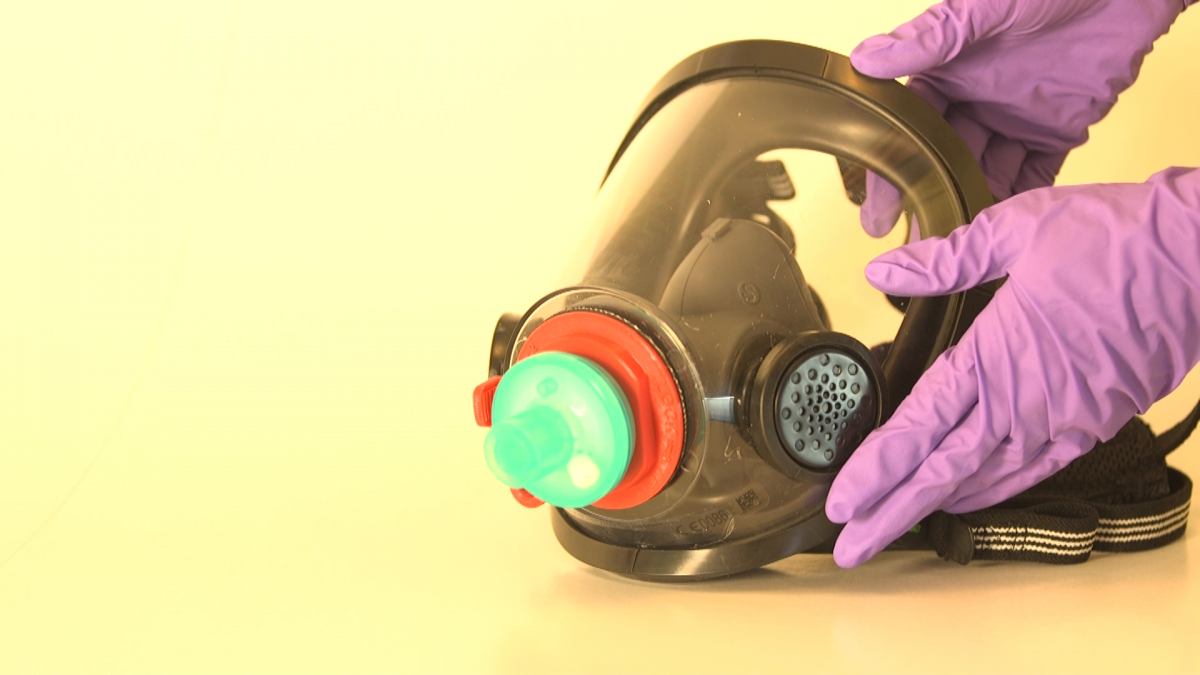
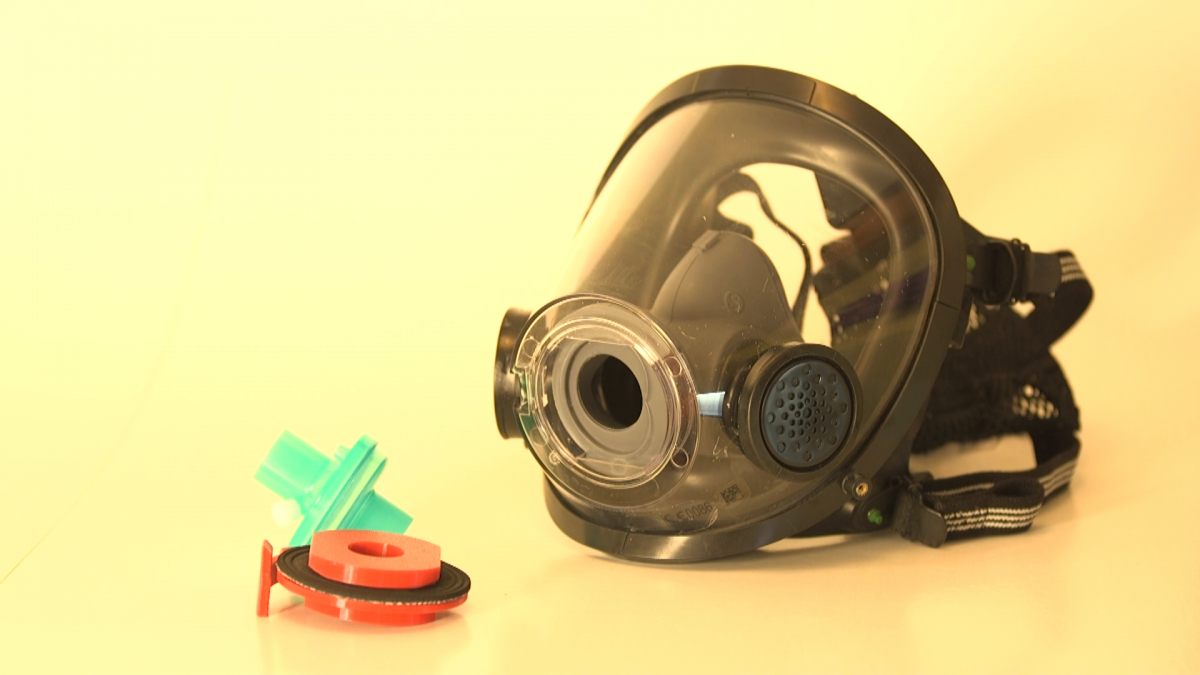
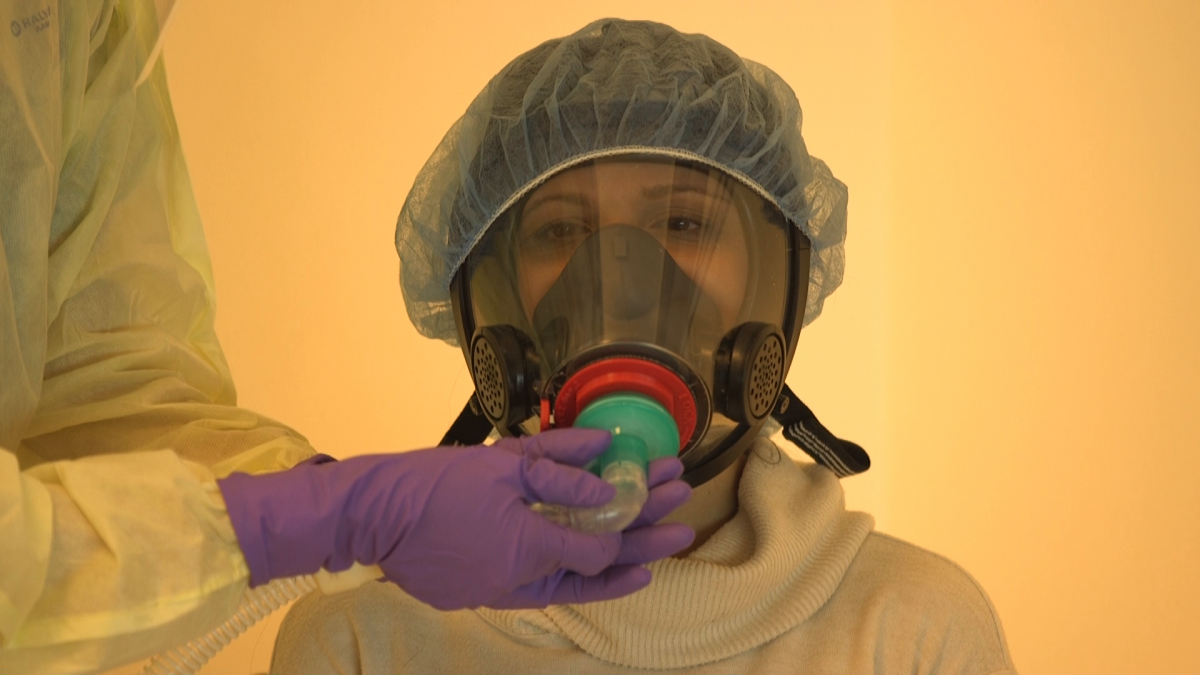
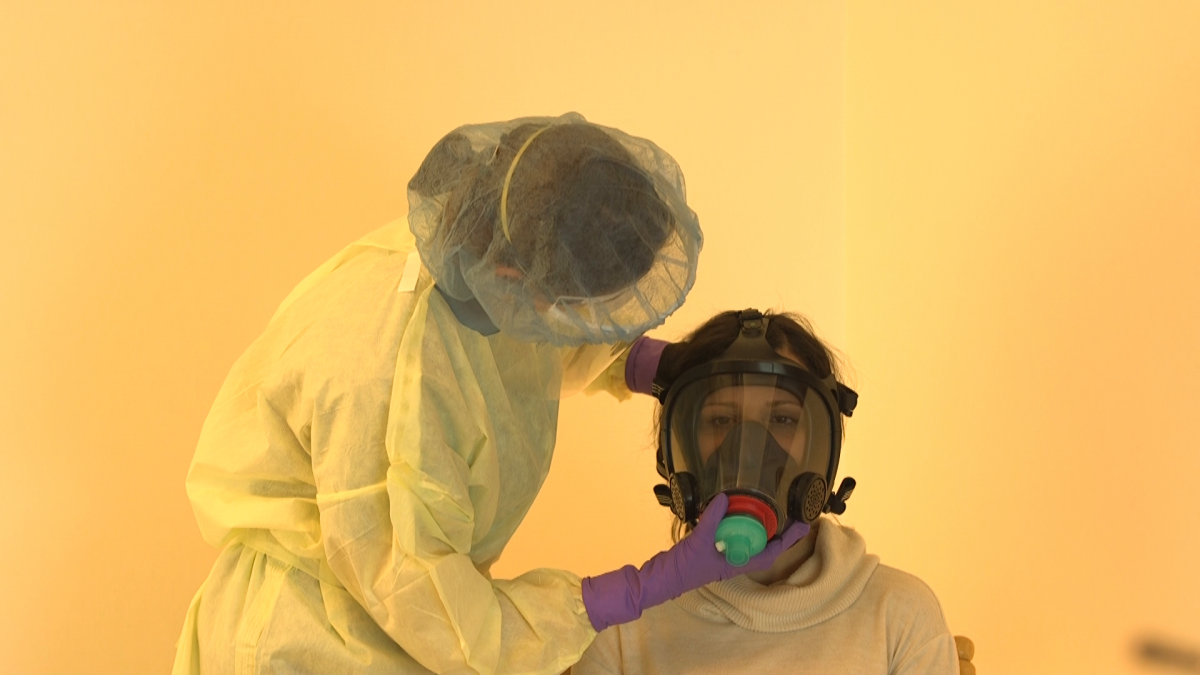
The team’s non-invasive ventilation mask aims to eliminate this risk. The novel device is customized from a standard firefighter’s mask using 3D printing and can be attached to any CPAP or BiPAP machine. Unlike traditional masks, it creates two tight seals – one around the patient’s nose and mouth and another around the face. Patients breathe in and out of a filter that captures any viral particles before they are released to the air.
“There are countless CPAP and BiPAP machines idling around the world while all resources go towards invasive ventilation,” explains Dr. Azad Mashari, Anesthesiologist at UHN’s Peter Munk Cardiac Centre. “Our mask aims to put these machines back into the clinician’s toolkit. By eliminating air leaks, we can improve patient safety and significantly reduce the risk of contracting COVID-19 for health-care workers and other patients.”
Drs. Loubani, Mashari and Benjamin Thomson, Nephrologist at Mackenzie Health, were part of a clinical research team that worked with engineers from GDLS-Canada to develop the device within six days.
“GDLS-Canada responded quickly to the urgent need to support those on the COVID-19 healthcare frontlines during this global health emergency,” says Doug Wilson-Hodge, GDLS-Canada’s Manager of Communications, Community and Government Relations. “The innovative design was very much a collaborative effort between all parties to contribute solutions to the COVID-19 pandemic.”
The initial clinical trial will test the device with up to 50 patients at LHSC’s Victoria Hospital and University Hospital with plans to expand to UHN. In addition to patients with COVID-19, participants will include those with asthma, chronic obstructive pulmonary disease (COPD) and congestive heart failure (CHF).
The research team anticipates other hospitals in Ontario and across Canada will join the study to create a multi-centre clinical trial. The device will be used in emergency departments and has potential to be used in intensive care units, remote nursing stations and during pre-hospital transport. It has also been designed for easy production in resource-strained locations.
“This problem affects everyone and it’s critical that we all do what we can to help,” adds Dr. Loubani. “We hope it will help not only those in urban centres like Toronto and London, but people in remote communities around the world.”
The trial is being supported with funding from Glia, an organization internationally recognized for producing medical supplies that are easily accessible and can be manufactured in low-resource settings.
-30-
DOWNLOADABLE MEDIA
Images
Image
Image
Image
Image
Video
Image
Image
Image
About Lawson Health Research Institute
Lawson Health Research Institute is one of Canada’s top hospital-based research institutes, tackling the most pressing challenges in health care. As the research institute of London Health Sciences Centre and St. Joseph’s Health Care London, our innovation happens where care is delivered. Lawson research teams are at the leading-edge of science with the goal of improving health and the delivery of care for patients. Working in partnership with Western University, our researchers are encouraged to pursue their curiosity, collaborate often and share their discoveries widely. Research conducted through Lawson makes a difference in the lives of patients, families and communities around the world. To learn more, visit www.lawsonresearch.ca.
About London Health Sciences Centre
London Health Sciences Centre has been at the forefront of medicine in Canada for 145 years and offers the broadest range of specialized clinical services in Ontario. Building on the traditions of its founding hospitals to provide compassionate care in an academic teaching setting, London Health Sciences Centre is home to Children’s Hospital, University Hospital, Victoria Hospital, the Kidney Care Centre, two family medical centres, and two research institutes – Children’s Health Research Institute and Lawson Health Research Institute. As a leader in medical discovery and health research, London Health Sciences Centre has a history of over 70 international and national firsts and attracts top clinicians and researchers from around the world. As a regional referral centre, London Health Sciences Centre cares for the most medically complex patients including critically injured adults and children in southwestern Ontario and beyond. The hospital’s nearly 15,000 staff, physicians, students and volunteers provide care for more than one million patient visits a year. For more information, visit www.lhsc.on.ca.
About University Health Network
University Health Network consists of Toronto General, recently voted one of the Top 5 Hospitals in the World according to Newsweek Magazine, and Toronto Western Hospital, the Princess Margaret Cancer Centre, Toronto Rehabilitation Institute, and the Michener Institute of Education at UHN. The scope of research and complexity of cases at University Health Network has made it a national and international source of discovery, education and patient care. It has the largest hospital-based research program in Canada, with major research in cardiology, transplantation, neurosciences, oncology, surgical innovation, infectious diseases, genomic medicine and rehabilitation medicine. University Health Network is a research hospital affiliated with the University of Toronto. www.uhn.ca
Media Contacts
Celine Zadorsky
Senior Media Relations Consultant
Communications & Public Engagement
T: 519-685-8500 ext. 73502
Celine.zadorsky@lhsc.on.ca
mmyHR New Hire Documentation Instruction Manual for Residents GENERAL NOTES The comple on of all steps will take you approximately one hour You can complete the steps in any order You can exit and come back as o en as you need un l you have completed all of the steps We recommend that you use a lapt...
myHR New Hire Documentation Instruction Manual for Residents GENERAL NOTES The completion of all steps will take you approximately one hour You can complete the steps in any order You can exit and come back as often as you need until you have completed all of the steps We recommend that you use ...
Date: Why are you seeing the Doctor today? What is your marital status (circle)? Single Married Common-law Widowed Divorced Separated What is your age? ____________ How many children do you have? What is your Occupation? Are you on Disability? YES NO What is your Drug Plan: Private Insurance Over...
New research showcased at third annual Parkwood Institute Research Spring Update Half Day
More than 100 researchers, staff and trainees attended the third annual Parkwood Institute Research (PIR) Spring Update Half Day on April 27, 2018 to share their innovative research and learn about work from across PIR through interactive workshops and poster presentations.
A program of Lawson Health Research Institute and located at St. Joseph’s Health Care London’s Parkwood Institute, PIR represents three major research programs: cognitive vitality and brain health, mobility and activity, and mental health. The event allowed guests to hear about new studies and recent research developments from across these three themes.
“Parkwood Institute Research covers different research areas but what we want to emphasize with this event is the overlap and collaboration between our programs. Having an inter-disciplinary approach that encourages partnerships ultimately helps us to incorporate new knowledge into patient care at Parkwood Institute,” says Dr. Cheryl Forchuk, Beryl and Richard Ivey Research Chair in Aging, Mental Health, Rehabilitation and Recovery, and Assistant Director, Lawson.
Five interactive workshops were held on a variety of different topics, such as clinical trials, systematic reviews, innovation in health care, practice-based research methods and evaluating SMART technology. The workshops were led by some of Parkwood Institute’s research leaders, including Drs. Cheryl Forchuk, Robert Teasell, Michael Borrie, Dalton Wolfe, and Arlene MacDougall.
Attendees also had the opportunity to visit poster presentations on recent PIR projects.
Image
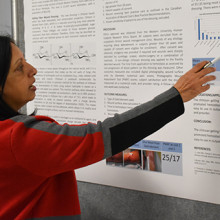
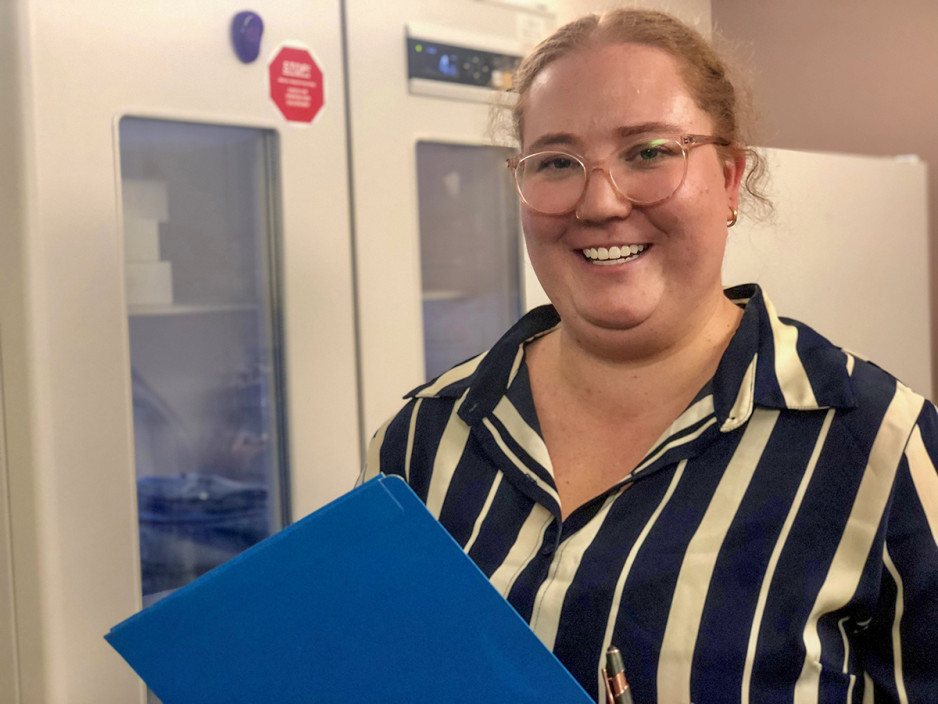
Ashrafunissa Janmohammad (above), Lawson research coordinator at Parkwood Institute’s Chronic Wound Management Clinic, was one of the poster presenters at the event. She presented on a study led by Lawson associate scientist Dr. David Keast, which assessed whether chitosan gelling fibre dressing could be effective in controlling bleeding after minor wound surgery. Chitosan is derived from chitin, the structural component of the cell walls of fungi and the shells of arthropods such as crabs, lobsters, shrimps and insects.
Image

Juweiriya Ahmed (above), a MSc candidate at Lawson and Western University’s Schulich School of Medicine & Dentistry, was another presenter. Her poster outlined a study investigating the interaction between neuroanatomical and genetic risk factors that may contribute to the development of psychotic symptoms (delusions and hallucinations) in patients with Alzheimer’s disease. Supervised by Lawson scientist Dr. Elizabeth Finger, the study could help inform the development of therapeutic targets and treatment plans.
New study looking at advanced imaging to optimize treatments for prostate cancer patients
Advanced imaging will help better guide radiation treatments
MEDIA RELEASE
For Immediate Release
January 12th, 2022
London, Ontario- Prostate cancer is the most common cancer among Canadian men, and it is estimated that one in eight men will be diagnosed with prostate cancer within their lifetime. Researchers at both Lawson Health Research Institute and Sunnybrook Research Institute, are teaming up on a study which is pairing advanced imaging technology with high precision short course radiotherapy, that could lead to better outcomes for patients.
“We have started to look at ways to integrate advanced imaging to help better understand the amount of cancer in the prostate and the location of cancer in the prostate to help guide radiation treatments,” says Lawson Scientist, and Radiation Oncologist at London Health Sciences Centre’s (LHSC) London Regional Cancer Program (LRCP), Dr. Glenn Bauman.
Currently when radiation is done, a computer tomography scan (CT) gives radiologists the location and boundary of the prostate, but it doesn’t give details about the location of the cancer within the prostate.
“What we are doing in the study is integrating two other forms of imaging; magnetic resonance imaging (MRI) and prostate specific membrane antigen (PSMA) PET scans, both of which can give information on the exact location of the cancer,” explains Dr. Bauman. “This will allow us to refine the radiation treatment and to target the cancer with more intensified radiation.”
Scientist at Sunnybrook Research Institute, Dr. Andrew Loblaw says using advanced imaging will also pinpoint if the cancer has moved into other areas of the pelvic region, which helps target all possibilities and lessens the chance of the cancer coming back. The type of radiation being used for this study is called stereotactic body radiotherapy (SBRT) which is more accurate, and reduces both radiation side effects to adjacent organs, while also reducing treatment visits.
“The combination of PSMA and SBRT gives us the ability to save some normal tissue and dramatically reduce treatment times,” explains Dr. Loblaw. “If we know the cancer is in one place and not another, we can spare radiation from areas not needing it which spares side effects.”
The team plans to recruit 50 men for the study that have advanced prostate cancer and need more intense treatments. Participants will undergo the advanced PSMA PET imaging at St. Joseph’s Health Care London. The same imaging techniques will be used to determine and track if the cancer is responding well to treatments.
“This is a smarter tool that will help us more accurately know what patients have,” says Dr. Loblaw. “We will know if they have more of a metastatic disease and who has localized disease. Cure rates are better when you know exactly what you are trying to cure.”
Study participants will be closely monitored for five years, to determine the success of the more targeted and intense radiation treatments. Dr. Bauman says this will also help quickly identify the potential need for more advanced therapies.
“Our treatments are good, but If there is a man we haven’t cured we want to know as soon as possible.”
The study has received funding by the Ontario Institute for Cancer Research (OICR) as part of the Institute’s new initiative that supports pre-clinical research and new clinical trials that focus on early stage, and recurrent cancers.
-30-
About Lawson Health Research Institute: Lawson Health Research Institute is one of Canada’s top hospital-based research institutes, tackling the most pressing challenges in health care. As the research institute of London Health Sciences Centre and St. Joseph’s Health Care London, our innovation happens where care is delivered. Lawson research teams are at the leading-edge of science with the goal of improving health and the delivery of care for patients. Working in partnership with Western University, our researchers are encouraged to pursue their curiosity, collaborate often and share their discoveries widely. Research conducted through Lawson makes a difference in the lives of patients, families and communities around the world. To learn more, visit www.lawsonresearch.ca.
About Sunnybrook Research Institute: Sunnybrook Research Institute (SRI) is the research arm of Sunnybrook Health Sciences Centre, an internationally recognized academic health sciences centre fully affiliated with the University of Toronto. SRI is one of the fastest growing hospital-based research enterprises in Canada with well-established programs in basic and applied sciences which span across three scientific platforms and ten clinical programs, developing innovations in care for the more than 1.3 million patients the hospital cares for annually. Recognized as a Centre of Excellence in focused ultrasound, SRI has one of the most comprehensive and successful focused ultrasound research programs in the world, with technical, scientific and clinical experts accelerating progress in the field.
FOR MORE INFORMATION, PLEASE CONTACT:
Celine Zadorsky
Communications Consultant & External Relations
Lawson Health Research Institute
T: 519-685-8500 ext. 75664
C. 519-619-3872
@email
www.lawsonresearch.ca/news-events
Media Contacts
Celine Zadorsky
Senior Media Relations Consultant
Communications & Public Engagement
T: 519-685-8500 ext. 73502
Celine.zadorsky@lhsc.on.ca
New tool shows promise in helping people manage traumatic brain injuries once pace at a time
Mild traumatic brain injuries (mTBI), including concussions, may come with lasting effects that can alter a person’s life. Although a person with a mTBI may appear fine on the outside, many have to pace their day-to-day activities in order to allow the time needed for the brain to properly heal.
For 42-year-old Cindy Vanderveen who lives with post-concussion syndrome, every day tasks can become quite a challenge. Cindy who had multiple concussions over the years, experienced her mTBI symptoms in July of 2020 after an intense workout. Not knowing what was happening, she assumed she was having a stroke or seizure.
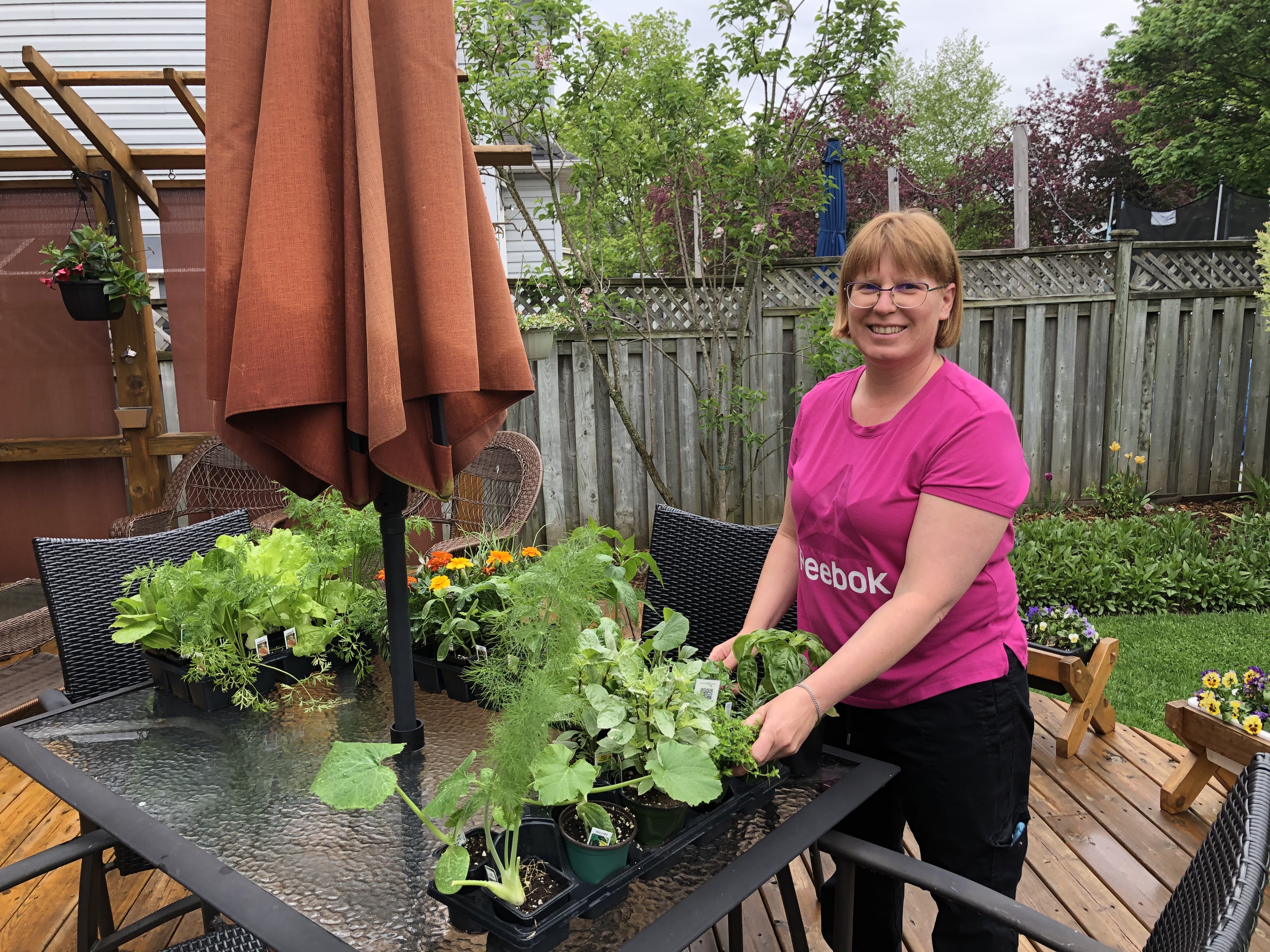
“I had issues with my vision; everything looked distorted. I had problems speaking (aphasia) and couldn’t eat or drink without choking on my food,” explains Cindy. “Everything I used to enjoy doing, gardening, cycling, working, it just stopped and my entire life was put on hold.”
Cindy was referred to the Acquired Brain Injury (ABI) program at St. Joseph’s Health Care London where she was encouraged to try a new research tool called MyBrainPacer™App, created to help those living with an mTBI.
The app was created at Lawson Health Research Institute – the institute of St. Joseph’s Health Care London – a team looking to better assist and treat those living with a mTBI. It was made possible by funding provided by the Cowan Foundation and other community supporters through St. Joseph’s Health Care Foundation.
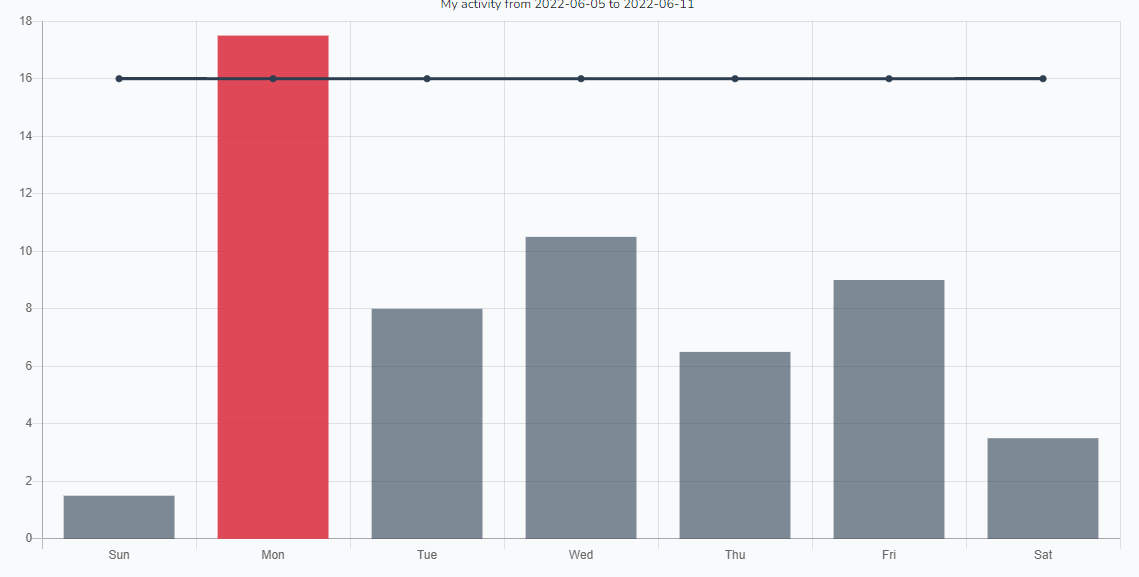
“By documenting activity levels over time, patients and their clinicians can better understand what activities are linked to worsening symptoms, which they can therefore avoid,” explains Dr. Dalton Wolfe, Lawson Scientist.
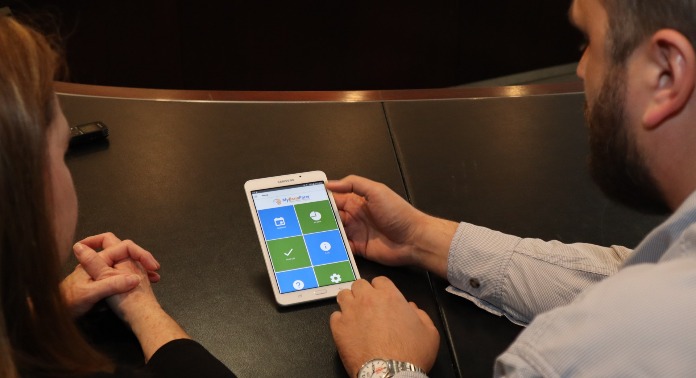
The online application is part of a study which allows Dr. Wolfe and his team to track the efficacy of the app. Much like point tracking used by dieters to monitor food choices, through MyBrainPacer™ App, users can assign values to tasks like driving, grocery shopping, screen use and exercise so they can plan and pace their daily activity. Individual users are given a total number of points per day that will keep their persisting symptoms in the ‘safe range’. As users track their symptoms through the app, the app adjusts the daily point value to what is best for the user. The app is based on St. Joseph’s Pacing and Planning Program, which has helped hundreds of concussion patients achieve their recovery goals.
“By putting the app in the hands of patients and the clinicians who treat them, the app has the potential to give us data that traces the recovery patterns of patients and how that relates to the activities that they participate in over time,” adds Dr. Wolfe. “This will enable us to document safe levels of activity for persons with specific characteristics or symptom profiles, which could be the key to unravelling better treatment strategies.”
After using the app for some time, Cindy has noticed a positive change. “In the beginning I wasn’t able to drive farther than five minutes at a time,” remembers Cindy. “Once I began to use the app to plan and track my activities, my symptoms dramatically decreased.”
Currently anyone with a mTBI can enroll as a study participant on the MyBrainPacer™ App and use the tool. The research team is hoping to enroll approximately five-thousand users over time to allow for a large evaluation population.
“Without the app, there is no way to keep track of the hundreds of trajectories of patient recoveries,” says Dr. Wolfe. “This information is vital to understand what is working in terms of future therapeutic approaches.”
“I still have bad days, and some tasks are harder than others,” adds Cindy. “But through using the MyBrainPacer™ App I am able to do more activities independently and I’m 90 per cent back to who I was.”
Anyone interested in enrolling to use the app can do so by visiting mybrainpacer.ca
Media Contact
Celine Zadorsky
Senior Media Relations Consultant
Communications & Public Engagement
T: 519-685-8500 ext. 73502
Celine.zadorsky@lhsc.on.ca
New tool shows promise in helping people manage traumatic brain injuries one pace at a time
LONDON, ON- A team at Lawson Health Research Institute and St. Joseph’s Health Care London, has created a new online tool called MyBrainPacer™ App to help assist people living with a mild traumatic brain injury (mTBI).
mTBI’s, including concussions, may come with lasting effects that can alter a person’s life. Although a person with an mTBI may appear fine on the outside, many have to pace their day-to-day activities in order to allow the time needed for the brain to properly heal. That’s where the MyBrainPacer™ App can come into play as a helpful resource.
“By documenting activity levels over time, patients and their clinicians can better understand what activities are linked to worsening symptoms, which they can therefore avoid,” explains Dr. Dalton Wolfe, Lawson Scientist.
The online application is being used as a research tool, allowing Dr. Wolfe and his team to track its efficacy. Much like point tracking used by dieters to monitor food choices, through MyBrainPacer™ App, users can assign values to tasks like driving, grocery shopping, screen use and exercise so they can plan and pace their daily activity. Individual users are given a total number of points per day that will keep their persisting symptoms in the “safe range.” As users track their symptoms through the app, the app adjusts the daily point value to what is best for the user. The app is based on St. Joseph’s Pacing and Planning Program, which has helped hundreds of concussion patients achieve their recovery goals.
“By putting the app in the hands of patients and the clinicians who treat them, the app has the potential to give us data that traces the recovery patterns of patients and how that relates to the activities that they participate in over time,” adds Dr. Wolfe. “This will enable us to document safe levels of activity for persons with specific characteristics or symptom profiles, which could be the key to unravelling better treatment strategies.”
After a number of concussions, study participant Cindy Vanderveen, has been using the app to manage her brain injury and has noticed a positive change.
“In the beginning I wasn’t able to drive farther than five minutes at a time,” remembers Cindy. “My care team at St. Joseph’s recommended MyBrainPacer™ App to help me plan and pace my day. Once I began to use the app to plan and track my activities, my symptoms dramatically decreased. I still have bad days and some tasks are harder than others, but through using MyBrainPacer™ App, I am able to do more activities independently and I am 90 per cent back to who I was.”
Currently anyone with an mTBI can enroll as a study participant on the MyBrainPacer™ App by visiting mybrainpacer.ca. The research team is hoping to enroll approximately five-thousand users.
The creation of the app has been made possible by funding provided by the Cowan Foundation and other community supporters through St. Joseph’s Health Care Foundation.
About Lawson Health Research Institute
Lawson Health Research Institute is one of Canada’s top hospital-based research institutes, tackling the most pressing challenges in health care. As the research institute of London Health Sciences Centre and St. Joseph’s Health Care London, our innovation happens where care is delivered. Lawson research teams are at the leading-edge of science with the goal of improving health and the delivery of care for patients. Working in partnership with Western University, our researchers are encouraged to pursue their curiosity, collaborate often and share their discoveries widely. Research conducted through Lawson makes a difference in the lives of patients, families and communities around the world. To learn more, visit www.lawsonresearch.ca.
About St. Joseph’s Health Care London
Renowned for compassionate care, St. Joseph’s Health Care London is a leading academic health care centre in Canada dedicated to helping people live to their fullest by minimizing the effects of injury, disease and disability through excellence in care, teaching and research. Through partnership with Lawson Health Research Institute and our collaborative engagement with other health care and academic partners, St. Joseph’s has become an international leader in the areas of: chronic disease management; medical imaging; specialized mental health care; rehabilitation and specialized geriatrics; and surgery. St. Joseph’s operates through a wide range of hospital, clinic and long-term and community-based settings, including: St. Joseph’s Hospital; Parkwood Institute; Mount Hope Centre for Long Term Care; and the Southwest Centre for Forensic Mental Health Care. www.sjhc.london.on.ca
About St. Joseph’s Health Care Foundation
St. Joseph’s Health Care Foundation gathers, grows and grants philanthropic funds to enable St. Joseph’s Health Care London to pursue excellence in care, teaching and research. Through donor support, the foundation contributes to advances in the delivery of patient care, specialized equipment, research initiatives and capital funds at St. Joseph’s Hospital, Parkwood Hospital, Mount Hope Centre for Long Term Care, Regional Mental Health Care London and Southwest Centre for Forensic Mental Health Care and Lawson Health Research Institute. As one of the largest charitable organizations in Southwestern Ontario, St. Joseph’s Health Care Foundation is an accredited member of Imagine Canada’s Ethical Trustmark Program, which recognizes the foundation’s commitment to ethical fundraising and donor accountability. www.sjhcfoundation.org
Media Contacts
Celine Zadorsky
Senior Media Relations Consultant
Communications & Public Engagement
T: 519-685-8500 ext. 73502
Celine.zadorsky@lhsc.on.ca
New tool to help Multiple Sclerosis patients with mental health challenges
LONDON, ONTARIO - The use of mindfulness, a type of meditation that focuses on being intensely aware of senses and feelings in the moment, has been shown to have benefits for patients newly diagnosed with Multiple Sclerosis (MS), according to findings by a hospital research team from Lawson Health Research Institute.
A diagnosis of MS can be a highly stressful event for the patient and their family due to the long list of unknowns that come with this lifelong neurological disease that has no cure. The majority of people diagnosed with MS are women between the ages of 20 and 40, and many experience mental health complications such as depression and anxiety. However, it’s not just women getting diagnosed at a young age.
28-year-old Mitchell Kuska was diagnosed with MS shortly after his 26th birthday. “I went from being a young 26-year-old doing regular things, to having to learn about this disease and everything that goes along with it and how it will affect my life,” says Kuska who is an avid cyclist. “I love cycling, working out and running. I am a very physically active person, and to know that I might not be able to do that someday is really scary.”
Neurologist and Lawson Associate Scientist Dr. Sarah Morrow says that MS isn’t just a physical disease, but there are many other challenges and symptoms for patients. “It can be a stressful time for people as they have just been diagnosed with a chronic neurological disease that will last the rest of their life.” Dr. Morrow is also the Director of the London MS Clinic at London Health Sciences Centre (LHSC). “They don’t know what will happen next. Will they be disabled? When will the next relapse happen? It can cause a lot of worry and stress, and we see a majority of patients with MS experience mental health conditions such as depression and anxiety.”
The research study was conducted by recruiting 24 newly diagnosed relapsing MS (RMS) patients from LHSC, with half undergoing mindfulness treatment while the others acted as a control group. Those in the treatment group took part in ten sessions from the Mindfulness Without Borders program.
“Mindfulness is bringing people into the moment rather than worrying about what could happen in the future or thinking about what happened in the past,” says Dr. Arlene MacDougall, Psychiatrist and Lawson Scientist. “It’s about centering yourself and gaining a sense of control of how you will respond rather than react to what is happening inside or outside of you.”
Kuska was one of the study participants and says learning mindfulness as a tool in her MS journey has made a positive difference in his mental health. “For me, the scariest part has been the uncertainty and not knowing what the future holds for me. During the treatment as part of the study, I did notice myself being more mindful of my symptoms. I was more in tune with myself and I felt the mindfulness helped me get into the right mindset to start dealing with MS.”
The study which was conducted with two separate session groups showed promising results specifically in treating depression. “Immediately after the sessions when we compared the two groups, those in the mindfulness were reporting better coping skills and less perceived stress, and their symptoms of depression had been reduced,” adds Dr. Morrow.
Following these initial findings published in Multiple Sclerosis and Related Disorders, the London research team plans to examine them in a larger study. They are also working to examine if the use of mindfulness would be helpful for people who are in the more progressive stages of MS.
-30-
About Lawson Health Research Institute
Lawson Health Research Institute is one of Canada’s top hospital-based research institutes, tackling the most pressing challenges in health care. As the research institute of London Health Sciences Centre and St. Joseph’s Health Care London, our innovation happens where care is delivered. Lawson research teams are at the leading-edge of science with the goal of improving health and the delivery of care for patients. Working in partnership with Western University, our researchers are encouraged to pursue their curiosity, collaborate often and share their discoveries widely. Research conducted through Lawson makes a difference in the lives of patients, families and communities around the world. To learn more, visit www.lawsonresearch.ca.
Media Contacts
Celine Zadorsky
Senior Media Relations Consultant
Communications & Public Engagement
T: 519-685-8500 ext. 73502
Celine.zadorsky@lhsc.on.ca
New treatment for critically ill COVID-19 patients with sepsis is one step closer to potentially saving lives
LONDON, ONTARIO – It’s a human protein called annexin A5, and it’s being studied as a potential therapy for COVID-19 patients with sepsis. Annexin A5 is a protein produced inside the human body with unique anti-coagulation (preventing blood clots) and anti-inflammatory properties that could help in the fight against sepsis.
Sepsis is a life-threatening condition that occurs when the body’s response to an infection turns into an overwhelming inflammatory response. The inflammatory response can cause damage to organs such as the heart, liver, lungs, and even the brain. Unfortunately, most critically ill COVID-19 patients develop sepsis. “With COVID initially, it is in the airway and then in the lungs, then from there the inflammatory response in fact spreads to the whole body,” says Dr. Qingping Feng, Lawson Scientist and Ivey Chair in Molecular Toxicology at Western University's Schulich School of Medicine & Dentistry. “Sepsis causes major organ dysfunction and carries a high mortality unfortunately.”
“For patients with severe COVID-19 disease, what we see is major respiratory failure in the lungs as the primary site in the body,” says Dr. Claudio Martin, Intensive Care Physician at London Health Sciences Centre (LHSC) and Associate Scientist at Lawson. “When the pandemic started, there was no proven treatment for sepsis, including sepsis as a result of COVID-19. Based on clinical trials during the pandemic, we now use steroids and other treatments to try to help, but the results and effects aren’t dramatic and we see patients who have these treatments and still progress and end up in critical care.”
However, Dr. Feng and his team have found in a pre-clinical study that annexin A5 can inhibit inflammation and improve organ function and survival when treating sepsis. This discovery was made right here in London and now the research team has launched a clinical trial with critically ill COVID-19 patients at LHSC, using a manufactured form of annexin A5.
Enrollment has begun with the goal to have 60 patients participate in the clinical trial. “Patients are receiving standard treatment and then those enrolled will also receive the annexin,” says Dr. Martin. “It’s a placebo blinded clinical trial, so patients will either get a lower dose of annexin, a higher dose of annexin or a placebo.”
If the clinical trial shows promising results the team plans on expanding into a larger phase three trial with not just COVID-19 patients with sepsis, but other sepsis patients as well. “If in fact Annexin A5 is shown to be effective in sepsis, this will be a huge benefit for society because sepsis is the leading cause of death worldwide,” adds Dr. Feng.
The drug is currently being produced through a partnership with Suzhou Yabao Pharmaceutical R&D Co. Ltd., based in China, Lawson Health Research Institute, and WORLDiscoveries. “Our long-standing partnership with Suzhou Yabao has enabled annexin A5 drug development to proceed to this point,” says Kirk Brown, Manager of Business Development, Lawson Health Research Institute. “We are now in a unique position through this trial to offer a potential life-saving treatment for this emergent global disease, with the objective of soon expanding to all cause septic patients.”
-30-
About Lawson Health Research Institute
Lawson Health Research Institute is one of Canada’s top hospital-based research institutes, tackling the most pressing challenges in health care. As the research institute of London Health Sciences Centre and St. Joseph’s Health Care London, our innovation happens where care is delivered. Lawson research teams are at the leading-edge of science with the goal of improving health and the delivery of care for patients. Working in partnership with Western University, our researchers are encouraged to pursue their curiosity, collaborate often and share their discoveries widely. Research conducted through Lawson makes a difference in the lives of patients, families and communities around the world. To learn more, visit www.lawsonresearch.ca.
About WORLDiscoveries®
WORLDiscoveries is the business development arm of London’s extensive research network and the bridge between local invention and global industry. Born out of a partnership between Western University, Robarts Research Institute and Lawson Health Research Institute (collectively known as the Partners), WORLDiscoveries draws upon a mix of industry connections, sector-specific market knowledge and business development expertise, to help researchers and local inventors commercialize their discoveries through licensing and new company spin-offs.
Media Contacts
Celine Zadorsky
Senior Media Relations Consultant
Communications & Public Engagement
T: 519-685-8500 ext. 73502
Celine.zadorsky@lhsc.on.ca
myHR New Hire Documentation Instruction Manual for Residents GENERAL NOTES The completion of all steps will take you approximately one hour You can complete the steps in any order You can exit and come back as often as you need until you have completed all of the steps We recommend that you use ...
Newly Diagnosed Type1 Diabetes DERIC MORRISON ASSOCIATE PROFESSOR OF ENDOCRINOLOGY WESTERN UNIVERSITY Resources 2018 Diabetes Canada Clinical Practice Guidelines Evidence-based; largely outpatient focused http://www.diabetes.ca (look under For Professionals) http://www.diabetes.ca/ http://www.diabet...
… the three references, to the Medical Affairs Human Resource Planning and Credentialing Specialist. This should be done … ARC, Reference Letters/form, CV and Career Development Planning Document Template to CPSO. Candidate must apply to … the three references, to the Medical Affairs Human Resource Planning and Credentialing Specialist. This should be done …
Non-Canadian Trained Professional Staff in an Academic Appointment New positions requires that Part A of the Position/Candidate Impact Summary Form be completed and request form submitted by Department to Medical Affairs for the Joint Professional Staff Human Resource Committee (JPSHRC) to Review. T...
noteWORTHY – Teamwork and patients inspire clinical research assistant
St. Joseph’s celebrates people who provide exceptional care, grow stronger communities and contribute to a healthier world. Today, meet Heather LaPier, a clinical research assistant whose work helps keep clinical research running smoothly for four Lawson research scientists in diabetes and nephrology. She is a liaison among patients, researchers, clinicians, ethicists, regulatory bodies and pharmaceutical companies.
What values or people inspire your work:
I couldn’t ask for better than the physicians and researchers I work with. It’s a true team. We can bring our own ideas and expertise and know that we’re valued. We’re all good at showing appreciation for each other.
Best part of your workday:
Visiting with people receiving dialysis. They have treatment four hours a day, three times a week, so they’re used to talking with physicians and staff and we get to know them really well. They’re honest and funny – and, despite living with a chronic illness, they’re some of the most positive people I’ve ever met.
What one thing do you wish people knew about your work?
Our job is to advocate for patients and protect them, so every study is carefully designed, planned, regulated and monitored. We work to find solutions to patients’ health issues, and that means putting them first.
One big thing people should know is that participants in clinical trials and research studies get extra care and attention. Other patients have regular appointments, maybe every six months, but as a participant in research they’ll have even more frequent monitoring. So even though they’re helping advance medical knowledge generally and there’s no certainty of direct benefit to them from a specific clinical trial, they do have a whole team of people fully involved in their current care. Any time they have a question, they have direct access to an endocrinologist or nephrologist.
Why this work is meaningful to you:
It’s definitely exciting and always interesting. It can be easy to get caught up in the day-to-day tasks – but I never want to lose sight of the fact patients are living longer and better lives because of the work we’re doing. I have a front-row seat when patients come in for visits and tell us a diabetes treatment or a dialysis intervention is making them feel better.
Back-story:
My mom has been a nurse for over 30 years, so I grew up in a home where we talked about health and patient care a lot. We have a shared language. After my university degree, I applied to college for either forensic science or clinical research. I’m so glad clinical research is where I landed.
One other thing:
I love learning about the history of the Second World War, specifically naval ships and naval battles. It seems totally random, but I studied it as one of my non-science courses in university. I still find it fascinating.
Well said:
Heather is a true gem – highly skilled, creative, and an outstanding team player who expertly manages multiple research projects and investigators. She has been a game-changer for diabetes, metabolic, and chronic disease research at Lawson Research Institute, supporting everything from qualitative studies to large randomized-controlled trials with innovative designs. Our successes wouldn’t have been possible without her.
- Dr. Kristen Clemens, St. Joseph’s endocrinologist and Lawson Research Institute scientist
… Notification of Intent to Retire Planning Form for Credentialed Professional Staff Members … be asked to complete the Notification of Intent to Retire Planning Form at the discretion of the Division/Department … This process is a component of the Career Development and Planning (CDP) process. Once you have been asked to complete …
Notification of Intent to Retire Planning Form for Credentialed Professional Staff Members Credentialed Professional Staff may be asked to complete the Notification of Intent to Retire Planning Form at the discretion of the Division/Department Chair/Chief. This process is a component of the Career D...
… Notification of Intent to Retire Planning Form for Credentialed Professional Staff Members … be asked to complete the Notification of Intent to Retire Planning Form at the discretion of the Division/Department … This process is a component of the Career Development and Planning (CDP) process. Once you have been asked to complete …
Notification of Intent to Retire Planning Form for Credentialed Professional Staff Members Credentialed Professional Staff may be asked to complete the Notification of Intent to Retire Planning Form at the discretion of the Division/Department Chair/Chief. This process is a component of the Career D...
… Notification of Intent to Retire Planning Form for Credentialed Professional Staff Members … be asked to complete the Notification of Intent to Retire Planning Form at the discretion of the Division/Department … This process is a component of the Career Development and Planning (CDP) process. Once you have been asked to complete …
Notification of Intent to Retire Planning Form for Credentialed Professional Staff Members Credentialed Professional Staff may be asked to complete the Notification of Intent to Retire Planning Form at the discretion of the Division/Department Chair/Chief. This process is a component of the Career D...
… Lack of motivation creates problems with commitment, planning, and the implementation of future plans … and thereby become an integral part of their own treatment planning. Clients may experience a lack of control in other … influenced their actions in everyday life as well as their planning for the future in a very profound way. The second …
NOVEMBER 2010 | VOL 7 No.2 Perspectives on their Quality of Life Provided by Persons with Serious Mental Illness who are on a Community Treatment Order: A Naturalistic Enquiry Involving Critical Case Sampling Deborah J. Corring, Katie Anders, Lindsay Bateman, Stephanie Harshaw, Einav Shlomovitz, Kri...