


Search
Search
858 Search Results:
… West. Behavioural response teams, ambulatory and outreach specialized geriatric services, community support services … and emerging learning, this document is intended for use by specialized geriatric health care providers and community … Comprehensive Geriatric Assessment is the gold standard in specialized geriatric services, a cognitive screening score …
Providing Geriatric Virtual Care across the South West: Guidance Document for Health Care and Community Support Services Providers SOUTH WEST FRAIL SENIOR STRATEGY VERSION 1 NOVEMBER 2020 Guidance Document for Health Care and Community Support Services Providers on Providing Geriatric Virtual Care A...
… of Ontario. B Procedures/techniques requiring the use of specialized equipment and/or training. 1. ECT As approved by … of Ontario. B Procedures/techniques requiring the use of specialized equipment and/or training. 1. ECT As approved by …
London Health Sciences Centre And St. Josephs Health Care London April 2016 Delineation of Procedural Privileges Department of Psychiatry Category Privileges Educational/Experience Requirements A All activities and procedures generally performed by physicians certified in the specialty. Specialty Ce...
… of Category A Delineation. Procedures requiring the use of specialized equipment and/or training as approved by the … of Category A Delineation. Procedures requiring the use of specialized equipment and/or training as approved by the …
Approved by Department Chief, CWCC and MAC February 2019 Delineation of Procedural Privileges Department of Psychiatry Delineation Privileges Educational and Experience Requirements A All activities and procedures generally performed by physicians certified in the specialty. Specialty Certificatio...
… • Advance Regional Mental Health Care as a leading tertiary specialized mental health provider St. JoSeph’S health Care, … associated with St. Joseph’s Hospital and in future, our specialized mental health care programs. Continued capital … Dr. Stephen Pautler Da Vinci surgical robot Bringing specialized care and faster recovery to patients The da …
Illuminating a vision of care 2005-2006 AnnuAl RepoRt Strategic Plan Creation of our new four-year strategic plan began in the summer of 2004 with the formation of a Board-appointed Strategic Planning Steering Committee. In the months that followed, a highly consultative process was used to gain inp...
… in our specialty areas of care. We continue to develop our specialized role in mental health care and to advocate for … ACE and ARC are rehabilitation services offered by the specialized adult programs of Regional Mental Health Care … • Respite Care • Veterans Care Program Rehabilitation and Specialized Geriatrics • Acquired Brain Injury Program • …
S T. J O S E P H S H E A LT H C A R E , LO N D O N 2 0 0 4 / 2 0 0 5 care is at our core STAND TALL AND PROUD SINK YOUR ROOTS DEEPLY INTO THE EARTH REFLECT THE LIGHT OF A GREATER SOURCE THINK LONG TERM GO OUT ON A LIMB REMEMBER YOUR PLACE AMONG ALL LIVING BEINGS EMBRACE WITH JOY THE CHANGING SEASON...
Reduce the swelling: Why does chronic inflammation matter?
11:00pm - 1:00am
Inflammation is becoming increasingly popular as a “buzzword” for health claims and advice. It has been implicated in a number of chronic and age-related conditions, including diabetes, rheumatoid arthritis, cardiovascular disease, neurodegenerative diseases, and even depression and cancer. On the other hand, inflammation is part of the body’s natural response to infection and tissue damage, and it is crucial to the healing process.
You are invited to the Lawson’s Café Scientifique, a free community event providing an informal opportunity to get involved with science. Hear a panel of expert researchers explore how inflammation affects our health and how this knowledge can be applied to improve health care. Guests are then encouraged to ask questions as part of an open-forum discussion to gain insights from the speakers, and from one another.
Presented Talks
- “Molecular signatures: How do we listen to the music of inflammation?”
Dr. Chris McIntyre - “The effects of chronic inflammation on cancer”
Dr. Samuel Asfaha - “Coming to grips with curling fingers: A cause and potential treatment for fibrosis of the hand”
Dr. David O’Gorman - MODERATOR – Dr. David Hill
Registration
Free community event hosted by Lawson Health Research Institute.
PLEASE NOTE: Registration for this event is now full.
Email @email to be added to the event wait list. Please include the names of all individuals who wish to be added to the wait list. We apperciate your interest in Café Scientifique.
Event Information
Date: Wednesday, October 12, 2016
Time: 7 to 9 p.m.
Location: Windermere Manor (The Grand Hall), 200 Collip Circle, London, ON N6G 4X8
Speaker Biographies
Image
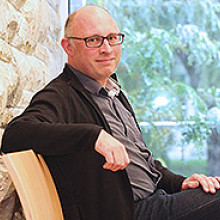
In 1999 he was appointed as Consultant Nephrologist at the Royal Derby Hospital and subsequently as Reader in Vascular Medicine and then Professor of Nephrology at Nottingham University, becoming Head of the Division of Graduate Entry Medicine and Medical Sciences. Dr McIntyre led a team of multidisciplinary researchers focused largely on the pathophysiology of the widespread abnormalities of cardiovascular function and body composition in CKD patients. These studies included basic clinical science, natural history studies and the development and application of novel therapeutic strategies. These studies have increasingly focussed on the adverse consequences resulting from dialysis therapy itself and the improvement in outcomes by the reduction of preventable harm.
He has recently moved to his new role in Canada as Professor of Medicine and was awarded the inaugural Robert Lindsay Chair of Dialysis Research and Innovation at Western University, London Ontario. He also serves as Director of the Lilibeth Caberto Kidney Clinical Research Unit at London Health Sciences Centre, as Assistant Director of the Lawson Health Research Institute and is cross appointed as full Professor in the Department of Medical Biophysics at Western.
Image
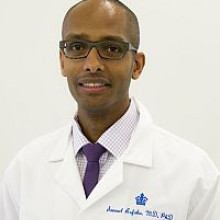
His research focuses on the intestinal stem cells of the gut and aims to identify the cellular origin of colorectal cancer.
See Dr. Asfaha’s full scientist profile.
Image
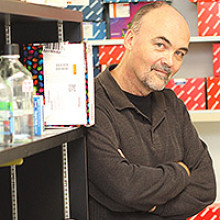
See Dr. O’Gorman’s full scientist profile.
Moderator Biography
Image

… to the staff at Mount Hope Centre for Long Term Care and to Specialized Geriatric Services at Parkwood Hospital. I am … She also received significant help from St. Joseph’s Specialized Geriatric Services. During the whole of my … to the staff at Mount Hope Centre for Long Term Care and to Specialized Geriatric Services at Parkwood Hospital. I am …
Leadership in Mission Report on Mission, Spiritual Care and Health Care Ethics St. Josephs Health Care London 2013/2014 Report to St. Josephs Health Care Society 2 Contents Page 3 Report on Governance and Leadership Page 8 Report on Heath Care Ethics Page 13 Report on Spiritual Care Page 18 Living o...
… delivery model in the face of ongoing financial challenges. Specialized programs, including nursing education, were … College to ensure health care professionals receive the specialized hands-on training they require to best care for … delivery model in the face of ongoing financial challenges. Specialized programs, including nursing education, were …
ST. JOSEPHS HEALTH CARE LONDON | ANNUAL REPORT TO THE COMMUNITY | 2002/2003 2 Dedication This years Annual Report to the Community is dedicated to the St. Josephs Health Care, London staff members and volunteers who continue to give so much of themselves to help manage SARS restrictions. Thank you t...
… programs in rehabilitation, acute/ambulatory care, specialized mental health care, long-term care, specialized geriatric services and complex care, is our … Bush 10 11 Helping seniors stay at home Parkwood Hospital’s specialized geriatric services is involved in a community …
St. Josephs Health Care London Annual Report 1 care 2 3 At St. Josephs Health Care, London, there are so many ways to care, all stemming from one vision to be a respected source of excellent health care. Uniting an organization of such diversity, embodying programs in rehabilitation, acute/ambulato...
Research encourages re-evaluation of special nerve treatment for chronic pain
LONDON, ON – Hospital researchers from Lawson Health Research Institute have published a recent study that assessed the use of a specialized treatment for chronic pain and its impact on health care use and opioid prescribing.
Paravertebral blocks (PVBs) belong to a broader group of procedures called “nerve blocks.” A recent Toronto Star report noted that OHIP has been billed $420 million for nerve block procedures since 2011. PVBs involve injecting medication around the nerves where they exit the bones of the spine, at different locations depending on the patient and the chronic pain they are experiencing.
The regular use of these procedures has been questioned by health care providers due to the high cost and limited evidence of their benefit in reducing chronic pain. While the effectiveness of PVBs has been examined in trauma, cancer pain and regional anesthesia during surgery, they have not been evaluated for use in chronic pain despite widespread use in Ontario.
It is estimated that one in five Canadians live with chronic pain. Pain that persists can affect all aspects of someone’s life and health, particularly when it is not being managed.
This new study from London researchers found that 66,310 patients had a PVB between July 2013 and March 2018, and 47,723 patients were included in the study. In the year after a patient’s first PVB, there was a significant increase in the number of physician visits. Additional PVBs were frequently performed after the first treatment, with over 26 per cent of patients receiving a PVB ten or more times in one year, with almost eight per cent of patients receiving 30 or more. No overall change was found in opioid dosage in the year after PVB was initiated compared to the year before.
“Frequent use of PVB is common. Initiating treatment with PVCs is associated with marked increases in health care utilization, which includes physician visits and other injection procedures,” explains Dr. Eldon Loh, Lawson Associate Scientist and Physiatrist at St. Joseph’s Health Care London.
This research provides a broad perspective on the use of PVBs in Ontario, and on the use of nerve blocking treatments in general. There has been a concern for several years about the over use of these procedures; however, this is the first study to systematically document the impact on health care utilization and opioid use.
"We hope that from this study, the appropriate use of PVBs and other pain interventions will be re-evaluated at a provincial level to ensure the use of health resources is being properly managed and we achieve the best outcome for patients,” Dr. Loh adds.
The study, “A Retrospective Cohort Study of Healthcare Utilization Associated with Paravertebral Blocks for Chronic Pain Management in Ontario,” is published in the Canadian Journal of Pain.
-30-
About Lawson Health Research Institute
Lawson Health Research Institute is one of Canada’s top hospital-based research institutes, tackling the most pressing challenges in health care. As the research institute of London Health Sciences Centre and St. Joseph’s Health Care London, our innovation happens where care is delivered. Lawson research teams are at the leading-edge of science with the goal of improving health and the delivery of care for patients. Working in partnership with Western University, our researchers are encouraged to pursue their curiosity, collaborate often and share their discoveries widely. Research conducted through Lawson makes a difference in the lives of patients, families and communities around the world. To learn more, visit www.lawsonresearch.ca.
Media Contacts
Celine Zadorsky
Senior Media Relations Consultant
Communications & Public Engagement
T: 519-685-8500 ext. 73502
Celine.zadorsky@lhsc.on.ca
Research encourages re-evaluation of special nerve treatment for chronic pain
Hospital researchers from Lawson Health Research Institute have published a recent study that assessed the use of a specialized treatment for chronic pain and its impact on health care use and opioid prescribing.
Paravertebral blocks (PVBs) belong to a broader group of procedures called “nerve blocks.” A recent Toronto Star report noted that OHIP has been billed $420 million for nerve block procedures since 2011. PVBs involve injecting medication around the nerves where they exit the bones of the spine, at different locations depending on the patient and the chronic pain they are experiencing.
The regular use of these procedures has been questioned by health care providers due to the high cost and limited evidence of their benefit in reducing chronic pain. While the effectiveness of PVBs has been examined in trauma, cancer pain and regional anesthesia during surgery, they have not been evaluated for use in chronic pain despite widespread use in Ontario.
It is estimated that one in five Canadians live with chronic pain. Pain that persists can affect all aspects of someone’s life and health, particularly when it is not being managed.
The study, “A Retrospective Cohort Study of Healthcare Utilization Associated with Paravertebral Blocks for Chronic Pain Management in Ontario,” published in the Canadian Journal of Pain, found that 66,310 patients had a PVB between July 2013 and March 2018, and 47,723 patients were included in the study. In the year after a patient’s first PVB, there was a significant increase in the number of physician visits. Additional PVBs were frequently performed after the first treatment, with over 26 per cent of patients receiving a PVB ten or more times in one year, with almost eight per cent of patients receiving 30 or more. No overall change was found in opioid dosage in the year after PVB was initiated compared to the year before.
“Frequent use of PVB is common. Initiating treatment with PVCs is associated with marked increases in health care utilization, which includes physician visits and other injection procedures,” explains Dr. Eldon Loh, Lawson Associate Scientist and Physiatrist at St. Joseph’s Health Care London.
This research provides a broad perspective on the use of PVBs in Ontario, and on the use of nerve blocking treatments in general. There has been a concern for several years about the over use of these procedures; however, this is the first study to systematically document the impact on health care utilization and opioid use.
"We hope that from this study, the appropriate use of PVBs and other pain interventions will be re-evaluated at a provincial level to ensure the use of health resources is being properly managed and we achieve the best outcome for patients,” Dr. Loh adds.
Researchers investigate a new method of sedation for paediatric patients
Scientists at Children’s Health Research Institute (a program of Lawson Health Research Institute), Sunnybrook Research Institute and The Hospital for Sick Children (SickKids) are working together to study the potential benefits of inhaled sedation as an alternative to keep critically ill children sedated and comfortable.
“Many sick children need support from a ventilator and other life-saving treatments, and may require intravenous (IV) sedatives to tolerate these uncomfortable therapies,” says Dr. Rishi Ganesan, Lawson Associate Scientist and Paediatric Neurocritical Care Physician at Children’s Hospital at London Health Sciences Centre (LHSC). “However, our current sedation options may contribute to a complication called delirium. We are interested in evaluating if delirium and long-term neurological complications are lower in children receiving inhaled sedation compared to those receiving IV sedation, which is the current standard of care.”
Delirium is an acute change in mental state that children in critical care can sometimes develop as a result of their critical illness and the medications and therapies they receive during their hospital stay. Delirium presents as confusion, disorientation, agitation, excessive drowsiness or poor attention. Dr. Marat Slessarev, Lawson Scientist and Critical Care Physician at LHSC, has been researching and comparing inhaled sedation to IV sedation in adults since the pandemic hit in 2020 in a collaborative trial called SAVE-ICU with Dr. Angela Jerath, Anesthesiologist and Scientist at Sunnybrook.
“One of the challenges with IV sedation is that we do not have a way to measure the level of sedatives in the blood,” explains Dr. Slessarev. “Critically ill patients that are sedated can sometimes develop issues with the kidney and liver, which are both important in eliminating the sedatives from the blood stream.”
Through this novel collaborative research, the team is now looking at the potential benefits of inhaled sedation in paediatric patients.
“Inhaled sedatives are an alternative to currently used IV sedatives, and they may reduce delirium and accelerate brain recovery. Inhaled sedatives are used safely every day in operating rooms, widely available and inexpensive,” explains Dr. Jerath. “In contrast to IV sedatives, they do not accumulate in the body, are rapidly eliminated via the lungs, promote faster awakening and discharge from a ventilator, and reduce inflammation – which may be a contributing factor to delirium.”
Enrollment for the ABOVE trial is beginning at Children’s Hospital at LHSC and SickKids. The pilot study will enroll 60 critically ill paediatric patients who will be randomized into two groups; one group will receive inhaled sedation while the other will get standard IV sedation. Once the pilot phase of the trial is complete, the team hopes to expand this trial across the country with more paediatric intensive care units (ICUs) joining the larger trial.
“The field of critical care has made significant strides in life-saving technologies and therapies in recent years, but now we are focused on finding ways to ensure our patients continue to do well after leaving the hospital,” says Dr. Nicole McKinnon, Critical Care Physician and lead investigator at SickKids and a Scientist Track Investigator at SickKids Research Insitute. “This trial is a first step in better understanding the effects of sedative and pain medications on children’s longer-term neurocognitive development. Our research will be key to providing critically ill children with the greatest chance to flourish at home.”
“This has the potential to change how critically ill children are cared for in paediatric ICUs across Canada and the world,” adds Dr. Ganesan. “We hope that inhaled sedation makes a difference in children’s long-term functional outcomes, so they can thrive and achieve their full potential.”
The ABOVE Trial recently received funding through a Canadian Institute for Health Research (CIHR) grant.
About Sunnybrook Research Institute: Sunnybrook Research Institute (SRI) is the research arm of Sunnybrook Health Sciences Centre, an internationally recognized academic health sciences centre fully affiliated with the University of Toronto. With well-established programs in basic and applied sciences which span across three scientific platforms and ten clinical programs, SRI is developing innovations in care for the more than 1.3 million patients the hospital cares for annually. To learn more, visit www.sunnybrook.ca/research
About The Hospital for Sick Children: The Hospital for Sick Children (SickKids) is recognized as one of the world’s foremost paediatric health-care institutions and is Canada’s leading centre dedicated to advancing children’s health through the integration of patient care, research and education. Founded in 1875 and affiliated with the University of Toronto, SickKids is one of Canada’s most research-intensive hospitals and has generated discoveries that have helped children globally. Its mission is to provide the best in complex and specialized family-centred care; pioneer scientific and clinical advancements; share expertise; foster an academic environment that nurtures health-care professionals; and champion an accessible, comprehensive and sustainable child health system. SickKids is a founding member of Kids Health Alliance, a network of partners working to create a high quality, consistent and coordinated approach to paediatric health care that is centred around children, youth and their families. SickKids is proud of its vision for Healthier Children. A Better World.
About Lawson Health Research Institute
Lawson Health Research Institute is one of Canada’s top hospital-based research institutes, tackling the most pressing challenges in health care. As the research institute of London Health Sciences Centre and St. Joseph’s Health Care London, our innovation happens where care is delivered. Lawson research teams are at the leading-edge of science with the goal of improving health and the delivery of care for patients. Working in partnership with Western University, our researchers are encouraged to pursue their curiosity, collaborate often and share their discoveries widely. Research conducted through Lawson makes a difference in the lives of patients, families and communities around the world. To learn more, visit www.lawsonresearch.ca.
Media Contacts
Amanda Taccone
Communications Consultant & External Relations
Lawson Health Research Institute
T: 519-685-8500 ext. ext. 64059
C: 226-919-4748
@email
… available 0800-2000, seven days a week, 365 days per year Specialized South West Home and Community Care programs: … The patient's care in the community includes care from a specialized care team which may include: respiratory … available 0800-2000, seven days a week, 365 days per year Specialized South West Home and Community Care programs: …
The Resident & Fellow Handbook This handbook is the property of: Dr. _____________________________ Resident / Clinical Fellow in the Department of: ________________________________ If found, please return to the Security office or notify me by email at: ________________________________ Preface Th...
Responding to the call for action during the COVID-19 pandemic
Quickly after the COVID-19 pandemic began to grip the world, Lawson Health Research Institute responded with action. Lawson is the research arm of London Health Sciences Centre (LHSC) and St. Joseph’s Health Care London. With hospitals focused on providing excellent patient care in the face of an unknown virus, hospital researchers in London, Ontario began critical COVID-19 studies.
“A lot was unknown during the first wave of the pandemic. Any research that wasn’t essential was put on hold. At the same time, we had people with different expertise coming together with different perspectives to see how we could better understand the SARS-CoV-2 virus and the COVID-19 infection,” explains Dr. David Hill, Lawson Scientific Director and VP, Research at LHSC and. St. Joseph's. “Our hospital researchers formulated ideas and very quickly came up with research proposals. These were fast tracked through our processes and within two months we approved over 50 new studies surrounding COVID-19.”
Image
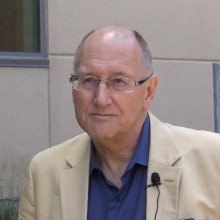
Dr. David Hill, Lawson Scientific Director and VP, Research at LHSC and. St. Joseph's
Some of these studies were clinical trials, which are research studies performed with people. Many patients from London hospitals get involved as patient participants and when COVID-19 hit, many agreed to be a part of this important research.
“We saw the pandemic happening across the world, and suddenly it was happening here in London. This has probably been the biggest challenge of my career,” says Carol Young-Ritchie, Executive Vice President at LHSC. “We had to look at many of our processes and how we were doing things, and adjust appropriately and nimbly.”
Young-Ritchie adds that as the hospital continued to admit a growing number of COVID-19 patients, a strong focus on research was needed. “It was absolutely critical and important for LHSC as a leader and academic centre to contribute to our collective knowledge. We needed to keep that research going and although it has been challenging, it has also taught us to be innovative.”
Image
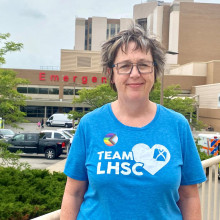
Carol Young-Ritchie, Executive Vice President at LHSC
The same focus was happening at St. Joseph’s Health Care London, with health care providers and researchers finding ways to improve care and outcomes for patients who had contracted the virus. “COVID-19 research through the hospital has been incredibly important,” says Karen Perkin, Vice President of Patient Care at St. Joseph’s. “We had researchers busy looking at the impacts of COVID-19. We had patients on ventilators and we were trying to understand that more. We also had research looking at the impacts for staff members looking after patients. All important, helpful knowledge as we move forward.”
Image
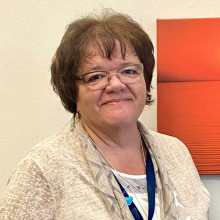
Karen Perkin, Vice President of Patient Care at St. Joseph’s
Hospital research in London through Lawson is proudly affiliated with Western University. At Western’s Schulich School of Medicine & Dentistry, the new state-of-the-art Imaging Pathogens for Knowledge Translation (ImPaKT) Facility was the perfect environment to conduct COVID-19 research.
“ImPaKT is a special containment facility where research on viruses like SARS-CoV-2 can be done safely,” says Dr. David Litchfield, Vice Dean of Research and Innovation at Schulich Medicine & Dentistry. “It has become a focal point for dozens of studies involving research through Schulich Medicine & Dentistry, as well as partners from the hospitals and other academic institutions and industries.”
Image
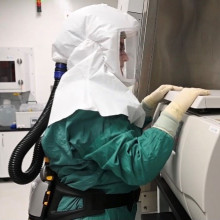
Dr. Litchfield adds that collaboration between hospital partners and scientists has been the key to successful COVID-19 research. “This collaboration has enabled advances leading to new diagnostic testing for COVID-19, as well as studies using MRI or related imaging tools to investigate long-term impacts of the infection on individuals.”
The rapid research response to COVID-19 couldn’t have happened without community and foundation financial support. “Funding support from our hospital Foundation is something we are so grateful for,” says Perkin, referring to St. Joseph’s Health Care Foundation. “They came right out at the beginning and asked how they could help, as did our donors.”
LHSC’s London Health Sciences Foundation and Children’s Health Foundation were also pivotal in research funding during the pandemic. “Funding is a crucial part to how we do hospital research and the Foundations have been important partners in making sure our research continued,” says Young-Ritchie.
As the pandemic continues, so does the research within our community. Hospital research has already improved diagnostics, treatments and patient outcomes related to COVID-19 and helped people all around the world.
“If you look at some of the achievements that have occurred in just a little more than a year, we have had a number of landmark publications on ways to diagnose COVID-19 compared to other respiratory disorders,” notes Dr. Hill. “We have had many rapid advances and it can take a crisis to bring out the best in people. Then things come together quickly, such as expertise, talent and money – and the job gets done.”
This is Part 1 in Lawson’s COVID-19 feature series. Visit Lawson’s website again to learn more about the research studies that helped us understand COVID-19, explore diagnosis and treatments, and show the impacts of the pandemic.
… there are several options available for driving a van. Specialized modifications can allow a person to transfer to … there are several options available for driving a van. Specialized modifications can allow a person to transfer to …
Parkwood Hospital Driving Assessment and Rehabilitation Program 801 Commissioners Road East London, Ontario N6C 5J1 Phone: (519) 685-4070 Fax: (519) 685-4576 DRIVING WITH RHEUMATOID ARTHRITIS Rheumatic disease includes nearly 100 different conditions, which cause pain in the joints and connective ti...
Rheumatology Infusion Room LOCATION AND HOURS The Rheumatology Infusion Room is located within the Rheumatology Clinic at St. Josephs Hospital: in Zone D, on Level 2. You will check in at the same reception area as when you see your rheumatologist. Hours of Operation: Monday to Friday (excluding sta...
… WHAT IS A RADIOLOGIST? A radiologist is a physician with specialized training to perform x-ray procedures and … WHAT IS A RADIOLOGIST? A radiologist is a physician with specialized training to perform x-ray procedures and …
CARING FOR THE BODY, MIND & SPIRIT SINCE 1869 Renowned for compassionate care, St. Josephs is one of the best academic health care organizations in Canada dedicated to helping people live to their fullest by minimizing the effects of injury, disease and disability through excellence in care, teachin...
… Joseph's Health Care London McCarthy Elizabeth Director, Specialized Geriatric Services $133,719.84 $769.23 2016 … Joseph's Health Care London McCarthy Elizabeth Director, Specialized Geriatric Services $133,719.84 $769.23 2016 …
Page 1 Cal Year / Anne civile Sector / Secteur Employer / Employeur Surname / Nom de famille Given Name / Prnom Position Title / Poste Salary Paid / Traitement vers Taxable Benefits / Avantages imposables 2016 Hospitals & Boards of Public Health / Hpitaux et Conseils de sant St. Joseph's Health Care...
… and regional mental health services. New facilities for specialized mental health services will be built beside … and regional mental health services. New facilities for specialized mental health services will be built beside …
Annual Accessibility Plan regarding ONTARIANS WITH DISABILITIES ACT for the St. Josephs Health Care, London September 2003 - August 2004 Submitted to Cliff Nordal Chief Executive Officer 30 September 2003 Prepared by Nick Kokkoros Facilitator Accessibility Working Group This publication is available...
… and regional mental health services. New facilities for specialized mental health services will be built beside … Injury / Acquired Brain Injury-Parkwood Catherine Glover Specialized Geriatric Services Karen Shuttleworth … Recently submitted drawings to the MOH for the two new specialized mental health buildings at Parkwood Hospital and …
Annual Accessibility Plan for the St. Joseph Health Care, London September 2004 - August 2005 Submitted to Cliff Nordal Chief Executive Officer 30 September 2004 Prepared by SJHC Accessibility Working Group Co-ordinator, Derek Lall This publication is available on the hospitals website and in altern...